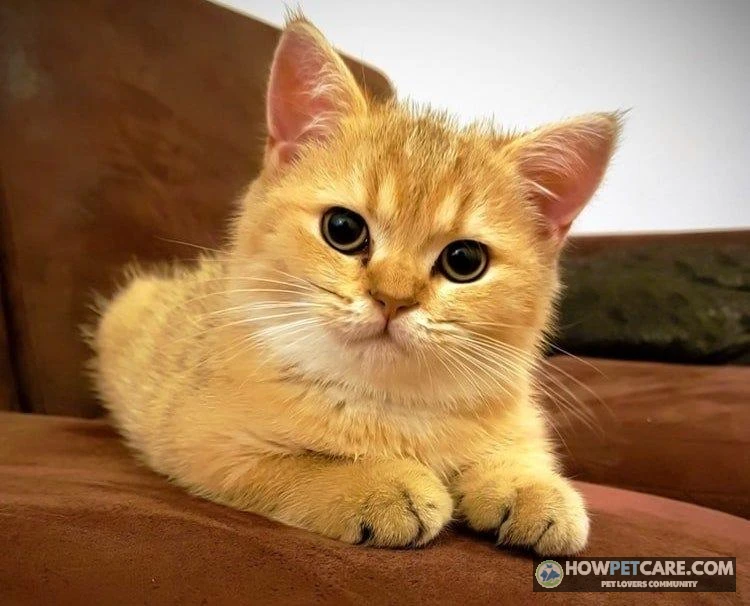

A moggy cat (also spelled moggie) is a British informal term for a cat with no documented pedigree — the rough equivalent of an American domestic shorthair or domestic longhair. Moggies come in every coat length, color, and pattern, and commonly live around 12–20 years or more.
What Is a Moggy Cat?
A moggy cat, also spelled moggie, is a British informal term for a cat without a documented pedigree. It isn’t a recognized breed; in the United States, a similar cat is often called a domestic shorthair or domestic longhair.
A moggy’s family history may be unknown, or it may have generations of non-pedigree ancestors. People sometimes use mixed breed cat to mean the same thing, but that doesn’t necessarily imply recent ancestors from identifiable breeds.
The word’s origin isn’t certain. Suggested explanations link it to the name Margaret, the M-shaped marking on a tabby’s forehead, or an old Lancashire use of “moggy” meaning mouse. None is a settled explanation.
Moggy vs Domestic Shorthair, Tabby and Pedigree
Cat labels describe different things: ancestry, appearance, or living situation. A single cat may fit several labels.
| Label | What it describes | Example |
|---|---|---|
| Moggy or moggie | An informal term for a non-pedigree cat | A longhaired rescue cat with no documented ancestry |
| Domestic shorthair (DSH), domestic medium-hair (DMH), or domestic longhair (DLH) | A domestic cat described by coat length, commonly used for cats without a documented pedigree | A shelter lists a shorthaired moggy as a DSH |
| Mixed breed | An imprecise description that can mean a cat of mixed or unknown ancestry | A rescue uses “mixed breed” when the parents are unknown |
| Tabby | A coat pattern, not a breed | A striped domestic shorthair or a tabby pedigree cat |
| Pedigree cat | A cat with documented ancestry, usually recorded through a breed registry | A registered Persian with documented parentage |
| House cat or alley cat | A living situation or circumstance, not a reliable ancestry label | A house cat may be a moggy or a pedigree |
Moggy vs domestic shorthair: In the United States, a shorthaired moggy is often called a domestic shorthair. But “moggy” covers cats with medium or long coats, too. Shelters and veterinary practices may use these labels differently. If ancestry or grooming needs matter to you, ask what a listing means.
Moggy Cat Lifespan, Size and Personality
A moggy’s lifespan is often given as roughly 12 to 20 years or longer. That’s a broad guide, not a prediction for an individual cat. Lifestyle, medical history, body condition, and access to veterinary care all play a part. One profile gives a common adult weight of about 4–5 kilograms, or approximately 9–11 pounds, though healthy cats can fall outside that range.
| At a glance | What to expect |
|---|---|
| Lifespan | Often roughly 12–20+ years; individual outcomes vary |
| Adult size | Variable; around 9–11 pounds is one commonly cited range, not a target for every cat |
| Coat | Short, medium, or long, in many colors and patterns |
| Grooming | Depends on coat length and the individual cat |
| Personality | Individual; not defined by the moggy label |
A kitten’s adult size and personality are hard to predict from the word “moggy.” An adult cat’s weight alone doesn’t show whether it’s in good condition; frame size and muscle matter, too.
There’s no standard moggy personality. One cat may be outgoing and energetic; another may be reserved or relaxed. Some are independent, while others seek attention. Socialization, age, experience, health, and surroundings can all shape behavior.

If you’re considering an adult cat, ask shelter or foster staff what they’ve observed over time. Does the cat seek attention or prefer space? Does it enjoy play or tolerate being picked up? Has it lived comfortably with children, dogs, or other cats? An adult’s established behavior can help you make a decision, though it may change as the cat settles into a new home.
Moggy vs Pedigree Cat: Health, Cost and Predictability
The choice isn’t between a guaranteed healthy moggy and an unhealthy pedigree. Instead, you’re comparing individual cats with different histories, needs, and levels of predictability.
| Factor | Moggy | Pedigree cat | What to keep in mind |
|---|---|---|---|
| Acquisition cost | Often adopted through a shelter, rescue, or private rehoming | May be adopted or acquired through other routes | Fees and what they include vary; ask for an itemized explanation |
| Inherited health risks | A diverse ancestry may reduce the chance of some breed-associated inherited problems | Some breeds have known inherited risks | Neither label guarantees health; ask about the individual cat’s records |
| Lifespan | Broadly variable; a commonly cited guide is 12–20+ years | Varies by breed and individual | Age, environment, and care matter for both |
| Temperament | Highly variable; assess the individual | Breed tendencies may offer clues | Socialization, experience, and individual differences matter in both groups |
| Appearance | Coat, size, and pattern vary widely | Breed standards can make some traits more predictable | An unregistered lookalike is not proof of pedigree ancestry |
| Records | Ancestry may be unknown; rescue records can still be useful | Registered cats have documented ancestry | Medical and behavior records are valuable regardless of pedigree |

A pedigree cat can also come from a rescue. Once home, both cats need food, litter, preventive care, and a plan for unexpected veterinary bills. Routine ownership costs can overlap substantially; the budget later in this guide can help you estimate them.
Are Moggies Healthier Than Pedigree Cats?
The claim that moggies are always healthier is too broad. A wider gene pool may reduce the chance of some disorders associated with particular breeds, but a non-pedigree cat can still inherit disease or become ill for other reasons.
What Genetic Diversity Can and Cannot Protect Against
Feline genetics is the study of inherited characteristics in cats. Cats inherit genetic material from both parents. If a harmful gene variant is more common in a particular breeding population, cats in that population may face a higher risk of the associated condition. Greater genetic diversity can make some inherited combinations less likely.
People sometimes use hybrid vigor to describe a potential benefit of genetic diversity. It’s not a medical certificate, and it doesn’t mean every moggy has a lower disease risk than every pedigree cat. Risk depends on the condition, the cats being compared, and their individual ancestry.
The evidence available for this guide doesn’t establish a reliable overall percentage by which moggies are healthier than pedigree cats. Comparisons also need careful interpretation: the pedigree group may include many breeds, while non-pedigree cats can have very different backgrounds. Differences in veterinary visits and diagnosis can affect what gets recorded, too.
Moggies can develop inherited conditions, as well as obesity, dental disease, diabetes, kidney disease, and cancer. They can also acquire infections such as feline immunodeficiency virus (FIV) and feline leukemia virus (FeLV). Ask your veterinarian which tests and preventive measures suit your cat’s history and exposure risks.

A non-pedigree label doesn’t replace a veterinary examination. Review known medical records, discuss any symptoms, and arrange preventive care suited to the cat’s age and circumstances.
How Much Does a Moggy Cost to Adopt and Keep?
Adoption fees and care costs depend on location, the cat’s age, and what services are included. The figures below are illustrative planning scenarios, not verified 2026 price quotes. Check current prices with local shelters, veterinarians, and insurers before committing.
Adoption and Setup Costs
For a U.S. planning example, budget $50–$250 for adoption and $100–$300 for initial equipment, such as a secure carrier, litter box, bowls, scratching surface, and bedding. These are budgeting assumptions, not a claim about the typical fee in your area.
A shelter fee may cover spaying or neutering, a microchip, vaccinations, parasite treatment, or a health examination. Coverage varies. Ask what’s already been done, what remains due, and whether the microchip registration can be transferred to you.
Because “moggy” is a British term, you may also come across UK listings. For an illustrative UK planning allowance, set aside £75–£150 for adoption and £80–£200 for initial equipment, then check actual rescue fees. UK and U.S. prices aren’t interchangeable, and neither range is a verified current fee survey.

Annual Ownership Budget
This example assumes one adult cat in the United States, living indoors, using litter, eating a complete commercial diet, and covered by an insurance policy. It excludes adoption, initial setup, major illness, and emergencies. The ranges are planning assumptions, not sourced market averages.
| Expense | Illustrative annual cost | Assumptions and exclusions |
|---|---|---|
| Food | $250–$600 | Complete commercial food; prescription diets can cost more |
| Routine veterinary care | $150–$350 | Exam and routine preventive services; ask your clinic what its estimate includes |
| Pet insurance | $150–$500 | Optional policy; premium and coverage vary by cat and location |
| Litter | $150–$350 | One indoor cat; use and product choice vary |
| Accessories and enrichment | $50–$150 | Replacement toys, scratchers, and other supplies |
| Parasite prevention | $60–$180 | Depends on products and veterinary recommendations |
| Illustrative annual total | $810–$2,130 | Sum of the ranges above, before unexpected expenses |

Add the U.S. adoption and setup assumptions for an illustrative first-year total of $960–$2,680, before unexpected treatment. Your actual costs may be lower or considerably higher.
The separate UK example below uses pounds rather than converting the U.S. figures. It’s an illustrative budget, not a verified 2026 price survey.
| Expense | Estimated annual cost | Assumptions and exclusions |
|---|---|---|
| Food | £180–£360 | Complete commercial food for one adult cat |
| Routine veterinary care | £60–£140 | Routine services only; check local clinic prices |
| Pet insurance | £90–£250 | Optional cover; terms and premiums vary |
| Litter | £60–£130 | Indoor litter use |
| Accessories and enrichment | £30–£80 | Replacement supplies |
| Parasite prevention | £40–£90 | Depends on treatment and veterinary advice |
| Illustrative annual total | £460–£1,050 | Recurring expenses only; excludes unexpected treatment |
Including the UK adoption and setup allowances above gives an illustrative first-year total of £615–£1,400. The lower end isn’t a guarantee that every cat can be cared for at that price.
Insurance can help with covered bills, but policies differ in deductibles, reimbursement limits, exclusions, waiting periods, and how they treat pre-existing conditions. Get a quote for the individual cat, read the policy, and keep an emergency savings plan even if you buy coverage. Dental treatment and chronic illness can add substantial costs.
Moggy Coat Patterns and Cat DNA Tests
How to Describe Coat Color and Pattern
A useful description covers coat length, colors, and markings. For example, “shorthaired brown tabby with white paws” tells a shelter or veterinarian more than “mixed breed.”
| Description | What to look for |
|---|---|
| Tabby | Stripes, swirls, spots, or ticked hairs; tabbies commonly have facial markings |
| Tuxedo | Black-and-white markings that can resemble a dark jacket and white shirt |
| Calico | Distinct patches of white, orange, and black or their diluted colors |
| Tortoiseshell | Intermingled or mottled orange and black, or their diluted colors |
| Colorpoint | A lighter body with darker extremities, such as the face, ears, legs, and tail |
| Orange or black-and-white | Color descriptions that may be combined with a pattern description |

These descriptions can overlap. A cat might be an orange tabby, a tabby with white patches, or a longhaired colorpoint moggy. Calico and tortoiseshell cats are usually female, but there are exceptions. Appearance alone doesn’t establish a breed or a recent breed cross.
Can a DNA Test Identify a Moggy’s Breed Mix?
A consumer cat DNA test compares genetic markers in a sample with a company’s reference database. The results can describe genetic similarities, but a breed-percentage report isn’t the same as documented parentage. Many non-pedigree cats descend from generations of non-pedigree cats, rather than a recent pairing of recognizable breeds.
Cat breed reference databases are generally smaller than dog equivalents, and companies use different samples and methods. Results may vary by provider and change as databases grow. Similarity to a breed doesn’t prove that a particular pedigree cat was an ancestor.
If you’re considering a test, check the company’s sample requirements, privacy policy, reference populations, and explanation of uncertainty before paying. This guide doesn’t have verified current test prices. For a specific inherited health concern, ask your veterinarian whether a clinically relevant test is appropriate and how to interpret the result.

For routine records, a clear coat description and a current photograph are often more useful than guessing at breed ancestry from appearance.
How to Care for a Moggy Cat
Tailor care to the individual cat’s age, health, coat, and activity level. Having no pedigree doesn’t change the need for a complete diet, enrichment, and preventive veterinary care.
Feeding and Obesity Prevention
Choose food labeled complete and balanced for your cat’s life stage. Use the feeding guide for the cat’s current weight as a starting point, not a fixed prescription. Kittens, pregnant cats, older cats, and cats with medical conditions may have different needs; ask your veterinarian for a suitable plan.
Measure the daily portion with a kitchen scale or measuring cup, divide it into meals, and count treats as part of the day’s intake. If you feed both wet and dry food, account for both instead of serving a full labeled portion of each. Keep fresh water available.
Track your cat’s weight and ask your veterinarian to assess body condition and muscle. If the cat’s weight changes or its shape suggests excess fat, discuss a gradual adjustment rather than abruptly restricting food. Have a veterinarian monitor a kitten’s growth rather than using an adult-cat weight target.
Grooming and Preventive Care
Make time each day for play, scratching, climbing, hiding, and resting. Many cats can live indoors if their environment meets those needs, though an individual’s previous experience matters. Ask a rescue what an adult cat is used to and how it responds to confinement.
Brush to suit the cat’s coat and tolerance. Short coats may need little help, while longhaired cats benefit from more frequent checks for tangles and mats. Check nails, ears, and teeth as part of a calm routine. If grooming is painful or difficult, ask a veterinary team for help.

Arrange veterinary examinations and discuss vaccinations, parasite prevention, dental care, microchipping, and spaying or neutering. Recommendations depend on age, health, exposure, and local conditions. Keep microchip contact details up to date if you move or change phone numbers.
No cat, moggy or otherwise, is reliably hypoallergenic. If someone in your household has allergies, discuss the situation with their healthcare professional and, where possible, spend time with the individual cat before committing.
How to Adopt a Moggy and Help a Rescue Cat Settle In
Where to Look and What to Ask
U.S. municipal shelters and humane societies often have cats of different ages and backgrounds. Rescue organizations may use foster homes, where caregivers can tell you about a cat’s daily behavior. Responsible private rehoming can be another option. Verify the cat’s identity and records, and meet the current caregiver when possible.
Ask how long the cat has been in care, what’s known about its history, and whether it has lived with other animals or children. Request any available vaccination, medical, parasite-treatment, spay or neuter, and microchip records. Ask whether FIV or FeLV testing has been done and what the results mean; don’t assume testing is included in the adoption fee.
Choose a source that welcomes questions, explains its process and fees, and shares known health or behavior concerns. An unknown history isn’t necessarily a reason to rule out a cat. It does make observation, a gradual introduction, and a relationship with a veterinarian especially useful.
Shelter-to-Home Checklist
-
Find a potential match
Browse local shelter and rescue listings for a cat whose age, activity level, and known needs suit your household. Ask about adult cats as well as kittens.
-
Meet and ask questions
Discuss handling preferences, play, medical needs, and experience with children or other pets. Behavior in a shelter may differ from behavior at home.
-
Complete the adoption process
Follow the organization’s application process and any household checks. Before bringing the cat home, confirm the fee, included services, outstanding treatments, records, and microchip transfer.
-
Prepare a quiet room
Set up a hiding place, food, water, litter box, and scratching surface. Keep litter away from food and water, and use a secure carrier for transport.
-
Let the cat set the pace
Offer consistent meals and let the cat emerge without forced handling. Gradually expand access to the home as it becomes comfortable. Introduce resident pets slowly, starting with scent and moving on to supervised encounters.
An adult rescue cat may hide or interact less while adjusting. Keep a predictable routine, provide a safe place to retreat, and monitor whether the cat is eating, drinking, and using the litter box. Contact a veterinarian promptly if it isn’t eating, seems unwell, strains to urinate, or shows other concerning signs. Don’t assume every change is simply stress.

Before committing, make sure your household can meet the individual cat’s activity level and handling preferences, afford routine care and unexpected costs, and reach a veterinarian when needed. If you share your home with other people or animals, plan introductions and agree on daily responsibilities before adoption.

| Category | Item or Label | Description | Estimated Cost (US) | Estimated Cost (UK) | Key Considerations |
|---|---|---|---|---|---|
| Cat Classification | Domestic shorthair (DSH), domestic medium-hair (DMH), or domestic longhair (DLH) | A domestic cat described by coat length, commonly used for cats without a documented pedigree | Not in source | Not in source | Example: A shelter lists a shorthaired moggy as a DSH |
| Cat Classification | House cat or alley cat | A living situation or circumstance, not a reliable ancestry label | Not in source | Not in source | Example: A house cat may be a moggy or a pedigree |
| Cat Classification | Mixed breed | An imprecise description that can mean a cat of mixed or unknown ancestry | Not in source | Not in source | Example: A rescue uses “mixed breed” when the parents are unknown |
| Cat Classification | Moggy or moggie | An informal term for a non-pedigree cat | Not in source | Not in source | Example: A longhaired rescue cat with no documented ancestry |
| Cat Classification | Pedigree cat | A cat with documented ancestry, usually recorded through a breed registry | Not in source | Not in source | Example: A registered Persian with documented parentage |
| Cat Classification | Tabby | A coat pattern, not a breed | Not in source | Not in source | Example: A striped domestic shorthair or a tabby pedigree cat |
| Coat Pattern | Calico | Distinct patches of white, orange, and black or their diluted colors | Not in source | Not in source | Usually female, but there are exceptions |
| Coat Pattern | Colorpoint | A lighter body with darker extremities, such as the face, ears, legs, and tail | Not in source | Not in source | Coat terms describe pattern, not pedigree |
| Coat Pattern | Orange or black-and-white | Color descriptions that may be combined with a pattern description | Not in source | Not in source | Appearance alone doesn't establish a breed or recent breed cross |
| Coat Pattern | Tabby | Stripes, swirls, spots, or ticked hairs; tabbies commonly have facial markings | Not in source | Not in source | Coat terms describe pattern, not pedigree. Color descriptions like orange or black-and-white may be combined with a pattern description |
| Coat Pattern | Tortoiseshell | Intermingled or mottled orange and black, or their diluted colors | Not in source | Not in source | Usually female, but there are exceptions |
| Coat Pattern | Tuxedo | Black-and-white markings that can resemble a dark jacket and white shirt | Not in source | Not in source | Coat terms describe pattern, not pedigree |
| Annual Expense | Accessories and enrichment | Replacement toys, scratchers, and other supplies | 50–150 | £30–£80 | Covers replacement supplies |
| Annual Expense | Food | Complete commercial food for one adult cat | 250–600 | £180–£360 | Assumes complete commercial food; prescription diets can cost more |
| Annual Expense | Illustrative annual total | Sum of recurring annual ownership expenses | 810–2,130 | £460–£1,050 | Sum of routine ranges before unexpected expenses; excludes adoption, initial setup, major illness, and emergency treatment |
| Annual Expense | Litter | Indoor litter use for one adult cat | 150–350 | £60–£130 | Use and product choice vary |
| Annual Expense | Parasite prevention | Routine parasite prevention treatments | 60–180 | £40–£90 | Depends on products, treatment, and veterinary recommendations |
| Annual Expense | Pet insurance | Optional policy | 150–500 | £90–£250 | Premium, terms, and coverage vary by cat and location |
| Annual Expense | Routine veterinary care | Exam and routine preventive services | 150–350 | £60–£140 | Routine services only; ask local clinic what its estimate includes |
FAQ
Are moggy cats hypoallergenic?
No cat is reliably hypoallergenic, including a moggy. Allergens are produced in saliva and skin secretions, and reactions vary between people and individual cats.
Can a moggy live indoors?
Many moggies can live indoors if their environment meets their needs for play, climbing, scratching, hiding and litter access. Suitability depends on the individual cat and its previous experience.
Should I adopt a moggy kitten or an adult cat?
Kittens need considerable supervision and their adult personalities are less predictable. An adult cat may have a more established temperament that rescue staff can describe, although behavior can change as the cat settles.