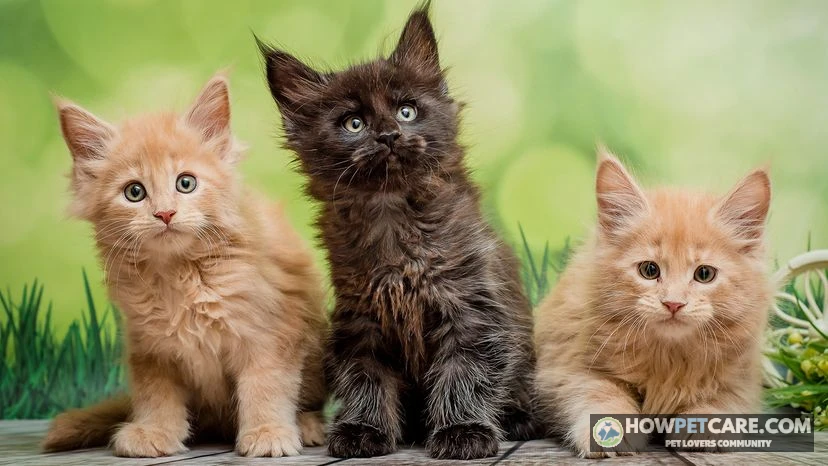

The breeds most often described as relatively healthy — though individual screening matters more than any label:
- Domestic shorthair (mixed-breed) — no exaggerated features; assess the individual cat’s records.
- American Shorthair — easy grooming; ask about HCM and parental echocardiograms.
- Siamese — reported 15–20-year lifespan; ask about PRA and amyloidosis.
- Russian Blue — low-maintenance coat; discuss family cardiac history.
- British Shorthair — ask about HCM, PKD, and weight management.
- Abyssinian — testable risks include PRA and pyruvate kinase deficiency.
A healthy domestic shorthair from a shelter is a practical starting point if you want a cat without deliberately exaggerated physical features. Among pedigree cats, the American Shorthair, Siamese, and Russian Blue are worth researching. None is guaranteed to outlive another cat or cost less to care for, though. Individual health, family history, screening, and daily care matter more than a breed label alone.
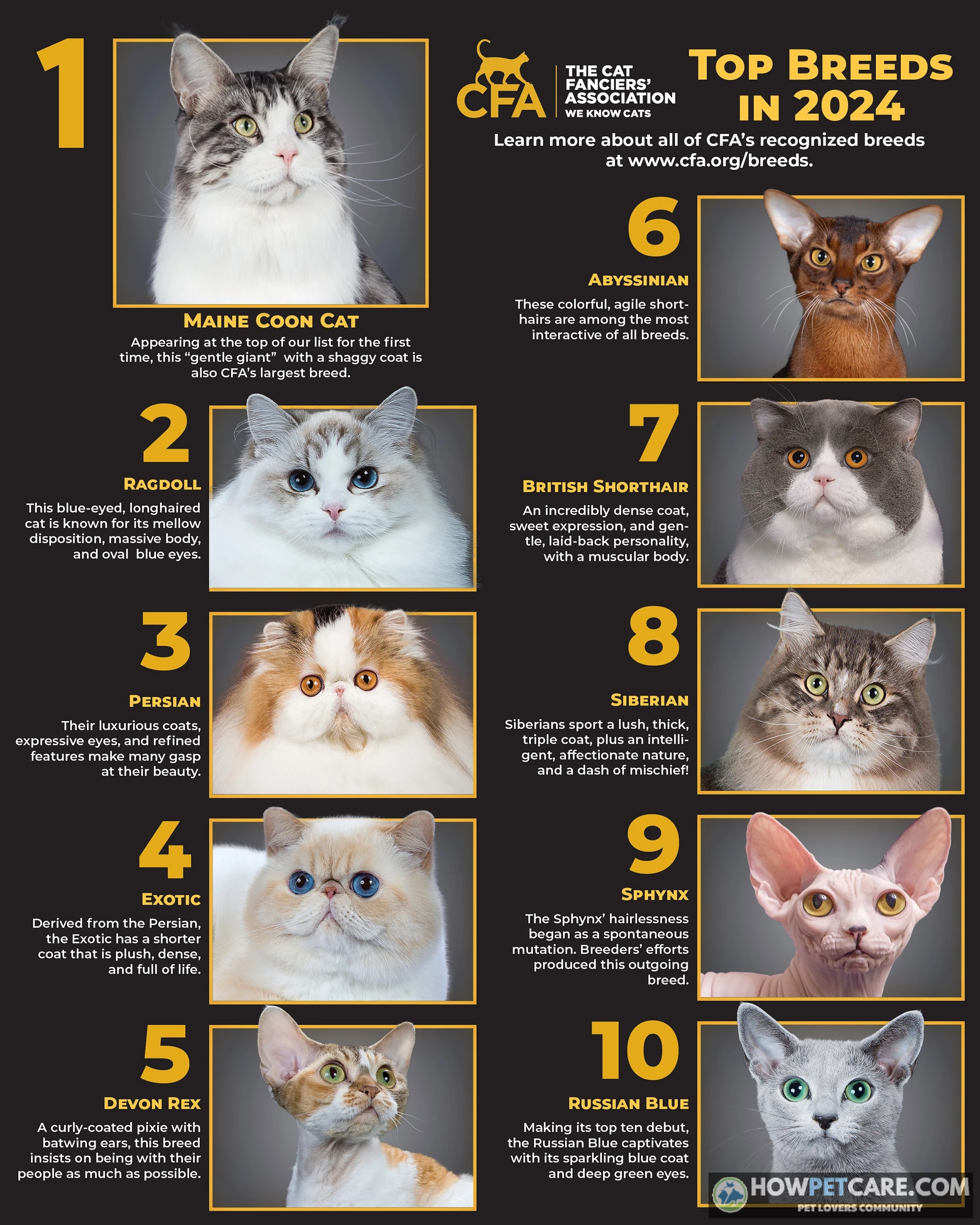
The comparison below is a shortlist, not a scientifically validated league table. Published breed descriptions differ on life expectancy, and the available evidence doesn’t establish a reliable health ranking across these breeds. Use the numbered entries to organize your research, not as proof that one breed is healthier than another.
Healthiest cat breeds at a glance: lifespan, risks, and costs
| Status | Cat or breed | Reported life expectancy | Named health concerns | Screening to discuss | Grooming | Typical U.S. acquisition price | Evidence and limitations |
|---|---|---|---|---|---|---|---|
| Unranked; mixed ancestry | Domestic shorthair or longhair | Individual history varies; no verified range supplied here | Heart disease, kidney disease, and dental disease can occur | Shelter records and an independent veterinary exam | Low for shorthairs; higher for longhairs | Request local shelter fees | Coat category, not a pedigree breed; ancestry and history are often unknown |
| 1; evidence-limited | American Shorthair | A breed overview gives a range, but its exact endpoints are not available in the supplied evidence | Hypertrophic cardiomyopathy (HCM) can occur | Family cardiac history; discuss parental echocardiograms | Low | Request breeder quotes | Comparative inherited-disease and lifespan data are insufficient to rank it reliably |
| 2; evidence-limited | Siamese | 15–20 years in a breed overview; an estimate, not a population guarantee | Progressive retinal atrophy (PRA), amyloidosis | Breed-relevant retinal DNA testing and family history | Low | Request breeder quotes | Long lifespan estimates conflict across sources and may not describe every line |
| 3; evidence-limited | Russian Blue | No verified range supplied here | HCM and other common feline diseases can occur | Family history and veterinary records; discuss cardiac screening | Low | Request breeder quotes | Sparse comparative evidence is not proof of unusually low inherited risk |
| 4; screening-dependent | British Shorthair | 14–20 years in one breed overview; other evidence may produce different estimates | HCM, polycystic kidney disease (PKD), obesity | Parent cardiac scans and relevant PKD testing | Low to moderate | Request breeder quotes | Known conditions warrant careful scrutiny; not established as lower-risk than other breeds |
| 5; evidence-limited | Siberian | No verified range supplied here | HCM can occur; hip dysplasia is a concern to discuss | Family cardiac and orthopedic history; discuss heart and hip screening | Moderate to high | Request breeder quotes | Evidence is too limited here to establish comparative health or allergy benefit |
| 6; evidence-limited | Abyssinian | 14–17+ years in a breed overview | PRA and pyruvate kinase deficiency | Breed-relevant DNA tests for both conditions | Low | Request breeder quotes | Testable inherited risks do not amount to proof of low overall risk |
| 7; evidence-limited | Balinese | 18–22 years in one breed overview; treat as an estimate, not a promise | PRA and reported heart or liver disease | Retinal DNA testing and family health history | Moderate | Request breeder quotes | The reported range is not a demonstrated population-wide outcome |
| 8; evidence-limited | Burmese | No verified range supplied here | Inherited hypokalemia and diabetes | Hypokalemia DNA testing and family history | Low | Request breeder quotes | Breed lines and health histories vary; comparative evidence is limited |
The evidence available doesn’t support current, comparable U.S. purchase-price ranges for every breed. Ask shelters and breeders for itemized quotes instead of relying on an old online estimate for your budget. A higher purchase price doesn’t establish better genetics or predict lower vet bills.
Hypertrophic cardiomyopathy thickens the heart muscle and can interfere with normal heart function. Polycystic kidney disease causes fluid-filled cysts in the kidneys. Progressive retinal atrophy damages the retina and can lead to vision loss. These conditions are risks to ask about, not diagnoses that apply to every cat in a breed.
How the healthiest cat breeds are selected and ranked
A sound comparison would give the most weight to population-level evidence on inherited disease and lifespan, then consider the severity of known conditions and whether useful screening is available. Grooming needs and acquisition costs help determine whether a cat suits a household, but they don’t measure genetic health.
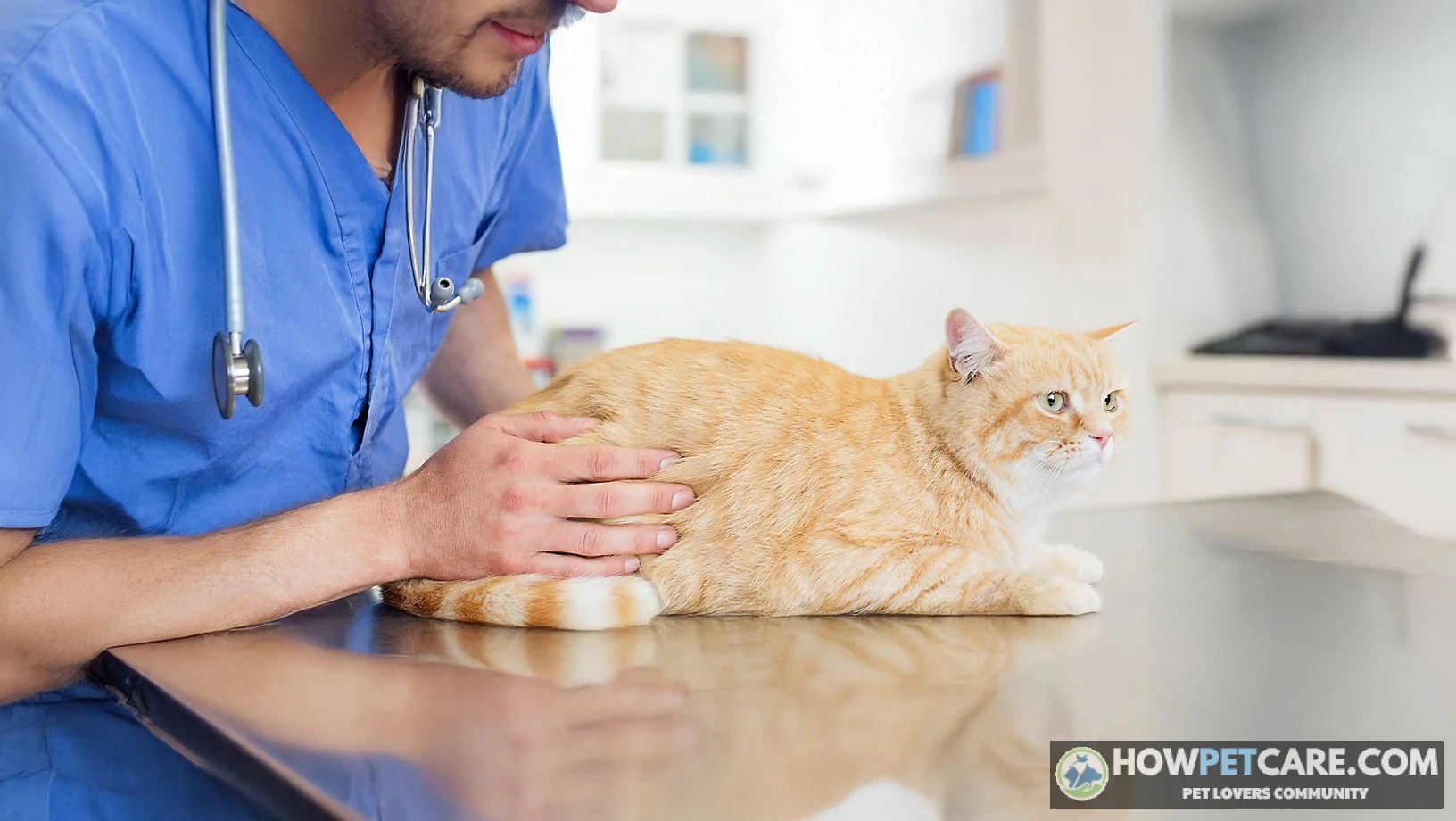
This article focuses on cats without deliberately extreme features and includes breeds whose health histories owners can ask about. It does not assign numerical scores: the evidence available for these eight entries can’t support a reproducible ranking from healthiest to least healthy. The numbers make the list easier to follow; the evidence labels show how cautiously to read it.
A reported lifespan range isn’t the same as a median from a study of cats that died. A median is the middle observed value for the group studied; a breed-guide range may be an estimate assembled for another purpose. Geography, sample size, breeding practices, and which cats enter a study can all affect the result. None predicts an individual cat’s lifespan.
A breed with few published disease reports may not have few diseases. It may simply be understudied. Cat Fanciers’ Association, or CFA, breed standards describe pedigree characteristics; registration and a desirable appearance aren’t health certifications.
A negative genetic test, a normal heart scan, and pedigree papers answer different questions. None guarantees that a kitten will remain free of inherited disease.
 You might be wonderingWhite cat speciesWhite Cat Breeds: 16 Types, Comparison Table & How to ChooseRead the answer
Mixed-breed cats vs purebreds: a practical adoption path
Domestic shorthair describes a short-coated cat without identifying a particular pedigree. Domestic longhair is the equivalent category for a long-coated cat. Either can be an excellent choice for a first-time owner who cares more about an individual cat’s health and temperament than a predictable breed appearance.
Mixed ancestry can increase genetic diversity and may reduce the chance that a cat inherits two copies of certain harmful recessive variants. This idea is sometimes called hybrid vigor. It doesn’t mean every mixed-breed cat is healthier than every purebred: mixed-breed cats can inherit disease and develop the same common illnesses as pedigreed cats. Some popular guides call mixed breeds the healthiest choice, but that broad claim shouldn’t replace an individual assessment.
A pedigree buyer may be able to review health tests for both parents and ask about relatives. Shelter adopters often have less family history, but may be able to review the cat’s examination and treatment records and learn about its observed behavior. An adult cat is also worth considering: its size, temperament, and known chronic conditions may be easier to assess than a young kitten’s.
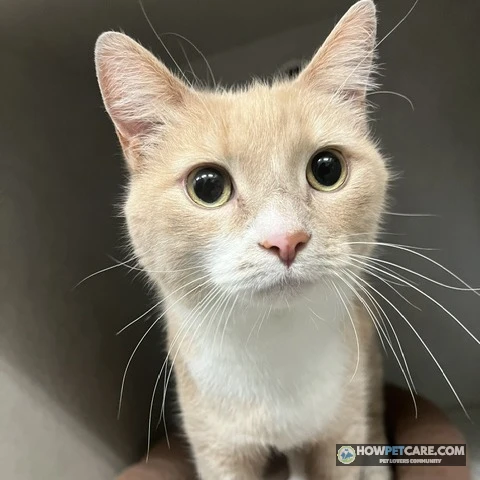
How to assess a shelter cat
- Ask for the file first. Request the estimated age, vaccination and parasite-treatment history, spay or neuter status, known medical conditions, medications, and any feline leukemia virus or feline immunodeficiency virus test results. Ask what hasn’t been tested, too.
- Ask what staff have observed. How long has the cat been in care? Has it been eating, drinking, moving, and using the litter box normally? What has staff seen around children or other animals, if anything?
- Observe without forcing handling. Look for comfortable breathing, an easy gait, and eyes that are open without obvious discharge. If the cat tolerates touch, ask staff to help assess its body condition. An unusual sign calls for a veterinary explanation; it doesn’t automatically make the cat a poor adoption choice.
- Discuss known costs and uncertainty. Ask about pending treatment, the adoption fee, included services, and the written return or medical-support policy. Policies and services vary.
- Arrange an independent veterinary visit. If possible, discuss the records before committing; otherwise, book an exam promptly after adoption. Ask the veterinarian whether bloodwork, urine testing, or further infectious-disease testing makes sense for the cat’s age and history.
Open-mouth breathing or visibly labored breathing is urgent. Alert shelter staff right away rather than trying to diagnose the cat yourself. For less urgent concerns, ask what the veterinarian found and whether treatment or follow-up is planned.
The healthiest cat breeds: evidence, genetic risks, and screening
The entries below are starting points, not a claim that these breeds have the fewest health problems. For any kitten, ask for records that identify the tested parents and include the laboratory or veterinarian, test performed, and date.
1. American Shorthair
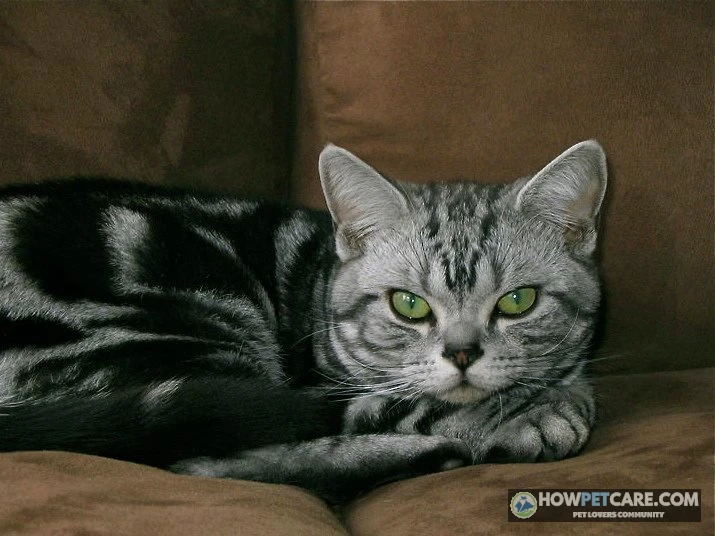
The American Shorthair appears on a published list of breeds described as relatively healthy, but that inclusion alone doesn’t show a lower disease rate than in other cats. Its short coat suits owners who prefer a modest grooming routine. The supplied evidence doesn’t include the exact endpoints of the lifespan range cited in that breed overview, so a reliable range can’t be repeated here.
Risk to discuss: HCM can affect American Shorthairs, as it can other cats. Some cats show no obvious signs. Rapid or difficult breathing, weakness, or sudden illness calls for veterinary attention.
Before paying: Ask whether close relatives have had heart disease or died unexpectedly, and whether either parent has had an echocardiogram. A veterinary cardiologist performs or interprets this heart ultrasound. Your veterinarian can help review the records and advise whether repeat scans make sense.
2. Siamese
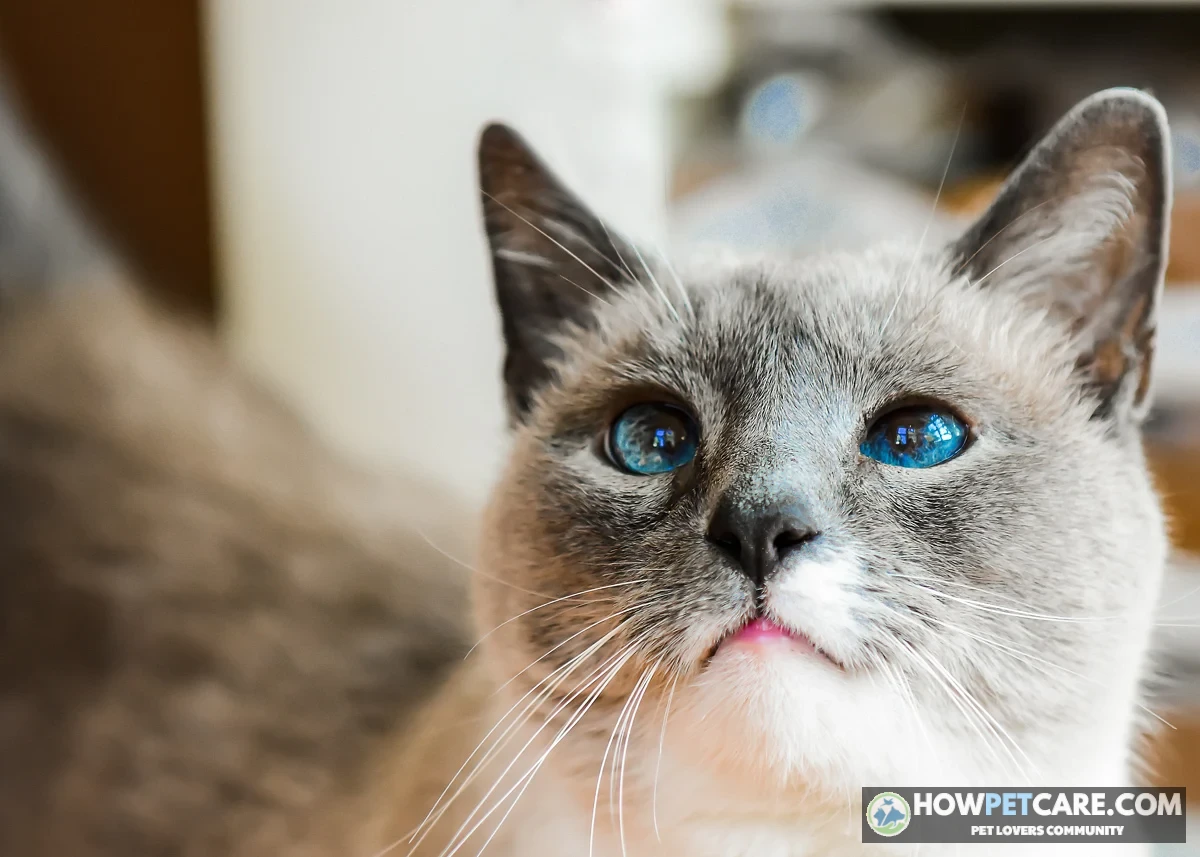
A breed overview estimates a Siamese lifespan of 15–20 years, but a guide’s range isn’t a measured guarantee of survival. Siamese cats may suit people who want an engaged companion and can meet an individual cat’s need for attention.
Risks to discuss: PRA can cause progressive vision loss. Amyloidosis involves abnormal protein deposits that can damage organs, including the liver. Ask about unexplained liver disease, vision problems, and early deaths among relatives.
Before paying: Ask whether the parents have been tested for the retinal degeneration variant relevant to their line, often called rdAc, and request the actual results. A negative result for one variant doesn’t rule out every inherited eye disorder or every cause of blindness.
3. Russian Blue
Russian Blues appear on lists of breeds considered relatively healthy, but the supplied evidence doesn’t establish a dependable lifespan range or prove the breed has fewer inherited conditions than other cats. Their short coat may appeal to owners looking for straightforward grooming.
Risk to discuss: HCM is possible, along with common feline conditions that aren’t specific to the breed. Changes in breathing, appetite, weight, or litter-box habits are worth discussing with a veterinarian.
Before paying: Ask about cardiac disease and longevity in close relatives, request parental veterinary records, and ask your veterinarian whether a parental echocardiogram would be useful. A generic DNA panel can’t replace a clinical heart assessment.
4. British Shorthair
One breed overview estimates a life expectancy of 14–20 years and also identifies HCM, PKD, hyperthyroidism, and obesity as concerns. Don’t take the broad estimate as evidence that an individual kitten will reach that age.
Risks to discuss: HCM affects the heart; PKD can impair kidney function as cysts grow. Weight gain is also worth discussing with a veterinarian because it can complicate overall health.
Before paying: Request cardiac ultrasound records for both parents and ask whether they have been tested for the PKD variant relevant to their ancestry. Review positive, negative, or unavailable results with your veterinarian. A normal scan or negative variant test doesn’t rule out every possible cause of heart or kidney disease.
5. Siberian
The Siberian appears on lists of potentially healthy breeds, but the available evidence doesn’t establish a reliable life expectancy range or comparative ranking for inherited disease. Its substantial coat calls for more grooming than the shorthair options.
Risks to discuss: HCM can occur. Hip dysplasia—abnormal development of the hip joint—can contribute to discomfort or reduced mobility. Reluctance to jump or stiffness deserves veterinary attention, though other conditions can cause those signs.
Before paying: Ask about cardiac and orthopedic history in the family. Discuss parental echocardiograms and any hip assessments with an independent veterinarian. Don’t accept a claim that a cat is allergy-free as a health-test result.
6. Abyssinian
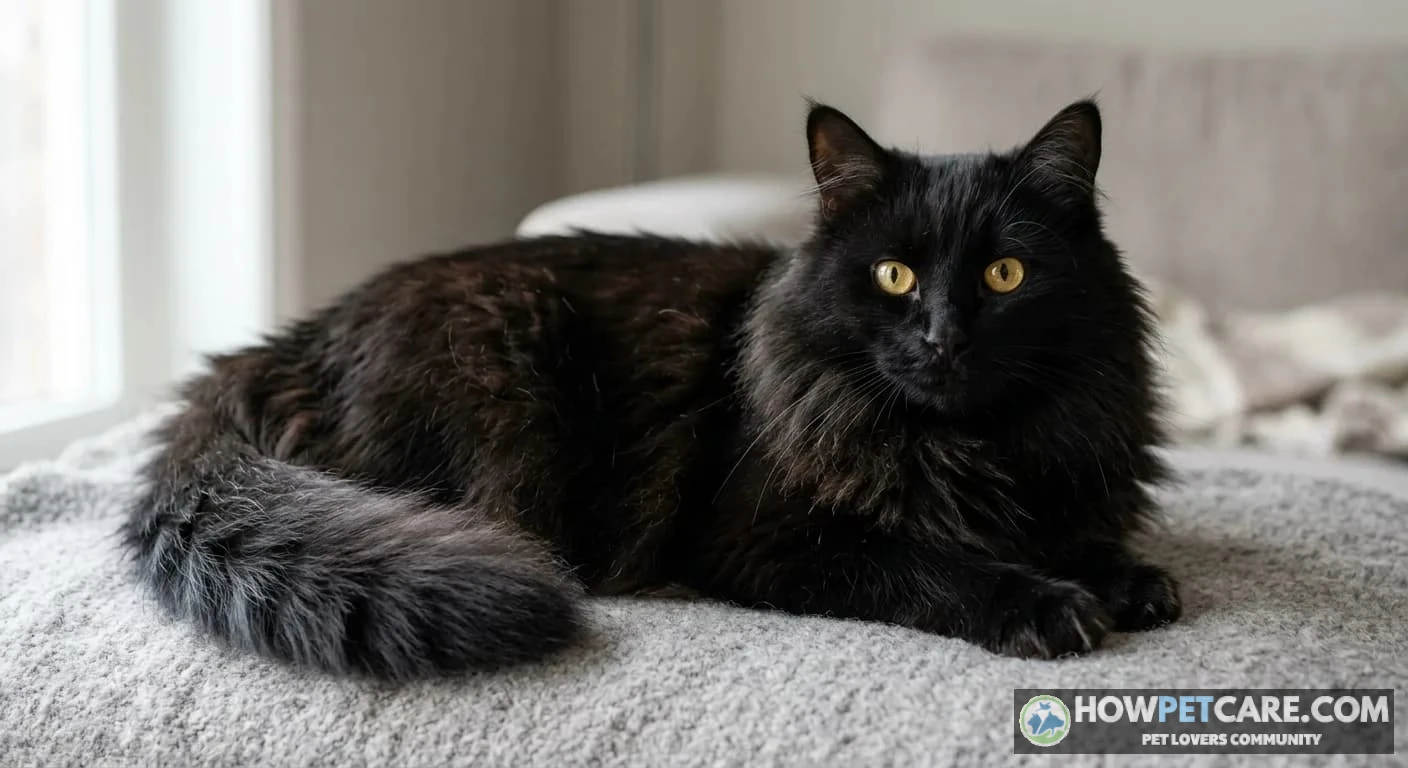
One breed overview estimates an Abyssinian lifespan of 14–17 years or more. That estimate makes the breed worth investigating if longevity matters to you, but it doesn’t show that an individual cat will live that long.
Risks to discuss: PRA can impair vision. Pyruvate kinase deficiency is an inherited disorder that can damage red blood cells and cause anemia. Signs may include low energy or pale gums, although a veterinarian must determine the cause.
Before paying: Request parent DNA results for the retinal and pyruvate kinase variants relevant to the breed. Ask your veterinarian how the results apply to the proposed mating, particularly if either parent is a carrier. A carrier result doesn’t automatically mean the cat is affected.
7. Balinese
One breed overview estimates a Balinese lifespan of 18–22 years and notes PRA and reported heart or liver disease as potential concerns. Treat this especially long estimate cautiously: it doesn’t show that most Balinese cats live into their twenties.
Risks to discuss: PRA can cause vision loss. Ask about reported heart and liver problems in the specific family line.
Before paying: Ask about relevant retinal DNA testing, diagnoses in close relatives, and available cardiac records. Request the laboratory report instead of relying on a breeder’s description of a kitten as healthy.
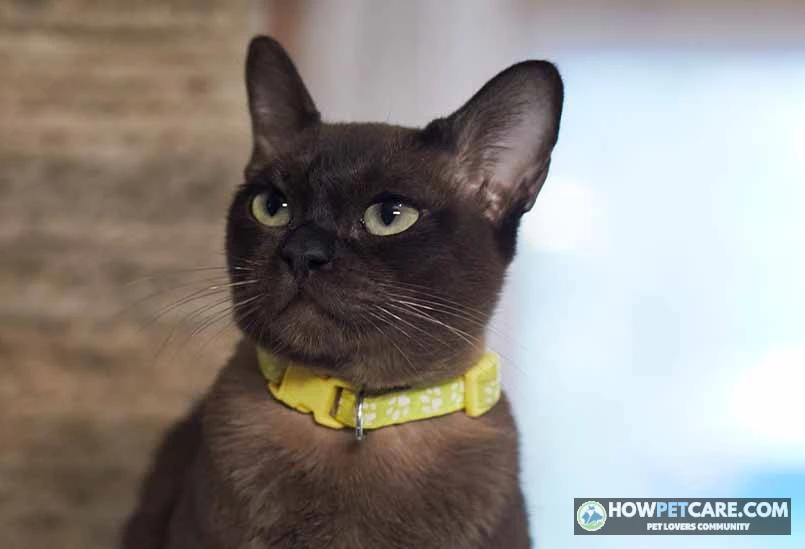
8. Burmese
The Burmese may suit someone looking for a short-coated pedigree cat, but the supplied evidence doesn’t provide a verified lifespan range. Without one, there’s no basis for placing the breed above another on longevity alone.
Risks to discuss: Inherited hypokalemia means low potassium and can cause muscle weakness. Diabetes is another condition to ask about in the family history. Weakness, increased thirst, or increased urination warrant veterinary evaluation, not an at-home diagnosis.
Before paying: Request results of the Burmese hypokalemia DNA test for both parents and ask about diabetes and weakness in relatives. Have your veterinarian explain how the parents’ results affect the kitten’s risk.
What screening results can and cannot tell you
A DNA test detects the particular variant or variants it includes. A negative result can’t rule out a different genetic cause or a condition that develops for non-genetic reasons. Testing is most useful when it matches a documented risk in the breed or family line.
An echocardiogram examines the heart at the time of the scan. Heart disease can develop later, so ask a veterinarian or veterinary cardiologist whether and when repeat screening makes sense. Normal results reduce uncertainty; they don’t guarantee lifelong freedom from HCM. The same applies to a normal kidney, eye, or orthopedic examination.

Ask your veterinarian to review the actual laboratory reports and clinical examinations before you send a deposit. The most useful screening plan is specific to the cat and its family.
Cat breeds with health problems to consider carefully
If your priority is avoiding preventable inherited or conformation-related risk, take particular care before buying cats bred for features that can compromise welfare. This isn’t an argument against adopting or caring for an individual cat with one of these conditions.
| Breed or trait | Condition and potential impact | What to ask or assess |
|---|---|---|
| Scottish Fold | Osteochondrodysplasia affects cartilage and bone development; the mutation associated with folded ears can also contribute to painful joint disease. | Ask a veterinarian to assess gait, pain, and joint health. The folded-ear trait itself is linked to the underlying cartilage problem. |
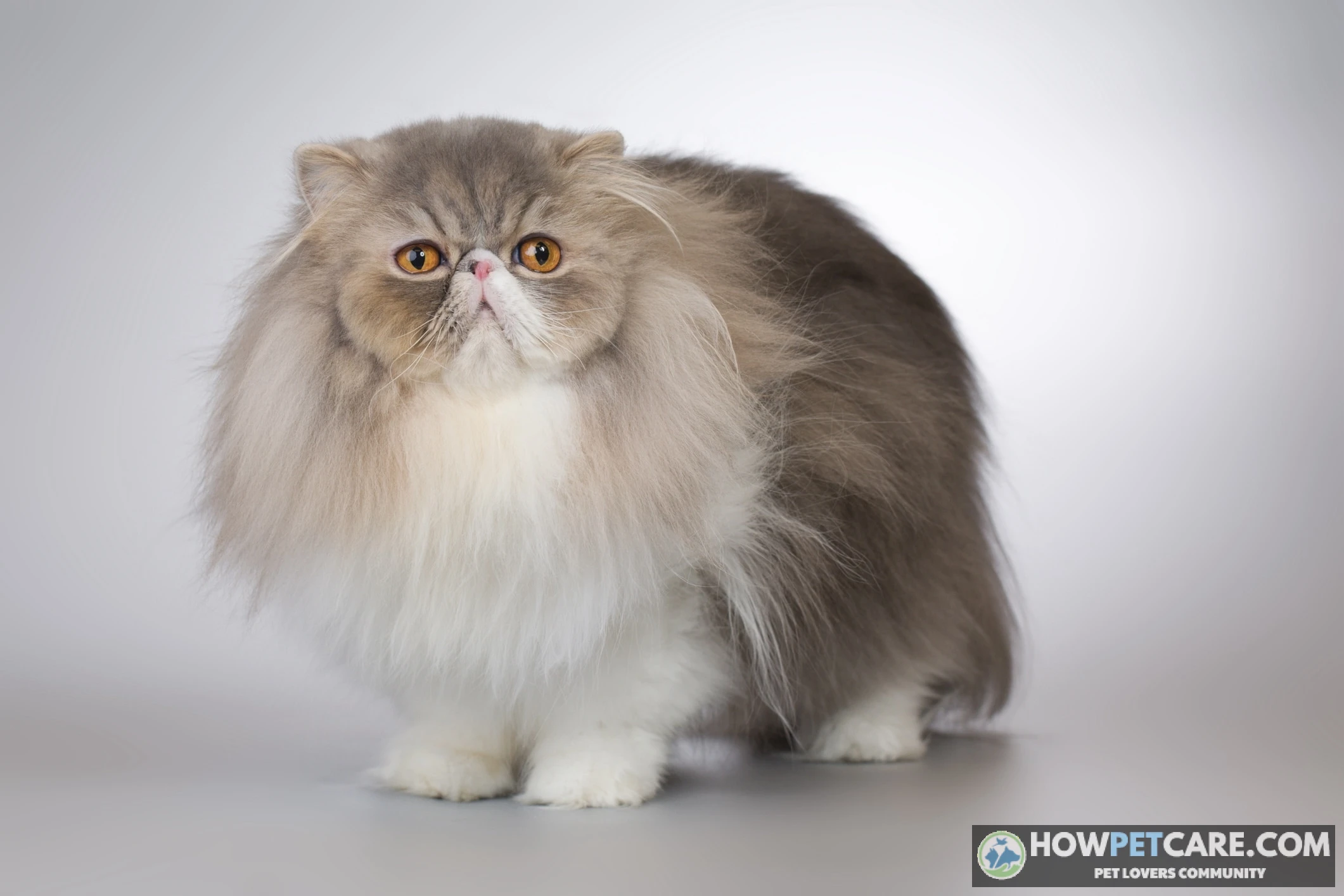
| Persian or Exotic Shorthair with a very flat face | Brachycephalic anatomy can narrow airways and contribute to breathing or eye problems. PKD can damage the kidneys. | Ask about breathing, eye care, and parent PKD results; have an independent veterinarian assess the individual cat. |
| Sphynx | HCM can affect the heart, and hairless skin requires particular care. | Request family cardiac history and parental echocardiogram records; ask about the cat’s skin-care needs. |
| Manx with a shortened or absent tail | Manx syndrome can involve spinal abnormalities, weakness, or difficulty controlling elimination. | Ask about mobility and litter-box history and request a neurological assessment if concerns arise. |
A cat with a diagnosis can still be a much-loved companion. Consider whether you understand its needs and can provide any treatment, monitoring, and financial support it may require. Screening may reduce some risks for a kitten, but it can’t undo a welfare problem that’s inseparable from the feature being selected.
Choose a healthy cat for your household and budget
Breed tendencies are a starting point. An individual cat’s behavior, age, medical history, and comfort with handling matter more than a promise that every cat of a particular breed will suit a particular home.
| Option | First-time owner fit | Fit with children | Apartment considerations | Allergy considerations | Upfront cost | Recurring and potential health costs |
|---|---|---|---|---|---|---|
| Adult domestic shorthair | Good option when shelter staff know its behavior and health history | Choose an individual known to tolerate gentle interaction | An adult’s energy and noise level may already be observable | No guarantee; arrange individual exposure | Ask for local adoption fee and included services | Food, preventive care, dental care, and a reserve for illness |
| American Shorthair | Short coat may make grooming manageable | Assess the individual kitten and family environment | Indoor enrichment and space to retreat still matter | Not reliably hypoallergenic | Obtain a breeder quote and ask about deposits | Routine care plus possible cardiac investigation |
| Siamese | Suitable if the owner wants an engaged companion | Match the individual cat’s tolerance and activity to the household | Consider vocalization and attention needs | Not reliably hypoallergenic | Obtain a breeder quote and test records | Routine care plus potential eye or other disease assessment |
| Russian Blue | A short coat can suit owners seeking modest grooming | A quieter individual may prefer respectful handling | Provide hiding and resting places | Not reliably hypoallergenic | Obtain a breeder quote and test records | Routine care and possible cardiac or other investigations |
| Siberian | Grooming commitment requires planning | Assess the individual’s behavior around children | Allow room for play and regular coat care | Lower-allergen claims are not a guarantee | Obtain a breeder quote and test records | Grooming, routine care, and potential cardiac or orthopedic assessment |
For an initial shortlist, compare an adult domestic shorthair with an American Shorthair and either a Siamese or Russian Blue, depending on the kind of interaction you want. Families should look for an individual cat comfortable with all household members. Apartment households should consider activity and vocalization, not just square footage.
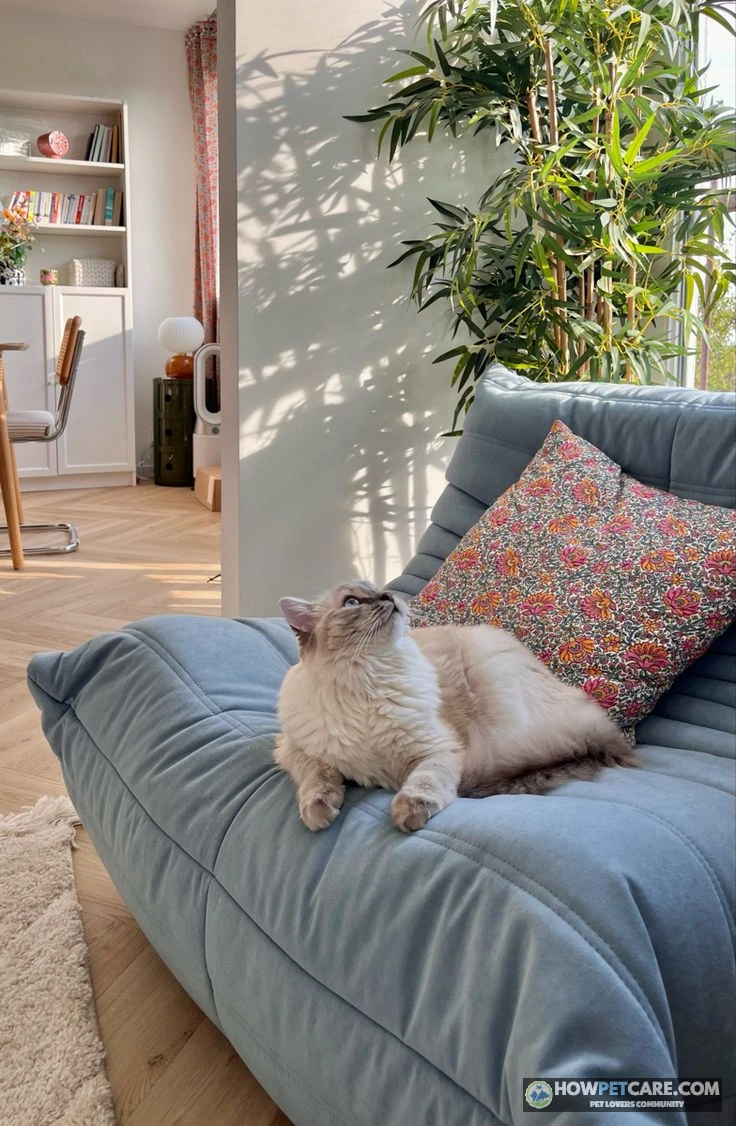
No cat is reliably hypoallergenic. If someone in your household has allergies, consult an allergist and arrange exposure to the specific cat before committing. A brief visit can’t guarantee symptoms won’t develop with longer exposure, and rehoming a cat after a severe reaction can be hard on everyone involved.
Budget for ownership, not just the kitten
Ask for a written breakdown of the adoption or purchase fee and its included services. Then price food, litter, routine veterinary visits, vaccines, parasite prevention, dental care, grooming where needed, and emergency treatment in your area. A cat with a heart, kidney, eye, or orthopedic concern may need examinations and treatment beyond routine care; the cost depends on the diagnosis and local fees.
Pet insurance can help with eligible unexpected bills, but policies vary. Compare premiums, deductibles, reimbursement limits, waiting periods, hereditary-condition coverage, and exclusions for pre-existing conditions before enrolling. If you’d rather build an emergency fund, decide how you’d cover a major bill before the fund is complete. Neither option makes a particular breed the one with the lowest vet bills: comparable breed-specific cost data aren’t established here.
Breeder questions and health screenings to request before paying
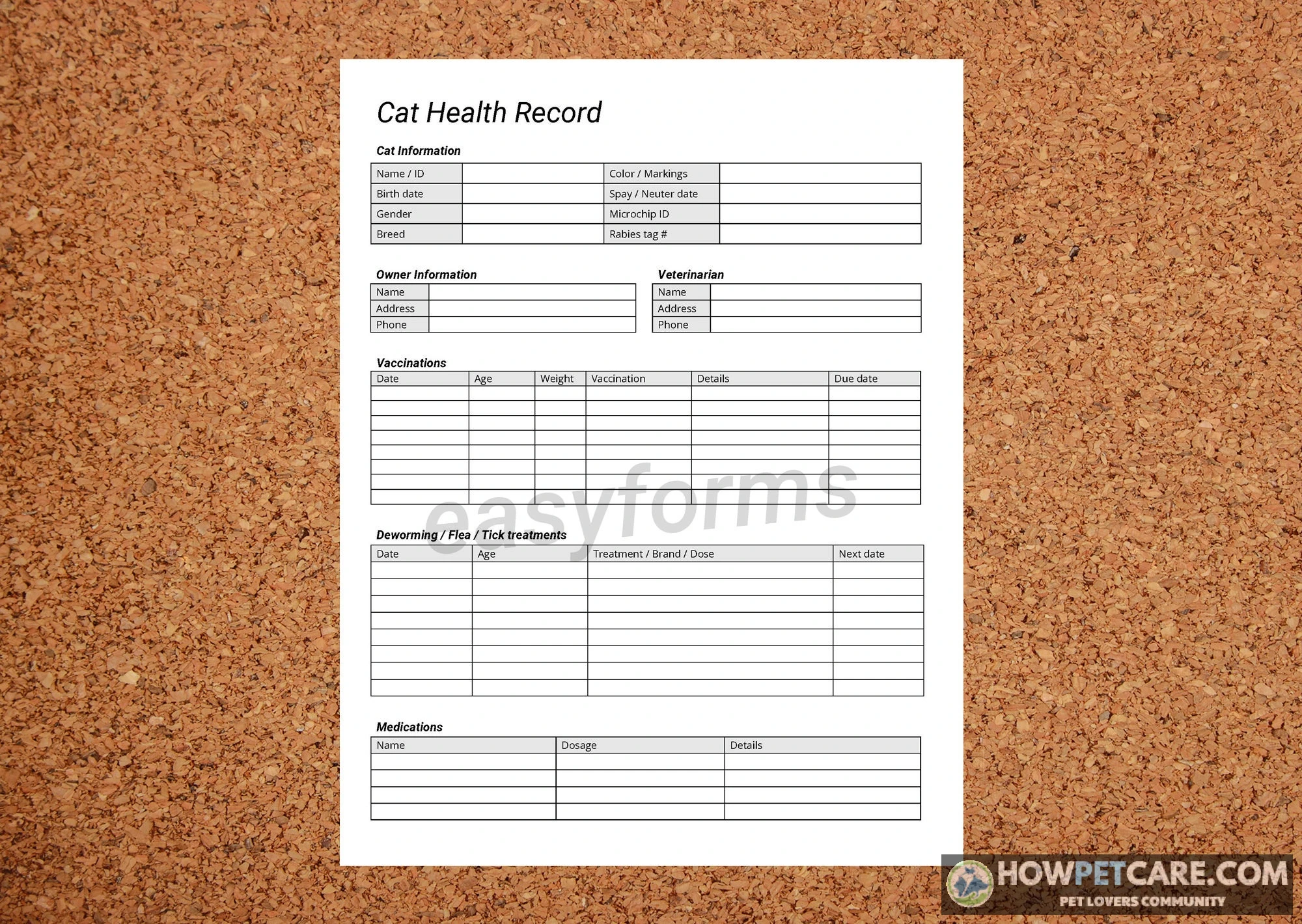
A responsible breeder should explain what’s known, what’s uncertain, and why the chosen screening fits the cats being bred. Use these questions as a checklist:
- ☐ Can I see identity-linked results for both parents? Request names or identification numbers, test dates, the laboratory or clinician, and the complete result—not just a verbal assurance.
- ☐ Which inherited risks matter for this breed and family? Ask why each DNA test or clinical exam was chosen and whether any important risk lacks a useful test.
- ☐ Have both parents had cardiac assessments? For breeds or lines with HCM concerns, ask about echocardiograms, who performed them, their dates, and the plan for repeat screening.
- ☐ For a Siamese or Balinese, what retinal testing has been done? Ask whether testing covers the variant relevant to the parents’ lines and how to interpret the mating.
- ☐ For an Abyssinian, are PRA and pyruvate kinase deficiency results available? Ask for both parents’ reports and an explanation of any carrier result.
- ☐ For a Burmese, have the parents been tested for inherited hypokalemia? Ask about weakness and diabetes in related cats.
- ☐ For a British Shorthair, what PKD testing and cardiac screening have been completed? Ask your veterinarian to interpret the records rather than assume one test covers all kidney or heart disease.
- ☐ What happened to close relatives? Ask about diagnosed disease, unexpected deaths, and ages at death where known. An honest answer may include gaps.
- ☐ May my veterinarian discuss these records with the testing veterinarian or breeder? Obtain permission and allow time for an independent review.
- ☐ What does the contract say? Read the return policy, health terms, deposit conditions, and records of the kitten’s veterinary examinations, vaccinations, and parasite care.
Pause or walk away if a seller refuses verifiable records, pressures you to pay immediately, claims a kitten is guaranteed disease-free, or presents pedigree registration as proof of health. A long list of generic DNA results isn’t reassuring if it leaves out relevant risks or is offered in place of necessary clinical screening.
Make your shortlist and protect your cat’s long-term health
Start with two or three realistic options: an individual shelter cat whose records you can review, plus one or two pedigree breeds whose grooming and temperament tendencies suit your home. Ask each shelter or breeder what’s known about that particular cat, what’s still unknown, and what care or testing the quoted fee includes.
Before committing, ask an independent veterinarian to review the available records and help prioritize screening specific to the breed or cat. Set a budget for preventive care and unexpected treatment, then decide whether insurance, an emergency fund, or a combination works for you.
After adoption, schedule regular veterinary visits and discuss nutrition, healthy weight, dental care, parasite prevention, and a safe indoor environment with your veterinarian. Make room for play, enrichment, and places to rest. These steps can’t guarantee a long life, but they give you a practical plan for caring for the cat you bring home.
 You might be wonderingTeacup catTeacup Cat: Real Prices, Health Risks & Safer Small CatsRead the answer
FAQ
Can a DNA test prove that a cat will never develop an inherited disease?
No. A DNA test checks for particular variants, and a negative result does not rule out other genetic causes or non-genetic disease. A veterinarian can help interpret the result alongside clinical screening and family history.
Does a long breed lifespan guarantee that an individual cat will live that long?
No. Breed lifespan figures describe groups or estimates, not guarantees for individual cats. Genetics, environment, preventive care, and chance all influence an individual cat’s life expectancy.
Are pedigree registration papers proof that a kitten is healthy?
No. Registration documents pedigree status, not freedom from disease. Ask for relevant, verifiable health screening results and veterinary records separately.
Are mixed-breed cats healthier than purebred cats?
Not automatically. Mixed ancestry can increase genetic diversity and may reduce the chance of inheriting two copies of some harmful recessive variants, but mixed-breed cats can still develop the same common diseases as pedigreed cats. Assess the individual cat’s health and history.
Is any cat breed truly hypoallergenic?
No cat is reliably hypoallergenic. If someone in your household has allergies, consult an allergist and arrange exposure to the specific cat before committing, since a brief visit cannot guarantee symptoms will not develop later.