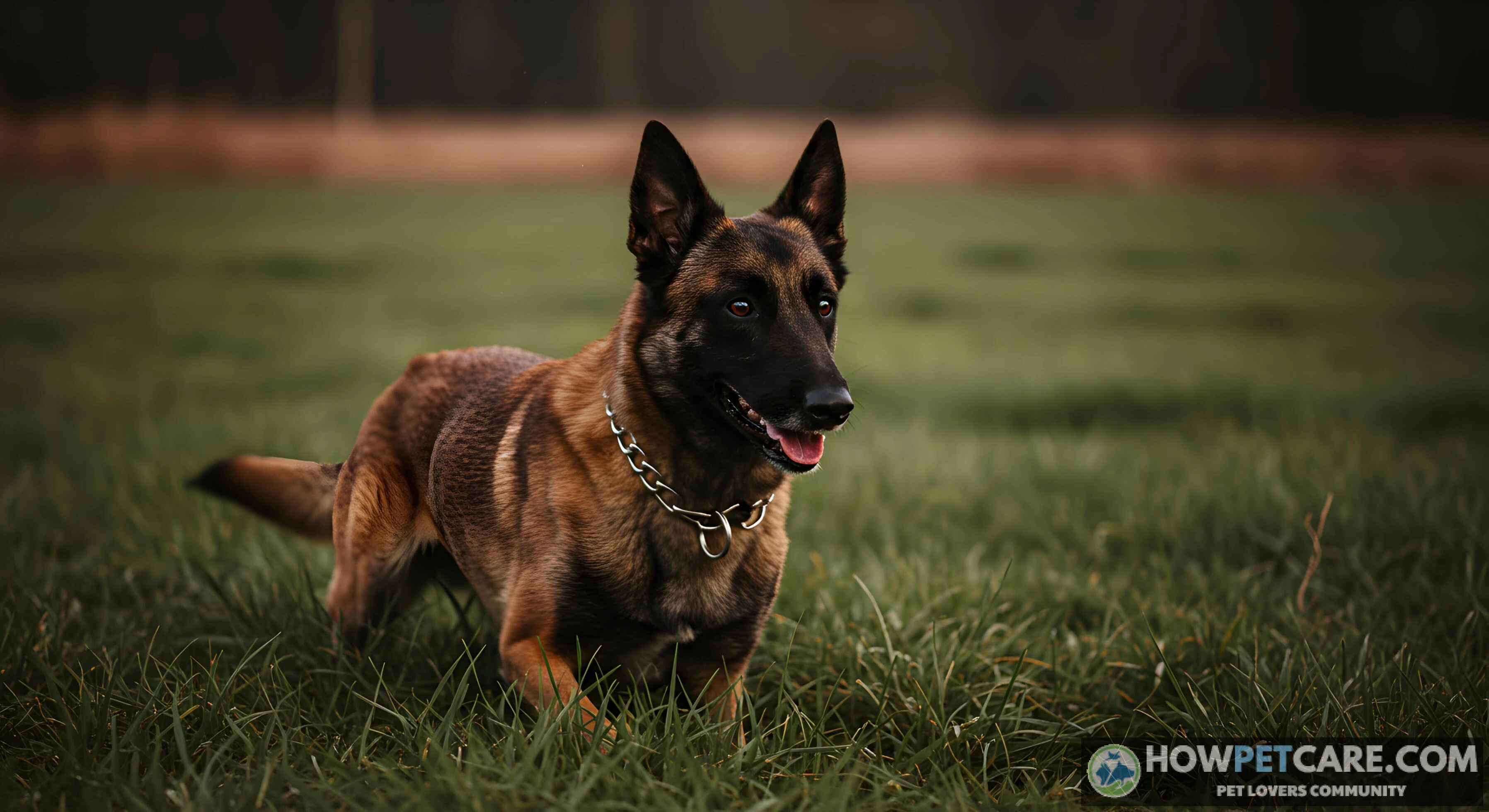

A Belgian Malinois is right for experienced, highly active owners who can provide 90–120 minutes of daily exercise plus regular training for the dog’s 10–16-year lifespan. It’s a poor fit for first-time owners, homes with toddlers, or households empty more than 4–6 hours a day — without a job, the breed turns destructive.
Should You Get a Belgian Malinois? The Verdict First
The Belgian Malinois is one of the four Belgian Shepherd varieties: a lean, short-coated herding and working breed that learns faster than almost any other dog and needs a job to stay balanced. It’s an outstanding fit for experienced, active owners who can provide structure, training, and time. It’s a poor fit for most first-time buyers, most households that sit empty ten hours a day, and any home where the dog is expected to entertain itself. If you answer no to two or more items on the eight-question scorecard below, skip the breed and consider one of the alternatives named at the end of this section.
That’s not a marketing hedge. The US registry’s breed profile describes a smart, confident, versatile dog that forms an unusually strong bond with its handler. It warns that denying the dog activity and companionship deprives it of its reason for being. Care guides reach the same conclusion from the other side: the Malinois is a poor match for sedentary homes and needs an experienced, highly active owner.
The eight-question scorecard. Answer each item honestly and count your no answers.
- ☐ Time: You can provide 90–120 minutes of real exercise, such as running, hiking, or structured fetch, not just leash walks, every day, split into at least two sessions, in bad weather, for the next 10–16 years.
- ☐ Training load: You can add 20–30 minutes of focused training, scent work, or problem-solving most days on top of the exercise.
- ☐ Experience: You have owned or trained a high-drive working or herding dog before, or you have a trainer experienced with working breeds booked before the puppy comes home.
- ☐ Household: No children under about six live in or regularly visit your home, or you can commit to gates, full supervision, and never leaving the dog alone with a toddler.
- ☐ Alone time: The dog will be alone fewer than 4–6 hours on a typical day, or daycare and dog-walker coverage is already in the budget.
- ☐ Budget: You can absorb roughly $4,000–$10,000 in year one and $1,800 or more per year after that, including training and insurance.
- ☐ Adolescence tolerance: You can live through months 6–18, with peak chewing, mouthing, and boundary testing, without the dog ending up rehomed.
- ☐ Motivation: You want a dog you train with daily as a lifestyle, not a pet that fits around your life.
Scoring: zero no answers means a Malinois is a realistic fit. One no is a fixable gap; close it before you commit. Two or more means skip this breed and match your weakest item to an alternative below.
Lifestyle-fit scenarios: apartment dweller, family with toddlers, first-time owner, remote worker, experienced trainer
Find your household in the table for a quick verdict. These are general breed patterns; individual dogs and breeding lines vary.
| Your situation | Malinois fit | Why | Better-fit alternative breed |
|---|---|---|---|
| Apartment, owner home most of the day and runs daily | Conditional yes | Floor space isn’t the limiting factor; the 90–120 minute daily load is. Noise tolerance, elevator and stair access, and building rules matter more than square footage. | Standard Poodle (athletic and trainable, lower drive ceiling) |
| Family with toddlers | No | Herding instinct can show up as heel-nipping and body-checking; a fast 60-pound dog can knock a small child flat without meaning to. | Labrador Retriever or Golden Retriever |
| First-time dog owner | No, unless a working-breed trainer is booked first | The breed is unforgiving of inconsistency, and mistakes compound fast in a dog this quick and strong. | German Shepherd from show or pet lines, with a trainer |
| Remote worker with a genuinely flexible calendar | Yes | Midday exercise and training breaks are the hardest part of the routine, and this schedule supplies them. | — |
| Experienced owner who trains, competes, or does K9-style sports | Yes | Structured work gives the breed the outlet it was built for; you’re the target owner. | — |
| Household away 10+ hours a day | No | The risk of separation anxiety and destructive behavior climbs steeply; daycare is the only bridge and it’s expensive. | Adult rescue of a calmer breed |
| Senior or low-mobility household | No | The daily physical requirement isn’t negotiable and doesn’t shrink with the owner’s mobility. | Labrador Retriever, or a calm adult rescue |
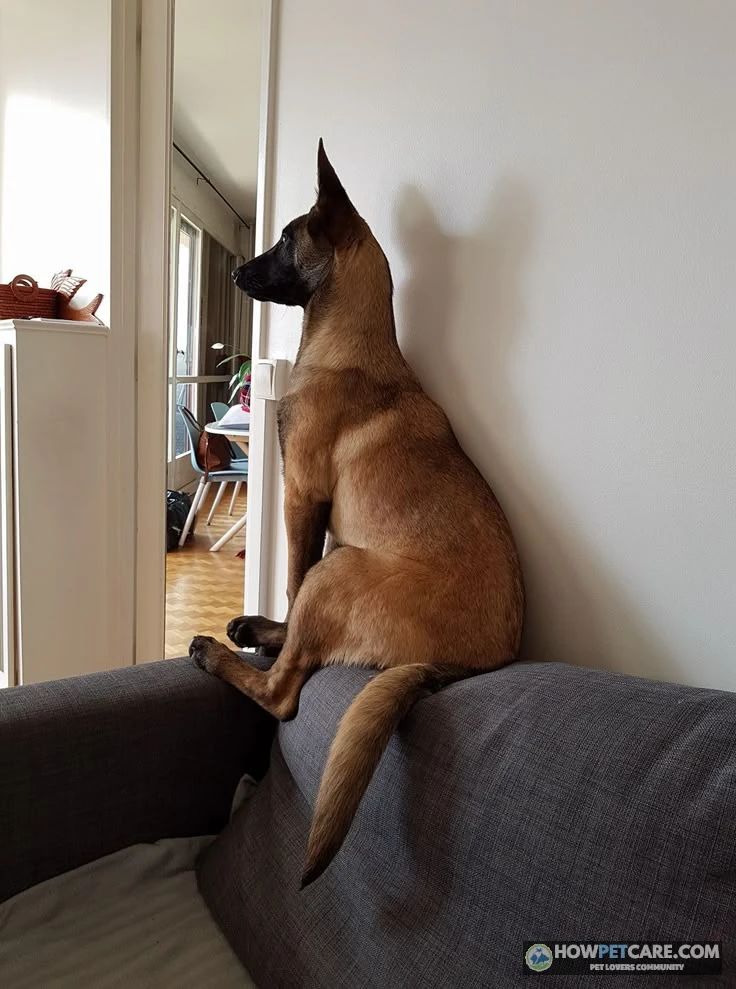
Can a Malinois live in an apartment? Yes, conditionally. Active city owners successfully keep Malinois in apartments when they run, hike, or train before work every day and again in the evening. The problem isn’t the apartment; it’s the calendar. A dog that gets two 30-minute walks and a backyard is under-exercised no matter how big the house is.
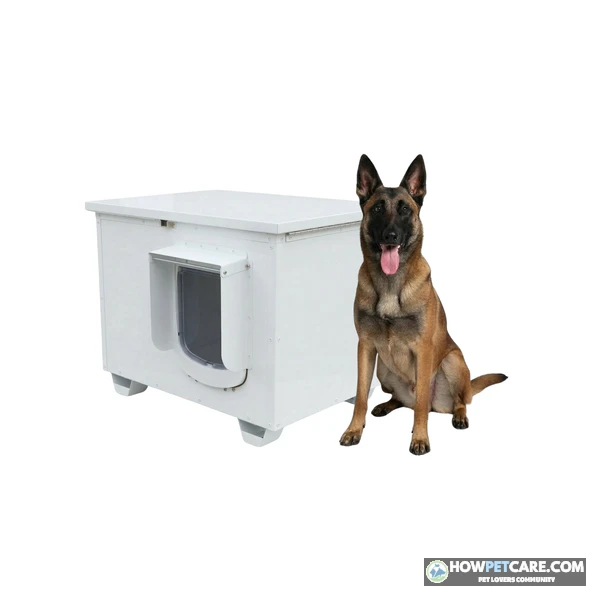
If your only plan for the daily workload is a yard and a dog door, the Malinois will be miserable and so will your neighbors. Yards do not run dogs. People run dogs.
Is a Malinois right for a first-time owner? Rarely. The breed isn’t dangerous by default, but it’s unforgiving of beginner mistakes: a dog that learns in three repetitions also learns the wrong thing in three repetitions. The realistic path for a motivated beginner is to book an experienced working-breed trainer before the puppy arrives, commit to a weekly class for at least a year, and choose a calmer pet line rather than a working line.
Do NOT get a Malinois if…
- You want a dog that’s calm indoors by default and satisfied with a walk.
- Children under six live in or frequently visit the home and you aren’t prepared for gates, separation, and constant supervision.
- You travel often, work long in-office hours, or can’t budget for a midday walker or daycare.
- You’re budgeting for the puppy price but not for training. Training is a line item here, not a nice-to-have.
- You plan to use a fenced yard as the primary outlet for the dog’s energy.
- You want a first dog you’ll figure out as you go.
Better-fit alternatives and why they fit
- German Shepherd from show or pet lines — more margin for error in handling and generally the more livable family dog of the two big names, though still a working dog that needs daily exercise.
- Belgian Tervuren — the same Belgian Shepherd family and much of the same drive, wrapped in a long coat; a better fit only if your concern is coat and looks, not workload.
- Standard Poodle — athletic, highly trainable, and happy with a long daily walk plus a training session; no herding nip reflex.
- Labrador Retriever — social, biddable, and forgiving of beginner handling errors, which is what a household with young children needs.
- Golden Retriever — a similar profile to the Labrador, with a softer edge around chaotic family life.
One warning before you make a second bad decision: Border Collies and Australian Shepherds aren’t easier swaps. They have comparable drive and mental-stimulation needs, and a bored herding dog is just as destructive as a bored Malinois.
Belgian Malinois Breed Information and Temperament at a Glance
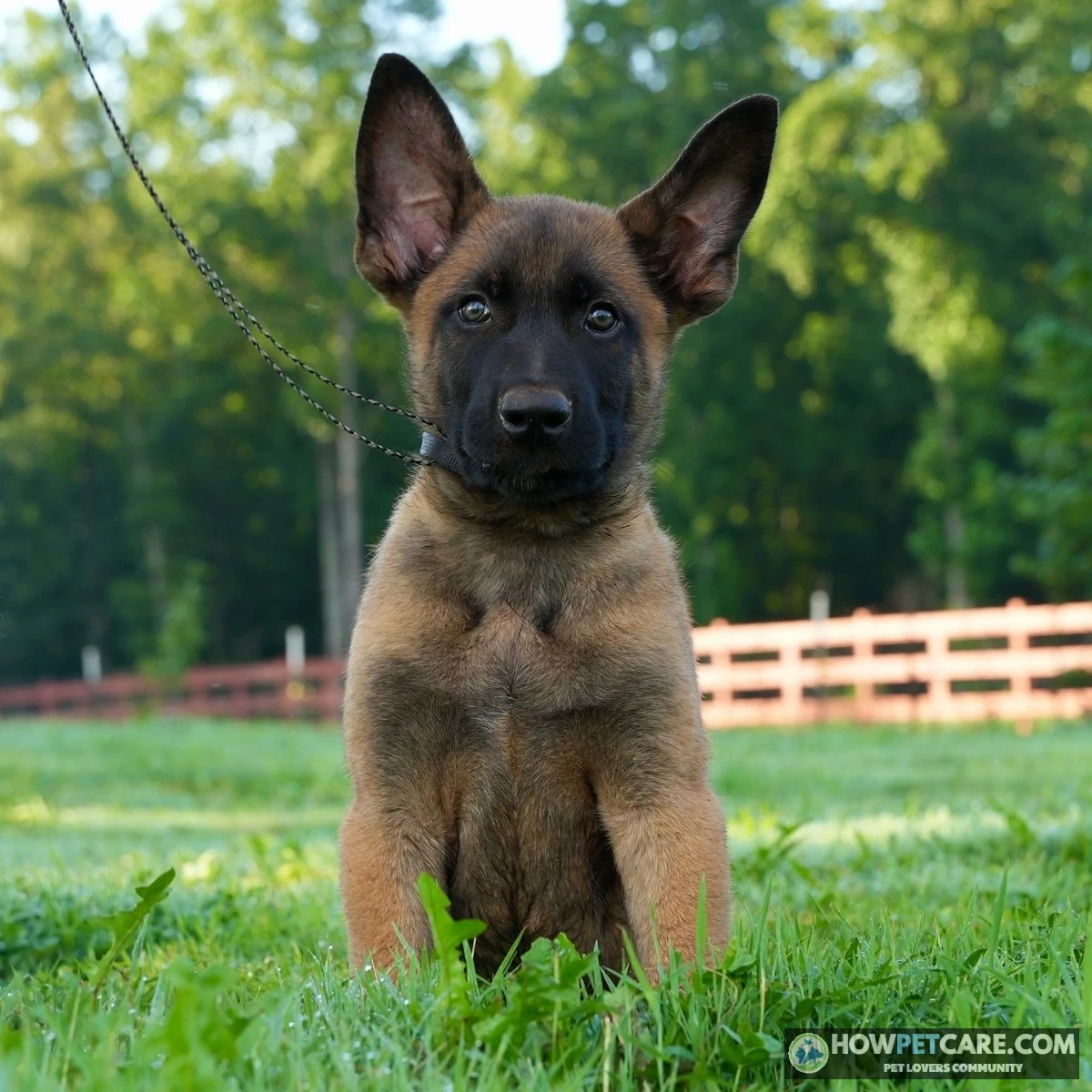
The Belgian Malinois, often written Belgian Shepherd Malinois or simply Malinois dog, is a medium-to-large herding breed from Belgium. It’s now one of the most widely used police K9 and military working dog breeds in the world. It’s commonly pronounced BEL-jun MAL-in-wah; mal-in-WAH is also widely understood.
Size, weight, coat and lifespan stat block
- Height and weight: males about 24–26 inches and 60–80 pounds; females about 22–24 inches and 40–60 pounds. Care guides commonly give 22–26 inches and 40–80 pounds overall. These are lean, athletic dogs, not bulky ones.
- Lifespan: sources diverge. Veterinary care guides cite about 10–14 years, while others put life expectancy at 14–16 years. Plan for roughly 10–16 years with good care, and expect the higher end only with responsible breeding and preventive vet work.
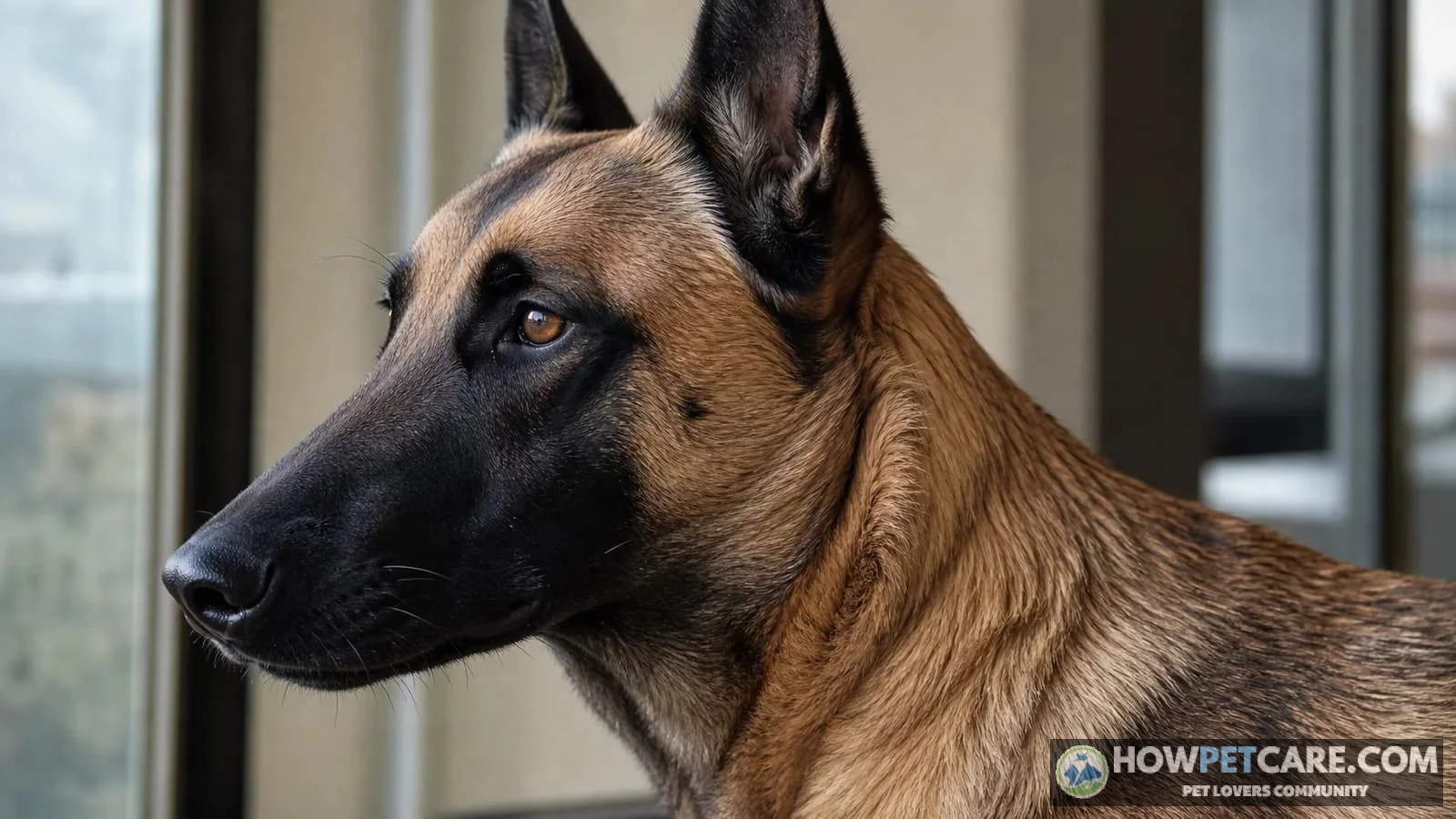
- Coat: short, straight double coat in fawn or mahogany with black tips and a distinctive black mask; a thick undercoat and a neck collarette are part of the standard look.
- Head and expression: erect triangular ears, brown oval eyes, black nose, and a pointed muzzle.
- Origin, briefly: one of four Belgian Shepherd varieties developed in and around Malines (Mechelen), Belgium, as a herding breed, later repurposed worldwide as a police and military working dog.
- Registry note: the AKC recognizes the Malinois as a separate breed; FCI treats it as one of the four Belgian Shepherd varieties alongside the Tervuren, Groenendael, and Laekenois.
Personality traits that matter in a pet home
A handful of temperament traits shape daily life with this breed:
- Drive and intensity. This working dog has a high prey drive. It wants to move, chase, carry, and solve problems. The registry profile calls it smart, confident, and versatile, and stresses that the breed needs both activity and companionship to stay balanced.
- Determination and loyalty. Descriptions consistently emphasize determined, loyal, and athletic rather than calm or beginner-friendly. The breed tends to bond closely with its person and read that person’s mood and tone.
- Handler sensitivity. A Malinois notices the difference between a sharp correction and a firm cue. Harsh, punitive training tends to produce a shut-down or defensive dog rather than a compliant one.
- Alertness and reserve. It watches everything and is typically reserved with strangers, a trait that’s useful in police work and manageable in a home with proper socialization.
Are Belgian Malinois good with children and other pets?
With structure, yes. Without it, the risk is real. The breed’s herding reflex is to control moving things, and small children move quickly. That reflex shows up as heel-nipping, body-checking, and chasing. A 60-pound dog moving at speed can knock over a toddler without any aggression involved.
For families, practical rules matter: gate the dog away from crawling infants, supervise every interaction, teach children to be boring (no running, screaming, or hugging), and give the dog a structured outlet for the chase impulse. Never leave any high-drive dog alone with a young child. Families with children over about six who can follow rules do well; families with toddlers are usually better served by a Labrador or Golden Retriever.
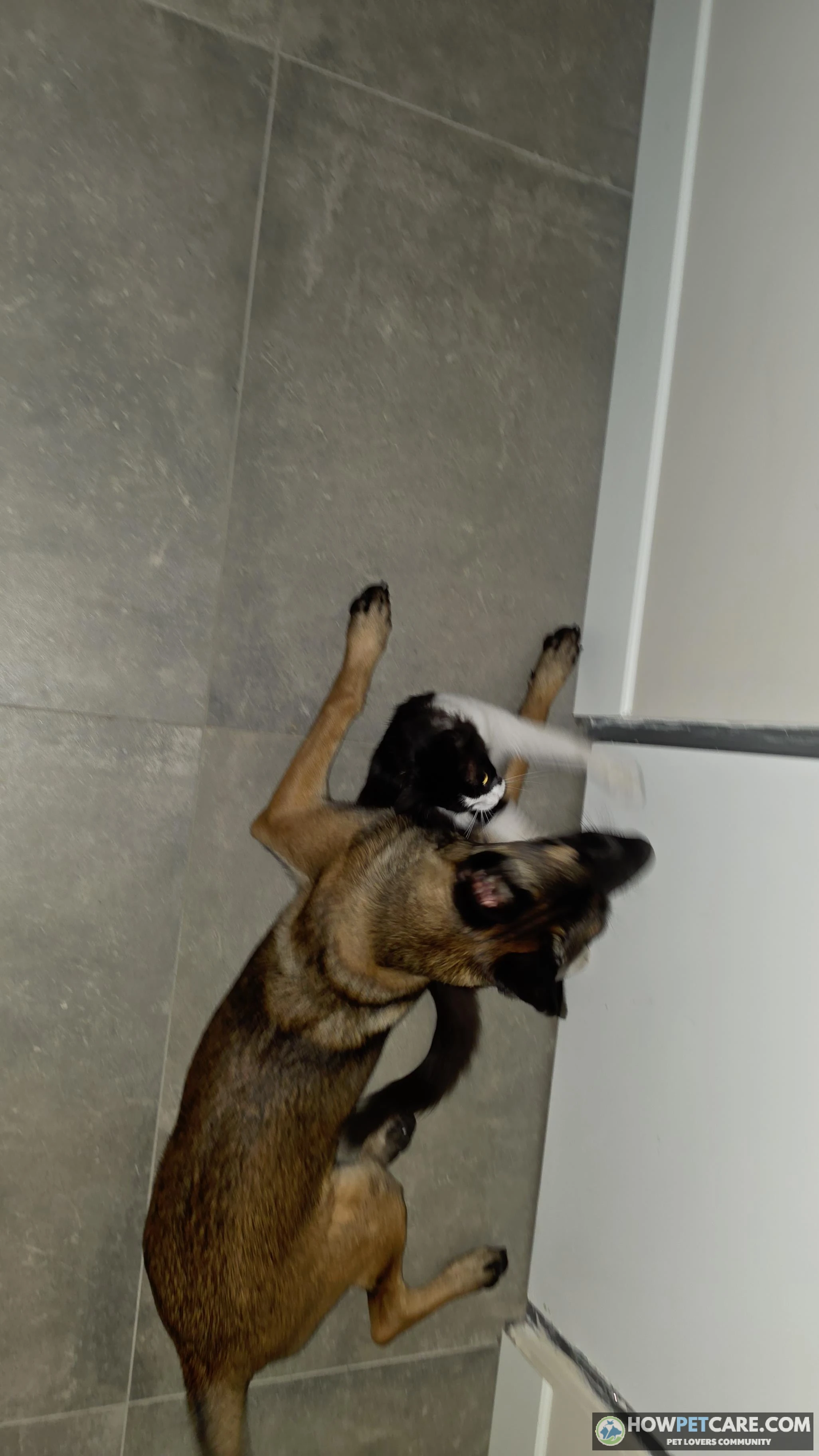
With cats and small pets, treat the situation as a managed risk rather than a compatibility question. Puppies raised alongside cats can learn to coexist, but prey drive doesn’t disappear because of early exposure. Supervision, separation when you aren’t there, and careful introductions are the baseline. No responsible source will guarantee an adult Malinois will accept a cat.
 You might be wonderingGerman shepherd traitsGerman Shepherd Traits: Is This Breed Right for You?Read the answer
How Much Exercise and Mental Stimulation a Belgian Malinois Needs Every Day
Vague claims that the breed needs lots of exercise don’t help you plan. A working number is roughly 90–120 minutes of combined physical activity every day for an adult Malinois, split across at least two or three sessions, plus 20–30 minutes of focused training or problem-solving. Care guides describe intense daily aerobic exercise and long-term training as core needs, explicitly more than ordinary walks.
Expect variation by line. Working-line dogs often need the top of that range or more; well-bred pet and show lines sometimes settle at the bottom. You can’t know which dog you have until you live with it, so plan for the top.
Daily exercise requirements by life stage
| Life stage | Physical activity | Mental work | Notes |
|---|---|---|---|
| Puppy (under 6 months) | Several short play sessions totaling 45–60 min, free roaming indoors | 5–10 min obedience or puzzle games, 3–4 times daily | No forced running or repetitive jumping on growing joints; let the puppy set the pace and stop before exhaustion |
| Adolescent (6–18 months) | 60–90 min, increasing toward adult levels | 15–20 min daily, plus a class or structured sport | Peak destruction window; under-exercise here is what gets dogs rehomed |
| Adult (18 months–7 years) | 90–120 min, at least 2–3 sessions | 20–30 min daily | The breed’s baseline; split it so no single session carries the whole load |
| Senior (7+ years) | 45–75 min, lower impact, more sniffing | 10–15 min | Reduce impact, keep duration; check with your vet at the first sign of stiffness |

Check with your vet or breeder before starting running and jumping programs with a puppy, and ask about timing for sustained high-impact work.
A sample day, hour by hour
Here’s a realistic weekday for a remote worker. Notice how the load is split between physical work, training, and decompression, and how much of it takes your time.
| Time | Block | Minutes |
|---|---|---|
| 6:15–7:00 | Off-leash run or brisk hike with recall drills mixed in | 45 |
| 7:00–7:10 | Obedience reps (sit, down, place, recall) folded into breakfast | 10 |
| 12:30–13:00 | Midday decompression walk — loose leash, heavy sniffing time | 30 |
| 17:30–18:00 | Structured fetch and tug with rules (drop it, wait, take it) | 25 |
| 18:00–18:15 | Focused training session: a new skill or proofing an old one | 15 |
| 20:30–20:40 | Dinner via puzzle feeder or scatter-feed, then settle on a place mat | 10 |
| Daily total | — | ~135 min |
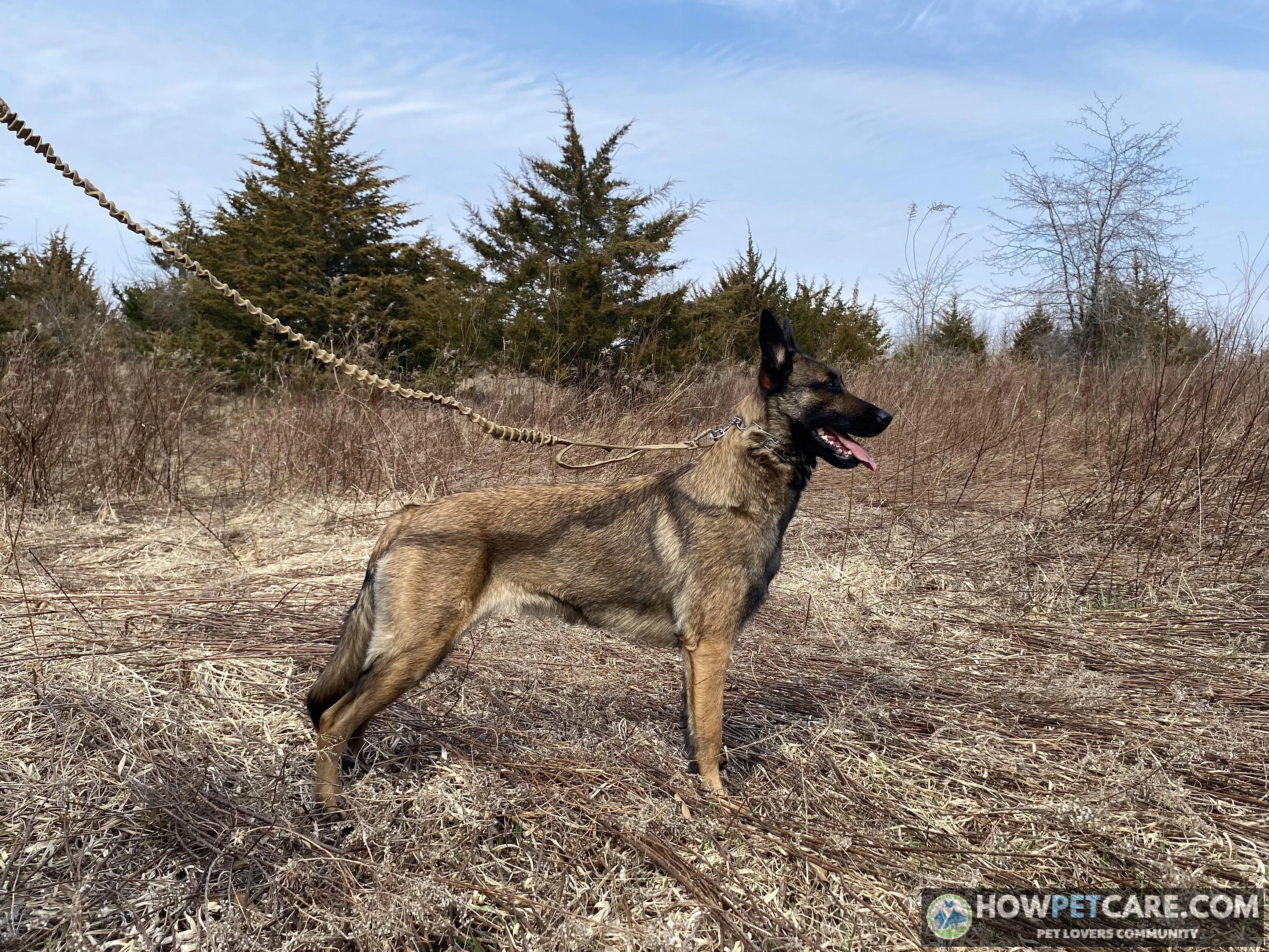
The weekly math. Follow that schedule seven days a week and you’re committing roughly 14–16 owner-hours. Swap one day for a lower-intensity rest day, with a long sniff walk plus puzzles, 45–60 minutes, and you’re still at about 12–14 hours per week. That’s the real price of admission: time, not money.
For an office worker, the midday block becomes a paid dog walker at roughly $25–$45 per visit or a daycare day at $30–$60. Three daycare days a week is about $360–$720 per month, which is why that line appears in the budget table later.
An hour of slow sidewalk walking satisfies a Malinois about as much as a treadmill satisfies a runner who wanted a trail. Leash time is for manners and sniffing. Off-leash or long-line movement, structured fetch, and training are the actual outlet.
Mental stimulation that tires a Malinois out
Physical fatigue alone doesn’t produce a calm dog; it produces a fitter dog with the same appetite for work the next day. Mental work helps a Malinois settle:
- Scent work and scatter feeding — hide food in boxes, under cups, or around a room and let the dog use its nose.
- Obedience and trick training — use short, frequent sessions for new skills and proof old ones in new places.
- Structured fetch and tug with rules — practice wait, take it, drop it, and a pause between repetitions. Unstructured fetch just builds stamina.
- Puzzle feeders and food toys — a 15-minute puzzle replaces about the mental load of a training session.
- Organized sports — herding trials, agility, tracking, and obedience give this breed the structured job it was bred for.
One advocacy group puts the working-dog engagement need at roughly 40 or more hours a week. That figure describes top working-line dogs, not every pet, but it helps explain why an ordinary pet routine can fail: the breed was selected to be occupied.
Signs the dog isn’t getting enough include destruction of furniture or walls, pacing, spinning, excessive barking, nipping, and an inability to settle even after a walk. Address the mental load first, then the physical volume, then look at training and professional help.
How to Train a Belgian Malinois Puppy and Manage Common Behavior Risks
Training a Malinois isn’t hard in the way training a stubborn dog is hard. It’s hard because the dog is fast, strong, and always learning, including all the things you didn’t intend to teach.
For this breed, the trainer belongs in the plan before the dog does. Line up an experienced working-breed trainer or a class in the first week, not after the first problem.
Crate training and socialization timeline
- Weeks 8–10: make the crate a positive place with meals and short, supervised sessions; practice handling paws, ears, and mouth; write an exposure list covering people of different ages, surfaces, household sounds, and cars.
- Weeks 10–13: introduce calm adult dogs in controlled settings, take short car rides, practice being alone for short periods that build from seconds to minutes, and attend the first group class.
- Weeks 13–16: build impulse-control foundations, including wait at doors, sit before meals, leave it, and a place cue; continue exposure in new locations rather than following the same route every day.
- Months 4–12: attend a structured class or two per week, continue alone-time practice, and keep rules consistent across everyone in the household.
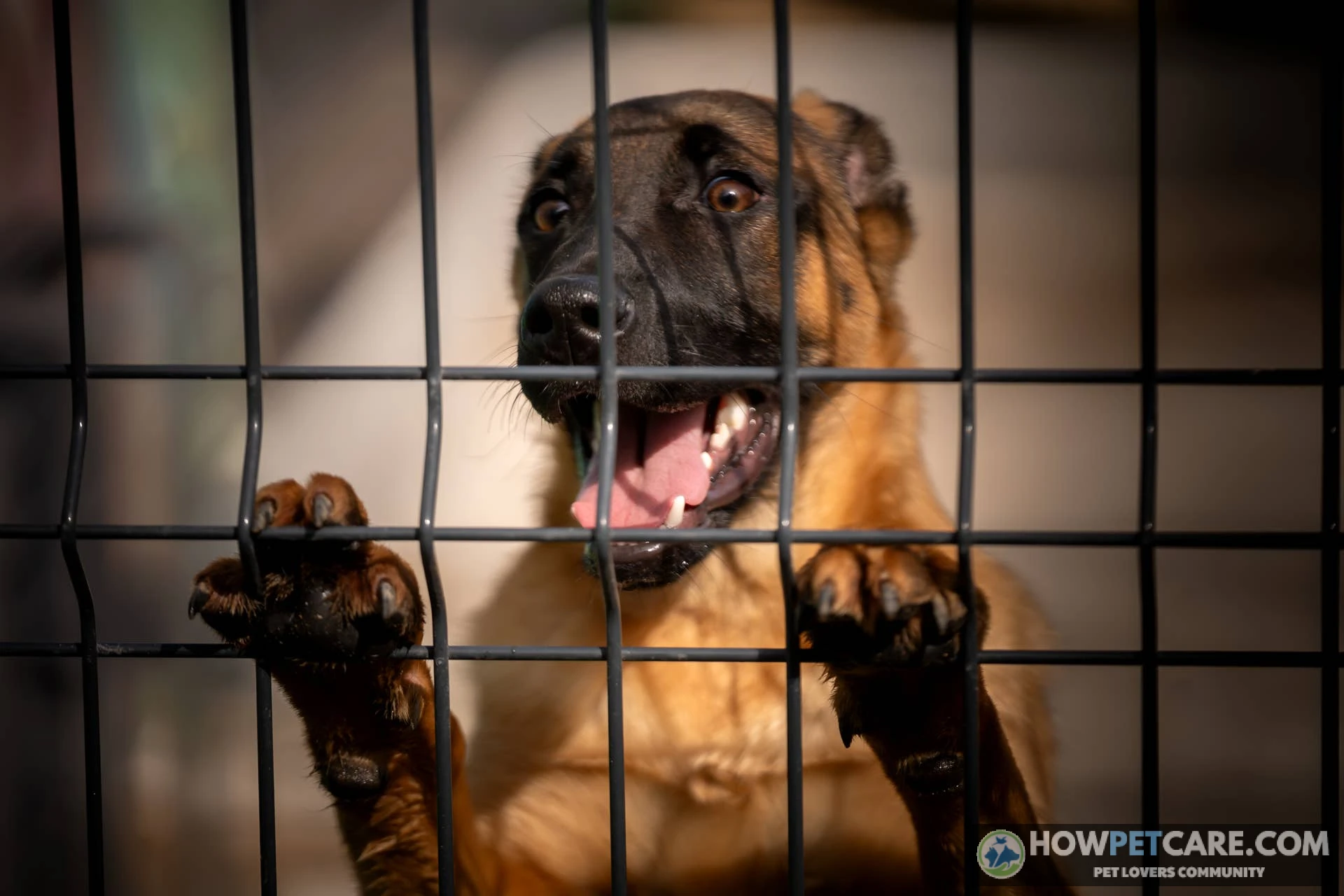
Use reward-based methods with clear, consistent rules. Harsh corrections tend to backfire with a sensitive, intense dog. The goal is a dog that chooses to cooperate, not one that’s afraid of getting it wrong.
Bite inhibition and herding nipping
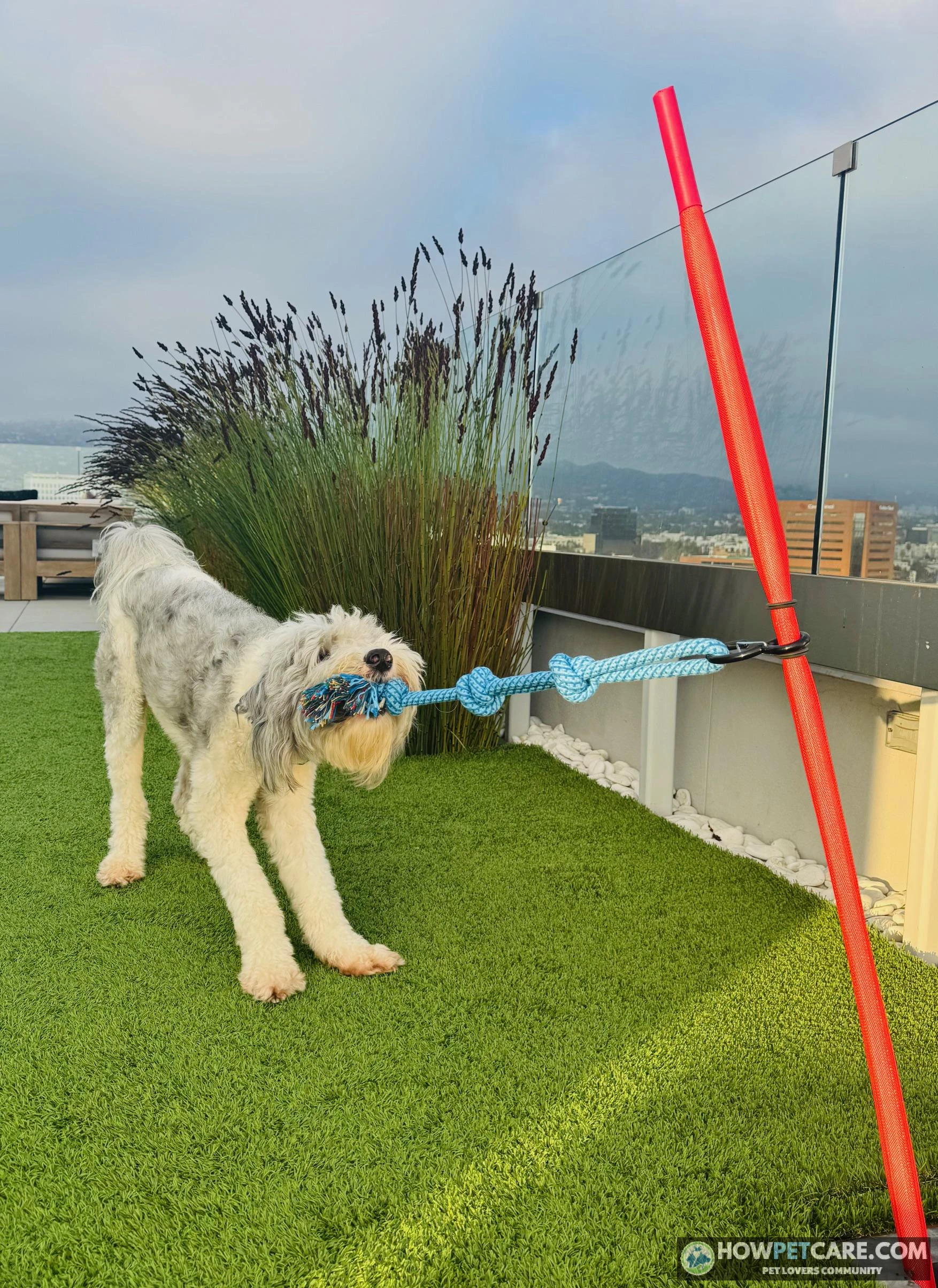
Puppies learn bite inhibition through play with littermates and gentle feedback from people. Puppies mouth; your job is to teach that teeth on skin ends the fun and teeth on a toy continues it. Redirect to an appropriate chew or tug toy, stop the interaction for a few seconds, and keep sessions short.
The adult version of the same problem is herding nipping: the dog grabs at heels, sleeves, or pant legs when something moves fast. Manage it with baby gates for rooms where children run, a redirect to a toy the dog is allowed to carry, a solid place cue, and structured outlets for the chase impulse.
Ignore online bite-force numbers. Published PSI figures for this breed are estimates and are frequently unsourced; no reliable, standardized measurement for the breed exists. For owners, what matters is teaching bite inhibition early and managing drive, not a number.
Separation anxiety and destructive chewing
Malinois don’t do well with long, unstructured alone time. Chewed baseboards and shredded cushions are the most common reason adult Malinois enter rescue. Build alone tolerance deliberately, using short absences that grow gradually, a crate or safe room with something to work on, and a morning that includes real exercise before you leave.
Destruction usually peaks during adolescence, roughly months 6 to 18. Rotate appropriate chew items, confine the dog when you can’t supervise, and don’t give it unlimited access to a house it hasn’t earned yet.
When to call a professional trainer or behaviorist
Call for help rather than improvising if you see guarding of food or objects, repeated snapping at people, an inability to settle after exercise, destructive behavior that injures the dog, or any bite that breaks skin. A certified trainer or veterinary behaviorist experienced with working breeds is cheaper than rehoming, and far cheaper than an injury claim.
Belgian Malinois vs German Shepherd vs Other Belgian Shepherds
This is the comparison many readers came for. The table shows general breed-level patterns; individual dogs and breeding lines vary, especially within German Shepherds, where working and show lines can behave like different animals.
| Trait | Belgian Malinois | German Shepherd | Belgian Tervuren | Belgian Groenendael | Belgian Laekenois |
|---|---|---|---|---|---|
| Size and build | About 22–26 in, 40–80 lb; lean and square, built for speed | About 22–26 in, 50–90 lb; heavier bone, more rear angulation | Similar frame to the Malinois, looks lighter under the coat | Similar frame, all-black coat | Similar frame; the rarest of the four |
| Coat and shedding | Short fawn double coat with black mask and overlay; weekly brushing, heavy seasonal shed | Medium double coat; heavy shedding most of the year | Long fawn coat with black overlay; brush 2–3 times weekly | Long black coat; brush 2–3 times weekly | Rough, wiry coat; moderate upkeep |
| Energy level | Top tier — plan 90–120+ min of work daily | High but strongly line-dependent; pet and show lines often calmer | High; often described as slightly softer than the Malinois | High | High |
| Drive and intensity | Very high prey and work drive | Moderate to high, varies by line | High | High | High |
| Trainability | Learns extremely fast; unforgiving of inconsistency | Very trainable and generally more tolerant of handler error | Very trainable | Very trainable | Trainable, less commonly bred for pet homes |
| Handler sensitivity | High — reads tone closely; harsh corrections backfire | Moderate to high | Often called the most sensitive of the varieties | High | Moderate to high |
| First-time owner fit | Poor | Possible with the right line plus a trainer | Poor to moderate | Poor to moderate | Poor |
| Family fit | Workable with structure and supervision; real risk around toddlers | Generally the more workable family dog of the two big names | Similar to Malinois, sometimes softer | Similar to Malinois | Similar, and hard to find |
| Common health watch-outs | Hip and elbow dysplasia, PRA, cataracts | Hip and elbow dysplasia, degenerative myelopathy, bloat | Similar Belgian profile: hips, elbows, eyes | Similar Belgian profile | Similar Belgian profile |
| Registry status | AKC separate breed; FCI one of four Belgian Shepherd varieties | AKC separate breed | AKC separate breed; FCI variety | AKC separate breed; FCI variety | AKC separate breed; FCI variety |

Pet-home verdict: for a family that wants the Malinois silhouette with more room for error, a German Shepherd from show or pet lines is usually the more livable choice. The Malinois trades that margin for speed, intensity, and a higher training ceiling. The three long- and rough-coated Belgians share most of the Malinois workload; they change the grooming bill, not the job description. Verify registry details against AKC and FCI before relying on them in a purchase decision.
Malinois vs German Shepherd: which is better for your household?
There’s no blanket winner. Use this decision rule:
- You’re experienced, want a competition or working partner, and can fund training: the Malinois is the sharper tool.
- You have children, a first-time tolerance for high-drive dogs, or a busier household: a German Shepherd from pet or show lines is the better bet, with a trainer involved.
- You’re comparing the two on looks alone: stop. Both need the same daily time commitment; the difference is temperament margin, not the workload.
In day-to-day terms, the Malinois is lighter and faster, hits top speed sooner, and generally runs hotter. The German Shepherd is heavier and often more patient. It also varies so much by line that a well-chosen pet-line dog can be far easier than a poorly chosen working-line Malinois.
Malinois vs Tervuren, Groenendael and Laekenois for a pet home
The four Belgian Shepherd varieties differ mainly in coat and color:
- Malinois: short fawn coat with a black mask; the most common, the most working-oriented, and the heaviest shedder in short bursts.
- Tervuren: long fawn coat with black overlay; same family drive, more brushing.
- Groenendael: long all-black coat; visually the most different, behaviorally the closest sibling.
- Laekenois: rough, wiry coat; the rarest variety, which means fewer litters, fewer rescues, and less breeder choice.
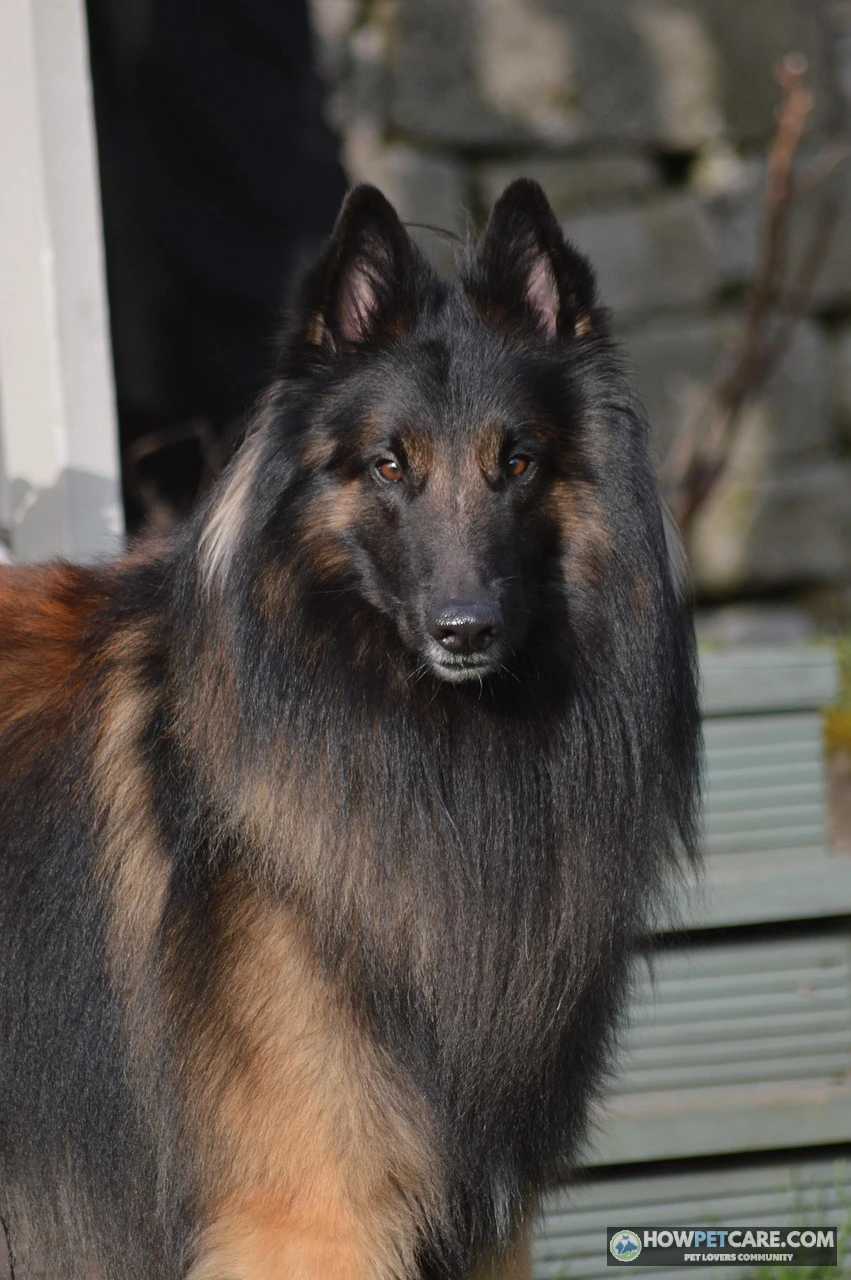
For a pet home, choosing a Tervuren over a Malinois doesn’t reduce the exercise or training load. It adds grooming. Choose the variety on coat and availability, and choose the individual dog on temperament.
Belgian Malinois Health Problems, Lifespan, Feeding and Grooming
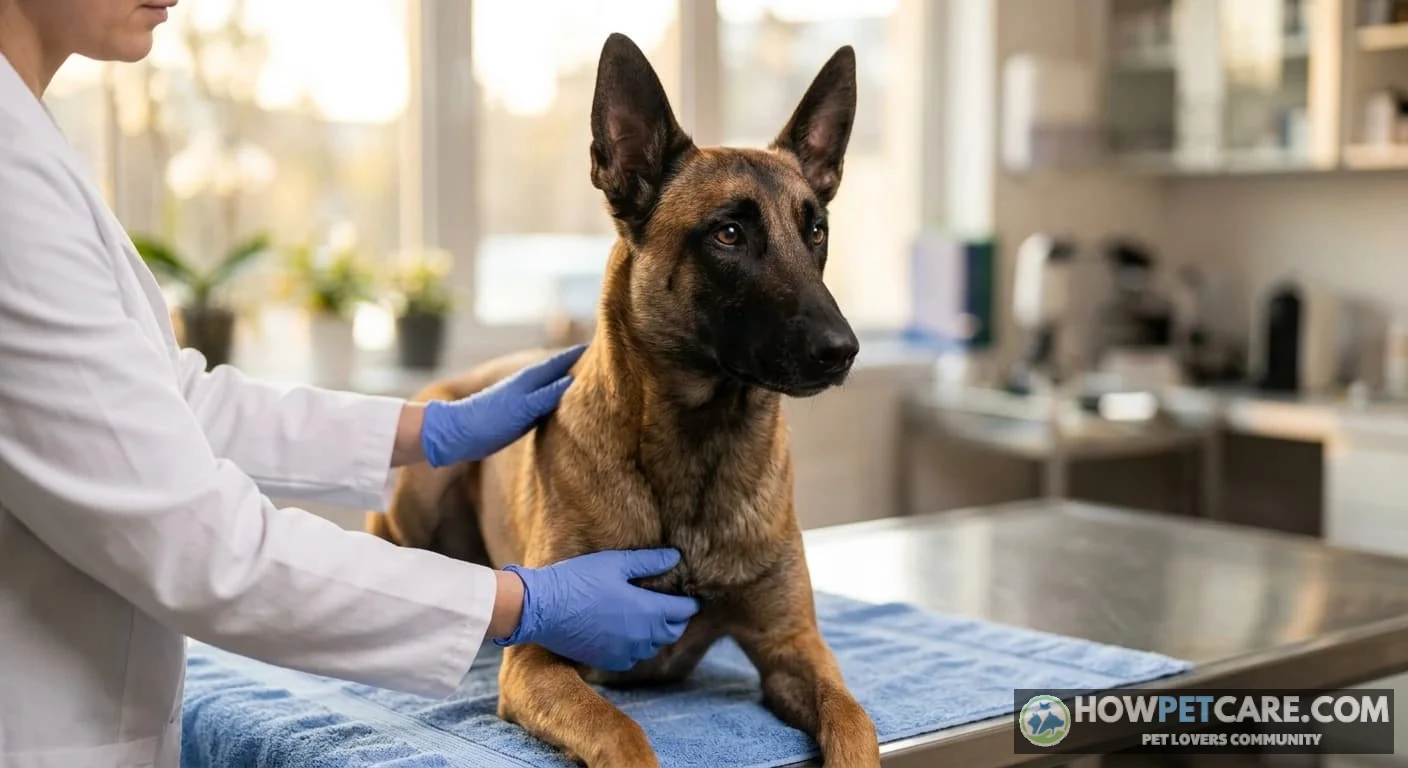
Common Belgian Malinois health problems
The breed is generally described as relatively healthy when responsibly bred, with a short list of concerns worth screening for:
- Hip dysplasia — a classic large-dog joint risk; watch for reluctance to rise, a bunny-hopping gait, or stiffness after rest.
- Elbow dysplasia — often shows as front-leg lameness in young dogs.
- Progressive retinal atrophy (PRA) — a gradual loss of vision; night blindness is often the first sign.
- Cataracts — clouding of the lens, which can appear early and progress.
- Allergies and skin problems — common in the breed’s short-coated relatives and often managed rather than cured.
- Bloat — a risk in any deep-chested dog; know the signs and treat them as an emergency.
How long do Belgian Malinois live?
A realistic planning range for Belgian Malinois lifespan is about 10–16 years, with veterinary care guides citing 10–14 and other breed profiles citing 14–16. Responsible breeding, healthy body condition, and preventive vet care support the upper half of that range.
Feeding a puppy vs an adult
- Puppies: three to four small meals a day, tapering toward two as the dog approaches a year. Split portions so the puppy never bolts a large meal; this also reduces bloat risk.
- Adults: two meals a day is the common routine for a very active large dog.
Don’t copy cup quantities off a chart. Calculate from the food label’s guidelines, then adjust for activity level, age, and body condition: ribs easy to feel, a visible waist from above, and no loss of muscle. Confirm the number with your vet at your next visit. Ask specifically about growth rate, since fast growth in a big, jointy puppy is a dysplasia risk factor.
How often to groom a Malinois
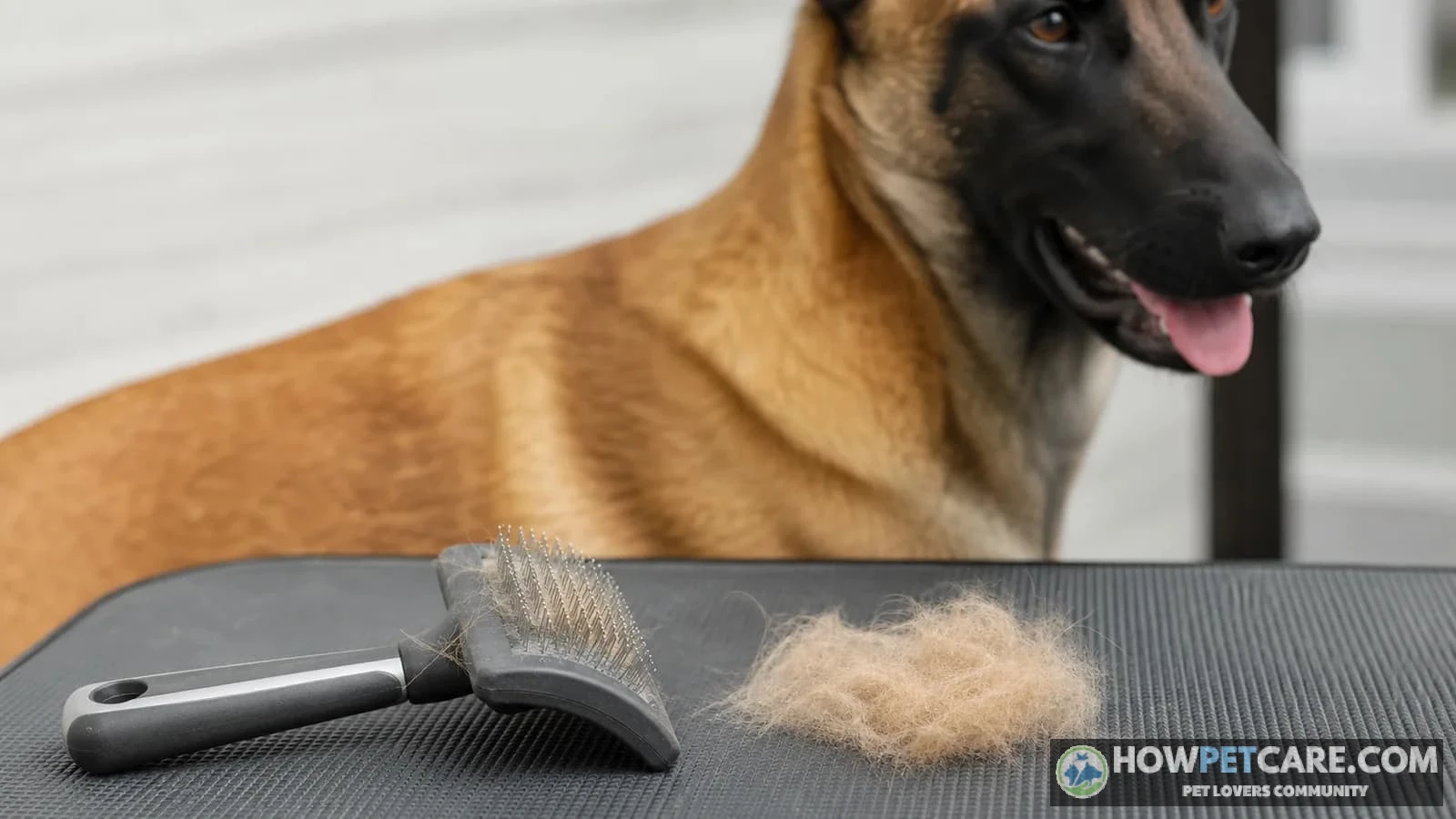
Weekly brushing is the baseline for most of the year for the double coat and short fawn hair with a black overlay. During the two heavy seasonal sheds, daily brushing does most of the work and keeps the vacuum from losing the fight. Bathe only as needed; frequent bathing strips oils and can irritate the skin. Add a simple routine for nails every two to four weeks, ears checked weekly, and teeth brushed most days.
Ask for OFA or PennHIP hip and elbow results and a current CAER or ophthalmologist eye exam on both parents — then verify the registry numbers yourself at ofa.org. Screenshots and verbal assurances do not count.
What a Belgian Malinois Really Costs: Puppy Price and Yearly Ownership
A Malinois puppy from a reputable breeder in the USA typically costs $1,500–$4,000 in 2026. Health-tested parents, working-line pedigrees, location, and a breeder who vets buyers can push the price upward. A price well below the range is a warning sign, not a bargain: responsible breeding with clearances, vet care, and puppy-raising is expensive.
What comes after matters more: roughly $1,800–$4,950 or more per year, with a first year that can clear $4,200–$10,800 once the puppy itself, training, and setup are included.
| Cost category | First-year estimate | Ongoing yearly estimate | Notes |
|---|---|---|---|
| Puppy from health-tested parents | $1,500–$4,000 | — | Working-line pedigrees sit at the top; far below ~$1,000 is a scam flag |
| Food (large, very active dog) | $600–$1,200 | $600–$1,200 | Quality kibble; fresh or raw diets run higher |
| Routine vet care and vaccines | $400–$800 | $200–$500 | First year adds the puppy series and baseline bloodwork |
| Spay or neuter | $200–$600 | — | Often delayed to 12–18 months per your vet’s guidance |
| Flea, tick, and heartworm prevention | $250–$450 | $250–$450 | Year-round in most US regions |
| Pet insurance | $400–$840 | $400–$900 | Roughly $35–$70 per month; premiums climb with age |
| Training (classes and private) | $500–$2,500 | $200–$1,000 | A working-breed-experienced trainer; not optional here |
| Gear | $300–$700 | $100–$300 | Crate, gates, harness, long line, puzzle feeders, destroyed-item replacements |
| Daycare or dog walker | $0–$6,000 | $0–$6,000 | Only if your schedule needs it — the biggest single variable |
| Boarding and pet sitting | $0–$500 | $0–$500 | Per trip; high-drive dogs often cost more to board |
| Grooming supplies | $60–$150 | $40–$100 | DIY brushing; baths only as needed |
| Estimated total | ~$4,200–$10,800+ | ~$1,800–$4,950+ | Plus a $1,000–$3,000 emergency reserve |
These are broad US market ranges, not quotes. Check current prices in your area before you budget.
Hidden and one-off costs owners underestimate
- Property damage. The adolescent phase can cost hundreds of dollars in trim, drywall, hoses, and remote controls. Budget for it or gate the house.
- Professional behavior help. A behaviorist consult runs well into the hundreds per engagement and is more common with this breed than with a Labrador.
- Emergency reserve. Orthopedic surgery is a four-figure event. Consider insurance or a dedicated fund, ideally both.
- Time. At 12–16 owner-hours per week for a decade, the exercise schedule is the largest cost in the entire table and the one that can’t be outsourced entirely.
Lifetime framing: at 14 or more years, even the middle of these ranges lands well above $30,000 before emergencies. The budget test is simple: if you can’t fund pet insurance and a trainer in month one, delay the purchase. Don’t cut the training line to make the math work.
For this breed, training is the cheapest insurance you will buy. It is what stands between a well-managed working dog and a rehomed one — and it is also what your homeowner’s policy wishes you had purchased.
Breeder or Rescue? How to Vet a Malinois Breeder, Spot Puppy Scams and Adopt an Adult
Finding a dog can be stressful. Puppy prices are high, online listings are full of stolen photos, and you can’t see the difference between a working-line and pet-line litter in a photograph.
Breeder-vetting checklist with health clearances
Health clearances — ask for verifiable registry numbers, not promises:
- ☐ OFA or PennHIP hip results on both parents (Good or Excellent, or a PennHIP index in the better half of the breed range)
- ☐ OFA elbow evaluation on both parents
- ☐ Current CAER or ophthalmologist eye exam on both parents, within about 12 months
- ☐ You verified every number yourself on ofa.org; screenshots and my vet checked them do not count
Access and transparency:
- ☐ You met the dam in person or over live video and saw her actual temperament, not just photos
- ☐ Live video of where the puppies are raised shows a clean, enriched setting with exposure to household sounds
- ☐ The breeder asks you hard questions; a breeder who sells to anyone is a red flag
- ☐ The breeder explains their lines — working versus show or pet — and matches puppies to homes rather than offering first-come pick. Working-line pups are meaningfully harder for a pet household.
Contract terms that matter:
- ☐ Written health guarantee of two or more years covering genetic conditions
- ☐ Return or rehoming clause: the dog comes back to the breeder at any age if you can’t keep it
- ☐ Clear refund and spay or neuter terms; have your own vet review the contract before signing
- ☐ Contactable references from past puppy buyers
Puppy scam red flags
- Price far below the market. A $600 Malinois puppy in a $1,500–$4,000 market is not a deal.
- Payment pressure. Wire transfer, gift card, or payment app demanded before any live video call.
- Reused photos. Run a reverse image search; stock or stolen images fail instantly.
- Shipping-only sales. No meeting the dam, no facility visit, no live video, and a puppy delivered like a package.
- Constant availability. Multiple litters always on offer, no waitlist, no references, and same-day pressure to commit.
Report suspected puppy scams to the FTC at ReportFraud.ftc.gov, and document every conversation.
Adopting an adult Malinois vs buying a puppy
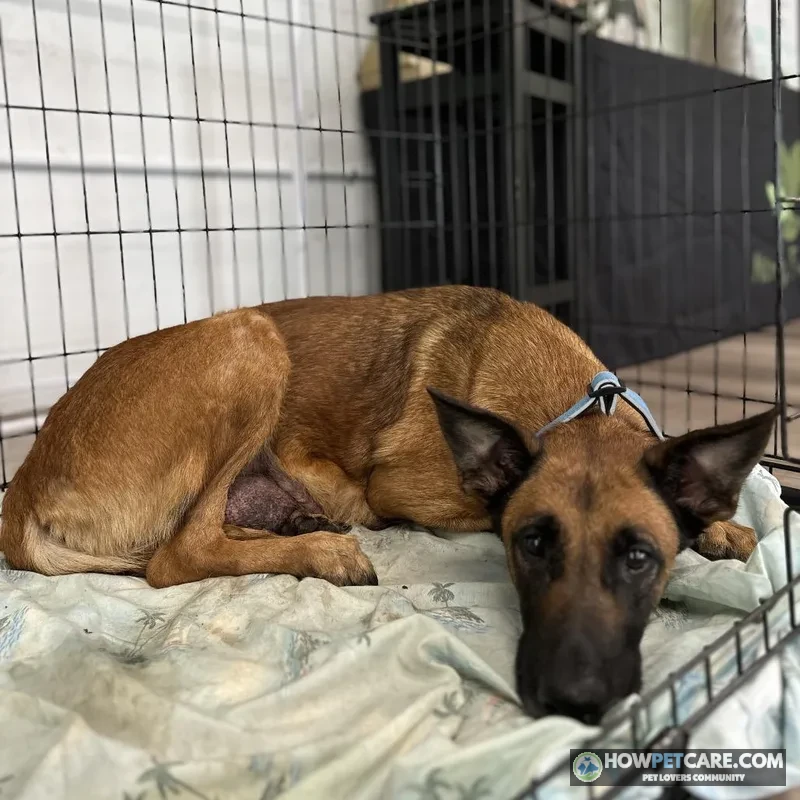
Breed-specific rescues and shelters regularly have adult Malinois, usually between one and three years old, surrendered for reasons already described in this article: too much dog, too little time, a move, or a baby. Adoption fees are typically a few hundred dollars, and the dog is usually already vaccinated and neutered.
Adoption can mean skipping puppy destruction, knowing the adult size and coat, and often receiving a documented temperament assessment. The trade-offs include an unknown history, possible training gaps, and a dog that may take months to settle.
Rescue versus breeder decision rule: an adult rescue is a strong path for an experienced owner who wants to skip the puppy phase and can work with a rescue that provides a real behavior evaluation, foster history, and post-adoption support. It’s a bad path for a first-time owner who wants a blank slate and no behavioral unknowns. Ask the rescue for the assessment in writing and confirm a trial or foster-to-adopt option exists before you commit.
Your Next Step: Run the Pre-Commitment Checklist Before You Contact a Breeder or Rescue
Final decision rule: go means you cleared the time, experience, and budget thresholds on the scorecard. Not yet means you have a gap worth closing first: book the trainer, bank the emergency fund, or get experience with a high-drive dog. Skip means choose one of the named alternatives and stop shopping for a Malinois.
The seven-day trial. Before you contact anyone, log a real week on your actual calendar: 90–120 minutes of exercise and a 20–30 minute training block, every day, arranged around your job and your commute. If the week doesn’t hold up, the answer is not yet, not a challenge to squeeze it in.
If the trial holds up, take the go path:
-
Book the trainer first
Find a trainer or class experienced with working breeds and reserve a start date before the dog arrives.
-
Line up the money
Open the vet relationship, price pet insurance while the dog is young, and set aside the emergency reserve.
-
Shortlist breeders or rescues
Run the vetting checklist on every candidate, verify OFA and PennHIP numbers yourself, and read the contract with your vet.
-
Prepare the house before the dog
Crate, gates, a secure exercise area, puzzle feeders, and a written daily schedule on the refrigerator.
-
Register for a sport or class
Herding, agility, tracking, or obedience gives the dog a structured job and gives you a social circle that understands the breed.
If the answer is skip or not yet, pick one alternative breed from the suitability table, volunteer or foster with a breed-specific rescue to test the reality of high-drive dog ownership, and take a class with a working-breed trainer before you buy anything. National breed clubs, breed-specific rescues, certified trainers, and veterinary behaviorists are the four places to start. All of them will talk to you before you have a dog.
The Malinois isn’t a bad dog. It’s a specialized one, and the decision is whether your household is suited to that specialization.
 You might be wonderingBlack dogsBlack Dogs: Breeds, Costs, Coat Care, and AdoptionRead the answer
FAQ
How do you pronounce Belgian Malinois?
It is commonly pronounced ‘BEL-jun MAL-in-wah’. Some people say ‘mal-in-WAH’, and both are widely understood.
What is a Belgian Malinois’s bite force?
There is no reliable, standardized measurement for the breed, and the PSI figures circulating online are often unsourced. What matters for owners is training bite inhibition early and managing the dog’s drive.
How big does a Belgian Malinois get?
Adults typically stand about 22-26 inches tall and weigh roughly 40-80 pounds, with males larger than females. They are lean and athletic rather than bulky.
Do Belgian Malinois shed a lot?
Yes. They have a short double coat that sheds year-round and heavily during seasonal coat changes. Weekly brushing is the baseline, and daily brushing helps during the heavy shed.
Are Belgian Malinois aggressive?
They are not inherently aggressive, but they are intense, protective, and reactive when under-socialized, under-exercised, or poorly trained. Early socialization and consistent training reduce the risk significantly.
Can a Belgian Malinois live with cats or small pets?
Some can, especially if raised with them from puppyhood, but the breed’s high prey drive makes this a risk. Supervise closely, and do not assume an adult Malinois will accept cats without a careful introduction.