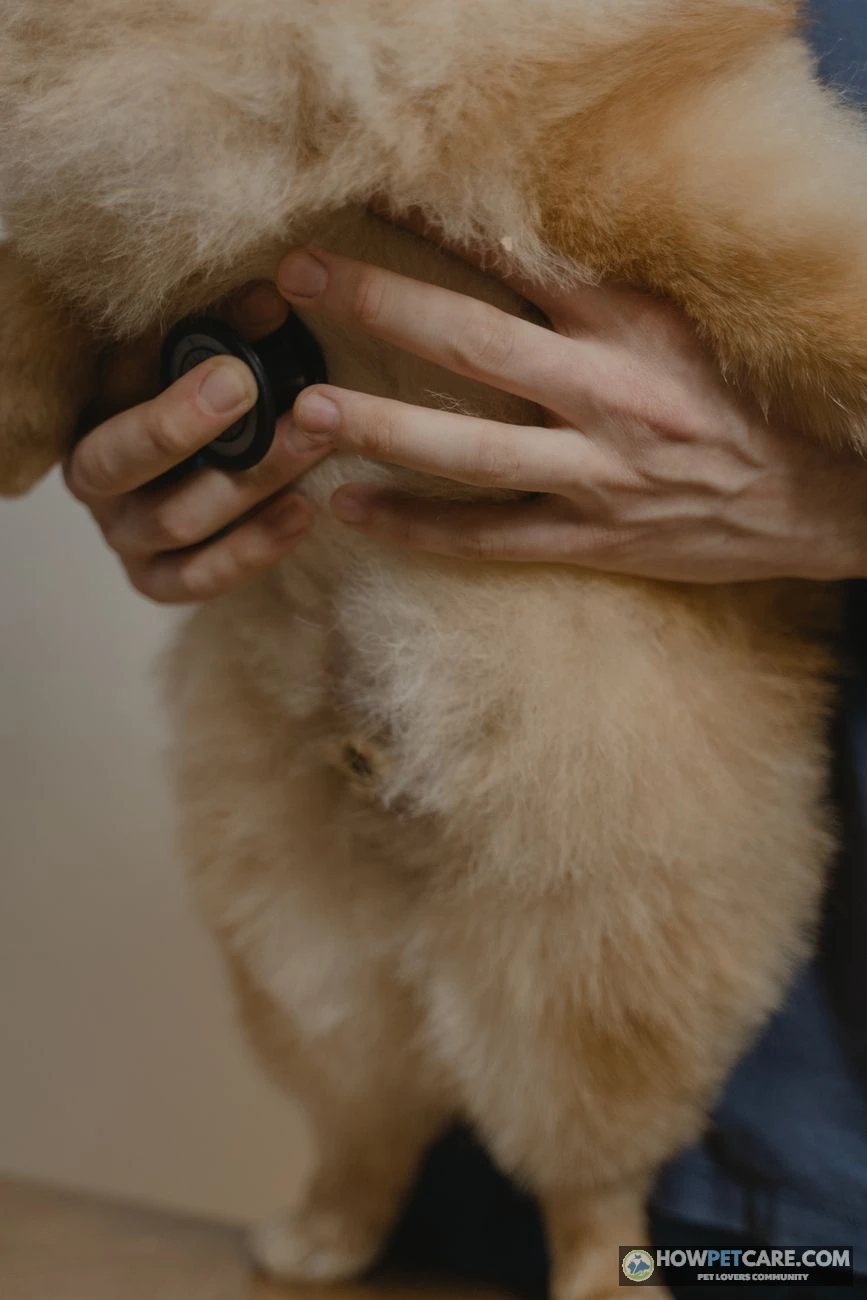

A pet wellness exam is a scheduled checkup for a healthy-seeming dog or cat. The vet reviews diet, behavior, and lifestyle, then does a nose-to-tail physical exam covering weight, eyes, ears, teeth, heart, lungs, skin, and joints. Vaccines, parasite screening, and blood work may be recommended based on age and risk.
Pet Wellness Exam Basics: Should You Book Now or Wait?
A pet wellness exam is a scheduled checkup for an animal that seems healthy. It combines a physical examination with a discussion of preventive care and potential health risks. Most healthy adult dogs and cats need a visit each year. Puppies, kittens, senior pets, and pets with ongoing conditions often need a different schedule. If your pet is overdue, new to your household, or due for vaccines, call a veterinarian to arrange a visit. If your pet has symptoms, ask for a sick appointment rather than waiting for a routine opening.
The exam fee is often listed separately from vaccines and tests. PetMD pricing cited in the research for this guide puts an exam at roughly $40–$90, blood work at $50–$200, and urinalysis at $20–$60. These are historical reference ranges, not verified 2026 quotes. Your clinic’s estimate may differ substantially.
Wellness exam vs. sick visit at a glance
A wellness visit checks the whole animal and plans preventive care when no specific illness is apparent. A sick visit focuses on a problem, such as vomiting or a limp, and may involve an examination, tests, and treatment for that concern. Tell the receptionist about any symptoms when you book. The clinic can advise how soon your pet should be seen and reserve the right appointment type.
If the wellness exam turns up a concern, the veterinarian may recommend a recheck, laboratory testing, imaging, or a specialist. Ask for an itemized estimate and find out which steps are time-sensitive before deciding what to authorize. The cost table below gives planning ranges for common tests, and the later section on red flags and follow-up explains how to weigh those choices.
Do indoor pets and healthy-looking pets really need one?
Yes. Even a pet that looks well can benefit from a physical exam and a review of weight, dental health, vaccination needs, and parasite prevention. Exams also give the veterinarian a baseline to compare with future visits. Indoor cats need preventive care, too. Living indoors changes some risks, but it doesn’t remove the need to assess their health or discuss appropriate protection.
What Is Included in a Pet Wellness Exam: The Nose-to-Tail Checklist
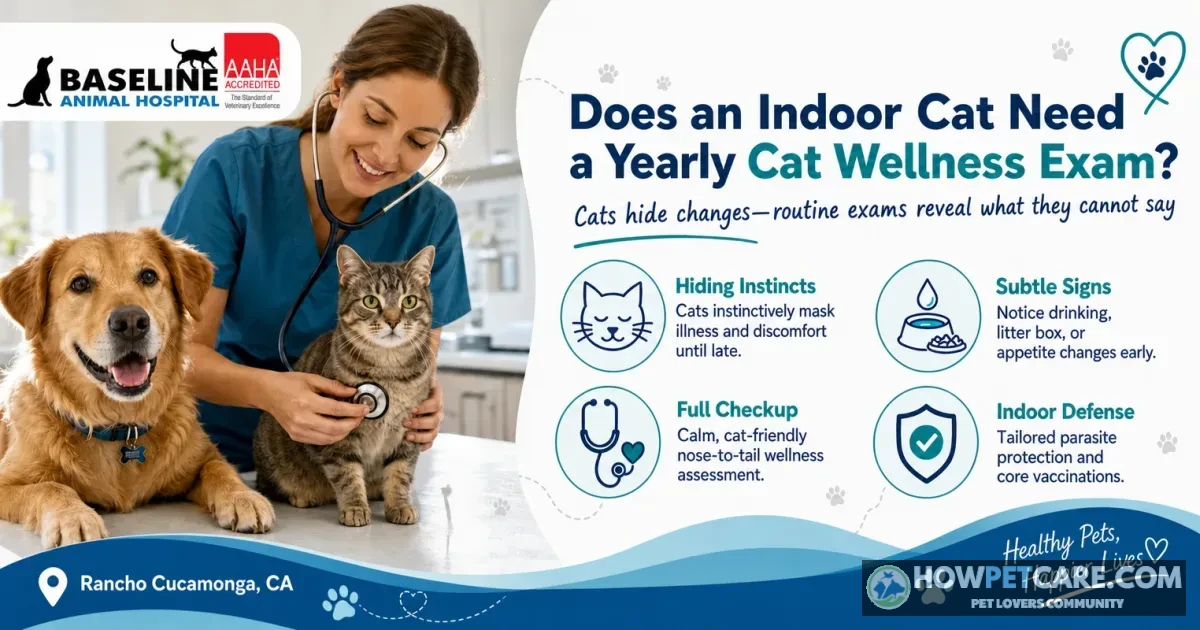
A veterinary wellness exam usually starts with questions about diet, exercise, drinking, bathroom habits, behavior, and lifestyle. Mention subtle changes, even if you’re not sure they matter. The veterinarian then examines your pet and recommends a care plan based on the findings, age, history, and exposure risks.
The physical examination, step by step
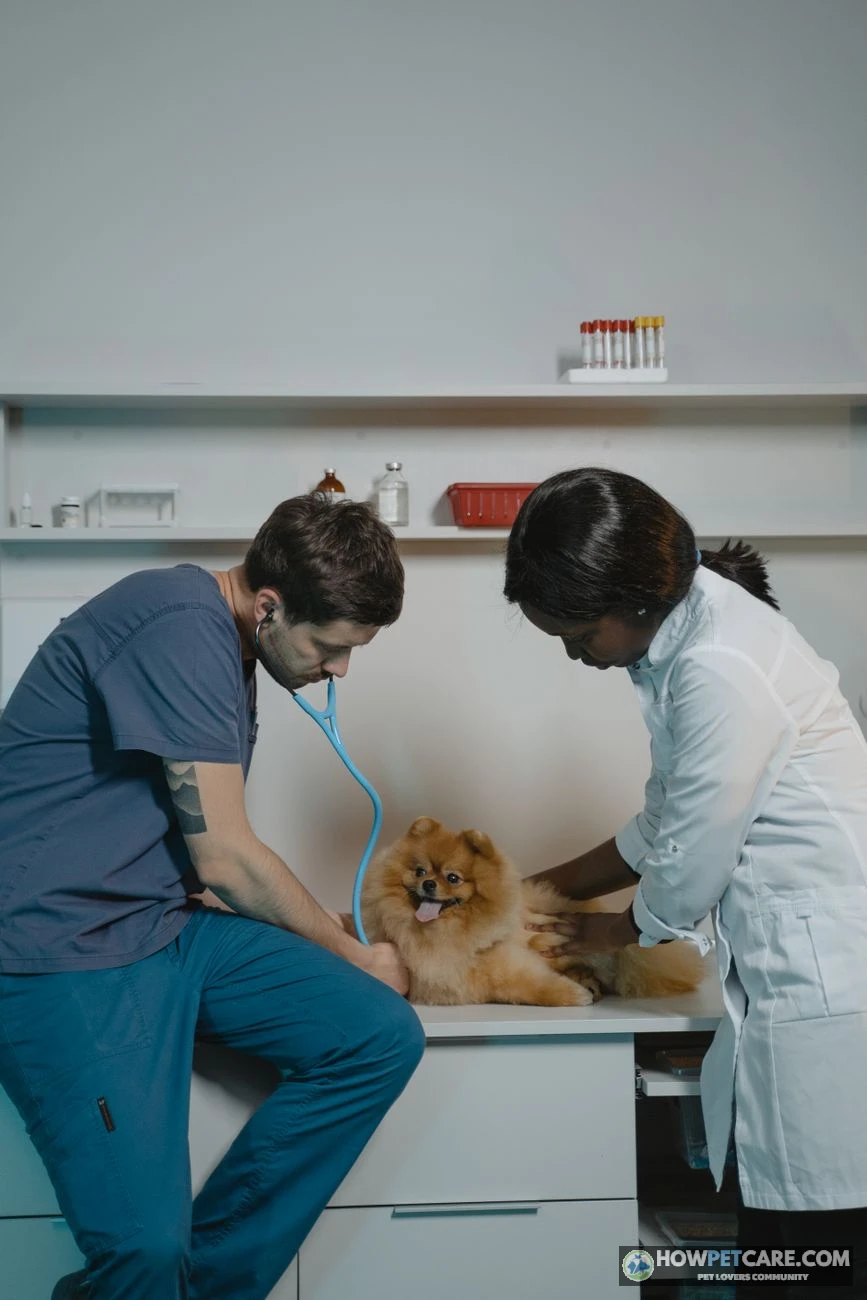
During a routine vet exam, the veterinarian generally checks the following:
- Weight and body condition: A weight assessment and body condition score help track whether your pet is underweight, overweight, or maintaining a healthy shape. Changes over time can be useful, even when a single number seems normal.
- Eyes and ears: The vet looks for visible changes and signs of discomfort.
- Mouth and teeth: A look at the teeth and gums helps guide a dental health plan. An awake mouth check isn’t the same as a thorough dental examination and cleaning under anesthesia.
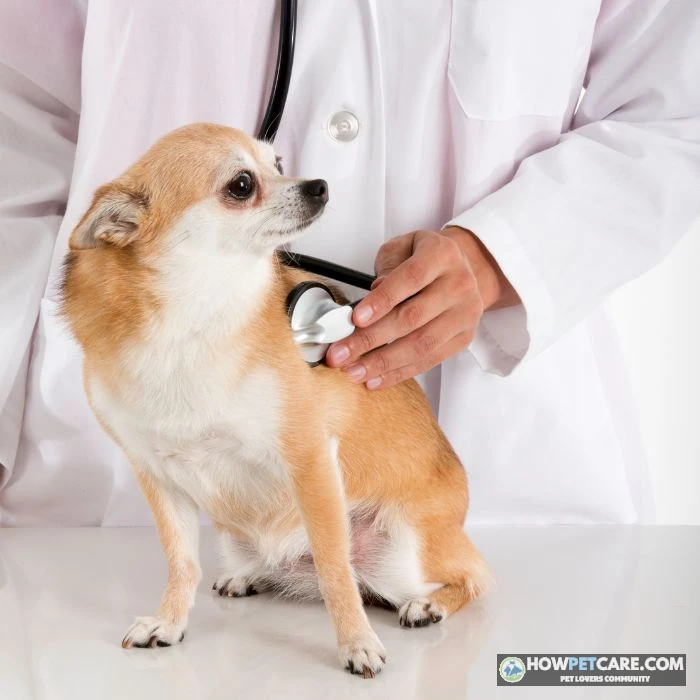
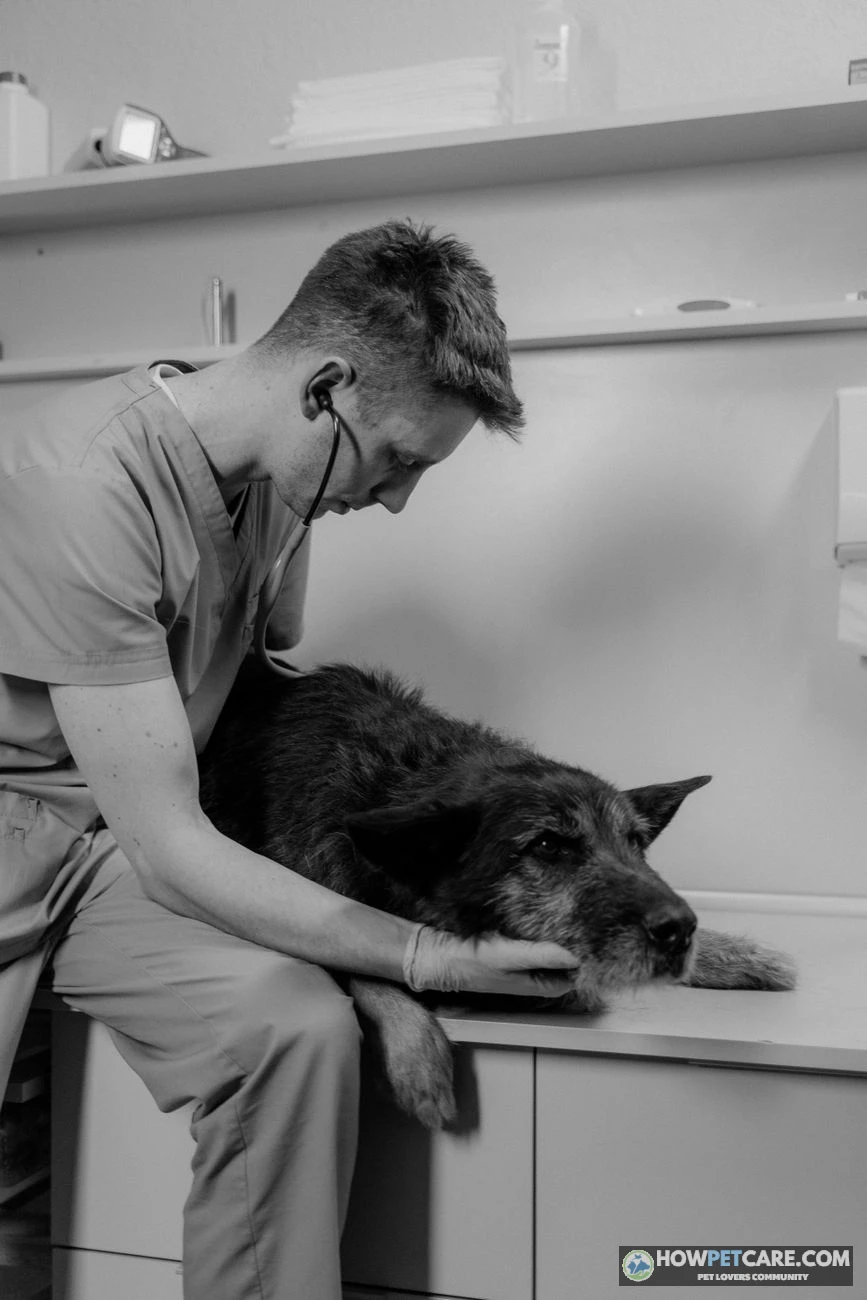
- Heart and lungs: The vet listens with a stethoscope and assesses breathing.
- Skin, coat, and lymph nodes: The vet looks and feels for changes, including lumps and irritation.
- Abdomen, muscles, joints, and movement: Gentle palpation and observation can reveal findings that need a closer look.
The vet may also discuss nutrition, exercise, spaying or neutering, and microchipping. If your pet already has a chip, make sure your contact information is current with the registry.
Vaccines, parasite screening, and the heartworm test
The veterinarian reviews vaccinations; that doesn’t mean your pet will automatically get every vaccine at every visit. Recommendations depend on age, prior doses, local requirements, health, and exposure. Parasite prevention and screening are also tailored to the animal and its environment.
A fecal test checks a stool sample for signs of intestinal parasites. A heartworm test is commonly part of preventive care for dogs. Ask your veterinarian which test and schedule make sense for your pet. Cats have different testing considerations, so ask about their individual risk instead of assuming they need the same screening as a dog.
Blood work and other recommended tests: routine or optional?
Blood work can provide information that a hands-on examination can’t. Urinalysis examines a urine sample, while fecal and heartworm tests answer different questions. A veterinarian may recommend some tests to screen a healthy pet and others because of a finding or medical history.
The physical examination and consultation are often included in the basic appointment fee, but laboratory tests, vaccines, medication, and procedures may be billed separately. Ask the clinic exactly what the exam fee covers. For each proposed add-on, ask what it checks, whether it’s recommended now, and what it costs.
 You might be wonderingPet insurance guidePet Insurance Guide: Real Costs, Payouts and Worth-It MathRead the answer
How Often Should Your Pet Have a Wellness Exam? Schedules by Life Stage
Puppy and kitten schedule
Puppies and kittens generally need a series of early visits, approximately every three to four weeks starting around six to eight weeks of age and continuing through at least 16 weeks. The veterinarian sets the schedule for each animal. These visits let the care team monitor growth, discuss feeding and parasite prevention, and plan vaccinations.
Bring a newly adopted puppy or kitten in promptly, especially if its health history is incomplete. Ask the clinic when to book the first visit and what precautions to take until the vaccine series is complete.
Adult and senior pet care timing
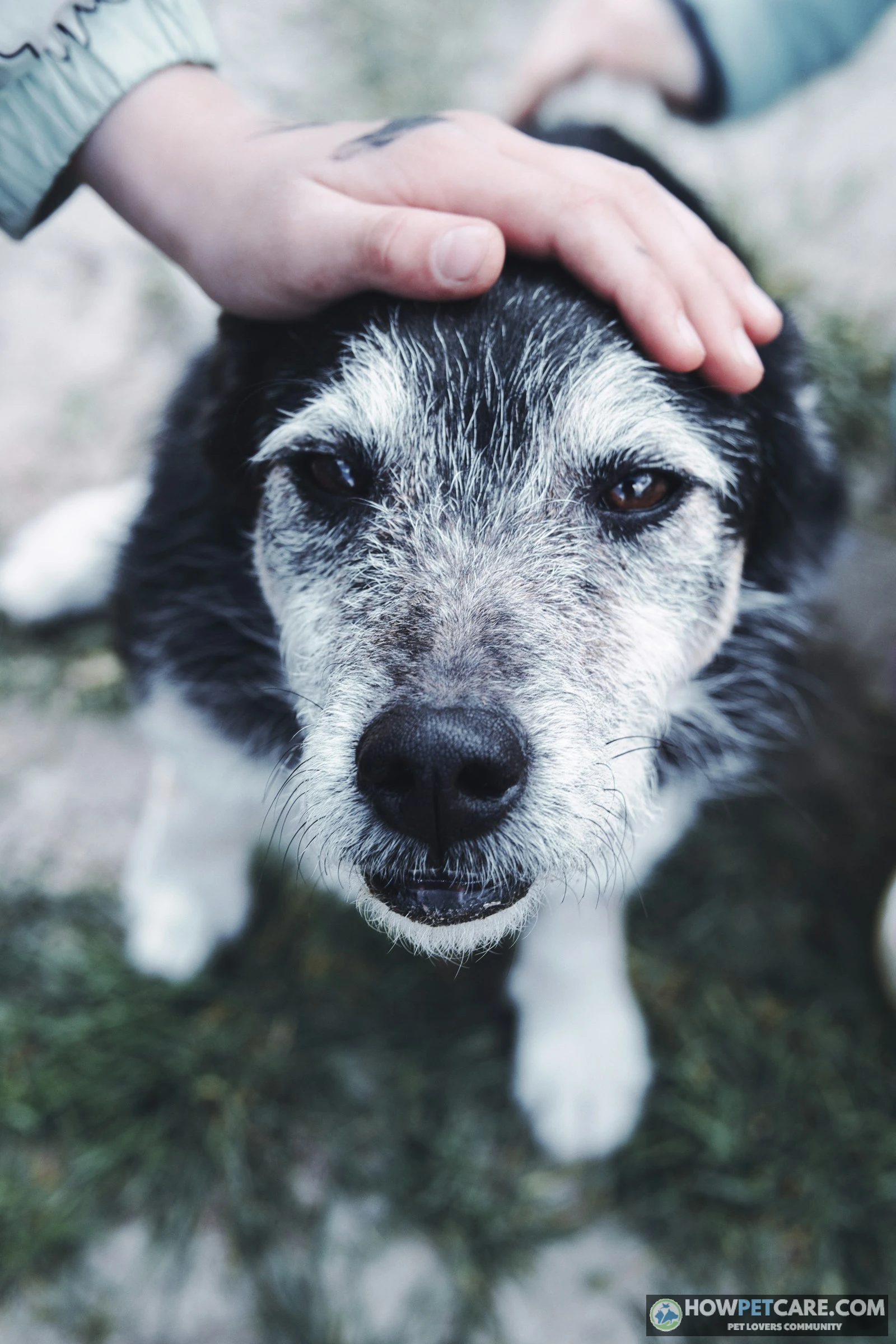
Healthy adult dogs and cats generally need a pet checkup at least annually. Senior pets commonly come in every six months, though the right timing depends on their health.
There isn’t one senior birthday that applies to every pet. A large dog can enter its senior years earlier than a small dog; for cats, the senior discussion often begins around age 10 or 11. Ask your veterinarian when to adjust your pet’s schedule instead of relying on age alone. Dogs with advancing age may benefit from more frequent exams.
A pet with diabetes, arthritis, kidney disease, or another chronic condition may need monitoring between wellness exams. Those follow-ups don’t necessarily replace a full preventive visit. Rabbits, birds, reptiles, and other exotic pets also need individualized preventive care. Contact a veterinarian experienced with the species to set a schedule.
New patient or newly adopted pet: what the first visit looks like
If you’ve adopted an adult, call soon after bringing the pet home and ask when the clinic recommends a first appointment. Bring adoption paperwork, prior test results, vaccine records, and any medication or food information you received. The veterinarian can establish a baseline, review gaps in the history, and recommend a plan. A full panel of tests isn’t automatic for every new patient.
Pet Wellness Exam Cost: Published Price Ranges and What Drives the Total
Use the figures below as budgeting references, not a national fee schedule or a quote. The exam, blood-work, and urinalysis ranges are the published PetMD ranges provided in the research for this guide; the research doesn’t identify a publication year for those figures. The remaining figures are illustrative planning estimates from the supplied outline, not independently verified clinic prices. Call local clinics for current, itemized prices before relying on any of them.
| Service or visit type | Planning range | Who it applies to | Source and year | What changes the price |
|---|---|---|---|---|
| Wellness exam fee | $40–$90 | Dogs and cats | PetMD range supplied in research; year not specified | Location, clinic, and new-patient policies |
| Blood work | $50–$200 | When screening or diagnostic testing is recommended | PetMD range supplied in research; year not specified | Number and type of tests; in-house versus outside laboratory |
| Urinalysis | $20–$60 | When recommended by the veterinarian | PetMD range supplied in research; year not specified | Collection method and tests included |
| Fecal test | $25–$50 | Pets for which parasite screening is recommended | Illustrative outline estimate; source and year not verified | Screening method and clinic fees |
| Heartworm test | $35–$60 | Commonly dogs; other testing depends on the pet | Illustrative outline estimate; source and year not verified | Test type and whether combined with other screening |
| Rabies vaccine | $15–$40 per dose | Dogs and cats when due | Illustrative outline estimate; source and year not verified | Clinic type and whether an exam is charged separately |
| Core combination vaccine | $20–$45 per dose | Pets due for a species-appropriate vaccine | Illustrative outline estimate; source and year not verified | Vaccine, clinic, and number of doses needed |
A clinic may bundle services, charge for sample collection, or offer panels at different prices. Dental cleaning and microchipping are separate services at many practices; ask for their prices individually. A dental cleaning estimate should spell out anesthesia, monitoring, dental X-rays, and whether extractions are included or priced separately.
Cost breakdown by visit type
Using the table for a simple budget, an exam plus a fecal test and heartworm test comes to approximately $100–$200 before medication, vaccines, taxes, or other fees. That total combines historical published ranges with unverified illustrative test estimates, so it isn’t a prediction of your bill.
A puppy or kitten may need multiple visits and vaccine doses. A senior visit may include recommended blood work or urine testing. Ask for the estimated cost of the full proposed series or screening plan, not just the first appointment. Prices differ by region, clinic type, pet health, and the services selected.
How to find an affordable wellness exam near you
Look into local nonprofit veterinary clinics, shelter programs, veterinary teaching hospitals, and community vaccination events. Call to check eligibility and available services. A vaccine-only event may not include a complete physical examination or ongoing care. A teaching hospital and a general practice may offer different appointment types and fees, so confirm the details before booking.
Tell the clinic your pet’s age, species, last exam date, and known vaccine history. Ask for the exam fee, likely add-ons, and a call before any additional service is performed.
If the estimate is over your budget, ask which services matter most now, which can safely wait, and whether the clinic offers payment options. Don’t postpone a test the veterinarian considers urgent without discussing the risk.
Wellness Plan vs. Pet Insurance: How to Pay for Routine Exams
A wellness plan generally bundles or reimburses specific preventive services for a recurring charge. Pet insurance primarily covers eligible unexpected accidents or illnesses; routine care is often excluded unless you buy a separate preventive-care add-on. Terms vary, so read the contract before enrolling.
| Option | What it usually covers | Typical cost structure | Best for | Watch-outs |
|---|---|---|---|---|
| Pay per visit | Services you choose and receive | Individual clinic fees | Owners who want flexibility or use few services | A larger bill may be due at the appointment |
| Wellness plan | Listed routine services, potentially including exams, vaccines, and screening | Monthly or annual fee; sometimes tied to one clinic | Budgeting for services you expect to use | Service limits, unused benefits, cancellation terms, and exclusions |
| Pet insurance | Eligible accidents and illnesses; routine care only if the policy or an add-on includes it | Premium, deductible, reimbursement percentage, and limits | Managing the financial risk of covered unexpected care | Waiting periods, exclusions, pre-existing conditions, and reimbursement limits |
Worked example: one year of routine care three ways
This hypothetical comparison isn’t a quote or a claim about a particular product. Assume a healthy adult dog uses $210 in exam, vaccine, and test services, plus $200 in parasite prevention. Assume neither plan covers prevention.
| Payment route | Illustrative calculation | Total paid for the year |
|---|---|---|
| Pay per visit | $210 services + $200 prevention | $410 |
| Wellness plan | $38 per month × 12 + $200 prevention; the plan covers the $210 of services | $656 |
| Insurance plus wellness rider | $45 monthly base premium + $16 monthly rider, both for 12 months, + $210 services + $200 prevention − $210 rider reimbursement | $932 |
The insurance example assumes the rider reimburses the full $210 under its benefit limits and that there are no accident or illness claims. The base premium buys different protection, so these totals don’t represent identical coverage. If the rider reimburses less, the total rises; if a plan includes prevention or more services, its result changes. Use an actual quote and the care your pet is likely to receive to run your own calculation.

Which option fits your pet and budget
A puppy or kitten owner can compare the cost of a full vaccine-and-exam series with a plan’s covered services. A healthy adult may use fewer included benefits in a given year. A senior or pet with a chronic condition may need more monitoring, but check whether the plan covers those specific tests and whether an insurance policy excludes an existing condition.
Before signing, ask about waiting periods, annual benefit caps, deductibles, reimbursement rules, cancellation charges, clinic restrictions, and follow-up diagnostic coverage. A finding recorded before a policy starts may affect future coverage under its pre-existing-condition terms.
Dog vs. Cat Wellness Exams: What Differs by Species
Both species get a physical examination and preventive-care recommendations tailored to the individual. The main differences involve exposure, species-specific vaccines and tests, and how the animal is handled.
| Exam element | Dog | Cat | Why it matters |
|---|---|---|---|
| Vaccine review | Rabies and the canine distemper-parvovirus combination are commonly discussed | Rabies and the feline FVRCP combination are commonly discussed | Schedules depend on history, health, local law, and veterinary advice |
| Additional vaccines | Boarding, travel, wildlife, or tick exposure may affect recommendations | FeLV vaccination is particularly relevant for kittens and depends on risk in adults | Tell the vet where the pet goes and which animals it meets |
| Screening conversation | Heartworm testing and, where appropriate, tick-borne disease screening | FeLV/FIV testing may be discussed for a new cat or one with an unknown history | Testing choices depend on history and exposure |
| Senior timing | Size and breed influence when senior care begins; large dogs often age earlier | The senior conversation often begins around age 10 or 11 | The vet can adjust exam frequency and screening to the individual |
| Exam emphasis | Weight, teeth, mobility, skin, and other findings | Weight and muscle trends, teeth, and other findings | Both need a complete exam; individual history guides extra attention |
| Travel and handling | Secure leash or carrier; discuss fear or reactivity ahead of time | Secure carrier; ask about quiet handling and waiting options | Reducing stress can make the visit easier for the pet and care team |
Cat wellness exam: what to expect
Tell the veterinarian whether your cat lives indoors, meets other cats, travels, or has access to a screened porch or outdoor enclosure. Mention changes in appetite, drinking, litter-box use, grooming, jumping, or hiding. The vet can use that history and the examination to decide whether blood work, urine testing, parasite screening, or other steps make sense.
Indoor cats can still encounter parasites, so their preventive plan should reflect their actual risks. Bring your cat in a secure carrier, even if it’s normally comfortable being held.
Dog wellness exam: what is unique
A dog wellness exam checklist should cover heartworm prevention, flea and tick exposure, dental health, weight, and mobility. Discuss boarding, grooming, dog parks, travel, and wildlife exposure so the vet can judge whether additional vaccines or regional screening are appropriate. Bring your dog on a secure leash or in a suitable carrier. Let the clinic know ahead of time if other dogs or unfamiliar handling are stressful.
How to Prepare for the Visit: Checklist, Questions to Ask, and Anxiety Tips
Ask the clinic how much time to allow when you book. Appointment length varies; a new-patient visit, multiple pets, or additional testing can take longer than a straightforward recheck. Some in-house tests may be ready during the visit, while samples sent to an outside laboratory can take longer. Ask when and how the clinic will report each result.
What to bring checklist
Use this list as a printable pre-appointment checklist:
- ☐ Vaccine and medical records, or contact information for the previous veterinarian.
- ☐ Adoption or breeder paperwork, if relevant, and your pet’s microchip number if available.
- ☐ Names and doses of medications, parasite preventives, and supplements.
- ☐ The food brand, treats, and approximate amount fed each day.
- ☐ A short list of changes in appetite, thirst, bathroom habits, energy, mobility, or behavior.
- ☐ A fresh stool sample if the clinic requests one; ask how to collect and store it. Bring urine only if the clinic requests it.
- ☐ A secure leash or carrier, plus familiar bedding or suitable treats.

Call ahead about food and water. Don’t assume your pet needs to fast for an exam or blood work; follow the clinic’s instructions for your particular pet, especially if it’s young or has a medical condition.
Questions to ask your veterinarian
- What is my pet’s body condition score, and has their weight changed in a meaningful way?
- How do the teeth and gums look? Is dental treatment recommended, and what would an estimate include?
- Which vaccines and parasite preventives do you recommend for this pet’s lifestyle?
- Is the current food and portion appropriate? What changes, if any, should I make?
- Which tests do you recommend now, and which are optional or can be considered later?
- When will results be available, who will contact me, and what should I watch for at home?
Keeping an anxious dog or cat calm
Leave a cat carrier out at home ahead of time, with familiar bedding and treats inside if your cat accepts them. Practice short, positive carrier or car experiences when possible. For a dog, bring a secure harness and treats, and tell the clinic about fear, pain, or reactivity when you book.
Ask whether you can wait in the car, use a quiet entrance, or come at a less busy time. Some owners use species-appropriate pheromone products on bedding; ask the clinic how to use them. If your pet has struggled at previous visits, the veterinarian can discuss a handling plan and whether medication prescribed for the visit is appropriate. Never give calming medication without veterinary guidance.
When Not to Wait: Red-Flag Signs and What Happens If the Vet Finds a Problem
Signs your pet needs a vet visit before the next exam
Use these categories to decide whom to call, not to diagnose the cause. If you’re unsure how urgent a sign is, call a veterinarian or emergency hospital for advice now.
Seek emergency veterinary care now for difficulty breathing, collapse, seizures, unresponsiveness, a swollen abdomen with unproductive retching, serious trauma, uncontrolled bleeding, or straining to urinate with little or no urine. Suspected poisoning also needs immediate advice; call an emergency veterinarian or animal poison-control service.
Repeated vomiting or diarrhea with weakness, or vomiting or diarrhea in a puppy or kitten, also calls for prompt veterinary advice. Call before traveling if possible, but don’t delay emergency care to wait for a routine appointment.
Call for a sick appointment promptly if you notice a change in appetite or thirst, vomiting or diarrhea, limping, weight change, a new or changing lump, bad breath or drooling, or a change in behavior or litter-box habits. Tell the clinic when the sign started and whether your pet is eating, drinking, and acting normally. The clinic can determine whether your pet needs same-day care. Cats that stop eating should get prompt veterinary advice rather than waiting several days.
If none of these concerns applies, follow the routine schedule your veterinarian recommends. A pet may need care for a symptom even when its annual pet exam isn’t due.
If the exam finds something: diagnostics, referrals, and costs
A finding doesn’t automatically mean a serious diagnosis. Ask the veterinarian what they observed, what possibilities need investigation, and whether the next step is urgent, a planned recheck, or monitoring at home. The vet may recommend blood work, urinalysis, imaging, or another test. The earlier cost table offers limited planning context for blood work and urinalysis, but it isn’t a substitute for an estimate.
For imaging or a referral to a specialist in areas such as cardiology, dermatology, or internal medicine, ask the clinic for a written estimate. The consultation, tests, sedation, and follow-up may be separate charges. If you have insurance, ask the insurer about coverage and pre-existing-condition rules before assuming a claim will be paid. Don’t delay urgent care while waiting for an insurance decision.
Before agreeing to a plan, ask: “What needs to happen first? What could happen if we wait? Are there alternatives at different costs?” Leave with a clear recheck date, instructions for receiving results, and the signs that should prompt an earlier call.
Your Next Steps: Book, Budget, and Prep in Four Moves
-
Check the schedule
Find your pet’s last exam date and consider their life stage and health. If an adult is overdue, or a young, senior, or newly adopted pet needs a plan, call to schedule.
-
Compare estimates
Call two or three clinics for the exam fee and an itemized estimate of likely vaccines and tests. Ask what a new-patient appointment includes.
-
Choose how to pay
Compare paying per visit with any available wellness plan or insurance rider, using the services and contract terms you would actually receive.
-
Get ready
Use the printable checklist in the preparation section to gather records, confirm sample and feeding instructions, and write down your questions.
Ready to book? Contact a local veterinary clinic and request a wellness appointment suited to your pet’s age and needs. If your pet has a red-flag sign or a new symptom, call a veterinarian now to find the right level of care instead of waiting for a routine slot.
FAQ
How long does a pet wellness exam take?
Most wellness visits last about 30 to 60 minutes, and a first visit or a puppy or kitten series visit can run longer. Ask the clinic when you book, because tests and vaccines add time.
Will I get test results the same day as the wellness exam?
Some results, such as in-house fecal and heartworm tests, are often ready during the visit. Send-out lab work such as a full blood panel usually takes a day or more, and the clinic will call or message you with results.
Should I fast my pet before a wellness exam?
Only if the clinic tells you to. Fasting is usually requested when blood work is planned, so ask when you book and don’t withhold water unless instructed.
Do exotic pets need wellness exams too?
Yes. Rabbits, birds, reptiles, and small mammals benefit from routine exams, but they need a veterinarian with exotic-animal experience. The right schedule depends on the species and age, so ask the vet.
Is a pet wellness exam the same as an annual physical?
They are close, but a wellness exam usually covers more than the physical. It adds vaccine review, parasite screening, nutrition and dental advice, and sometimes lab work.
Can I get a wellness exam for my pet without a regular vet?
Yes. Many clinics accept new patients, and low-cost clinics, vaccine events, and shelter programs offer routine exams. Bring any prior records so the vet can build on your pet’s history.