

2026 planning estimates for a Sheltie puppy by source:
| Source | Typical price | First-year total (est.) |
|---|---|---|
| Rescue adoption | $150–$500 | $1,100–$2,800 |
| Unvetted/backyard seller | ~$450 | $2,100–$3,800 |
| Health-tested breeder | $1,200–$2,500+ | $2,800–$5,300 |
Before paying, verify both parents’ CEA, MDR1, hip, and vWD results and get a written contract.
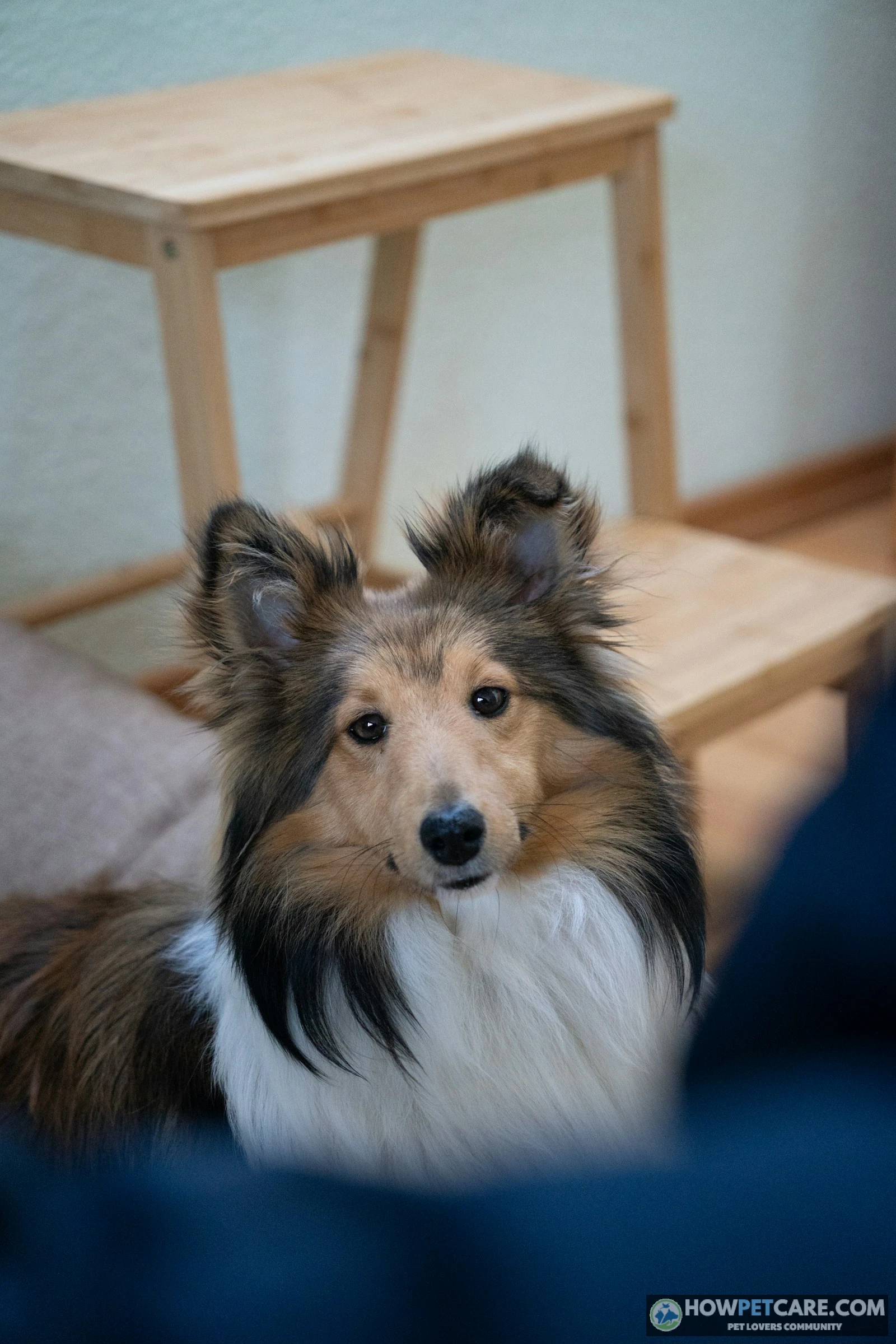
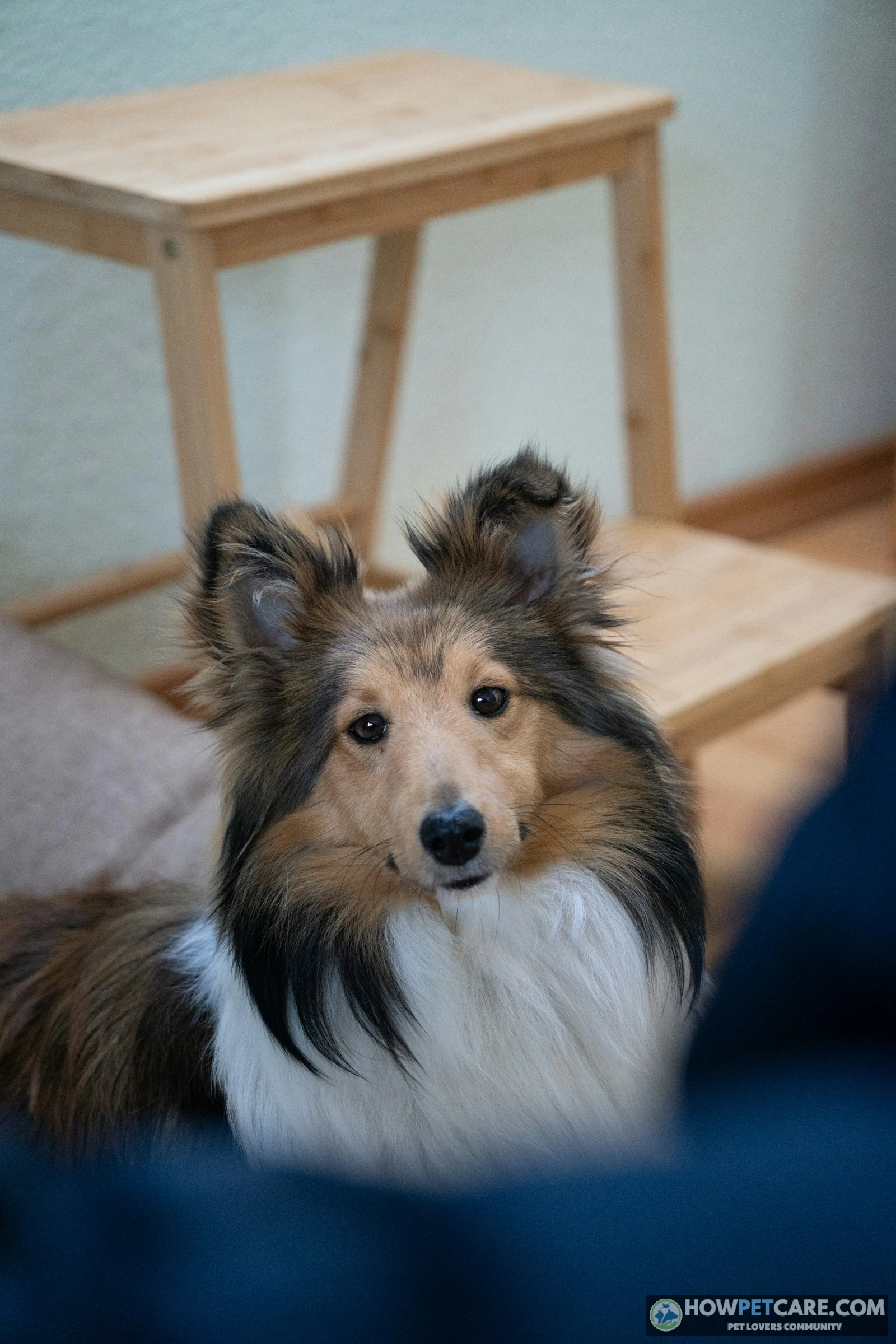
A Sheltie puppy is a Shetland Sheepdog, a small-to-medium member of the AKC Herding Group: typically 13–16 inches tall, about 13–27 pounds, and expected to live around 12–13 years. The breed has a long double coat and sheds heavily, especially during seasonal coat changes. As a 2026 budgeting estimate, expect roughly $150–$500 to adopt, about $450 from an unvetted or backyard seller, or approximately $1,200–$2,500 or more from a health-testing breeder; the total first-year cost can run from about $1,100 to $5,300 depending on source and care choices. These are planning ranges, not universal quotes.
This guide helps you decide whether a Sheltie fits your home, compare adoption with buying, and check a breeder before paying a deposit. The short version: Shelties can be affectionate, trainable companions, but barking, herding nips, and substantial coat care are real commitments—not minor quirks.
Sheltie Puppy Quick Facts and What They Really Cost
Size, weight, and lifespan at a glance
“Sheltie” is the common nickname for the Shetland Sheepdog; it is not a separate breed or a miniature Rough Collie. Shelties are herding dogs with a typical adult height of 13–16 inches and a reported weight range of about 13–27 pounds. A lifespan of roughly 12–13 years is a reasonable expectation, not a promise for an individual dog.
Adult height generally arrives before the dog has finished filling out or grown its full adult coat. Ask a breeder about the sizes of the puppy’s parents, but remember that a puppy’s eventual size cannot be guaranteed precisely.
Double coat, colors, and shedding level
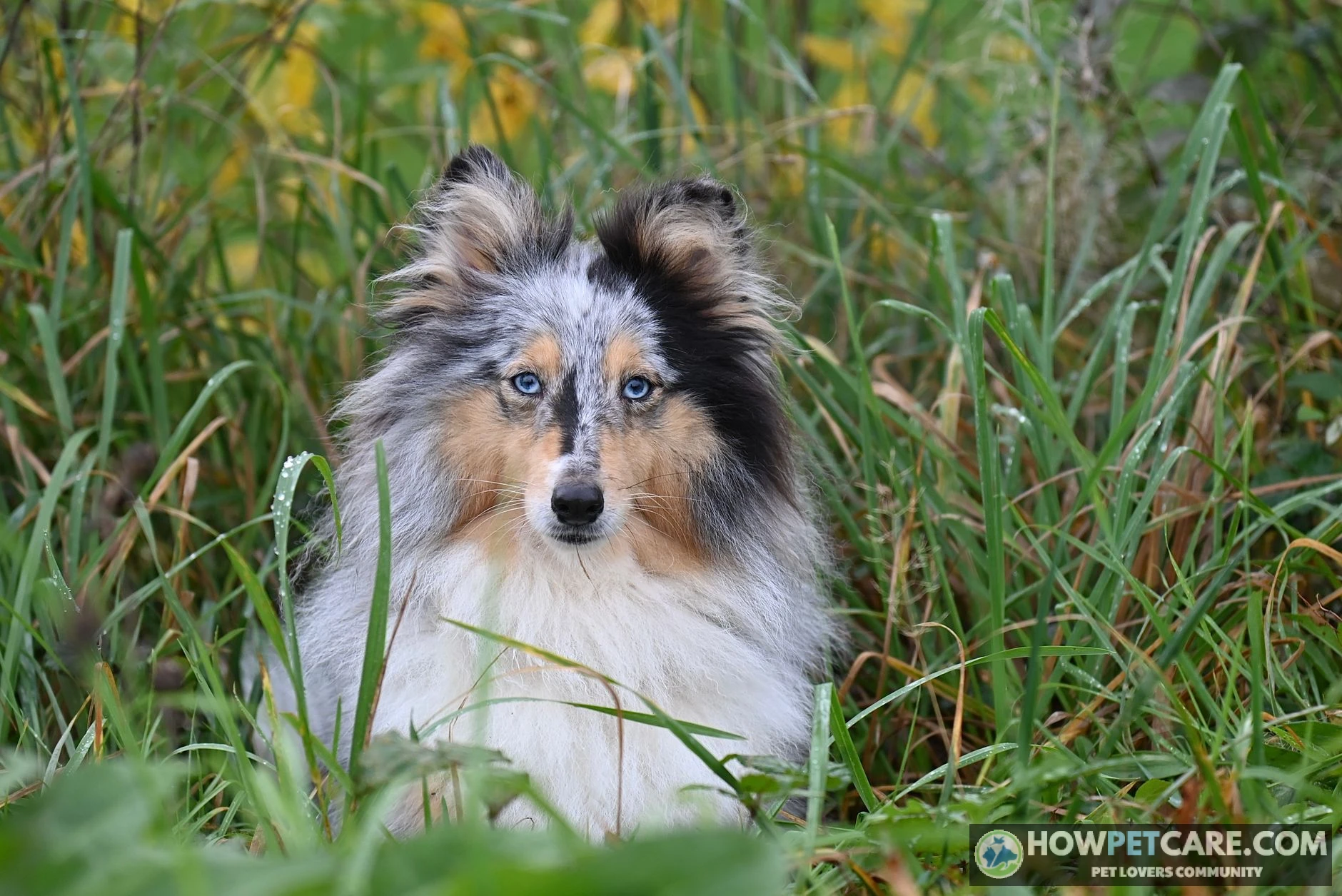
A Sheltie’s weather-resistant double coat has a dense undercoat beneath a longer outer coat. Common colors include sable and white, tricolor, and blue merle; black-and-white or other recognized patterns may also occur. Coat color does not tell you whether a puppy will have a suitable temperament or sound health.
Plan for regular brushing and heavier seasonal shedding. The dense undercoat often becomes more apparent around 5–6 months, so start gentle grooming early to prevent mats and make brushing, paw handling, and nail care familiar. Shelties are not hypoallergenic.
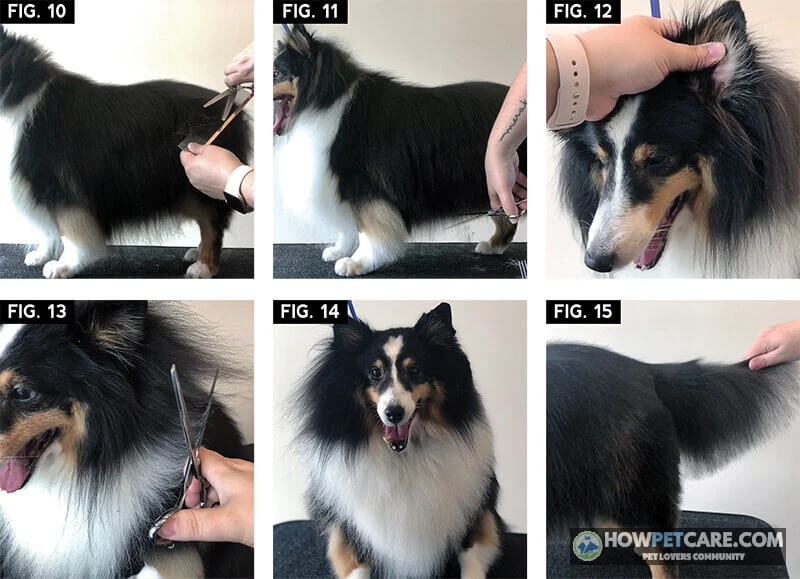
Sheltie puppy growth by age: what to expect month to month
Use these stages as a broad guide, not a growth chart that predicts an individual puppy’s adult size. Ask your veterinarian to monitor weight and body condition at checkups.
| Age or stage | What owners commonly focus on |
|---|---|
| Around 8 weeks | Settling into a new home, gentle handling, toilet habits, sleep, and safe socialization |
| 8–12 weeks | Frequent meals, short training sessions, gradual exposure to everyday sounds and surfaces |
| 12–16 weeks | Continued vaccine boosters, more practiced routines, and carefully expanded outings as the vet advises |
| Around 5–6 months | The denser undercoat begins developing; keep up regular brushing |
| Around 1 year | Many puppies are near adult height, though coat and body fill may continue developing |
| Young adulthood | Energy and behavior continue maturing; training and activity still matter |

Is a Sheltie Puppy Right for Your Household? An Honest Fit Check
Shelties are intelligent, devoted to their families, and often eager to learn. They can thrive with obedience training, agility-style activities, games, and other ways to use their minds. Their sensitivity can also make harsh corrections counterproductive; calm, consistent rewards are a better starting point.
The trade-offs deserve equal weight. Shelties may bark at visitors, sounds, or movement, and their herding instinct can show up as chasing or heel-nipping. They may be reserved with unfamiliar people. A long coat needs ongoing attention, and shedding is part of living with the breed. A Sheltie is a poor match if you want a quiet, low-maintenance dog or expect the puppy to entertain itself for long stretches.
Shelties with children and other pets
With early puppy socialization and supervision, Shelties can live successfully with children and other pets. Their herding behavior may include nipping at heels, so young children should not be left alone with a puppy, and adults should interrupt chasing calmly and redirect the puppy to a toy. Shelties are often a better fit for households with respectful older children than for homes where toddlers and dogs interact without close supervision.
Introduce other pets gradually. Reward calm behavior and give the puppy a safe place to rest away from busy play. Never rely on a breed label as a substitute for supervising interactions.
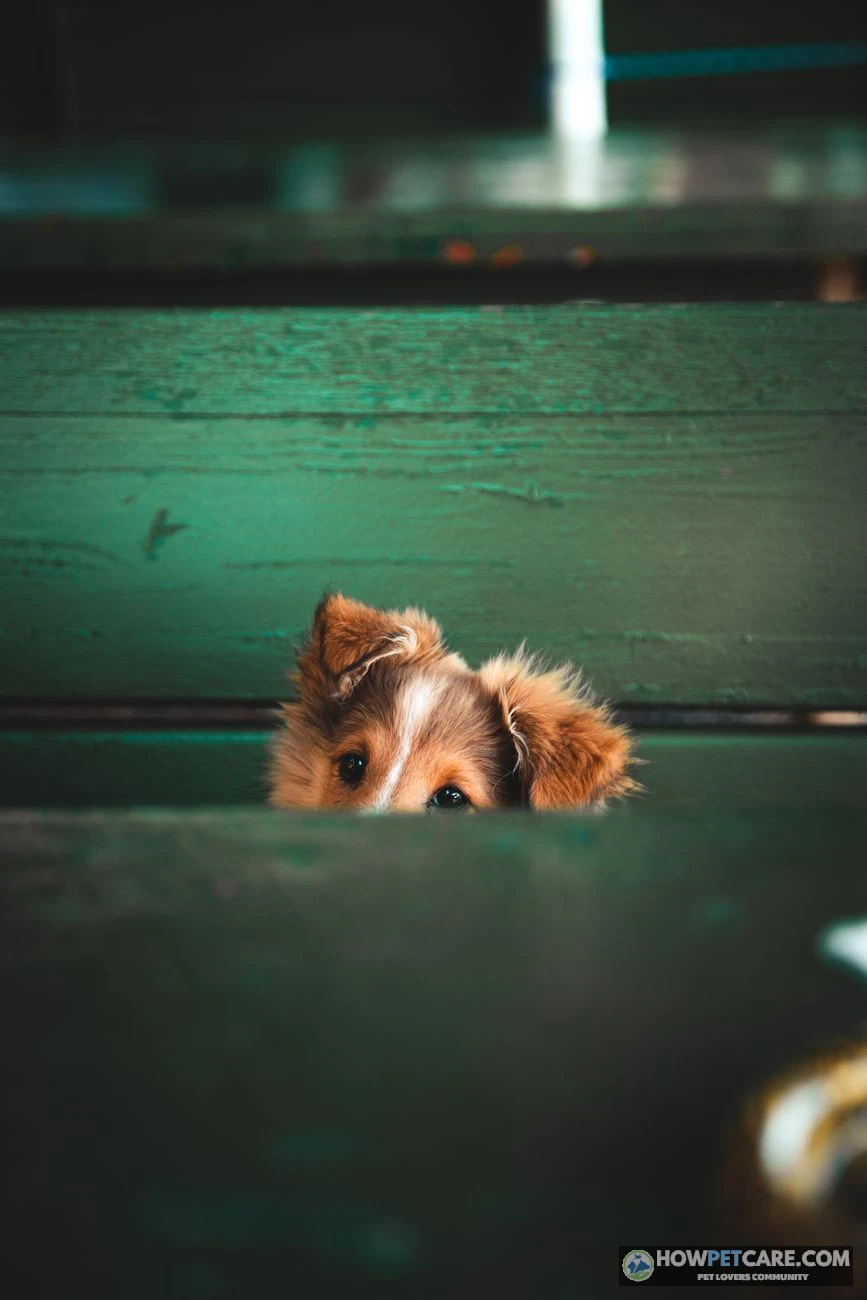
Barking, herding nips, and shedding: the trade-offs people underestimate
Barking is a common watchdog behavior. You can teach a quiet cue and reinforce calm responses, but do not assume training will make a naturally alert dog silent. Provide daily exercise, companionship, and mental stimulation; understimulated dogs are harder to settle.
For nipping, stop exciting play briefly and redirect the puppy to an appropriate toy. Avoid yelling or chasing, which can add excitement. Begin brushing in short, pleasant sessions and gradually work through the coat. If you cannot make time for regular grooming—or have significant dog allergies—spend time around Shelties before committing.
Sheltie vs Rough Collie puppy: key differences
Shelties and Rough Collies share a general collie-like appearance, but a Sheltie is not simply a smaller, calmer version of a Rough Collie. Both have substantial coats, and both need thoughtful care.
| Trait | Sheltie | Rough Collie | What it means for a buyer |
|---|---|---|---|
| Adult size | About 13–16 inches; roughly 13–27 pounds | Larger overall | Consider vehicle space, handling, food, and home layout |
| Coat | Long double coat; heavy shedding | Long double coat | Neither is a low-shed choice |
| Temperament | Often alert, sensitive, and inclined to herd | Individual temperament varies | Meet adult dogs and ask about the lines, not just appearance |
| Activity | Needs daily outlets and engagement | Needs exercise and companionship | Choose by the actual dog’s needs, not size alone |
| Buyer priority | Compact herding companion | Larger collie-type companion | Health testing and fit matter for either breed |
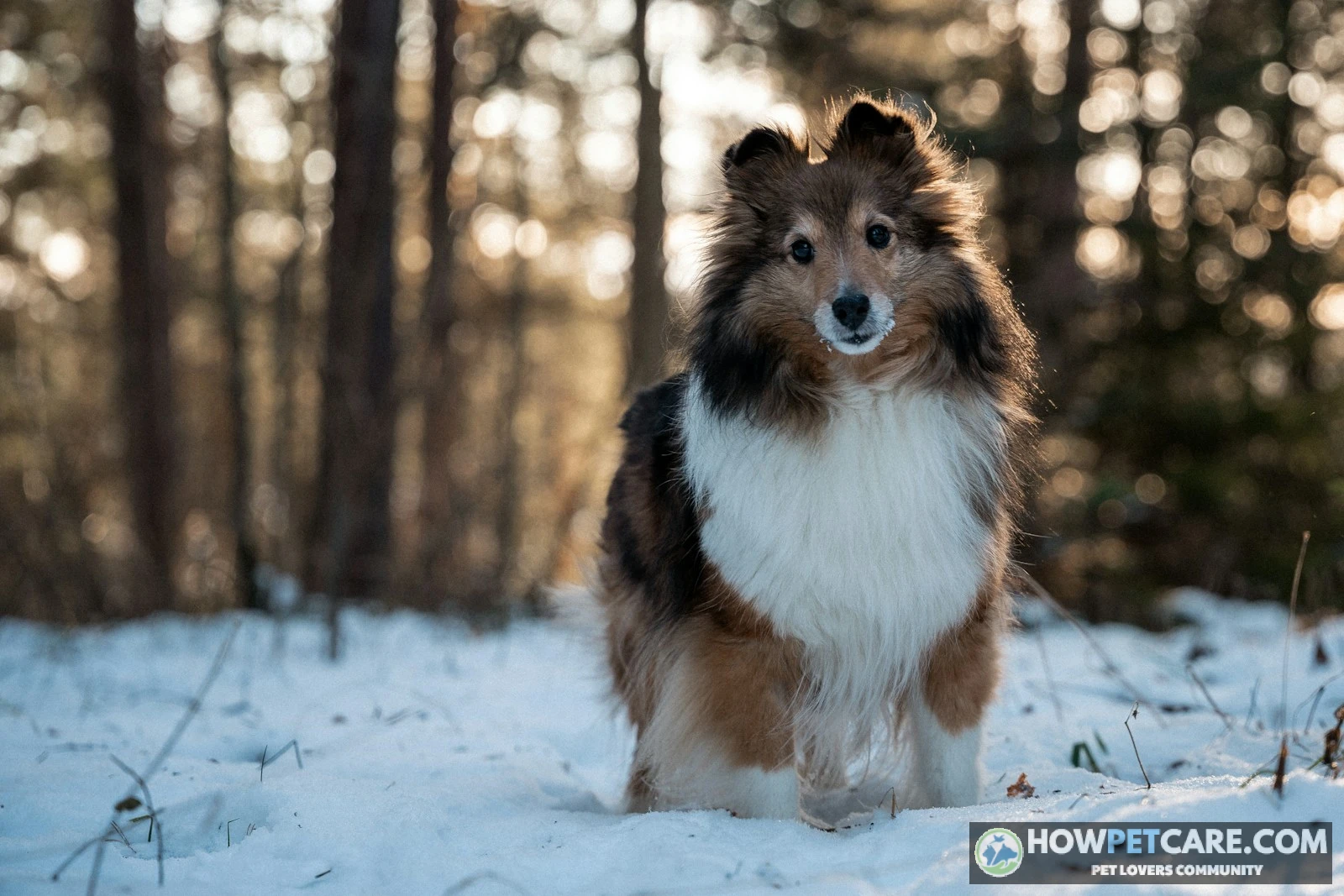
Quick self-assessment: does your home fit a Sheltie?
Answer yes, maybe, or no:
- Can I accept alert barking and work on it consistently?
- Can I supervise children and redirect herding nips?
- Can I provide daily company, training, and mental stimulation?
- Will I brush the coat regularly and manage seasonal shedding?
- Can I budget for veterinary care beyond the purchase or adoption fee?
Mostly yes suggests the breed may fit. Several maybes call for meeting adult Shelties and talking with a rescue or responsible breeder first. If quiet, low grooming, or long daily absences are non-negotiable, another breed may suit you better. Sheltie puppies can remain lively through adolescence; many dogs mature gradually over their first couple of years, and consistent activity and training help them settle.
Sheltie Puppy Price and the True First-Year Cost of Ownership
What a Sheltie puppy costs by source
The following are 2026 planning estimates assembled for comparison, not verified quotes from individual sellers. Actual fees vary by region, breeder, rescue, included veterinary care, and contract. The lowest purchase price is not necessarily the least expensive path if the puppy needs preventable or inherited-condition care.
A health-tested breeder may charge roughly $1,200–$2,500 or more. A rescue adoption may be around $150–$500. An approximately $450 puppy from an unvetted seller is a cautionary comparison, not a recommended bargain. An online listing price alone cannot establish whether a seller is responsible.
Itemized first-year cost breakdown
Each figure below is a broad estimate for the first year in the United States; confirm local prices with a veterinarian, rescue, insurer, or breeder. The totals assume routine care and no major medical emergency. They do not include unusually expensive complications, boarding, or every regional cost difference.
| Cost item | Rescue adoption (~$150–$500 fee) | Unvetted or backyard breeder (~$450) | Health-tested breeder ($1,200+) | Notes |
|---|---|---|---|---|
| Purchase or adoption fee | $150–$500 | About $450 | $1,200–$2,500+ | Adoption fees may include veterinary care |
| Vet exams and vaccine series | $0–$150 | $200–$400 | $100–$250 | Some initial care may be included |
| Spay or neuter | Usually included | $300–$600 | $300–$600 | Follow veterinary advice and contract terms |
| Microchip | Included or $25–$50 | $25–$75 | Often included | Register it and keep contact details current |
| Deworming and parasite prevention | $50–$150 | $100–$250 | $100–$200 | Costs depend on product and veterinary plan |
| Food | $300–$600 | $300–$600 | $300–$600 | Estimate for puppy food and transition needs |
| Crate, bed, gates, leash, bowls, toys | $150–$300 | $150–$300 | $150–$300 | A safe secondhand crate can reduce setup costs |
| Grooming tools and professional grooming | $80–$250 | $80–$250 | $80–$250 | Basic tools include a brush, comb, and nail clippers |
| Training classes | $100–$250 | $100–$250 | $100–$250 | Local group-class prices vary |
| Insurance or emergency-care buffer | $300–$600 | $300–$600 | $300–$600 | Insurance premiums and coverage vary |
| Estimated first-year total | About $1,100–$2,800 | About $2,100–$3,800 | About $2,800–$5,300 | Planning range; no major emergency assumed |
These totals are not a guarantee that one path will cost less in every household. Rescue fees often include services that a buyer would otherwise pay for separately, while breeder puppies may come with initial vaccines or a microchip. Ask exactly what is included and keep receipts as you build a local budget.
An untested puppy can carry a greater uncertainty around inherited eye, hip, or skin conditions. That is a risk, not a prediction that a particular puppy will become ill. A single significant veterinary problem can outweigh the initial price difference, so compare documented testing and care—not just the deposit.
Where you can save and where cutting corners backfires
Save safely with a clean, sturdy secondhand crate, basic home grooming, and group training classes. Ask your veterinarian which supplies are essential and which can wait. Do not skip a puppy’s veterinary exam, required vaccines, parasite prevention, or a careful review of parent health results to make the initial price work.
Sheltie Health Problems: Which Tests Both Parents Should Have
A breeder’s claim that a puppy is “vet checked” is not the same as documented screening of both parents for inherited conditions. Ask for the actual results and verify them where possible. Screening recommendations can change, so confirm current guidance with the American Shetland Sheepdog Association (ASSA) and your veterinarian.
Core health tests mapped to the paperwork you should see
- Collie eye anomaly (CEA): Ask for eye-examination results for both parents, ideally from a veterinary ophthalmologist, and ask how the results are recorded. CEA is a named inherited eye condition relevant to the breed.
- MDR1: Request DNA test results for both parents. MDR1 variants can affect how a dog responds to certain medications; share your dog’s status with your veterinarian before medication is prescribed.
- Hip dysplasia: Ask for parental hip evaluations, such as OFA or PennHIP results, and request identifying information so you can check the records.
- Von Willebrand disease (vWD): Request DNA test results and ask how the breeder uses them in pairing decisions.
- Dermatomyositis: Ask whether the breeder screens for this inherited skin and muscle condition and how the pairing was selected to manage risk.
Other screening, including thyroid or heart checks, may be discussed with the breed club and veterinarian. No test list can guarantee a lifetime without illness; the point is to understand risk and see responsible, traceable records.
Ask for registration paperwork (AKC or equivalent), vaccination and deworming records, parent test results, a written health guarantee, and the signed contract. A useful request is: “Could you send me the results for both parents’ CEA eye exams, MDR1 and vWD DNA tests, hip evaluations, and any dermatomyositis screening, along with the contract and the puppy’s medical records?”
Other conditions to discuss with your vet
Patellar luxation is another condition buyers may want to discuss with a veterinarian. Ask the breeder what health issues they track in their lines and whether they offer follow-up support if a concern is diagnosed. The breeder should be able to explain the limits of testing honestly rather than promise that a puppy is risk-free.
How to Find and Vet a Reputable Sheltie Breeder (and Spot Puppy Mills)
Where to look and how to verify what you find
Start with ASSA’s breeder-referral resources, regional Sheltie clubs, and breed events. These are leads, not automatic endorsements: evaluate each breeder’s practices and records. Search results for “Sheltie puppies for sale near me” and marketplace listings can help you discover sellers, but a polished listing or badge does not prove health testing or responsible care.
A waitlist can be normal when a breeder plans litters carefully. Ask about expected timing and keep looking if the answers are vague. If no suitable breeder is nearby, expand your search across regions and plan a safe visit or handoff rather than lowering your standards.
Questions to ask a breeder (and what good answers sound like)
Use this checklist on an introductory call. A responsible breeder should answer clearly, welcome questions, and ask about your home and plans too.
- ☐ Can I see both parents’ CEA eye-exam results, including who performed the exams?
- ☐ Have both parents had MDR1 DNA testing, and can I review the results?
- ☐ Can I verify the parents’ hip evaluations through OFA or PennHIP records?
- ☐ Do you have vWD DNA results for both parents?
- ☐ How do you screen for dermatomyositis and choose pairings?
- ☐ How many litters do you produce in a year, and what other breeds do you raise?
- ☐ Why did you choose this particular pairing?
- ☐ Where are puppies raised, and what age-appropriate socialization do they receive?
- ☐ Can I meet the mother and see where puppies live, in person or on live video?
- ☐ What health guarantee do you provide, and what does it cover and exclude?
- ☐ Will you take the dog back or help rehome it if I cannot keep it?
- ☐ What questions do you ask prospective owners?
A good answer is specific and supported by records. “Our veterinarian checked them” is not a substitute for the named parental screening results above.
Contract and health-guarantee terms to expect
Read the contract before paying a deposit. Look for the puppy’s identity, price and payment terms, health records, a written health guarantee with clear conditions and time limits, and instructions for what to do if a health concern appears. Check whether the agreement includes limited registration or spay/neuter requirements, and whether it requires you to return the dog to the breeder if you cannot keep it.
Get the vaccination and deworming schedule to date, registration paperwork or a clear explanation of when it will be provided, and copies or verifiable details for parent testing. Keep signed copies and receipts. A vague verbal promise is difficult to evaluate later.
Puppy mill and scam red flags
Walk away if you encounter any of these checkable signs:
- The seller cannot or will not provide parent health-test results.
- Many litters or multiple breeds are available at once, with no clear explanation of the breeding program.
- Puppies are advertised as always available, and the seller pressures you to decide immediately.
- The seller refuses a live video call or any reasonable opportunity to see the mother and the puppies’ living conditions.
- You are asked to meet in a parking lot or collect a puppy somewhere unrelated to where it was raised.
- There is no written contract or medical record.
- The seller offers to release a puppy before 8 weeks.
- Payment is demanded by wire transfer, gift card, or another method that is hard to reverse, before you verify the seller.
For suspicious online photos, try a reverse-image search, request a live video conversation showing the puppy and mother, and ask for references you can contact. Verify the breeder independently rather than relying on the listing or testimonials alone.
Reserving and transporting a puppy from out of area
Before sending a deposit, verify the breeder by live video, request the contract and test records, confirm the puppy’s expected home date, and get the deposit and refund terms in writing. Ask how the breeder chooses which puppy fits your household; do not assume you can select solely by coat color or first arrival.
For pickup, agree on the date, location, and documents in advance. Ask what health certificate or travel paperwork is required for your route and have your veterinarian or carrier confirm current requirements. If using a flight nanny or ground transport, verify who will accompany the puppy, how it will be handled and supervised, and what happens if plans change. Avoid sellers who will not explain the handoff or who insist on shipping before you can verify the puppy and records.
At pickup, check that the puppy is alert and appears well, collect the signed contract, vaccination and deworming records, registration information, food details, and copies or verification details for parent health tests. Do not accept a rushed handoff that prevents you from reviewing the paperwork.
Adopt or Buy a Sheltie Puppy? A Side-by-Side Decision Framework
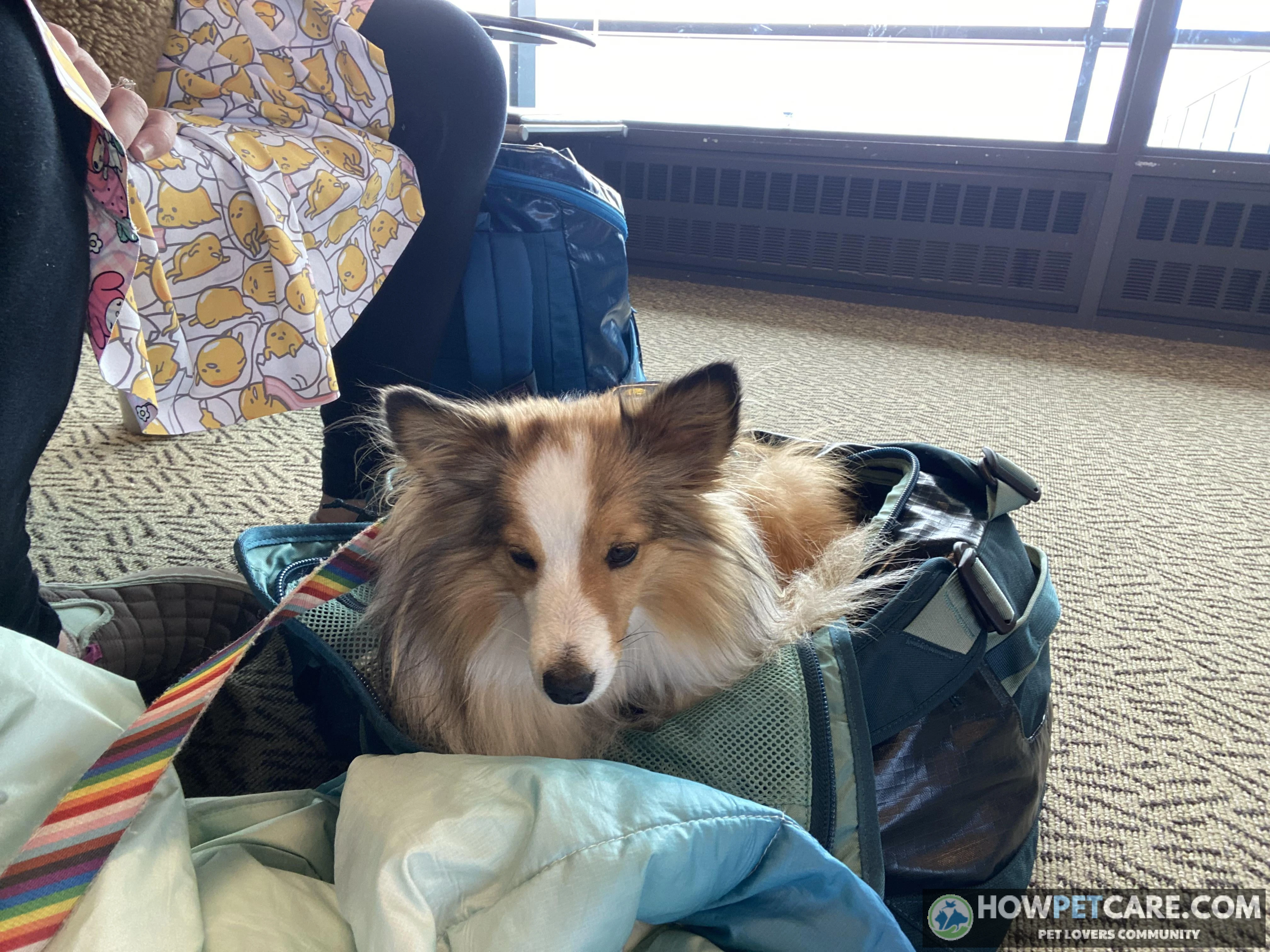
Adoption and buying from a responsible breeder can both be sound choices. The right path depends on whether you need a young puppy, how important documented parental testing is to you, your budget, and your flexibility about age and timing.
Adopt vs buy: cost, vet care, wait time, and risk
The figures below are 2026 estimates and vary by location and organization. “Unvetted seller” is included to show the trade-offs, not to recommend that route.
| Factor | Rescue adoption | Reputable breeder | Unvetted seller | Best for |
|---|---|---|---|---|
| Upfront cost | About $150–$500 | About $1,200–$2,500+ | About $450 in this comparison | Lower upfront fee: rescue |
| Vet care included | Often includes some combination of vaccines, spay/neuter, or microchip | Ask what initial care and records are included | May include little; verify in writing | Included care: compare the actual paperwork |
| Wait time | May take weeks or months; applications and home checks are common | Waitlists may extend several months; timing varies | May claim immediate availability | Urgency should not override safety |
| Age availability | Often adult or young adult; puppies are less common | Puppies are commonly placed at 8 weeks or later | May offer puppies immediately | A very young puppy: responsible breeder |
| Temperament information | Foster-based rescues may describe behavior in a home | Breeder can describe parents and puppy development | Often limited or unverified | Adult personality known: foster-based rescue may help |
| Health transparency | History may be incomplete; ask what care is documented | Parent screening can be documented | Testing may be absent | Verifiable records: reputable breeder |
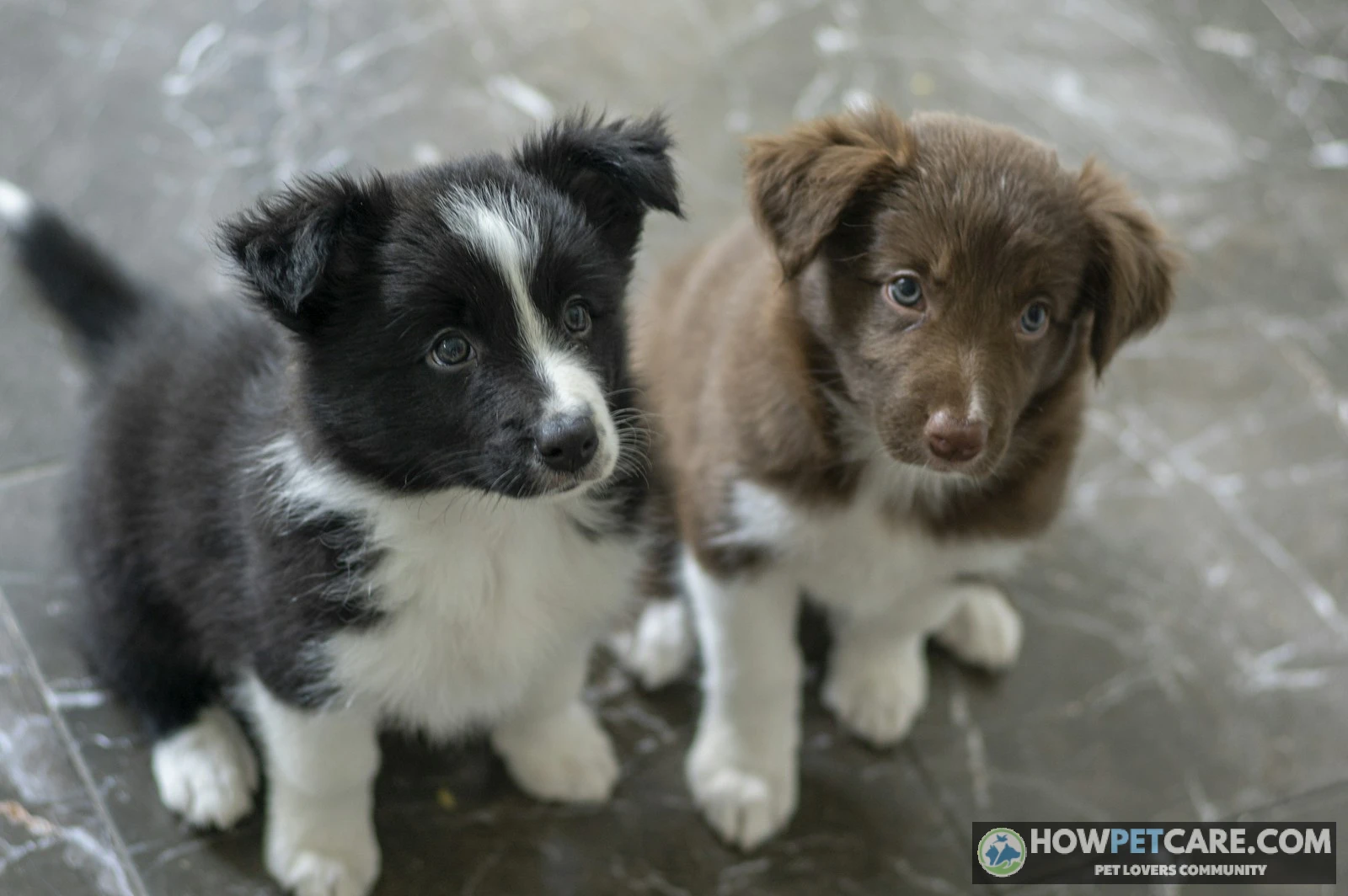
Rescue puppies are relatively uncommon, so be flexible about age if adoption is your preferred route. An application, reference checks, or home assessment can be part of responsible placement. Ask what veterinary care the fee covers and what history the rescue knows; a rescue cannot always provide a complete medical or behavioral history.
How to find Sheltie rescues outside your region
Ask ASSA and regional Sheltie clubs about rescue networks, then search established national adoption databases and nearby shelters. Contact rescues beyond your immediate area to ask about eligibility, waitlists, foster availability, and regional transport. Confirm who is responsible for transport, what records travel with the dog, and whether you can speak with the foster caregiver before deciding.

Which path fits which buyer
Choose a responsible breeder if you need a puppy at a particular stage and want documented parental health screening and information about the puppy’s background. Choose rescue if a lower initial fee, an adult dog, or a foster-described personality suits you and you can be flexible about timing. In either case, ask questions, read the agreement, and budget for continuing care.
Bringing Your Sheltie Puppy Home: Age, Feeding, Vaccines, and the First Week
When can a Sheltie puppy come home?
A puppy should generally remain with its litter until at least 8 weeks. Time with the mother and littermates supports early development, including learning how to interact with other dogs. A seller offering a much younger puppy is a concrete reason to walk away.
Pre-arrival shopping and puppy-proofing checklist
Before pickup, prepare a crate, pen or gates, washable bed, food and water bowls, leash and collar or harness, safe chew toys, brush and comb, and nail clippers. Puppy-proof the rooms the puppy can access: secure cords and household hazards, block unsafe stairs, and remove items the puppy might swallow.
Book a veterinary appointment for the first few days after arrival. Decide where the puppy will sleep, how you will take it outside, and who will supervise it. Arrange an identification tag and microchip registration, and ask the breeder what food the puppy currently eats.
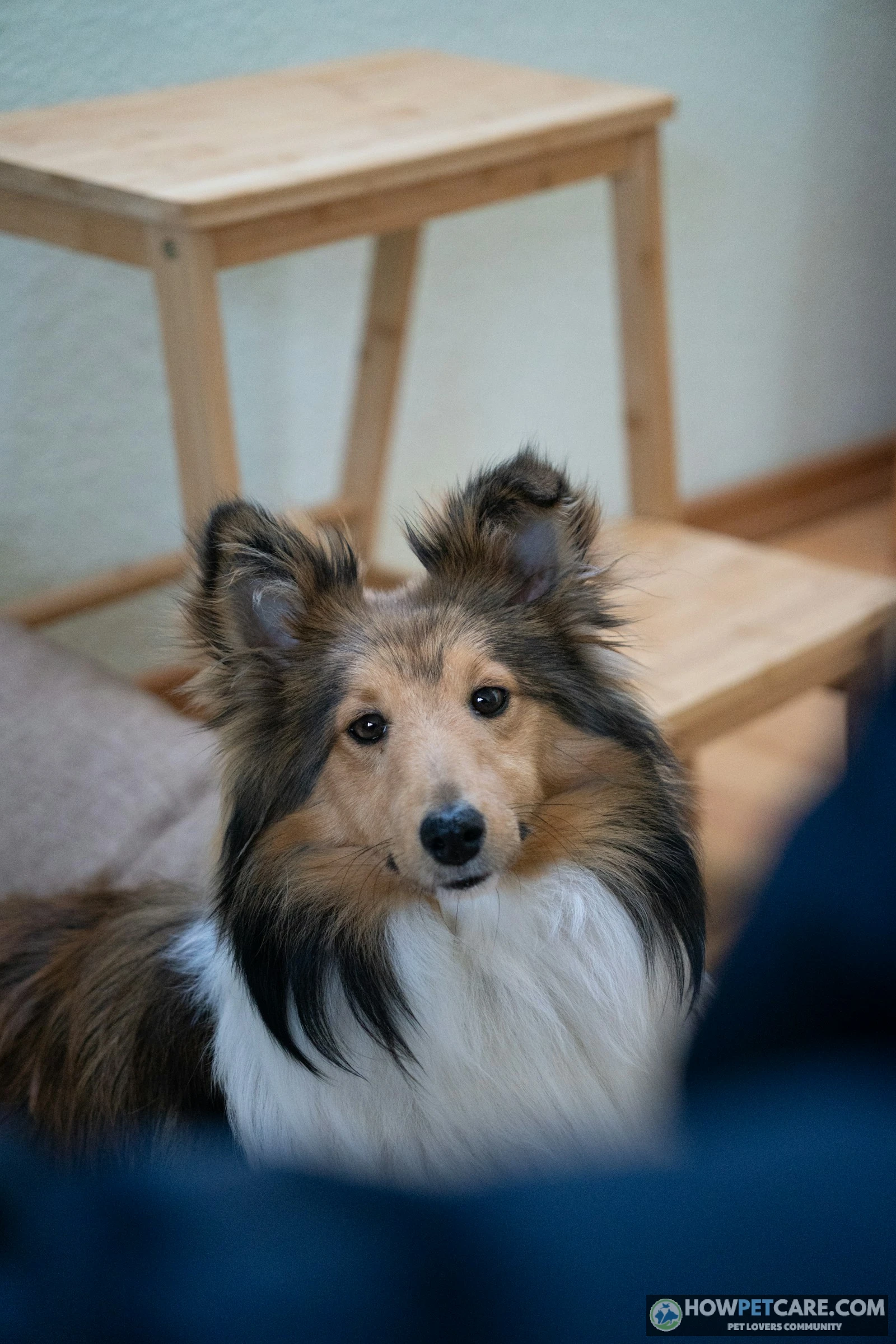
Feeding schedule and vaccination timeline
Keep the puppy on its current food at first. If a change is needed, ask your veterinarian how to transition gradually. A general starting pattern is three meals a day at 8–12 weeks and two or three meals a day from 12–16 weeks, with portions based on the food label, growth, and your veterinarian’s advice. Fresh water should be available. Avoid guessing portions from a generic chart when a vet can assess the puppy’s body condition.
Core vaccinations often begin around 6–8 weeks, with boosters every few weeks until about 16 weeks; rabies timing follows local law and veterinary guidance. The exact schedule depends on the puppy’s history and risk. Bring the breeder’s records to the first exam and have the clinic set the remaining dates.
Until your veterinarian says the puppy is sufficiently protected, avoid high-risk places such as dog-park ground and heavily trafficked pet-store floors. You can still support safe socialization: carry the puppy to experience ordinary sights and sounds, invite healthy vaccinated dogs to a clean home, and ask your vet about local risks.
The first week: crate training, housetraining, and early socialization
For the first days, keep routines quiet and predictable. Take the puppy outside after waking, meals, drinking, and play, and frequently while awake. Praise toileting outdoors immediately. Accidents are expected; clean them thoroughly and adjust supervision rather than punishing the puppy.
Place the crate near your bed at night at first. Make it comfortable and use it for short, positive periods, not as punishment. The puppy may whine as it adjusts; respond calmly to genuine needs, including a nighttime toilet break, without turning every wake-up into play.
Handle paws, ears, and the coat gently for a few minutes at a time. Reward calm behavior. This early practice makes grooming and future veterinary handling less unfamiliar.

Training a Sheltie puppy: barking, nipping, and obedience basics
Begin with name recognition, recall, sit, and short sessions while the puppy is alert. Keep training upbeat and brief. Reward quiet moments and teach a consistent quiet cue for barking rather than shouting over the dog.
When heel-nipping starts, stop the movement or play and redirect the puppy to a toy. Shelties may nip as part of herding behavior; it is not automatically aggression, but it needs consistent management. Puppy classes can provide structured socialization and help first-time owners practice reward-based skills. Add sniffing games, food puzzles, and simple training tasks for mental stimulation.
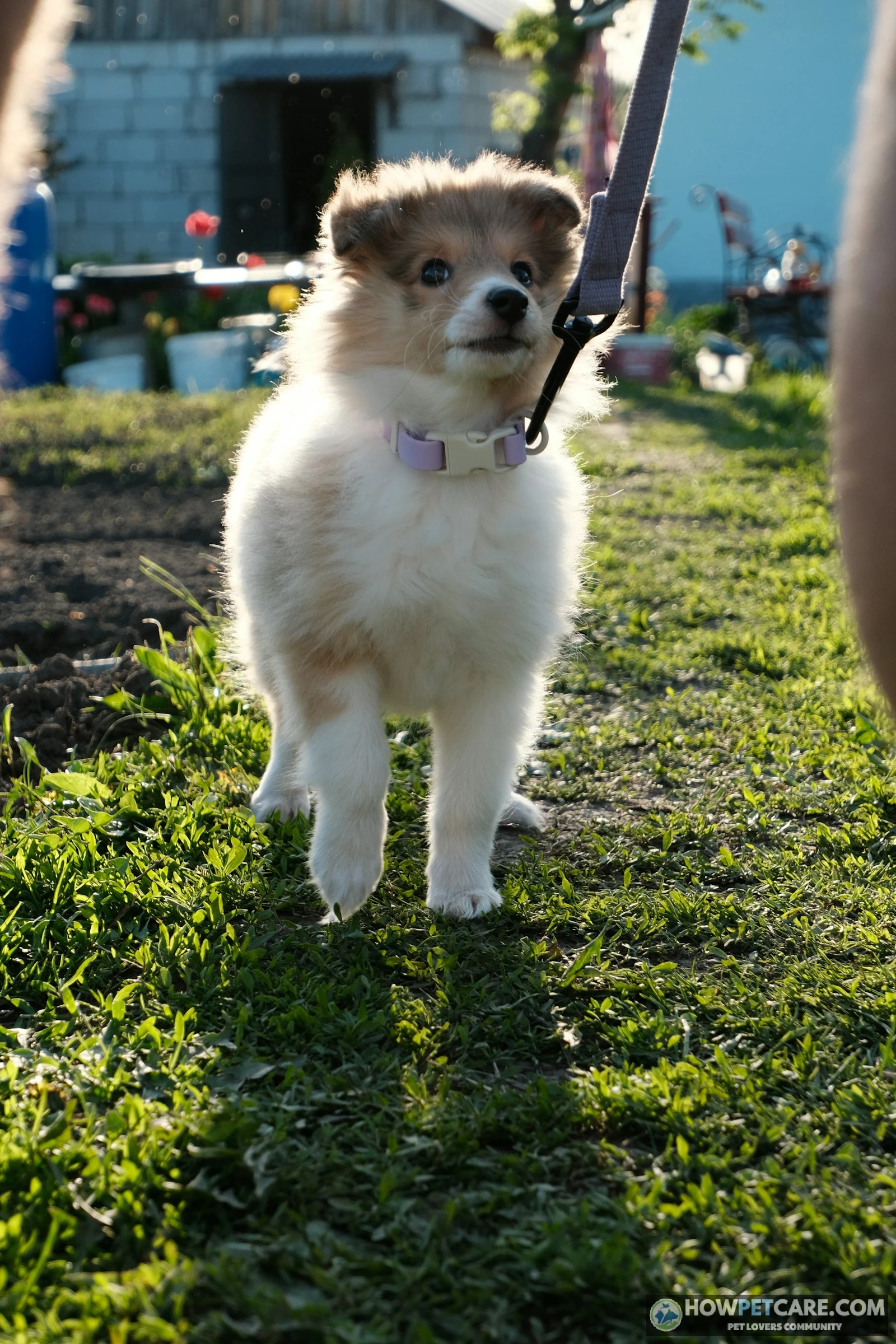
Your Next Steps: A Sheltie Decision and Action Checklist
Use this sequence before you commit:
- Confirm the fit. Decide whether you can live with barking, a puppy’s herding nips, regular brushing, and a dog that needs company and engagement.
- Set a first-year budget. Choose a realistic range from the cost table, check local veterinary prices, and set aside an emergency cushion or compare insurance policies.
- Choose a route. Contact rescues if you are flexible about age; contact responsible breeders if you need a puppy and want documented parent testing. You can explore both at once.
- Verify the source before paying. Ask the health-test questions, review the written contract, confirm the puppy will be at least 8 weeks old, and check the deposit terms.
- Prepare for pickup. Collect medical and registration paperwork, arrange transport safely, puppy-proof the home, and book the first vet visit.
Before you put down a deposit, make sure you can check off the essentials:
- ☐ Parent CEA, MDR1, hip, and vWD results requested and verified where possible
- ☐ Dermatomyositis screening and breeding decisions discussed
- ☐ Mother and puppy living conditions seen in person or on live video
- ☐ Written contract, health guarantee, return clause, and payment terms reviewed
- ☐ Puppy’s age, vaccination and deworming records, and registration information confirmed
- ☐ Food, pickup arrangements, travel documents, and emergency contact agreed
- ☐ Crate, gates, grooming tools, identification, and first veterinary appointment ready
Walk away if the seller refuses health records or a contract, pressures you to pay before verification, will not show the puppy’s environment, or offers a puppy before 8 weeks. Also pause if your household cannot accommodate the breed’s barking, coat care, and need for training. A good decision is not just finding a Sheltie puppy—it is choosing a dog and source you can responsibly support for the long term.
1How does the Shetland Sheepdog (Sheltie) relate to the Rough Collie?
Shelties are an independent breed within the AKC Herding Group, possessing distinct physical and trait profiles rather than simply being a smaller Rough Collie.
2Why should a prospective Sheltie buyer request MDR1 DNA test results for both parent dogs?
Knowing a dog's MDR1 status allows veterinarians to select safe drug treatments and avoid dangerous drug sensitivities.
3According to the guide's 2026 cost estimates, what is the estimated total first-year cost range for a Sheltie obtained from a health-tested breeder?
This total combines higher initial purchase fees from health-tested breeders with routine veterinary care, supplies, food, training, and emergency buffers.
4What is the recommended response when a Sheltie puppy exhibits heel-nipping during active play?
Herding nips stem from chasing instincts, so pausing the excitement and redirecting focus teaches acceptable outlets.
5Around what age does a Sheltie puppy's dense undercoat typically begin developing, making regular grooming essential?
The dense undercoat starts coming in around 5 to 6 months, requiring consistent brushing to prevent mats.
6Which scenario is highlighted in the guide as a significant red flag indicating a potential puppy mill or scam?
Untraceable payment methods demanded prior to independent seller verification are strong indicators of fraudulent operations.
7Before a puppy's core vaccination series is completed, how can owners safely fulfill socialization needs?
Carrying the puppy prevents contact with contaminated surfaces while still providing safe visual and auditory exposure.
8What is the recommended minimum age for a Sheltie puppy to remain with its mother and littermates before going home?
Remaining with the litter until at least 8 weeks supports vital behavioral and social development.
9What is a major limitation of a seller stating that a Sheltie puppy is 'vet checked'?
Standard wellness checks confirm immediate health but cannot reveal whether parents carry genetic disorders like CEA, MDR1, or hip dysplasia.
10Why can Shelties be challenging for living in noise-sensitive apartment buildings?
Vocal alertness to sounds and visitors can create neighbor friction in shared-wall housing if not managed.
| Acquisition Path | Upfront Cost Range | Included Veterinary Care | Estimated First Year Total Cost | Health Testing Transparency | Wait Time and Availability | Ideal Buyer Profile |
|---|---|---|---|---|---|---|
| Rescue Adoption | 150–500 | Often includes some combination of vaccines, spay/neuter, or microchip | About 1,100–2,800 | History may be incomplete; ask what care is documented | May take weeks or months; applications and home checks are common | Lower upfront fee; adult dog or foster-described personality; flexibility about age and timing |
| Health-Tested Reputable Breeder | 1,200–2,500+ | May include initial vaccines or a microchip; ask what initial care and records are included | About 2,800–5,300 | Parent screening can be documented (CEA eye exams, MDR1 and vWD DNA tests, hip evaluations, dermatomyositis screening) | Waitlists may extend several months; timing varies | Needs a puppy at a particular stage (commonly 8 weeks or later); wants documented parental health screening and background information |
| Unvetted/Backyard Seller | About $450 | May include little; verify in writing | About 2,100–3,800 | Testing may be absent; parent health-test results often cannot or will not be provided | May claim immediate availability | Cautionary comparison, not a recommended route |
FAQ
Are Sheltie and Shetland Sheepdog the same breed?
Yes. Sheltie is the common nickname for the Shetland Sheepdog, and the two names refer to the same breed. A Sheltie is not a miniature Collie, even though the two look similar.
Do Sheltie puppies bark a lot?
Shelties tend to be vocal, and alarm barking at sounds, visitors, and movement is common. Early training, enough exercise, and mental stimulation help keep it manageable, but it rarely disappears completely.
How big will my Sheltie puppy get and when is it fully grown?
Most Shelties are small-to-medium dogs, and the breed standard describes a height range of roughly 13 to 16 inches. Puppies usually reach adult height in their first year, while the coat and body continue filling out for a while longer.
Can a Sheltie live in an apartment?
It can work if the dog gets daily exercise, training, and company. Barking is the main obstacle, so noise-sensitive buildings and long hours alone are poor matches for the breed.
Are Shelties hypoallergenic?
No. Shelties have a double coat and shed noticeably, particularly during seasonal coat changes. People with allergies should spend time around the breed before committing.
How can I tell if a Sheltie puppy listing is a scam?
Warning signs include refusing live video calls, demanding wire or gift-card payment, stock-looking photos, and a price far below the market. Verify the seller through breed-club referrals, ask for parent health results, and never pay a deposit without a contract.