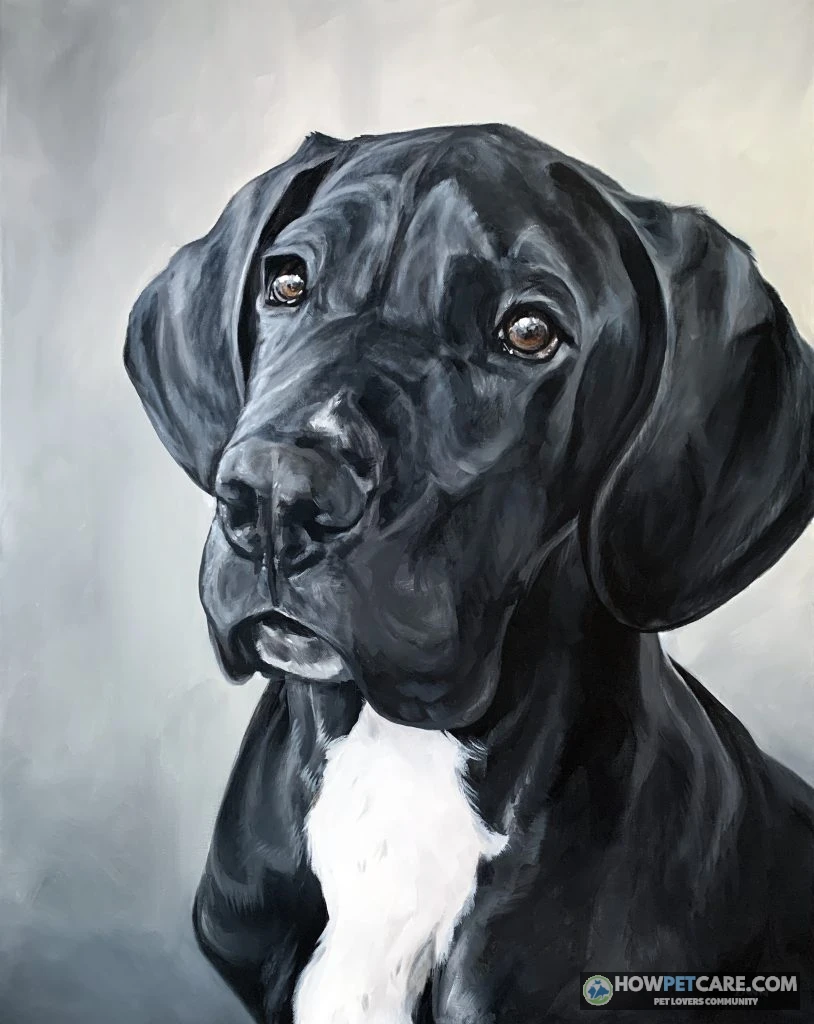

Black dogs occur in breeds of many sizes, from Schipperkes and Miniature Schnauzers to Labrador Retrievers and German Shepherds. Some have solid-black coats; others have tan or white markings. Choose an individual dog based on adult size, exercise, grooming, temperament, and your budget rather than coat color.
Black dogs range from small companions to large working breeds. Finding the right fit depends on adult size, exercise needs, grooming, and temperament—not coat color. The comparison below covers representative breeds and distinguishes solid-black coats from black coats with markings. A color accepted by a breed standard won’t necessarily appear in every individual dog.
Black Dog Breeds at a Glance: Compare Sizes, Care, and Cost

Use the table to narrow your options, then read the breed profiles to consider household fit. Heights are measured at the shoulder. Exercise and grooming needs are broad guides, not guarantees: age, health, coat type, and individual temperament all matter. Monthly costs are illustrative US estimates for routine care and supplies. They exclude adoption or purchase fees, major medical expenses, and many regional differences.
| Breed | Size group | Typical adult height and weight | Exercise needs | Grooming and shedding | Coat pattern | Illustrative monthly cost range |
|---|---|---|---|---|---|---|
| Labrador Retriever | Large | 21–24 in; 55–80 lb | About 60–90 minutes daily | Weekly brushing; moderate to heavy shedding | Solid black (standard color) | $150–$260 |
| German Shepherd | Large | 22–26 in; 50–90 lb | About 1–2 hours daily | Frequent brushing; heavy shedding | Solid black or black-and-tan | $170–$300 |
| Cane Corso | Large | 23–28 in; often 88 lb or more | Daily walks and training | Short coat; regular brushing, usually lower shedding | Solid black (accepted color) | $180–$300 |
| Flat-Coated Retriever | Large | 22–24.5 in; 60–70 lb | High; active daily exercise | Regular brushing; moderate shedding | Solid black or liver | $150–$270 |
| Portuguese Water Dog | Medium | 17–23 in; 35–60 lb | Active daily exercise | Curly or wavy coat; frequent grooming | Solid black or black with white markings | $140–$280 |
| Miniature Schnauzer | Small | 12–14 in; 11–20 lb | Daily walks and play | Regular clipping and brushing; often lower shedding | Solid black (one accepted color) | $90–$180 |
| Schipperke | Small | 10–13 in; 10–16 lb | Active daily play and walks | Double coat; seasonal shedding | Solid black (typical) | $90–$170 |
| Pomeranian | Small | 6–7 in; 3–7 lb | Short walks and daily play | Dense double coat; substantial shedding | Black (one of several accepted colors) | $100–$220 |
Large black dog breeds. Labrador Retrievers, German Shepherds, Cane Corsos, Flat-Coated Retrievers, Newfoundlands, Great Danes, and Rottweilers can have black coats, though their markings and accepted colors differ. A Rottweiler is black with rust-to-mahogany markings, not solid black. Some large black-coated breeds need more than casual exercise or handling.
Medium black dog breeds. Depending on the breed’s standard and individual size, options include the Portuguese Water Dog, Border Collie, Belgian Sheepdog (Groenendael), and Doberman Pinscher. Dobermans are generally black with rust markings, while the Belgian Sheepdog is typically solid black. Border Collies may be black-and-white rather than all black.
Small black dog breeds. Schipperkes, Miniature Schnauzers, Pomeranians, Affenpinschers, and some Poodles can remain compact as adults. French Bulldogs and Pugs may have dark coats, but black is not an accepted standard color for every breed. Check the standard and the individual dog’s background rather than assuming color predicts breed.
These are examples, not an exhaustive inventory of breeds that may produce a black-coated dog. The AKC list summarized by a breed guide spans large, medium, and small categories, including Labradors, German Shepherds, Rottweilers, Great Danes, Newfoundlands, Cane Corsos, Schipperkes, Schnauzers, Poodles, and others. The coat descriptions here are practical summaries; consult each breed’s kennel-club standard for its official colors and markings.
Large Black Dogs for Families, Guarding, and Active Homes
Large breeds can be affectionate family companions, but a breed label doesn’t guarantee a safe or easy match. Assess the individual dog’s energy, behavior, training, and comfort around children. Supervise interactions between dogs and young children, and teach children to give dogs space while eating, resting, or handling a toy.

Family fit and supervision
A black Lab is a black-coated Labrador Retriever, not a separate breed. Black, yellow, and chocolate are all standard Labrador colors. Coat color alone isn’t a reliable way to predict a Labrador’s temperament. Ask about the dog’s behavior and history, and consider whether your household can provide daily exercise, training, and companionship.
Labradors are often active, social dogs. A household with children may be a good fit if adults can supervise, provide training, and prevent a large, enthusiastic dog from overwhelming a child. For a puppy, plan early, positive socialization and consistent reward-based training. An adult rescue’s known behavior may make it easier to assess fit, though staff observations are only a starting point.
Working and guardian breeds

German Shepherds may be solid black or black-and-tan. Their intelligence and working drive make daily activity, training, and mental engagement important. A yard alone doesn’t make them a low-effort choice.
Cane Corsos are powerful guardian-type dogs that need responsible management and structured socialization. They may suit experienced owners who can handle their strength and training needs; they aren’t a substitute for home security planning. A dog’s guarding ability doesn’t automatically make it suitable around visitors or children.
Newfoundlands are large, heavy-coated dogs that need space, coat care, and attention to heat. Great Danes have short coats but still require planning for their size, exercise, and veterinary care. Rottweilers have black coats with tan or rust markings, not solid black. For each breed, evaluate the individual dog alongside the time, space, and budget your household can provide.
Small and Medium Black Breeds for Apartments and First-Time Owners
A small dog may be easier to accommodate physically, but size alone doesn’t make a dog quiet, low-maintenance, or comfortable being left alone. Consider noise, daily activity, grooming, and how long the dog will spend without company.
Small breeds that stay small
Schipperkes are compact, alert dogs with dense coats and active dispositions. Miniature Schnauzers are also small, but their wiry coats need ongoing grooming. Pomeranians are tiny, lively dogs with thick double coats that shed. Their size doesn’t remove the need for regular brushing and training.
Affenpinschers and small Poodles may also suit owners looking for a compact companion, depending on the individual dog and the coat care available. If you want a dog that stays small full grown, check the expected adult size of the specific breed and the likely size of the individual—not just the puppy’s current weight.
Apartment and first-dog considerations

For an apartment, ask about barking, exercise, stairs, time alone, and access to safe outdoor areas. A Border Collie may be medium-sized but often needs substantial activity and engagement. In some households, a calmer adult dog of a larger breed may fit better than a vocal, high-energy small dog.
Before choosing, compare the adult dog’s needs with your routine:
- Space: Can you accommodate the adult dog’s movement, rest, and feeding areas?
- Activity: Can you provide daily walks, play, training, and opportunities to explore?
- Coat care: Will someone brush the coat and arrange professional grooming if needed?
- Time alone: Can you gradually teach a puppy or newly adopted dog to be comfortable alone, without expecting it to manage long absences immediately?
- Socialization: Can you introduce a puppy to people, sounds, places, and other dogs at a suitable pace?

Solid Black, Black-and-Tan, and Other Marked Coats

“Black dog” describes an appearance, not a breed. Coat-color genetics influence pigment and patterns, while each breed standard describes which colors and markings it accepts. A black dog may have a uniformly black coat, tan points, white patches, or another pattern. Breed standards don’t prove the identity or quality of an individual dog.
How coat color and breed standards differ
The Labrador Retriever is recognized in black, yellow, and chocolate; black is a standard color. German Shepherds may be solid black or black-and-tan. Rottweilers have black coats with tan, rust, or mahogany markings. A Doberman Pinscher is typically black with rust markings, while a Schipperke is commonly solid black.
French Bulldogs can appear black, but black is not an AKC standard color for the breed. A dog’s appearance alone can’t verify its ancestry. If registration, health history, or breed-specific needs matter to your decision, ask for reliable records and seek professional guidance rather than relying on color.
Reading markings in breed profiles
Use these labels as practical shorthand: solid black means the coat is predominantly black; black-and-tan means distinct tan or rust points or patches; black with other markings includes white areas or other colors. These descriptions don’t replace the official breed standard, and coat patterns can vary between individual dogs. Color doesn’t determine personality, health, or suitability as a companion.
Black Dog Syndrome: Shelter Adoption, Evidence, and Practical Steps
Black dog syndrome is the reported tendency for black-coated shelter dogs to receive less attention or be adopted more slowly than dogs of other colors. It describes a proposed visibility or adopter-bias problem, not a diagnosis or a universal rule. The evidence provided for this draft doesn’t establish one reliable adoption-rate difference across shelters, so treat claims of a fixed percentage cautiously.
Adoption rates and euthanasia rates measure different outcomes. Slower adoption for some dogs in some shelters doesn’t establish that black dogs everywhere are euthanized at higher rates. Shelter population, local demand, age, size, behavior, photography, and study methods can all affect observed outcomes. Ask a rescue organization about its own context rather than assuming a nationwide statistic applies.
What adoption research can and cannot show
A study or shelter report may describe a specific population, period, or outcome; it can’t automatically explain what happens in every shelter or to every black dog. The evidence supplied here contains no verified national figure to support a precise claim such as “black dogs are adopted 10–15% more slowly.” Avoid repeating that number without a source that defines the sample and measure.
How adopters and shelters can reduce visibility bias
If you’re considering adoption, meet the dog in person when possible. Ask staff about observed behavior, known history, energy, handling, and any medical needs. Look past a dim or unflattering listing photo, and request a meeting in a well-lit space. Choose based on the dog’s fit with your household—not on a desire to “rescue” a color alone.
Shelters and supporters can take practical steps: photograph dogs in soft light, write specific profiles about personality and needs, and share those profiles through rescue organizations and community networks. Foster or volunteer if you can commit. Consistent interaction and good information help potential adopters assess a dog as an individual.
If you choose a breeder, ask about health testing relevant to the breed, veterinary records, living conditions, and how puppies are raised and placed. Avoid choosing solely for a rare or fashionable color, and don’t treat coat color as proof of health or temperament.
Black Coat Fading, Grooming, Nutrition, and Photography
Black fur can look brown or reddish when sun exposure lightens the hair shaft. Coat changes can also reflect normal shedding and regrowth, age, genetics, diet, or health. A color change by itself doesn’t identify the cause. If fading comes with hair loss, itching, sores, or other changes, consult a veterinarian rather than trying supplements or treatments to restore color.
A realistic routine for a shiny coat

A healthy-looking coat comes from appropriate grooming and overall health, not a special color-restoring product. Use this checklist as a starting point, and adjust it to the dog’s coat and your veterinarian’s advice:
- Brush for coat type: Brush short coats regularly to remove loose hair; brush longer or double coats more often to prevent tangles and manage shedding. A Labrador’s routine differs from a Pomeranian’s.
- Bathe when needed: Use a dog-appropriate shampoo, rinse thoroughly, and avoid frequent bathing that dries or irritates the skin. There is no universal bathing interval for every dog.
- Feed a complete diet: Choose a nutritionally complete diet appropriate for the dog’s age and health. Don’t add fatty-acid supplements or make major diet changes without discussing them with a veterinarian.
- Check skin and hair: Look for persistent redness, itchiness, bald patches, mats, or a sudden change in coat texture. Seek veterinary advice for ongoing problems.
- Plan for shedding: Short hair doesn’t guarantee low shedding. Double-coated breeds may shed heavily, particularly during seasonal coat changes.
Lighting and camera tips for black dogs

Black fur can lose facial detail when a camera exposes for a bright background. To show the eyes and expression:
- Photograph outdoors in open shade or near a bright window, using soft light rather than harsh midday sun.
- Put a lighter, contrasting background behind the dog so the outline doesn’t disappear.
- Tap or focus on the face and eyes; check the image before taking a series of shots.
- If the face looks too dark, increase exposure slightly or add gentle light from the front. Avoid placing a bright window or sun directly behind the dog.
- Keep the dog engaged with a calm voice or a familiar person, and take several frames while the dog is still and comfortable.
Monthly Black Dog Costs, Health Considerations, and Choosing Your Next Step

The cost of caring for a black dog depends on size, health, location, and lifestyle—not coat color. The ranges below are planning estimates for routine monthly food, preventive care, grooming, and ordinary supplies. They’re not quotes; costs can vary substantially by region and individual needs.
Budget by size, not coat color
| Size group | Food | Routine preventives | Grooming | Supplies and routine care | Estimated monthly range | Factors that change the total |
|---|---|---|---|---|---|---|
| Small | Lower to moderate | Varies with dog and veterinarian | Low to high, depending on coat and professional grooming | Routine replacement and care | About $90–$220 | Grooming frequency, food choice, age, health, location, insurance |
| Medium | Moderate | Varies with dog and veterinarian | Low to high by coat type | Routine replacement and care | About $100–$280 | Coat maintenance, activity, food, health needs, location |
| Large | Moderate to high | Varies with dog and veterinarian | Low to high by breed | Larger food needs and routine care | About $150–$300+ | Adult weight, preventive plan, grooming, health, insurance, local service costs |
These illustrative ranges may not cover training, boarding, emergency care, or costly treatment. Ask a veterinarian about preventive care for the individual dog. Pet insurance is optional; before deciding, compare premiums, deductibles, exclusions, reimbursement rules, and what you can afford to pay directly.
Black coat color itself doesn’t create a predictable list of diseases. Breed and family history matter more. Before adopting or buying, ask which health screenings are appropriate for the breed, what tests have been completed, and whether veterinary records are available. A veterinarian can help interpret health information and advise on screening or symptoms; don’t use coat color to diagnose a condition.
A checklist for choosing a black dog
Before committing, make sure you can answer these questions:
- Adult size: Do you have room and the budget for the dog’s mature weight and needs?
- Exercise and training: Can you meet the individual dog’s daily activity and learning needs?
- Shedding and grooming: Are you prepared for the breed’s coat upkeep, including professional grooming if needed?
- Monthly costs: Can you budget for routine care and make a plan for unexpected veterinary expenses?
- Temperament and household: Have you considered children, other pets, visitors, and time alone?
- Health history: Have you asked for veterinary records and breed-relevant screening information?
- Adoption or breeder: Have you considered a shelter or rescue dog, or checked that a breeder prioritizes health, transparency, and responsible placement?
Choose a dog whose adult needs your household can meet consistently. If you adopt, ask the rescue organization what it knows about the dog and spend time together before deciding. If you work with a breeder, prioritize health and responsible care over coat color. For a black puppy, plan for socialization, training, routine veterinary care, and coat maintenance from the start. For names, try simple choices inspired by the dog’s look or personality, such as Shadow, Coal, or Raven. Cultural myths sometimes cast black dogs as unlucky or threatening, but these are superstitions, not evidence about a dog’s temperament; judge the individual instead.

| Breed | Size Group | Typical Adult Height and Weight | Exercise Needs | Grooming and Shedding | Coat Pattern | Illustrative Monthly Cost Range |
|---|---|---|---|---|---|---|
| Labrador Retriever | Large | 21–24 in; 55–80 lb | About 60–90 minutes daily | Weekly brushing; moderate to heavy shedding | Solid black (standard color) | $150–$260 |
| German Shepherd | Large | 22–26 in; 50–90 lb | About 1–2 hours daily | Frequent brushing; heavy shedding | Solid black or black-and-tan | $170–$300 |
| Cane Corso | Large | 23–28 in; often 88 lb or more | Daily walks and training | Short coat; regular brushing, usually lower shedding | Solid black (accepted color) | $180–$300 |
| Flat-Coated Retriever | Large | 22–24.5 in; 60–70 lb | High; active daily exercise | Regular brushing; moderate shedding | Solid black or liver | $150–$270 |
| Portuguese Water Doghttps://howpetcare.com/black-dogs/ | Medium | 17–23 in; 35–60 lb | Active daily exercise | Curly or wavy coat; frequent grooming | Solid black or black with white markings | $140–$280 |
| Miniature Schnauzer | Small | 12–14 in; 11–20 lb | Daily walks and play | Regular clipping and brushing; often lower shedding | Solid black (one accepted color) | $90–$180 |
| Schipperke | Small | 10–13 in; 10–16 lb | Active daily play and walks | Double coat; seasonal shedding | Solid black (typical) | $90–$170 |
| Pomeranian | Small | 6–7 in; 3–7 lb | Short walks and daily play | Dense double coat; substantial shedding | Black (one of several accepted colors) | $100–$220 |
FAQ
What does a black dog symbolize?
Symbolism varies by culture and period: black dogs have appeared in folklore as omens or supernatural figures, but also as ordinary companions and protective symbols. These stories are cultural beliefs, not evidence about a real dog’s temperament or fate.
What are good names for a black dog or black puppy?
Choose a short, distinct name that is easy to say consistently, such as Jet, Onyx, Pepper, or Raven. Test it aloud and avoid names that sound like household commands.
Do black Labradors have a different temperament from yellow Labradors?
Coat color alone is not a reliable guide to an individual Labrador’s temperament. Breeding, early experiences, training, socialization, and the dog’s personality matter more.
Do black dogs get hotter in the sun?
A dark coat absorbs more sunlight than a light coat, but overheating risk also depends on temperature, humidity, activity, and the individual dog. Provide shade and water, avoid strenuous exercise in heat, and watch for signs of heat stress.