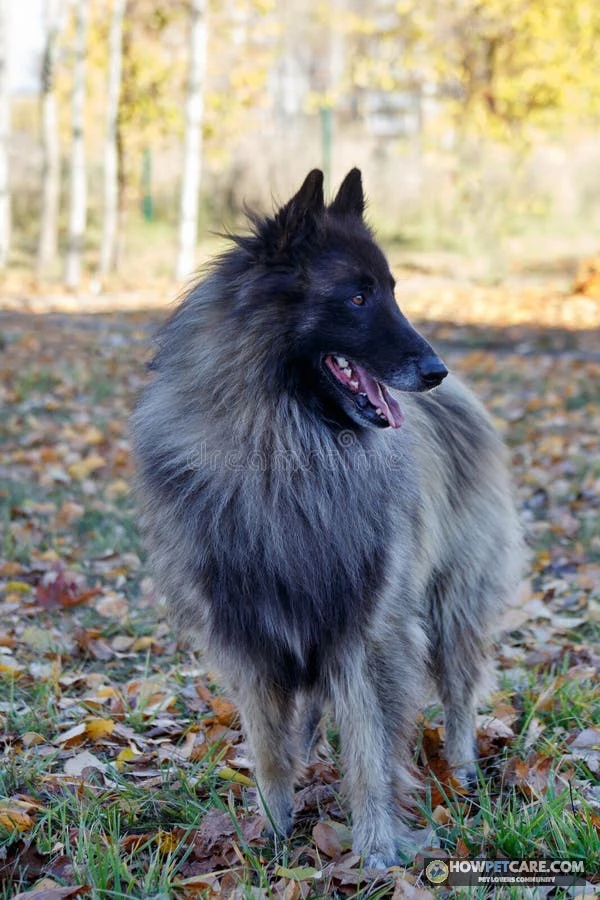

A Belgian Tervuren is a high-energy, intelligent herding dog best suited to active owners who enjoy training. It needs two daily activity blocks, regular mental work, weekly brushing, and close household involvement—fitting structured, engaged homes rather than low-maintenance lifestyles.
Belgian Tervuren at a Glance: Is This Breed Right for You?
A Belgian Tervuren can be an excellent fit for an active household that enjoys training, but it is rarely an easy "just a pet" dog. This intelligent working breed needs daily physical activity, mental stimulation, patient obedience training, early socialization, regular brushing, and meaningful time with its people. If your household can make room for structured work most days and likes living with an alert, sensitive herding dog, the breed may suit you. If you want a low-maintenance dog that handles long absences and occasional walks well, it is probably the wrong choice.
The Belgian Tervuren is one of four Belgian Shepherd varieties. In the United States, it is recognized separately, while some international organizations classify the varieties as one breed. The Tervuren has an athletic build, upright ears, a fawn-to-mahogany or sable coat with black overlay, and a black mask. Its long, straight outer coat and dense undercoat create a weather-resistant double coat.
Belgian Tervuren size, lifespan, and defining traits
Males generally stand 24–26 inches at the shoulder and weigh 55–75 pounds. Females generally stand 22–24 inches and weigh 45–60 pounds. Overall breed references commonly place the range at 22–26 inches and 45–75 pounds. A typical lifespan is 12–14 years, making ownership a commitment that extends well beyond puppyhood.
A Belgian Tervuren is typically alert, loyal, observant, responsive, protective, and sensitive. Many are reserved around unfamiliar people rather than immediately social. They notice movement, sounds, visitors, and changes in routine. That can make them effective watchdogs, but without guidance it can also lead to barking or overreaction.

Core care includes two daily activity periods, short training sessions, enrichment, social exposure, and a predictable rest routine. The coat needs at least weekly brushing, with more work during seasonal shedding. A Tervuren is not hypoallergenic: it sheds year-round and may release a substantial amount of undercoat during coat blows.
Best fit, possible fit, and likely poor fit
The best match is an owner who enjoys dog training, outdoor activity, cooperative care, and a close relationship with a responsive dog. A first-time owner may be a possible match with access to a skilled trainer, a structured puppy class, and enough time to learn how to manage herding and watchdog behavior.
A poor match is a household that is away most of the day without a dog-care plan, dislikes barking or shedding, has no interest in training, or expects the dog to exercise itself in a yard. A fenced yard can help, but it cannot replace interaction or mental work.
Can Our Household Meet a Belgian Tervuren? Scored Household Checklist
Score each item 0 = no or not currently, 1 = partly or needs change, and 2 = yes or already in place. The maximum is 14.
- Time alone: Someone can be home, arrange dog care, or provide structured enrichment most days. Regular 9+ hour absences with no plan score 0.
- Exercise capacity: You can provide two daily activity blocks, not only one long weekend walk.
- Training interest: You enjoy short, reward-based sessions 4–6 days per week.
- Visitor traffic: You can manage greetings, door routines, leashes, and settling.
- Children or pets: You can supervise, separate spaces, and interrupt chasing or herding.
- Coat tolerance: You accept year-round shedding, seasonal coat blow, and weekly brushing.
- Monthly budget: You can pay for food, preventive care, training, and unexpected veterinary needs.
A score of 12–14 suggests a strong starting fit. A score of 9–11 may work with lifestyle changes or professional support. A score of 0–8 indicates a likely poor fit unless major changes are already planned.
Belgian Tervuren Temperament and Household Fit
A Belgian Tervuren is often affectionate and deeply attached to its household, but attachment does not mean easygoing. The breed may monitor people, patrol rooms, react to fast movement, and invent jobs when its needs are not met. Under-stimulation can show up as barking, pacing, destructive behavior, chasing, door rushing, or persistent efforts to control household movement.
Children, herding behavior, and supervision
Herding behavior can include body blocking, circling, staring, chasing, and heel nipping. A moving toddler, running child, bicycle, or excited group of visitors may trigger these responses. That does not make the dog inherently unsafe, but it does create a management responsibility.
Families should assess an individual dog’s response to handling, sudden movement, noise, restraint, and frustration. Children should never be expected to train the dog or manage a tense interaction. Use gates, crates, leashes, and separate rest areas. Supervise every interaction with young children, especially during puppyhood and adolescence.

A well-socialized Tervuren can become a devoted family companion, but socialization does not mean forcing the dog to greet everyone. The goal is calm observation, recovery from surprises, and appropriate behavior around people.
Cats, dogs, and prey-drive assessment
Compatibility with cats and other pets depends on genetics, early experience, training, management, and the individual dog. Ask how the dog responds to small animals, running dogs, toys, food, and attempts to disengage. A dog that can look away, respond to its name, and settle after excitement is easier to manage than one that locks on and cannot recover.
Resident pets need escape routes and protected feeding areas. Make initial introductions gradual, controlled, and reversible. Do not rely on breed reputation alone or assume that growing up with one cat guarantees safety with every cat.
Apartment living and first-time ownership
Apartment living is possible, but square footage is only part of the equation. The owner must provide daily exercise away from the building, quiet training for hallway and elevator encounters, noise management, and adequate rest. A Tervuren that receives only a quick sidewalk outing may bark at neighbors or become frantic indoors.
Apartment success is more realistic when the dog has a predictable schedule, a midday break, scent games, training sessions, and a visitor-management plan. First-time owners should budget for private guidance if barking, reactivity, guarding, or herding escalates. The breed learns quickly, but its sensitivity and intensity can make unclear handling difficult.

This is also a people-oriented working breed. An adult may learn to tolerate reasonable periods alone, but a full workday without a break, activity, or interaction is often a poor routine. Puppies need far more frequent toilet breaks, meals, social contact, and supervision.
Exercise, Training, and Mental Work by Life Stage
Physical exercise alone is not enough. Simply adding distance can build endurance without teaching the dog to settle. Pair movement with scent work, problem-solving, impulse control, cooperative care, and task-based play.
A workable weekday routine for a puppy
For an 8–16-week-old puppy, keep sessions brief and stop before fatigue sets in. Growth stage, surface, weather, vaccination guidance, and the individual puppy should shape activity; no universal minute rule guarantees safe development.
- 7:00 a.m.: Potty, breakfast, and 3–5 minutes of name response and settling.
- 8:00 a.m.: Short sniffing walk or yard exploration, followed by a crate nap.
- 10:30 a.m.: Potty, 5 minutes of gentle handling and cooperative-care practice, then calm exposure to a sound or visitor.
- 12:00 p.m.: Lunch, puzzle feeding, and sleep.
- 3:00 p.m.: Potty, soft-toy play, and 3 minutes of recall games.
- 5:30 p.m.: Dinner and gentle leash practice.
- 8:30 p.m.: Final potty, calm chew, and sleep.

Puppies need substantial sleep, free movement, exploration, and repeated chances to learn that calm behavior is rewarding. Avoid turning every outing into intense exercise or a social event.
A workable weekday routine for an adult
A healthy adult may handle a more demanding schedule, adjusted for heat, weather, conditioning, and veterinary advice.
- 6:30 a.m.: 20–30-minute brisk walk with sniff breaks.
- 7:15 a.m.: Breakfast and 5 minutes of obedience or impulse-control practice.
- Midday: 10–15 minutes of scent work, puzzle feeding, or trick training, followed by rest.
- 5:30 p.m.: 30–45 minutes of structured activity such as hiking, rules-based fetch, or sport foundations.
- 7:00 p.m.: 10 minutes of grooming inspection, cooperative care, or mat-settle practice.
- Evening: Calm chewing, quiet interaction, and predictable sleep.

On some days, replace distance with nose work, tracking, rally, obedience, herding, or carefully introduced agility foundations. Orthopedic readiness matters before jumping and repetitive impact work.
Training priorities from eight weeks through adolescence
Start with name response, recall games, leash skills, handling, crate comfort, settling, and trading objects. Use reward-based methods, clear boundaries, and gradual distraction work. A Tervuren may become frustrated by repetitive drilling or harsh corrections, while inconsistent rules can encourage the dog to make its own decisions.
Teach a calm response to doors, visitors, vehicles, bicycles, children running, and other dogs. Practice disengagement: the dog notices a trigger, turns back to the handler, and receives reinforcement. Structured puppy socialization should expose the dog to ordinary sights and sounds without overwhelming it.

Signs the workload is too little, too much, or poorly balanced
Too little work may lead to persistent attention-seeking, destruction, barking, pacing, or frantic attempts to chase. Too much intensity may result in next-day stiffness, inability to settle, irritability, or increasingly frantic play. Poor balance often looks like a dog that is physically exhausted but still unable to relax.
Add mental work and settling practice before simply increasing exercise distance. The aim is a dog that can engage when invited and rest when the household is quiet.
Belgian Tervuren Grooming Needs, Coat Care, and Shedding
The Belgian Tervuren has a long, dense double coat with a harsher outer layer, undercoat, feathering, and often a more prominent neck collarette in males. Coat volume varies by individual and sex. The coat protects the dog from weather, but it also collects debris and sheds heavily at times.
Routine weekly brushing
During ordinary weeks, plan a thorough brushing at least weekly. Use line brushing: separate the coat into sections and work from the skin outward rather than brushing only the surface. Pay particular attention to the feathering, tail, rear legs, armpits, and behind the ears. Check the skin as you go, and keep sessions short enough for the dog to remain cooperative.

A puppy should learn that brushing, paw handling, nail trimming, tooth brushing, ear checks, and drying are normal routines. Pair each step with food and pauses. A mature dog that resists basic care can turn routine grooming into a safety problem.
Managing seasonal coat blow
During seasonal shedding, the undercoat may come out in large quantities. Increase brushing frequency and use tools suited to a double coat without scraping or damaging the skin. Several short sessions are usually more practical than one exhausting session. Vacuuming, washable covers, and a designated grooming area can help manage the workload.

Do not shave a healthy double coat for convenience. Shaving can alter the coat’s protective function and does not eliminate shedding. Ask an experienced groomer or veterinarian about matting, skin disease, parasites, or unusual coat loss.
Bathing, nails, teeth, and professional grooming
Bathe the dog when it is dirty or when a veterinarian recommends it, and dry the dense coat completely. Moisture trapped near the skin can contribute to discomfort and odor. Trim nails regularly, inspect ears, and establish a dental-care routine with veterinary guidance.
Professional grooming is optional for a well-maintained coat but may help with bathing, drying, nail work, or severe tangles. The goal is coat and skin health, not a sculpted appearance.
Health Risks, Screening Records, and Veterinary Planning
A Belgian Tervuren’s typical lifespan is 12–14 years, but no screening program guarantees an individual dog’s future health. Prospective owners should understand breed-associated concerns without assuming that every dog will develop them.
Health conditions prospective owners should understand
Relevant concerns discussed for the breed include hip dysplasia, elbow problems, progressive retinal atrophy and other eye disease, epilepsy, thyroid disease, von Willebrand disease, and gastric dilatation-volvulus. These conditions differ substantially: some can be evaluated through orthopedic, eye, blood, or DNA testing, while others may have no definitive predictive test.
Screening is not diagnosis. A hip evaluation describes the tested dog’s status at the time of assessment; it does not promise that every offspring will have normal hips. A DNA result identifies a particular genetic variant, not overall health. Epilepsy, in particular, requires honest pedigree discussion because a simple clearance cannot eliminate all risk.

Keeping a dog lean and following veterinary advice about exercise can support orthopedic health. Do not give supplements or treatments without discussing them with a veterinarian.
Buyer-facing health-test and documentation checklist
Before leaving a deposit, ask for:
- Registered names and identifying numbers for both parents.
- Searchable OFA or equivalent hip and elbow records, including dates and results.
- A current eye examination by a veterinary ophthalmologist.
- Breed-relevant DNA results, including von Willebrand disease testing where applicable.
- Thyroid testing when recommended for the lines or breeding program.
- A clear explanation of what each test evaluates and what it cannot predict.
- Information about epilepsy, longevity, ages of relatives, and known causes of death.
- Records for both parents, not only a verbal statement that the line is “healthy.”
- A contract covering health terms, return conditions, spay/neuter expectations, and lifetime breeder support.
A CHIC number means that required testing has been completed and made public; it is not a guarantee that the dog is disease-free. Current Belgian Tervuren Club of America and OFA/CHIC requirements should be checked at the time of purchase because recommendations can change.
Screenshots without identifiers, undated documents, or claims such as “vet checked” do not substitute for searchable results. Ask the breeder to explain limitations rather than promise perfect health.
Routine care, insurance, and emergency planning
Plan for veterinary examinations, vaccines based on veterinary advice, parasite prevention, dental care, weight monitoring, and a separate emergency reserve. Insurance can help with eligible unexpected care, but premiums, deductibles, exclusions, waiting periods, and pre-existing-condition rules vary. Self-funding is another approach, but it requires money to be available before an emergency occurs.
Belgian Tervuren Cost: First-Year and Ongoing U.S. Budget
The following are estimated U.S. planning ranges for 2026, not quotes. Costs vary by region, dog size, food tier, insurance choice, professional-grooming use, training needs, and travel. Emergency surgery, major illness, and extensive fencing or transport can exceed these figures.
| Expense | First-year U.S. range | Typical ongoing annual range | Assumptions and variables |
|---|---|---|---|
| Acquisition or adoption fee | $500–$3,500 | $0 | Breeder, rescue, registration, and transport vary widely |
| Veterinary setup and first-year care | $600–$1,500 | $300–$900 | Exams, vaccines, parasite prevention, and sterilization timing |
| Crate, barriers, bed, leash, harness | $250–$700 | $50–$200 | Replacement gear and secure fencing can raise costs |
| Grooming tools or professional grooming | $100–$400 | $100–$600 | Coat volume, matting risk, and owner skill matter |
| Food and treats | $400–$1,000 | $400–$1,200 | Calorie needs, food tier, and training treats |
| Training classes, sport fees, or private help | $300–$1,500 | $200–$1,200 | High-drive dogs may need qualified support |
| Insurance or self-funded reserve | $300–$900 | $300–$1,200 | Deductible, coverage, exclusions, and risk tolerance |
| Emergency fund target | $1,500–$3,000 | Add $25–$75/month | Maintain even when insured |

One-time acquisition and setup costs
A purchase or adoption fee is only the beginning. Setup includes a crate, barriers, safe walking equipment, grooming tools, identification, licensing, training treats, and enrichment. A secure containment plan may cost substantially more than a basic fence repair, especially for a determined adolescent dog.
The first-year planning total is roughly $2,450–$8,500 before emergencies. That range includes the acquisition line but does not mean every household will spend the same amount or that a lower fee represents better value.
Typical recurring annual expenses
A realistic ongoing planning range is roughly $1,350–$5,300, plus a maintained emergency reserve. Food and preventive care are recurring basics. Training, boarding, sport participation, professional grooming, and pet sitting can become significant for owners who travel or need specialist help.
Insurance, emergency savings, and variable costs
Insurance may reduce the financial shock of eligible accidents or illnesses, but read exclusions carefully. A self-funded emergency account should remain accessible and separate from ordinary monthly spending. Also budget for adolescent training needs, replacement gear, and secure management if the dog develops escape or reactivity problems.
A high-drive herding dog can require qualified training, secure fencing, specialized pet care, or emergency veterinary treatment. Treat the low end of an acquisition range as a fee estimate, not as the cost of ownership.
Belgian Tervuren vs Malinois, German Shepherd, and Belgian Varieties
The Tervuren, Malinois, Groenendael, and Laekenois share Belgian Shepherd ancestry, although kennel organizations differ in whether they treat them as varieties of one breed or separate breeds. Broad comparisons describe tendencies, not guarantees; breeding lines, development, training, and individual temperament can matter more than labels.
| Breed or variety | Coat and shedding | Typical intensity | Training considerations | Guarding tendencies | Household-fit considerations |
|---|---|---|---|---|---|
| Belgian Tervuren | Long double coat; year-round shedding and seasonal coat blow | High; daily exercise and mental work | Responsive and sensitive; benefits from structure and reward-based handling | Alert watchdog; may be reserved with strangers | Active homes that can manage shedding, herding, and training |
| Belgian Malinois | Short double coat; sheds heavily but needs less brushing time | Very high; often thrives with a specific job | Fast, intense learner; can become over-aroused without clear boundaries | Strong watchdog; some lines may be more confrontational | Usually better for experienced, highly active handlers |
| German Shepherd | Medium double coat; heavy seasonal shedding | High; needs conditioning and purposeful work | Structured training and careful socialization are important | Strong guarding and territorial tendencies | Larger frame; evaluate hips, elbows, and breeder screening |
| Groenendael | Long black double coat; similar grooming burden to Tervuren | High; comparable Belgian working drive | Sensitive and responsive; needs consistent engagement | Alert and protective; may be reserved | Similar workload, with coat color and available lines as distinctions |
| Laekenois | Rough, wiry coat with different maintenance needs | High; similar working heritage | Intelligent and responsive; benefits from early structure | Alert watchdog; individual variation is substantial | Less common, with limited breeder and grooming availability |

Tervuren vs Belgian Malinois
The Belgian Malinois generally has a shorter coat, so brushing may take less time, though it still sheds. In many working lines, the Malinois has a more intense and immediate work drive. A Tervuren may be more manageable for some active companion households, but it is not automatically mellow. Ask what the specific parents were bred to do, how they recover from frustration, and whether their traits suit a family home.
Tervuren vs German Shepherd
Both can be protective, vocal, intelligent, and physically demanding. German Shepherds are generally larger in frame, while the Tervuren often has a lighter, more agile appearance and a longer coat. Both require socialization and responsible health screening. The practical question is not which breed is universally easier, but which individual and line can handle your visitor traffic, children, pets, training experience, and exercise plan.
Tervuren vs Groenendael and Laekenois
The Groenendael has a long black coat and may offer a similar Belgian Shepherd temperament and workload. The Laekenois has a rougher coat and is less commonly encountered in the United States. Coat texture, grooming access, availability, and the specific breeder’s goals may shape daily life as much as appearance.
| Breed or variety | Coat and shedding | Typical intensity | Training considerations | Guarding tendencies | Household-fit considerations |
|---|---|---|---|---|---|
| Belgian Tervuren | Long double coat; year-round shedding and seasonal coat blow | High drive; requires daily physical exercise and mental work | Highly responsive and sensitive; benefits from consistent structure and reward-based handling | Alert watchdog; may be reserved with strangers | Best for active homes that can manage shedding, herding behavior, and training demands |
| Belgian Malinois | Short double coat; heavy shedding with lower brushing maintenance | Very high drive; thrives with dedicated work or a specific job | Fast, intense learner; can become over-aroused without clear boundaries | Strong watchdog; some working lines may be more confrontational | Best for experienced, highly active handlers due to high demands |
| Groenendael | Long black double coat; high grooming burden similar to Tervuren | High drive; comparable Belgian Shepherd working drive | Sensitive and responsive; requires consistent mental and physical engagement | Alert and protective; may be reserved with strangers | Requires a similar workload to Tervuren, with coat color and line availability as primary distinctions |
| Laekenois | Rough, wiry double coat; unique maintenance needs compared to long/short varieties | High drive; similar Belgian Shepherd working heritage | Intelligent and responsive; benefits from early structure and engagement | Alert watchdog; protective traits vary substantially by individual | Less common variety; limited breeder network and specialized grooming availability |
| German Shepherd | Medium double coat; heavy seasonal shedding | High drive; requires daily conditioning and purposeful work | Requires structured training and careful, thorough early socialization | Strong guarding and territorial tendencies | Larger frame; requires active management and health screening for hips and elbows |
Your Responsible Breeder, Rescue, and Final Fit Checklist
Where to begin a U.S. breeder or rescue search
Begin with the Belgian Tervuren Club of America, AKC parent-club resources, searchable OFA records, and established Belgian Shepherd rescue organizations. These are starting points, not automatic endorsements. Independently verify current contact details, health records, contracts, and the organization’s practices.
Rescue can be an excellent route, but it is not an impulse shortcut. A foster-based organization may know more about an adult dog’s behavior in a home, while a young dog may still be developing. Ask what is known and what remains uncertain.

Records and questions to review before a deposit
Ask the breeder why the litter was planned, what traits the pairing is intended to produce, and how puppies are matched to homes. Ask about prior litters, working and companion temperaments, epilepsy, longevity, orthopedic issues, and known causes of death. Request references and ask how the breeder handles a dog that can no longer remain with its owner.
Review the contract before paying. It should explain health terms, return procedures, support, registration, and any sterilization requirements. A responsible breeder should be willing to discuss problems in the line rather than presenting a perfect history.
Red flags that should stop the process
Stop and reassess if a seller pressures you to deposit immediately, always has unrelated puppies available, cannot provide verifiable clearances, promises guaranteed health, selects only by color, refuses questions about epilepsy or adult offspring, or will not take a dog back. A polished website does not replace records and transparent communication.
For rescue, ask about bite history, behavior around children and pets, resource guarding, leash behavior, medical records, medication, decompression needs, and trial or return policies. Do not punish a newly placed dog for behavior that may reflect stress, but do not ignore a serious history either.
The final go-or-no-go decision
Use this sequence before committing:
-
Write the weekday plan
List the exact morning, midday, evening, training, grooming, and alone-time arrangements for a puppy and an adult.
-
Verify the household
Identify child, pet, visitor, housing, noise, travel, and containment risks, then write the management plan for each.
-
Verify the records
Check both parents’ searchable orthopedic and eye records, relevant DNA results, pedigree health history, contract, and return policy.
-
Fund the commitment
Set aside acquisition and setup money, a recurring-care budget, and an emergency reserve before bringing the dog home.
-
Choose the individual
Prioritize health, stable temperament, breeder or rescue transparency, and household matching over color, urgency, or availability.
Choose “go” only when your schedule supports two daily activity blocks, frequent early training, regular coat care, supervised child or pet interactions, and realistic alone-time coverage. Choose “wait” when you need to secure housing, find qualified training, build savings, or resolve a resident-pet concern. Choose “no” when the lifestyle fundamentally requires a quiet, low-shedding, independent dog.
A Belgian Tervuren can be a rewarding family companion for the right household because it brings intelligence, athleticism, loyalty, and a strong desire to participate. The defensible decision is not whether the breed is impressive; it is whether your daily routine, skills, budget, and long-term backup plan can support the dog it will actually become.

FAQ
Do Belgian Tervurens bark a lot?
They can be vocal because they are alert watchdogs that notice movement, visitors, and changes in their environment. Training a quiet cue, rewarding calm observation, and meeting exercise and mental-stimulation needs can reduce nuisance barking.
Can a Belgian Tervuren be left alone during the workday?
An adult may learn to handle reasonable periods alone, but a full workday without breaks, activity, or interaction is often a poor routine for this people-oriented working breed. Puppies require much more frequent toilet, feeding, training, and social contact.
When does a Belgian Tervuren reach full size?
Most approach adult height during the first year, but filling out, coat development, and behavioral maturity can continue well beyond that point. Exercise and feeding should follow the individual dog’s growth and veterinary guidance rather than an assumed maturity date.
What colors can a Belgian Tervuren have?
The breed is known for a richly colored fawn-to-mahogany or sable coat with black overlay and a black mask, although exact accepted colors and markings depend on the applicable breed standard. Color should never take priority over health, temperament, and responsible breeding.
Are Belgian Tervurens easy to train?
They learn quickly and often excel in advanced work, but sensitivity, intensity, and awareness of the environment can make training demanding. Short reward-based sessions, consistent criteria, early settling practice, and skilled handling generally work better than repetition or harsh corrections.