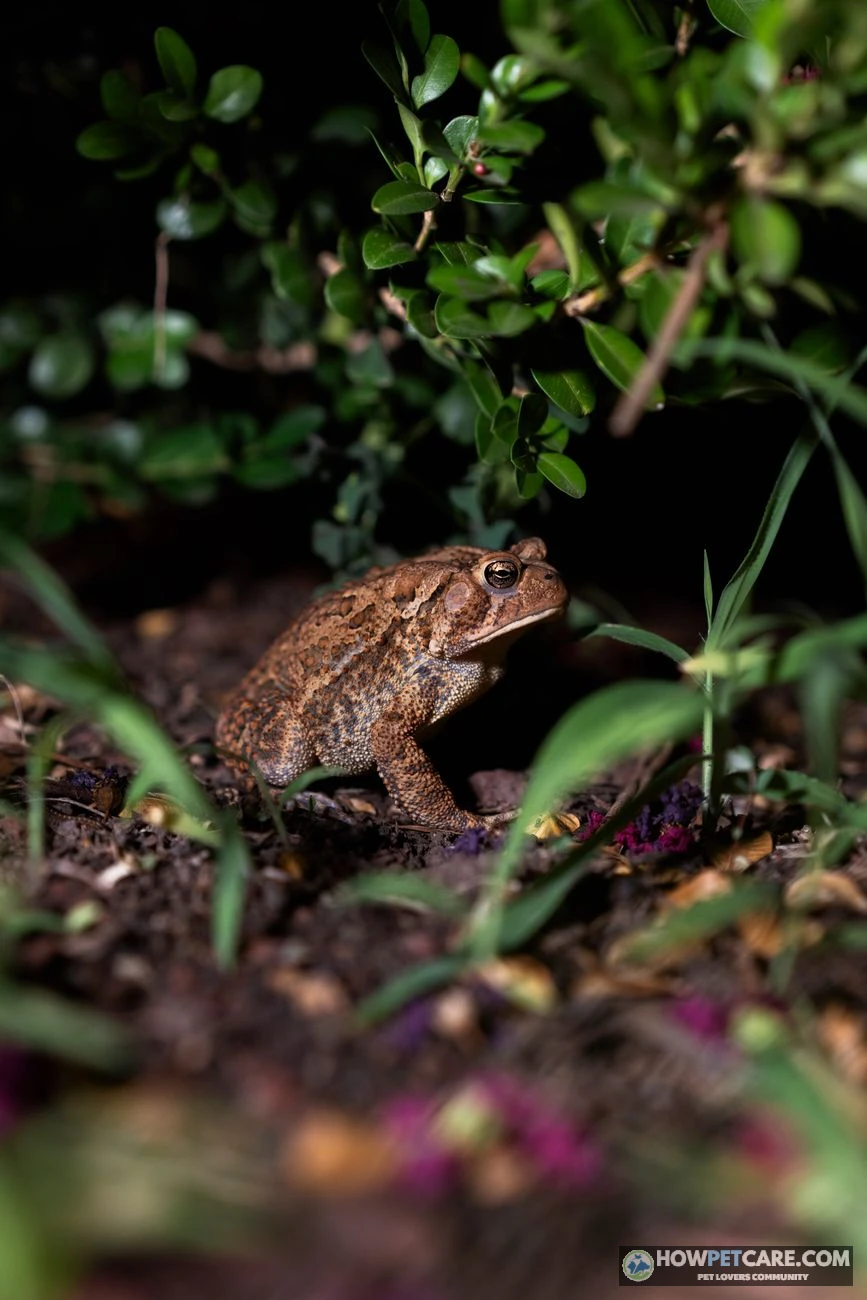

Touching a common U.S. toad is low-risk for healthy adults and kids if you wash your hands right after — but never handle a cane toad or Colorado River toad, which secrete potent bufotoxin. Dogs face the real danger: a single lick or bite can be an emergency.
Is It Safe to Touch a Toad? The Quick Verdict
Touching a common U.S. toad, such as an American toad, is generally low-risk for healthy adults and children if they wash their hands with soap and water immediately afterward. Still, avoid handling toads when you can. Cane toads and Colorado River toads are exceptions: they carry potent bufotoxin and should never be touched. Dogs face the highest risk, so never let a dog mouth any toad. Look first, wash after contact, and keep dogs away.
Toads aren’t aggressive and don’t spray poison at people. Their defense is passive: the parotoid glands behind their eyes and their skin can secrete bufotoxins when they feel threatened. Casual skin contact rarely causes severe illness in humans, but the secretions can burn or numb the eyes, nose, or mouth. Risk rises if a dog licks or bites a toad, a child puts a hand in their mouth after handling one, or the animal is a high-toxicity species. Both the species and the type of contact matter.
- Where are you? Florida, south Texas, or Hawaii means cane toads are possible. Treat the sighting as high-risk. Arizona, New Mexico, or the California desert border region means Colorado River toads are possible. Treat it as high-risk. Anywhere else in the U.S. is almost certainly a common, lower-risk toad.
- How big is it? A toad the size of your fist or larger, roughly over 4 inches, should be treated as high-risk. A palm-sized toad under 3 inches is likely a common toad.
- What do the glands look like? Huge raised lumps behind the eyes that angle toward the shoulders, or obvious raised bumps on the hind legs, point to a high-risk species. Do not touch. Small oval lumps behind the eyes on a warty body point to a common toad, low risk for adults.
Result: any high-risk answer means no handling, leash the dog, keep kids back, and take a photo from a distance if you need an ID. All low-risk answers still mean skip handling if you can. If contact happened, wash hands and keep the dog away anyway.
A toad on the patio is no reason to panic. Slow down, identify it from a distance, and keep hands, paws, and mouths away until you know what you’re dealing with. The check above takes less time than reading this paragraph. If any answer points to a high-risk species, stop there.
Are toads safe for kids to handle?
For most U.S. families, encountering a common toad is low-risk. But children handle animals differently from adults: they may squeeze, drop, or kiss them, then rub their eyes or put fingers in their mouths. Supervision matters more than the species label. A child who briefly touches a common toad and then washes their hands with soap and water is at very low risk. If a child puts a toad in their mouth or rubs toad secretions into an eye, call Poison Control.
Teach kids three rules: look with your eyes, not your hands; never kiss a toad; and wash up right away after touching one. If a high-risk toad is possible where you live, don’t handle it at all. Keep children back and have an adult take a photo from a safe distance for identification.

Can touching a toad give you warts?
No. Touching a toad can’t give you warts. Human warts are caused by human papillomavirus, which toads don’t carry. The bumps on a toad’s skin are glands and skin structures, not human wart viruses. The myth has lasted because toad skin looks rough and warty, but the two things are unrelated. Toads can secrete irritants from their parotoid glands, though, so washing your hands after contact is still a good habit.

Are Toads Poisonous or Dangerous to Dogs?
Yes, toads can be dangerous to dogs, but the risk varies by species. The danger comes from bufotoxin, also called Bufo toxin, a defensive secretion produced in the parotoid glands and skin. A dog doesn’t need to eat the whole toad to be exposed. Licking, mouthing, or biting can put the toxin on the gums and tongue, where it’s absorbed quickly. A dog that only sees a toad and barks at it isn’t exposed. A dog that picks one up is.
The difference between species matters. Common toads such as the American toad usually cause drooling, foaming, pawing at the mouth, and mouth irritation. Cane toads and Colorado River toads can cause life-threatening bufotoxin poisoning. A dog licking a toad can develop foaming, seizures, or heart failure and may need emergency veterinary care. That doesn’t mean every toad is deadly. It does mean every mouthing event needs a quick response, and exposure to a high-risk species is an emergency.
Small dogs and puppies are at higher risk because of their body size and because puppies investigate with their mouths. Cats can also be poisoned if they mouth a toad, though dogs are more common patients. Toads are most active on warm, wet evenings, during breeding season, and during toad migration. Those are also the times dogs are most likely to find one in the yard.
Are toads poisonous to dogs if licked?
Yes, a lick can be enough, especially with a high-toxicity species. A dog’s tongue and gums are moist, and the toxin doesn’t need to be swallowed to cause symptoms. A lick from a common toad often leads to drooling and mouth discomfort rather than a life-threatening event. If the toad is a cane toad or Colorado River toad, treat the lick as an emergency and call a veterinarian or pet poison hotline immediately. Don’t wait for symptoms.
Why dogs keep going after toads
Dogs are hunters and scavengers by nature, and a small, moving toad can look like a toy or prey. Some dogs mouth a toad once and learn to leave them alone. Others repeat the behavior, especially young dogs and breeds with a strong chase drive. The toad’s toxin is a defense, not a punishment the dog understands. Management is the practical answer: leash dogs at dusk, supervise bathroom breaks, clear toads from dog areas, and fence off ponds and water bowls that attract them.
 You might be wonderingPlants safe for catsPlants Safe for Cats: 25 Indoor Picks + Toxic WarningsRead the answer
Which Toads Are Actually Dangerous? Identification Guide and Ranges
You don’t need to be a herpetologist to make a safe decision. You do need to know the high-risk species, where they live, and the ID markers that distinguish them from common toads. The table compares the species most US homeowners are likely to encounter or worry about. Scientific names follow current 2026 usage. If you’re unsure, treat the toad as dangerous and keep your distance.
| Species | Toxicity Risk to Dogs and Humans | Key ID Markers | US Range | Recommended Action |
|---|---|---|---|---|
| Cane toad (Rhinella marina) | High — bufotoxin can be life-threatening to dogs; skin and eye irritant to humans | Very large (4–9 in); huge triangular parotoid glands angled toward shoulders; bony ridges above the eyes; tan to reddish-brown | Florida, south Texas, introduced in Hawaii | No contact. Leash dogs, keep kids away, photo ID only; check FWC and TPWD rules for removal |
| Colorado River / Sonoran Desert toad (Incilius alvarius) | High — potent toxin; dog poisonings can be fatal | Large (3–7+ in); smooth olive-green skin; large parotoid glands plus raised glands on the hind legs; cream-white wart near the jaw corner | Arizona, southwestern New Mexico, southeastern California border region | No contact. Treat any dog exposure as an emergency |
| American toad (Anaxyrus americanus) | Low — drooling and mouth irritation in dogs; mild irritant to humans | 2–4.5 in; warty brown or olive skin; oval parotoid glands behind eyes; 1–2 warts per dark spot | Eastern and central US | Avoid handling; wash hands after contact; rinse a dog’s mouth if licked |
| Fowler’s toad (Anaxyrus fowleri) | Low — similar to American toad | 2–3 in; grayish-brown; 3 or more warts per dark spot; lighter belly | Eastern and central US, often near sandy soils | Same as American toad |
| Southern toad / Woodhouse’s toad | Low | 2–4 in; warty; prominent head ridges on Southern toad or pale stripe down the back on Woodhouse’s toad | Southeast US / central and western US | Same as American toad |

Low risk doesn’t mean zero risk. All toads secrete skin toxins that can irritate eyes, mouths, and a dog’s GI tract.
Use the table as a screening tool, not permission to handle a toad. A photo taken from several feet away is enough for most identifications. Don’t pick up a suspected cane toad or Colorado River toad for a better look. If a dog is already near the animal, leash it and move it away before trying to identify the toad.
Quick visual ID checklist
Use these checks in order:
- Location first. Florida, south Texas, and Hawaii are cane toad territory. Arizona, southwestern New Mexico, and the southeastern California border region are Colorado River toad territory. Elsewhere in the US, common toads are the default, but a large, strange toad still calls for caution.
- Size second. A toad the size of your fist or larger, roughly over 4 inches, is a warning sign. Many common toads are palm-sized or smaller, though large females exist.
- Glands third. Look behind the eyes. Cane toads have huge, triangular parotoid glands that angle back toward the shoulders, plus bony ridges above the eyes. Colorado River toads have large glands behind the eyes and raised glands on the hind legs, with smooth olive skin and a cream-colored wart near the jaw. Common toads have smaller oval glands on a warty body.
- Behavior last. A toad sitting still isn’t necessarily tame. It may be frozen in defense, so don’t take stillness as an invitation to pick it up.

If any check points to a high-risk species, don’t touch the toad. Leash the dog, move children back, and take a photo from a distance if you need help with an ID.
Toad eggs and tadpoles vs. native frog spawn in garden ponds
Toad eggs are usually laid in long gelatinous strings, while many native frogs lay eggs in clumps. That’s a useful first clue, not a positive ID. Cane toad eggs and tadpoles are toxic, and they can appear in garden ponds in cane toad territory. Don’t handle unknown eggs or tadpoles with bare hands or move them between ponds. For an ID, contact your state wildlife agency or a local extension office and send clear photos. To protect pets, fence or screen the water edge, keep dogs from drinking pond water, and watch for toads during breeding season.

What to Do If Your Dog Licks or Bites a Toad: Step-by-Step Emergency Protocol
If your dog licks a toad, don’t wait to see what happens. The faster you remove the toxin from the mouth, the less exposure the dog gets. Follow these steps for a suspected exposure, even if your dog seems fine at first.
-
Stop the exposure
Move the dog away from the toad. Keep the dog leashed or contained so it cannot go back for another mouthful. If you can do it safely, take a photo of the toad from a distance and keep the animal in view for identification. Do not pick up a suspected cane toad or Colorado River toad with bare hands.
-
Wipe and rinse the mouth
Use a damp cloth to wipe the gums, tongue, and lips. Then flush the mouth with a gentle stream of lukewarm water from the side of the mouth, with the dog’s head tilted down so the water runs out instead of being swallowed or inhaled. Do not use a forceful spray, and do not hold the dog upside down or submerge its head.
-
Do not induce vomiting or use home remedies
Never give hydrogen peroxide, salt water, milk, oil, or human medication. Do not wait to see if symptoms appear. Those moves can make the situation worse or delay real care.
-
Call for triage
Call your veterinarian, an emergency clinic, or a pet poison hotline. If a cane toad or Colorado River toad is suspected, or the dog has severe signs, go to the nearest 24-hour emergency veterinary hospital now.
If your dog is agitated or likely to bite, don’t force a rinse. Put the dog in a carrier or another safe space and call the vet for instructions. A small amount of toxin left on the gums is less dangerous than a bite injury to the person trying to help.
Early vs. late toad poisoning symptoms in dogs
Early signs of toad poisoning can look like mouth trouble: heavy drooling, foaming at the mouth, head shaking, pawing at the muzzle, red gums, and sometimes vomiting. These signs often start soon after exposure, but timing varies with the species, the amount of toxin, and the dog. Don’t assume drooling is minor and wait. A dog drooling after mouthing a toad has already been exposed.
Late and severe signs call for an immediate emergency trip: stumbling, tremors, seizures, collapse, irregular heart rhythm, weakness, or difficulty breathing. These are signs of serious bufotoxin poisoning, not a stomach ache. Don’t drive to a distant specialist if a closer emergency clinic can stabilize the dog first.
| Severity Level | Signs | Likely Situation | Action Now |
|---|---|---|---|
| Mild | Heavy drooling or foaming at the mouth, head shaking, pawing at the muzzle, red gums | Dog licked or mouthed a common toad | Rinse the mouth, then call your vet or a pet poison hotline for guidance; monitor closely |
| Moderate | Persistent vomiting, agitation, worsening mouth irritation, disorientation | Larger exposure, or an unidentified toad | Call a vet or emergency clinic now; do not wait it out |
| Severe | Tremors, seizures, stumbling or collapse, irregular heart rhythm, difficulty breathing | Suspected cane or Colorado River toad, or heavy toxin exposure | Go to an emergency vet immediately; rinse the mouth during transport only if you can do it safely |
Any suspected cane toad or Colorado River toad exposure is a veterinary emergency, even if the dog looks normal right now. Have ready when you call: your dog’s weight, a description or photo of the toad, time of exposure, and symptoms so far. Hotlines: ASPCA Animal Poison Control at (888) 426-4435 and Pet Poison Helpline at (855) 764-7661. Both operate 24/7 and may charge a consultation fee.
Correct mouth-rinsing technique
The goal is to remove toxin, not flood the dog’s mouth. Start with a damp cloth and gently wipe the outside of the muzzle, the lips, the gums, and the tongue. Then tilt the dog’s head down and direct a slow stream of lukewarm water into the side of the mouth. Let the water run out. Don’t point a hose at the back of the throat or make the dog swallow the rinse water. Repeat only as long as the dog tolerates it and you can do it safely.

Wash your hands and the cloth afterward with soap and water. If the dog rubbed its face against a blanket, car seat, or your clothing, wash those items too. If a toad was in a water bowl, empty and clean the bowl before the dog uses it again.
When it becomes a veterinary emergency
Treat any suspected cane toad or Colorado River toad exposure as an emergency, even if the dog looks normal. Seizures, collapse, breathing trouble, or an irregular heartbeat are also emergencies, as is exposure to an unknown toad in a small dog or puppy. If your dog has only mild drooling after contact with a common toad, rinse its mouth and call your vet or a pet poison hotline for guidance. If symptoms worsen, go in.
When you call, have these facts ready: the dog’s weight, the toad species if known or a clear description, the time of exposure, and the symptoms you’ve seen. ASPCA Animal Poison Control is at (888) 426-4435 and Pet Poison Helpline is at (855) 764-7661. Both operate 24/7 and may charge a consultation fee. Your own vet or the nearest 24-hour clinic may be the faster option, especially if the dog is already seizing or struggling to breathe.
What to Do If Toad Secretions Get in Your Eyes or Mouth
Human exposure to toad secretions is usually minor, but the eyes and mouth are sensitive. The immediate task is to dilute and remove the secretions. Don’t rub the eye or swallow the rinse water. Wash skin contact with soap and water. For eye or mouth contact, act first, then decide about medical care.
If secretions reach your eyes, flush with clean lukewarm water for a full 15 minutes. Remove contact lenses if they come out easily. If pain, redness, or vision changes continue after flushing, call Poison Control or seek medical care. If secretions reach your mouth, spit them out right away, rinse repeatedly with water without swallowing, and wipe your lips and gums.
- Skin contact: wash the area with soap and water. Wash hands before touching your face, food, or a child, and wash any tools, gloves, or clothes that touched the toad.
- Eye exposure: flush the eye with clean lukewarm water for a full 15 minutes. Remove contact lenses if they come out easily; do not rub the eye.
- Mouth exposure: spit everything out; rinse repeatedly with water without swallowing; wipe the lips and gums.
- Call Poison Control at 1-800-222-1222 in the US or seek medical care if eye pain, redness, or vision changes persist after flushing; a toad or its secretions were swallowed; you notice nausea, vomiting, dizziness, palpitations, or breathing trouble; or a child mouthed, licked, or ate any part of a toad.
Symptoms that warrant poison control or a doctor
Call Poison Control at 1-800-222-1222 in the US, or seek medical care, if eye pain, redness, or vision changes persist after flushing; if a toad or its secretions were swallowed; if you notice nausea, vomiting, dizziness, palpitations, or breathing trouble; or if a child mouthed, licked, or ate any part of a toad. Don’t wait for symptoms in a child. The exposure itself is enough reason to call.
This article isn’t a substitute for veterinary or medical care. When in doubt, call. For a pet exposure, the ASPCA and Pet Poison Helpline numbers above are good first calls. For a human exposure, Poison Control is the right first call for most US households.
Which Slug Pellets, Pesticides, and Lawn Chemicals Are Safe for Toads?
Toads have permeable skin and eat insects and slugs that live in the same treated areas. That leaves them vulnerable to direct contact and secondary poisoning. The phrase toad safe slug pellets is a marketing shortcut, not a guarantee. What matters is the active ingredient, application rate, timing, and where the product lands. If you’re asking what pesticides are safe for toads, the safest pesticide is the one you don’t need. When you do use one, choose the least toxic option and follow the label exactly.
| Product or Active Ingredient | Common Use | Risk to Toads | Risk to Pets | Safer Alternative |
|---|---|---|---|---|
| Metaldehyde slug pellets | Slug and snail control | High | High — can cause tremors and seizures in dogs; restricted or banned in some regions | Iron phosphate bait, hand-picking, beer traps, copper barriers |
| Iron phosphate slug bait | Slug and snail control | Low | Low when used exactly per label | This is the safer option; still follow label rates |
| Pyrethroid insecticides (permethrin, bifenthrin) | Lawn and garden insects | High — absorbed through permeable skin; kills the insects toads eat | Moderate, especially cats and fish | Spot-treat only, avoid dusk application, tolerate minor pests |
| Organophosphate insecticides | Insect control | High | High | Avoid near yards with toads or pets; use non-chemical control |
| Glyphosate and broad herbicides | Weed control | Moderate — evidence is mixed; some formulations are more harmful to amphibians than the active ingredient alone | Low to moderate | Hand weeding, mulch, targeted spot treatment |
| Lawn fertilizer, especially nitrate-heavy | Lawn feeding | Moderate — runoff into ponds harms eggs and tadpoles | Low | Slow-release formulas, buffer strips of unmown plants around ponds |
| Bti larvicide, such as mosquito dunks | Mosquito larvae in ponds | Low — targets mosquito larvae specifically | Low | Use instead of spraying; toads themselves eat adult mosquitoes |
| Broad mosquito fogging or spraying | Adult mosquitoes | High — indiscriminate, kills toads and their food supply | Moderate | Bti dunks, dump standing water weekly, screens on rain barrels |

No chemical is risk-free for every amphibian. The table separates higher-risk products from lower-risk ones, but label directions still govern their use. Don’t double the rate, spray on windy days, or treat a pond edge with a product labeled for lawn use.
A pet-safe pesticide is not automatically a toad-safe pesticide. Toads absorb chemicals through their skin in ways mammals do not, and they may eat treated insects. Read the active ingredient, not just the front of the package. Never spray at dusk or right after rain, when toads are active and likely to be out hunting.
For toad safe pest control, start with the active ingredient. Read the label, choose the least toxic product that will do the job, and keep it off damp shelter, pond edges, and places where toads hunt.
Toad-safe slug and snail control
If you’re looking for toad safe slug pellets, the least risky choice is usually iron phosphate bait used exactly as labeled. Metaldehyde pellets are high-risk for pets and wildlife and are restricted or banned in some regions. Even with iron phosphate, keep pellets out of reach of dogs and children, and don’t pile them along pond edges or in the damp shade where toads hunt. Better yet, pick slugs by hand at night, use beer traps where pets can’t reach them, place copper barriers around pots, and remove damp shelter where slugs hide.

Toad-safe mosquito control for yards
For toad safe mosquito control for yards, avoid broad fogging and adulticide spraying. These treatments kill the insects toads eat and can expose amphibians directly. Use Bti larvicide dunks or granules in standing water, dump water from buckets and tarps weekly, and screen rain barrels. Toads eat mosquitoes, so a yard with healthy toad habitat is already getting some natural control. If the mosquito problem is severe, target the water where larvae grow instead of spraying the whole yard.

How to Keep Toads Safe in the Garden, or Out of Your Yard Without Harming Them
You can protect garden toads and keep dogs away from them at the same time. The difference is in the design. A wildlife friendly garden gives toads shade, moisture, and insect food. A dog-safe yard keeps toads out of the areas where dogs patrol. Make room for both by moving habitat to the edges and keeping the center of the yard open.
How to make your garden safe for toads
Start with shelter. A toad house, brush pile, leaf litter, and dense native groundcover give toads places to hide and stay moist. Add shallow water with an exit ramp so small animals can climb out, and cover window wells, pool edges, and steep-sided containers. Mow less near shelter and avoid string trimmers around damp corners. If you use chemicals, follow the guidance above. Less spraying, more cover, and fewer bare, dry edges make a garden better amphibian habitat.
The search for toad safe plants often misses the point. Plants matter mainly because they provide cover, shade, and insect habitat, not because toads eat them. Toad friendly plants for US gardens include native groundcovers, ferns, shrubs, and taller perennials that hold moisture and shelter insects. There’s no official list of toad safe plants, and no plant will make a toxic pesticide safe.

Humane deterrence without harming toads
To deter toads from a dog area, remove what draws them there: standing water, dense damp shelter, and night insects. Empty water bowls, fix leaky hose bibs, and move pet water inside at night. Turn off or redirect outdoor lights that attract insects, since the insects draw toads. Seal gaps under sheds and steps, and use fine-mesh barriers around ponds or water features if dogs have access. Clear leaf litter and shelter from the middle of the yard while leaving it at the edges.
For dog owners, management is the simplest tool. Supervise bathroom breaks at dusk, use a leash in toad season, and check the yard before letting a dog out after rain. During toad migration, toads may cross lawns and driveways in numbers. On those nights, keep dogs close and lights low.
Legal handling of invasive cane toads in Florida and Texas
Rules for trapping, relocating, or euthanizing cane toads vary by location. As of 2026, check current guidance before you act. In Florida, cane toads are a nonnative species with no state protection, but humane euthanasia methods are required by current guidance. Property owners should check the Florida Fish and Wildlife Conservation Commission (FWC) rules before acting. In Texas, cane toads are established in parts of the south; check the Texas Parks and Wildlife Department (TPWD) for current rules and reporting guidance. Don’t relocate invasive cane toads to a new area, because that can spread the invasion. Never relocate native toads without checking your state wildlife agency’s rules either.
When in doubt, contact the agency before trapping or moving anything. A photo and a location report are often more useful than a bucket. If you must handle a suspected cane toad, use gloves and keep it away from your face and pets.

Your Toad Safety Action Checklist
Use this list to decide what to do next.
- If you see a toad: don’t touch it. Keep dogs and kids back, identify it from a distance, and wash your hands if contact happened.
- If your dog licks or mouths a toad: rinse the mouth with a damp cloth and a gentle stream of water, then call your vet or a pet poison hotline. Go to an emergency clinic for seizures, collapse, breathing trouble, or any suspected cane or Colorado River toad.
- If a person gets secretions in the eyes or mouth: flush or rinse, don’t swallow, and call Poison Control at 1-800-222-1222 if symptoms persist or a child was exposed.
- In the yard: replace metaldehyde slug pellets with iron phosphate bait or non-chemical control, skip broad mosquito fogging, use Bti in standing water, and avoid spraying at dusk or after rain.
- Around the house: empty standing water, adjust outdoor lighting, seal gaps, cover window wells and pool edges, and leave shelter at the garden edges rather than in the dog’s patrol zone.
- Save the numbers: Poison Control 1-800-222-1222, ASPCA Animal Poison Control (888) 426-4435, Pet Poison Helpline (855) 764-7661, and your nearest 24-hour veterinary hospital.
When you’re unsure, treat the toad as dangerous and keep everyone away. That protects the people, the dog, and the toad.
 You might be wonderingPet safe plantsPet Safe Plants: Compare Indoor Picks, Care & Buying TipsRead the answer
FAQ
Do I need to wash my hands after touching a toad?
Yes. Wash thoroughly with soap and water right away, and avoid touching your eyes, nose, or mouth until you have.
Are toads good for gardens?
Yes. Toads eat slugs, beetles, and other insect pests, which makes them useful natural pest control in a wildlife friendly garden.
Are toads dangerous to cats?
Cats can also be poisoned if they mouth a toad, especially a cane or Colorado River toad. Rinse the mouth if it’s safe and call a vet or pet poison hotline.
Is it safe to move a toad out of my yard?
Moving a common toad a short distance is generally low-risk if you use gloves or a container, but wildlife rules vary by state. Don’t relocate invasive cane toads, and check your state agency’s guidance.
Are frogs poisonous to dogs like toads?
Most native frogs are less of a concern than toxic toads, but some can still cause mouth irritation. Treat any amphibian mouthing as a reason to rinse and monitor your dog.