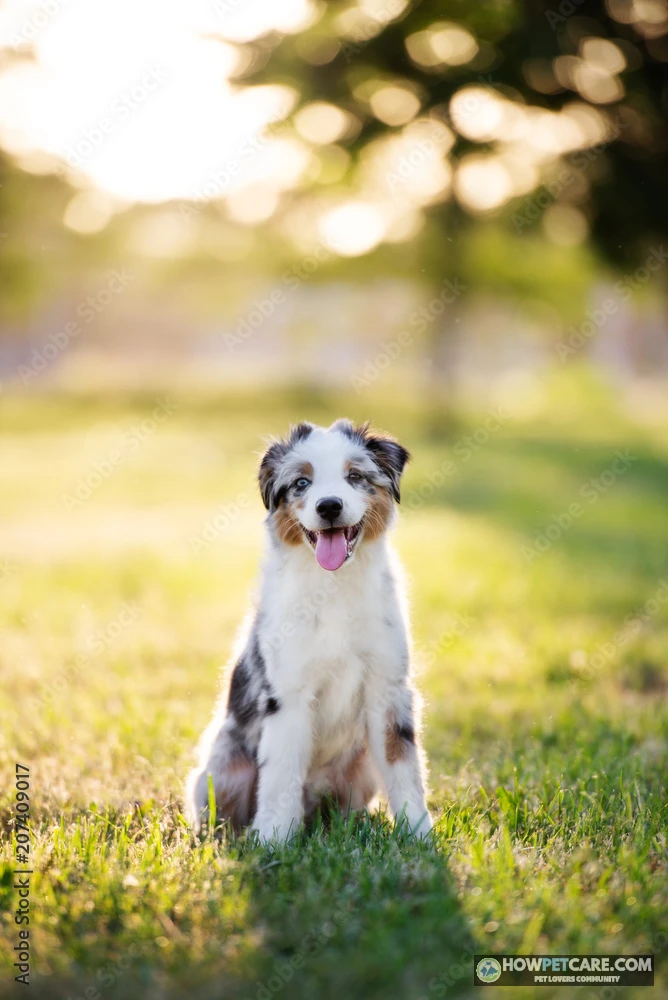

“American Shepherd” usually means the AKC-recognized Miniature American Shepherd, not a separate breed. Confirm paperwork lists Miniature American Shepherd; “mini Aussie” or Australian Shepherd labels indicate a different registry status or size class. Expect a compact 13–18 inch herding dog needing daily exercise and training.
If you searched "American Shepherd," the first thing to settle is naming. The AKC-recognized breed is the Miniature American Shepherd, not a separate breed called "American Shepherd." In everyday use, "American Shepherd" often appears as shorthand for a Miniature American Shepherd, a miniature Australian Shepherd, or a smaller herding dog with Australian Shepherd roots. Before paying a deposit, ask for the exact registered breed name, registry, registration number, and parent-club affiliation. If the paperwork says Miniature American Shepherd, you are buying that AKC-recognized breed; if it says Australian Shepherd or uses only "mini Aussie" language, treat it as a different size class or marketing label, not an AKC breed name.
Is "American Shepherd" an AKC Breed Name or a Miniature American Shepherd?
Naming confusion is the central issue for many buyers. The AKC-recognized breed is the Miniature American Shepherd, while "American Shepherd" is commonly used informally for miniature Australian Shepherds or as shorthand by owners and breeders. The breed was recognized by the United Kennel Club on January 1, 2015, and it is described as a small-to-medium herding dog that originated in the United States with the Australian Shepherd. It is slightly longer than tall, solidly built, and has moderate bone with smooth, balanced movement.
AKC and parent-club naming
AKC recognition applies to the Miniature American Shepherd, not to "American Shepherd" as a standalone breed name. Registry and parent-club terminology can differ, so don’t rely on a breeder’s casual label — the registration paperwork checks outlined in the introduction are what separate a recognized breed from a marketing name.
Why "mini Aussie" causes confusion
"Mini Aussie" is often used loosely for smaller Australian Shepherds or dogs with Australian Shepherd ancestry. That label alone doesn’t tell you whether the dog is a Miniature American Shepherd, a smaller Australian Shepherd, or a mixed-size herding dog. Because the Miniature American Shepherd originated in the United States with the Australian Shepherd, the resemblance is real, but registry status and size class are what separate the categories.

American Shepherd Size, Lifespan, and Quick-Reference Data Panel
The Miniature American Shepherd is a compact, high-energy herding dog. Use the ranges below as a planning guide, not a guarantee for an individual dog.
| Trait | Male | Female | Notes |
|---|---|---|---|
| Height | 14–18 in (36–46 cm) | 13–17 in (33–43 cm) | Measure at withers; avoid oversize or undersize extremes |
| Weight | 20–40 lb (9–18 kg) | 18–35 lb (8–16 kg) | Judge by body condition, not scale alone |
| Lifespan | 12–15 years | 12–15 years | Preventive care and weight control matter most |
| Energy level | High | High | Needs daily physical plus mental work |
| Coat | Medium double coat | Medium double coat | Sheds year-round; heavier seasonally |
| Common colors | Black, red, blue merle, red merle | Black, red, blue merle, red merle | White/tan markings vary; merle requires careful breeding |
| Exercise baseline | 60–90 min/day | 60–90 min/day | Split into walks, training, and play |
| Apartment suitability | Possible with plan | Possible with plan | Depends on exercise, barking control, and enrichment |

Male vs. female measurements
Males are generally slightly taller and heavier than females, but overlap is normal. A dog at the top of the height range isn’t automatically "better"; extremes in either direction can signal breeding or health concerns. Body condition, movement, and veterinary evaluation matter more than a single number.
Coat and color patterns
The breed has a medium double coat that sheds year-round and more heavily during seasonal coat changes. Common colors include black, red, blue merle, and red merle, with variable white and tan markings. Merle patterns can be striking, but merle-to-merle breeding raises avoidable health risks, so color should never be marketed as a reason to skip health documentation.
American Shepherd vs Australian Shepherd: Size, Recognition, and Care
The two breeds are related, but they’re not interchangeable. The Miniature American Shepherd is recognized by AKC as the Miniature American Shepherd, while the Australian Shepherd is recognized separately as the Australian Shepherd. Size, space needs, and daily exercise targets differ in practical ways.
| Feature | American Shepherd (Miniature American Shepherd) | Australian Shepherd |
|---|---|---|
| AKC recognition | Recognized as Miniature American Shepherd | Recognized as Australian Shepherd |
| Typical height | 13–18 in | 18–23 in |
| Typical weight | 18–40 lb | 40–65 lb |
| Space needs | Smaller home possible with structured exercise | More room and higher exercise tolerance needed |
| Exercise target | 60–90 min/day plus mental work | 90–120+ min/day plus mental work |
| Grooming | Medium double coat; regular brushing | Medium double coat; regular brushing; larger volume of coat |
| Herding behaviors | Heel nipping, circling, barking can appear | Same instincts, often more intense due to size/energy |
| Family fit | Good with supervision and training | Good with supervision, space, and experienced handling |
| Breeder vetting | Ask for MASCA/AKC health clearances | Ask for parent-club/AKC health clearances |

Recognition and breed standards
Registry recognition is the cleanest way to avoid label confusion. Ask for the exact registered breed name rather than accepting "mini Aussie," "American Shepherd," or "rare color" language. The UKC recognized the Miniature American Shepherd on January 1, 2015.
Exercise and care differences
The smaller breed can fit a smaller home, but it still needs structured daily work. The Australian Shepherd generally needs more room and more exercise tolerance. Both breeds can develop herding behaviors such as heel nipping, circling, and barking; the larger breed’s behaviors may feel more intense because of size and energy.
Is an American Shepherd a Good Family Dog? Temperament with Kids and Pets
A Miniature American Shepherd can be a good family companion when matched to a household that can provide training, supervision, and daily activity. It is a herding dog, not a passive lap dog, so family fit depends on routines rather than breed labels alone.
Temperament with children
Children and dogs should be supervised, especially during fast movement, rough play, and guest arrivals. Herding instincts can show up as heel nipping or circling when children run. Teach children not to chase the dog, and teach the dog to settle on a mat. Early socialization and impulse-control training reduce problems, but no breed is automatically "good with kids" without management.
Multi-pet households
Compatibility with other pets depends on socialization, age, and individual temperament. Introduce pets slowly, use barriers, and reward calm behavior. A herding dog may try to control movement, so monitor interactions with smaller animals and high-energy pets.

American Shepherd Exercise, Training, and Heel-Nipping Plan
High energy is manageable when it has a daily structure. Aim for 60–90 minutes of physical activity plus mental work, split across walks, training, play, and enrichment. Without that structure, a herding dog may become stressed, noisy, or destructive.
Daily exercise targets
A practical day can include a 20-minute sniff walk, 5 minutes of training, a midday puzzle feeder or chew, a 30-minute structured walk, and 10 minutes of impulse-control games. Adjust for age, weather, health, and body condition. Puppies need shorter, more frequent sessions; seniors may need lower-impact work.

Step-by-step heel-nip protocol
-
Stop the chase trigger
When nipping starts, stop moving, turn sideways, and keep hands still. Movement rewards the herding chase.
-
Redirect to a job
Offer a tug toy, flirt pole, or scatter-fed kibble for 30–60 seconds. Reward calm mouth behavior.
-
Teach leave it and settle
Practice 5 minutes twice daily. Reward the dog for disengaging from heels and lying on a mat.
-
Manage the environment
Use baby gates, tethering, or a crate during high-excitement times such as guests arriving or children running.
-
Barking plan
Identify the trigger. Ask for one alert bark, then cue "quiet," mark silence for 2 seconds, and reward. Gradually extend silence to 10–30 seconds.
-
Apartment routine
Morning: 20-minute sniff walk plus 5 minutes training. Midday: puzzle feeder or chew. Evening: 30-minute structured walk plus 10 minutes impulse-control games. Add a final potty break before bed.
-
Track progress
Log nips, barks, and settling time for 14 days. If there’s no improvement after consistent practice, consult a certified trainer or veterinary behaviorist.
Guardrail: never use pain, yelling, or leash jerks; herding dogs often escalate when punished.
Apartment and small-home plan
Apartment living can work if the dog receives consistent exercise, mental stimulation, and training for barking and manners. Without that daily structure, a high-energy herding dog may become stressed or destructive. Plan for noise management, a predictable potty schedule, and enrichment that tires the brain as well as the body.
American Shepherd Feeding, Vaccination, and Parasite-Prevention Schedule
Practical health preparation is often missing from breed guides. Use the schedule below as a starting framework, then adjust with your veterinarian based on age, activity, body condition, and regional parasite risk.
| Life Stage | Daily Portions | Calorie Target | Care Schedule |
|---|---|---|---|
| Puppy (8–16 weeks) | 3–4 small meals; portions by body weight and food label | Higher than adult; growth-focused | Core vaccines per veterinary schedule; deworming as directed; fecal checks |
| Junior (4–12 months) | 2–3 meals; adjust to growth and body condition | Moderate growth; avoid excess calories | Vaccine boosters; continued parasite prevention; spay/neuter discussion |
| Adult (1–7 years) | 2 meals; measured portions | Maintenance calories based on activity | Annual wellness exam; year-round flea, tick, and heartworm prevention as advised |
| Senior (8+ years) | 2 smaller meals; senior-formula as advised | Often lower; protect lean mass | Twice-yearly exams; joint, vision, and dental checks; medication review |

Feeding by life stage
Daily portions and calorie targets should be set using the food’s label, the dog’s body condition, and veterinary guidance. A high-energy herding dog may need more calories during heavy training or cold weather, while a less active dog may need less. Recheck weight and body condition monthly, and adjust portions before weight becomes a problem.
Vaccination and deworming timeline
Follow your veterinarian’s schedule for core vaccines, boosters, deworming, and fecal testing. Puppies usually need a series of visits; adults need boosters and annual or triennial planning based on risk. Don’t copy a neighbor’s schedule without checking local disease risk and your dog’s history.
Parasite prevention
Flea, tick, and heartworm prevention should be chosen with your veterinarian based on region, lifestyle, and product safety. Year-round prevention is common in many U.S. areas, but the exact product and schedule should be veterinary-directed.
American Shepherd Health Problems, DNA Tests, and Breeder Health Clearances
Health planning should focus on inherited risks, screening documentation, and responsible breeding practices rather than promises. Common concerns include hip dysplasia and eye disorders, and breed-relevant DNA tests can help buyers compare breeder claims against documentation.
Common genetic concerns
Hip dysplasia and eye disorders are important concerns for buyers. Merle-related risks also matter, especially when breeding practices are unclear. A breeder should explain puppy color genetics in writing and avoid merle-to-merle pairings. Health claims need context because individual dogs and regions vary, and no breeder can promise zero health risk.

Health clearances to request
Ask for breed-relevant genetic test results and official health clearances rather than verbal assurances. The AKC breed-information page for the Miniature American Shepherd lists recommended health evaluations including hip evaluation, ophthalmologist evaluation, NAD DNA test, MDR1 DNA test, HSF4 hereditary cataracts DNA test, and PRA-prcd DNA test. Compare the breeder’s documentation with parent-club and registry guidance, and verify dates, registry numbers, and parent identities.
Ask for registered breed name, AKC/UKC details, parent-club references, hip evaluation, eye certification, DNA panel results, merle breeding plan, early socialization records, and a written health guarantee. Treat "rare color" upselling or pressure tactics as red flags.
Grooming, Shedding, and Lifetime Cost Checklist for New Owners
Grooming is regular but not extreme: brush the double coat to manage shedding and prevent mats, with extra attention during seasonal coat changes. Baths and nail trims should follow the dog’s lifestyle and skin condition. Shedding is normal and cannot be eliminated.
Coat care routine
Brush several times per week, and more often during heavy shedding. Check ears, nails, teeth, and skin folds as part of a weekly routine. Keep grooming sessions short and positive so the dog learns cooperation early.

Cost and breeder-vetting checklist
Costs vary by breeder, pedigree, health testing, region, and medical needs, so compare multiple sources rather than relying on one advertised price. Use the worksheet below to map where money actually goes over the dog’s life, then compare quotes against it.
| Cost Category | What to Plan For |
|---|---|
| Puppy purchase | Price varies by breeder, pedigree, and completed health testing |
| First-year veterinary care | Vaccine series, deworming, fecal checks, spay/neuter, microchip |
| Recurring care | Food, flea/tick/heartworm prevention, annual exams, grooming supplies |
| Training | Puppy classes plus private sessions for heel-nipping or barking issues |
| Emergency fund | Savings or insurance for injuries, illness, and surgery |
| Senior care | More frequent exams, joint support, medication, and dental work |
- ☐ Registered breed name is exactly Miniature American Shepherd, not only "mini Aussie" or "American Shepherd."
- ☐ Breeder provides AKC or UKC registration details and parent-club references.
- ☐ Hip evaluation: OFA or PennHIP results for both parents.
- ☐ Eye exam: CAER/OFA eye certification within the recommended validity window.
- ☐ DNA panel for MDR1, PRA, HSF4, and other parent-club recommended tests.
- ☐ Merle breeding plan avoids merle-to-merle pairings; puppy color genetics are explained in writing.
- ☐ Parents’ temperaments are described with examples, not just "sweet."
- ☐ Puppies are raised with early socialization, handling, and noise exposure.
- ☐ Contract includes health guarantee, return policy, and spay/neuter terms.
- ☐ Breeder asks screening questions about exercise, time, and household fit.
- ☐ You can visit or video-call the dam, litter environment, and records before payment.
- ☐ No pressure tactics, no "rare color" upselling, and no promises of zero health risk.
Before bringing a puppy home, confirm household fit, daily exercise capacity, grooming tolerance, budget, and breeder documentation. The best decision is not the fastest one; it is the one supported by registry records, health clearances, and a realistic care plan.
| Trait | Male Range | Female Range | Notes |
|---|---|---|---|
| Height | 14–18 in (36–46 cm) | 13–17 in (33–43 cm) | Measure at withers; avoid oversize or undersize extremes |
| Weight | 20–40 lb (9–18 kg) | 18–35 lb (8–16 kg) | Judge by body condition, not scale alone |
| Lifespan | 12–15 years | 12–15 years | Preventive care and weight control matter most |
| Exercise baseline | 60–90 min/day | 60–90 min/day | Split into walks, training, and play |
| Energy level | High | High | Needs daily physical plus mental work |
| Coat | Medium double coat | Medium double coat | Sheds year-round; heavier seasonally |
| Common colors | Black, red, blue merle, red merle | Black, red, blue merle, red merle | White/tan markings vary; merle requires careful breeding |
| Apartment suitability | Possible with plan | Possible with plan | Depends on exercise, barking control, and enrichment |

FAQ
How much does an American Shepherd puppy cost?
Prices vary by breeder, pedigree, health testing, and region, so buyers should compare multiple breeders rather than relying on a single advertised price. A realistic budget should also include vaccinations, parasite prevention, training, and emergency savings.
Can an American Shepherd live in an apartment?
Apartment living can work if the dog receives consistent exercise, mental stimulation, and training for barking and manners. Without that daily structure, a high-energy herding dog may become stressed or destructive.
How much grooming does an American Shepherd need?
The double coat usually needs regular brushing to manage shedding and prevent mats, with extra attention during seasonal coat changes. Baths and nail trims should follow the dog’s lifestyle and skin condition.
What DNA tests should a breeder provide for an American Shepherd?
Buyers should ask for breed-relevant genetic test results and official health clearances, such as hip and eye evaluations, rather than accepting verbal assurances. The exact panel can vary, so compare the breeder’s documentation with parent-club and registry guidance.