
An exotic pet is any companion animal other than a dog or cat — reptiles, amphibians, birds, invertebrates and some small mammals. Before buying, confirm the species is legal where you live, find a veterinarian who treats it, and budget for its full lifespan.
An exotic pet is a nontraditional companion animal whose housing, diet or veterinary needs often differ from those of dogs and cats. The term can cover reptiles, amphibians, birds, invertebrates and some small mammals. Before choosing one, check its legal status, locate a veterinarian who treats the species and budget for care throughout its life.
What Counts as an Exotic Pet (and Who Should Skip One)
A working definition, and why the term is slippery
There’s no single definition of an exotic pet across veterinary medicine, pet stores and US law. A veterinary clinic might use the term for nearly any companion animal other than a dog or cat. A wildlife agency may instead regulate a particular species because it is native wildlife, nonnative wildlife, invasive or dangerous.
That distinction matters when researching what counts as an exotic pet. A store’s label doesn’t determine whether an animal is legal, and a veterinarian’s use of the term doesn’t mean the animal is wild.
Exotic pets vs. traditional pets
Compared with dogs and cats, many nontraditional pets need more specialized enclosures, diets or environmental controls. Fewer clinics may be equipped to treat them, too. Some are active at night, prefer not to be handled or live much longer than a new owner expects. Traditional pets also need substantial care; the difference is often how hard it can be to find the right information, equipment and professional help.
Wild, exotic and domesticated: where ferrets, rats and sugar gliders fall
Domestic ferrets and fancy rats are domesticated animals, though many veterinary practices group them with exotic pets. Sugar gliders aren’t domesticated in the same sense, even when born in captivity. Captive-bred describes where an individual was born; it doesn’t mean its species is domesticated.

An exotic animal probably isn’t a good fit if your landlord prohibits it, you can’t reach a qualified veterinarian, a household member can’t reasonably tolerate the health risk, or you can’t commit to its likely lifespan. Waiting is better for you and the animal than buying first and trying to solve those problems later.
This article is informational, not legal or purchase advice. Requirements change and can depend on the exact species and location. Confirm current rules with your state wildlife agency, local government and housing provider before making a commitment.
Types of Exotic Pets You Can Own, by Animal Group
Small mammals
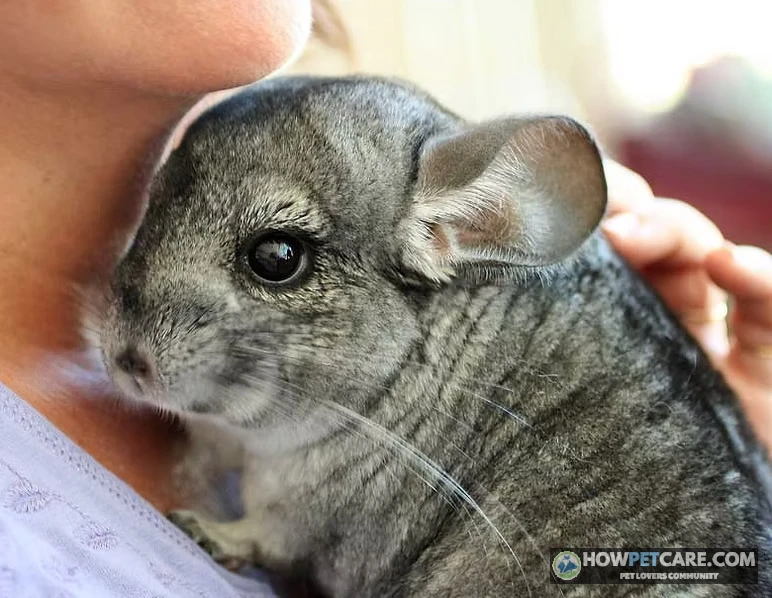
This group includes domesticated rats and ferrets, along with hedgehogs, chinchillas, degus and sugar gliders. Their needs vary considerably. Rats are social and generally need compatible companions; a practical caring for pet rats resource can help you plan housing, diet and enrichment. Sugar gliders have demanding social needs, too. Hedgehogs are generally solitary. Chinchillas need protection from overheating and room to move, while ferrets are active animals that need close supervision and enrichment.
Reptiles
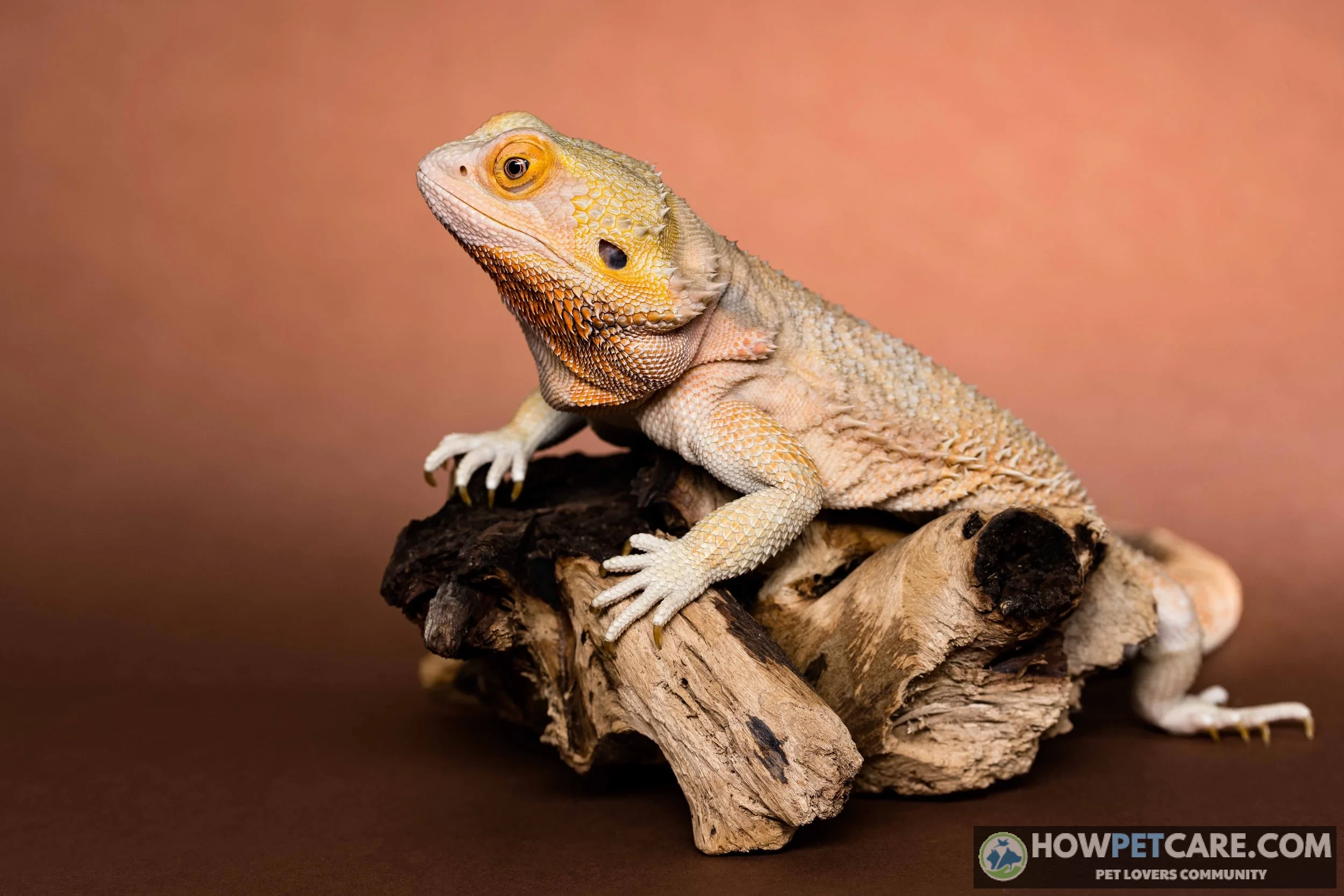
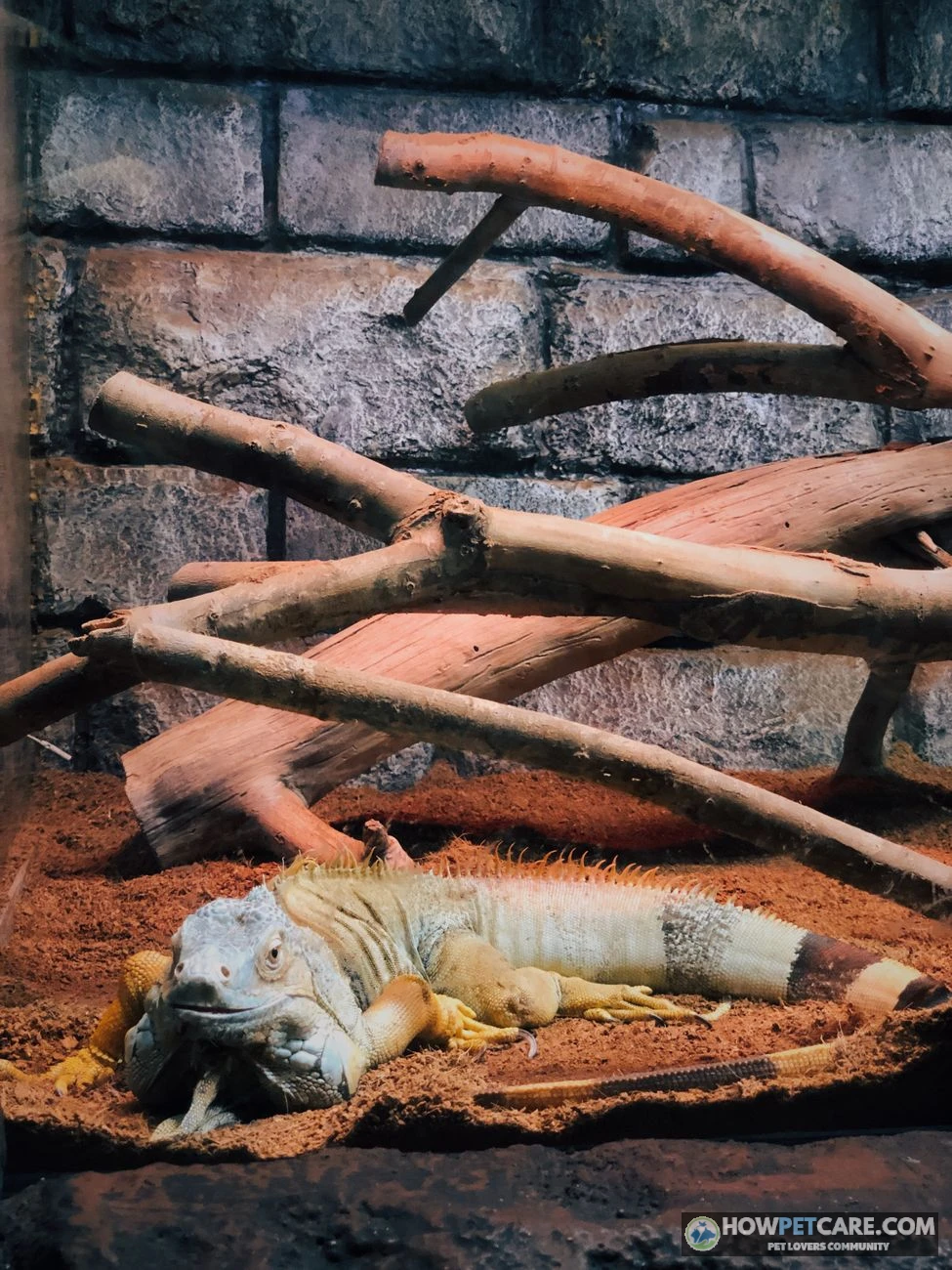
Common companion reptiles include leopard geckos, bearded dragons, corn snakes and ball pythons. Reptiles rely on their environment to regulate body temperature. Depending on the species, an enclosure may also need carefully selected UVB lighting, humidity controls and temperature gradients. A heat lamp alone isn’t a complete setup.
Amphibians and aquatic pets
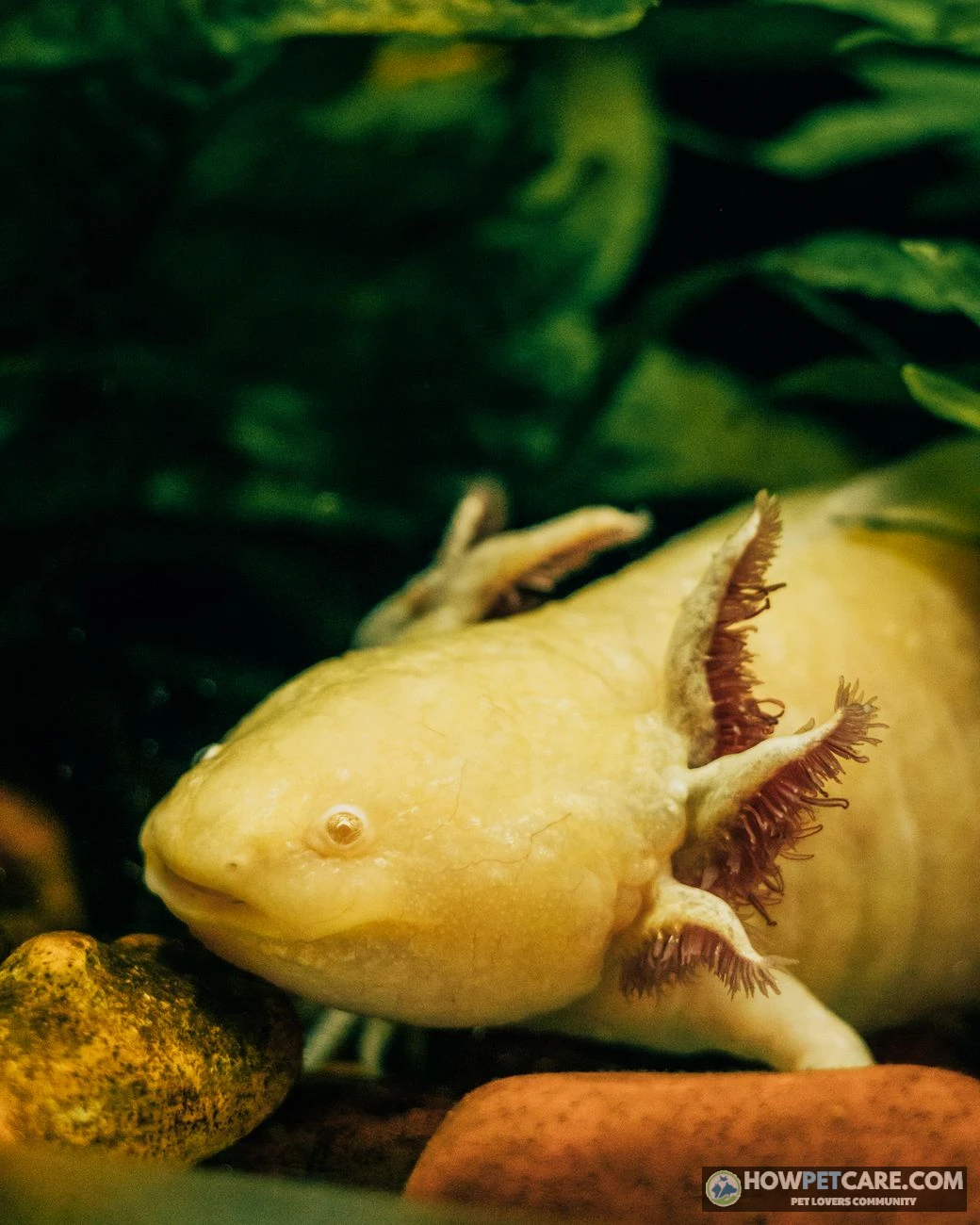
Axolotls, pacman frogs and dart frogs are primarily observation animals, not pets for frequent handling. An axolotl needs an established aquatic environment and close attention to water quality and temperature. Amphibians’ delicate skin makes inappropriate handling and chemical exposure particular concerns. Anyone comparing species can start with pacman frog care basics to understand the difference between a display pet and a handling pet.
Invertebrates and birds
Tarantulas, mantises and land hermit crabs may take up relatively little space, but each needs a suitable environment. Land hermit crabs, for instance, need appropriate humidity, substrate, water and compatible company; a small decorative cage won’t do.
Cockatiels, finches and other birds need social engagement, enrichment and appropriate veterinary care. Birds can be noisy and messy, and some parrots live for decades. A small bird isn’t automatically a short-term or low-effort commitment.
Animals that are not realistic pets
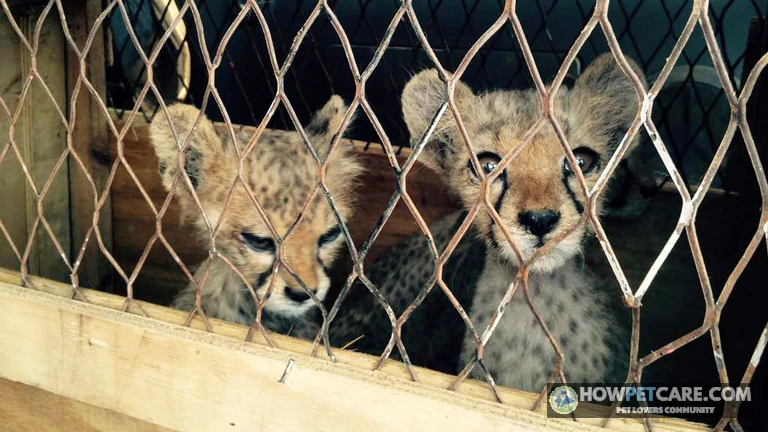
Big cats, primates, bears, venomous snakes and large constrictors pose serious safety and welfare problems and may face extensive restrictions. They don’t belong on a beginner’s shortlist. Wild-caught animals are also a poor choice: don’t support removal from the wild or accept an animal whose origin can’t be responsibly established.
Best Exotic Pets for Beginners vs. Species to Avoid
The best exotic pets for beginners are those whose specific needs you can meet consistently—not necessarily the cheapest or smallest animals. Use the matrix to narrow your options, then confirm local rules and get species-specific care advice.
Reading the cost columns: The dollar ranges below are illustrative planning allowances, not verified 2026 price quotes or a substitute for local estimates. They assume one animal unless a social grouping is noted; annual costs include ordinary food, supplies, utilities where relevant and a routine veterinary allowance. Setup, emergencies, boarding and unusual medical treatment cost extra. Actual costs can be substantially higher, and even a healthy animal may need more than one veterinary visit.
| Species | Tier | Typical lifespan | Animal price, planning range | Annual care, planning range | Difficulty | Legal flag | Principal risk |
|---|---|---|---|---|---|---|---|
| Leopard gecko | Beginner | 15–20 years | $25–$150 | $200–$500 | Moderate | Check species and local rules | Salmonella; fragile if mishandled |
| Bearded dragon | Beginner | 8–12 years | $40–$250 | $500–$1,200 | Moderate | Check species and local rules | Salmonella; heat and UVB failure |
| Corn snake | Beginner | 15–20 years | $40–$150 | $200–$500 | Moderate | Check native-wildlife and local rules | Salmonella; escape |
| Fancy rats, compatible pair | Beginner | 2–3 years | $20–$100 | $400–$1,000 | Moderate | Check local rules | Bites; rat-bite fever; respiratory illness |
| New World tarantula | Beginner, observation only | Often several years; females may live much longer | $20–$100 | $75–$250 | Moderate | Check species and local rules | Irritating hairs; bite; injury from falls |
| Land hermit crabs, group | Intermediate | Potentially a decade or longer | $20–$100 | $150–$400 | Moderate–high | Confirm species and source | Sensitive to poor humidity and housing |
| Ball python | Intermediate | 20–30 years | $50–$250 | $250–$600 | Moderate | Check species and local rules | Escape; feeding and humidity problems |
| Axolotl | Intermediate–advanced | 10–15 years | $30–$150 | $300–$800 | High | Restricted in some jurisdictions | Water-quality and temperature sensitivity |
| Chinchilla | Intermediate | 10–20 years | $150–$400 | $400–$900 | High | Check species and local rules | Overheating; dental disease |
| Ferret | Intermediate | 6–10 years | $100–$500 | $600–$1,500 | High | California, Hawaii and some cities restrict possession | Bites; escape; significant medical costs |
| Hedgehog | Intermediate | 4–7 years | $100–$350 | $300–$800 | Moderate–high | Restricted in some jurisdictions | Salmonella; spines; temperature needs |
| Sugar gliders, compatible pair | Advanced | 10–15 years | $300–$1,000 | $600–$1,500 | High | Restricted in some jurisdictions | Social stress; bites; complex diet |
| Cockatiel | Intermediate–advanced | 15–25 years | $75–$300 | $400–$1,000 | High | Check species and local rules | Noise; bites; bird-associated infection |
| Big cats, primates, venomous reptiles and large constrictors | Avoid | Varies | Not applicable | Not applicable | Not suitable as private pets | Federal, state or local restrictions may apply | Severe injury and welfare risks |
Every legal flag is a prompt to investigate, not permission to own. Verify with your state wildlife agency and local authorities before acquiring an animal. Lifespans vary with genetics and care; plan for the longer end.
Beginner-friendly tier
- Fancy rats suit people who want social interaction and can accommodate at least a compatible pair. The tradeoffs are a short average rat lifespan and potentially significant veterinary bills.
- Leopard geckos may suit someone who prefers an observation-oriented reptile and is prepared to maintain heat and a suitable enclosure. They’re a long commitment and can carry Salmonella.
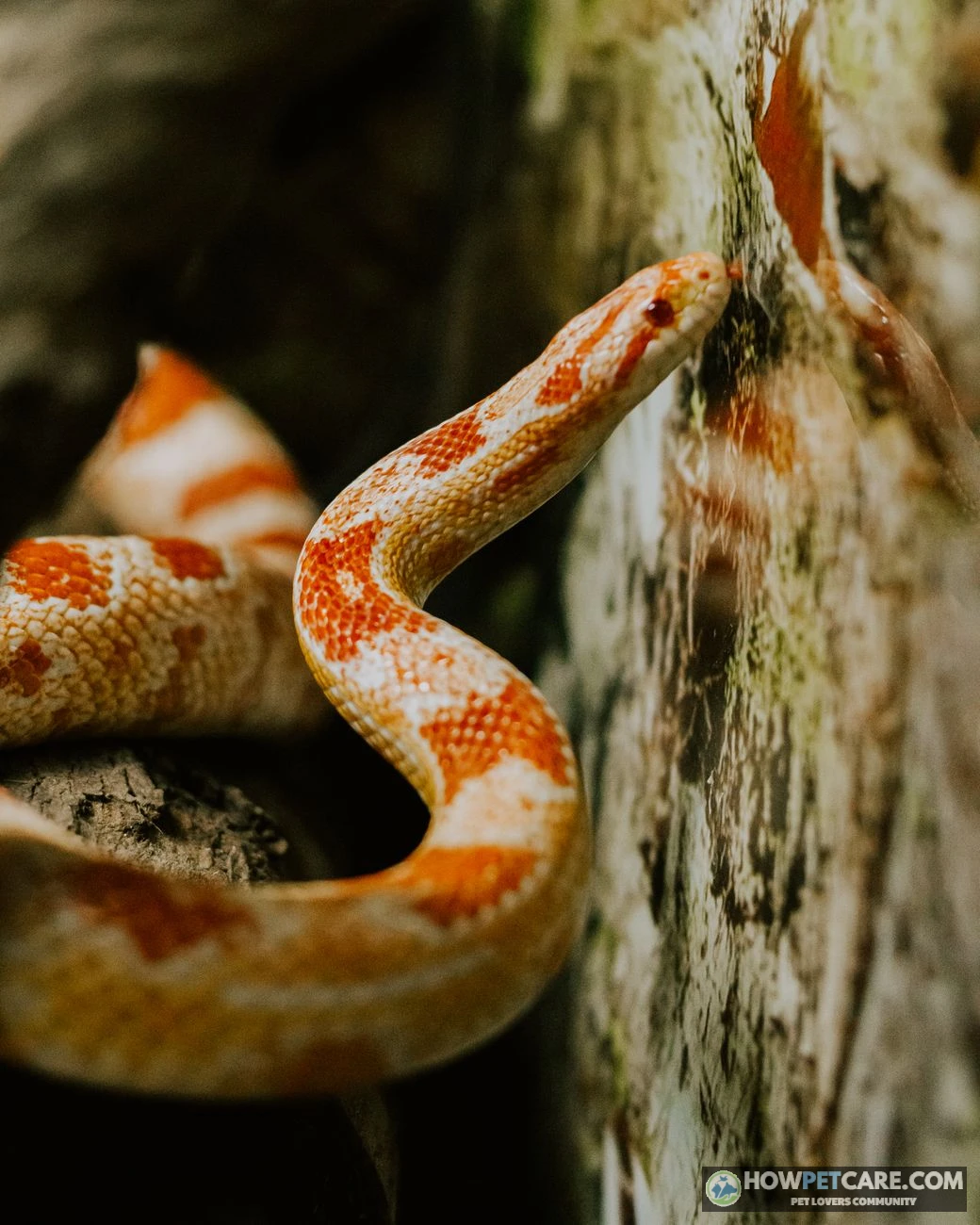
- Corn snakes can be a manageable introduction to snakes for someone comfortable with their feeding needs. They’re escape artists and may live for decades.
- Bearded dragons are often visible and active during the day, but their larger enclosure, lighting and varied diet make them more expensive than their purchase price suggests.
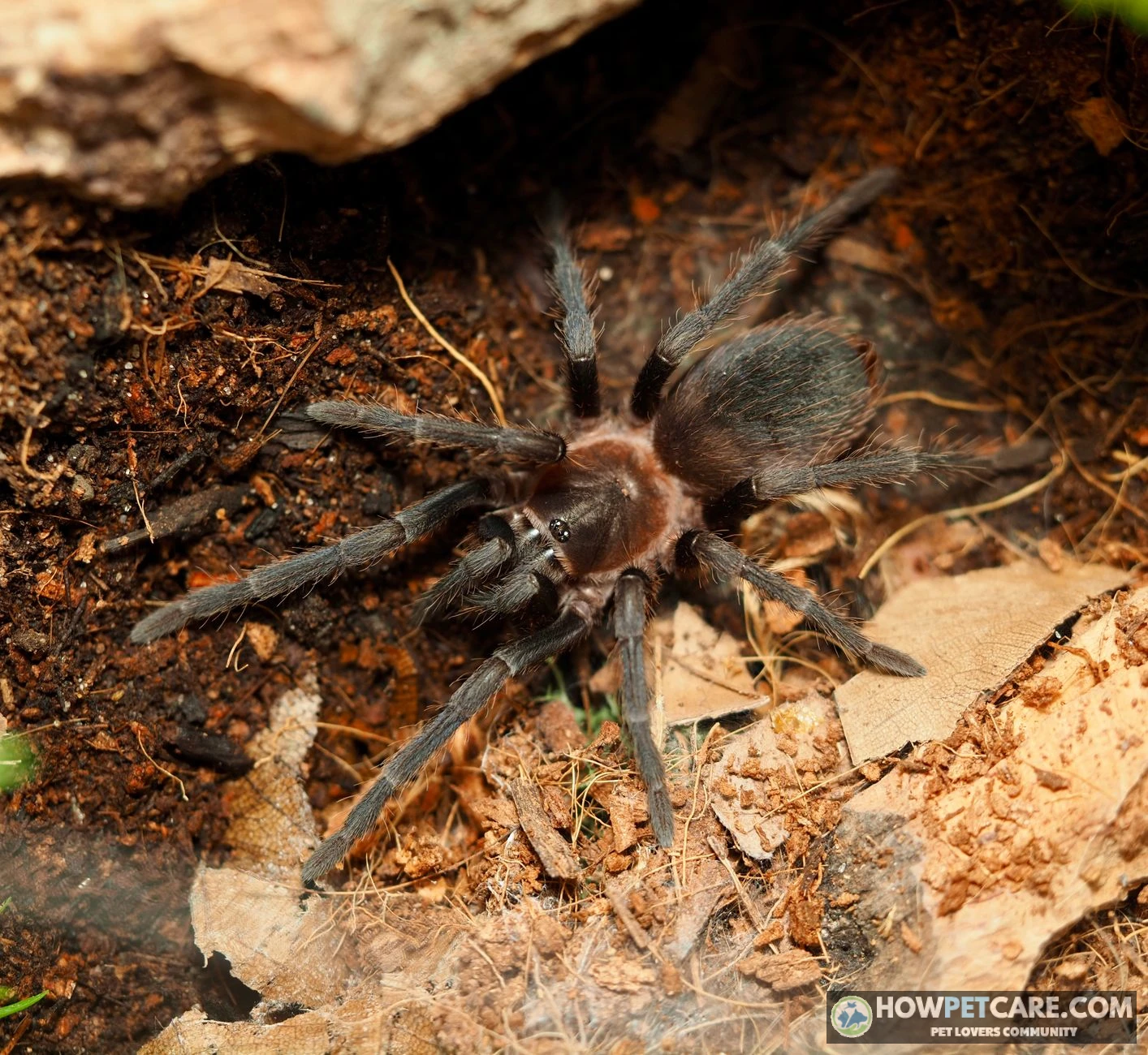
- Appropriate New World tarantulas may suit an owner who wants to observe rather than handle. Their irritating hairs, escape prevention and species-specific humidity still require attention.
None is easy for everyone. Land hermit crabs are often sold as starter animals, but their environmental and social needs put them in the intermediate tier.
Intermediate and advanced tier
Axolotls need stable water conditions; sugar gliders need compatible company and a carefully planned diet; chinchillas are sensitive to heat. Ferrets need extensive enrichment and can incur substantial medical costs, so research what ferrets cost before committing. Hedgehogs may be nocturnal and face legal restrictions. Parrots need daily social attention and can outlive an owner’s current housing or work situation. Ball pythons need a secure, properly heated enclosure and a plan for feeding problems.
Avoid tier: dangerous, protected or unsuitable animals
Don’t treat a big cat, primate, bear, venomous reptile or large constrictor as a private-pet project. Serious bites, escapes and inadequate housing can harm owners, neighbors, responders and the animal. Avoid wild-caught animals and specimens with unverifiable origins, including animals offered as a bargain or presented as a conservation rescue.
Low-maintenance picks for apartments and renters
A leopard gecko, corn snake or suitable tarantula may take up less space and make less noise than a bird or ferret. None is maintenance-free: daily observation, secure housing and species-appropriate conditions still matter. Get written landlord approval for the exact species, and ask your insurer whether animal-related damage and liability are covered.
What the lifetime commitment can cost
Even before getting local quotes, use the price and annual-care columns to test what you can afford. Under the illustrative ranges above, one bearded dragon kept for 10 years could involve $5,000–$12,000 in ordinary annual care alone, before the animal, enclosure, replacements and emergencies. The detailed example later in this guide shows how to build that estimate instead of treating the purchase price as the whole budget.
Are Exotic Pets Legal? Federal, State and Local Rules in the US
Federal law and the Big Cat Public Safety Act
Federal, state and local rules can all apply to the same animal. The Lacey Act can affect trade and transport; CITES regulates international trade in listed species through a permit system; and USDA licensing applies to certain regulated commercial or exhibition activities. A USDA license isn’t a general permit to keep an otherwise prohibited animal as a pet.
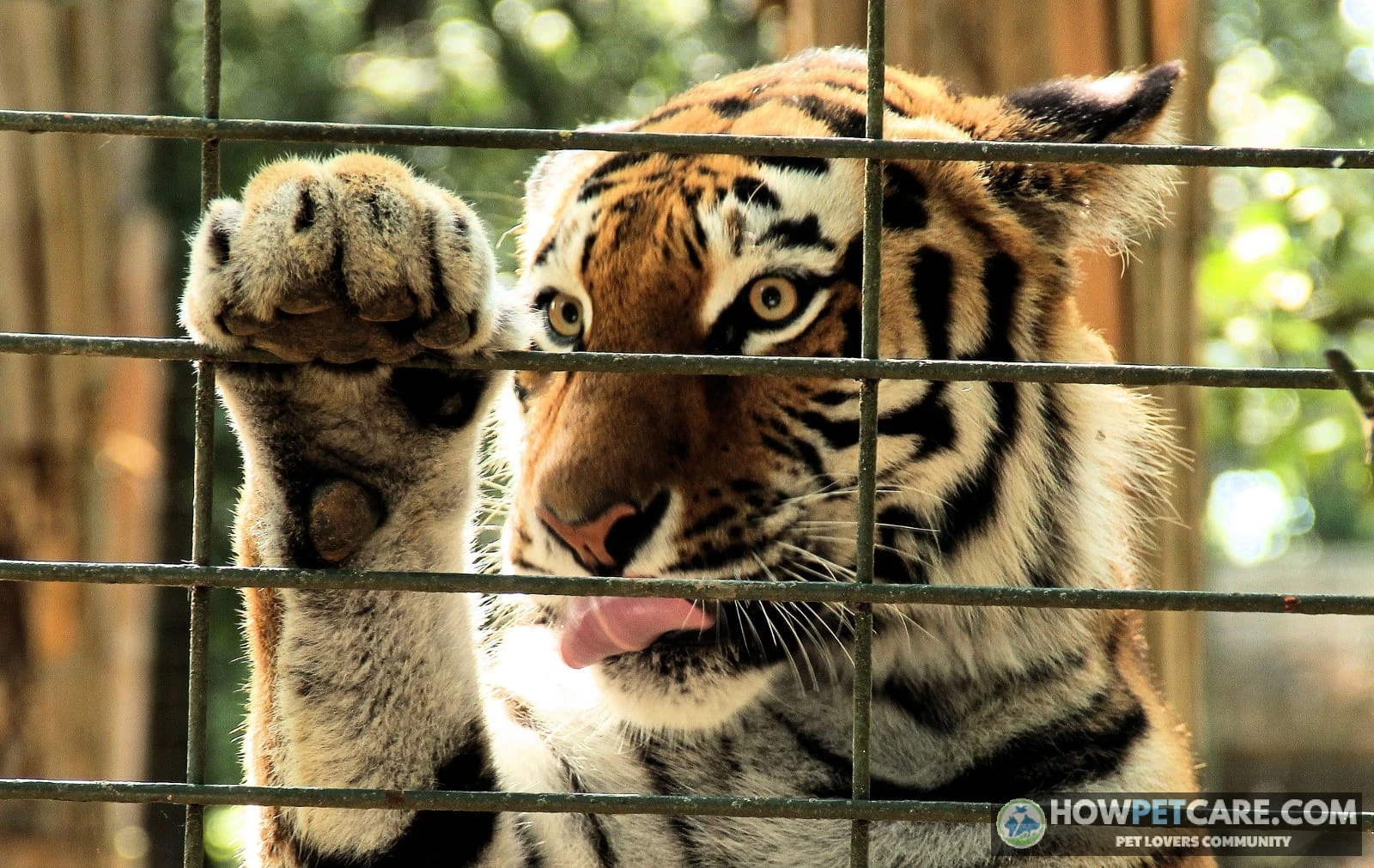
The Big Cat Public Safety Act, enacted in 2022, restricts private possession and breeding of covered big cats, subject to statutory exceptions and requirements. It also limits direct public contact with big cats. Claims that a private buyer can simply obtain a tiger cub with a state permit overlook federal law. The act concerns covered big cats, not bears generally; bear possession must be assessed under the applicable federal, state and local rules.
State-by-state examples by species group
The following are examples to investigate, not a complete state-by-state legal list. The restrictions below were last verified in November 2026, but the research doesn’t cover every species and jurisdiction, so don’t rely on these examples as current determinations. Verify each with the relevant state wildlife agency and local government.
| Species or group | Jurisdictions to investigate | Possible issue | Primary authority to consult |
|---|---|---|---|
| Ferrets | California, Hawaii and New York City | State or city restrictions on possession | California Department of Fish and Wildlife; Hawaii Department of Agriculture; NYC Health |
| Axolotls | California, Maine, New Jersey and Washington, DC | Restrictions or permit requirements may differ by jurisdiction | State wildlife or agriculture agency; DC animal-control authority |
| Hedgehogs | California, Georgia, Hawaii and Pennsylvania | Species-specific possession restrictions | State wildlife or agriculture agency |
| Sugar gliders | California, Hawaii, Alaska and Pennsylvania | Restrictions may depend on species and classification | State wildlife or agriculture agency |
| Reptiles, including snakes | Hawaii and the owner’s locality | Import, possession and species-specific restrictions | Hawaii Department of Agriculture; relevant state wildlife agency |
| Big cats | All states | Federal restrictions plus state and local law | US Fish and Wildlife Service and state wildlife agency |
| Monk parakeets | State and local jurisdiction | Agricultural or invasive-species rules | State agriculture and wildlife agencies |
| Tarantulas and hermit crabs | State and local jurisdiction | Species, collection and import rules | State wildlife agency and local animal control |
A state may distinguish possession from importation, breeding or sale. It may also use scientific names rather than pet-trade names. Ask the agency about your exact animal and circumstances; don’t assume a rule for one species applies to an entire group.
How to check your own state, county and lease
-
Identify the animal
Write down its common and scientific names, where it was bred, and whether it would cross a state line.
-
Ask the state
Contact the wildlife or agriculture agency about possession, import, permits and any documentation. Keep the response and its date.
-
Check local rules
Ask your county or city animal-control office about ordinances and any registration requirements.
-
Check housing and insurance
Obtain species-specific written approval from your landlord or HOA and ask your insurer about exclusions and liability.
A seller’s assurance that an animal is legal everywhere doesn’t replace these checks. An animal legally held in one place may still be illegal to import into another.
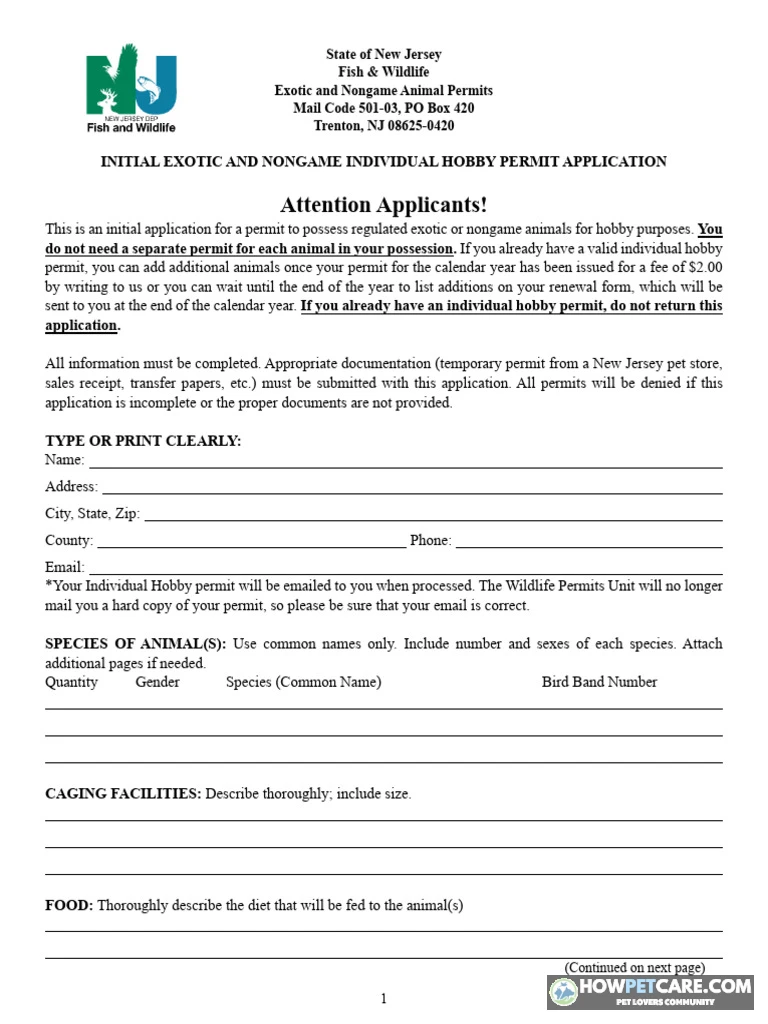
Applying for a Class II or Class III wildlife possession permit
Permit classes aren’t a national system. For example, Florida uses wildlife classes in its captive-wildlife rules; another state may use different categories or prohibit the animal outright. A class number alone doesn’t establish eligibility.
If your agency says a permit is available, get the current application and ask which classification covers the exact species. Read the experience, enclosure, inspection and recordkeeping requirements before paying for an animal or building an enclosure. Submit the requested application and supporting documents, arrange any required inspection, and wait for written approval before possession or import. Ask about renewal and what happens if you move.
Fees and processing times vary by agency, species and application. Get current figures directly from the permitting office; don’t assume an application will be approved or processed by a seller’s deadline.
What an Exotic Pet Really Costs Over Its Lifetime
A useful budget separates the animal’s price from the environment and years of care. The following are illustrative allowances, not collected retailer quotes or veterinary fee schedules. They’re intended to help you request comparable local prices, not to serve as verified market rates. Estimates assume an adult-sized enclosure, ordinary care and one animal unless noted. Regional veterinary fees, electricity rates, climate and the animal’s health can change the result substantially.
| Species and budgeting period | Animal | Enclosure and equipment | Annual diet and supplies | Annual heat, lighting and electricity | Annual routine vet allowance | Illustrative total |
|---|---|---|---|---|---|---|
| Bearded dragon, 10 years | $40–$250 | $325–$930 | $360–$720 | $112–$260 | $90–$220 | $5,985–$13,180 |
| Leopard gecko, 15 years | $25–$150 | $250–$700 | $120–$300 | $60–$180 | $90–$220 | $4,325–$11,200 |
| Fancy rat pair, 3 years | $20–$100 | $200–$500 | $250–$600 | $0–$30 | $150–$370 | $1,420–$3,810 |

The totals add the animal and setup once to the listed annual allowances multiplied by the budgeting period. They exclude emergency treatment, medication, major equipment replacement, boarding and permit fees. These periods are planning examples, not promises about individual lifespans. For a rat pair, a routine-care allowance may not cover separate exams and treatment for both animals in your area.
One-time setup: enclosure, heating, lighting and substrate
For the bearded dragon example, the $325–$930 setup allowance is meant to cover an adult-sized enclosure, appropriate UVB and heat equipment, temperature controls, hides, substrate and furnishings. Check each item against current husbandry guidance and local prices. A setup that works for a juvenile may need replacing as the animal grows.
Recurring costs: diet and nutrition, electricity and bulbs
The example assigns $360–$720 a year to diet and supplies and $112–$260 to electricity and lighting or heat-bulb replacement. These are budgeting assumptions, not measured bills. To estimate electricity for your home, multiply equipment wattage by hours of use, convert to kilowatt-hours and apply your utility’s rate. Actual use varies with thermostat settings, room temperature and equipment.
UVB output declines with use, so follow the lamp manufacturer’s replacement guidance and your veterinarian’s advice. Diet and nutrition also change with age and species; include live feeders or specialty foods when relevant.
Veterinary care and emergency costs
The table’s routine-care line isn’t an insurance policy. Ask a clinic for its exam fee, likely fecal-testing charges and emergency arrangements, then replace the allowance with its estimate. A normal first visit doesn’t rule out future illness. Set aside an emergency reserve before getting the animal, and ask the clinic what range would be realistic for stabilization or referral in your area.
Lifetime cost examples for three beginner species
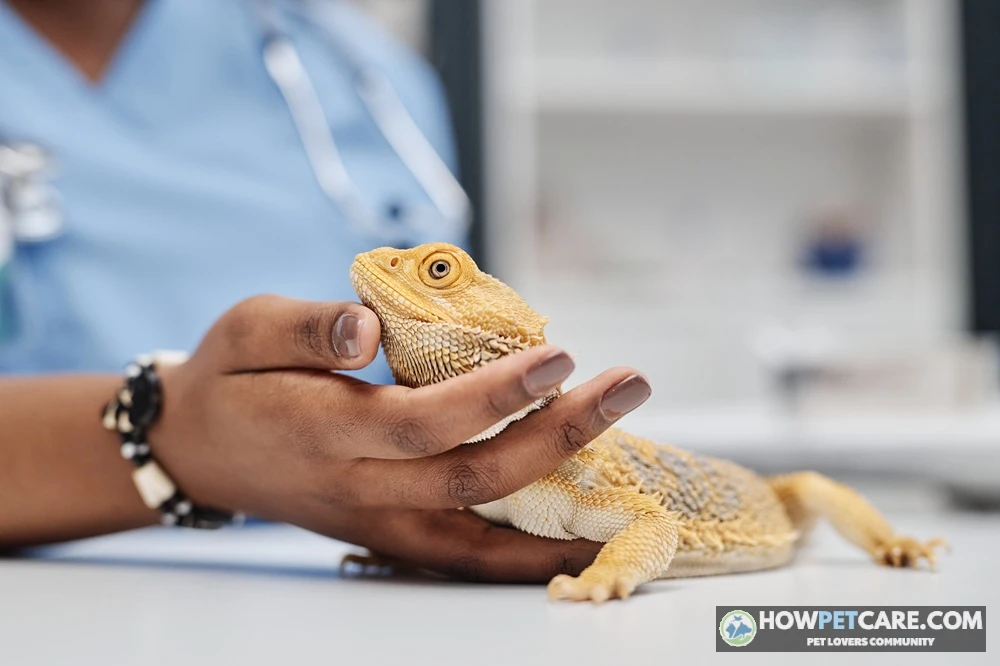
For the bearded dragon, these assumptions produce a first-year total of $927–$2,380: animal plus setup, food and supplies, energy and bulbs, and routine care. Over 10 years, the same arithmetic gives $5,985–$13,180, excluding the extra costs listed above.
The leopard gecko’s longer assumed lifespan produces $4,325–$11,200 over 15 years. A pair of rats has a shorter planning period, but both animals may need care at the same time. These examples illustrate the key point: a low purchase price says little about whether you can afford an animal for its whole life.
Price an adult-sized setup, ask a species-qualified clinic about routine and emergency fees, and use your own electricity rate. Keep a separate contingency fund rather than treating the low end of a range as a spending limit.
Zoonotic Diseases, Bites and Household Fit
Disease risks by species group and how to prevent them
Animals can look healthy while carrying organisms that make people sick. The Centers for Disease Control and Prevention (CDC) offers species-specific guidance on healthy contact with pets:
- Reptiles and amphibians: Salmonella can spread through the animal and its environment. Wash your hands with soap and running water after contact with the animal, enclosure, water or equipment. Don’t kiss or snuggle reptiles, and keep them out of food-preparation areas.
- Rats and other rodents: Rat-bite fever can follow a bite or scratch and can also be associated with contact with infected animals. Avoid rough handling, wash after contact, and seek medical advice promptly after a bite or symptoms following exposure.
- Small mammals: Ringworm and some parasites can spread between animals and people. Ask a veterinarian about appropriate examination and testing; a negative test doesn’t make every future contact risk-free.
- Birds: Psittacosis is an infection associated with certain birds. Discuss respiratory illness or unexplained bird illness with a veterinarian, and ask a healthcare professional about human symptoms after exposure.
Use dedicated cleaning equipment and keep enclosure cleaning away from kitchens. Ask a veterinarian how to quarantine a new animal from existing pets and which tests are appropriate; no universal screening panel guarantees that an animal is free of zoonotic diseases.
Kids, renters, allergies and other pets
CDC advises that households with children under five, adults 65 and older, or people with weakened immune systems avoid keeping reptiles and amphibians because of Salmonella risk. Pregnant people should also discuss relevant animal exposures and hygiene with a healthcare professional. A reptile isn’t an appropriate pet for a young child to handle independently.
Rats and other small mammals may bite when frightened; snakes can escape through small gaps; birds can bite and make noise; and feeder insects, feathers or dander may trigger allergies. Ask your clinician about concerns rather than assuming a hairless or enclosed animal is allergy-safe.
In multi-pet homes, prevent direct contact between predators and prey animals. A curious cat or dog can injure a small animal even during an apparently friendly interaction. Secure enclosures and keep cleaning equipment separate.
Welfare is part of household fit. An animal that can’t get adequate space, temperature, diet, enrichment and veterinary attention isn’t a suitable pet for that home, however appealing it looks online.
How to Buy Responsibly: Captive-Bred Proof and Seller Vetting
Captive-bred vs. wild-caught: what to confirm
Captive-bred means born in captivity; wild-caught means removed from the wild. Captive breeding can reduce pressure associated with wild collection, but a label alone doesn’t prove origin or good welfare. Wild collection can harm populations and expose animals to capture and transport stress. Don’t buy a wild-caught animal or treat an unverifiable origin as a minor paperwork issue.
For a CITES-listed species, ask what documentation applies to its history and any international movement. CITES requirements depend on the listing and transaction; not every domestic sale necessarily comes with an individual CITES permit. Check claims with the US Fish and Wildlife Service. Documents are evidence to examine, not automatic proof of lawful origin.
Questions to ask a breeder or store
Before paying a deposit, ask:
- Was this individual captive-bred? What are its hatch or birth date and breeding-record details?
- Can you show the enclosure and explain the animal’s feeding history, including what it eats now?
- Was it quarantined or examined by a veterinarian? Can you share relevant records without overstating what the tests prove?
- What paperwork supports its origin and any import or export history?
- What are the written return policy and health terms? Will you answer care questions after placement?
- Has a rescue or previous owner supplied records if this is a rehomed animal?
A responsible rescue can be a good option, though the animal’s full history may be unknown. Specialist breeders, pet stores and expo sellers all need the same scrutiny. Look to local species-specific rescues, humane societies and herpetological societies for guidance rather than assuming any sales venue guarantees welfare.
Red flags that should end the conversation
Walk away from a seller who can’t explain an animal’s origin, refuses to show its living conditions, pressures you to pay immediately or dismisses legal questions with a blanket assurance. Crowded or visibly dirty enclosures, multiple sick-looking animals and refusal to document the transaction are also reasons to stop. An unusually low price warrants questions but doesn’t prove illegal sourcing on its own. A live-arrival guarantee likewise says nothing by itself about ethical breeding or appropriate shipping.
Before You Commit: Exotic Vets, Power Outages and Surrender Options
Finding an exotic vet before you buy
Search the Association of Reptile and Amphibian Veterinarians directory for reptiles or amphibians and the Association of Avian Veterinarians directory for birds. A directory listing is a starting point, not a guarantee of availability or specialist certification. Call the clinic to confirm it treats your exact species, ask about routine and emergency fees, and find out where it refers after-hours cases.
If the nearest clinic is more than an hour away, think through the trip during an emergency—not just on a normal workday. Ask about university teaching hospitals, mobile services and whether remote follow-up is legally and medically appropriate. Telehealth can’t replace an examination or hands-on emergency treatment. If realistic access to care isn’t possible, postpone getting the animal.
Emergency plan for power outages and heat loss
For heat-dependent animals, write down the species’ safe temperature range and monitor the enclosure with a reliable thermometer. Keep a secure transport container, insulation and a backup power or warming plan suited to the animal. Ask your veterinarian how to use external heat packs safely: burns and overheating are risks, so don’t put an animal directly against a heat source. Never use a fuel-burning generator indoors.
Know where you could relocate the animal if an outage lasts longer than your backup can support. Unusual sluggishness or poor responsiveness can signal a problem, but signs vary by species; contact a veterinarian rather than assuming the animal is merely cold. Aquatic animals may also need a plan for water quality and equipment failure.
Rehoming and surrender: who accepts exotic pets
Before acquisition, ask the breeder or rescue whether it will take the animal back. Identify species-specific rescues, reptile or small-mammal rescues, local humane societies and legitimate sanctuaries, and confirm which species they accept. Space may be limited, so a directory listing doesn’t guarantee placement.
Name a backup caretaker and leave written feeding, enclosure and veterinary instructions with an emergency fund. If you must surrender the animal, share its history and records. Never release it outdoors: doing so can harm the animal and local ecosystems and may violate the law.
Are You Ready? A Pre-Purchase Checklist and Next Steps
Pre-purchase readiness checklist
Check every item before committing to an animal:
- ☐ I confirmed the exact species’ state and local status with the relevant agencies and saved their responses.
- ☐ My landlord or HOA approved the species in writing, and I checked insurance exclusions.
- ☐ A reachable veterinarian confirmed that the clinic treats this species; I know the emergency referral plan.
- ☐ I priced the enclosure, ongoing care and expected lifespan, and set aside an emergency reserve.
- ☐ I reviewed household health risks, allergies and conflicts with existing pets.
- ☐ I understand whether the animal needs compatible companions and have budgeted for them.
- ☐ I can provide the correct enclosure, diet, enrichment and environmental controls every day.
- ☐ I have a power-outage and evacuation plan appropriate to the species.
- ☐ I have a travel caregiver, a longer-term backup caretaker and a realistic rehoming plan.
- ☐ I want to care for the animal even if it is nocturnal, dislikes handling or never behaves like the animals I see online.
Who should not get an exotic pet
Pause if housing rules say no, veterinary care is inaccessible, emergency expenses are beyond your budget or you can’t meet the animal’s welfare needs. Choose a different type of pet if someone in your household faces a disease risk they can’t accept. In particular, follow CDC guidance on reptiles and amphibians in households with young children, older adults or immunocompromised people.
If social media trends are your main reason for getting one, spend time learning or volunteering with a rescue before committing. A conventional pet isn’t automatically easy, but it may better suit your household and local veterinary options.
Your next steps, in order
Verify the law for your exact species, narrow the matrix to two or three candidates, and speak with a veterinarian who treats them. Get local cost estimates and study a reliable species-specific care guide. Set up and test the enclosure before the animal arrives; a two-week trial can reveal equipment or temperature problems, although aquatic systems may need longer to establish. Contact a carefully vetted rescue or seller only after those steps.
FAQ
Is a ferret an exotic pet?
Ferrets are domesticated, but most vets and many state laws treat them as exotic pets. California and Hawaii prohibit them, and some cities such as New York City do too, so check local rules before buying.
Are axolotls legal to own in the US?
It depends on the state. Axolotls are restricted in several jurisdictions, including California, Maine, New Jersey and Washington, DC. Confirm the current rule with your state wildlife agency before purchasing.
Does renters or homeowners insurance cover exotic pets?
Often it does not. Many policies exclude certain species or limit liability coverage for animals other than common dogs and cats, so ask your insurer in writing and check your lease before buying.
How long do exotic pets live?
Lifespans vary widely. Some small mammals live only a few years, while many reptiles and parrots live 10 to 30 years or longer. Check the species’ typical captive lifespan before committing.
Is it ethical to keep an exotic pet?
It can be when the animal is captive-bred, legally owned and kept in conditions that meet its species-specific needs for the whole of its life. Buying wild-caught animals or keeping species that cannot be housed properly is not ethical.