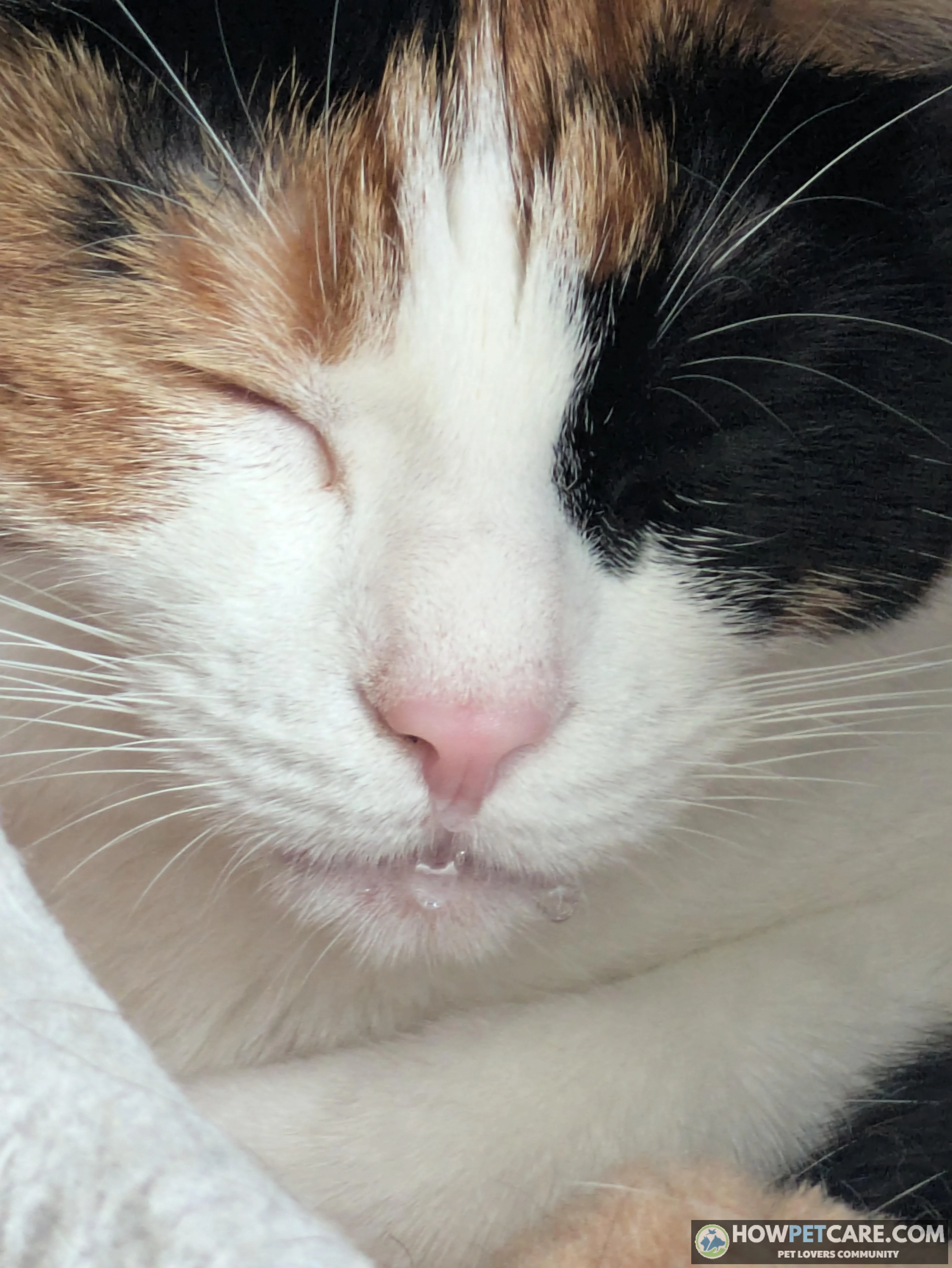

A little drool can be normal if it appears only while your cat is relaxed, purring, kneading, or asleep and stops afterward. New, heavy, persistent, or unexplained drooling warrants a same-day call to your veterinarian. Seek emergency care for breathing trouble, collapse, seizures, suspected heatstroke, poisoning, or a swallowed string.
A little drool can be normal if it appears only while your cat is relaxed, purring, kneading, or asleep and stops when that moment ends. If you’re asking why is my cat drooling because it’s new, heavy, persistent, or unexplained, call your veterinarian promptly, ideally the same day. Go to an emergency veterinarian now for breathing trouble, collapse, seizures, suspected heatstroke, possible poison exposure, or a swallowed string or other object. Act even if your cat seems fine when a toxin or string may be involved.
Why Is My Cat Drooling? A 60-Second Triage
Work through these three buckets from top to bottom. The first one that fits tells you what to do next. You don’t need to identify the cause before getting help.
Bucket 1 — Emergency veterinarian now
- Trouble breathing, choking, or obvious difficulty swallowing.
- Collapse, seizure, severe weakness, or unresponsiveness.
- Drooling with panting, wobbliness, or abnormal gum color after heat exposure or time in a hot car.
- A possible swallowed string, ribbon, thread, tinsel, or toy part. Don’t pull anything hanging from the mouth.
- Possible toxin exposure, such as a chewed plant, spilled chemical, dog flea product, or dropped pill—even if your cat looks normal.
Put your cat in a carrier and leave for an emergency clinic. Call ahead or contact an animal poison service on the way if you can, but don’t delay travel to search for evidence.

Bucket 2 — Call your veterinarian today
- Drooling is new, keeps returning, is heavier than usual, or has no clear, harmless explanation.
- Your cat won’t eat, drops food, chews on one side, paws at the mouth, or seems painful.
- There’s bad breath, blood, or thick saliva, or your cat has vomited repeatedly.
- Your cat is a kitten, senior, or has a chronic condition; use a lower threshold for getting advice.
Bucket 3 — Monitor for 24–48 hours
- Drooling happens only during familiar relaxed petting, kneading, purring, or sleep.
- It stops when the activity ends, and appetite, energy, and litter-box habits remain normal.
If these points fit, the drooling is usually benign. Note when it happens and watch for changes. If it becomes persistent, returns outside those situations, or comes with other symptoms, move to Bucket 2. Symptom clusters can help you judge urgency, but they can’t diagnose the cause.
Cat Drooling Causes: Match the Symptoms to Urgency
The amount or appearance of saliva alone can’t tell you whether the cause is harmless. Sudden excessive salivation is called hypersalivation, or ptyalism. It can accompany anything from nausea to mouth irritation or toxin exposure.
| Possible cause or situation | Signs to look for | Urgency | What to do now |
|---|---|---|---|
| Relaxation-related drooling | Only while purring, kneading, being petted, or asleep; stops afterward; normal appetite | Usually benign | Observe for 24–48 hours and note whether the pattern changes |
| Brief drooling after a bad taste | Starts after a bitter medication or other unpleasant taste; resolves and the cat returns to normal | Monitor briefly | Remove access to the source and offer water; call a vet if it persists, the dose may be wrong, or symptoms develop |
| Nausea or motion sickness | Lip-licking, repeated swallowing, hiding, vomiting, or drooling during a car ride | Same-day call if persistent or recurring | Note the trigger and any vomiting; contact your veterinarian if it continues or returns |
| Dental disease, gingivitis, or stomatitis | Bad breath, red gums, dropping food, chewing on one side, pawing at the mouth, or a wet chin | Same-day call | Arrange a prompt oral exam; don’t force the mouth open |
| Upper respiratory infection | Drooling with sneezing, eye or nose discharge, congestion, or reduced appetite | Same-day call | Keep water available and limit contact with other cats while you seek advice |
| Foreign body, including string | Sudden drooling with gagging, pawing at the mouth, visible material, or trouble swallowing | Emergency | Go now; never pull or cut protruding material |
| Toxin exposure | Possible contact with a plant, chemical, medication, or food; signs may develop later | Emergency | Remove access, save packaging or a photo, and call a veterinarian or poison service immediately |
| Heatstroke | Drooling with panting, wobbliness, vomiting, or abnormal gums after heat exposure | Emergency | Move to a cooler area and go to an emergency veterinarian; don’t delay to treat at home |
| Possible rabies or neurological problem | Drooling with unexplained aggression, disorientation, or major behavior change | Emergency | Avoid handling the cat and contact a veterinarian or local animal control immediately |

Sudden or clear, watery drooling: what the appearance can and cannot tell you
Clear, watery saliva doesn’t prove that drooling is harmless. A sudden change may reflect nausea, oral irritation, a foreign body, or an exposure, among other possibilities. Judge urgency by the full picture: behavior, appetite, breathing, other symptoms, and possible access to hazards. Don’t rely on saliva color alone.
Drooling alone doesn’t diagnose rabies. But if it occurs with unexplained neurological changes or aggression, avoid handling the cat and promptly contact a veterinarian or local animal control.
Dental pain, nausea, infection, and other possible explanations
Dental disease can include gingivitis, periodontal disease, tooth resorption, and feline stomatitis. Rather than showing obvious distress, a cat with mouth pain may drop food, chew on one side, paw at the face, or be reluctant to eat. A veterinarian may need to examine the mouth more thoroughly than a calm look at home allows.

Nausea from motion sickness, digestive problems, or other illness can also cause drooling. Upper respiratory infections, including feline calicivirus, may cause painful mouth ulcers along with signs such as sneezing or nasal discharge. An object caught in the mouth or throat can trigger sudden, heavy salivation. These are possibilities, not a diagnosis; a vet can assess the cause.
Cat Drooling but Acting Normal: How Long Can You Wait?
A cat can appear normal at first after a toxin exposure or swallowed object. If either is possible, don’t wait for vomiting, weakness, or other signs. Call a veterinarian or animal poison service immediately.
If the drooling is light, familiar, limited to relaxation, and stops afterward, you can observe for 24–48 hours while watching appetite and behavior. If it’s new or unexplained, check for possible exposures and signs of mouth discomfort. Call your veterinarian the same day if it persists, returns, is excessive, or has no clear harmless explanation. Don’t wait 24 hours when an emergency sign or possible exposure is present.
Use a lower threshold for prompt advice if your cat is a kitten or senior, or has a chronic illness, existing dental problems, or relevant medications. These cats may have less reserve or additional health factors, so tell the clinic about your cat’s age and medical history when you call.

Check for These Toxins After Sudden Drooling or Outdoor Access
If drooling started suddenly, especially after outdoor access, a new plant, or visitors bringing medications, do a quick sweep while arranging veterinary advice. You’re gathering clues, not deciding whether an exposure is safe.
Plants and flowers
Check bouquets, houseplants, garden areas, and vase water for:
- True lilies and daylilies, including Easter, tiger, and Asiatic lilies. Every part of a lily can be dangerous to cats; pollen on fur and vase water matter too. Contact a veterinarian immediately after a possible exposure.
- Sago palm, dieffenbachia (dumb cane), tulip and daffodil bulbs, pothos, and philodendron.
- Chewed leaves, disturbed soil, or petals on the floor near any plant.

Chemicals, medications, and foods
Look for antifreeze in a garage or driveway; household cleaners a cat may have walked through and groomed off; insecticides, snail or rodent bait, and treated lawns; and dog flea treatments containing permethrin. Check for dropped or accessible acetaminophen, ibuprofen and other NSAIDs, human antidepressants, onions, garlic (including powdered forms), chocolate, and products sweetened with xylitol.
After your cat has been outside, consider access to garages, treated lawns, bait, unfamiliar plants, or prey. Don’t assume an unknown exposure is safe because your cat is acting normally. Save the product packaging or photograph the plant, and note the likely time and amount of contact. Call a veterinarian or animal poison service immediately if exposure is possible.

What to Do at Home Before the Vet Visit
Move your cat to a quiet place and remove access to any suspected hazard. Note when the drooling began, whether your cat is eating and drinking, any vomiting or behavior changes, and possible exposure. Offer fresh water, but don’t force it. Don’t give human medicine or home remedies.
How to check the mouth without forcing it
A home check is only a surface look, not a substitute for an exam. Skip it and seek emergency care if your cat is struggling to breathe or swallow, choking, seizing, or behaving aggressively. Even a frightened cat that normally tolerates handling may bite when in pain.
- Check breathing first. If breathing is difficult, don’t inspect the mouth; go to an emergency veterinarian.
- Wait for a calm moment. Use good light. Don’t restrain a struggling cat; a helper should hold the cat loosely only if the cat remains calm.
- Lift the lip, not the jaw. With clean hands, gently raise the upper lip on each side. Look for a red gum line, swelling, a visibly broken or discolored tooth, heavy tartar, or material near the front teeth.
- Let the cat open its mouth naturally. A yawn or lip-lick may briefly reveal the tongue without forcing the jaw.
- Stop if your cat resists or seems painful. Don’t force the mouth open, put fingers deep inside, or reach toward the throat. Leave a thorough exam to the veterinarian.
- Record what you noticed. A wet chin, bad breath, or visible gum redness—and when it started—can help the vet. Don’t pull any material you see.

If your cat is drooling and not eating, call your veterinarian promptly the same day. Seek urgent care if your cat is weak, distressed, unable to swallow, or showing another emergency sign.
Suspected Poison or Swallowed String: Emergency Protocol
If poison exposure is possible
- Stop further access if you can do so safely; avoid touching or cleaning up an unknown substance without protection.
- Call an emergency veterinarian or animal poison service immediately and follow its instructions. Don’t wait for symptoms.
- Bring the product container or a clear photo of the label. Share the likely time, amount, and route of exposure, if known.
- Don’t induce vomiting or give milk, oil, food, medicine, or activated charcoal unless a veterinarian or poison expert specifically tells you to.
- Use a carrier and call the clinic on the way if possible, without delaying travel.
If string or another foreign body may have been swallowed
Go to an emergency veterinarian and call ahead when possible. Don’t pull string, thread, ribbon, or any material protruding from the mouth or anus, and don’t cut it. It may be anchored inside the digestive tract, and pulling can cause serious injury. Don’t reach into the throat or try to remove an object yourself. Prevent further chewing only if you can do so without putting yourself or your cat at risk.
What the Vet Will Do and What It May Cost
The veterinarian will ask when the drooling began, whether it’s continuous or comes and goes, and about eating, vomiting, medications, and possible exposures. An exam may include checking the mouth, teeth, gums, hydration, and general condition. Depending on the findings, the vet may recommend bloodwork, imaging, sedation for a closer oral exam, dental X-rays, or toxin-specific assessment.
Treatment depends on the cause. It may involve nausea or pain management, dental care, fluids, decontamination, hospitalization, or surgery. Some cats can be assessed and treated the same day; complex poisoning, dental problems, or foreign-body cases may need more care and time. Ask what needs to happen immediately and what can safely wait.
The following are rough U.S. dollar ranges, not quotes. Actual prices vary by location, clinic, urgency, and what’s included, so ask for an itemized estimate. These ranges can help you plan, but they aren’t guaranteed 2026 prices.
| Service or treatment | Approximate cost range | When it may be needed | Important cost considerations |
|---|---|---|---|
| Routine exam and oral check | About $50–$120 | Initial assessment for non-emergency drooling | Exam fee only; tests and treatment are additional |
| Emergency or walk-in exam | About $100–$250 | Urgent symptoms or after-hours care | Triage and emergency fees can add to the total |
| Bloodwork (CBC and chemistry) | About $80–$250 | Possible toxin exposure, infection, organ issues, or pre-anesthesia screening | Ask which tests are most urgent and whether panels are bundled |
| X-rays or ultrasound | About $150–$450 | Suspected foreign body or other internal problem | Multiple views, sedation, and imaging type affect cost |
| Dental cleaning under anesthesia | About $300–$900 | Dental disease or a more thorough oral assessment | Confirm whether anesthesia, monitoring, and dental X-rays are included |
| Dental extractions | Roughly $150–$600 or more | Diseased or broken teeth | Total depends on the number and difficulty of extractions |
| Toxin treatment and fluids | About $300–$1,000 or more | Suspected or confirmed poisoning | Treatment and monitoring depend on the substance and severity |
| Foreign-body removal or surgery | About $800–$3,000 or more | Object requiring endoscopy or surgery | The method and complexity can change the bill substantially |
| Emergency hospitalization | About $500–$1,500 per day | Severe poisoning, heat illness, or post-surgical monitoring | Ask what the daily estimate includes and when it will be updated |

Before non-emergency procedures, ask for an itemized estimate and which tests are most urgent. If cost is a concern, say so early and ask whether diagnostics can be staged or what payment options are available. Don’t delay emergency care to compare prices.
Your Next Steps for a Drooling Cat
- Familiar, light drooling during relaxation only: Observe for 24–48 hours and note whether it stops afterward. Call your veterinarian if the pattern changes.
- New, persistent, recurring, excessive, or unexplained drooling: Call your veterinarian promptly, ideally the same day. Mention appetite changes, mouth pain, age, chronic conditions, and any medication.
- Possible toxin or swallowed string, breathing trouble, collapse, seizure, or suspected heatstroke: Contact an emergency veterinarian immediately and follow the relevant protocol. Bring packaging or exposure details if available, but don’t delay care to find them.

FAQ
Why does my cat drool when I pet them or while they are purring and kneading?
Some cats dribble a little saliva when deeply relaxed during petting, purring, and kneading. If it is new, excessive, continues afterward, or comes with appetite or behavior changes, contact your veterinarian.
Is it normal for a cat to drool while sleeping?
A small amount of saliva during deep sleep can occur, especially if it is a familiar pattern and stops on waking. New or persistent drooling, a bad smell, or difficulty eating warrants a veterinary call.
Can stress or a car ride make a cat drool?
Stress and motion sickness can cause drooling during a car ride. If it does not settle after the trip, happens repeatedly, or comes with other symptoms, ask a veterinarian for advice.
Can a bitter medication make my cat drool or foam at the mouth?
An unpleasant taste can briefly cause drooling or foaming after a medication. If the dose or product may be wrong, or the drooling persists or comes with other symptoms, contact a veterinarian immediately.