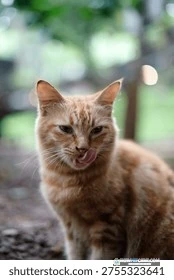

A cat sneezing a lot is usually reacting to harmless airborne irritants or an early viral upper respiratory infection like feline herpesvirus. However, if sneezing occurs alongside thick yellow-green discharge, blood, facial swelling, extreme lethargy, or open-mouth breathing, prompt veterinary examination is essential to treat severe infections, foreign bodies, or dental disease.
If your cat sneezes frequently, check their overall behavior first. An alert pet sneezing isolated puffs while eating and playing normally usually has a mild nasal tickle or dust reaction. Sudden labored breathing, fresh blood, severe lethargy, or complete refusal to eat signals an acute veterinary emergency.
Use this quick symptom-triage matrix to match discharge and sneeze patterns with possible causes and the appropriate level of veterinary care:
| Discharge and Sneeze Pattern | Possible Cause | Appropriate Response |
|---|---|---|
| Clear discharge with occasional sneezing | Mild irritation or early viral URI | Monitor while appetite, energy, and breathing remain normal |
| Thick yellow-green discharge with clustered sneezing | Secondary bacterial rhinitis | Arrange prompt veterinary assessment |
| Bloody or one-sided discharge with violent bursts | Foreign body, dental disease, fungal disease, or nasal mass | Seek urgent veterinary care |
| Open-mouth breathing, collapse, or severe breathing effort | Acute respiratory distress | Go to an emergency clinic immediately |
Disclaimer: This guide is for informational purposes and does not replace professional veterinary examination, diagnosis, or care.
Immediate Triage: Is Your Cat’s Frequent Sneezing an Emergency?
When a cat sneezes repeatedly throughout the day, separate benign nasal irritation from serious respiratory compromise. Cats normally breathe through their noses, so substantial blockage, severe swelling, or lower airway involvement can create immediate respiratory stress.
Critical Emergency Signs Requiring Immediate Care
When to seek emergency care: Take your cat to an emergency clinic immediately if you notice any of these clinical signs alongside sneezing:
- ☐ Breathing – Is the cat breathing with an open mouth or panting?
- ☐ Nasal Bleeding – Is there any fresh blood from the nostrils?
- ☐ Sneezing Pattern – Are sneezes occurring in violent, nonstop bursts (>10 in a row)?
- ☐ Appetite – Has the cat refused food for more than 24 hours?
- ☐ Energy Level – Is the cat extremely lethargic or unable to stand?
- ☐ Fever – Does a rectal temperature read above 103 °F (≈39.4 °C)?
If any box is checked, call your veterinary clinic immediately and request urgent guidance. Cats that experience open-mouth breathing are in acute respiratory distress, which can become life-threatening rapidly.

When It Is Safe to Monitor at Home for 24–48 Hours
If your cat is sneezing a lot but acting normal—maintaining good energy, eating meals eagerly, and showing clear eyes with no discharge—you can monitor them at home for 24 to 48 hours. Environmental dust, household aerosol sprays, or a quick tickle in the nasal passages frequently cause temporary sneezing fits that resolve once the irritant clears.
Symptom Triage Matrix: Decoding Discharge Types and Sneeze Patterns
A symptom-triage matrix that matches discharge type and sneeze pattern to specific causes helps owners decide when veterinary care is necessary by distinguishing mild irritation or viral illness from possible bacterial infections, foreign bodies, or structural masses. It cannot diagnose the cause, but it can clarify whether monitoring, a prompt appointment, or emergency care is appropriate.
Feline Sneezing Symptom Triage Matrix
| Discharge Characteristic | Sneeze Frequency & Pattern | Accompanying Symptoms | Possible Etiology | Urgency Level |
|---|---|---|---|---|
| Clear, watery | 1–3 sneezes per hour, intermittent | Mild nasal rubbing, normal play | Early viral URI (FHV-1, FCV) or dust irritant | Low – monitor 24–48 h |
| Mucopurulent yellow-green | 5–10 sneezes per hour, clusters | Low-grade fever, eye discharge, mild loss of smell | Secondary bacterial rhinitis | Moderate – vet within 48 h |
| Thick bloody or unilateral | Sudden violent bursts, often one side | Pawing at nose, facial swelling, possible facial nerve signs | Nasal foreign body (grass awn) or neoplasia | High – urgent veterinary assessment |
| Reverse-sneeze (silent, rapid inhalation) | Repeated short “snorts” | No discharge, cat looks startled | Nasopharyngeal irritation or soft-palate anomaly | Low – observe, consider veterinary check if persistent |
True Sneezing vs. Reverse Sneezing vs. Coughing
Respiratory sounds can sound surprisingly similar. Sorting them out before your appointment helps your vet reach an accurate diagnosis faster:
- True Sneezing: An explosive, involuntary exhalation of air through the nose and mouth to expel irritants from the upper nasal passages. It often involves a sudden head jerk downward and audible spray.
- Reverse Sneezing: A series of rapid, forceful, spasmodic inhalations through the nose. The cat stands still, extends their neck, flattens their ears, and produces a loud snorting or honking sound. This reflects irritation in the nasopharynx—the area behind the nasal cavities and above the soft palate—rather than the front nasal passages.
- Coughing and Feline Asthma: Coughing involves an extended neck with the body crouched low to the ground, producing a dry, hacking, or wet retching sound from the chest. Asthma attacks may look like coughing fits accompanied by wheezing, abdominal effort, and open-mouth breathing. Breathing difficulty requires immediate veterinary care rather than home monitoring.
Discharge Consistency: Clear vs. Mucopurulent vs. Bloody
Discharge characteristics offer useful clues regarding the underlying problem:

- Clear (Serous) Discharge: May signal an early-stage viral upper respiratory infection, such as Feline Herpesvirus or Feline Calicivirus, or direct contact with airborne irritants like scented litters, smoke, or perfumes.
- Yellow or Green (Mucopurulent) Discharge: May occur with secondary bacterial rhinitis. White blood cells at sites of inflammation or tissue breakdown contribute to thick mucus that can crust around the nares and impede breathing.
- Bloody Discharge (Epistaxis) or Unilateral Secretions: Fresh blood or discharge draining from only one nostril can occur with an inhaled foreign body such as a foxtail, fungal rhinitis like Cryptococcus, an invasive dental root abscess, or nasal neoplasia.

Primary Causes of Excessive Sneezing Across Feline Life Stages
The medical reasons behind frequent sneezing can vary depending on the cat’s age and environment.
Kittens: Viral Flares and Structural Polyps
In kittens and young cats, many persistent sneezing episodes stem from infectious feline upper respiratory infections (URIs). Two primary culprits, Feline Herpesvirus-1 (FHV-1) and Feline Calicivirus (FCV), account for roughly 90% of all feline viral respiratory infections.
FHV-1 can cause severe conjunctivitis, corneal dendritic ulcers, and widespread rhinitis. Once infected, cats harbor the virus latently in their trigeminal ganglia for life; physical stress, re-homing, or illness can trigger recrudescence and acute sneezing flares later. FCV, by contrast, frequently presents with painful ulcerations on the tongue, hard palate, and nose, leading to severe drooling and anorexia alongside sneezing.
Bacterial pathogens like Chlamydia felis, Bordetella bronchiseptica, and Mycoplasma species can act as primary or secondary invaders in kittens. Additionally, kittens that exhibit chronic, unresolving snorting and sneezing may suffer from congenital anomalies or nasopharyngeal polyps—benign, inflammatory stalks of tissue originating in the middle ear or eustachian tube that extend into the back of the throat and nasal passage.

Adult Cats: Environmental Triggers and Inhaled Irritants
For healthy adult indoor cats, sudden bouts of sneezing with no discharge frequently point to acute environmental triggers:
- Dusty Clay Cat Litter: Sodium bentonite clay litters can generate airborne micro-particulates when poured or kicked up during digging, irritating sensitive mucous membranes.
- Chemical Sprays and Perfumes: Aerosol air fresheners, essential oil diffusers, scented candles, cleaning bleaches, and carpet powders can prompt sneezing attacks.
- Smoke and Vaping Aerosols: Secondhand tobacco smoke, cannabis smoke, and aerosolized e-liquids can cause airway irritation and trigger rhinitis.
- Inhaled Foreign Bodies: Outdoor or indoor-outdoor cats exploring dry vegetation can inhale small plant awns or grass blades. These may become lodged in the narrow nasal turbinates, triggering violent, acute paroxysms of sneezing often accompanied by pawing at the face or unilateral epistaxis.
Brachycephalic breeds like Persians, Himalayans, and Exotic Shorthairs possess compressed facial structures, narrowed nostrils, and elongated soft palates. Their anatomy can leave them vulnerable to upper airway turbulence, reverse sneezing, and trouble clearing simple dust.

Senior Cats: Dental Root Abscesses and Nasal Tumors
When a cat over the age of nine or ten begins sneezing frequently, clinicians may look closely at localized physical disease rather than assuming a simple viral infection:
- Dental Root Abscesses: The roots of a cat’s maxillary canines and fourth upper premolars extend directly adjacent to the ventral floor of the nasal cavities. Advanced periodontal disease or tooth root infections can erode through this thin bone plate, introducing bacteria directly into the nasal passages and producing chronic unilateral rhinitis, discharge, and sneezing.
- Nasal Neoplasia: Tumors inside the feline nasal cavity—most commonly nasal lymphoma and adenocarcinoma—typically appear in older felines. Signs may begin subtly with chronic sneezing and progress to unilateral bloody discharge, facial asymmetry, snoring, and weight loss.
Case Contrast: Kitten URI vs. Senior Dental Sinus Infection
Kitten (3 months)
- Presentation: 8 sneezes/hr, clear discharge, watery eyes, mild fever (101.5 °F).
- Action taken: Owner isolated the kitten, started humidifier sessions (10 min, 2×/day), and warmed wet food.
- Vet workup (Day 2): PCR panel – positive for feline herpesvirus; no antibiotics needed.
- Outcome: Symptoms resolved in 7 days; no further vet visits.
Senior cat (12 years)
- Presentation: 12 sneezes/hr, thick yellow-green unilateral discharge, occasional bloody spots, reduced appetite for 3 days, weight loss of 5%.
- Action taken: Owner logged 48-hour sneezing patterns and contacted the clinic after identifying appetite loss on the emergency checklist.
- Vet workup: Dental radiographs revealed a maxillary canine root abscess eroding into the nasal cavity; rhinoscopy confirmed secondary localized infection.
- Treatment: Surgical tooth extraction ($350) + 10-day culture-guided antibiotic therapy ($120).
- Outcome: Sneezing resolved completely following extraction; appetite returned within 48 hours.
Takeaway: Similar clinical signs—frequent sneezing—can arise from fundamentally different mechanisms across life stages. A kitten with a viral flare may need supportive care, whereas a senior cat with dental disease may require targeted surgical and dental intervention.

Safe At-Home Supportive Care While Awaiting the Vet
If your cat shows no red-flag emergency symptoms and is waiting for a scheduled visit, several gentle home measures can ease congestion and help maintain hydration.
Uncomplicated viral upper respiratory infections generally run their course in 7 to 14 days. If your cat fails to improve within 5 to 7 days, or if their discharge turns thick and yellow-green, schedule a veterinary visit to evaluate for secondary bacterial infections.
Humidification and Nasal Hygiene Protocols
Dried nasal secretions can plug small nostrils, making breathing harder and dulling your cat’s sense of smell. Steam therapy and gentle cleaning may help keep them comfortable:
-
Bathroom Steam Session
Run a hot shower in a closed bathroom until the room fills with warm steam. Bring your cat inside, keep them away from the water stream, and sit together for 10 to 15 minutes. The humid air rehydrates the respiratory mucosa and loosens crusted secretions.
-
Warm Saline Compress
Moisten a clean gauze pad or soft washcloth with warm, sterile 0.9% physiological saline solution. Gently hold the damp pad against crusted nasal secretions for 30 to 60 seconds to soften the debris.
-
Gentle Secretion Removal
Wipe outward in a smooth, single stroke away from the nares. Never insert cotton swabs (Q-tips) or sharp objects into your cat’s nostrils, as this can severely damage delicate nasal turbinates and trigger acute hemorrhages.

Gently cleaning crusted secretions with warm saline eases breathing and restores comfort.

Encouraging Appetite When Scent Is Diminished
Cats rely heavily on their sense of smell to stimulate appetite. When nasal passages are congested, cats may experience anosmia (temporary loss of smell) and refuse to eat. Unchecked anorexia in felines can trigger hepatic lipidosis (fatty liver disease), a potentially fatal metabolic complication that can develop after just 48 to 72 hours without adequate nutrition.
To tempt a congested cat:

- Warm smelly wet food (such as pate with fish or poultry gravies) in the microwave for 5 to 8 seconds until slightly above room temperature (test on your wrist to prevent burns). Warming releases volatile aromatic compounds that may penetrate nasal congestion.
- Add a small splash of low-sodium chicken broth (without onions or garlic) or warm tuna juice to their regular meal to improve moisture content and scent.
- Offer small bites by hand if your cat is comfortable eating that way, without forcing food into their mouth.
Eliminating Household Airborne Triggers
Reduce environmental strain on irritated airways by modifying your home environment:
- Reduce Litter Dust: Transition away from dusty, scented clay to a low-dust, unscented litter if dust appears to trigger sneezing.
- Improve Air Quality: If available, use a true HEPA air purifier near your cat’s primary sleeping area to capture airborne mold spores, pollen, and dust mite fragments. Ensure the purifier does not use an ozone generator or ionizer, which can irritate feline airways.
- Eliminate Volatile Chemicals: Discontinue the use of aerosol sprays, plug-in air fresheners, reed diffusers, carpet deodorizers, and incense inside the home.
Dangerous DIY Remedies: Human Medications to Never Give a Cat
Well-intentioned owners sometimes reach for human medicine cabinets to soothe a sneezing pet. In cats, this can be rapidly fatal.
Never administer over-the-counter human cold, flu, or pain medications to a cat. Felines lack key hepatic enzymes (notably glucuronyl transferase) required to metabolize these compounds, turning small doses into deadly poisons.
- Acetaminophen (Tylenol): Acetaminophen is extraordinarily toxic to cats. It converts feline hemoglobin into methemoglobin, a compound incapable of carrying oxygen to vital tissues. Symptoms include brown, muddy-colored gums, hypothermia, facial edema, acute hepatic necrosis, and death from asphyxiation within hours.
- NSAIDs (Ibuprofen, Naproxen, Aspirin): Human nonsteroidal anti-inflammatory drugs can cause rapid-onset gastric mucosal ulceration, severe intestinal injury, and acute renal failure in felines.
- Decongestants and Nasal Sprays (Pseudoephedrine, Oxymetazoline): Human nasal sprays and oral decongestants can overstimulate feline alpha- and beta-adrenergic receptors, producing severe hypertension, dangerous arrhythmias, tremors, seizures, and cardiovascular collapse.
- Essential Oils (Tea Tree, Eucalyptus, Peppermint): Diffusing or applying concentrated essential oils exposes cats to volatile organic hydrocarbons and phenols. Inhaled or ingested via self-grooming, these can cause chemical irritation, aspiration injury, central nervous system depression, and liver damage.
If you suspect your cat has ingested any human medication or concentrated essential oil, contact your veterinarian or an animal poison control center immediately, before clinical signs escalate.

Veterinary Diagnosis, Clinical Workup, and Estimated Cost Breakdown
When supportive care is insufficient, a veterinarian follows a structured diagnostic workup to identify the cause of chronic sneezing.
Standard Clinical Diagnostic Flowchart
- Physical & Ophthalmic Examination: The clinician checks body temperature, evaluates eyes for conjunctivitis or dendritic corneal ulcers, inspects the oral cavity for broken teeth and hard palate defects, and listens to the chest for secondary wheezing or consolidation.
- Upper Respiratory PCR Panel: If an infectious etiology is suspected, swabs of the conjunctiva, pharynx, or nasal mucosa are collected to test for viral and bacterial genetic material.
- Dental Radiographs: For adult and senior cats, full-mouth intraoral X-rays under light anesthesia identify subgingival tooth root abscesses that breach the nasal cavity.
- Rhinoscopy and Nasal Biopsy: For chronic unilateral discharge, bleeding, or suspected tumors, a rigid or flexible endoscope is inserted into the nasal cavity to visualize structural masses, retrieve foreign bodies, or collect histopathology biopsies.
Itemized Veterinary Cost Expectations
Veterinary fees vary significantly based on geographic region, emergency status, and facility level. The following table outlines standard 2026 pricing estimates for common sneezing diagnostics and procedures across the United States.
| Diagnostic / Procedure | When It Is Recommended | What It Detects | Typical Cost Range (USD) |
|---|---|---|---|
| Physical & Ophthalmic Exam | Baseline for all sneezing cats | Fever, heart/lung sounds, ulcers, facial pain | $50 – $100 |
| Upper-Respiratory PCR Panel | Suspected viral/bacterial infection | FHV-1, FCV, Chlamydia, Mycoplasma DNA | $150 – $300 |
| Full-Mouth & Skull Radiographs (with sedation) | Chronic sneezing, suspected dental or nasal mass | Dental root abscesses, nasal tumors, bone lysis | $200 – $450 |
| Rhinoscopy with Biopsy & Culture | Unexplained bloody discharge or persistent mucus | Nasal neoplasia, fungal plaques, foreign bodies | $800 – $2,000 |
| Complete Blood Count (CBC) & Chemistry | Systemic illness signs (fever, appetite loss) | Systemic inflammation, kidney/liver status | $50 – $100 |
| Nasal Cytology (brush/swab sample) | Acute purulent nasal discharge | Bacterial vs. fungal infection vs. eosinophils | $80 – $150 |
Targeted treatments depend strictly on diagnostic findings. Uncomplicated viral infections receive supportive outpatient therapy; confirmed secondary bacterial infections may be managed with targeted antibiotics such as doxycycline. Dental root abscesses require surgical extraction of the affected teeth under general anesthesia.
The veterinary references supporting this guide are Cornell Feline Health Center, the Merck Veterinary Manual, and VCA Animal Hospitals. Their cited clinical guidance and publication dates should be checked directly before publication because those dates are not included in the supplied evidence record.

Action Plan: Step-by-Step Decision Checklist for Cat Owners
Follow this structured action plan to manage your cat’s sneezing safely and effectively:
1. Maintain a 48-Hour Symptom Log
Document the following details on your phone or a notepad to give your veterinarian precise context:
- Exact Sneeze Count: Note whether sneezes occur 1–2 times a day or in sustained bursts of 5–10 per hour.
- Discharge Details: Record whether drainage is clear, thick white, yellow-green, or blood-tinged, and whether it comes from one or both nostrils.
- Timing & Triggers: Did the sneezing begin right after scooping the litter box, dusting a room, or bringing home a new bouquet?
- Caloric & Fluid Intake: Track how many ounces of food and water your cat finishes each day.
2. Implement the Isolation Protocol
If you live in a multi-cat household, isolate the sneezing cat in a dedicated, comfortable room with their own litter box, water bowl, and bedding when an infectious respiratory illness is suspected. Viral pathogens like calicivirus and herpesvirus can spread through sneezing droplets and shared grooming. Isolating the cat protects your other pets and gives you a controlled space to monitor appetite and waste production.

3. Determine the Clinic Call Window
- Call for Emergency Transport (Immediate): If your cat demonstrates open-mouth breathing, panting, continuous bleeding, or collapse.
- Call for a Same-Day/Next-Day Appointment: If your cat stops eating for 24 hours, develops thick yellow-green discharge, has swollen, crusty eyes, or shows marked lethargy.
- Continue Home Observation (24–48 Hours): If your cat remains bright, plays normally, eats eagerly, and only sneezes intermittently with clear or non-existent discharge. Reduce exposure to dust, run a bathroom steam session, and evaluate whether symptoms decline.
| Diagnostic / Procedure | When It Is Recommended | What It Detects | Typical Cost Range (USD) |
|---|---|---|---|
| Physical & Ophthalmic Exam | Baseline for all sneezing cats | Fever, heart/lung sounds, ulcers, facial pain | $50 – $100 |
| Upper-Respiratory PCR Panel | Suspected viral/bacterial infection | FHV-1, FCV, Chlamydia, Mycoplasma DNA | $150 – $300 |
| Full-Mouth & Skull Radiographs (with sedation) | Chronic sneezing, suspected dental or nasal mass | Dental root abscesses, nasal tumors, bone lysis | $200 – $450 |
| Rhinoscopy with Biopsy & Culture | Unexplained bloody discharge or persistent mucus | Nasal neoplasia, fungal plaques, foreign bodies | $800 – $2,000 |
| Nasal Cytology (brush/swab sample) | Acute purulent nasal discharge | Bacterial vs. fungal infection vs. eosinophils | $80 – $150 |
| Complete Blood Count (CBC) & Chemistry | Systemic illness signs (fever, appetite loss) | Systemic inflammation, kidney/liver status | $50 – $100 |
FAQ
How long does a typical cat upper respiratory infection last?
Most uncomplicated viral upper respiratory infections in cats run their course within 7 to 14 days. If your cat shows no improvement after 5 to 7 days, or if discharge turns thick and green, veterinary re-evaluation is necessary to treat secondary bacterial infections.
Can an indoor air purifier stop my cat from sneezing?
Yes, a HEPA air purifier can significantly reduce sneezing if environmental irritants like dust mites, dander, or airborne mold cause the issue. However, an air purifier will not resolve sneezing caused by viral infections, foreign bodies, or dental disease.
Can my sneezing cat infect my other household cats?
Yes, viral and bacterial infections like feline herpesvirus and calicivirus are highly contagious through aerosol droplets, shared food bowls, and grooming. If your cat sneezes frequently with ocular or nasal discharge, isolate them in a separate room until cleared by a veterinarian.
Why does a tooth root infection make a cat sneeze?
The roots of a cat’s upper canine and premolar teeth sit directly adjacent to the nasal cavities. When an advanced tooth root abscess develops, the infection can erode through the thin bone of the maxilla into the nasal passage, causing inflammation, discharge, and persistent sneezing.