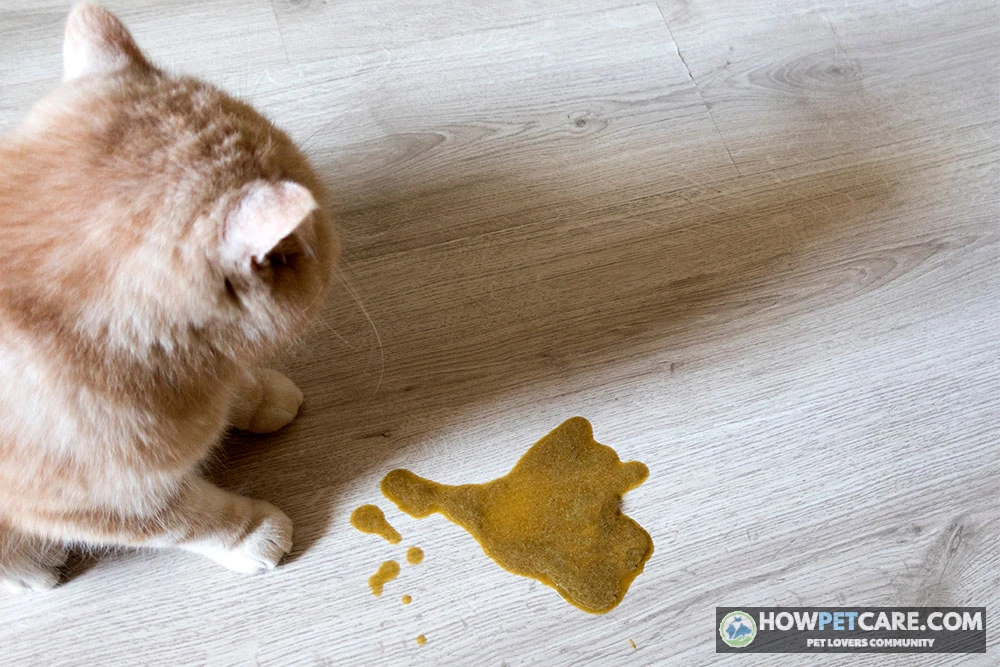

Cats vomit for many reasons: hairballs, eating too fast, dietary indiscretion, parasites, or more serious causes such as foreign-body obstructions, toxins, pancreatitis, or kidney disease. One isolated episode in a bright adult cat may be monitored 12–24 hours; repeated vomiting, blood, lethargy, or unproductive retching requires a vet.
Watching your cat vomit is distressing, especially when you cannot tell whether they swallowed a harmless hairball or face a genuine medical crisis. An isolated vomiting episode in a bright, playful adult cat might come from minor stomach irritation. However, vomiting is also a primary clinical sign of intestinal blockages, toxin ingestion, pancreatitis, or severe systemic organ disease.
When a cat expels stomach contents, your immediate job is triage. You need to determine within minutes whether your pet requires an immediate trip to an emergency veterinary hospital or whether you can safely monitor them at home under strict, time-limited parameters.
Why Is My Cat Vomiting? Start With This Emergency Triage
Cats hide discomfort instinctively. By the time nausea shows up as physical heaving or repeated sickness, an underlying illness may already be underway. Differentiating between an acute emergency and a mild upset stomach comes down to assessing specific physical warning signs, the frequency of episodes, and your cat’s overall mental state.
Emergency ER Now: Red Flags That Cannot Wait
If your cat displays any of the following critical red flags, skip home observation and bring them to the nearest veterinary emergency hospital right away:
- Blood in the vomit: Fresh, bright red blood, dark red clots, or dark brown flecks resembling coffee grounds (digested blood).
- Unproductive retching: Violent, rhythmic abdominal heaving where nothing comes up, or only tiny flecks of white froth emerge. This is a classic sign of a complete gastric or esophageal obstruction.
- Suspected foreign body or toxin exposure: Chewing on linear objects (thread, yarn, ribbon, dental floss, tinsel), swallowing household chemicals, rodenticides, or contact with true lilies (Lilium or Hemerocallis species), where even microscopic pollen ingestion causes fatal acute kidney failure.
- Profound lethargy or collapse: The cat is limp, unresponsive, hidden in dark corners, unable to stand, or walking with an unsteady, drunken gait.
- Abdominal agony: A visibly distended, firm belly, or vocalizing, growling, hissing, and biting when the abdomen is touched.
- Respiratory distress: Rapid, shallow breathing, open-mouth panting, or blue, grey, or pale white gums.
- Associated urinary blockage signs: In male cats especially, vomiting combined with straining in the litter box, crying while attempting to urinate, or producing zero urine is a fatal metabolic emergency requiring immediate catheterization.

Same-Day Vet vs. a Short 24-Hour Monitoring Window
Not every episode warrants a late-night emergency visit, but you need to follow strict clinical thresholds. If your cat has vomited 3 or more times within a 24-hour window, this counts as acute vomiting that requires same-day veterinary care. If your cat drinks water and purges the liquid back up within minutes, or vomits while refusing food alongside developing diarrhea, schedule a same-day medical appointment.
A short 12- to 24-hour home monitoring window is acceptable only under all of the following conditions:
- The cat is a fully vaccinated adult between 1 and 9 years old.
- They have vomited exactly once or twice over 24 hours.
- They remain bright, alert, responsive, and willing to interact.
- Their gums remain slick, wet, and bubblegum pink.
- There is zero known exposure to toxic plants, human medications, or linear strings.

Never apply a wait-and-see monitoring standard to fragile kittens under six months of age, senior cats aged ten years and older, or cats with diagnosed chronic illnesses like diabetes or kidney failure. These patients can decompensate into hypovolemic shock or metabolic collapse within hours.
Cat Vomit Color and Texture: What Clear Liquid, Bile, Foam, and Blood Can Mean
The physical appearance of expelled material provides valuable clinical clues that help veterinarians establish diagnostic priorities. Yet vomit appearance alone never yields an absolute diagnosis—it simply offers a window into gastric motility, inflammation levels, and anatomical origins.
What Yellow Bile, Clear Liquid, and White Foam Suggest
Clear Liquid: When a cat vomits clear, watery fluid, it frequently represents regurgitated drinking water, excessive saliva swallowed during intense nausea, or pure gastric secretions from an empty stomach. If an otherwise stable cat vomits clear liquid once, they may have simply drank too much water too fast. If a cat repeatedly vomits clear liquid, or drinks and purges immediately, this points toward acute gastritis, an upper gastrointestinal foreign body obstruction preventing fluids from passing into the duodenum, or systemic metabolic nausea.
Yellow or Greenish Bile: Bile is an alkaline digestive fluid synthesized by the liver and stored in the gallbladder. It enters the duodenum (upper small intestine) to aid lipid digestion. When a cat vomits yellow or greenish liquid, duodenal fluid has backed up through the pyloric sphincter into the stomach. This happens when a cat’s stomach sits empty for prolonged periods, causing acidic gastric irritation. Yellow bile is also a prominent symptom of feline pancreatitis, infectious gastroenteritis, hepatic dysfunction, or a localized intestinal blockage.
White Frothy Foam: Foamy cat vomit occurs when gastric fluids and saliva are whipped up with swallowed air during the retching process. An isolated puddle of white foam can occur after a cat hacks up a small hairball or experiences mild stomach irritation. If your cat produces repeated puddles of white foam throughout the day, it indicates persistent gastric mucosal inflammation, dietary indiscretion, or early-stage feline inflammatory bowel disease (IBD).

Blood, Coffee Grounds, and Other High-Risk Appearances
Any sign of blood in feline vomit demands urgent veterinary evaluation. Fresh red blood (hematemesis), whether appearing as bright specks, streaks, or active clots, indicates brisk bleeding within the mouth, pharynx, esophagus, or stomach lining. Common triggers include esophageal lacerations from sharp objects (such as chicken bones or needles), corrosive chemical ingestion, severe gastric ulceration, or anticoagulant rodenticide toxicity.
"Coffee-Ground" Vomit: If the expelled material contains dark brown, granular flecks resembling wet coffee grounds, this represents old, partially digested blood. Gastric hydrochloric acid chemically alters hemoglobin into brown hematin. Coffee-ground vomit points toward chronic, deep gastric ulcers, high-grade hemorrhagic gastroenteritis, gastric neoplasia (lymphoma or adenocarcinoma), or severe foreign-body erosion into the stomach wall.
Brown, Foul-Smelling Vomit: Vomit with a distinctly fecal or putrid odor and a dark brown, viscous consistency indicates complete mechanical obstruction in the lower small intestine or colon. The intestinal contents cannot move forward, causing bacterial overgrowth and retrograde flow back into the stomach cavity. This is an extreme surgical emergency.
Hairballs (Trichobezoars): While many owners consider hairballs normal, frequent hairball expulsion is not benign. Healthy feline gastrointestinal tracts are biologically evolved to pass swallowed grooming hair downstream into the litter box. When hairballs are expelled more than once or twice a month, it signals underlying gastrointestinal dysmotility, chronic hairball irritation, food intolerance, or early inflammatory bowel disease.

| Appearance or Texture | Possible Explanation | Concerning Accompanying Signs | Recommended Action Tier |
|---|---|---|---|
| Clear, watery liquid | Regurgitated water, gastric secretions, extreme nausea, or esophageal backflow | Cat drinks and immediately purges water; glassy eyes; tacky gums | Tier 2: Same-day vet visit if repeated more than once or water cannot stay down |
| Yellow or greenish liquid (bile) | Empty stomach irritation, reflux, duodenal bile backwash, pancreatitis, or liver disease | Vomiting bile on an empty stomach repeatedly over 4–6 hours; refusal to eat | Tier 2: Same-day vet visit (escalate to ER if accompanied by abdominal tenderness) |
| White froth or thick foam | Agitated stomach acid mixed with saliva, severe air-gulping, hairball irritation, or gastritis | Continuous unproductive hacking, persistent drooling, lip-smacking | Tier 3: Monitor up to 12–24h if single event; Tier 2 if more than 2 episodes |
| Undigested food in cylindrical/tube shape | Esophageal regurgitation, eating too rapidly ("scarf and barf"), esophageal stricture, or megaesophagus | Expelled immediately after eating without abdominal contraction; ravenous re-eating | Tier 3: Monitor & slow feeding; seek vet workup if recurring more than 1x/week |
| Partially digested food with sour odor | Gastric delayed emptying, food allergy, inflammatory bowel disease, or gastric outflow obstruction | Food expelled 4–8 hours after eating; weight loss; greasy stools | Tier 2: Scheduled non-emergency vet exam within 24–48 hours |
| Dark brown flecks ("coffee grounds") | Digested blood from gastric ulcers, severe hemorrhagic gastritis, or foreign-body erosion | Lethargy, black tarry stool (melena), pale or grey gums, hypothermia | Tier 1: IMMEDIATE ER NOW (life-threatening internal bleeding) |
| Fresh red blood (streaks or clots) | Active bleeding in esophagus, mouth, or stomach; rodenticide toxicity; linear foreign body | Frank pooling blood, weakness, collapse, rapid shallow breathing | Tier 1: IMMEDIATE ER NOW |
| Foul-smelling, brown, fecal-like vomit | Complete distal intestinal obstruction, severe bacterial overgrowth, or ileus | Distended belly, painful vocalization when touched, complete lack of stool | Tier 1: IMMEDIATE ER NOW |
Vomiting vs. Regurgitation: Is Food Being Actively Expelled or Passively Brought Up?
Before calling your vet, you must clarify whether your cat is experiencing true vomiting or passive esophageal regurgitation. Pet owners use these terms interchangeably, but they represent entirely different anatomical events with distinct diagnostic pathways.
Signs of Active Abdominal Vomiting
True vomiting is an active, reflex-driven autonomic process coordinated by the vomiting center in the feline brainstem. It involves three distinct stages:
- Nausea: The cat demonstrates distress, excessive swallowing, frantic lip-smacking, and hypersalivation (thick, ropy drool hanging from the lips). They may pace nervously or seek secluded spaces.
- Retching: Strong, rhythmic, involuntary contractions of the diaphragm, abdominal musculature, and intercostal muscles occur. You will see their flanks pump forcefully, accompanied by deep, guttural gagging sounds.
- Expulsion: Gastric and proximal duodenal contents are forcefully propelled upward through the relaxed lower esophageal sphincter and out of the mouth. The expelled material is typically acidic, partially broken down into a mush-like consistency, and frequently accompanied by yellow bile or gastric mucus.
Why Undigested Food Soon After Eating May Be Regurgitation
Regurgitation is a passive, localized mechanical failure of the esophagus. Unlike vomiting, regurgitation involves no autonomic nausea signs and no abdominal muscle contractions. The cat simply lowers its head, makes a quiet "burp" or wet coughing sound, and undigested contents slide smoothly out onto the floor.
When a cat expels intact, undigested food minutes after eating, this is frequently esophageal regurgitation. The food usually emerges encased in clear, gelatinous mucus and maintains a tubular, cylindrical shape mirroring the lumen of the esophagus.
Common triggers for regurgitation include eating far too fast (often called "scarf and barf"), cold food irritating the esophageal lining, esophageal foreign bodies (like lodged needles or bones), vascular ring anomalies, esophageal strictures (narrowed scar tissue), or megaesophagus (dilated, flaccid esophageal muscles). While an occasional episode of post-meal regurgitation from rapid eating responds well to a slow-feeder mat, recurrent regurgitation requires a full radiographic and fluoroscopic workup.

Anatomical Diagnostic Checklist: True Vomiting vs. Regurgitation
Use this diagnostic checklist to observe and record your cat’s exact physical actions before contacting your clinic:
Physical Action & Posture
- True Vomiting (Active Gastric Process):
- Body posture: Crouched low to the floor, neck extended horizontally, elbows flared outward.
- Abdominal motion: Obvious, rhythmic, forceful heaving spasms visible along the flanks and stomach wall.
- Auditory clues: Loud retching, gagging, or guttural throat sounds preceding expulsion.
- Regurgitation (Passive Esophageal Process):
- Body posture: Often neutral, standing, or mid-stride; head simply dips down.
- Abdominal motion: Absolutely no abdominal contractions; flanks remain still.
- Auditory clues: Nearly silent; characterized by a minor wet cough, throat-clearing click, or passive regurgitative burp.
Pre-Expulsion Nausea Signs (Present only in True Vomiting)
- Excessive, frantic lip-licking or tongue-flicking.
- Hypersalivation (heavy drool pooling around the chin).
- Restless pacing, wide anxious eyes, vocal yowling, or repeated swallowing motions.
- Note: The complete absence of pre-expulsion nausea points toward regurgitation.
Characteristics of the Expelled Material
- Vomiting indicators: Acidic or sour odor; food partially digested into soft mush; presence of yellow/green duodenal bile; litmus paper testing indicates an acidic pH (< 5).
- Regurgitation indicators: Undigested, whole dry kibble or solid canned meat chunks; encased in clear, thick, slippery mucus; formed into a distinct cylindrical tube or sausage shape; neutral to alkaline pH (> 7).

How Often Is Too Often? Acute and Chronic Cat Vomiting Thresholds
One persistent myth in feline care is that vomiting is normal behavior. Clinically, vomiting always points to a physiological disturbance. Effective triage requires measuring the exact episode frequency and symptom duration.
When One Episode May Be Monitored
A single isolated episode of vomiting in an adult cat does not automatically signify a medical crisis. If your cat brings up a small pile of food or a hairball once, immediately returns to exploring, acts bright, and drinks normally without purging, a conservative 12- to 24-hour observation period is clinically sound. Watch closely for any subsequent retching, bowel changes, or behavioral shifts.

When Recurrent Vomiting Needs a Medical Workup
Vomiting patterns split into acute crises and insidious chronic presentations, each demanding a different response timeline:
| Pattern | Examples | Risk Level | What to Do |
|---|---|---|---|
| Acute Multi-Episode | 3 or more distinct vomiting events within a single 24-hour window | High (Severe dehydration, obstruction, pancreatitis risk) | Seek same-day urgent care or daytime walk-in vet clinic |
| Acute Intractable | Continuous retching, vomiting every 20–30 minutes, or inability to hold water | Critical (Rapid hypovolemic shock, complete bowel obstruction) | Transport to 24-hour emergency veterinary hospital immediately |
| Chronic Intermittent | Cat vomits 1–2 times per week or month over a span of several months | Moderate to High (IBD, chronic kidney disease, lymphoma) | Schedule comprehensive outpatient internal medicine workup |
| Daily Chronic | Cat vomits once every single day, even while eating and acting relatively normal | High (Underlying systemic organ failure or neoplasia) | Schedule veterinary assessment within 24–48 hours |
If a cat vomits more than once per month on an ongoing basis, it is not normal grooming behavior. Chronic intermittent vomiting is the most commonly overlooked early symptom of feline Inflammatory Bowel Disease (IBD), low-grade alimentary lymphoma, chronic pancreatitis, and chronic kidney disease (CKD).
Frequency must always be evaluated alongside subtle systemic trends. A cat that vomits only twice a week but has lost 10% of its body weight over three months, developed unkempt fur, or shows increased thirst (polydipsia) requires full diagnostic blood screening and abdominal imaging.

Kittens, Adult Cats, and Seniors: Different Vomiting Risks and Response Times
A cat’s age drastically alters its physiological margin for error. A healthy five-year-old cat possesses reserves that can weather mild fluid loss for several hours, but pediatric and geriatric cats do not.
Why Vomiting Is More Urgent in Kittens
Kittens under six months of age have an exceptionally small total blood volume and negligible liver glycogen reserves. When a kitten vomits repeatedly, they shed essential electrolytes and fluid quickly, descending into dangerous dehydration, electrolyte imbalances, and severe hypoglycemia (subnormal blood sugar) in under six hours.
Kittens also have immature immune systems and indiscriminate oral behaviors. Vomiting in kittens is frequently driven by intestinal parasite overgrowths (roundworms, coccidia, giardia), high-fatality viral infections such as Feline Panleukopenia (feline parvovirus), or foreign-body obstructions caused by swallowed toys, string, or foam. Never wait out vomiting in a kitten. If a kitten vomits twice, refuses a meal, or develops watery diarrhea, get them to a veterinarian immediately.

Why a Senior Cat Suddenly Vomiting Deserves Prompt Testing
In mature and senior cats (aged 10 years and older), sudden acute vomiting or a gradual uptick in vomiting frequency demands prompt testing. Geriatric felines possess reduced functional organ reserves. A mild bout of vomiting-induced dehydration can rapidly trigger prerenal azotemia, tipping a senior cat with stable, compensated Stage 2 Chronic Kidney Disease into an acute, irreversible uremic crisis.
Senior cats presenting with vomiting frequently suffer from underlying systemic diseases:
- Chronic Kidney Disease (CKD): Build-up of uremic toxins triggers central nausea via the chemoreceptor trigger zone and causes uremic gastritis.
- Hyperthyroidism: Excessive circulating thyroid hormones (T4) accelerate metabolism, drive ravenous eating followed by rapid purging, and induce direct gastrointestinal hypermotility.
- Gastrointestinal Lymphoma: The most common feline cancer, often presenting as chronic vomiting, progressive muscle wasting, and thickened bowel loops.
- Chronic Triaditis: Concurrent low-grade inflammation of the pancreas, liver/biliary system, and small intestines.
| Life Stage | Critical Physiological Vulnerability | Explicit Episode Threshold | Mandatory Response Time |
|---|---|---|---|
| Kitten (Under 6 months) | Minimal glycogen reserves; tiny blood volume; rapid progression to hypoglycemia and hypovolemic shock within hours. | 1–2 episodes within 12 hours, or 1 episode paired with refusal to nurse/eat. | Immediate ER/Same-day within 2–4 hours. Never apply "wait and see" or withhold food longer than 2 hours. |
| Adult (1 to 9 years) | High risk of feline hepatic lipidosis (fatty liver syndrome) if an overweight cat undergoes prolonged anorexia (>24–48 hours). | 3 or more episodes in 24 hours, or 1–2 episodes daily recurring over 7+ days. | Within 12–24 hours if alert and hydrated; Immediate ER if accompanied by lethargy, blood, or fever. |
| Senior (10+ years) | Hidden decline in renal function (CKD), underlying hyperthyroidism, high incidence of GI lymphoma or chronic pancreatitis. | 2 episodes within 24 hours, or any vomiting paired with sudden weight loss or increased thirst. | Same-day vet evaluation (within 6–12 hours). Senior kidneys cannot tolerate mild dehydration. |
At-Home Clinical Dehydration Assessment
To gauge the systemic toll of fluid loss in any vomiting cat, perform these two fast physical checks:
- The Gum Moisture Test: Lift your cat’s upper lip and slide your index finger along the gum tissue directly above the canine tooth. In a hydrated cat, the gums feel slick, smooth, and wet. If the tissue feels sticky, tacky like tape, or completely dry, the cat is clinically dehydrated.
- The Capillary Refill Time (CRT): While touching the pink gum, press firmly with your fingertip for two seconds until the tissue turns white, then release. Count the time it takes for the bubblegum-pink color to return. A normal CRT is under 1.5 seconds. A refill time exceeding 2 seconds indicates compromised peripheral blood perfusion, requiring immediate fluid therapy.

Safe Home Monitoring for an Upset Stomach: Food, Water, and Medications to Avoid
If you have vetted your adult cat against all emergency indicators and confirmed they qualify for a conservative home monitoring window, follow strict feline-specific physiological safety guidelines.
Water Should Not Be Withheld Without Veterinary Direction
One common home-care mistake is removing the water bowl for extended periods. Cats naturally concentrate their urine and have low thirst drives; withholding water accelerates intracellular dehydration, concentrates toxic metabolic byproducts, and places immense strain on feline nephrons.
Always maintain access to fresh, clean water, but keep the water level shallow. If your cat is intensely nauseated, they may plunge their muzzle into the bowl, gulp a large volume frantically, and trigger a mechanical stretch reflex that immediately expels the water. If your cat cannot keep water down across two successive attempts, end home monitoring and go straight to an urgent care clinic.

Why Pepto-Bismol, Aspirin, and DIY Remedies Can Harm Cats
Never administer human over-the-counter stomach or pain medications to a cat. Over-the-counter drugs such as Pepto-Bismol, Kaopectate, aspirin, and Imodium (loperamide) are lethal toxins to felines.
Felines have an evolutionary genetic deficiency in their hepatic drug-metabolizing architecture: they possess exceptionally low levels of the enzyme UDP-glucuronosyltransferase (specifically the UGT1A6 isoform). In humans and dogs, this enzyme readily breaks down and clears phenolic compounds and salicylates.
Because cats cannot glucuronidate salicylates, compounds like bismuth subsalicylate (the active ingredient in Pepto-Bismol and modern Kaopectate formulas) and acetylsalicylic acid (aspirin) accumulate to toxic concentrations within hours. Even a tiny fraction of a teaspoon of Pepto-Bismol can trigger severe salicylate toxicosis in a cat, resulting in acute gastric ulceration, severe metabolic acidosis, non-regenerative anemia, acute hepatic necrosis, respiratory failure, and death.
Similarly, do not administer human antacids, famotidine (Pepcid), omeprazole (Prilosec), or herbal concoctions (such as chamomile or apple cider vinegar) without explicit, weight-calculated dosing instructions from your veterinarian. Masking early nausea with unprescribed antacids often delays the surgical extraction of life-threatening intestinal obstructions.
If pharmaceutical antiemetic therapy is warranted, your veterinarian will prescribe safe, targeted medications such as maropitant citrate (Cerenia) or ondansetron. Cerenia operates by selectively antagonizing neurokinin-1 (NK1) receptors in the emetic center of the brainstem, blocking substance P from triggering the vomiting reflex without causing feline toxicity. Veterinary antiemetics should only be administered after a physical exam and imaging confirm there is no physical blockage that could rupture under suppressed motility.

Avoiding Hepatic Lipidosis During Appetite Loss
While dogs can safely fast for 24 to 48 hours during an upset stomach, cats have a unique lipid metabolism. If an adult cat—particularly one that is overweight or obese—experiences sudden, complete anorexia lasting longer than 24 to 48 hours, their body begins rapidly mobilizing peripheral fat stores to the liver for energy.
The feline liver cannot easily convert massive loads of mobilized fatty acids into lipoproteins. Consequently, excess triglycerides accumulate within the hepatocytes, leading to feline hepatic lipidosis (fatty liver syndrome). This severe form of liver failure causes progressive jaundice (yellowing of the ears, gums, and whites of the eyes), coagulopathies, and encephalopathy.
For an adult cat, food resting should strictly last between 4 to 6 hours maximum to allow gastric contractions to settle. If your cat refuses to eat for 24 continuous hours, a medical evaluation is required.
-
Step 1: Maintain Water Access and Monitor Drinking
Keep shallow, fresh water available at all times. If your cat drinks eagerly but purges the water back up immediately, remove the bowl and transport them to an emergency facility.
-
Step 2: Institute a Strict 4-to-6-Hour Food Rest (Adults Only)
Remove all dry kibble, canned food, and treats for exactly 4 to 6 hours. This brief window allows the inflamed gastric mucosa to rest. Never fast a kitten under any circumstances, and never fast an adult cat for longer than 6 hours at home.
-
Step 3: Monitor Gum Moisture and CRT Every 2 Hours
Check your cat’s gums periodically. Ensure they remain slick and bubblegum pink, with a capillary refill time under 1.5 seconds. If the gums turn sticky, pale, or take over 2 seconds to refill, discontinue monitoring and head to a clinic.
-
Step 4: The Bland Diet Reintroduction Challenge
After 4 to 6 hours of zero vomiting, offer exactly 1 teaspoon of plain, boiled, skinless, boneless chicken breast (shredded with no salt, oils, or spices) or a vet-prescribed gastrointestinal diet. Wait 30 minutes. If the food is retained, offer a second teaspoon.
-
Step 5: Transition or Escalate Based on Response
If the cat vomits the bland food, cease feeding and seek same-day veterinary care. If they retain the food successfully, continue offering small portions (1 tablespoon every 3 hours) for 24 hours before gradually blending their regular diet back in over a 48-hour period.
What the Vet May Check for Cat Vomiting Causes
When at-home triage determines that veterinary care is required, arriving with a clear understanding of clinical protocols helps you collaborate effectively with the medical team.

Common Causes of Acute Vomiting
Veterinarians systematically categorize feline vomiting causes based on whether the primary pathology originates within the gastrointestinal tract or stems from external metabolic disturbances:
Gastrointestinal Causes:
- Dietary indiscretion and food intolerance: Ingesting spoiled food, table scraps, or sudden diet switches without transition.
- Hairballs and acute feline gastroenteritis: Severe mucosal inflammation caused by viral, bacterial, or dietary insults.
- Mechanical intestinal blockages: Foreign bodies such as hair ties, foam earplugs, bottle caps, or linear items like sewing thread and ribbons tangled around the base of the tongue or bunched in the intestines.
- Intestinal parasites: Heavy infestations of ascarids, hookworms, or tapeworms.
Systemic and Metabolic Causes:
- Toxins: Ingestion of lily leaves or pollen, antifreeze (ethylene glycol), essential oils, pest baits, or toxic human pharmaceuticals.
- Pancreatitis: Inflammation of the exocrine pancreas, often presenting with subtle lethargy and nausea rather than classic canine abdominal pain.
- Organ Dysfunction: Chronic or acute kidney disease, hepatic disease, or diabetic ketoacidosis.
- Endocrine Disorders: Hyperthyroidism in middle-aged and senior cats.
- Neoplasia: Lymphoma, adenocarcinoma, or mast cell tumors affecting the gastrointestinal tract or abdominal organs.
Tests That Help Find the Underlying Problem
To identify the root cause of vomiting without unnecessary delays, veterinary teams perform systematic diagnostic investigations based on physical exam findings:
- Physical Examination and Abdominal Palpation: The veterinarian evaluates hydration status, checks oral cavities for linear foreign bodies looped under the lingual frenulum (tongue base), listens to heart and lungs, and palpates the abdomen for intestinal thickening, pain, fluid waves, or foreign masses.
- Complete Blood Count (CBC) and Serum Chemistry Panel: Screens for elevated white blood cells (indicating severe inflammation or sepsis), evaluates red blood cell mass for internal hemorrhage, and measures key kidney values (BUN, creatinine, SDMA), liver enzymes (ALT, ALKP), electrolytes (potassium, sodium, chloride), and blood glucose.
- Total T4 (Thyroid Screening): A mandatory blood check for any vomiting cat over seven years of age to rule out hyperthyroidism.
- Abdominal Radiographs (X-rays): Two or three views of the abdomen are obtained to identify radio-opaque foreign bodies, assess organ sizing, and evaluate intestinal gas patterns. A classic "grape-cluster" or bunched intestinal gas pattern indicates a linear foreign body.
- Point-of-Care Abdominal Ultrasound (POCUS): Allows real-time visualization of individual intestinal wall layers, detects subtle free abdominal fluid, examines the pancreas for inflammatory changes, and evaluates mesenteric lymph node architecture.

Why an Intestinal Blockage Cannot Be Treated at Home
A gastrointestinal foreign-body obstruction cannot be resolved with home remedies, hairball pastes, olive oil, or watchful waiting. When a foreign object wedges into the intestinal lumen, it cuts off localized microvascular perfusion.
Within hours, the starved intestinal wall undergoes pressure necrosis, thinning, and perforation. This spills digestive bacteria directly into the sterile peritoneal cavity, causing septic peritonitis—a catastrophic condition with a guarded prognosis. Complete obstructions require rapid surgical intervention (an enterotomy or intestinal resection and anastomosis) before the compromised tissue gives way.

Your Cat Vomiting Action Checklist: What to Do in the Next Hour
When managing a sick cat, a concrete action checklist keeps you focused and ensures your veterinary team receives the critical details they need to treat your pet safely.
Information to Bring to the Veterinary Visit
To make intake smooth and efficient, prepare a clear summary of your cat’s condition before arriving at the clinic:
==================== FELINE VOMITING INTAKE DOSSIER ====================
[PATIENT DETAILS]
Name: ____________________  Age: _____ yrs/mos   Weight (approx): _____ lbs/kg
Pre-existing conditions (e.g., CKD, Thyroid, Diabetes): ____________________
Current medications/supplements: ___________________________________________

[EPISODE LOG]
Total episodes in past 24 hours: [  ] 1-2    [  ] 3-5    [  ] 6+
Exact time of most recent episode: ________ AM/PM
Time elapsed between eating and vomiting: [  ] <15 mins  [  ] 1-4 hrs  [  ] Empty stomach
Physical action: [  ] Forceful abdominal heaving   [  ] Silent passive regurgitation

[MATERIAL SIGHT REPORT - CHECK ALL THAT APPLY]
[ ] Yellow / Green bile        [ ] White frothy foam       [ ] Clear watery fluid
[ ] Intact undigested kibble   [ ] Partially digested mush [ ] Hair clump / hairball
[ ] Coffee-ground flecks       [ ] Fresh red blood/streaks [ ] Foreign material (string/plant)
*Smartphone photos taken: [  ] Yes  [  ] No

[HOUSEHOLD EXPOSURE SCREEN]
- Ingested or chewed plants/flowers (especially Lilies): [  ] Yes  [  ] No  Name: _______
- Access to linear objects (thread, string, dental floss, ribbons, hair ties): [  ] Yes [ ] No
- Recent sudden food brand/flavor swap: [  ] Yes  [  ] No
- Access to pest poisons, rodent traps, human cleaners, or human medications: [  ] Yes [ ] No

[CLINICAL RED FLAGS OBSERVED]
[ ] Tacky/dry gums     [ ] Unproductive retching    [ ] Crying/growling when picked up
[ ] Complete lethargy  [ ] Inability to hold water  [ ] No urine in litter box for >18 hrs

[EXPECTED CLINICAL PROCEDURES & TYPICAL BASELINE ESTIMATES]
- Veterinary Exam / Triage: Focuses on abdominal palpation, dehydration check, and temperature.
- Complete Blood Count & Serum Chemistry: Screens organ values (kidneys, liver, electrolytes).
- Abdominal Radiographs (X-rays, 2–3 views): Checks for radio-opaque foreign bodies, gas distension.
- Point-of-Care Ultrasound (POCUS): Evaluates intestinal wall layering, free fluid, pancreatitis.
- Prescribed Injectable Antiemetic (e.g., Maropitant / Cerenia): Blocks nausea pathways safely.
========================================================================
When Monitoring Ends and Veterinary Care Begins
If you have initiated an at-home monitoring protocol, watch your cat closely. Observation ends immediately, and professional veterinary intervention begins the moment your pet crosses any of these decisive thresholds:
- The cat vomits for a third time within the 24-hour window.
- They attempt to drink water and throw it back up right away.
- You observe the cat straining repeatedly in the litter box without passing urine.
- The cat turns down food continuously for 24 hours (or 2 hours for a kitten).
- Their gums lose slickness and become tacky, dry, or pale.
- They show uncharacteristic hiding, vocalizing, or sudden weakness.

By watching visual cues, respecting feline metabolic boundaries, and taking decisive action when clinical red flags appear, you protect your cat from complications and ensure they get the right care without delay.
| Appearance or Texture | Possible Explanation | Concerning Accompanying Signs | Recommended Action Tier |
|---|---|---|---|
| Clear, watery liquid | Regurgitated water, gastric secretions, extreme nausea, or esophageal backflow | Cat drinks and immediately purges water; glassy eyes; tacky gums | Tier 2: Same-day vet visit if repeated more than once or water cannot stay down |
| Yellow or greenish liquid (bile) | Empty stomach irritation, reflux, duodenal bile backwash, pancreatitis, or liver disease | Vomiting bile on an empty stomach repeatedly over 4–6 hours; refusal to eat | Tier 2: Same-day vet visit (escalate to ER if accompanied by abdominal tenderness) |
| White froth or thick foam | Agitated stomach acid mixed with saliva, severe air-gulping, hairball irritation, or gastritis | Continuous unproductive hacking, persistent drooling, lip-smacking | Tier 3: Monitor up to 12–24h if single event; Tier 2 if more than 2 episodes |
| Undigested food in cylindrical/tube shape | Esophageal regurgitation, eating too rapidly ("scarf and barf"), esophageal stricture, or megaesophagus | Expelled immediately after eating without abdominal contraction; ravenous re-eating | Tier 3: Monitor & slow feeding; seek vet workup if recurring more than 1x/week |
| Partially digested food with sour odor | Gastric delayed emptying, food allergy, inflammatory bowel disease, or gastric outflow obstruction | Food expelled 4–8 hours after eating; weight loss; greasy stools | Tier 2: Scheduled non-emergency vet exam within 24–48 hours |
| Dark brown flecks ("coffee grounds") | Digested blood from gastric ulcers, severe hemorrhagic gastritis, or foreign-body erosion | Lethargy, black tarry stool (melena), pale or grey gums, hypothermia | Tier 1: IMMEDIATE ER NOW (life-threatening internal bleeding) |
| Fresh red blood (streaks or clots) | Active bleeding in esophagus, mouth, or stomach; rodenticide toxicity; linear foreign body | Frank pooling blood, weakness, collapse, rapid shallow breathing | Tier 1: IMMEDIATE ER NOW |
| Foul-smelling, brown, fecal-like vomit | Complete distal intestinal obstruction, severe bacterial overgrowth, or ileus | Distended belly, painful vocalization when touched, complete lack of stool | Tier 1: IMMEDIATE ER NOW |
FAQ
Why does my cat vomit after eating too fast?
A cat that eats rapidly may bring food back up soon after a meal, sometimes through passive regurgitation rather than true vomiting. Try discussing smaller, more frequent meals or a slow feeder with your veterinarian, but recurrent episodes need assessment.
Can hairballs cause a cat to vomit every day?
Daily vomiting should not be dismissed as normal hairball behavior. Frequent hairballs or hairball-like vomit can be associated with excessive grooming, skin disease, slowed gut movement, food intolerance, or gastrointestinal illness.
Can stress make a cat throw up?
Stress can contribute to nausea, appetite changes, and gastrointestinal upset in some cats, particularly during travel, boarding, or household changes. It should not be assumed to be the cause until medical problems and toxin exposure have been considered.
Should I change my cat’s food after vomiting?
Avoid abruptly switching foods while a cat is ill, as sudden dietary changes can worsen gastrointestinal upset. Ask a veterinarian whether a temporary therapeutic diet or a gradual transition is appropriate after the cause and urgency are assessed.
Why is my cat vomiting but acting normal?
A single episode in a bright, alert adult cat that eats, drinks, and behaves normally can often be observed at home for 12–24 hours. If vomiting repeats, appetite drops, or the cat cannot hold water down, it needs a veterinary exam.