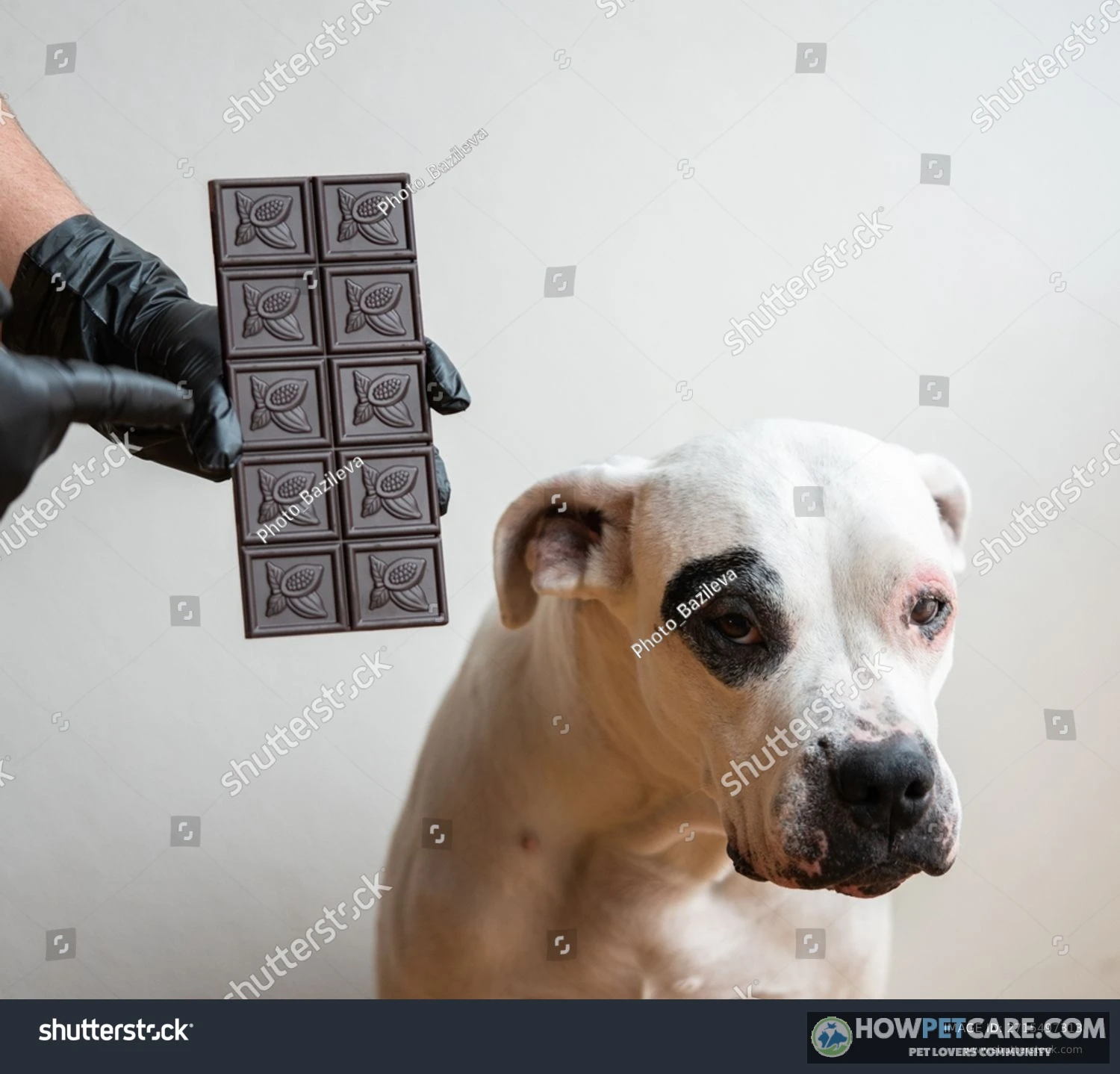

No—dogs should not eat chocolate. Chocolate contains theobromine and caffeine, which dogs metabolize slowly, so even small amounts can be dangerous depending on your dog’s weight and the chocolate type. If your dog ate chocolate, call your veterinarian or animal poison control immediately rather than waiting for symptoms.
No—dogs should not eat chocolate in any intentional amount. Chocolate is toxic to dogs because it contains theobromine and caffeine, methylxanthines that overstimulate the nervous system and heart and that dogs clear much more slowly than humans do. Even a small bite can become dangerous depending on your dog’s weight and the chocolate type, so if your dog has just eaten chocolate—especially dark chocolate, baking chocolate, or cocoa powder—treat it as urgent and call a veterinarian or animal poison control now. If your dog is vomiting, trembling, seizing, weak, or collapsed, go to a 24-hour emergency animal hospital immediately.
Can dogs eat chocolate? The short answer
Dogs cannot safely eat chocolate as a treat. The risk comes from theobromine and caffeine, which stimulate the central nervous system and heart and act as diuretics; the high fat and sugar in many chocolate products can also cause stomach upset or pancreatitis. Cocoa powder is the most dangerous common form, followed by unsweetened baking chocolate, semisweet or dark chocolate, milk chocolate, and cocoa bean hulls. White chocolate contains essentially no theobromine, but it is still high in fat and sugar and should not be treated as safe.

If your dog ate dark chocolate, cocoa powder, or a large amount of milk chocolate relative to body weight, call a veterinarian or poison helpline immediately rather than waiting for symptoms. Symptoms can be delayed, and a dog that looks fine hours later can still develop serious toxicity.
If your dog ate chocolate, call your veterinarian or an animal poison control hotline now. Do not wait for symptoms to appear.
Why chocolate is toxic to dogs
Chocolate toxicity is not just a food intolerance; it is a poisoning risk. Theobromine and caffeine are methylxanthines that overstimulate a dog’s nervous system and heart. Dogs metabolize theobromine slowly, so dangerous levels can build up instead of being cleared quickly. That is why the same small amount of chocolate that a human can eat may be risky for a dog, especially a small one.
Cocoa powder and dark chocolate contain the highest concentrations of these compounds, making them the most dangerous forms. Milk chocolate is lower in theobromine but can still be dangerous in larger amounts or in small dogs. If you are also sorting through produce safety, the dirty dozen foods list is another useful reference. Caffeine is another methylxanthine, and owners often ask whether dogs can have coffee.

How much chocolate can a dog eat before it becomes dangerous
There is no truly safe amount of chocolate to intentionally feed a dog. The table below gives approximate risk benchmarks by dog weight and chocolate type; use it to decide how urgently to act, not as permission to feed chocolate.
| Dog weight | Milk chocolate | Dark chocolate | Cocoa powder | Recommended action |
|---|---|---|---|---|
| Under 10 lbs (under 4.5 kg) | Even a small piece can be risky | A few squares may be dangerous | A small amount can be an emergency | Call a vet or poison control right away |
| 10–25 lbs (4.5–11 kg) | A few ounces may cause symptoms | One bar can be risky | A tablespoon or more can be dangerous | Call a vet or poison control immediately |
| 25–50 lbs (11–23 kg) | Several ounces may be needed for symptoms | Multiple bars or a large amount can be toxic | Several tablespoons can be dangerous | Call a vet for guidance based on amount and symptoms |
| Over 50 lbs (over 23 kg) | A full bar may cause mild symptoms in some dogs | A large bar or more can be risky | A quarter cup or more can be dangerous | Call a vet to assess the specific amount and chocolate type |
These figures are approximate risk benchmarks, not safe feeding amounts. When in doubt, contact a veterinarian or animal poison control before symptoms appear.
Approximate dose thresholds from veterinary sources are: about 1 ounce of milk chocolate per pound of body weight can be deadly, while as little as 0.1 ounce per pound of unsweetened baking chocolate may be lethal. Theobromine and caffeine levels also vary by product; for example, rich chocolate ice cream may contain about 178 mg theobromine per cup, and one brand of semisweet baking bar may contain about 55 mg per tablespoon.

Worked example: calculating risk for your dog
Scenario: A 20-pound dog eats 2 ounces of dark chocolate.
Step 1: Record the facts. Dog weight: 20 pounds. Chocolate type: dark chocolate. Amount eaten: about 2 ounces.
Step 2: Compare to the risk table. For a dog in the 10–25 pound range, dark chocolate can be risky at relatively small amounts, and 2 ounces is a concerning ingestion.
Step 3: Decide on action. Because the dog is small-to-medium, the chocolate is dark, and the amount is meaningful relative to body weight, the owner should call a veterinarian or animal poison control immediately rather than waiting to see if symptoms develop.
Step 4: Prepare for the call. Have ready: the dog’s weight (20 pounds), the chocolate type (dark), the estimated amount (2 ounces), the time it was eaten, and any symptoms such as vomiting or restlessness.
This example shows how to use weight, chocolate type, and amount together. Your dog’s situation may differ, so always confirm with a veterinary professional. Owners often want to know how much chocolate becomes toxic to dogs, and the answer depends on both weight and chocolate type.

Why puppies, toy breeds, seniors, and sick dogs face higher risk
Small dogs and puppies are endangered by far smaller amounts than large breeds because the same dose is concentrated in less body weight. Senior dogs and dogs with conditions such as pancreatitis, heart disease, or seizure disorders may also be less able to tolerate the cardiovascular and neurological stress of methylxanthines. For these dogs, a small accidental ingestion that might be lower risk in a healthy large adult can still warrant immediate veterinary advice.
What happens if a dog eats chocolate: symptoms and timeline
Early symptoms can include vomiting, diarrhea, increased thirst, and restlessness. More progressed signs include elevated heart rate, tremors, seizures, and collapse. Other possible signs include increased body temperature, increased reflex responses, muscle rigidity, rapid breathing, low blood pressure, weakness, and coma.
Signs often appear within 2 to 12 hours and can last 12 to 36 hours, sometimes longer. A dog acting fine hours after ingestion can still develop serious toxicity, especially with dark chocolate or cocoa powder. In severe untreated cases, dogs can die from eating chocolate, which is why early veterinary care matters.

Early warning signs
Watch for vomiting, diarrhea, increased thirst, restlessness, and agitation. These may be the first clues that theobromine and caffeine are affecting your dog.
Severe symptoms requiring emergency care
Seek emergency care now for tremors, seizures, collapse, weakness, coma, rapid breathing, very fast heart rate, muscle rigidity, or signs of severe distress. These are not wait-and-see symptoms.
Typical symptom timeline after ingestion
Clinical signs often begin within 2 to 12 hours and may last 12 to 36 hours or longer. Because onset can be delayed, do not use a normal-looking dog as proof that no treatment is needed.
Dog ate chocolate: what should I do right now
Stay calm, remove any remaining chocolate, and identify the type and amount eaten. Then call a veterinarian or animal poison control immediately rather than waiting for symptoms.
Have this information ready before calling: your dog’s weight, the chocolate type, the estimated amount, the time of ingestion, and any current symptoms. Also check wrappers or packaging for weight if available.
Do not induce vomiting at home unless a veterinary professional directs you to do so. Specifically, do not induce vomiting if your dog is already vomiting, lethargic, seizing, unconscious, or if ingestion was more than about two hours ago without veterinary direction. These situations can increase the risk of aspiration or complications.
A veterinarian may administer activated charcoal, IV fluids, or monitoring of heart rate, depending on the case. Early treatment is cheaper, less invasive, and produces a better prognosis than treating after clinical signs appear.

Program your local veterinarian’s phone number, the nearest 24-hour animal hospital, and an animal poison control hotline into your phone today. In a chocolate emergency, you will not want to search for contact information while your dog may already be absorbing toxins.
Call your vet versus go to an emergency hospital
Call your regular veterinarian first if the ingestion was small, your dog is large and asymptomatic, and the chocolate is lower-risk, such as a small piece of milk chocolate. Even then, call for advice because symptoms can be delayed.
Go straight to a 24-hour emergency animal hospital if your dog ate dark chocolate or cocoa powder, if the amount is unknown, if your dog is small, a puppy, a senior, or has a health condition, or if any symptoms appear. If your regular veterinarian is closed, use an after-hours poison helpline or emergency hospital.
Call your regular vet first if
- Your dog is large and currently asymptomatic.
- The chocolate was milk chocolate or a low-risk mixed product in a small amount.
- You know the type, amount, and time of ingestion.
- You can reach your veterinarian promptly and they advise monitoring or treatment.
Go straight to emergency care if
- Your dog ate dark chocolate, baking chocolate, or cocoa powder.
- Your dog is small, a puppy, a senior, or has heart, seizure, or pancreas disease.
- Your dog shows any symptom, especially tremors, seizures, collapse, or severe vomiting.
- The amount or chocolate type is unknown.
- Your regular veterinarian directs you to emergency care.
Recovery and home care after treatment
After treatment, follow your veterinarian’s home-care instructions closely. Watch for delayed symptoms, keep your dog rested, provide water and food only as directed, and monitor bowel movements, energy, and appetite. Ask your veterinarian what signs would require another visit and when follow-up blood work or monitoring may be needed. Costs and timelines vary, but early treatment is generally less invasive and less expensive than treatment after clinical signs appear.
Chocolate products dogs sometimes eat: ice cream, cookies, cake, chips, and milk
Can dogs eat chocolate ice cream, cookies, cake, chips, brownies, or chocolate milk? These should not be fed to dogs. Some contain lower amounts of chocolate, but added sugar, fat, raisins, xylitol, macadamia nuts, or other ingredients can create separate health risks. Treat any chocolate-product ingestion as potentially unsafe and use the same vet-contact decision framework.
Rank these products by likely risk: dark chocolate brownies or cocoa-rich cake are more dangerous than milk chocolate ice cream. Chocolate-covered raisins are especially concerning because they combine chocolate toxicity with raisin-related kidney risk. Chocolate chips can be risky because a dog may eat a large amount quickly. If a product contains macadamia nuts, it helps to understand whether dogs can eat macadamia nuts before assuming the chocolate is the only concern.

Myth: White chocolate is safe for dogs
Misconception: White chocolate does not contain real chocolate, so it is harmless if a dog eats it.
Correction: White chocolate contains very little theobromine, but it is still high in fat and sugar. Eating it can cause pancreatitis, stomach upset, and other health problems in dogs. It should not be treated as a safe treat, and any chocolate product ingestion should still be assessed using the same vet-contact decision framework.
Printable emergency checklist: dog chocolate ingestion
- ☐ Stay calm and remove any remaining chocolate from your dog’s reach.
- ☐ Identify the chocolate type: milk chocolate, dark chocolate, cocoa powder, baking chocolate, or a mixed product such as cookies, cake, or ice cream.
- ☐ Estimate how much your dog ate. Check wrappers or packaging for weight if available.
- ☐ Weigh your dog or estimate their weight in pounds or kilograms.
- ☐ Note the time of ingestion and any symptoms you have seen.
- ☐ Call your veterinarian or an animal poison control hotline immediately. Do not wait for symptoms to appear.
- ☐ Do not induce vomiting at home unless a veterinary professional directs you to do so.
- ☐ Go to a 24-hour emergency animal hospital if your vet directs you, if your dog is symptomatic, or if they ate dark chocolate or cocoa powder.
- ☐ Bring the chocolate wrapper or packaging and any remaining chocolate to the clinic.
- ☐ After treatment, follow your vet’s home-care instructions and watch for delayed symptoms.
Emergency contact places include your local veterinarian, the nearest 24-hour animal hospital, and an animal poison control hotline such as Pet Poison Helpline at 855-764-7661. One listed veterinary office can be reached during business hours at 719-204-3647 Monday through Friday, 8 a.m. to 5 p.m.; after hours, use Pet Poison Helpline at 855-764-7661.
Bring the wrapper or packaging, any remaining chocolate, and notes on symptoms and timing to the clinic. Store chocolate out of reach and teach household members not to share chocolate with dogs.
This article is not a veterinary diagnosis, a pet-product buying guide, or a substitute for professional veterinary treatment. Use it to prepare for and speed up care, not to replace it.
| Dog Weight | Milk Chocolate Toxicity Risk | Dark Chocolate Toxicity Risk | Cocoa Powder Toxicity Risk | Recommended Action |
|---|---|---|---|---|
| Under 10 lbs (under 4.5 kg) | Even a small piece can be risky | A few squares may be dangerous | A small amount can be an emergency | Call a vet or poison control right away |
| 10–25 lbs (4.5–11 kg) | A few ounces may cause symptoms | One bar can be risky | A tablespoon or more can be dangerous | Call a vet or poison control immediately |
| 25–50 lbs (11–23 kg) | Several ounces may be needed for symptoms | Multiple bars or a large amount can be toxic | Several tablespoons can be dangerous | Call a vet for guidance based on amount and symptoms |
| Over 50 lbs (over 23 kg) | A full bar may cause mild symptoms in some dogs | A large bar or more can be risky | A quarter cup or more can be dangerous | Call a vet to assess the specific amount and chocolate type |
FAQ
Can puppies eat chocolate?
No. Puppies are especially vulnerable because of their small size and developing systems, so even a small amount of chocolate can be dangerous. Contact a veterinarian immediately if a puppy eats any chocolate.
Can dogs eat chocolate ice cream, cookies, cake, chips, or chocolate milk?
These should not be fed to dogs. Some contain low amounts of chocolate, but added sugar, fat, raisins, xylitol, or other ingredients can create separate health risks, so treat any ingestion as potentially unsafe.
How long after eating chocolate will a dog show symptoms?
Symptoms often appear within 2 to 12 hours, but they can be delayed or mild at first. A dog that seems fine should still be evaluated by a veterinarian if the amount or type of chocolate was concerning.
Can dogs die from eating chocolate?
Yes, in severe cases especially with dark chocolate or cocoa powder and without prompt treatment. Most dogs recover with timely veterinary care, which is why early action matters.