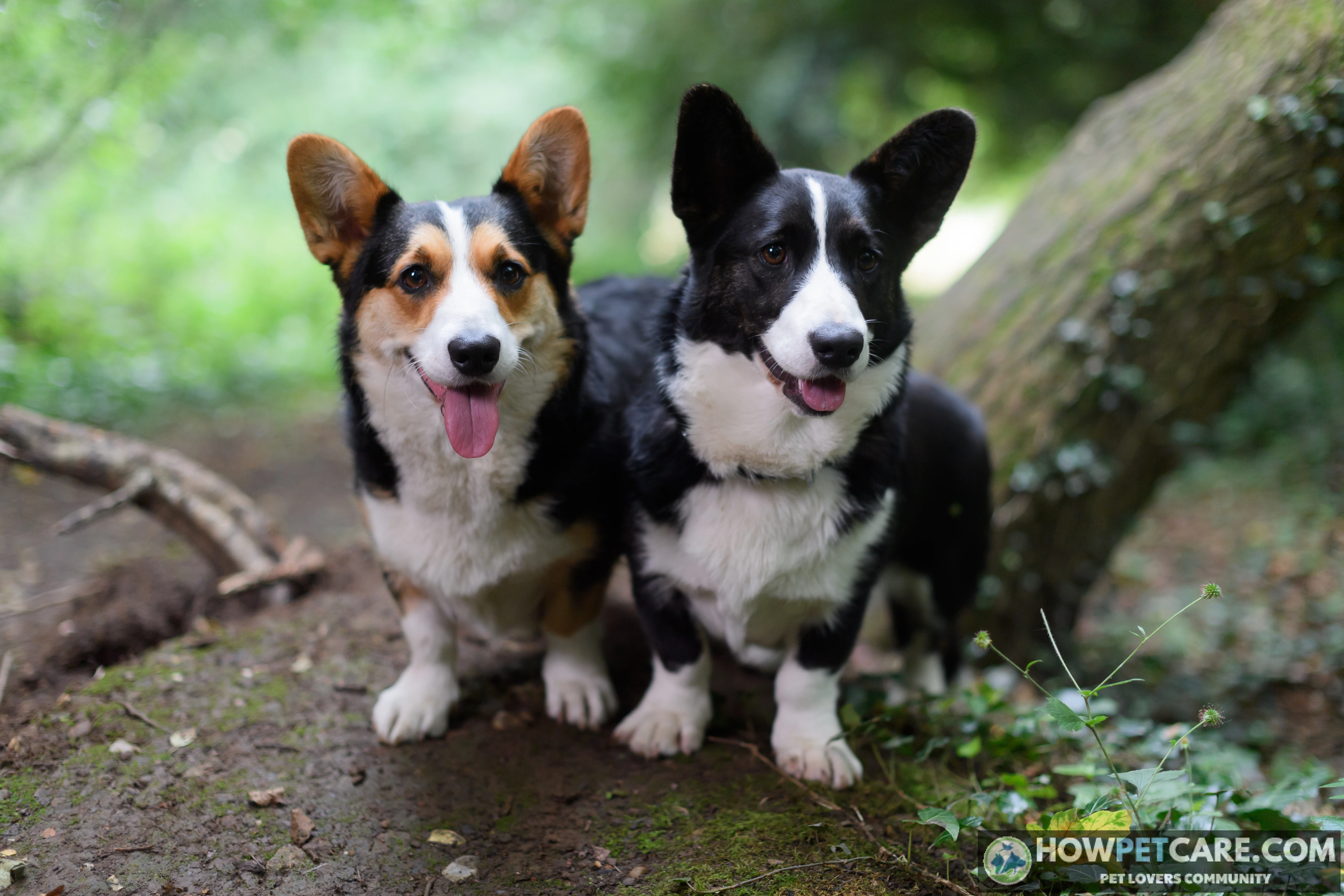

The Corgi dog breed includes two distinct Welsh breeds: the Pembroke and the Cardigan. Both are intelligent, energetic, double‑coated herding dogs, but Pembrokes are typically more people-focused with a shorter or docked tail, while Cardigans are slightly larger, more independent, and have long tails.
If you’re drawn to the short‑legged build and smiling face of a Corgi, the first question is straightforward: are you considering a Pembroke Welsh Corgi or a Cardigan Welsh Corgi? Both are dwarf herding dogs that the American Kennel Club and the UK Kennel Club have recognized as separate breeds since 1934. They share a double‑coat, an affinity for people, and a tendency to nip at heels, but they differ in size, tail, ear set, and temperament. Understanding those distinctions—as well as the exercise, grooming, spine‑care, and financial demands of the Corgi dog breed—can help you decide if one fits your home, family, and budget.
Pembroke vs Cardigan: Quick Comparison at a Glance
| Trait | Pembroke Welsh Corgi | Cardigan Welsh Corgi |
|---|---|---|
| Tail status | Naturally short, full, or docked (≈10 cm when docked) | Long, full‑length tail (≈30 cm) |
| Ear structure | Pointed, erect, set high on the skull | Rounded, erect, and more widely set |
| Bone density & structure | Moderate bone mass; chondrodysplastic build | Heavier bone; chondrodysplastic build |
| Coat colors allowed | Red, sable, fawn, black & tan, tri‑color; white markings allowed | Red, sable, brindle, black & tan, blue merle, white; multiple color patterns |
| Energy & drive profile | Very people‑focused, high‑drive herding instinct; prefers short, intense play bursts | More independent, steady endurance; enjoys longer walks and controlled play |
| Typical weight | 10–12 kg (22–26 lb) | 11–13 kg (24–28 lb) |
| Height at withers | 25–30 cm (10–12 in) | 30–33 cm (12–13 in) |
Size & Build
Pembrokes sit slightly lower and usually weigh a pound or two less than Cardigans. Both stand 10‑13 in tall and have the characteristic long back associated with chondrodysplasia—a genetic trait that predisposes them to spinal conditions such as intervertebral disc disease (IVDD), as well as hip dysplasia.
Tail & Ears
Pembrokes were historically docked in Britain, but docking is now illegal in the UK and restricted in some U.S. jurisdictions. Pembrokes may have a natural bobtail or a full tail where docking is not performed. Cardigans have a long, expressive tail. Ear shape is another clear distinction: Pembrokes have erect, pointed ears, while Cardigans have larger, rounded, erect ears.

Temperament Snapshot
Gregarious Pembrokes thrive on human interaction and often follow one person like a shadow. Cardigans are generally more reserved and may entertain themselves for longer periods, making them a possible fit for owners who prefer a less clingy companion. Individual temperament still depends on breeding, socialization, training, and experience.
Historical Roots
Pembrokes trace their ancestry to the Swedish Vallhund and early Welsh herders. Cardigans descend from ancient Welsh herding dogs that mixed with Celtic‑type Spitz breeds. Both breeds were valued for driving cattle across rugged terrain.
Is a Corgi Right for Your Home? Apartment, Family & Kids Fit
Apartment Living
Corgis need 30‑45 minutes of brisk walking each day, along with several short play sessions. That level of activity can work in a typical 600‑sq‑ft one‑bedroom apartment if the owner provides daily outdoor exercise and regular mental enrichment. Their compact build won’t take over the floor plan, but alert barking can travel through thin walls. In a high‑rise building, quiet‑cue training, trigger management, and white‑noise devices may help reduce neighbor complaints.
Family with Young Children
A Corgi’s herding instinct can lead to nipping at moving ankles, especially when toddlers run through a hallway. Corgis can live successfully with young children, but adults must supervise interactions, prevent chasing games, and use the Heel‑Nipping protocol below. Cardigans may suit some homes with active kids because they tend to be slightly more independent. Pembrokes often want to be the “center of attention” and do well in families able to offer frequent interaction. Neither breed should be left unsupervised with a young child.

Exercise, Mental Stimulation & Double‑Coat Grooming Blueprint
Daily Exercise Guidelines
- Walk length: Use 20‑40 minutes of brisk walking per day within the broader 30‑45 minutes of daily activity. Two 15‑minute outings can provide a starting structure, adjusted for age, health, weather, and energy level.
- Play bursts: Short, high‑intensity games such as fetch or tug suit Corgis well. Aim for 5‑10 minute bursts 3‑4 times daily.
- Low‑impact options: Puzzle toys, snuffle mats, and beginner herding drills (e.g., guiding a rolling ball) engage the breed’s mind without placing unnecessary stress on the spine.
Mental Enrichment Ideas
- Scent work: Hide treats inside a rolled‑up towel and let the Corgi find them.
- Target training: Teach a “Touch” cue using your palm. The cue can later serve as a calm alternative to heel‑nipping.
- Structured herding games: Use a lightweight herding dummy in a fenced yard and keep jumps below 15 cm.

Seasonal Grooming Routine
Corgis shed throughout the year, with a heavy blow‑out in late spring and early summer. Use this weekly schedule to manage the coat without repeatedly scraping the skin:
- Morning: Run a slicker brush through the coat to remove surface debris.
- Mid‑day (twice a week): Use a de‑shedding blade (e.g., Furminator) lightly to remove loose undercoat, stopping if it pulls or irritates the skin.
- Evening: Finish with a short‑toothed comb to smooth the topcoat and check for mats.
- Bathing: Bathe every 6‑8 weeks with a mild dog shampoo. Over‑bathing may strip natural oils and irritate the skin.
Undercoat Rake Tools
For a Corgi blow‑out, useful tools include a stainless‑steel de‑shedding blade and a wide‑tooth undercoat rake. Move the rake gently in the direction of hair growth, avoid repeated passes over one spot, then use a slicker brush to smooth the surface.

Stopping Heel‑Nipping, Motion Chasing & Alarm Barking: Step‑by‑Step Protocol
-
Identify trigger & capture the behavior
Notice what predicts ankle nipping or motion chasing—often door crossings, brisk walks, bicycles, or a child running. Before the dog reaches the trigger, say a neutral marker such as “Heel‑Nip” and create enough distance for the Corgi to remain responsive rather than waiting for a snap.
-
Interrupt & redirect
Calmly say “Leave it!” as the dog notices the movement. Stop access to the moving target without grabbing or chasing the dog, then offer a high‑value chew (frozen Kong) or a “Touch” target. Reward the alternative behavior within 2 seconds with a treat and praise.
-
Teach an incompatible alternative
Practice a “Sit‑Stay‑Watch” sequence at the door or in the hallway:
- Ask for “Sit”, followed by “Stay” while you move back a few steps.
- As you pass, maintain eye contact and give a “Watch” cue; use “Touch” separately for nose‑to‑hand targeting.
- Release with “Okay!” and reward calm behavior.
Increase the distance and speed gradually, using a leash or barrier so the dog cannot rehearse chasing. Over time, the Corgi learns that following the cue is more rewarding than nipping.
-
Generalize & reinforce
Run short 5‑minute practice sessions 3‑4 times daily for the first two weeks. In new, dog‑appropriate settings such as a park or pet‑friendly public area, reward “quiet” and “stay‑watch” responses around controlled movement. If nipping returns, go back to steps 1‑2 for a brief “reset,” increase distance from the trigger, then resume step 3.
Barking Desensitization Plan
- Record the usual bark trigger (doorbell, passing car).
- Play the trigger at low volume while teaching a “Quiet” cue paired with a treat.
- Increase the volume gradually over days, rewarding the dog for remaining silent or turning attention back to you.
- For urgent alarms, use a “Leave it” cue and redirect the dog to a “Find it” scent game.
When to Seek Professional Help
- The dog snaps more than three times per day despite consistent redirection.
- Aggression progresses to lunging or growling.
- Fear‑based body language (cowering, tail tucked) begins to appear.
If you notice any of these signs, enlist a qualified, reward‑based behavior professional to develop a tailored plan.
Spine Protection & IVDD Prevention: Home‑Proofing Checklist for Dwarf Breeds

| Area/Item | Recommended Modification | Why it Matters |
|---|---|---|
| Weight Management | Weekly weigh‑ins; target BCS 4‑5 (9‑point scale) | Helps limit excess load on the spine and hips |
| Ramps & Pet Stairs | Install low‑incline (≤10°) ramps for beds, sofas, cars; rubber‑tread, ≥30 cm deck | Reduces repeated high‑impact jumping and slipping |
| Jump & Run Restrictions | Prohibit jumping onto furniture >30 cm; block unsupervised stair access; prevent toddlers from chasing the Corgi | Limits uncontrolled impacts, falls, and sharp turns |
| Floor Traction | Add non‑slip runners on hardwood/tile; use rubber‑backed play mats | Improves footing and reduces splaying or falls |
| Handling Technique | Support chest and rear hips when lifting; use front‑chest harness for walks | Keeps the body level and avoids unsupported spinal twisting |
| Veterinary Screening | Ask about a spine exam at age 2, then every 3 years; discuss glucosamine/omega‑3 before use | Aligns monitoring and supplements with the individual dog’s needs |
| Emergency Preparedness | Keep a “spine‑injury kit” (cold pack, gentle wrap, vet contacts) in first‑aid drawer | Supports rapid contact with a veterinarian; avoid manipulating a painful spine |

Serve two measured meals per day on a set schedule. Avoid free‑feeding so the dog’s body condition remains stable. Use the BCS target rather than appearance alone, and ask a veterinarian to set an appropriate calorie allowance.
Realistic Financial Blueprint: Puppy Price, Annual Care & Emergency Buffers
| Cost Category | Initial / One‑Time | Average Annual | Notes |
|---|---|---|---|
| Puppy acquisition | $1,200–$3,500 (breed line, health tests) | — | Prices vary by location, pedigree, and documented health screening |
| Initial veterinary bundle | $350–$500 (vaccinations, microchip, spay/neuter) | — | May include deworming and baseline blood work |
| Crate, bed & safety gear | $150–$250 | — | Choose a crate with a low‑step entry for spine safety |
| Food (first year) | $300–$450 (high‑quality kibble) | $300–$450 (same) | Adjust portions for activity and BCS; price alone does not prevent obesity |
| Preventive meds (heartworm, flea/tick) | $80–$120 (first 6 mo) | $120–$180 | Follow regional veterinary guidance for year‑round protection |
| Grooming supplies (brushes, shampoo) | $90–$130 | $30–$50 (replacement blades) | Slicker brush, de‑shedding blade, dog‑safe shampoo |
| Pet insurance (comprehensive) | $250–$400 (first‑year premium) | $250–$400 | Coverage varies; compare exclusions, waiting periods, and deductible options |
| Routine vet visits (exam, labs) | $150–$200 (baseline) | $150–$200 | Services such as blood work and dental cleaning may cost extra |
| Emergency medical reserve | $1,200–$1,800 (3‑month buffer) | — | Build toward 3–6 months of routine costs for unexpected surgery or hospitalization |
| Training classes (basic obedience) | $120–$180 (8‑week group) | — | Positive‑reinforcement focus; optional for heel‑nipping mitigation |
| Lifetime total (approx.) | $13,000–$18,000 (first 10 yr) | $2,300–$3,200 per additional year | Illustrative planning ranges for an average lifespan of 12–15 yr; actual totals may be higher and should be recalculated from local costs |
Budgeting Tips
- Direct 10 % of the amount available in your monthly pet budget—not necessarily total household income—to a dedicated pet savings account for routine care and unexpected emergencies.
- Compare insurance policies that explicitly cover chondrodysplastic conditions such as IVDD and hip dysplasia, noting exclusions and waiting periods.
- Include occasional grooming salon visits (≈$50–$80 each) in your budget if you want professional de‑shedding during blow‑out season.
Decision Matrix & Action Plan: Choose, Prepare, and Thrive with Your Corgi
Decision Matrix Overview
| Factor | Pembroke Welsh Corgi | Cardigan Welsh Corgi |
|---|---|---|
| Size & Height | Slightly smaller, natural full/bobtail or docked tail | Slightly larger, long tail |
| Energy Drive | High‑intensity bursts, people‑focused | Steadier endurance, more independent |
| Barking Tendency | Moderate‑high alert bark | Moderate alert bark |
| Suitability for Apartments | Works with daily walks + training | Works with daily walks + training |
| Child Interaction | Requires vigilant redirection of heel‑nipping | Also requires supervision and heel‑nipping management |
| Health Risk (IVDD) | Similar chondrodysplasia risk | Similar chondrodysplasia risk |
| Price Range (2026) | $1,200–$3,500 | $1,200–$3,500 |
Checklist for Home Preparation
- Add low‑incline ramps to beds, sofas, and the car trunk.
- Buy a front‑chest harness and a low‑step crate.
- Gather the essential grooming tools: a slicker brush, de‑shedding blade, and short‑toothed comb.
- Create a designated “quiet zone” with a comfortable mat where the dog can retreat from stimulation.
- Make a daily schedule sheet for walks, play, and training sessions.
First‑Month Action Steps
- Vet visit (Day 1‑3): Schedule a full physical, discuss spine health, complete appropriate baseline blood work, and confirm microchip status.
- Secure supplies (Day 2‑5): Obtain a crate, ramps, grooming kit, and high‑value chew toys.
- Obedience basics (Week 1): Begin “Sit”, “Stay”, “Leave it”, and leash walking with a front‑chest harness.
- Heel‑Nipping protocol (Week 1‑2): Follow the 4‑step prevention and redirection routine each day.
- Socialization (Weeks 2‑4): Provide controlled exposure to other dogs, families, and varied surfaces while keeping the leash on.
- Weight check (End of Week 4): Confirm a BCS 4‑5 and adjust the diet if needed.
- Insurance enrollment (by Day 30): Select a plan that covers IVDD, hip dysplasia, and degenerative myelopathy (DM), while checking exclusions.
This matrix can help you determine whether the Pembroke’s people‑centric nature or the Cardigan’s steady independence better matches your lifestyle. Paired with the home‑proofing, training, and budgeting steps, it offers a realistic roadmap for a healthy partnership with your Corgi.

| Breed Name | Ancestry | Typical Weight | Height at Withers | Ear Shape | Tail Characteristics | Temperament & Energy | Allowed Coat Colors |
|---|---|---|---|---|---|---|---|
| Pembroke Welsh Corgi | Swedish Vallhund and early Welsh herders | 10–12 kg (22–26 lb) | 25–30 cm (10–12 in) | Pointed, erect, set high on the skull | Naturally short, full, or docked (≈10 cm when docked); may have a natural bobtail or a full tail where docking is not performed | Very people-focused, high-drive herding instinct; prefers short, intense play bursts; gregarious, often follows one person like a shadow, thrives on human interaction, wants to be the center of attention | Red, sable, fawn, black & tan, tri-color; white markings allowed |
| Cardigan Welsh Corgi | Ancient Welsh herding dogs that mixed with Celtic-type Spitz breeds | 11–13 kg (24–28 lb) | 30–33 cm (12–13 in) | Rounded, erect, and more widely set (larger, rounded, erect ears) | Long, full-length tail (≈30 cm), expressive tail | More independent, steady endurance; enjoys longer walks and controlled play; generally more reserved and may entertain themselves for longer periods | Red, sable, brindle, black & tan, blue merle, white; multiple color patterns |
FAQ
What two breeds originally contributed to the modern Corgi?
The Pembroke descends from the Swedish Vallhund and the Cardigan from old Welsh herding dogs that interbred with early Spitz‑type dogs brought by Celtic settlers.
How often should I brush a Corgi’s double coat and which tools work best?
Brush the undercoat 2‑3 times per week with a slicker brush or de‑shedding blade, and use a short‑toothed comb once weekly to remove loose hair and help manage seasonal blow‑outs.
Do Corgis need to be docked, and what are the legal and health considerations?
Docking is not required in most countries; it is illegal in the UK and many EU states, and it offers no health benefit. Corgis can thrive with natural tails when provided with appropriate care and spine protection.