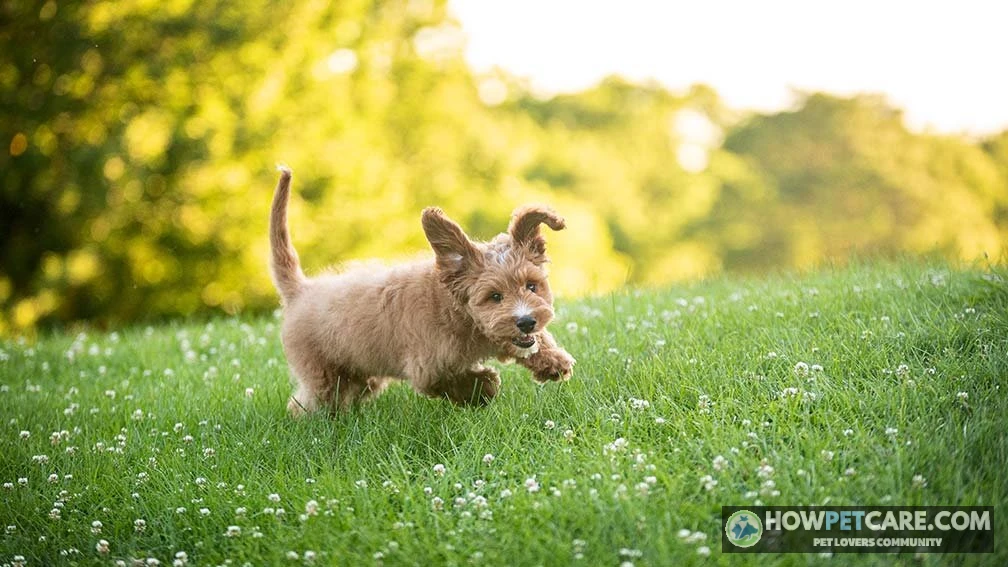

A mini goldendoodle full grown stands 13 to 17 inches tall at the shoulder and weighs 15 to 35 pounds, depending on parental lineage and generation. Standard miniature varieties mature within 10 to 12 months, whereas micro variations finish earlier at 8 to 10 months and stay under 15 pounds.
If you’re considering a mini goldendoodle, the first step is to know exactly how big they grow, what they’ll cost you, and how to spot ethical breeders. A miniature goldendoodle full grown typically stands between 13 and 17 inches tall at the shoulder and weighs anywhere from 15 to 35 pounds. Bringing home this popular designer dog, however, requires looking past soft coats and teddy‑bear faces. Many prospective owners find that commercial breeders gloss over critical realities: unpredictable shedding profiles across generational crosses, recurring grooming tabs that rival car payments, and inherited joint or ocular conditions. Deciding whether a mini goldendoodle fits your household requires evaluating physical size metrics, genuine allergy science, lifetime veterinary costs, and non‑negotiable ethical breeding standards before placing a deposit.
Mini Goldendoodle Size and Weight: How Big Do They Get Full Grown?

How big do mini goldendoodles get full grown? Because a mini goldendoodle is a hybrid cross rather than an established purebred dog with centuries of fixed conformation, adult size varies based on parental genetics and generation. A standard first-generation mini goldendoodle results from crossing a purebred Golden Retriever female with a purebred Miniature Poodle stud, typically via artificial insemination due to the mechanical size discrepancy between the two breeds. The resulting puppies carry a broad weight range that settles between 15 and 35 pounds, though outliers exist in both directions.
| Classification | Adult Weight Range | Adult Height (Shoulder) | Common Breeding Cross | Skeletal Maturity Window | Physical Frame Expectation |
|---|---|---|---|---|---|
| Micro / Toy | 10–15 lbs (4.5–6.8 kg) | 10–13 inches (25–33 cm) | Toy Poodle stud × Mini Goldendoodle dam | 8–10 months | Fine‑boned, delicate limbs, compact torso. |
| Standard Miniature | 16–28 lbs (7.2–12.7 kg) | 14–16 inches (35–41 cm) | Miniature Poodle stud × small Golden Retriever (or Mini Doodle × Mini Doodle) | 10–12 months | Balanced athletic build, deep chest, sturdy leg structure. |
| Petite / Medium | 29–38 lbs (13.1–17.2 kg) | 17–19 inches (43–48 cm) | Small Standard Poodle or oversized Mini Poodle × Standard Golden Retriever | 12–14 months | Substantial bone density, muscular hindquarters, heavier frame. |
Note: Adult size is governed by genetics rather than birth weight. To calculate a realistic adult weight estimate, take your puppy’s weight at exactly 16 weeks and multiply it by two.
Sizing Categories: Micro, Mini, and Petite Specifications

Breeders classify mini goldendoodle size into three distinct tiers based on the poodle parentage introduced across lineages. Micro or toy variations stay under 15 pounds and stand just 10 to 13 inches tall, achieved by breeding a toy poodle into a multi‑generational doodle lineage. These dogs exhibit finer bone structure and narrower muzzles, requiring careful handling in homes with very young children.
The standard miniature goldendoodle spans 16 to 28 pounds and reaches 14 to 16 inches at the shoulder. This tier represents the classic balance: sturdy enough for outdoor hiking, yet compact enough to pick up easily.
Petite or medium goldendoodles cross into the 29‑to‑38‑pound range, frequently occurring when a larger Golden Retriever dam passes dominant structural traits or when a larger miniature poodle (approaching 15 inches) serves as the sire. Buyers must examine the physical dimensions of both direct parents rather than relying strictly on the marketing label "mini."
Growth Milestones and Skeletal Maturity Timelines

Mini goldendoodle puppies develop rapidly during their first six months, reaching roughly 50 to 65 percent of their total adult mass by 24 weeks. Skeletal maturity—the point where long‑bone growth plates fuse—occurs between 10 and 12 months for standard minis, and as early as 8 months for micro varieties.
Muscular fill‑out and chest widening continue through 14 to 16 months of age. Avoid rigorous, high‑impact activities such as repetitive agility jumping or running on asphalt during the first year. Premature joint stress can exacerbate underlying developmental issues such as hip dysplasia or patellar luxation.
Never rely on an 8‑week puppy’s weight alone to predict adult dimensions. A tiny puppy in an F1 litter can inherit the larger bone density of its Golden Retriever lineage and double its size unexpectedly during the 5‑to‑8‑month growth spurt.
Generation Classifications: Shedding Realities Across F1, F1B, F2, and Multigen Litters

Are mini goldendoodles hypoallergenic and non shedding? Biologically speaking, no dog is entirely hypoallergenic. Dog allergens originate from the Can f 1 protein present in canine saliva, urine, and shed skin dander, not the fur itself. Low‑shedding coats simply trap released dander against the skin rather than scattering it throughout the home, significantly decreasing allergen dispersion for mild sufferers.
The degree of shedding and dander retention depends directly on generation classifications and the inheritance of the RSPO2 gene, which controls facial furnishings (the classic beard, mustache, and eyebrow growth). Without furnishings, a doodle inherits an open, shedding coat similar to a purebred retriever.
| Generation | Genetic Split (Approx.) | Coat Texture & Furnishings | Shedding Potential | Allergy Compatibility | Maintenance Severity |
|---|---|---|---|---|---|
| F1 | 50% Golden Retriever / 50% Mini Poodle | Flat to wavy (fleece); variable facial furnishings | Moderate to low; shedding undercoat frequently retained | Risky for dander allergies; unpredictably triggers reactions | High; combo coats form dense friction mats at skin line. |
| F1B | 75% Mini Poodle / 25% Golden Retriever | Tight wavy to curly (wool/fleece); guaranteed facial furnishings | Very low to non‑shedding; hair traps loose dead coat | Best for mild‑to‑moderate dog dander sensitivities | Critical; daily line‑brushing required to prevent felted mats. |
| F2 | 50% Golden Retriever / 50% Mini Poodle (F1 × F1) | Highly variable; unpredictable mixture of straight, wave, and curl | Highly unpredictable; recessive smooth coats shed heavily | Unreliable; improper coat genetics cause high allergen output | Variable; uneven fur textures make grooming cadence inconsistent. |
| Multigen | 65–80% Mini Poodle ancestry over 3+ generations | Consistent ringlet curls or structured spiral fleece; double‑furnished | Negligible; loose hair releases only during mechanical de‑shedding | Excellent for verified dander sensitivities | Mandatory; requires strict professional clip schedule every 4–6 weeks. |
F1 vs. F1B: Genetics, Furnishings, and Shedding Profiles

What is the difference between F1 and F1B mini goldendoodle litters? An F1 hybrid represents a 50/50 first‑generation cross. Because one parent is a heavy‑shedding, double‑coated Golden Retriever and the other is a single‑coated, non‑shedding Miniature Poodle, the coat outcome in an F1 litter is a biological toss‑up. Some puppies inherit loose, wavy fleece coats with modest shedding, while others exhibit "flat coats" that completely lack furnishings, shedding almost as much as a retriever.
An f1b mini goldendoodle results from breeding an F1 Mini Goldendoodle back to a purebred Miniature Poodle, creating a 75% Poodle / 25% Golden Retriever genetic distribution. This backcross significantly stabilizes coat predictability. F1B litters reliably inherit double furnishings and dense, curly or wool textures that do not release hair into the environment. For households managing mild to moderate pet dander sensitivities, the F1B mini goldendoodle or an advanced multigen cross remains the safest choice.
The F2 Gamble: Why Second‑Generation Litters Are Unpredictable
An F2 cross pairs an F1 mini goldendoodle with another F1 mini goldendoodle. In genetic terms, this introduces Mendelian segregation of alleles. When two heterozygous parents mate, recessive genes recombine unpredictably.
A single F2 litter can produce one puppy with tight, non‑shedding poodle ringlets, a second puppy with a loose wavy coat, and a third puppy with a flat, straight retriever coat that sheds profuse undercoat year‑round. Reputable preservation breeders avoid F2 crosses precisely because coat texture, dander retention, and aesthetic furnishings cannot be reliably predicted without extensive DNA testing across the entire litter.

The True Cost of Ownership: Puppy Price vs. Lifetime Financial Realities

How much does a mini goldendoodle cost? Most buyers budget for the initial purchase price while overlooking the recurring maintenance commitments inherent to low‑shedding designer dogs. The real expense of owning a mini goldendoodle is back‑loaded over their 12‑to‑15‑year lifespan.
Use this baseline financial ledger to verify realistic capital requirements across year one and beyond before committing to a puppy deposit.
Initial Purchase Price vs. Year‑One Startup Budget
Ethical breeders investing in certified health clearances, genetic screenings, and structured early socialization typically price mini goldendoodle puppies between $2,000 and $3,800. Purchasing a puppy below this range frequently indicates skipped veterinary protocols, unverified parental lineages, or backyard breeding practices.
Acquisition costs represent only the opening transaction. Year one requires substantial setup investments:
- Companion Puppy Acquisition: $2,200 – $3,800 (Includes microchip, early vaccination course, contract health guarantee)
- Initial Veterinary Care (Boosters, Wellness Exams, Fecals): $220 – $380
- Containment & Comfort (Crate, playpen, orthopedic bedding): $140 – $220
- Home Maintenance Tools (Long‑pin slicker, steel comb, detangler spray): $85 – $140
- High‑Grade Puppy Food & Training Rewards: $90 – $130
- Leash, Harness, Collar & ID: $60 – $95
- Subtotal (Initial Acquisition & Equipment): $2,795 – $4,765
Mandatory Recurring Expenses: Grooming, Insurance, and Preventative Care
Once settled, the ongoing maintenance costs of a mini goldendoodle outpace those of standard short‑coated breeds. Professional grooming is a routine veterinary necessity. Because low‑shedding coats continuously trap dead hair, professional haircuts every 4 to 8 weeks are mandatory to prevent painful matting. In 2026, standard salon fees for a 25‑pound doodle range from $85 to $135 per visit, plus gratuity.
Pet insurance is essential due to this hybrid’s predisposition to foreign‑body ingestion and orthopedic issues. Securing a comprehensive policy during puppyhood avoids pre‑existing condition exclusions.
- Professional Grooming (8 sessions @ $85–$135 per appointment): $680 – $1,080
- Pet Health Insurance ($45–$75/month premium): $540 – $900
- High‑Protein Nutrition ($55–$75/month for a 20–30 lb dog): $660 – $900
- Preventative Flea, Tick & Heartworm Therapeutics (Oral or topical): $180 – $260
- Puppy Kindergarten & Foundation Obedience Training (6‑week group block): $175 – $320
- Annual Vet Wellness Exam & Core Booster Shots: $150 – $250
- Subtotal (First‑Year Maintenance): $2,385 – $3,710
Grand Total (First 12 Months All‑Inclusive): $5,180 – $8,475
| Expense Category | Initial Setup (Months 0–12) | Annual Recurring Cost | 14‑Year Lifetime Total |
|---|---|---|---|
| Puppy Acquisition | $2,200 – $3,800 | $0 | $2,200 – $3,800 |
| Grooming Services & Tools | $765 – $1,220 | $680 – $1,080 | $9,520 – $15,120 |
| Veterinary Care & Vaccines | $370 – $630 | $200 – $400 | $2,800 – $5,600 |
| Pet Health Insurance | $540 – $900 | $600 – $1,100 | $8,400 – $15,400 |
| Premium Food & Treats | $750 – $1,030 | $660 – $900 | $9,240 – $12,600 |
| Gear, Toys & Training | $375 – $635 | $100 – $250 | $1,400 – $3,500 |
| Parasite Preventatives | $180 – $260 | $200 – $300 | $2,800 – $4,200 |
| Total Estimated Investment | $5,180 – $8,475 | $2,440 – $4,030 | $36,360 – $60,220 |
At‑Home Coat Care: Daily Maintenance to Prevent Pelted Matting

A mini goldendoodle’s coat does not naturally shed out dead undercoat hair; it traps it. Without thorough mechanical intervention, trapped dead coat binds with surface dirt and body oils, forming dense knots that rapidly escalate into pelted mats. Pelted hair pulls painfully against the skin, restricts circulation, harbors fungal infections, and ultimately leaves the groomer no ethical choice but to shave the dog down to the dermis.
Effective at‑home maintenance requires a systematic technique known as line brushing, performed two to three times per week. Surface brushing with a standard bristle brush merely skims the top layer while allowing mats to solidify at the follicle level.
-
Part the Hair
Part your dog’s hair with your non‑dominant hand until you can see the pink skin line clearly.
-
Line Brush with Slicker
Take a long‑pin slicker brush in your dominant hand. Starting at the bottom of the section right against the skin, brush downward in short, gentle strokes away from the part line.
-
Advance Section by Section
Work methodically up the body in small horizontal rows, moving from the paws toward the spine, ensuring every brush stroke originates at the base of the hair shaft.
-
Verify with a Metal Greyhound Comb
Run a hardened steel Greyhound comb through the brushed section from skin to tip. If the metal teeth snag, separate the tangle gently using your fingers and the slicker before passing the comb through again.
Pay close attention to high‑friction zones: behind the ears, beneath the collar or harness, deep inside the armpits, and around the sanitary tail area.
Between 7 and 12 months of age, mini goldendoodles undergo a volatile coat change. The soft puppy fur begins shedding out as the coarse adult coat grows in. During this 16‑week window, the two distinct hair textures interlock constantly, tripling the risk of matting overnight. Brushing frequency must increase to daily sessions throughout this developmental stage.
Water acts as a binding agent on tangled wool and fleece coats. Bathing a dog with active mats shrinks and tightens the knots against the skin like felt. Always untangle the coat completely with a slicker and comb before washing.
Temperament, Drive, and Behavioral Demands: Retriever Energy Meets Poodle Intellect

Mini goldendoodle temperament reflects an active blend of two working breeds. The Golden Retriever brings high social sociability, retrieval drive, and structural mouthiness, while the Miniature Poodle contributes keen spatial problem‑solving skills, rapid pattern recognition, and an alert watchfulness. The resulting dog is exceptionally bright, deeply affectionate, and eager to please, but requires intentional mental and physical outlets.
Exercise Thresholds and Cognitive Enrichment Requirements

Despite their compact size, mini goldendoodles are not passive lapdogs. An adult mini goldendoodle requires 45 to 60 minutes of daily physical exercise paired with targeted mental stimulation. A simple stroll around the block is rarely enough to settle their active minds. Without sufficient engagement, bored doodles often turn to destructive chewing, fence‑running, or nuisance alert barking.
Effective daily enrichment routines combine multiple modalities:
- Aerobic Movement: Structured neighborhood walks, off‑leash park runs, or high‑intensity games of fetch that engage their natural retrieving instincts.
- Olfactory Work: Sniffing games, scent‑tracking trails, or snuffle mats that lower resting heart rates through focused nose‑work.
- Cognitive Puzzles: Level‑2 and Level‑3 interactive treat puzzles, freeze‑dry raw kongs, and daily 10‑minute trick‑training sessions.
Managing Separation Anxiety and Sensitivity to Household Stress
The miniature poodle’s acute emotional sensitivity makes mini goldendoodles prone to separation anxiety if left unmanaged. Mini doodles form tight bonds with their family units and struggle with prolonged periods of isolation. When left alone for eight or more hours without preparation, they can develop distress behaviors such as door‑scratching, continuous vocalization, and uncharacteristic house soiling.
Crate training should begin on day one. Establish calm, structured crate routines using high‑value frozen lick mats to build positive associations with solo rest. Practice micro‑absences—stepping outside the room or home for two to ten minutes—to teach puppies that your departure is unremarkable and temporary. If your household requires everyone to be away for 8 to 10 hours daily, a mini goldendoodle is likely a poor match unless you integrate daily doggy daycare or a private dog walker.
Is a mini goldendoodle good for apartment living? Yes, provided their energy needs are met. Their moderate size suits apartment layouts, but their tendency to sound alert barks when hearing corridor noises requires dedicated desensitization training. Consistent physical exercise is essential when an enclosed backyard is unavailable.
Health Screening Standards: Required Genetic Clearances and Breeder Red Flags

Mini goldendoodle lifespan and health problems span an average 12‑to‑15‑year window, but long‑term wellness depends on rigorous parental screening. A widespread misconception in the designer dog market is that hybrid vigor automatically protects first‑generation crosses from genetic disease. In reality, crossing two distinct breeds without health testing can expose puppies to the inherited diseases of both ancestral lines.
Golden Retrievers and Miniature Poodles share genetic risks for several hereditary conditions, including hip dysplasia, patellar luxation, Progressive Retinal Atrophy (PRA), and Von Willebrand’s disease.
Non‑Negotiable Parental Screenings: OFA Radiographs and DNA Panels
Ethical breeders evaluate their breeding stock across two clinical tiers: structural/orthopedic clearances and laboratory genetic panels. A buyer should never settle for vague marketing claims such as "vet checked" or "parent‑cleared by association." A standard veterinary physical exam cannot diagnose latent hip dysplasia, subluxating patellas, or genetic carrier status.
Demand documentation for the following non‑negotiable health clearances directly from the Orthopedic Foundation for Animals (OFA) registry or reputable genomic laboratories:
- OFA Hip Evaluations: Radiographic screening verifying hips as Fair, Good, or Excellent (or PennHIP scoring placing the dog in the upper 40th percentile), performed after 24 months of age when skeletal growth stabilizes.
- OFA Patellas: Clinical orthopedic certification verifying normal patellar stability, critical for small and miniature poodle lines.
- OFA/CAER Eye Clearance: Annual eye exams conducted by a board‑certified veterinary ophthalmologist to screen for progressive retinal atrophy (prcd‑PRA) and inherited juvenile cataracts.
- OFA Cardiac Clearance: Advanced cardiac auscultation by a veterinary cardiologist to check for subvalvular aortic stenosis and heart murmurs.
- Comprehensive DNA Panel (Paw Print Genetics, Embark, or Neogen): Molecular screening ensuring parent dogs do not produce offspring affected by Progressive Rod‑Cone Degeneration (prcd‑PRA), Von Willebrand Disease Type I (vWD1), Degenerative Myelopathy (DM), or Neonatal Encephalopathy with Seizures (NEWS).
| Generation | Genetic Split | Coat Texture & Furnishings | Shedding Potential | Allergy Compatibility | Maintenance Severity |
|---|---|---|---|---|---|
| F1 | 50% Golden Retriever / 50% Mini Poodle | Flat to wavy (fleece); variable facial furnishings | Moderate to low; shedding undercoat frequently retained | Risky for dander allergies; unpredictably triggers reactions | High; combo coats form dense friction mats at skin line |
| F1B | 75% Mini Poodle / 25% Golden Retriever | Tight wavy to curly (wool/fleece); guaranteed facial furnishings | Very low to non‑shedding; hair traps loose dead coat | Best for mild‑to‑moderate dog dander sensitivities | Critical; daily line‑brushing required to prevent felted mats |
| F2 | 50% Golden Retriever / 50% Mini Poodle (F1 × F1) | Highly variable; unpredictable mixture of straight, wave, and curl | Highly unpredictable; recessive smooth coats shed heavily | Unreliable; improper coat genetics cause high allergen output | Variable; uneven fur textures make grooming cadence inconsistent |
| Multigen | 65–80% Mini Poodle ancestry over 3+ generations | Consistent ringlet curls or structured spiral fleece; double‑furnished | Negligible; loose hair releases only during mechanical de‑shedding | Excellent for verified dander sensitivities | Mandatory; requires strict professional clip schedule every 4–6 weeks |
Investigative Red Flags: Unmasking Brokers and Backyard Breeders
Commercial puppy mills and online puppy brokers have adapted their marketing to look like small, loving family breeders. They use polished websites, stock imagery, and buzzwords to conceal mass‑production facilities.
Run every prospective breeder through this diagnostic framework. Every standard must be verified through paperwork or public registries—verbal promises do not qualify.
- ☐ 1. Public OFA / PennHIP Radiographs: Dam and sire possess official Orthopedic Foundation for Animals (OFA) evaluations for hips (Good or Excellent) and normal patellas recorded in the public OFA database.
- ☐ 2. Annual CAER Clearance: Both parents have current ocular clearances from a board‑certified veterinary ophthalmologist completed within the last 12 months.
- ☐ 3. Advanced DNA Health Panel: The breeder provides laboratory test reports (Paw Print Genetics, Embark, or Neogen) confirming neither parent carries overlapping genes for prcd‑PRA, Von Willebrand’s Disease (vWD), or Degenerative Myelopathy (DM).
- ☐ 4. RSPO2 Furnishings Verification: The breeder runs genetic tests for furnishings on breeding stock to ensure puppies inherit the gene that controls facial furnishings and lower coat‑shedding.
- ☐ 5. In‑Person or Live‑Stream Whelping Inspection: The breeder permits you to see the dam interacting with the litter in their primary home or whelping environment (not a third‑party parking lot or sanitized drop‑off zone).
- ☐ 6. No Impulse Purchasing Options: Puppies cannot be purchased via a one‑click digital shopping cart; the breeder conducts a structured application and phone/video interview.
- ☐ 7. Strict Anti‑Puppy‑Mill Breeding Cadence: Dams are not bred on every consecutive heat cycle without veterinary sign‑off, and the breeder does not maintain dozens of breeding pairs across multiple trendy breeds.
- ☐ 8. 2‑Year Genetic Health Contract: The sales contract guarantees replacement or financial compensation for debilitating congenital defects, not just a 48‑hour infectious disease clause.
- ☐ 9. Lifetime Return Clause: The purchase contract explicitly states that if you ever cannot keep the dog at any point in its life, the breeder takes the dog back.
- ☐ 10. Early Socialization Protocol: The breeder documents structured enrichment protocols used between weeks 3 and 8 (such as Puppy Culture, Avidog, or Early Neurological Stimulation).
Passing Score: 10/10. A failure on points 1, 2, 3, or 5 is an immediate disqualifier.
Be cautious of operations managing 20+ dogs through decentralized "guardian homes." While individual dogs may live in private residences, this system is sometimes used to scale commercial puppy output without maintaining a centralized, inspected facility.
Is a Mini Goldendoodle Right for You? Lifestyle Compatibility Checklist

Choosing a mini goldendoodle means committing to the specific care needs of a high‑intelligence, high‑maintenance coated hybrid. Match your lifestyle honestly against the profiles below.
Profiles That Should Look Elsewhere
- The Busy Household (Away 8+ Hours Daily): If your home sits empty from morning to evening, this breed’s vulnerability to isolation distress makes it a poor candidate. Destructive anxiety often follows long stretches alone.
- The Low‑Maintenance Grooming Owner: If your budget or schedule cannot accommodate daily line‑brushing and professional grooming every 4 to 8 weeks, choosing a smooth, single‑coated breed will save you time, stress, and hundreds of dollars.
- Severe Pet‑Dander Asthmatics: If an individual in your home experiences severe respiratory reactions to Can f 1 dander or canine saliva, no doodle can guarantee an allergen‑free home. Bringing home an F1 cross without prior direct handling carries real health risks.
Ideal Candidate Profiles
- The Active, Present Professional or Family: Work‑from‑home professionals, active retirees, or engaged families who can provide 60 minutes of daily physical exercise and regular mental stimulation.
- The First‑Time Owner Committed to Training: Owners who appreciate the dog’s eagerness to learn and are willing to use structured, positive‑reinforcement training methods from day one.
- The Allergy‑Conscious Home Ready for Maintenance: Families looking for minimal hair on their furniture who understand that keeping an F1B or multigen coat clean and mat‑free requires dedicated home care and regular professional salon appointments.
Before placing a non‑refundable deposit on a mini goldendoodle puppy, contact your local groomers to confirm they have room on their schedules for an adult doodle. Request parent registration numbers so you can verify their hip, patella, and eye clearances directly on the public OFA database. Preparing your budget, schedule, and home beforehand ensures you welcome a healthy, confident companion suited for your life together.
FAQ
What is the average lifespan of a mini goldendoodle?
A healthy mini goldendoodle has an average lifespan of 12 to 15 years. Their longevity is largely influenced by parental genetics, proactive dental care, weight management, and preventative health screenings.
Are mini goldendoodles easy to train for first-time owners?
Yes, their combination of Golden Retriever eagerness-to-please and Poodle intellect makes them highly trainable, though their intelligence can lead to stubbornness or anxiety if training lacks consistency and positive reinforcement.
At what age should a mini goldendoodle puppy get their first professional haircut?
A puppy should receive an introductory ‘puppy trim’ (face, feet, and sanitary area) between 12 and 16 weeks, immediately after completing core vaccinations, to acclimate them to salon sounds and equipment before their full adult coat develops.
Do mini goldendoodles bark a lot?
They are moderate barkers by nature, primarily sounding alert barks when visitors arrive or when under-stimulated. Excessive nuisance barking generally stems from unaddressed boredom or escalating separation anxiety.