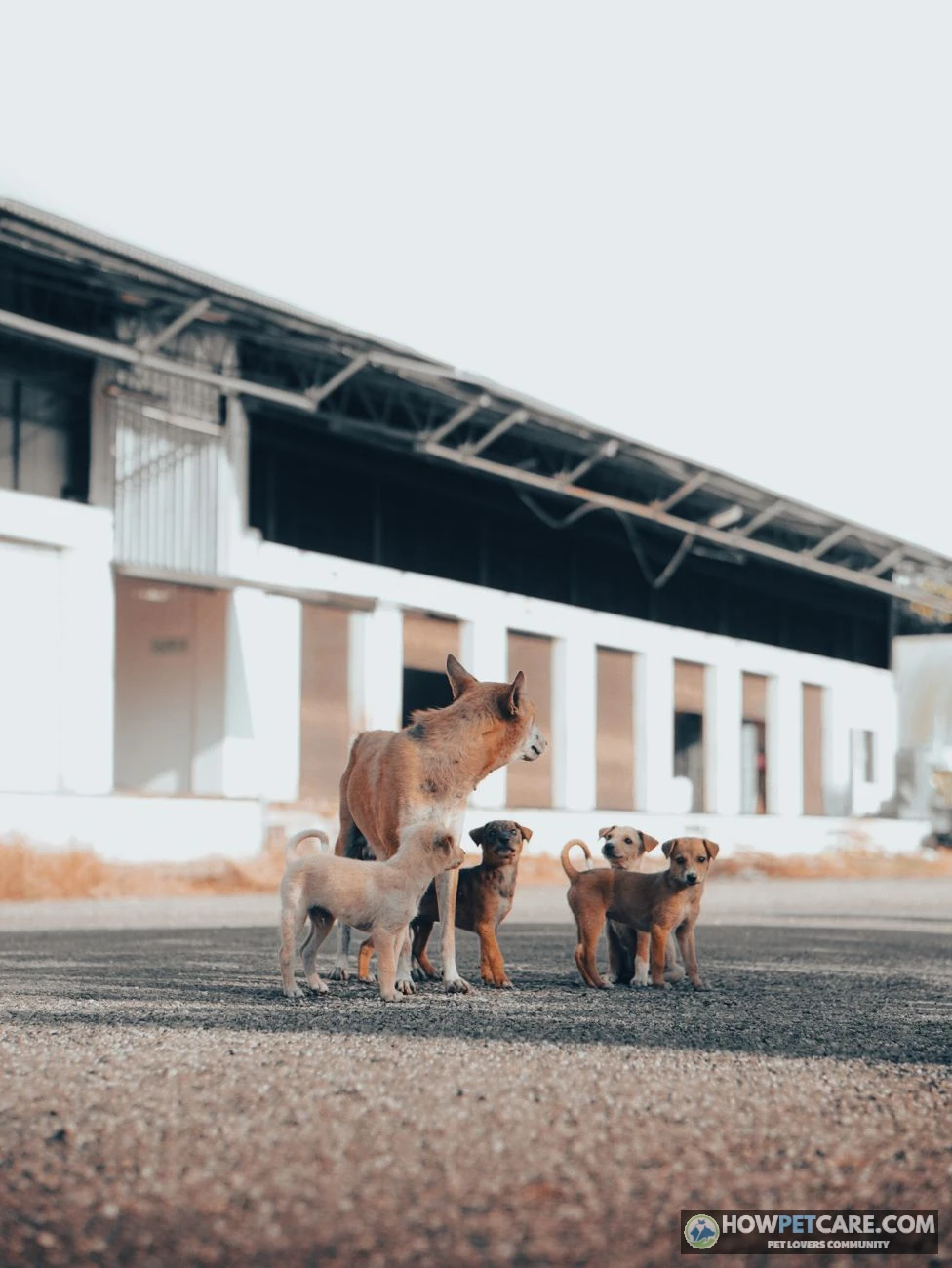

A father dog usually growls at his puppies to ask for space — a brief, low growl with a loose body that stops when the puppy backs off is normal correction. Stiffness, a hard stare, pursuit, or any tooth contact signals real danger and means separate them immediately.
Your Dad Dog Just Growled at the Puppies: Normal Correction or Danger?
The most common reason a father dog growls at his own puppies is that he wants space. A puppy climbs onto his head, chews his ear, or wanders toward his food bowl, and the growl is a short, deliberate warning: back up. The question — why do dad dogs growl at their puppies — usually arrives after a correction that looked worse than it was. Growling is a distance-seeking signal, not a default sign of aggression, and in most litters it does what an adult dog’s correction always does: it teaches a puppy where the boundaries sit.
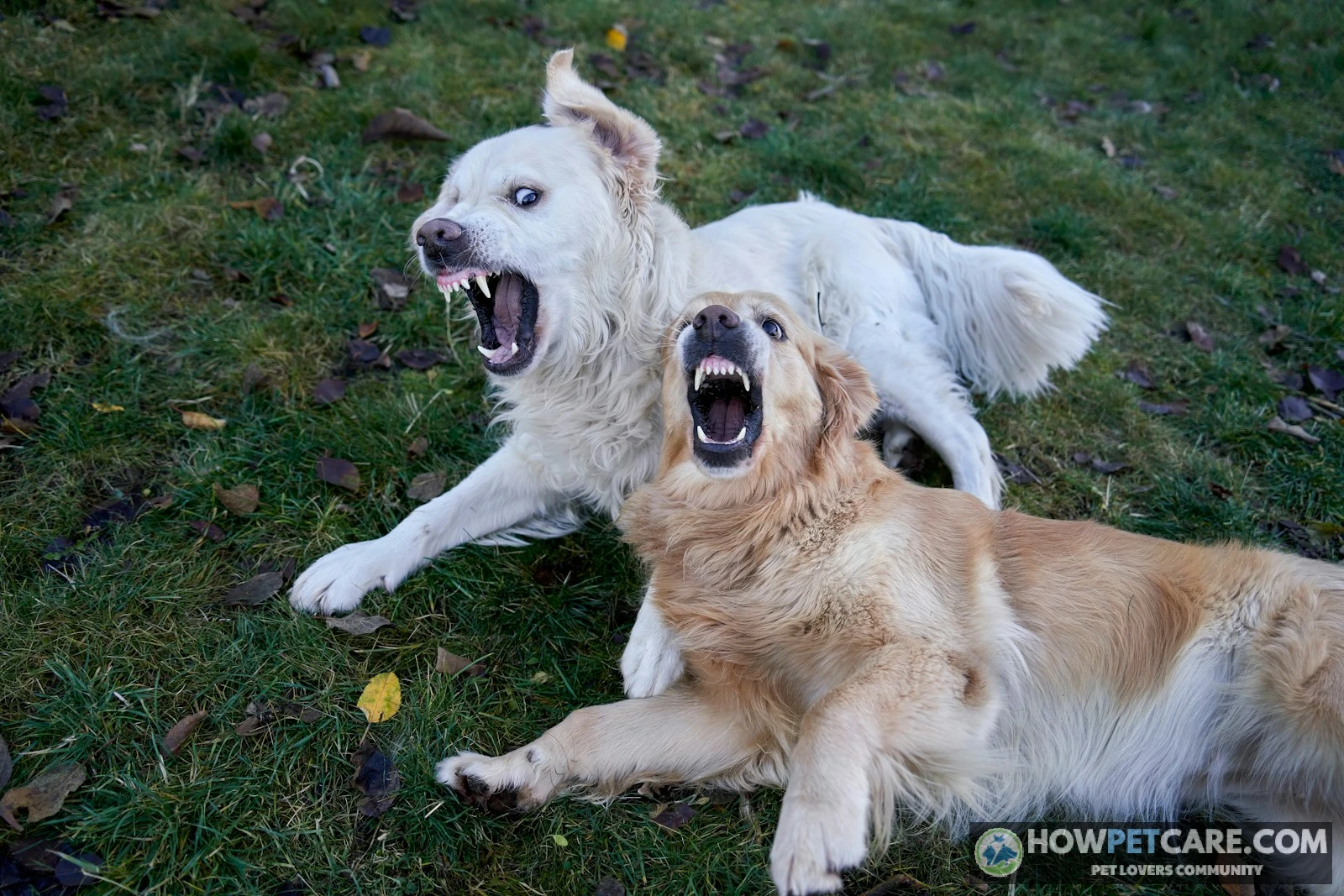
That said, the sound alone tells you almost nothing about safety. Two dogs can make an identical growl and mean completely different things. One is a two-second correction that ends the moment the puppy retreats. The other is a pre-attack warning. What separates them is the trigger, the father’s posture, whether his body stays soft or stiff, whether he can disengage, and whether any tooth contact happens.
The working rule is simple: supervise, separate, or call a vet or veterinary behaviorist. Start with the red flags below. The comparison table, age-based supervision timeline, and introduction protocol farther down help you classify what you saw and decide what happens next.
A single low growl that stops when the puppy backs off, from a dog whose body stays loose, is normal canine communication and usually safe to supervise through. A growl from a dog who stiffens, stares, follows the puppy, or makes contact is not normal parenting behavior. It’s a danger signal, and the puppies should be out of his reach immediately.
Red flags that mean separate right now
A stiff, frozen body with a hard stare. Lunging with intent to make contact. Grabbing, pinning, or shaking a puppy. Fixation on newborns that will not break. Growling that continues or escalates after the puppy backs away. Any bite, puncture, or visible injury. Move the adult dog out first, then check the puppy — not the other way around.
What to Do in the First 60 Seconds After the Father Growls at a Puppy
The first minute decides whether this stays a routine correction or becomes an incident. Your job is not to discipline anyone. It’s to lower the arousal in the room, create distance between the adult dog and the litter, and check the puppy.
-
Seconds 0–10: control your own response
Stay quiet and keep your body loose. Don’t yell, scream his name, or run toward him. Your tension raises his arousal and makes a bad outcome more likely.
-
Seconds 10–25: create distance, not contact
Calmly call the father away, or walk him off with a leash, a baby gate, or your body between him and the puppy. Don’t grab his collar or reach toward his face, and don’t scoop up the puppy while he is still lunging — redirected bites happen exactly there.
-
Seconds 25–45: barrier first, then examine the puppy
Put a closed door, gate, or exercise pen between them. Then run your hands over the puppy’s body and legs and look for punctures, saliva-wet fur, limping, flinching, or unusual crying. Puppy skin hides small punctures, so call your vet if anything seems off.
-
Seconds 45–60: write down what you saw
Record the puppy’s age, who approached whom, where it happened, whether food, chews, or toys were nearby, and whether the father’s body was stiff or loose. You’ll use this log for the comparison table below and for any conversation with a professional.
Separate calmly, don’t punish
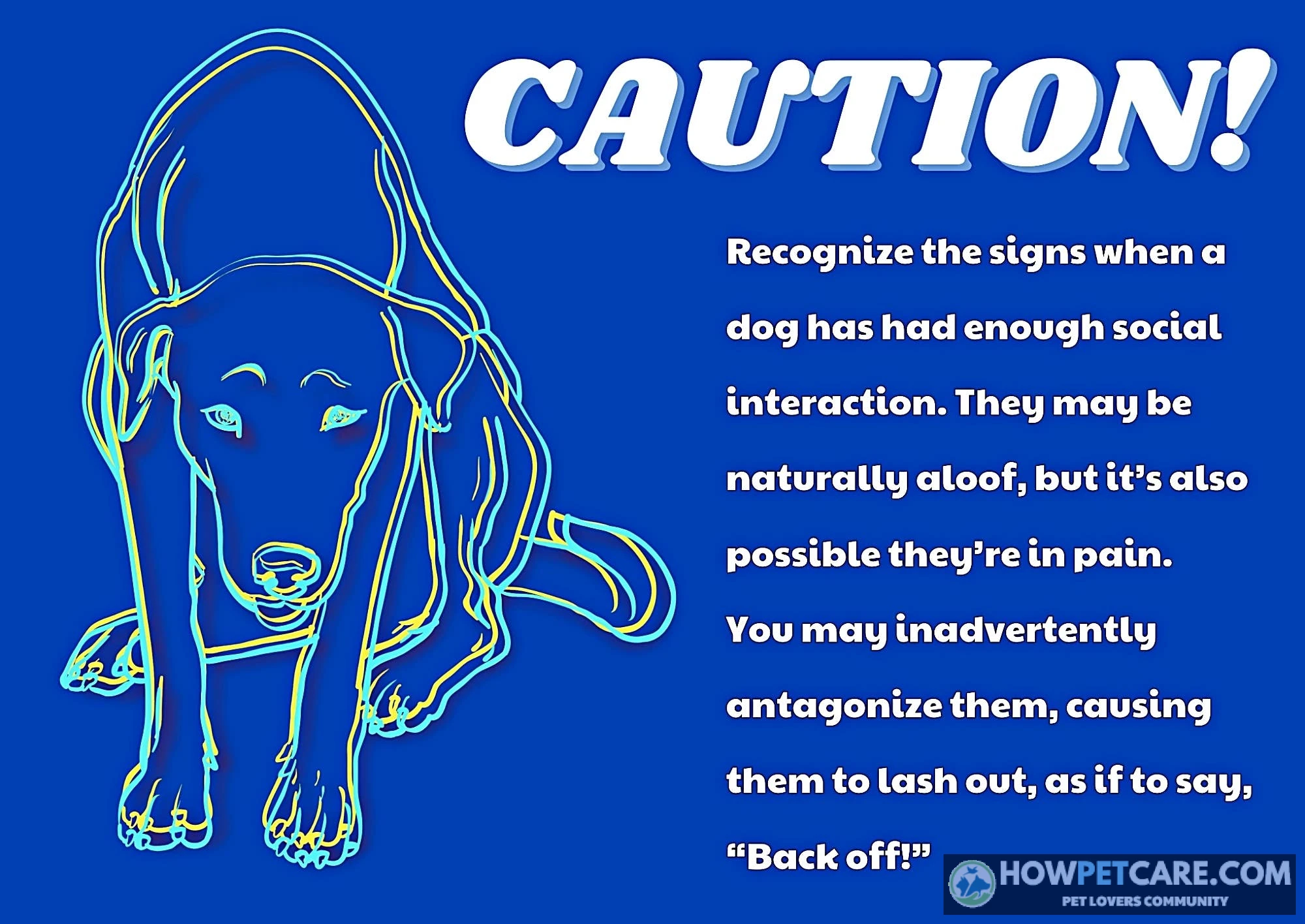
Punishing a growl suppresses a dog’s natural warning system without touching the anxiety or discomfort underneath it. That raises the risk of a bite with no warning at all. Scolding also teaches the father that your presence near the puppies predicts something unpleasant — the opposite of what you need during introductions.
A dog corrected for growling does not stop feeling crowded. He stops telling you he feels crowded. You lose your early-warning system and keep the underlying problem, which is how households end up with a bite nobody saw coming.
Document what you saw
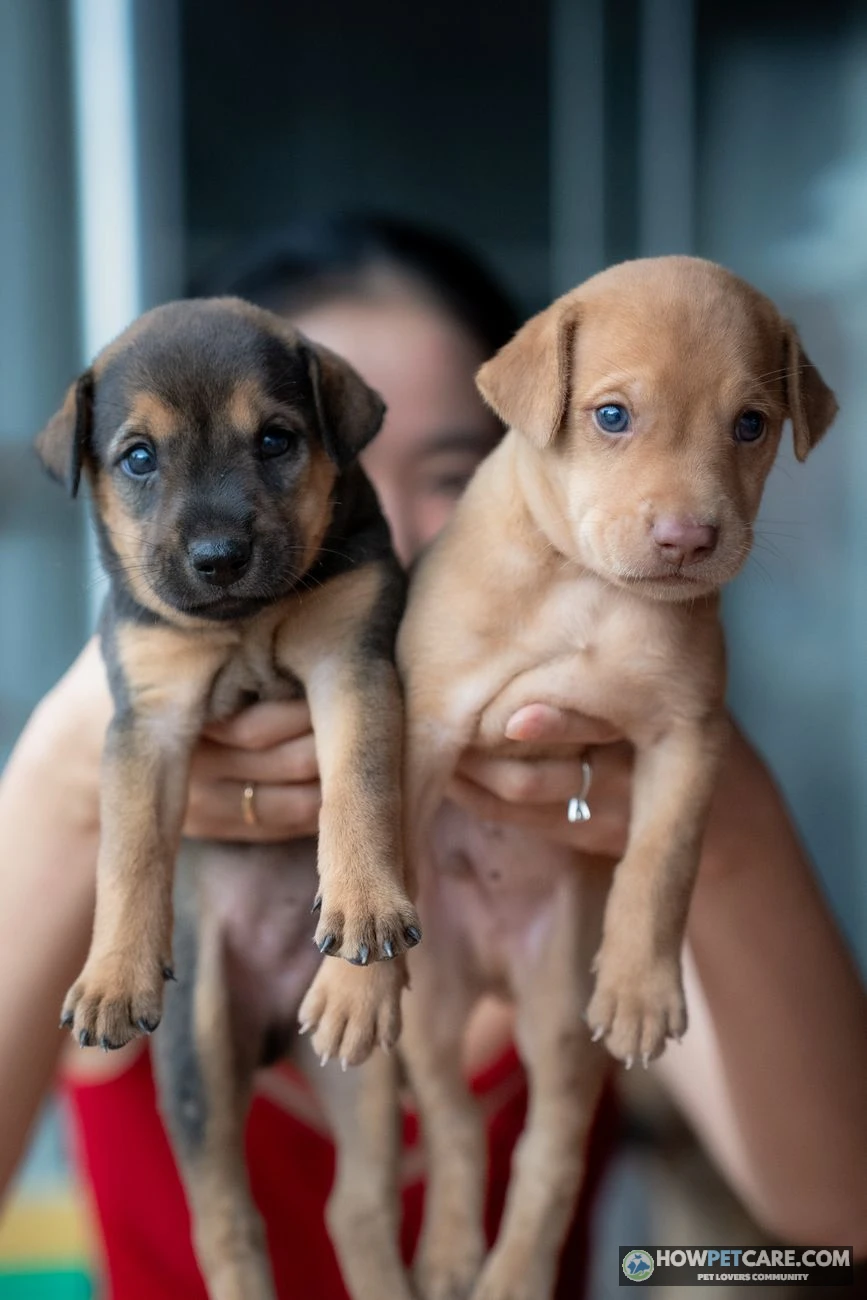
Keep the note short but specific: the puppy’s age in weeks, whether the puppy approached the adult or the adult approached the puppy, the location (whelping box, kitchen, near a food bowl), what resources were present, how long the growl lasted, whether the body was loose or stiff, whether contact occurred, and how long the puppy took to recover. Three or four incidents logged this way usually make the pattern obvious. It is also the single most useful thing you can hand a veterinarian or behaviorist.
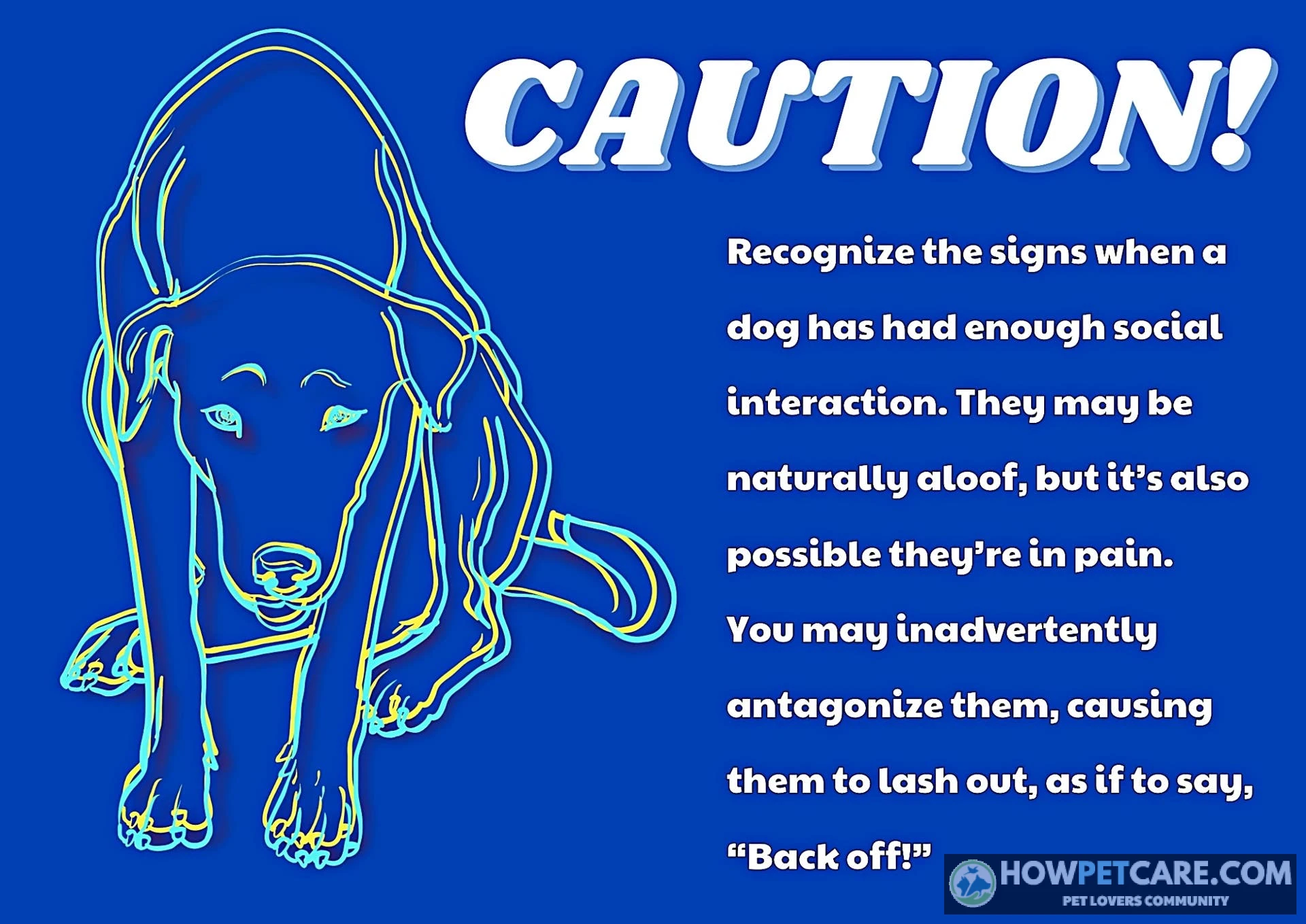
Why Father Dogs Growl at Their Puppies: The Real Reasons
Five causes account for nearly every case. They are not equally serious, and only one of them is a reason to relax.
Normal communication: boundary-setting
Correction behavior is the everyday one. An adult dog growls, lifts a lip, or air snaps at a puppy that has crossed a line — his face, his food, his bed, his resting space — and the puppy backs off. No contact, no pursuit, over within seconds. This is how adult dogs teach social limits, and it is the same class of signal a mother dog uses when she starts weaning a litter. Puppies are most receptive to these lessons during the critical socialization period of roughly 3 to 16 weeks, which is also why a correction at 5 weeks looks harsher than the same correction at 12 weeks.
Stress, fear, and resource guarding
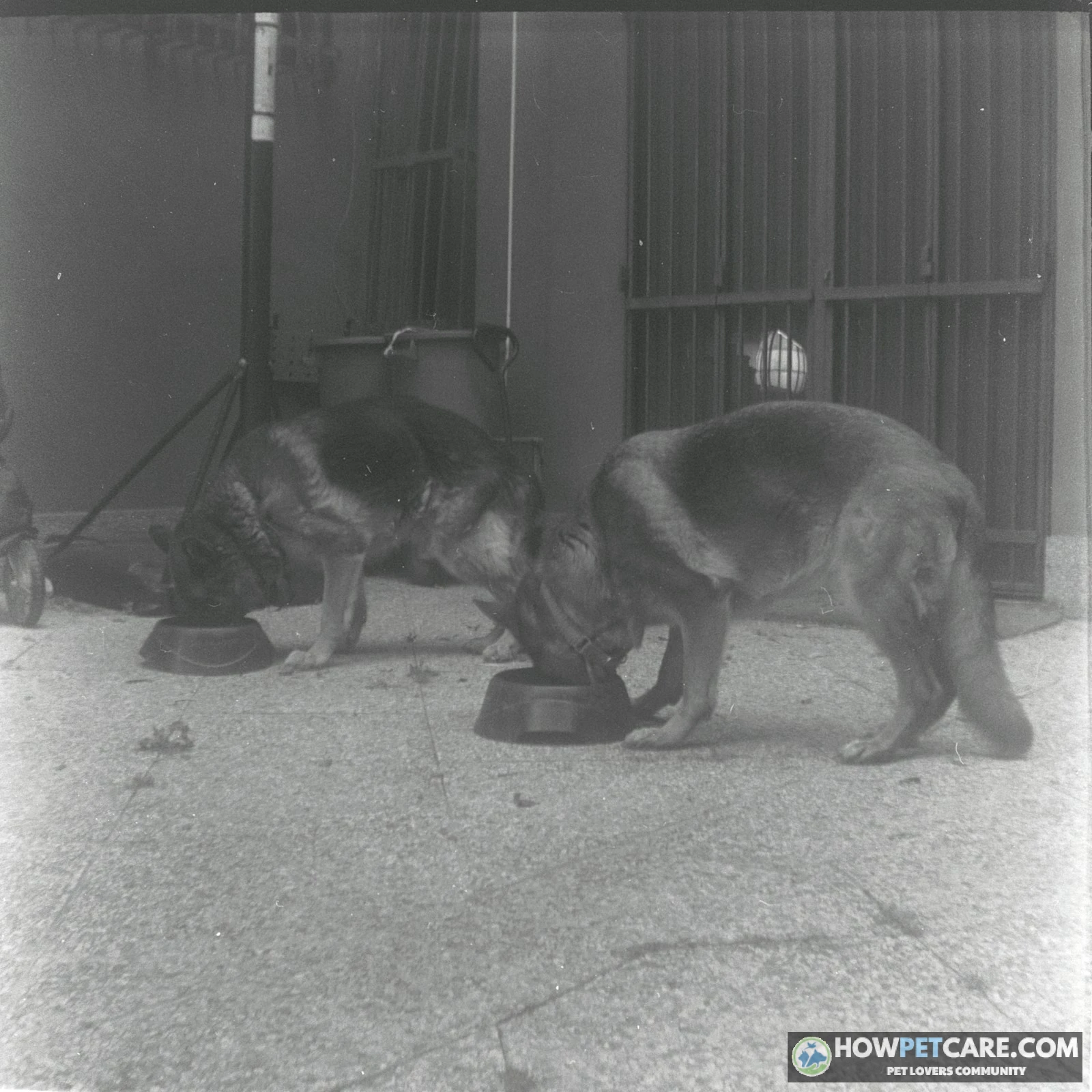
- Resource guarding. Food bowls, chews, bones, toys, a favored bed, or your attention. This is the most common flashpoint in a household with a litter, and it gets worse around weaning when puppies start eating solid food.
- Overstimulation and irritation. Puppies pounce, hang off ears, and bite tails. By 4 to 8 weeks they are mobile, mouthy, and relentless, and a growl is a reasonable request to be left alone.
- Fear response. Unfamiliar noise, a crowded room, a tense dam, or a dog who has never been around puppies before. Fear-based growling often comes with a tucked tail, lip licking, and the dog backing away rather than leaning forward.
- Territorial behavior. The whelping area rearranged his home. A dog who is normally relaxed can become reactive about a room that now smells like newborns and a protective mother.
Do not reach for the dominance hierarchy explanation. Dogs do not run a rigid alpha system in which an adult male growls at puppies to assert rank. Advice built on that idea tends to push owners toward intimidation and punishment — the two things most likely to turn a warning into a bite. Modern behavioral practice treats growling as communication about comfort and distance, not as a status claim.
Pain and medical causes
When growling is new, out of character, or aimed at everyone including you, think medical before behavioral. Pain, injury, illness, and age-related changes in vision or hearing can all shorten a dog’s fuse. A vet check is the right first move any time a previously tolerant dog starts growling at puppies he used to ignore.
Do Father Dogs Recognize Their Puppies? What Paternal Instinct Really Looks Like
Paternal instinct in dogs: what we know and don’t know
Be careful here: forum threads overstate this in both directions. The dam’s caregiving behavior is strongly hormone-driven and well documented after birth. Sires in domestic dogs generally do not show a comparable caregiving drive, and there is no reliable scientific evidence that most male dogs recognize puppies as their own offspring rather than responding to them as generic puppies.
What shapes a sire’s reaction is temperament, previous socialization with puppies, and individual experience. Some fathers are gentle and playful with a litter. Some are indifferent and simply avoid the whelping area. Some are intolerant from the first week. All three are within the normal range, so paternal instinct in dogs should never be assumed — it should be observed.
Familiarity may soften things: a male who lived alongside the dam through pregnancy and whelping has had weeks of scent exposure. But familiarity is not recognition of parentage, and it is not a safety guarantee.
Why ‘he’s their dad’ is not a safety plan
Judge the sire by his behavior toward the litter — posture, arousal, recovery time, response to being called away — not by his title as the father. A calm, tolerant male who corrects briefly is a good candidate for supervised contact. An anxious or guarding male is a risk regardless of genetics.
Corrective Growl vs. Dangerous Aggression: Body-Language Signs to Read
Use this table to classify what you saw. Check every row, not just one — a single red-flag row is enough to separate the dogs.
| Signal | Normal Corrective Behavior | Dangerous Aggression / Red Flag | What To Do |
|---|---|---|---|
| Sound | One short, low growl that stops once the puppy moves away | Growling that continues, deepens, or escalates; growling while moving toward the puppy | Ongoing or advancing growl: separate now |
| Body posture | Loose, weight even or leaning slightly away, body stays soft | Stiff, frozen, weight shifted forward over the front legs | Stiffness or freezing: separate now |
| Mouth and teeth | Lip lift, air snap that makes no contact | Closed, tight mouth before a lunge; actual contact, grabbing, head shaking | Any contact: separate and check the puppy for injury |
| Eyes | Soft or brief glance; dog looks away after the warning | Hard, fixed stare; whale eye (whites showing); unbroken watching | Hard stare or fixation: separate now |
| What happens after | Dog relaxes within seconds and lets the puppy leave | Dog pursues, re-engages, or stays locked on the puppy | Pursuit: separate and end the session |
| Puppy’s response | Puppy yelps once, backs off, recovers quickly, no injury | Puppy is pinned, cornered, bitten, limping, or bleeding | Injury or cornering: separate and call a vet |
| Trigger context | Puppy was climbing on him, biting ears, or near his food or resting spot | No clear trigger, or the dog sought the puppy out to correct it | Unprovoked approach: treat as high risk |
| Repeat pattern | Rare, predictable, tied to a clear cause | Repeated growls per session, with shorter warnings each time | Escalating pattern: separate and log it |
When in doubt, treat uncertainty as a yellow flag: separate calmly and reassess rather than waiting to see what happens.
How to read the whole dog, not just the growl
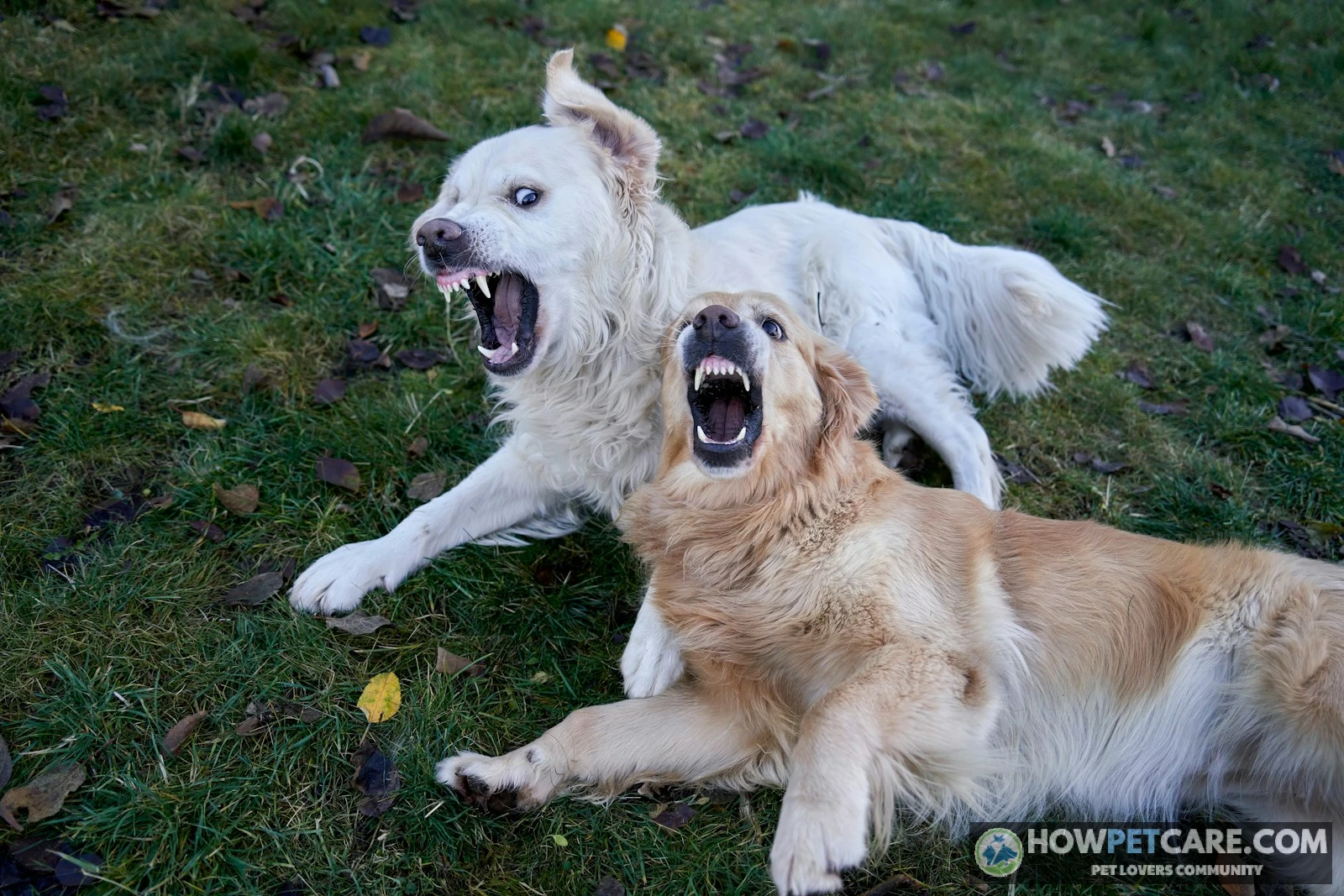
Canine body language rarely comes in single signals. Read clusters. A growl plus a soft body plus a puppy that walks away unharmed is a correction. A growl plus a closed mouth, forward weight, raised hackles along the shoulders, and a puppy that cannot get away is a warning you should not test. Stress signals in dogs — lip licking, yawning, blinking, sudden sniffing, a tucked tail, a paw lifted — tell you the dog is uncomfortable before the growl even happens. Those are the moments to intervene quietly.
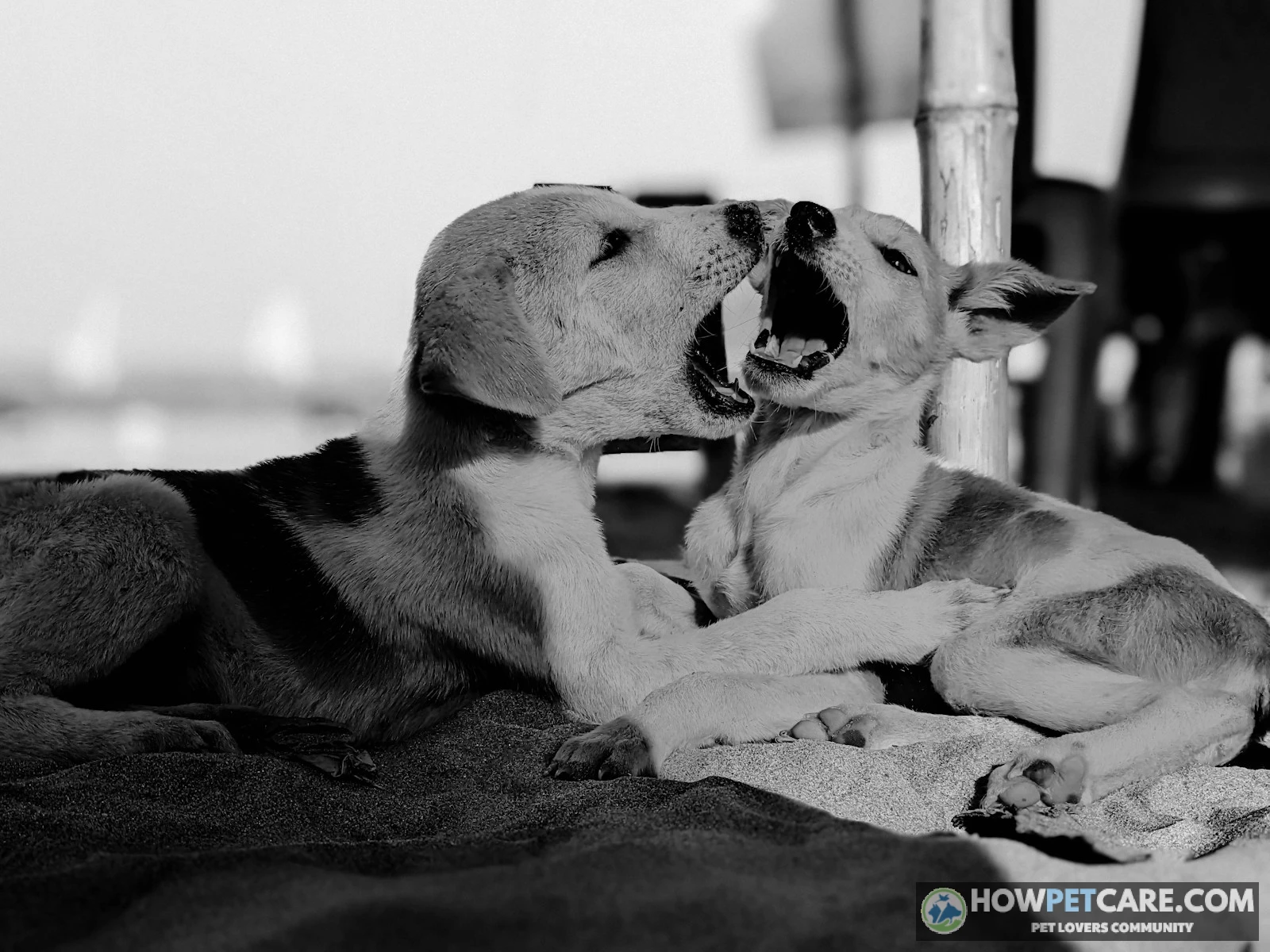
Fear-based growling can mimic aggression and is often misread. A cornered, frightened dog may bite without the postural buildup you would see in a confident, assertive dog, which makes a tight space with a litter especially risky. Never let a puppy corner or trap an adult dog, even a tolerant one.
What an air snap tells you versus a bite
An air snap is a warning shot: teeth close on empty space, no contact, and the puppy usually scrambles away. It is a serious escalation compared with a growl and belongs in the yellow zone — separate, supervise everything afterward, and reassess. Actual contact, even a single puncture or a grab-and-release, is red: separate immediately, have the puppy examined, and bring in a professional before any further contact.
Why the Mother Dog Growls at the Father (and How That Changes the Plan)
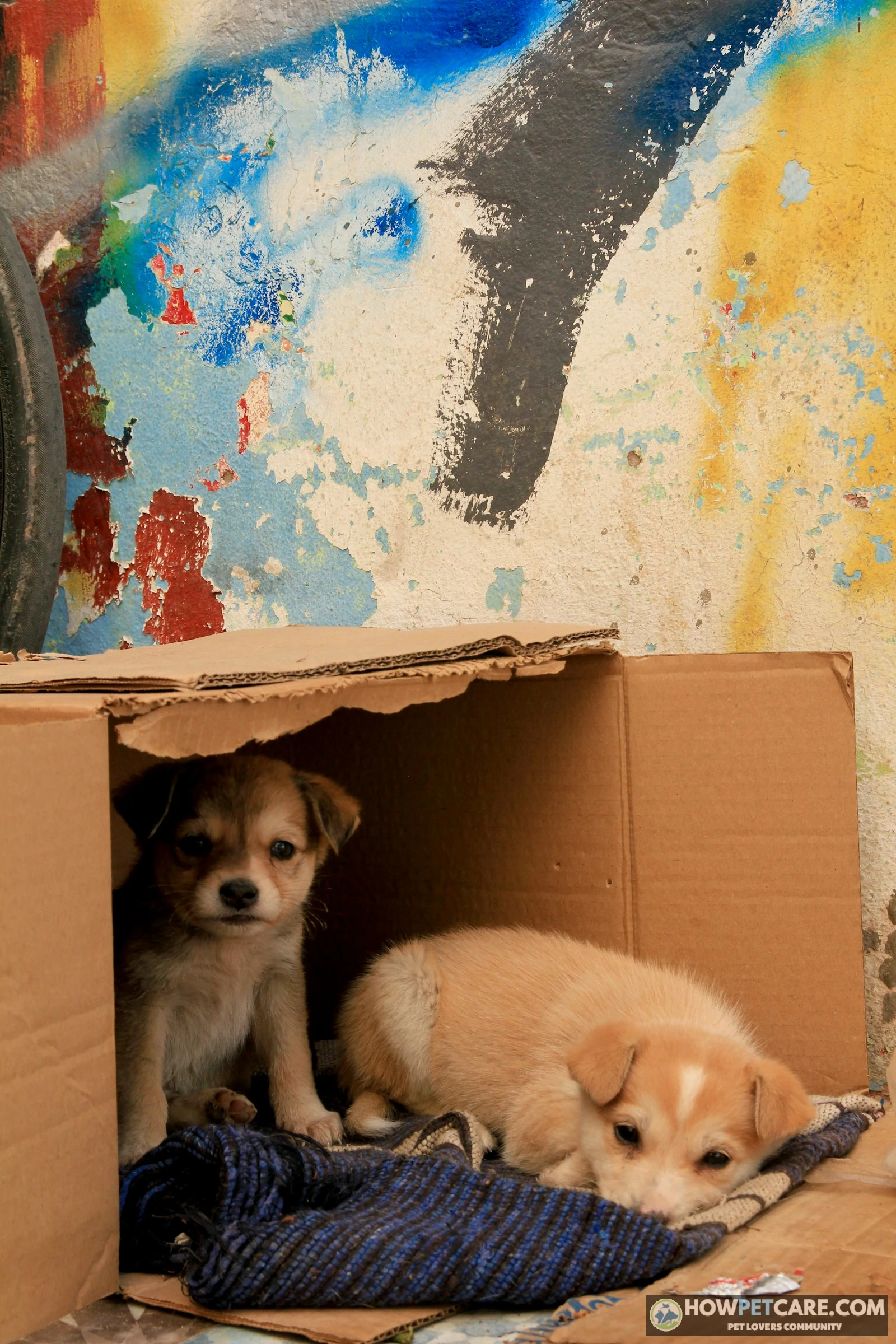
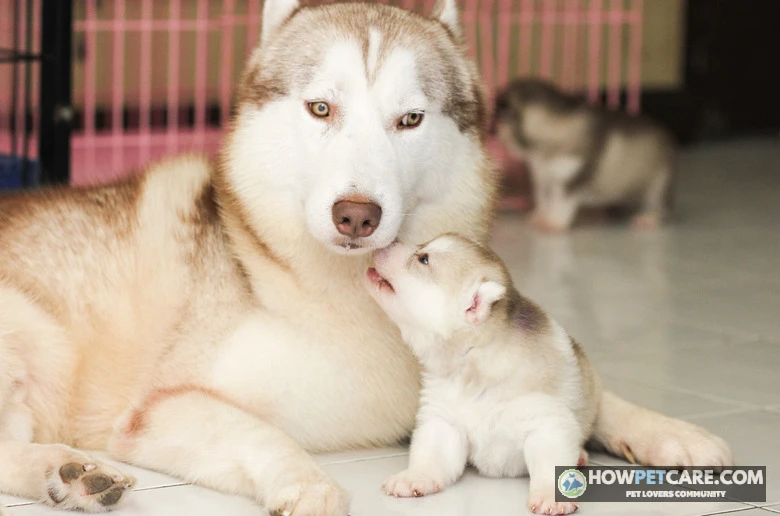
This is the mirror image of the question you came in with, and it usually shows up in the same household within days. After giving birth, the dam commonly shows maternal aggression — growling, snarling, and driving the male away whenever he approaches the litter. That is whelping behavior, not rudeness, and it is driven by hormones and the practical need to protect puppies that cannot protect themselves. Her protective behavior typically eases over roughly 7 to 9 weeks, though individual dogs vary.
What it means for the sire: much of the tension you are seeing may be her doing, not his. A male who is growled at every time he walks past the whelping box can become anxious, defensive, or reactive near that room. That can look like aggression toward the puppies when it is really conflict with the mother. Keeping the sire physically separated from the dam and newborns is also the safer arrangement, since a determined, protective dam can injure an adult male badly.
Dam guarding versus sire correction
| Feature | Dam guarding the litter | Sire correcting a puppy |
|---|---|---|
| Direction of the signal | Adult-to-adult, aimed at the sire or other dogs | Adult-to-puppy, aimed at the puppy |
| Driver | Hormonal, protective, instinctive | Boundary-setting, irritation, guarding, stress |
| Timing | Peaks in the first weeks, eases as puppies mature | Appears once puppies are mobile and demanding, often 4–8 weeks |
| What to do | Respect it, manage space, never reprimand her | Classify it with the table above |
When to stop the interaction
Scolding a mother dog for guarding her puppies does not make her more tolerant — it removes her warning signals and can make her more dangerous to both the sire and to you. Manage the space instead: gates, doors, separate resting areas, and no forced togetherness.
Step in when the dam-sire exchanges move past posturing: repeated lunging at each other, one dog pinning the other, or a scuffle that does not break off within seconds. At that point, stop all proximity between the adults and consider a behaviorist consult. A fight between two adult dogs in a house with a litter is a much bigger risk than a growl at a puppy.
Can Dad Dogs Be Around Their Puppies? An Age-Based Separation and Supervision Timeline
Match the current stage to the recommended contact level. When any trigger in the last column appears, drop back to full separation regardless of age.
| Puppy Age / Stage | Recommended Sire Contact | Main Risks | Separate or Call a Professional If |
|---|---|---|---|
| 0–2 weeks (neonatal) | Full separation, or barrier-only viewing — no physical contact | Puppies cannot move away; dam is at peak protectiveness; accidental injury | The dam becomes frantic at his presence, or the sire fixates on the whelping box |
| 2–4 weeks (transition; eyes open, walking begins) | Short, supervised sight-and-scent exposure through a baby gate, puppies stay in their area | Wobbly puppies trigger unpredictable reactions; dam still guarding | Any stiffening or staring at the gate; dam panicking |
| 4–8 weeks (weaning; peak pouncing and biting) | Brief, leashed, two-handler sessions in neutral space, 5–10 minutes, ended before tension | Sire irritation at ear-biting and climbing; resource guarding rises sharply around food | Any growl near food or chews; a correction that makes contact; a puppy who cannot disengage |
| 8–16 weeks (socialization window) | Gradually longer supervised sessions if every prior session stayed green | Lingering guarding; size mismatch during rough play | Repeated yellow-flag incidents, any bite, or a puppy who actively avoids him |
| After 16 weeks | Unsupervised time only after a long run of incident-free sessions; many owners correctly never make it the default | Complacency — adult dogs can still guard or correct hard | Any regression; go back to full supervision |
Feed separately at every stage from weaning onward. Food is the most common flashpoint in a house with a litter.
When to keep him fully apart
Keep total separation during the neonatal period and any time the dam is distressed by his presence. Newborns cannot retreat, cannot deflect a warning, and cannot be supervised closely enough to make contact safe. Barrier-only viewing — him on one side of a gate, the litter in the whelping area — gives you scent and sight exposure without the risk.
When supervised contact is reasonable
Once puppies are walking, are at least 3 to 4 weeks old, the dam is calm at the barrier, and the sire has stayed loose and callable during visual exposure, short supervised contact becomes reasonable. Supervised means you are in the room, the adult dog is leashed or tethered, and you can end the session in two seconds. It does not mean you are nearby doing dishes.
Separation thresholds at a glance
- Separate immediately: any bite or puncture, grabbing or shaking, stalking or fixation, repeated escalating growls, or a puppy that is cornered or pinned.
- Back off and supervise only: stiff posture, hard stare, a growl that outlasts the puppy’s retreat, a first-time growl near food or chews (separate the dogs and remove the resource), or any incident you cannot confidently classify.
- Call a professional: any contact injury, unpredictable reactions, a history of aggression toward other dogs, or a pattern that repeats despite management.
Does neutering or temperament history change the risk?
Neutering is not a guaranteed fix. It may reduce some hormone-driven tension, but it does not address resource guarding, fear, or learned behavior. Supervision and professional guidance remain necessary if growling is already a concern. Temperament history matters more than hormone status: a sire with a bite history, a strong guarding habit, or a low tolerance for frustration needs a higher level of caution and earlier professional involvement, regardless of age or neuter status.
How to Safely Introduce or Reintroduce a Father Dog to His Puppies, Step by Step
Setting up the space and tools
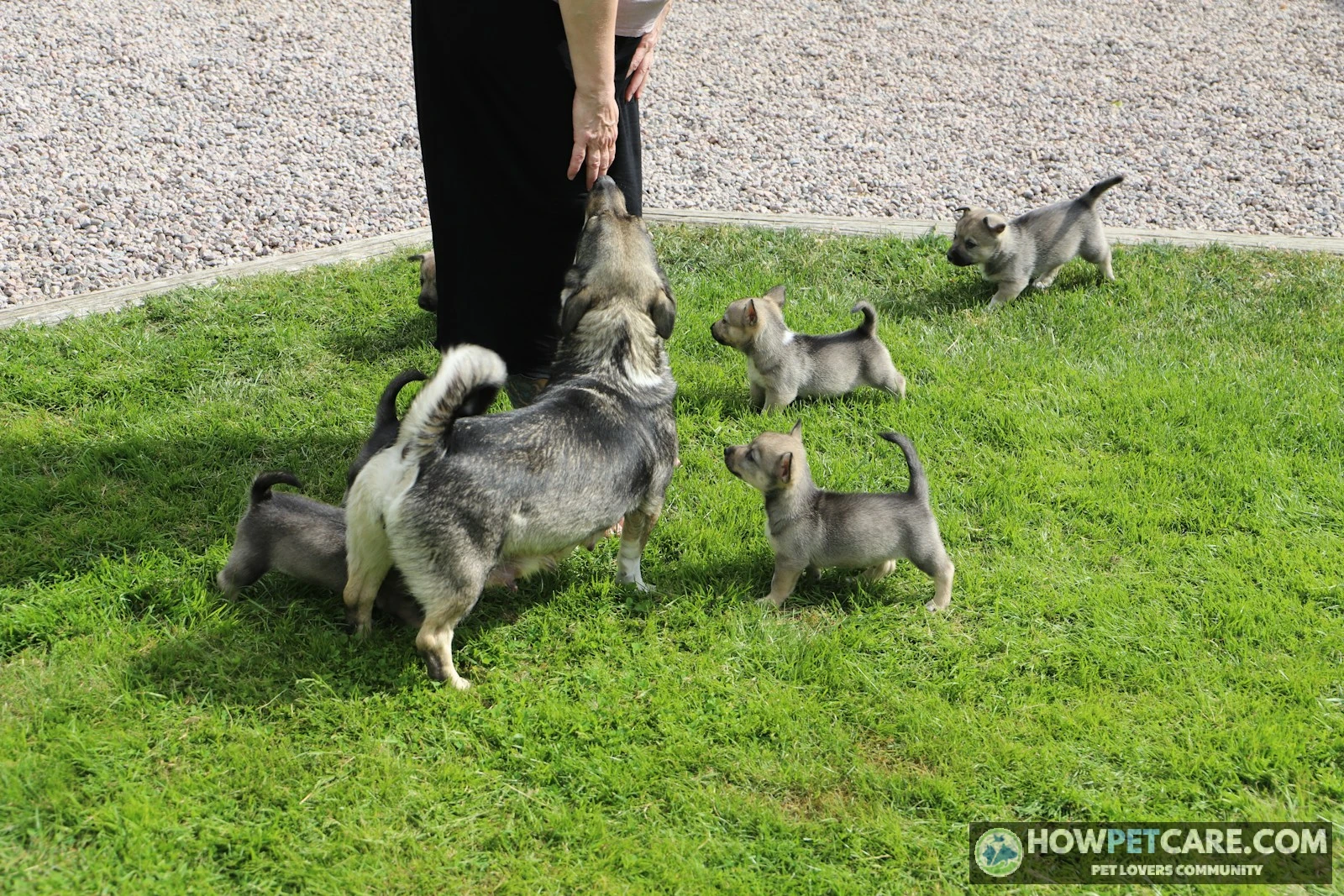
You need a baby gate or exercise pen, a leash and a second handler for the first physical sessions, a neutral room that is not the whelping area and not the sire’s core territory, and a way to remove every high-value item — food bowls, chews, bones, toys, beds — before anyone enters. A lickimat or stuffed Kong on the far side of the gate can build a positive association with the puppies’ presence, provided it is picked up before the puppies are in the same space.
The step-by-step protocol
-
Step 1: check the prerequisites
Puppies are at least 3–4 weeks old and healthy, the dam is calm at the barrier, and the sire is calm and healthy. If his growling is new or out of character, get a vet check before you start.
-
Step 2: scent exchange
Swap bedding between the sire’s area and the whelping area for two or three days. He should sniff the blanket and disengage calmly. Fixation or agitation means stay at this step.
-
Step 3: visual exposure through a barrier
Five to ten minutes at a baby gate, puppies on their side, sire on his. Reward every calm glance away from the puppies. He should be easy to call away from the gate.
-
Step 4: first physical contact, two handlers, neutral space
Dam out of sight, sire leashed or tethered, all resources removed. Allow one brief sniff, then calmly end the session in under five minutes.
-
Step 5: build duration slowly
Three consecutive incident-free sessions before you add time. Always end the session while he is still relaxed, never after a growl.
-
Step 6: add puppies, not freedom
Increase the number of puppies present before you increase the amount of freedom. Loose body language and quick recovery get you to the next step; stiffening, staring, or a growl that outlasts the puppy’s retreat sends you back one full step.
-
Step 7: call in help if progress stalls
Two weeks stuck at the same step, or any red-flag behavior, is the point to bring in a veterinary behaviorist or a certified force-free trainer.
When to stop or go back a step
Don’t advance until each gate is genuinely passed. One unchecked box means stay where you are.
Gate A — before any contact
- Puppies at least 3–4 weeks old, dam calm at the barrier
- Vet check completed if the growling is new or unusual
- No contact incidents at the current stage
Gate B — scent exchange
- Sire sniffs bedding and disengages without fixation
Gate C — visual exposure
- Body stays loose for 5–10 minutes at the gate
- He can be called away easily and rewarded for looking away
Gate D — first physical contact
- Two handlers, neutral room, sire leashed, dam out of sight
- All food, chews, toys, and beds removed
- Session ends in under five minutes, before tension appears
Gate E — building duration
- Three consecutive incident-free sessions before adding time
- Every session can be ended while he is still relaxed
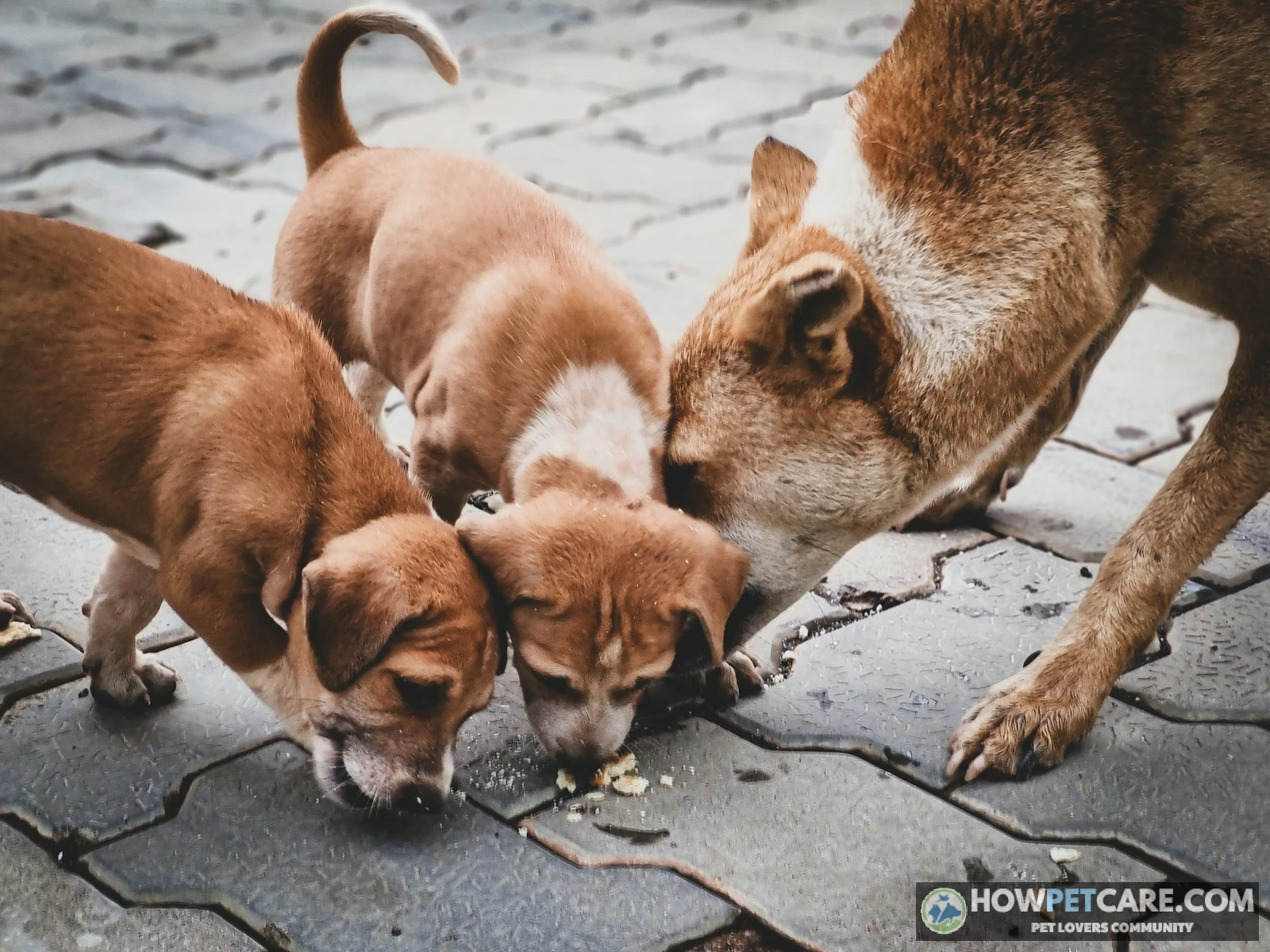
The most useful habit in any introduction is ending the session early. A two-minute session that finishes with a loose, relaxed dog teaches far more than a ten-minute session that ends with a growl and a separation.
Why Father Dogs Sometimes Attack Puppies: Rare Triggers and When to Get Professional Help
Serious aggression toward puppies is rare but real, and it is the search that brings many frightened owners here. Because there are no reliable published rates for sire-on-puppy aggression in domestic dogs, the honest approach is to treat warning signs seriously rather than reassure yourself with numbers that do not exist.
Triggers behind dangerous aggression
- Severe resource guarding, especially around food as puppies start eating solids.
- Fear or high stress in a crowded, noisy, or constantly invaded space.
- Pain or illness in the adult dog, which shortens the fuse and removes tolerance.
- An overstimulating environment — too many puppies, too small a room, no escape route for the adult.
- A weak, ill, or persistently crying puppy, which can raise arousal in some dogs in ways owners do not anticipate.
- An underlying behavioral or medical issue that predates the litter and was never assessed.
Who to call and when
Call a veterinarian for any bite, puncture, limping, swelling, or a puppy who is unusually quiet or crying; for a sudden behavior change in the adult dog; and for any suspicion of pain or illness. Puppy injuries can look minor and still need assessment.
Call a veterinary behaviorist — a veterinarian with specialty training in behavior — for repeated aggression, any contact incident, unpredictable reactions, a dog who cannot be called off, or a pattern that keeps escalating despite management. A certified force-free trainer can help you run the introduction protocol and reading exercises, but a behaviorist is the right call when there has been an injury or a genuine bite.
1When a father dog growls at a puppy, what is the recommended action during the first 10 seconds of the incident?
Staying quiet and keeping your body loose prevents escalating the adult dog's arousal level during a tense moment.
2Why do dog behavior experts strongly advise against punishing a father dog for growling at puppies?
Suppressing warning signals like growling leaves the dog's underlying anxiety unresolved, which can lead to bites without prior warning.
3According to modern behavioral practice, how should a father dog's growl toward a puppy primarily be understood?
Modern veterinary behavior views growling as a distance-seeking warning about personal boundaries and comfort rather than a status claim.
4What does scientific evidence suggest regarding a father dog's recognition of his own puppies?
Scientific research shows male domestic dogs lack the hormone-driven paternal investment seen in females and do not reliably identify their own offspring.
5Which cluster of physical signals indicates dangerous aggression rather than a normal corrective growl?
Stiffness, forward weight distribution, a tight closed mouth, and an unbroken hard stare are classic indicator clusters of dangerous, pre-attack aggression.
6How is an air snap categorized during an interaction between a sire and a puppy?
An air snap is a deliberate warning shot that makes no tooth contact, signaling heightened tension that warrants separation and reassessment.
7What distinguishes maternal aggression from the dam toward the sire from a sire's correction of a puppy?
Maternal aggression is a hormone-fueled protective response directed by the mother toward other adult dogs to protect her litter.
8From weaning onward, what is the recommended management rule regarding feeding the sire and the puppies?
Food bowls and chews represent the primary flashpoint for resource guarding, making total separation during feeding necessary.
9Before allowing physical contact between a father dog and puppies in a neutral space, what step must be completed first according to the introduction protocol?
Exchanging scents via bedding and conducting controlled visual contact through a physical barrier ensure safety before allowing physical proximity.
10Why is neutering an adult male dog not a guaranteed fix for growling at puppies?
Growling can be driven by resource guarding, fear, pain, or environmental stress, none of which are solved by hormone reduction alone.
Your Next-Step Checklist: Supervise, Separate, or Call a Professional
| What You Observed | Risk Level | Action | Who to Contact |
|---|---|---|---|
| One brief growl, loose body, puppy backed off, no contact | Green | Supervise the next session with gates and separate feeding | No one, unless the pattern changes |
| Stiff posture, hard stare, growl that continued after the puppy retreated | Yellow | Separate now, supervise all future contact, keep a log | Certified force-free trainer if it repeats |
| Growl near food, chews, or a bed; puppy under 4 weeks old | Yellow | Separate, remove all resources, feed on opposite sides of a door | Trainer or behaviorist if guarding persists |
| Any tooth contact, puncture, grabbing, pinning, shaking, or cornering | Red | Separate immediately, end all contact | Vet for the puppy; veterinary behaviorist for the sire |
| Growling that is new, out of character, or aimed at everyone | Red-adjacent | Separate while you investigate | Veterinarian first, then behaviorist |
Quick decision guide
Supervise when the growl was brief, the body was loose, there was a clear trigger, no contact occurred, and the puppy walked away unharmed and recovered quickly — and you can actually control the space.
Separate when you saw stiffness, a hard stare, escalation, repetition, cornering, any contact, or you simply are not sure what you saw. Uncertainty is not a reason to wait.
Call a vet or veterinary behaviorist when there is an injury, a bite, unpredictable behavior, a sudden change in a previously tolerant dog, or a pattern that recurs despite management.
Management tools to set up today
- Baby gates and exercise pens so separation takes one second, not a wrestling match.
- Scheduled, short sessions rather than free access, always ended on a calm note.
- Separate feeding, permanently, from weaning onward.
- A simple incident log — date, puppy age, trigger, body language, contact yes or no, recovery time.
- A written plan for the dam, so her guarding is respected rather than reprimanded.
A growl is a request for distance, not a verdict on the dog’s character. Answer the request, keep the puppies safe, and let the log and the checklist — not your nerves — decide when the next introduction happens.
| Behavior Signal | Normal Corrective Behavior | Dangerous Aggression / Red Flag | Recommended Action |
|---|---|---|---|
| Sound | One short, low growl that stops once the puppy moves away | Growling that continues, deepens, or escalates; growling while moving toward the puppy | Ongoing or advancing growl: separate now |
| Body posture | Loose, weight even or leaning slightly away, body stays soft | Stiff, frozen, weight shifted forward over the front legs | Stiffness or freezing: separate now |
| Mouth and teeth | Lip lift, air snap that makes no contact | Closed, tight mouth before a lunge; actual contact, grabbing, head shaking | Any contact: separate and check the puppy for injury |
| Eyes | Soft or brief glance; dog looks away after the warning | Hard, fixed stare; whale eye (whites showing); unbroken watching | Hard stare or fixation: separate now |
| What happens after | Dog relaxes within seconds and lets the puppy leave | Dog pursues, re-engages, or stays locked on the puppy | Pursuit: separate and end the session |
| Puppy's response | Puppy yelps once, backs off, recovers quickly, no injury | Puppy is pinned, cornered, bitten, limping, or bleeding | Injury or cornering: separate and call a vet |
| Trigger context | Puppy was climbing on him, biting ears, or near his food or resting spot | No clear trigger, or the dog sought the puppy out to correct it | Unprovoked approach: treat as high risk |
| Repeat pattern | Rare, predictable, tied to a clear cause | Repeated growls per session, with shorter warnings each time | Escalating pattern: separate and log it |
FAQ
Is it normal for a male dog to growl at puppies?
A brief growl with loose body language that ends when the puppy backs off can be normal boundary-setting. A stiff, staring, escalating, or contact-making growl is not, and the puppies should be separated from him right away.
Why does my male dog growl when puppies come near?
Common reasons include wanting space, irritation at being climbed or bitten, guarding food or toys, stress, or pain. Check his body language and the context to tell correction from danger.
Can father dogs be around their newborn puppies?
In the first couple of weeks, it is safest to keep the sire separated or limited to viewing through a barrier. Newborns can’t move away from trouble, and the dam is usually very protective.
Should I punish my dog for growling at puppies?
No. Punishment suppresses the warning without addressing the cause, which can lead to bites with no warning. Calmly separate him and work on management or professional help.
Does neutering stop a male dog from growling at puppies?
Not reliably. Neutering may help in some cases, but it does not address resource guarding, fear, or learned behavior, so supervision and a vet or behaviorist consult are still needed if growling is a concern.