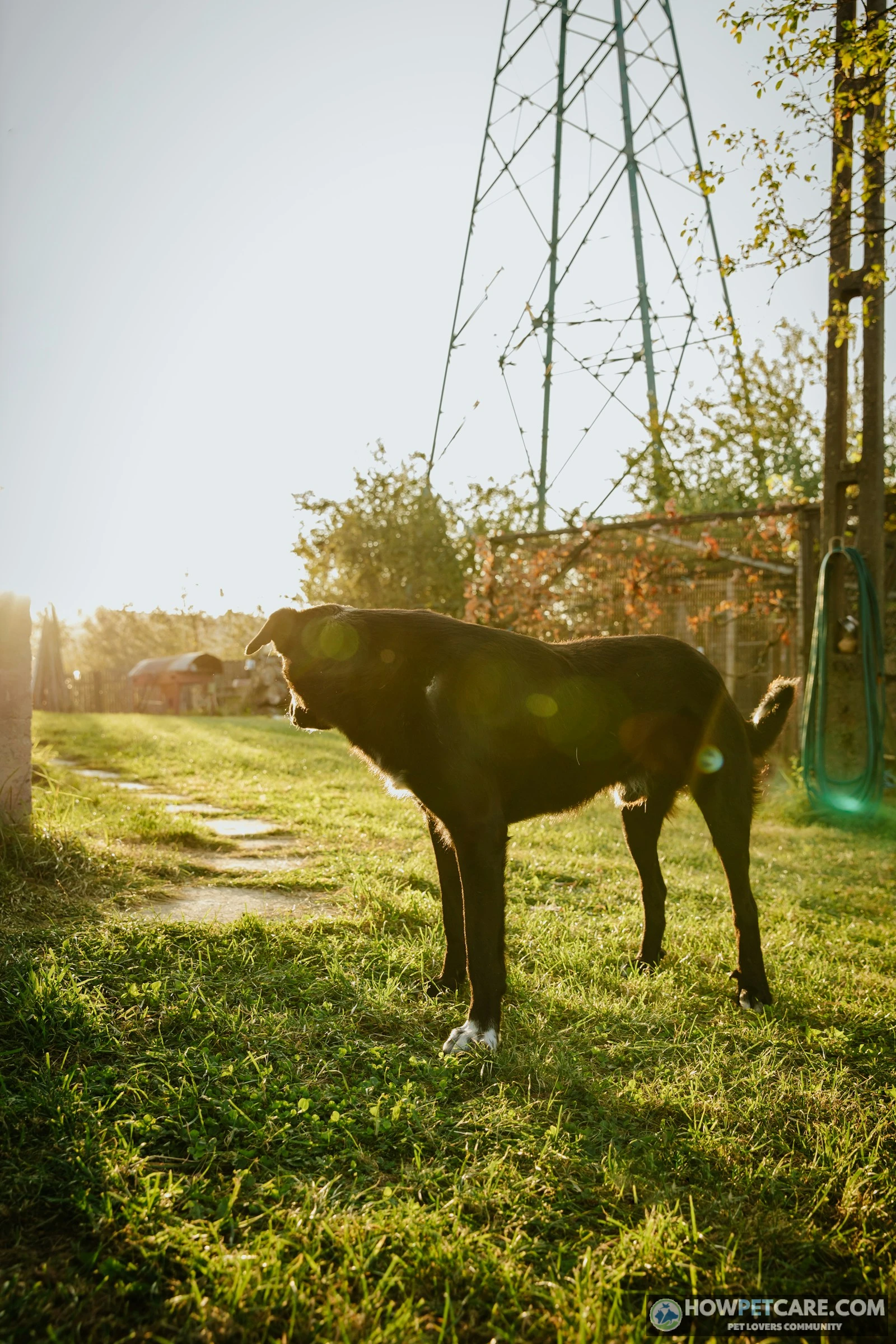

Dogs eat grass for many possible reasons — taste, boredom, exploration, instinct, or nausea — and no single explanation fits every dog. Occasional calm grazing is usually normal; sudden, frantic, or escalating grass eating, especially with vomiting or low energy, warrants a call to your veterinarian.
Why Your Dog Eats Grass: Common Reasons and the Quick Check
Grass eating is common in healthy dogs and often ordinary. Your dog may like the taste or texture, may be exploring, or may be looking for something to do. Some dogs graze when they feel nauseated. No single explanation fits every dog.
If your dog calmly nibbles a little untreated grass and otherwise eats, plays, and has normal stools, watching at home is usually reasonable. New, frantic grazing, especially with vomiting or low energy, deserves closer attention. Repeated retching with nothing coming up, a swollen belly, or bloody or coffee-ground vomit calls for emergency care.
The triage table below helps you choose your next step. The sections that follow explain what different patterns may mean and how to make your yard and walks safer.
Behavior-driven reasons: instinct, taste, boredom, and anxiety
Eating plants may be part of normal canine behavior, though researchers haven’t established one biological reason dogs do it. A dog may like fresh grass, graze during a walk, seek attention, or turn to it when bored or anxious.
Pica is a persistent urge to eat non-food items. A dog that occasionally nibbles grass doesn’t necessarily have pica; a dog that repeatedly swallows dirt, rocks, fabric, or other objects needs a veterinary assessment.
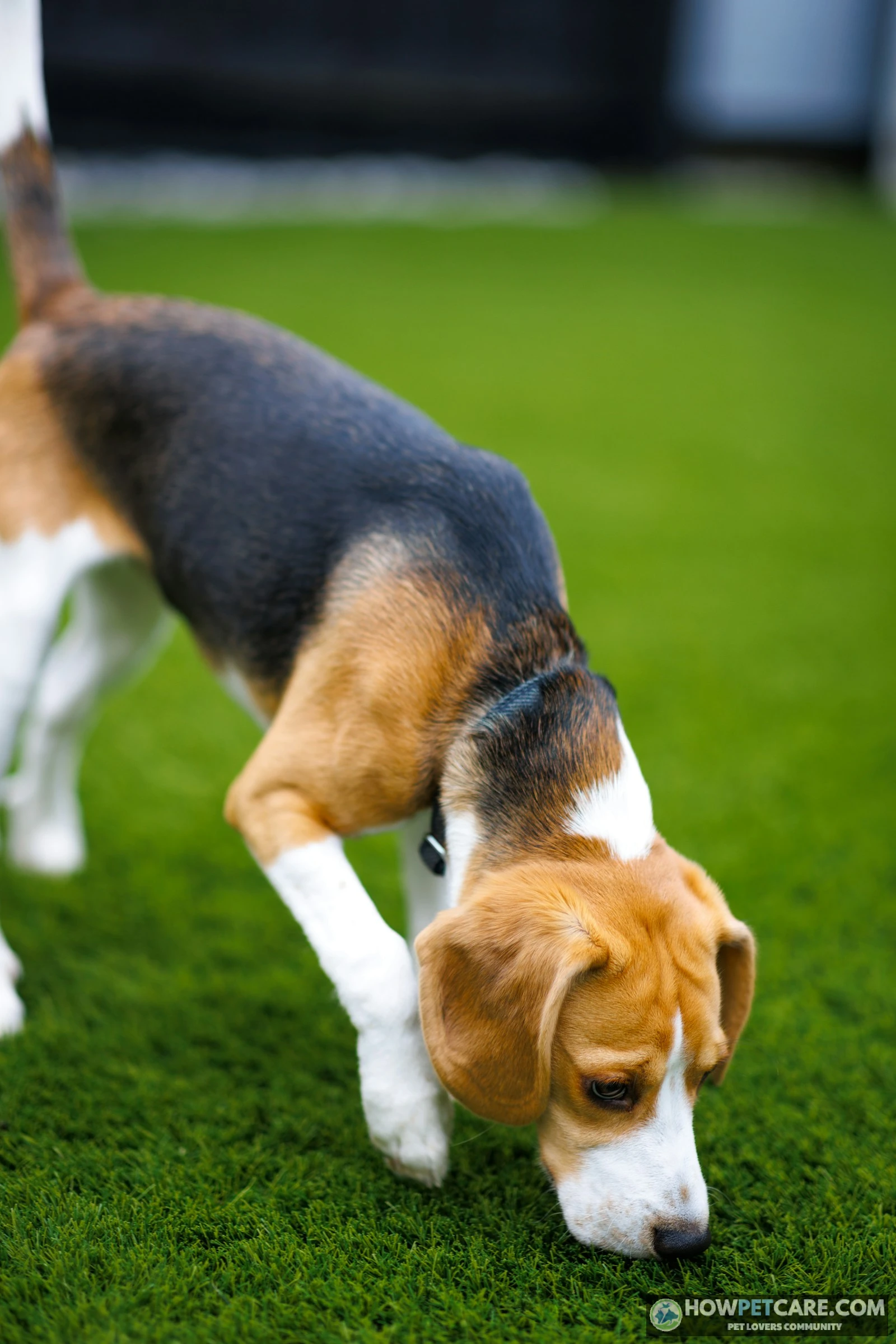
Body-driven reasons: upset stomach and dietary fiber
Some dogs graze around episodes of nausea or digestive discomfort. Grass also contains dietary fiber, or roughage, but eating it doesn’t establish that a dog needs more fiber or has a nutritional deficiency.
The useful question isn’t just why does my dog eat grass. It’s whether your dog’s grazing is calm and familiar or a change accompanied by other signs.
Do Dogs Eat Grass to Make Themselves Vomit? What the Evidence Shows
In a 2008 University of California, Davis owner survey by Sueda and colleagues, about 9% of dogs were reported to appear ill before eating plants, and about 22% were reported to vomit afterward. Put another way, fewer than one in four reportedly vomited, and roughly one in ten seemed sick beforehand. Those findings don’t support nausea or deliberate vomiting as an explanation for most grazing.
The survey relied on owners’ observations: an owner might miss subtle nausea or not see every episode. It also can’t tell us what a dog intended. Different dogs, and even the same dog on different days, may eat grass for different reasons.
| Theory | What it may explain | What remains uncertain |
|---|---|---|
| Nausea or self-medication | Some dogs graze around an episode of stomach upset. | Vomiting afterward does not prove the dog intended to vomit, and most surveyed dogs were not reported to vomit. |
| Fiber or digestive need | A diet review may be useful when grazing accompanies digestive problems. | Grass eating alone does not establish a fiber shortage or prove that grass treats an upset stomach. |
| Nutritional deficiency or pica | An incomplete diet or persistent eating of other non-food objects warrants investigation. | Neither follows automatically from ordinary grass nibbling. |
Why grass and vomiting often show up together
Grass may irritate the digestive tract, and a dog that gulps a large amount may bring it back up. Or nausea or another gastrointestinal problem may have been present before the grazing. There’s no solid evidence that eating grass reliably settles an upset stomach.
Dog eating grass and vomiting: bile, empty stomach, and mechanical irritation
Yellow foam can contain bile, a digestive fluid. Vomiting yellow fluid when the stomach is empty can occur in some dogs, but the color alone doesn’t identify the cause or prove that the dog ate grass to relieve it.
If an otherwise healthy adult vomits once and promptly returns to normal, monitor closely. Repeated vomiting, recurring morning bile, reduced appetite, or low energy warrants a veterinary call. A dog that can’t keep water down needs prompt, same-day veterinary care.
The nutritional deficiency theory: when it applies and when it doesn’t
A nutritional imbalance is more plausible when a diet is incomplete or improperly formulated, including some homemade diets. Dogs eating a complete and balanced diet don’t need supplements simply because they graze; ask a veterinarian to assess the whole diet before changing it.
The theories aren’t necessarily mutually exclusive: the dog’s overall pattern is more informative than any one explanation.

 You might be wonderingEat my puppy“Eat My Puppy” Explained: Begging, Toxicity and Cute AggressionRead the answer
Normal or Red Flag? A Watch / Call the Vet / Emergency Triage Guide
Judge the accompanying signs and any change from your dog’s usual behavior, not the grass eating alone. If more than one row applies, follow the most urgent one.
| Urgency level | What you’re seeing | What to do | How soon |
|---|---|---|---|
| Watch at home | Calm nibbling; normal appetite, energy, and stool; or one brief vomit followed by normal behavior | Record the episode and prevent access to unsafe grass. Watch for further symptoms. | Monitor now; reassess if the pattern changes. |
| Book a vet visit | New or escalating grazing; grazing on most outings for one to two weeks; recurring vomiting or morning bile; diarrhea lasting more than a day; weight loss, reduced appetite, or visible worms | Call your veterinarian, describe the pattern, and ask when your dog should be seen. | Call promptly; an appointment within a few days may be appropriate if your dog is otherwise stable. |
| Emergency now | Repeated unproductive retching; a swollen or painful belly; bloody or coffee-ground vomit; black tarry stool; collapse, marked weakness, pale gums, tremors, seizures, or breathing trouble | Go to an emergency veterinarian. Call ahead if possible. | Immediately. |

Watch at home
Note the time, amount eaten, appetite, stool, energy, and any vomiting. A single vomit isn’t a reason to ignore a dog that seems unwell: move to the appropriate higher-urgency tier if another sign appears.
Book a vet visit
Don’t wait for a week-long log if symptoms are already recurring. Puppies, seniors, dogs with chronic disease, and dogs that can’t keep water down may need quicker advice; call your veterinarian for individual guidance.
Emergency now
Repeated attempts to vomit without producing anything, particularly with a distended belly, can signal a life-threatening bloat emergency. Large, deep-chested dogs are among those at risk; don’t wait to see whether the swelling passes.
If your dog may have swallowed a toxic plant, pesticide, or slug bait, call a veterinarian or pet poison hotline immediately—even if your dog looks normal. Follow their directions, and take the packaging or a plant photo with you. Do not induce vomiting unless a professional tells you to.
In the United States, you can call the ASPCA Animal Poison Control Center at 888-426-4435 or Pet Poison Helpline at 855-764-7661; consultation fees may apply. This guide supports decisions but cannot replace an examination.
How Much Grass Eating Is Too Much? Defining Excessive Grazing
There is no established number of blades, mouthfuls, or daily episodes that defines excessive grazing or predicts a blockage. Instead, compare frequency, intensity, and change with your dog’s normal pattern.
Frequency, intensity, and change: three tests
As a practical, not diagnostic, rule, a few calm nibbles on some walks are less concerning than a new habit of grazing on most outings, several times a day, or over one to two weeks. A healthy dog can nibble grass every day without it being a medical problem; a sudden increase or accompanying symptoms changes the decision.
Use this one-minute check:
- Is grazing new, increasing, or happening on most outings?
- Is your dog gulping frantically or difficult to interrupt?
- Does your dog ignore a favorite treat to keep eating grass?
- Is your dog pulling up roots, soil, or whole clumps?
- Does grazing regularly occur before breakfast or during the night?
- Is there vomiting, diarrhea, appetite change, or weight loss?
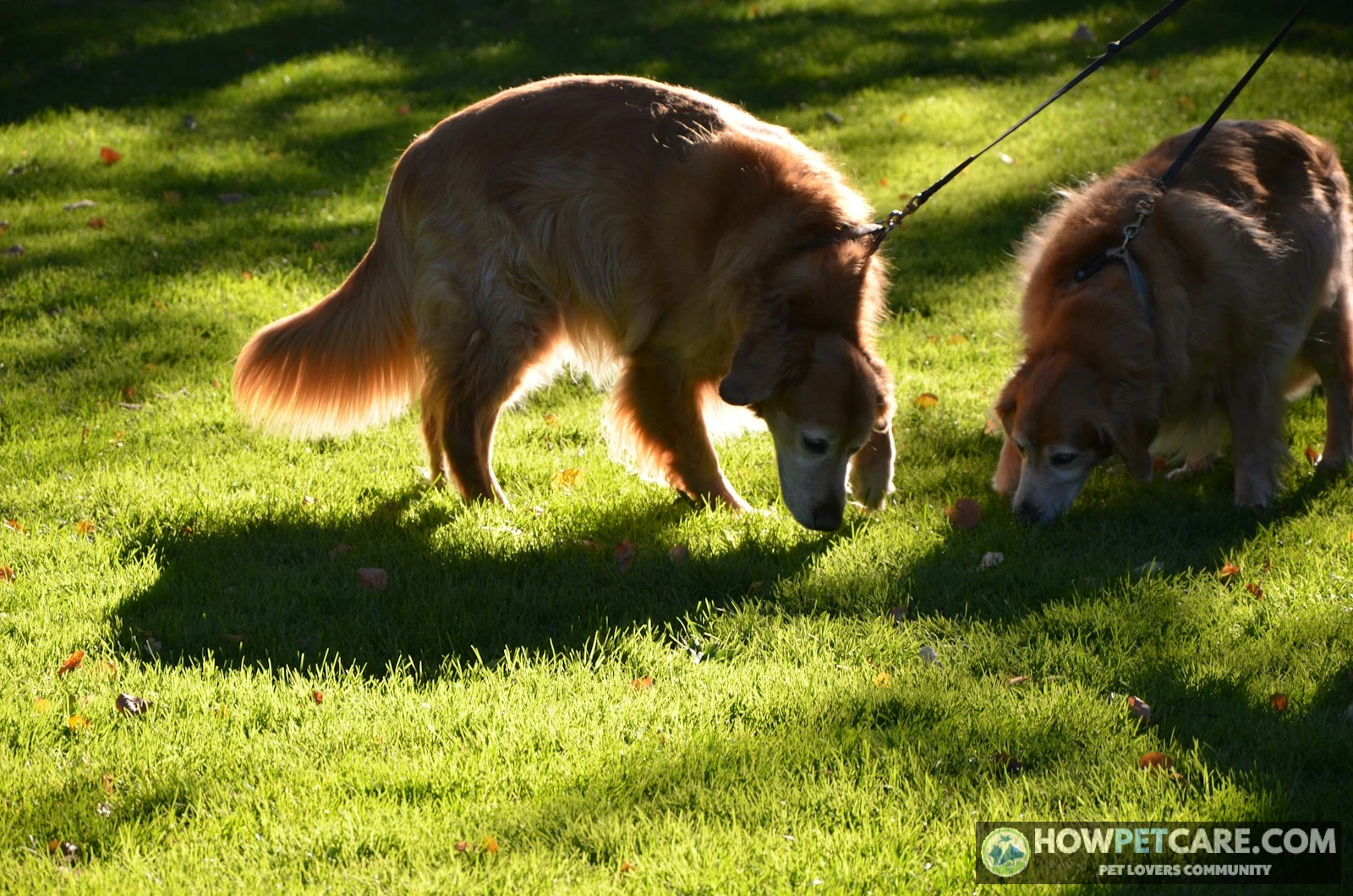
These are clues, not a validated score: even one serious symptom can outweigh several reassuring answers. Book a vet visit for a persistent or escalating pattern, and use the emergency row above when applicable. Frantic grass eating can accompany nausea, but it doesn’t identify the cause by itself.
Grass clumps, blockage risk, and swallowed extras
Large wads of long grass are more concerning than a few tips, especially if swallowed with string, plastic, bones, or another object. There’s no reliable amount an owner can use to rule out an obstruction. Repeated vomiting, a painful belly, or inability to keep water down requires prompt veterinary assessment; unproductive retching is an emergency.
Boredom, Anxiety, Allergy, or Parasites? How to Tell What’s Driving Your Dog’s Grazing
Patterns can help you describe the problem, but they can’t diagnose it. More than one issue can occur at the same time.
| Possible cause | Pattern and timing clues | Other symptoms to look for | Next step |
|---|---|---|---|
| Boredom or anxiety | Grazing during long, uneventful yard time or stressful situations | Dog otherwise appears well; behavior may change with the setting | Add supervised activities and record the context. Seek help if distress persists. |
| GI upset or reflux | Grazing near meals, early in the morning, or alongside repeated vomiting | Lip licking, drooling, gulping, appetite changes, or yellow vomit | Call the vet for recurring signs; urgent signs override the log. |
| Food allergy or intolerance | Persistent signs that may occur with meals | Chronic soft stool or gas; some dogs also have itchy skin or recurring ear problems | Ask the vet about an appropriate diagnostic plan. |
| Intestinal parasites | Exposure to contaminated environments; especially relevant in puppies | Diarrhea, weight loss, pot belly, or sometimes visible worms | Ask about a fecal test and parasite prevention. |
| Pica | Persistent eating of objects beyond grass | Dirt, fabric, rocks, or other non-food items swallowed | Arrange a veterinary workup; prevent access to objects. |
Behavioral grazing vs. GI-driven grazing
If grazing occurs mainly when your dog is left alone in the yard, try supervised play, a sniff walk, and a food puzzle, then see whether the pattern changes. Anxiety may need help from a veterinarian and a qualified behavior professional, not just more exercise.
Lip licking or gulping around grazing may be a clue to nausea, but those behaviors aren’t specific enough to confirm it. Repeated morning vomiting or an appetite that comes and goes deserves a veterinary discussion.
When grass eating points to food allergy, parasites, or pica
Grass eating doesn’t mean your dog has worms. A fecal examination can help detect intestinal parasites, although a veterinarian may recommend additional testing depending on the history and signs.
Similarly, itchy skin or soft stool doesn’t prove a food allergy. A veterinarian can assess other causes and, when appropriate, guide an elimination diet instead of relying on guesses or repeated food switches.
Grass eating after a diet change
A recent food switch may coincide with digestive adjustment, but grass eating alone doesn’t show that the new food is unsuitable. Introduce food gradually according to your veterinarian’s advice, and call if vomiting or diarrhea occurs, or if the grazing continues beyond the transition or intensifies.
Is Eating Grass Dangerous? Toxic Plants, Lawn Chemicals, Parasites, and Grass Awns
Plain, untreated turf grass is generally not toxic. The larger concerns are what’s on it, growing among it, or swallowed with it.
Toxic vs. safe: lawn and garden plants to know
| Plant or product | Risk level | Why it matters | What to do |
|---|---|---|---|
| Kentucky bluegrass, fescue, ryegrass, Bermuda, zoysia, and St. Augustine grass | Generally low toxicity | Common turf grasses are not generally considered poisonous, but treatment and contamination still matter. | Allow only limited grazing where you know the area is untreated and clean. |
| Clover | Generally low risk | Eating plants in quantity can still upset a dog’s stomach; identification matters. | Avoid heavy grazing and check unfamiliar plants. |
| Foxtails and other grass awns | Physical hazard | Barbed seed heads can lodge in skin, ears, eyes, nose, or throat. | Avoid seed heads and check your dog after walks. |
| Daffodils and tulips | Toxic | Bulbs are especially concerning, though other plant parts can also cause problems. | Block access to beds and dug-up bulbs. |
| Lily of the valley, foxglove, oleander, yew, azalea, and rhododendron | Potentially serious | Ingestion can affect the heart or other organs, depending on the plant. | Prevent access; call immediately after suspected ingestion. |
| Sago palm and autumn crocus | Potentially life-threatening | These plants can cause severe organ damage. | Remove or securely exclude them; seek urgent advice after exposure. |
| Unidentified yard mushrooms | Unknown; potentially life-threatening | Dangerous mushrooms can be difficult to distinguish from less harmful ones. | Remove mushrooms before outdoor time; call immediately if one is eaten. |
| Slug bait containing metaldehyde | Potentially life-threatening | Exposure can cause tremors and seizures. | Do not use where pets can reach it; seek emergency help after exposure. |
| Fertilizers, herbicides, and insecticides | Varies by formulation and exposure | Concentrated products and treated surfaces can pose different risks. | Follow the label and keep packaging for the vet. |
Use the ASPCA Toxic and Non-Toxic Plants database to check plant identity and toxicity. A non-toxic classification doesn’t guarantee that eating a large quantity will be trouble-free.
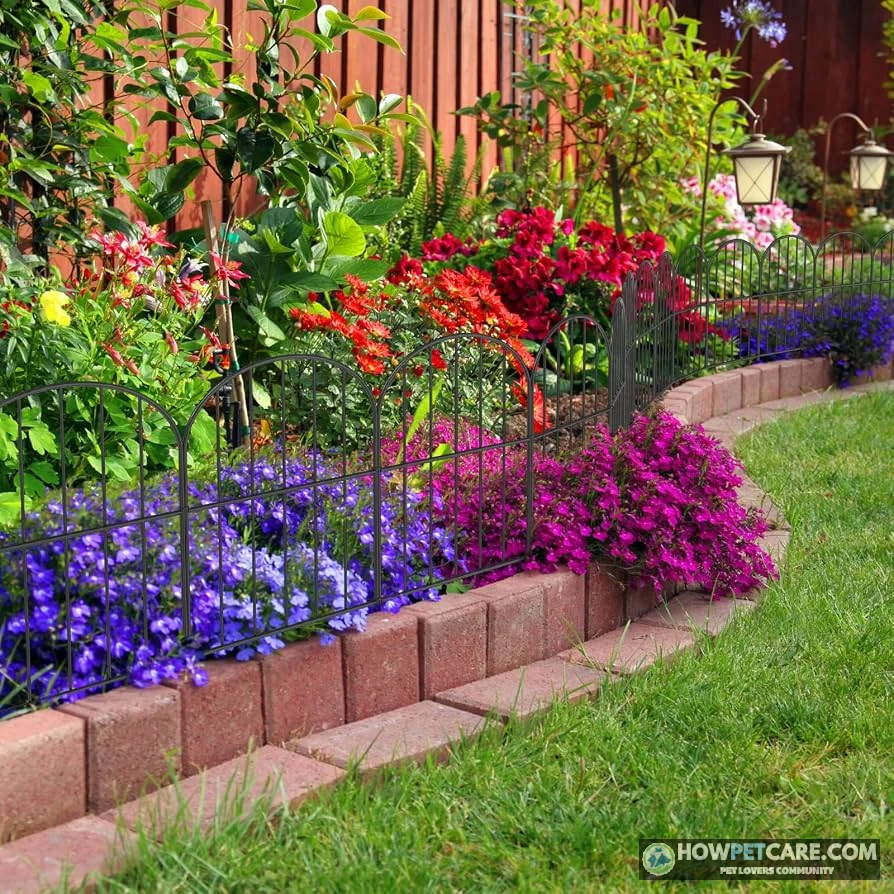
Lawn treatment safety checklist and re-entry timing
- Read the specific label. Products containing herbicides such as glyphosate or 2,4-D, fertilizers, and insecticides have different instructions and risks.
- Keep your dog off until the label permits re-entry. Some products require drying or watering in; others specify a longer interval. Do not substitute a universal number of hours.
- Avoid flagged public lawns and unknown treatments. Choose another route if you cannot determine whether an area is safe.
- Store bags and concentrates securely. Check neighboring borders for slug and snail bait, too.
- If your dog crosses a treated area, prevent paw licking and contact your vet or a poison hotline for product-specific advice. They may recommend rinsing paws; bring the label if an examination is needed.
De-icing salts can irritate paws and cause stomach upset if licked. Rinse paws after exposure and prevent access to stored products.
Parasites, grass awns, and mowed clippings
Grass or soil contaminated with feces can expose dogs to organisms including roundworms, hookworms, and Giardia. Pick up waste, avoid heavily contaminated areas, and follow your veterinarian’s schedule for fecal checks and parasite prevention.
A grass awn can cause sudden sneezing, head shaking, or persistent licking of a paw. Contact your vet if you suspect one is embedded rather than probing deeply yourself. Avoid letting dogs eat piles of clippings: they can contain chemicals, spoil or grow mold, and encourage gulping large amounts.
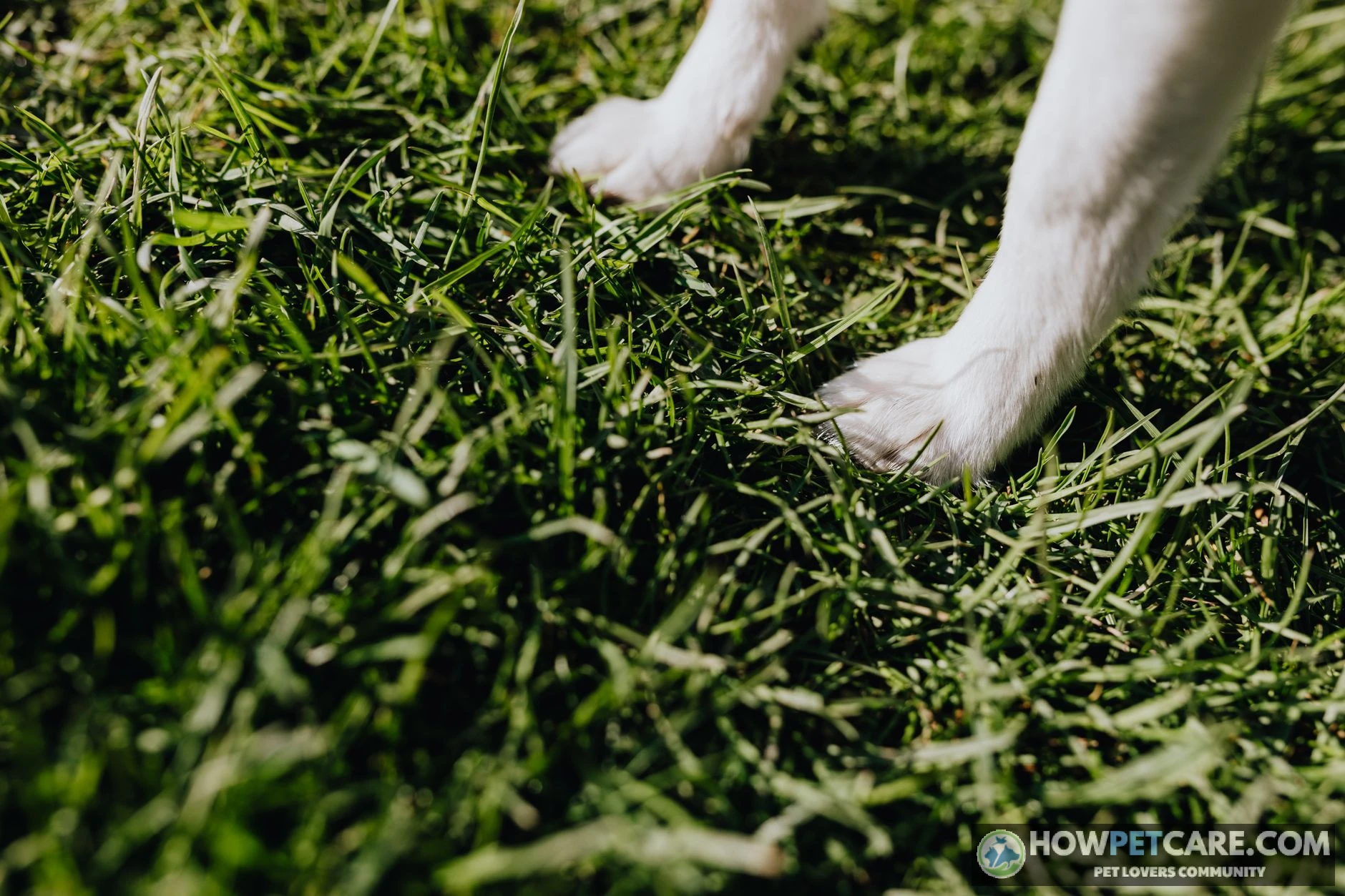
Puppies, Adults, Seniors, and Breeds: Does Age Change What Grass Eating Means?
Puppies
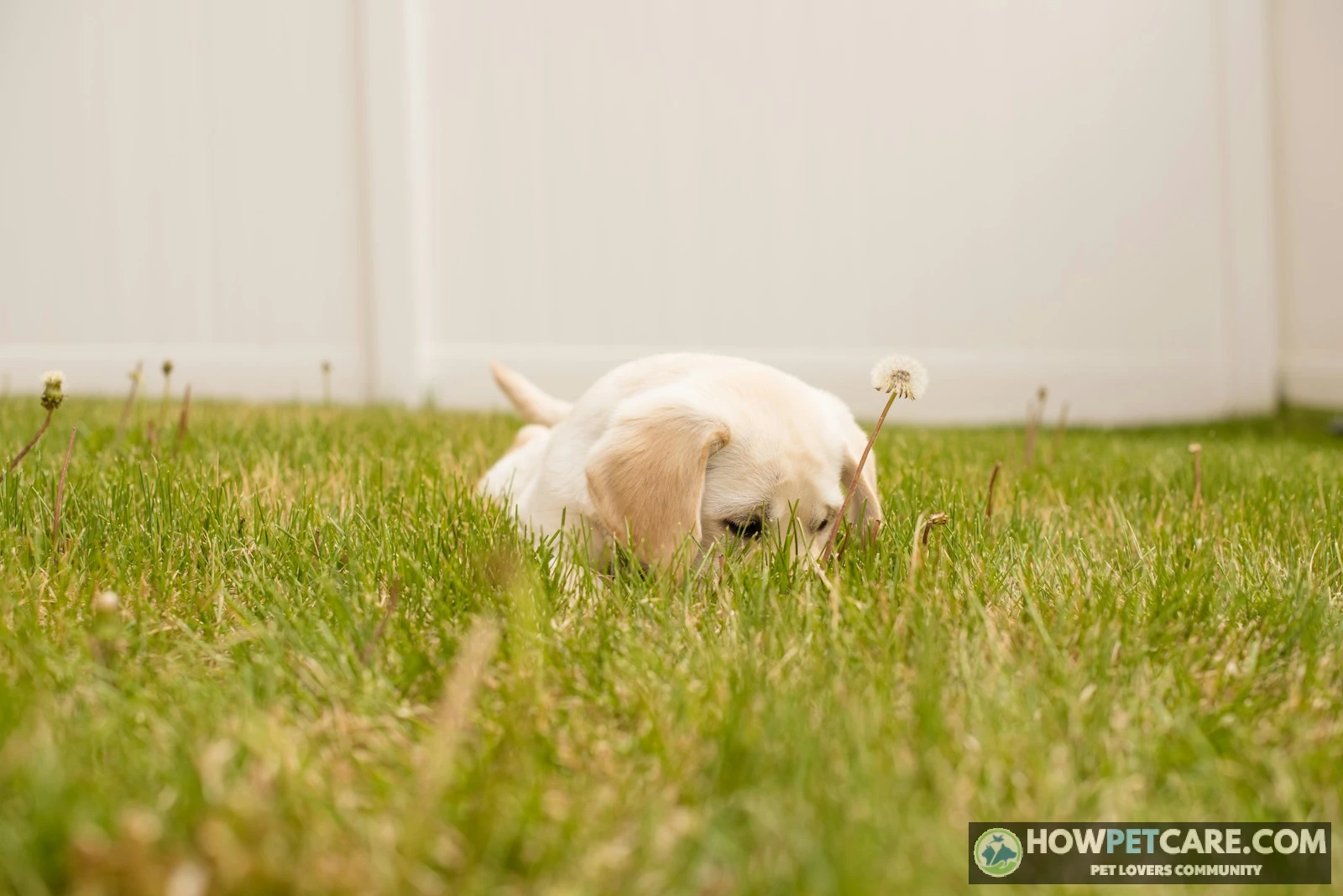
Puppies explore with their mouths and may nibble grass during play or teething. Supervise them closely because they can also swallow hazardous objects; keep vaccinations, fecal checks, and parasite prevention on the schedule your veterinarian recommends. A puppy with vomiting or diarrhea deserves prompt veterinary advice because young dogs can deteriorate quickly.
Adult dogs
For a healthy adult, stable, calm grazing with normal appetite, energy, and stool is usually less concerning than a sudden increase. There isn’t enough good evidence to say a particular breed is reliably driven to eat grass more than others; the individual dog’s behavior and health matter more.
Senior dogs: why new-onset grazing deserves a closer look
New or sharply increased grazing in an older dog is a reason to book a checkup, particularly with appetite or weight changes. Digestive disease, dental discomfort, other illness, and changes in cognition are among the possibilities a veterinarian may consider, not diagnoses an owner can make from grazing alone.
Dogs with chronic conditions, including pancreatitis, need individualized advice before food or treat changes.

How to Stop a Dog From Eating Grass: Diet, Enrichment, and Walk Training
You don’t necessarily have to stop a healthy dog from taking an occasional nibble of known, untreated grass. Redirect the behavior when the area is unfamiliar or treated, your dog is eating large amounts, or symptoms are present. Training shouldn’t delay medical care for a sudden or concerning change.
Dietary fixes to try with your vet’s guidance
Check that your dog’s main food is labeled complete and balanced for the appropriate life stage. Share the food, treats, portions, and feeding schedule with your veterinarian, especially if you prepare meals at home.
If an empty stomach may be contributing to recurring morning symptoms, ask whether dividing the daily ration into smaller meals or changing meal timing is suitable. A veterinarian may suggest a higher-fiber diet or small amounts of suitable foods such as plain canned pumpkin, not pumpkin pie filling, cooked plain green beans, carrot, or apple with the seeds and core removed. Introduce changes gradually and account for treats in the overall diet.
Don’t add fiber supplements or make major dietary changes to treat vomiting without professional advice. Too much fiber or an unsuitable food can worsen digestive signs or unbalance the diet.
Enrichment and exercise changes
Offer a supervised sniff walk, scheduled play, a puzzle feeder, or a snuffle mat that lets your dog search for part of a measured meal. Rotate safe chew activities and avoid leaving a bored dog unattended in a hazardous yard. If grazing seems linked to separation distress or anxiety, ask your vet about a qualified behavior professional.
Teaching ‘leave it’ on walks and managing the yard
- Practice “leave it” indoors: cover a low-value treat, say the cue once, and reward your dog with a different treat when they turn away.
- Gradually practice around more tempting distractions, rewarding promptly when your dog disengages.
- On walks, use a manageable leash, notice the approach to grass early, and cue or redirect to a treat or toy before grazing starts.
- Teach “drop it” through a reward-based exchange. Don’t reach into the mouth of a distressed dog or scold for grazing.
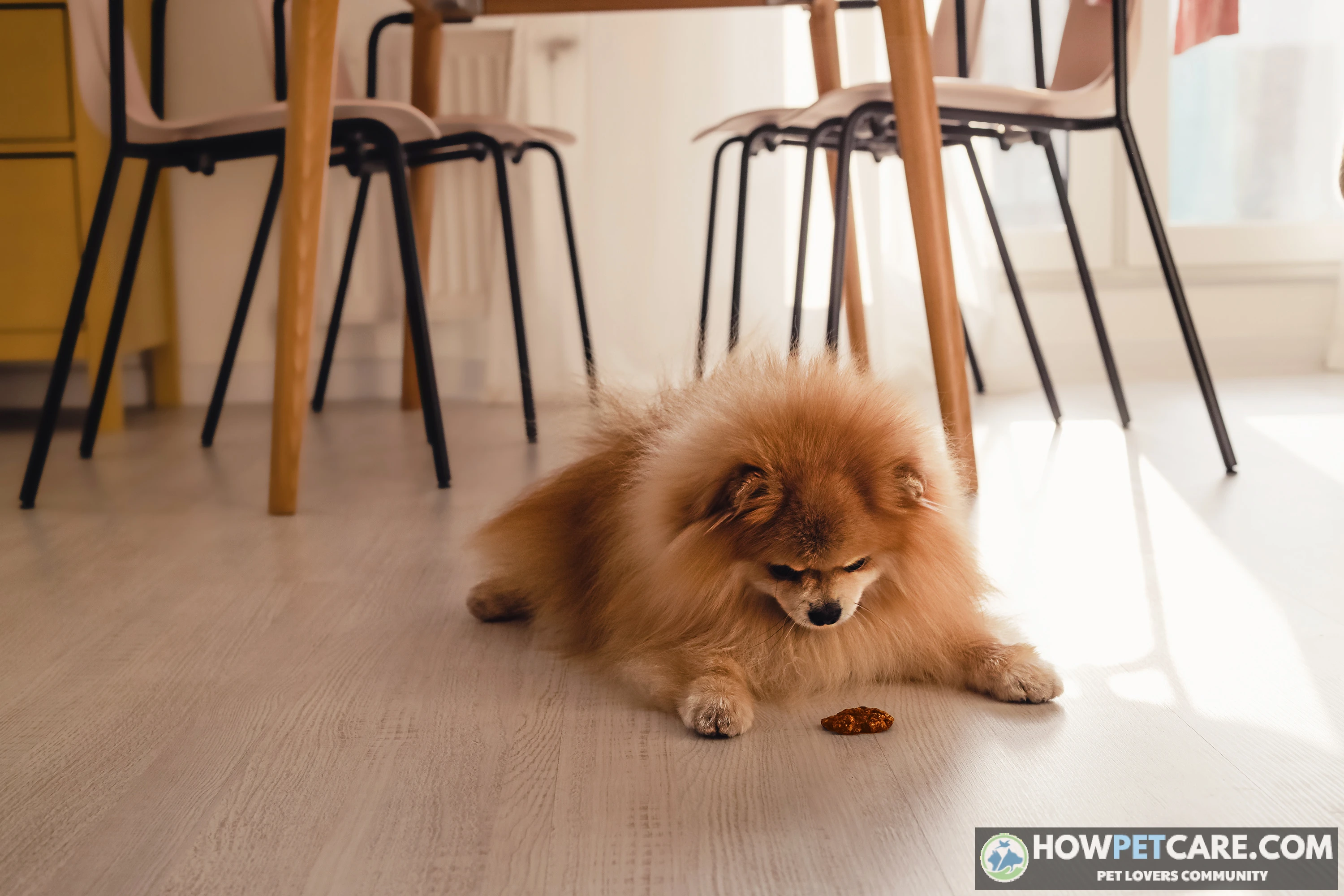
At home, remove mushrooms, fence off risky plants and treated areas, and supervise outdoor time. If your otherwise well dog’s habit doesn’t improve after roughly two weeks of consistent management, discuss it with your vet; call sooner if symptoms appear.
Is wheatgrass or a grass pot a good alternative?
A small pot of pet-safe wheatgrass or oat grass grown from untreated seed can give a dog that likes to nibble a controlled option. Keep it clean, prevent access to soil or fertilizer, and supervise the amount eaten. It’s a redirection option, not a treatment for nausea or a substitute for a vet visit.

Your Next Step: A 7-Day Grass-Eating Log and Decision Checklist
Record one line for each episode. For amount, use terms such as nibbles, mouthfuls, or clumps; note food changes, stressors, and possible lawn treatments.
| Day | Time and place | Amount | Vomited? | Appetite | Stool | Energy and notes |
|---|---|---|---|---|---|---|
| Mon | ||||||
| Tue | ||||||
| Wed | ||||||
| Thu | ||||||
| Fri | ||||||
| Sat | ||||||
| Sun |
At the end of the week, use the pattern to decide what to do:
- Stable behavior, no symptoms: Keep watching, maintain a safe yard, and use enrichment or training if needed.
- Increasing grazing, recurring vomiting or diarrhea, appetite or weight change, or a new habit in a senior: Call your vet. Bring the log, a list of food and treats, relevant product labels, and photos of unfamiliar plants. Ask whether to bring a fresh stool sample.
- An emergency sign or possible poisoning at any point: Skip the log and seek immediate professional help.
Keep parasite prevention current and check the yard for toxic plants, mushrooms, and treatment hazards. Above all, watch the signs around the grazing, not the grazing alone.
FAQ
Why does my dog eat grass first thing in the morning or at night?
An empty stomach can cause nausea and bile build-up, and some dogs graze to cope with it. If it is paired with yellow foamy vomiting that happens often, talk to your vet about meal timing or a possible GI problem.
Does my dog have worms if they eat grass?
Not necessarily. Grass eating is common in dogs without parasites, but worms are more likely if grazing comes with diarrhea, weight loss, a pot belly, or visible worms. Only a fecal test from your vet can confirm parasites.
Will my dog grow out of eating grass?
Many puppies graze less as they mature, especially with more exercise and training. Some adult dogs keep a lifelong mild habit that is harmless if they stay healthy and the grass is untreated.
Is it safe for my dog to eat freshly mowed grass clippings?
It is better to avoid it. Clippings can ferment or grow mold, may carry lawn chemicals, and can form a dense mass in the stomach if a dog eats a lot of them.
Why does my dog act normal after eating grass and vomiting?
A single episode of vomiting followed by normal energy, appetite, and stool is usually a minor stomach irritation. See a vet if it happens repeatedly or if any other symptom shows up.