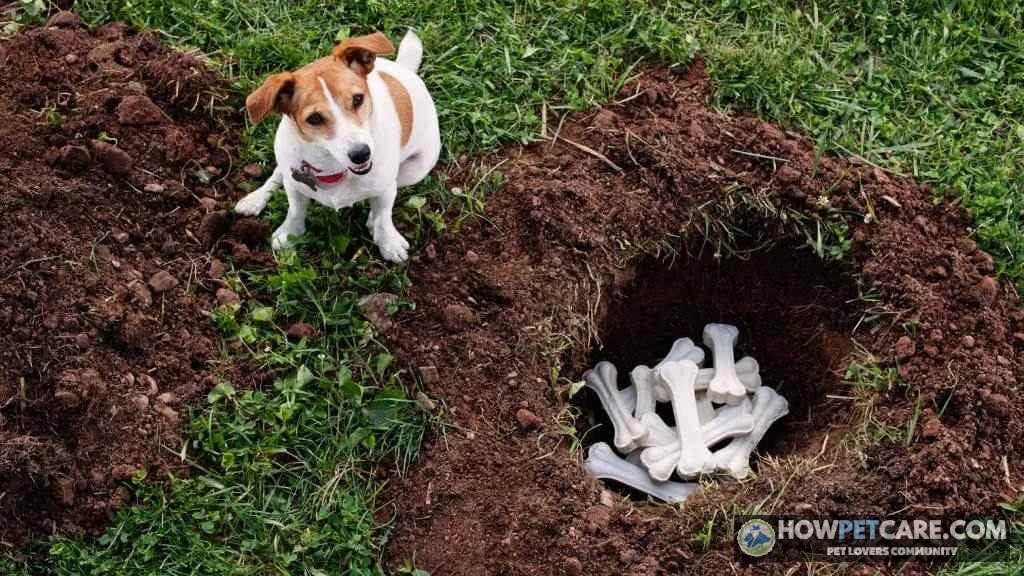

Dogs bury bones because of an ancestral food-caching instinct inherited from wild canids like wolves and foxes, which buried surplus food to preserve it and hide it from rivals. Occasional, relaxed hiding is normal; frantic, protective, or sudden new burying may signal guarding, anxiety, or illness.
Why dogs bury bones and treats
Dogs bury bones and treats because of an ancestral food‑caching instinct. This behavior helps preserve valued items, mimics wolf and wild‑canid hoarding, and can persist in modern dogs even when food is plentiful. Occasional hiding is usually normal, but guarding, distress, or sudden changes may signal a problem that needs attention. If your dog buries a bone in the couch or under a pillow, it is likely tapping into this deep‑rooted drive to store resources safely. When the behavior stays relaxed and infrequent, you can let the instinct play out – when it becomes frantic, repetitive, or protective, a closer look is warranted.
From wild canids to the couch: why dogs cache food indoors and outdoors
Wild canids such as wolves and foxes are scatter hoarders; they stash surplus prey one item at a time to reduce competition and ensure a future meal. L. David Mech’s wolf studies from the 1970s documented wolves burying leftover meat and returning to it later, showing the instinct survives even in pack‑housed animals. In the wild, soil acts as a natural refrigerator, keeping meat cool and masking the scent from scavengers.

Domestication did not erase this drive. Modern dogs still respond to the same triggers: a full belly (they may cache extra chews), competition from other pets, or limited quiet eating spaces. When a dog feels its meal is valuable, it may seek out a safe spot – a backyard patch, a garden bed, a pillow, or even the couch cushion. The digging instinct is tied to scent marking and the desire to conceal prized items from perceived rivals.
Indoor substitutes are common. Many owners report dogs nosing or scratching at blankets, pillows, or sofa cushions as if they are preparing a hidden cache. This mimics the outdoor burying behavior but uses soft substrates that are easier to dig into in a home environment.
Breeds selected for underground work (e.g., terriers, dachshunds, beagles) show higher rates of digging and can appear more intense in their caching. However, breed alone does not guarantee a dog will bury; individual temperament, learning history, and opportunity all shape the outcome.
Why a well‑fed dog still hides food
A well‑fed dog may still stash a high‑value treat because the instinct operates independently of hunger. The behavior can be a safety net, a habit from past scarcity, or simply the response to a perceived resource competition. Multi‑dog households intensify this, as each dog may try to protect its meal from the others.
Why dogs bury bones in beds, couches, and blankets
The couch provides a quiet, elevated spot that feels secure. A dog may think the fabric cushions will preserve the chew from children, other pets, or accidental steps. Blankets and pillows are soft substrates that make it easy to press and hide an item quickly.

Dogs that bury in soft household items are usually expressing the same caching drive they would use outdoors – they simply prefer a substrate that is easy to work with. Offer a designated washable blanket or a sand pit to satisfy this instinct without damaging furniture.
What caching research actually shows (not just "experts say")
Most articles quote a veterinarian’s opinion. Here are peer‑reviewed findings that explain the behavior:
- Scatter hoarding is the technical term. In Food Hoarding in Animals (Vander Wall, 1990, University of Chicago Press), canids are classified as scatter hoarders: they store surplus food one item per site rather than in a single larder. That matches exactly what your dog does – one bone, one hole.
- Wild foxes cache surplus and recover it. Field observations published by David Macdonald (1976, "Food caching by red foxes and some other carnivores," Zeitschrift für Tierpsychologie) documented red foxes burying excess prey items individually and returning to retrieve caches later – hoarding tracked food abundance, not hunger alone.
- Wolves cache too. L. David Mech’s long-term wolf observations (The Wolf, 1970) describe wolves burying leftover meat from kills and returning to it – evidence the instinct survives even in animals that eat regularly.
- The honest caveat: peer‑reviewed studies on caching in domestic dogs specifically are scarce. Nearly every claim about pet dogs burying bones is extrapolated from wild canid fieldwork and clinical behavior literature – including the claims in competing articles. This gap means owners often rely on anecdotal guidance rather than hard data.
Normal caching or a warning sign? Use this behavior checklist
Occasional, relaxed hiding is normal. When the behavior becomes frantic, protective, or sudden, it may indicate resource guarding, anxiety, or a compulsive pattern. The following diagnostic checklist helps you separate instinct from a problem.
| What you observe | More consistent with normal caching | When to seek help |
|---|---|---|
| Frequency | Hides an item now and then, usually after a high‑value treat | Hides nearly every item, every day, and can’t settle until it’s concealed |
| Body language | Loose, relaxed, walks away once the item is stashed | Tense, frantic, repeated unsuccessful attempts to hide the same item |
| Guarding | Lets you approach or pick the item up without protest | Stiffening, growling, snapping, hovering over the spot, or lunging |
| Digging intensity | Casual nose‑pushing or a few scratches at soil or blankets | Repetitive digging that damages the yard, furniture, or the dog’s own nails and paw pads |
| Response to redirection | Accepts a toy, trade, or walk and moves on | Ignores food and play, returns to the behavior compulsively |
| Retrieval pattern | Eats the item later or simply forgets it | Hoards obsessively and escalates when any item is removed |
| Pattern over time | Stable habit the dog has shown for months or years | Sudden increase, or brand‑new hiding in an adult or senior dog – book a vet check to rule out pain or illness |

Quick normal‑versus‑problem checklist
- Occasional hiding, relaxed posture, no aggression.
- Frequency: a few times per week or less.
- Can be redirected with a toy or treat trade.
- No damage to yard, furniture, or self.
When to contact a veterinarian or behaviorist
- Guarding, growling, snapping, or stiffening.
- Repetitive, frantic digging that harms the dog or environment.
- Sudden new hiding in an older dog (possible pain or cognitive decline).
- Behavior escalates despite redirection or environmental changes.
If two or more rows in the right‑hand column appear, schedule a vet visit first. Medical issues (pain, dental problems, thyroid imbalances) can trigger obsessive caching, and a professional can rule those out before addressing behavior.
Are buried bones safe to retrieve and eat?
Spoilage, bacterial growth, and physical hazards make most buried items unsafe.
Spoilage and contamination after burial
Soil introduces bacteria, mold spores, and parasites. Even if an item smells "fine," hidden microbes can proliferate. The risk rises with humidity and warmer temperatures. A raw meaty bone left overnight in damp garden soil can become a breeding ground for Clostridium or Salmonella within hours.

Choosing a safer chew
Hard natural chews (antlers, bully sticks, rawhide) can become contaminated and may also fracture teeth if too rigid. The thumbnail‑dent test offers a quick field check: press the chew with your thumbnail. If it indents noticeably, it is probably safe to chew; if it remains hard and glossy, it may be too hard for the dog’s teeth.
Cooked bones are strictly off‑limits. Cooking dries out the collagen, making them brittle and prone to splintering, which can perforate the gut. Discard any cooked bone fragments immediately.
Dug it up? Keep‑or‑discard decision table
There is no safe number of hours underground – spoilage depends on soil moisture, temperature, and item type. Decide by item type, not by the clock.
| Buried item | Time underground | Main risk | Verdict |
|---|---|---|---|
| Raw meaty bone or rawhide‑free meat chew | Any | Bacterial growth, spoilage; a "fine" smell doesn’t rule it out | Discard – always |
| Cooked bone | Any | Splintering hazard plus spoilage | Discard – and don’t offer cooked bones again |
| Rawhide | Any | Softens and picks up soil bacteria and mold spores | Discard |
| Dry biscuit or kibble | Any – even in dry soil | Moisture wicks in; mold can produce toxins before it’s visible | Discard – cheap to replace |
| Antler or very hard natural chew | Any | Surface contamination; tooth‑fracture risk if it fails the thumbnail test | Wash in hot soapy water, inspect, re‑check hardness |
| Rubber or nylon chew toy (non‑edible) | Any | Surface bacteria only | Wash in hot soapy water, rinse, keep |
Rule of thumb: if it was food, it’s garbage now; if it was a toy, it gets a bath. If your dog already ate a retrieved item, watch for vomiting, diarrhea, or lethargy over the next 24‑48 hours and call your vet if symptoms appear.
When in doubt, throw it out. Even a bone that looks pristine can harbor pathogens that are invisible to the eye. If you suspect your dog has ingested a contaminated item, seek veterinary advice promptly.
Which dogs bury bones – and how age, breed, and sex can matter
Not every dog will stash a chew. Individual temperament, learning history, and access to high‑value items all influence whether burying occurs. Breed tendencies are a loose guide, not a guarantee.
Puppies, adults, and senior dogs
Puppies often begin showing hiding behaviors around 8‑12 weeks, soon after they arrive in a new home. Their first high‑value chew often becomes the target of a quick nose‑push into soil, a pillow, or a carpet fringe. This is usually playful and brief; redirect with appropriate toys.

Adolescents (6‑14 months) often have a surge of energy and a stronger digging drive. Holes may appear in the garden, and caches pop up in flower beds. Provide legal outlets: a designated dig zone, sniffing walks, and puzzle feeders.
Adult dogs (1–5 years) tend to settle into routine. If the environment supplies spare high‑value treats, the dog may continue caching. Multi‑dog homes amplify this, as each dog protects its own stash.
Senior dogs (7+ years) should not develop a sudden new hiding habit. A new cache may signal pain (digging to relieve discomfort) or cognitive decline. A vet exam is recommended before labeling it as normal instinct.
Breed and sex: what can and cannot be predicted
Breeds shaped for underground work (terriers, dachshunds, huskies, scent hounds) may dig more readily, making caching look more intense. However, many individual dogs of those breeds never bury anything.

Evidence for consistent male‑versus‑female differences in food caching is limited. No large‑scale studies show one sex hides more frequently. Treat each dog as an individual and avoid assumptions based on sex.
If you own a high‑driven terrier, a sand pit or a shallow sandbox can satisfy the digging impulse while protecting your yard. This often reduces indoor burying as well.
Why some dogs bury items and never dig them up
Two primary drivers explain abandoned caches: overabundance (the dog has more treats than it can consume) and food‑insecurity history (especially in rescue dogs with past scarcity). The checklist below helps you determine the likely cause.
Your dog never digs items back up? Run the two‑track checklist
Track A – Overabundance (well‑fed dog, lots of treats and chews lying around)
- ☐ Count every chew, bone, and treat toy your dog currently has access to. More than 3 high‑value items? That’s likely the problem.
- ☐ Put the extras away. Leave out only 2‑3 items at a time.
- ☐ Rotate the stash weekly – a "new" old chew is more exciting than a buried one.
- ☐ Shrink treat size so your dog finishes it in one sitting instead of saving the rest.
- ☐ For 14 days, jot down each hiding event vs. each retrieval. If hiding drops off, supply – not anxiety – was the driver.
Track B – Rescue or food‑insecure history (new dog, unknown past, or known scarcity)
- ☐ Feed at the same times every day in a quiet, low‑traffic spot.
- ☐ Stay nearby but don’t hover, and never reach into the bowl or grab a cache.
- ☐ Scatter a small portion of the kibble for relaxed foraging – it builds "food appears reliably" confidence.
- ☐ Expect hiding to fade over 4‑8 weeks, not days. Judge the trend, not any single buried item.
- ☐ If the dog guards, stiffens, or escalates when you approach a stash, skip self‑help and contact your vet or a certified behavior professional.
Either track: never punish hiding or chase the dog to recover an item – calmly trade up for something better, or leave the cache alone if it’s harmless.

Consistency is the fastest way to undo a scarcity mindset. Predictable meals, a calm feeding area, and gentle handling signal to a rescued dog that food will always be available, reducing the impulse to hide.
Manage burying and digging without punishment
Redirecting the behavior focuses on managing opportunities and providing acceptable outlets. The goal is to protect your yard and home while honoring the dog’s natural instincts.
Steps for indoor hiding
- Designate a safe spot – a washable blanket, a corner of a rug, or a low‑profile plastic bin where the dog may stash a chew without damaging furniture.
- Supervise high‑value chews initially. Once the dog reliably uses the designated spot, you can let it self‑select.
- Pick up leftovers after each session. Removing the item eliminates the opportunity to hide it elsewhere.
- Use smaller or lower‑value treats for routine rewards. If the dog values a treat less, it is less likely to feel the need to protect it.
- Provide alternative enrichment – snuffle mats, food puzzles, or a Kong filled with peanut butter can satisfy the foraging drive.

Steps for backyard digging
- Block access to prized items – keep valuable chews away from garden beds or sandboxes where the dog might target them.
- Create a permitted digging zone – a shallow sandbox or a fenced off section of the yard where the dog may dig freely, which is a practical starting point for how to stop a dog from digging in unwanted spots.
- Redirect with toys or games – bury a toy in the digging zone and encourage the dog to retrieve it, reinforcing acceptable digging.
- Maintain a regular feeding schedule – a predictable stomach reduces the urge to cache extra food.
- Enrich the environment – rotate toys weekly, provide interactive feeders, and schedule daily sniff‑walks to diminish the need for secret caches.
Chasing, yelling, or physically taking a guarded item only intensifies resource guarding. Trade calmly for a better reward, and if guarding escalates, seek a certified behaviorist.
Choose the next step for your dog
Use this decision guide each time you notice a new cache. It turns observation into action without guesswork.
| Situation | What to do next |
|---|---|
| Occasional hiding, relaxed body, no aggression | Allow safe caching – either let the dog keep it or gently move it to a designated spot. Remove food that has been buried to prevent spoilage. |
| Guarding, growling, frantic digging, or sudden new behavior in a senior dog | Document timing and frequency. Schedule a vet check to rule out pain or illness. If medical causes are cleared, contact a qualified behavior professional. |
| Dog eats buried items, shows vomiting/diarrhea | Discard all remaining hidden food. Monitor for 24‑48 hours; if symptoms persist, call the vet. Future chews should be supervised and stored away from digging zones. |
| Rescue dog with heavy hiding and possible insecurity | Commit to consistent meal times, a calm feeding area, and low‑pressure routines. Expect gradual reduction over weeks, not immediate cessation. Seek professional help if guarding appears. |
For deeper insight into food‑insecurity and hoarding in adopted dogs, the ASPCA’s guide on "Understanding Resource Guarding" offers practical assessment tools and humane training tips.
| Buried Item | Time Underground | Main Risk | Verdict |
|---|---|---|---|
| Raw meaty bone or rawhide-free meat chew | Any | Bacterial growth, spoilage; a "fine" smell doesn't rule it out | Discard – always |
| Cooked bone | Any | Splintering hazard plus spoilage | Discard – and don't offer cooked bones again |
| Rawhide | Any | Softens and picks up soil bacteria and mold spores | Discard |
| Dry biscuit or kibble | Any – even in dry soil | Moisture wicks in; mold can produce toxins before it's visible | Discard – cheap to replace |
| Antler or very hard natural chew | Any | Surface contamination; tooth-fracture risk if it fails the thumbnail test | Wash in hot soapy water, inspect, re-check hardness |
| Rubber or nylon chew toy (non-edible) | Any | Surface bacteria only | Wash in hot soapy water, rinse, keep |
1How do wild canids like foxes and wolves typically store surplus food according to research on caching?
Wild canids act as scatter hoarders, stashing surplus prey one item per site to minimize loss to rivals and secure future meals.
2What natural benefit does burying surplus prey in soil provide for wild canids?
Soil acts as a natural refrigerator by insulating the food against heat while concealing odor from competing animals.
3What is the primary purpose of performing the 'thumbnail-dent test' on a hard natural chew?
If a chew indents under a thumbnail, it is sufficiently pliable; if it remains hard and glossy, it poses a tooth-fracture risk.
4According to the decision guidelines, what should be done with a buried food item, such as a dry biscuit or raw bone, after a dog digs it up?
Soil moisture quickly introduces microbes like Salmonella or Clostridium, making unearthed food unsafe regardless of how long it was buried.
5Why is a sudden, brand-new food-hiding habit in a senior dog (7+ years) treated differently than initial caching in a puppy?
A abrupt change in senior canine behavior often stems from medical issues, such as joint pain while digging or cognitive impairment.
6If a well-fed domestic dog regularly buries high-value treats but never digs them back up, what is a primary cause suggested by the text?
When a dog receives more high-value items than it can consume, the drive to hide surplus operates while the need to retrieve it diminishes.
7Why do domestic dogs frequently attempt to stash chews inside sofa cushions or under blankets while indoors?
Soft household items serve as accessible substitutes for outdoor soil, allowing the dog to express its natural caching mechanics.
8What is the recommended approach if an owner must remove a buried or guarded chew while the dog is present?
Trading creates a positive, non-confrontational interaction that prevents resource guarding and protects safety.
9What key limitation regarding caching research in domestic dogs is highlighted in the source material?
Direct scientific research on domestic canine caching is scarce, meaning advice relies heavily on wild field studies and clinical observation.
10How can an owner constructively manage a dog's outdoor digging instinct without using punishment?
Providing a legal, rewarding digging outlet satisfies the natural instinct while protecting garden beds and lawn areas.
FAQ
Does burying bones mean my dog is overfed?
Not necessarily. Dogs may cache food because of instinct, fullness, habit, or the value of a treat; assess portions using your dog’s body condition and veterinary guidance rather than burying alone.
Should I dig up a hidden bone while my dog is watching?
Avoid reaching for a guarded item or turning it into a confrontation. If needed, calmly trade for a better reward, then remove and discard the buried bone when your dog is elsewhere.
Can I stop my dog from burying bones completely?
You can reduce opportunities by supervising chews, picking up leftovers, and offering a designated hiding or digging spot, but the instinct may not disappear. Aim for safe, manageable behavior rather than punishment.
Does a dog burying food prove it was neglected before adoption?
No. Caching can be a normal canine behavior and cannot establish a dog’s history. Predictable meals and a calm, secure feeding area can help a rescue dog feel safe regardless of the cause.