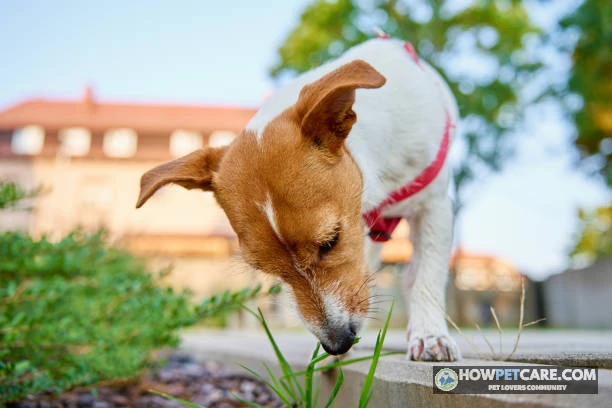

Dogs eat poop due to ancestral scavenging instincts, medical issues, or behavioral triggers. Clinically known as canine coprophagia, it can stem from malabsorption diseases like Exocrine Pancreatic Insufficiency (EPI), intestinal parasites, endocrine disorders, exploratory puppy behavior, or learned attention-seeking. A clinical veterinary exam and strict yard cleanup are the first steps to resolving it.
Dogs eat poop for several reasons. An ancestral scavenging instinct may drive the behavior, but sudden stool eating in an adult dog can also point to malabsorption, enzyme deficiencies, endocrine disease, or another medical problem. Known clinically as canine coprophagia, the behavior occurs in roughly 24% of domestic dogs at least once in their lives, with 16% categorized as frequent or severe stool eaters.
Although it upsets owners, stool consumption isn’t usually malicious or impossible to change. The first step is to work out whether the cause is physiological hunger, developmental curiosity, or a stress-related habit. Treatment then combines veterinary care, management, and targeted behavior training.
Why Do Dogs Eat Poop? Core Causes of Canine Coprophagia
Canine coprophagia has two main forms: autocoprophagia, or eating one’s own feces, and allocoprophagia, or eating stool produced by another animal or dog. Research led by Dr. Benjamin Hart at the University of California, Davis, surveyed approximately 3,000 dog owners and found that dogs rarely choose soft or diarrheic stool. Instead, 92% exclusively target firm, fresh droppings aged one to two days. The same research found that 85% of stool-eating dogs exhibit allocoprophagia, selectively eating other dogs’ waste rather than their own.
Household structure matters, too. Single-dog homes show an incidence rate of roughly 20%, while having three dogs in the home raises that likelihood to 33%. Female dogs show a higher statistical propensity for the behavior than males, while intact male dogs have the lowest rates. Dogs with greedy eating habits—such as stealing food from kitchen counters or gobbling meals in seconds—are also significantly more likely to ingest stool.

Evolutionary Roots: Canid Scavenging and Den Cleanliness
Before wolves became domestic companions, canine survival depended on opportunistic scavenging. In ancestral dens, feces were more than waste: they could carry infectious intestinal parasites such as roundworms, hookworms, and protozoan cysts. Parasite eggs passed in stool typically need days or weeks to develop into infective larval stages. By consuming fresh feces inside or near the nesting area, ancestral canids could remove the source before those stages developed and reinfected the pack.
That hygiene instinct remains visible in maternal behavior. Nursing mother dogs routinely lick and ingest their puppies’ waste during the first three weeks of life. The behavior provides tactile stimulation that helps trigger urination and defecation in neonates, while also keeping the nest clean and reducing pathogen exposure for puppies with fragile immune systems. The motor pattern remains deeply rooted in canine behavior.
When Is Eating Poop Normal vs. Maladaptive?
Age and context help determine whether coprophagia is a normal developmental phase or a problem. In puppies under nine months old, stool eating is often linked to sensory mouthing, curiosity, and exploratory play. Understanding why do puppies eat their poop helps reassure owners, as most puppies outgrow it before nine months as their diets stabilize and they gain more experience with their environment.
Stool eating in puppies under 9 months is typically an exploratory developmental phase that resolves spontaneously. In adult dogs past 12 months, coprophagia is considered maladaptive—driven by environmental distress, learned compulsions, or metabolic disease.
In adult dogs, the behavior is more often maladaptive. Common environmental triggers include:

- Confinement and Isolation: Dogs kept for long periods in cramped kennels, basements, or small yards may turn to coprophagia because of sensory deprivation and anxiety.
- Submissive Stool Hiding: Harsh house-training methods, such as rubbing a dog’s nose in an accident, can make the dog associate waste with anger. The dog may then eat the evidence to avoid punishment.
- Accidental Reinforcement: If an owner shouts, runs toward, or chases a dog approaching stool, the dog may learn that feces produce exciting attention and become a high-value toy.
Underlying Medical Triggers: When Stool Eating Signals Illness
If an adult dog suddenly begins eating feces, don’t assume the cause is purely behavioral. That assumption can delay treatment for an important medical condition. Diseases that interfere with nutrient absorption or create excessive hunger, known as polyphagia, are common medical contributors to pica and coprophagia.
Malabsorption and Exocrine Pancreatic Insufficiency (EPI)
One serious gastrointestinal cause is Exocrine Pancreatic Insufficiency (EPI). In dogs with EPI, pancreatic acinar cells fail to produce and release enough digestive enzymes, including lipase, amylase, and trypsin. Without them, much of the food passes through the gastrointestinal tract undigested.
The result is cellular starvation despite a large caloric intake. The dog develops chronic, severe polyphagia and may seek the unassimilated nutrients, residual fats, and active digestive enzymes found in the feces of healthy housemates. A dog with EPI or chronic small intestinal malabsorption typically has large, pale, voluminous, or greasy stools as well as progressive muscle wasting and weight loss.

Parasitic Infections and Caloric Starvation
Intestinal parasites are another medical cause. Endoparasites such as whipworms (Trichuris vulpis), roundworms (Toxocara canis), hookworms (Ancylostoma caninum), and protozoans such as Giardia lamblia damage the intestinal villi and microvilli of the mucosal brush border.
That damage reduces the intestine’s ability to absorb amino acids, fatty acids, and essential vitamins. Even after eating full commercial rations, the dog can experience functional starvation and seek additional calories or organic matter, including fresh stool. Low-quality diets with poorly digestible plant fillers or limited bioavailability may also encourage dogs to seek digestive enzymes and micronutrients elsewhere.
Endocrine Conditions That Drive Extreme Polyphagia
Endocrine disease can disrupt metabolic signaling and create persistent hunger. Important possibilities include:

- Cushing’s Disease (Hyperadrenocorticism): Excess cortisol from the adrenal glands alters glucose metabolism and stimulates hunger, along with excessive drinking (polydipsia) and frequent urination (polyuria).
- Diabetes Mellitus: Insufficient insulin production or cellular insulin resistance prevents glucose from entering the body’s cells. The dog senses starvation at the cellular level and may eat ravenously, including foreign material and stool.
- Thyroid Dysregulation: Although thyroid-related metabolic shifts are rarer in dogs than in cats, severe abnormalities can disrupt normal appetite patterns.
- Iatrogenic Glucocorticoid Therapy: Oral anti-inflammatory or immunosuppressive steroids such as prednisone or dexamethasone can cause temporary, severe polyphagia that improves as the dosage tapers.
The Veterinary Diagnostic Checklist for Coprophagia
Before trying behavior modification or over-the-counter supplements, rule out physiological disease. A clinical workup usually moves from basic in-clinic tests to targeted gastrointestinal and endocrine panels.
                    [ Unexplained Coprophagia Workup ]
                                    │
        ┌───────────────────────────┴───────────────────────────┐
        ▼                                                       ▼
[ Tier 1: In-Clinic Baselines ]                 [ Tier 2: Advanced Laboratory Panels ]
  ├─ Centrifugal Fecal Float                      ├─ Complete Blood Count (CBC)
  ├─ Giardia ELISA Antigen                        ├─ Serum Chemistry (Liver, Kidneys, Glucose)
  ├─ Body Condition Score (BCS)                   ├─ Fasting cTLI (Exocrine Pancreatic Insufficiency)
  └─ Direct Smear & Diet Audit                    ├─ Fasting Cobalamin (B12) & Folate
                                                  └─ Endocrine Screens (LDDS / Total T4)
Tier 1: Initial In-Clinic Screenings and Fecal Testing
The evaluation starts with a physical exam, muscle condition scoring, and a body condition assessment (BCS) on a 1-to-9 scale. The veterinarian should determine whether the dog is maintaining muscle mass or showing cachexia.
Fecal testing should go beyond a standard passive flotation vial. Centrifugal fecal flotation with zinc sulfate solution (specific gravity 1.18 to 1.20) concentrates dense parasite ova that passive flotation can miss. An in-clinic Giardia antigen enzyme-linked immunosorbent assay (ELISA) can also detect protozoan trophozoite wall proteins, which are shed intermittently and may be missed on direct smears.
Tier 2: Metabolic Chemistry and GI Function Panels (cTLI, B12, Folate)
If Tier 1 testing is clear but the dog has weight loss, variable stool quality, or polyphagia, Tier 2 testing is appropriate:
- Complete Blood Count (CBC) and Full Serum Chemistry: Checks hydration, red blood cell indices for chronic non-regenerative blood loss anemia, liver enzymes (ALP, ALT), kidney values (BUN, Creatinine), and blood glucose for diabetes mellitus.
- Canine Trypsin-Like Immunoreactivity (cTLI): Performed after a strict 12-hour fast. A serum cTLI level below 2.5 µg/L provides a definitive diagnosis of Exocrine Pancreatic Insufficiency (EPI).
- Serum Cobalamin (Vitamin B12) and Folate Profile: Cobalamin reflects distal small intestinal (ileal) absorptive capacity, while folate reflects proximal small intestinal (jejunal) health. Low cobalamin supports intestinal malabsorption, which can trigger scavenging-driven pica.
- Endocrine Testing: Thinning fur, a pot-bellied abdomen, and polydipsia may justify a Low-Dose Dexamethasone Suppression (LDDS) test or ACTH stimulation test for Cushing’s disease.
| Diagnostic Screening | Target Pathology / Biomarker | When Recommended | Follow-up Clinical Action |
|---|---|---|---|
| Centrifugal Fecal Flotation | Hookworms, Roundworms, Whipworms, Coccidia | Baseline for all stool-eating dogs | Administer targeted anthelmintics (e.g., Fenbendazole, Praziquantel). |
| Giardia ELISA Antigen | Giardia lamblia cyst wall protein | Baseline for dogs with intermittent soft stool | Course of Metronidazole or Fenbendazole; environmental sanitation. |
| Serum Chemistry & CBC | Renal markers, liver enzymes, blood glucose | Senior onset or unmanaged polyphagia | Address primary metabolic organ disease; initiate insulin if diabetic. |
| Fasting cTLI | Serum trypsinogen / Trypsin (<2.5 µg/L confirms EPI) | Chronic weight loss, soft stool, ravenous pica | Lifelong pancreatic enzyme replacement therapy mixed with food. |
| Serum Cobalamin & Folate | Ileal and jejunal mucosal absorptive function | Suspected malabsorption, SIBO, chronic enteropathy | Injectable or high-dose oral cyanocobalamin repletion protocol. |
| Low-Dose Dexamethasone | Cortisol suppression (Pituitary/Adrenal Cushing’s) | Bilateral alopecia, pot-belly, polydipsia/polyuria | Initiate trilostane therapy with regular endocrine monitoring. |
Never assume sudden stool eating in an adult dog is a training failure. Conditions such as Exocrine Pancreatic Insufficiency (EPI) or severe small intestinal malabsorption can deplete vital nutrients and drive stool eating through physiological starvation.
Diagnostic Decision Framework: Nutritional Deficiency vs. Behavioral Habit
To distinguish a biochemical cause from a behavioral habit, assess physical signs, the source of the stool, and the situations in which the behavior occurs.
Red Flags for Nutritional and Metabolic Deficits
A dog with an internal deficiency may show:
- Unexplained weight loss or an inability to maintain lean muscle despite normal or increased food portions.
- Loose, yellowish, pale, greasy, or foul-smelling stool suggesting poorly digested fats and proteins.
- Desperate food seeking, including eating dirt, rocks, plastic wrappers, or trash.
- A dull, brittle coat with excess shedding, dandruff, or dry, inelastic skin caused by poor essential fatty acid absorption.
Psychological Markers: Stress, Boredom, and Learned Attention
When physical and laboratory evaluations are normal, environmental management and canine psychology become the focus. Common signs include:
- The Attention-Seeking Sprint: The dog picks up stool, looks at the owner, and runs in a circle. Chasing and verbal engagement have made stool-holding rewarding.
- Confinement and Sensory Deprivation: The dog spends long periods alone in a barren yard or crate. Eating feces provides oral stimulation and interrupts under-stimulation.
- Stress and Submissive Hiding: The dog eats stool immediately after defecating and may lick the floor clean to avoid anger linked to past housetraining punishment.
[ Step 1: Physical / Metabolic Flags ]
  - Weight loss despite ravenous appetite?
  - Greasy, pale stools or extreme thirst?
       ├── YES ──► Route to Vet Clinic (Fecal float, cTLI, Cobalamin, Chemistry)
       └── NO  ──► Proceed to Step 2

[ Step 2: Target Stool Origin ]
  - Consumes wild herbivore or cat feces exclusively (allocoprophagia)?
       ├── YES ──► Natural scavenging drive. Use physical barriers & litter guards.
       └── NO  ──► Consumes canine stool. Proceed to Step 3

[ Step 3: Life Stage & Onset Speed ]
  - Puppy (<10 months)? ──► Exploratory developmental mouthing. Manage cleanup.
  - Senior (>8 years) with sudden onset? ──► Vet cognitive (CDS) & endocrine check.
  - Adult dog (1–7 years)? ──► Proceed to Step 4

[ Step 4: Environmental & Emotional Context ]
  - Turns immediately to hide stool? ──► Submissive anxiety from house-training punishment.
  - Only when crated or isolated? ──► Confinement distress, boredom, oral sensory soothing.
  - Grabs stool and runs toward/away? ──► Learned attention-seeking / chase game.
Special Considerations for Senior Dogs
A senior dog, typically aged eight and older, that suddenly develops coprophagia after years without the behavior needs veterinary assessment. Possible causes include late-onset Cushing’s disease, renal protein loss, and Canine Cognitive Dysfunction (CDS), often called dog dementia.
As spatial awareness, cognitive mapping, and memory decline, a dog with CDS may forget housetraining routines. It may defecate indoors and then eat the stool because of confusion, disorientation, or reduced inhibition. Assessment should cover cognitive changes as well as baseline metabolic blood work.

Case Studies in Coprophagia: Puppy Curiosity vs. Senior Medical Onset
Case A: The Exploratory Puppy
- Patient: Milo, a 5-month-old male Golden Retriever.
- Baseline Metric: Ate his own stool two to three times daily during unsupervised yard time and swallowed it quickly when the owners approached.
- Diagnostic Workup: Centrifugal fecal float was negative for parasites. Body condition score was 5/9 (ideal). The clinical assessment supported normal developmental oral exploration combined with accidental reinforcement: chasing Milo turned feces into a keep-away game.
- Intervention Protocol:
- Changed to fully on-leash yard elimination sessions with no unsupervised turnout.
- Used an immediate high-value swap: as soon as defecation ended, the owner marked ("Yes!") and tossed freeze-dried beef liver six feet in the opposite direction.
- Removed the stool with an airtight pooper-scooper bucket before unclipping the leash.
- Outcome at 60 Days: Zero recorded coprophagia incidents. Off-leash recall away from natural distractions was established.
- Key Takeaway: With puppies, quick cleanup and an end to the chase cycle can prevent exploratory mouthing from becoming a lasting habit.
Case B: The Sudden-Onset Senior
- Patient: Bella, a 9-year-old female Beagle mix.
- Baseline Metric: No lifetime history of pica. She suddenly began eating the household partner dog’s feces four to five times weekly and lost 3.4 lbs over eight weeks despite a voracious appetite.
- Diagnostic Workup: CBC and serum chemistry were unremarkable. Canine Trypsin-Like Immunoreactivity (cTLI) was normal at 14.2 µg/L. Fasting cobalamin (B12) was severely depleted at 184 ng/L (reference interval: 275–850 ng/L), diagnosing distal small intestinal malabsorption.
- Intervention Protocol:
- Gave weekly subcutaneous cyanocobalamin injections (800 mcg) for six weeks, then changed to oral maintenance dosing.
- Switched to an easily digestible therapeutic hydrolyzed protein diet.
- Used a short-term stool-guard basket muzzle on walks while gut inflammation resolved.
- Outcome at 60 Days: Serum cobalamin normalized to 510 ng/L. Body weight increased (+2.8 lbs). Stool seeking stopped completely without formal behavior retraining.
- Key Takeaway: Sudden adult- or senior-onset coprophagia can reflect nutrient starvation rather than a training problem. Restoring nutrition removed the scavenging drive.
Evidence-Based Supplementation: Dosages for B12, Thiamine, and Enzymes
When testing confirms intestinal malabsorption, low serum vitamin concentrations, or sub-optimal digestion, carefully selected supplements may help address the physical trigger. Correcting the deficiency can reduce the physiological urge to seek digested feces.
Cobalamin (Vitamin B12) and Thiamine Supplementation Protocols
Cobalamin (Vitamin B12) is a water-soluble micronutrient needed for cellular metabolism, red blood cell production, and healthy gastrointestinal mucosa. It is absorbed in the distal ileum through specialized surface receptors, so chronic bowel inflammation can cause systemic deficiency.
Thiamine (Vitamin B1) deficiency can also contribute to metabolic confusion and pica. Because both vitamins are water-soluble, excess is eliminated through the kidneys, giving them wide clinical safety margins.
Digestive Enzyme Administration: Papain, Bromelain, and Pancreatin
Digestive enzymes may help a dog obtain more nutrition from regular meals and may change stool odor and palatability.
- Papain (from Carica papaya): A plant-derived proteolytic enzyme that breaks complex proteins into smaller peptides and amino acids. Papain may reduce the protein remnants that act as an olfactory trigger for allocoprophagia.
- Bromelain (from Ananas comosus): Works with papain to support protein hydrolysis. Stool produced after greater bromelain activity may have a less appealing scent to dogs.
- Pancreatin: Derived from porcine pancreas and supplies lipase, amylase, and protease for dogs with confirmed sub-clinical exocrine deficiencies.
| Dog Weight Class | Representative Breeds | Vitamin B12 (Cobalamin) | Thiamine (Vitamin B1) | Papain / Digestive Enzyme Dose | Clinical Notes |
|---|---|---|---|---|---|
| Small (<20 lbs / <9 kg) | Chihuahua, Yorkie, Dachshund | 250 mcg daily (oral) | 10 to 20 mg daily | 50 to 100 mg (approx. 500–1,000 FCC PU) mixed into food | Use water-soluble cyanocobalamin or methylcobalamin; excess is safely excreted in urine. |
| Medium (20–50 lbs / 9–23 kg) | Beagle, Cocker Spaniel, French Bulldog | 500 mcg daily (oral) | 25 to 50 mg daily | 150 to 250 mg mixed into food | Add plant enzymes to moistened food 10–15 minutes prior to feeding to initiate pre-digestion. |
| Large (50–90 lbs / 23–41 kg) | Golden Retriever, German Shepherd, Boxer | 1,000 mcg daily (oral) | 50 to 100 mg daily | 300 to 500 mg mixed into food | German Shepherds show higher genetic predisposition to low cobalamin and EPI; verify blood levels first. |
| Giant (>90 lbs / >41 kg) | Great Dane, Mastiff, Newfoundland | 1,000 to 1,500 mcg daily (oral) | 100 to 150 mg daily | 500 to 750 mg mixed into food | For severe intestinal compromise, subcutaneous B12 injections are more effective than oral dosing. |
Mix papain or pancreatic enzymes thoroughly into room-temperature, moistened food and let it sit for 10 to 15 minutes before serving. This short incubation period starts enzymatic breakdown before ingestion and may improve nutrient absorption and reduce attractive protein odors in the stool.

Step-by-Step Behavioral and Environmental Solutions
When medical screening is normal, treat coprophagia as an established habit. The most effective approach combines strict access control with positive reinforcement for an alternative behavior.
Environmental Sanitization and Management Tactics
A behavior that is practiced repeatedly becomes harder to change. If a dog eats stool every morning, the reward of ingestion can outweigh praise or training cues. Management needs to be consistent from the first day:
- Immediate Yard Cleanliness: Bring a waste scoop and bag into the yard every time your dog goes out. Remove feces as soon as the dog finishes.
- The 100% Leashed Rule: Stop unsupervised yard turnout. Use a standard 6-foot leash, step back while the dog eliminates, then guide the dog away before it can investigate.
- Basket Muzzles with Stool Guards: For rapid stool eaters on trails or during off-leash play, use a properly fitted wire or plastic basket muzzle with a solid stool-guard insert. It should still allow panting, drinking, and sniffing.
- Litter Box Isolation: For owners wondering why do dogs eat cat poop, high protein in feline diets makes the litter box tempting; manage this by using top-entry litter boxes, pet gates with small pet doors, or door-strap latches that leave the door open only enough for the cat.

Training the Bulletproof ‘Leave It’ and Recall Away from Stool
A dog needs a strong replacement behavior for approaching feces. Use high-value rewards such as hot dog slivers, real chicken, or freeze-dried liver—rewards worth more to the dog than the stool.
-
Step 1: The Enclosed Hand Foundation
Begin indoors with no distractions. Hold a low-value piece of dry kibble in a closed fist and present it to your dog. The dog may sniff, lick, or paw at your hand. Stay silent. As soon as the dog pulls its nose back by even one inch, mark the choice with a sharp "Yes!" or a clicker and give a high-value piece of real meat from your other hand. Repeat until the dog turns away immediately, then pair the action with the cue "Leave It."
-
Step 2: Floor Drops and Visual Temptation
Place the low-value treat on the floor beneath your foot and give the "Leave It" cue. If the dog moves toward it, block the treat with your shoe without speaking. When the dog disengages and looks at your eyes, mark "Yes!" and give a premium reward from your hand. Never give the item the dog was told to leave.
-
Step 3: Yard Proofing with the Elimination Recall
Take your dog into the yard on a 6-foot leash and allow it to defecate. The moment it finishes and starts to turn toward the stool, give the recall marker: "Yes! Come!" Turn and jog three paces backward. When the dog follows, give three to five high-value rewards in sequence while you scoop and remove the waste.
Mental Stimulation to Eliminate Boredom-Driven Pica
Long periods of mental under-stimulation can feed exploratory oral habits, including stool eating. Purposeful activity can reduce boredom and compulsive stress:

- Decompression Sniff Walks: Allow 20 to 30 minutes of unstructured walking on a 15-foot longline in an open green space. Let the dog lead with its nose; olfactory exploration is more tiring than repetitive heelwork.
- Work-to-Eat Feeding Protocols: Replace standard bowls with puzzle feeders, snuffle mats, or frozen food-stuffed rubber toys. Working for meals provides a constructive outlet for foraging behavior.
- When to Seek Professional Help: If stool ingestion is frantic or compulsive, or occurs with severe separation anxiety, generalized distress, or guarding aggression, contact a Certified Applied Animal Behaviorist (CAAB) or a board-certified veterinary behaviorist (DACVB).

Comparing Interventions: Costs, Efficacy, and Timelines
Managing coprophagia may involve dietary supplements, commercial deterrent treats, physical management, or formal training. Knowing the likely costs and timelines helps owners avoid spending on solutions that don’t address the cause.

The Reality of Commercial Taste Deterrents
Commercial taste-aversion products are usually chewable tablets containing monosodium glutamate (MSG), Yucca schidigera extracts, cayenne pepper, or chamomile. They aim to make stool bitter and unappealing, but clinical results are limited. Peer-reviewed surveys found that commercial deterrent additives resolved coprophagia in only 15% to 20% of cases.
They are especially limited for allocoprophagia because every animal whose stool the dog targets would need treatment, including wildlife, neighborhood dogs, and household cats. Some dedicated stool eaters also ignore bitter flavors. These products are generally safe, although excessive yucca-based chews may cause mild gastrointestinal upset, vomiting, or loose stool in sensitive dogs.
Budget-Conscious Management vs. Clinical Interventions
Long-term improvement usually requires both immediate management and behavior training, while medical disease requires veterinary treatment. Quick fixes alone may waste money without addressing the underlying cause.
| Intervention Method | Average Monthly Cost | Expected Timeline to Results | Reported Success Rate | Potential Side Effects / Limitations |
|---|---|---|---|---|
| Taste-Deterrent Additives (Yucca, MSG, plant extracts) | $15 – $35 | 7 to 14 days | 15% – 20% | Low compliance; fails on outdoor stool; requires treating every pet in home. |
| Dietary Enzyme & Vitamin Supplements (B12, Papain, Pancreatin) | $25 – $65 | 3 to 6 weeks | 55% – 65% (approaches 90% if deficiency confirmed) | Mild transient soft stool if started quickly; unhelpful for purely behavioral habits. |
| Environmental Control (Yard cleanup, stool-guard basket muzzle) | $0 – $40 (one-time purchase) | Immediate (Day 1) | 98% (while tools are active) | 100% reliant on human consistency; does not teach dog self-control when unmanaged. |
| Positive Reinforcement Training (Cued "Leave It" + Reinforcement protocol) | $0 (Self-directed) to $150–$300 (Trainer) | 4 to 8 weeks | 75% – 85% | Demands daily training sessions, high-value reinforcers, and continuous vigilance early on. |
For owners on a strict budget, immediate yard cleanup and an inexpensive stool-guard basket muzzle, combined with self-directed positive reinforcement training, offer the strongest practical approach at almost no ongoing cost.
Health Risks to Pets and Humans: Next Steps for Long-Term Prevention
Eating a dog’s own fresh stool carries a relatively low health risk, but feces from other animals can expose pets and people to significant hazards.
Zoonotic Parasite Transmission and Bacterial Hazards
Stool from unfamiliar dogs, cats, wild herbivores, and geese can contain dangerous pathogens. Important risks include:
- Canine Parvovirus: A resilient virus that can survive in outdoor soil for months and spread through tiny amounts of infected stool.
- Intestinal Parasites: Stool containing embryonated eggs of Toxocara canis, whipworms, or Giardia cysts can cause reinfection and prolong the gastrointestinal cycle.
- Zoonotic Pathogens: Bacteria such as Salmonella enterica, Campylobacter jejuni, and Escherichia coli can enter the dog’s mouth and reach people through facial licking, muzzle-to-skin contact, or contaminated household surfaces.
- Human Toxocariasis: Roundworm eggs carried on canine fur or saliva can cause visceral or ocular larva migrans if accidentally ingested. Young children and immunocompromised people face the greatest risk.
Don’t allow a stool-eating dog to lick human faces, hands, or broken skin. Wash your hands thoroughly with antibacterial soap after yard cleanup or after handling toys that contact the dog’s mouth to reduce the spread of zoonotic bacteria and parasites.

Your Immediate 4-Step Action Checklist
- Schedule a Veterinary Diagnostic Evaluation: Rule out physiological causes first. Bring a fresh, refrigerated stool sample for centrifugal flotation and Giardia ELISA testing. If your dog is losing weight or unusually hungry, ask about fasting cTLI and serum cobalamin/folate testing.
- Enforce Complete Environmental Control: Remove access to feces today. Pick up the yard immediately after defecation, use a leash for every bathroom break, and block access to feline litter boxes with pet gates or door straps.
- Improve Nutritional Bioavailability: With veterinary guidance, review the daily diet and move away from low-digestibility food. If intestinal absorption is impaired, discuss a balanced digestive enzyme supplement containing papain or pancreatin and cobalamin.
- Train an Automatic Check-in Response: Keep high-value food available on every walk and yard trip. Practice "Leave It" daily, then recall and reward your dog as soon as elimination ends, redirecting its attention before it investigates the stool.
| Intervention Method | Average Monthly Cost | Expected Timeline to Results | Reported Success Rate | Potential Side Effects / Limitations |
|---|---|---|---|---|
| Environmental Control (Yard cleanup, stool-guard basket muzzle) | $0 – $40 (one-time) | Immediate (1 day) | 98% (while active) | 100% reliant on human consistency; does not teach dog self-control when unmanaged. |
| Positive Reinforcement Training (Cued "Leave It" + Reinforcement protocol) | $0 (Self-directed) – $300 (Trainer) | 4 to 8 weeks | 75% – 85% | Demands daily training sessions, high-value reinforcers, and continuous vigilance early on. |
| Dietary Enzyme & Vitamin Supplements (B12, Papain, Pancreatin) | $25 – $65 | 3 to 6 weeks | 55% – 65% (up to 90% if deficiency confirmed) | Mild transient soft stool if started quickly; unhelpful for purely behavioral habits. |
| Taste-Deterrent Additives (Yucca, MSG, plant extracts) | $15 – $35 | 7 to 14 days | 15% – 20% | Low compliance; fails on outdoor stool; requires treating every pet in home. |
FAQ
Can dogs get sick from eating other dogs’ poop?
Yes. Ingesting feces from other dogs exposes your pet to viral pathogens like parvovirus, internal parasites such as Giardia, coccidia, and roundworms, and infectious bacteria like Salmonella and Campylobacter.
Why do dogs eat cat poop out of the litter box?
Cat food is formulated with significantly higher protein and fat levels than dog food, making feline feces highly aromatic and palatable to a dog’s scavenging senses. It is primarily driven by scent appeal rather than a medical deficit.
Do home remedies like pineapple or pumpkin stop a dog from eating poop?
Pineapple contains bromelain, an enzyme that can alter the scent and taste of digested stool, while canned pumpkin adds dietary fiber that aids satiety. However, clinical evidence of their efficacy is largely anecdotal, and they rarely resolve compulsive or deeply ingrained behavioral coprophagia on their own.
Can commercial taste-aversion deterrents cause long-term health issues?
Most commercial deterrents use food-grade plant extracts like Yucca schidigera, chamomile, and digestive enzymes, which are generally safe. However, excessive consumption can cause mild gastrointestinal upset, diarrhea, or interact unfavorably with medications in dogs with pre-existing kidney or liver disease.
Why has my senior dog suddenly started eating poop?
Sudden coprophagia in senior dogs rarely stems from new behavioral quirks; it usually indicates an underlying medical issue such as organ dysfunction, endocrine diseases like Cushing’s or diabetes that spike appetite, or Canine Cognitive Dysfunction (doggie dementia) causing disorientation and loss of house training rules.