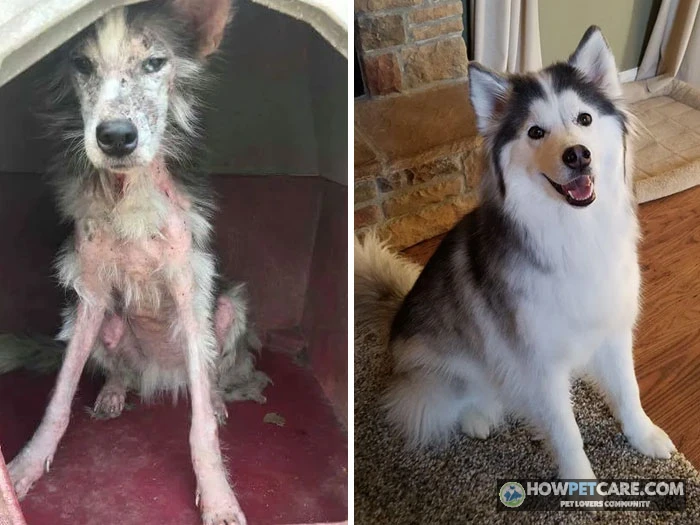

After adoption, a dog may develop a fuller coat, reach a healthier weight, move more easily, and rest more relaxed — changes driven by veterinary care, nutrition, grooming, and routine. Adjustment typically unfolds over days to months; a single photo can’t show a dog’s medical history or emotional state.
After adoption, a dog may develop a fuller coat, reach a healthier body condition, move more easily, or rest in a more relaxed position. Some of the most meaningful changes happen outside the frame: a dog may start eating reliably, explore a room, or recover more quickly after a startling noise. These changes can take days, months, or longer. A photo alone cannot establish a dog’s medical history or emotional state.
The stories below use only details documented in the available rescue and publication accounts. They don’t represent every adopted dog, and several accounts lack dated photo pairs or long-term follow-ups. Consider them examples of what care can involve, not promises about how your dog will look or when they will adjust.
Dog Before and After Adoption: What Really Changes
A rescue dog before and after adoption may look noticeably different thanks to veterinary treatment, nutrition, grooming, rest, and a stable routine. A dog with untreated skin disease may eventually have a healthier-looking coat, while a severely underweight dog may gain weight under veterinary guidance. Some dogs become more comfortable moving around or resting in a home. Others show little visible change even as their daily life improves.
A picture can show some changes, but others are open to interpretation. “The dog’s coat appears fuller” is an observation. “The dog is grateful” is an inference. A relaxed pose can be encouraging, but it cannot prove that fear, pain, or other challenges have resolved. Behavioral adjustment may be gradual, uneven, and invisible in a still image.

Stories that spread widely online often feature striking medical recoveries. Love Leo Rescue’s collection, for example, presents 32 before-and-after photos of dogs described as found chained, abandoned, malnourished, sick, or injured; its Dojo, also called Tommy, required more than $12,000 in cardiac medical care and entered a foster-to-adopt home. BuzzFeed Community’s collection includes 27 named dogs, with submissions describing cases such as Athena, who was reportedly starved to 29 pounds and later weighed 65 pounds, and Audrey, who had near-fatal demodex mange. These accounts show what can happen with intensive care, but they don’t establish a typical outcome or a standard recovery schedule.
Realistic vs. Instagram: Before-and-After Expectations
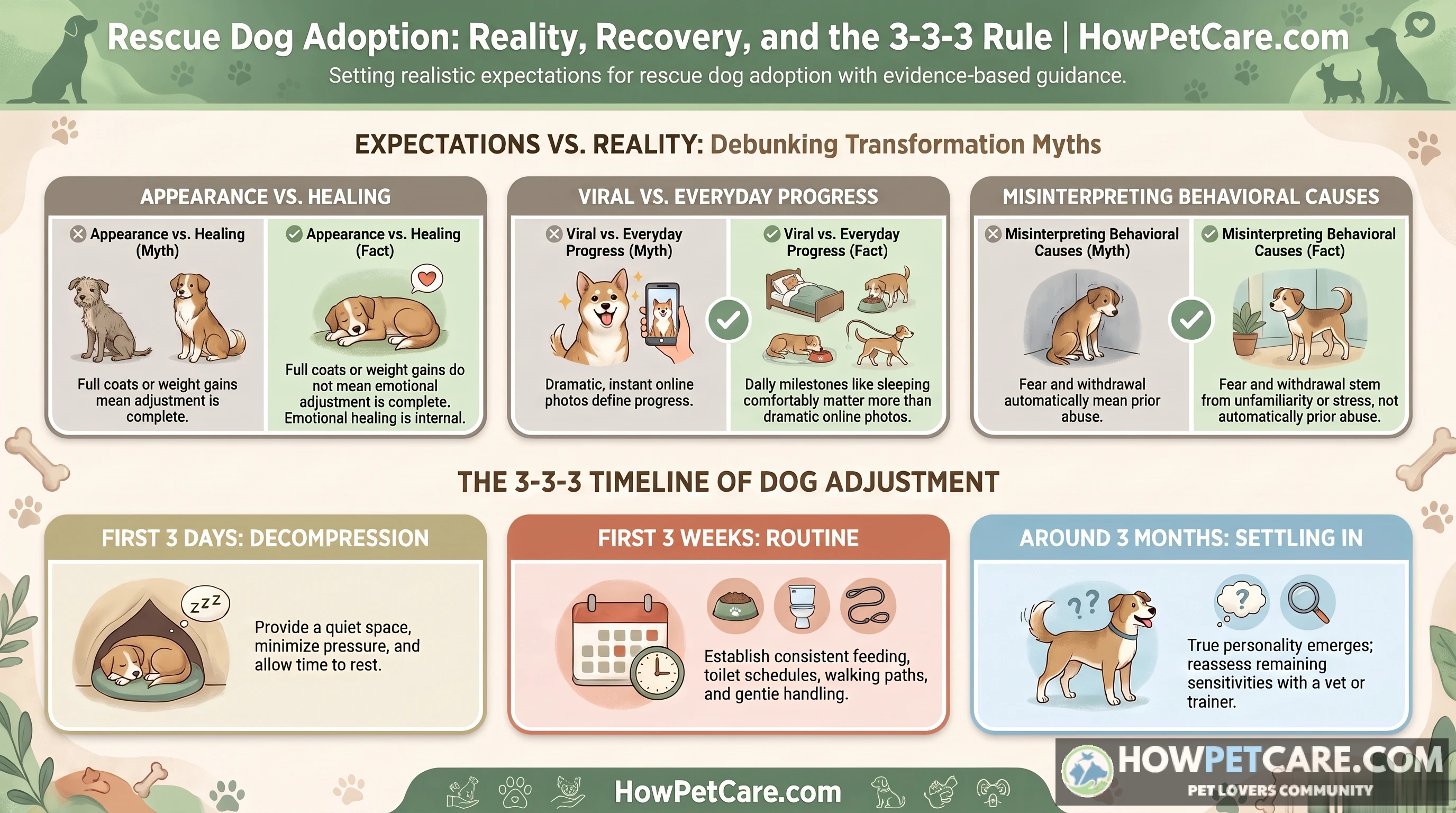
Myth: A dramatic change in the first week proves a dog has fully settled in.
Fact: Early differences may reflect grooming, better lighting, sleep, or relief at being in a quieter environment. Deeper adjustment can take much longer. Some dogs show new fears or behaviors only after they become comfortable enough to react to unfamiliar situations.
Myth: A healthy-looking coat means recovery is complete.
Fact: Physical healing and emotional adjustment move at different rates. A dog may look well while still needing medication, careful introductions, or support with separation distress, noise sensitivity, or handling.
Myth: A fearful rescue dog must have been abused.
Fact: Fear, barking, house-training lapses, or withdrawal can have many causes, including stress, pain, limited socialization, a new environment, or an unknown history. A photo cannot confirm abuse.
Myth: Viral transformations are the normal result of adoption.
Fact: Highly shared stories often feature severe but treatable conditions and extensive foster or veterinary support. Everyday progress may look like eating a meal, sleeping comfortably, or choosing to approach a person. A less dramatic change can still matter enormously to the dog.
How to Read a Before-and-After Pair Without Overclaiming
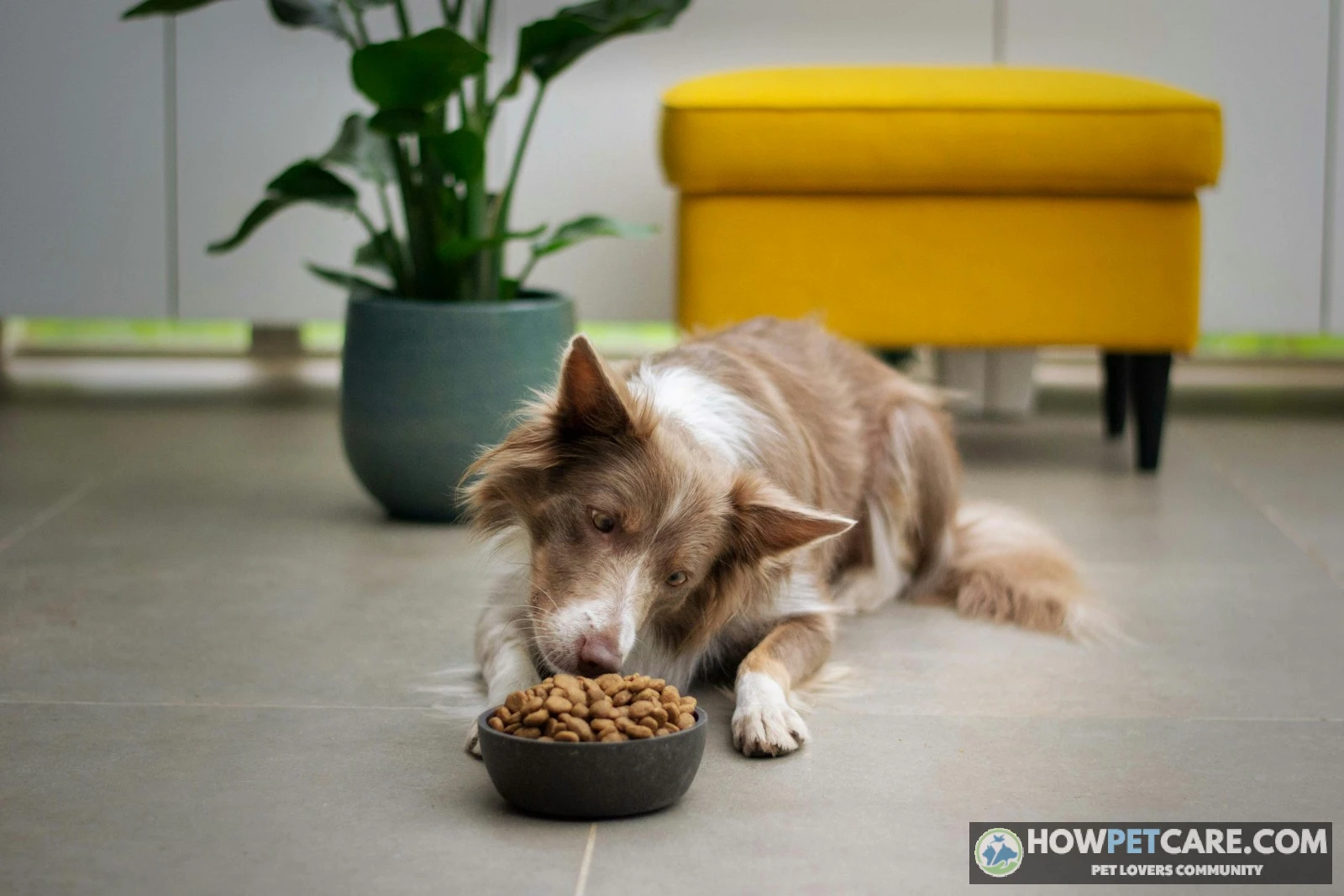
Start by checking the dates and elapsed time. A photo taken a few days after arrival may show cleanup or a change in setting, while a later image can show changes that took longer to develop. Compare the angle, distance, lighting, and grooming. If they differ, some of the contrast may come from photography rather than the dog.
Look for a source and medical context. Was a condition diagnosed by a veterinarian, described by a shelter, or reported by an adopter? Each is a different kind of evidence. If a story doesn’t provide dates, say they’re unknown rather than assigning it to a recovery stage. An honest account leaves room for setbacks and ongoing needs, too.

Common Health and Behavior Challenges Before Adoption
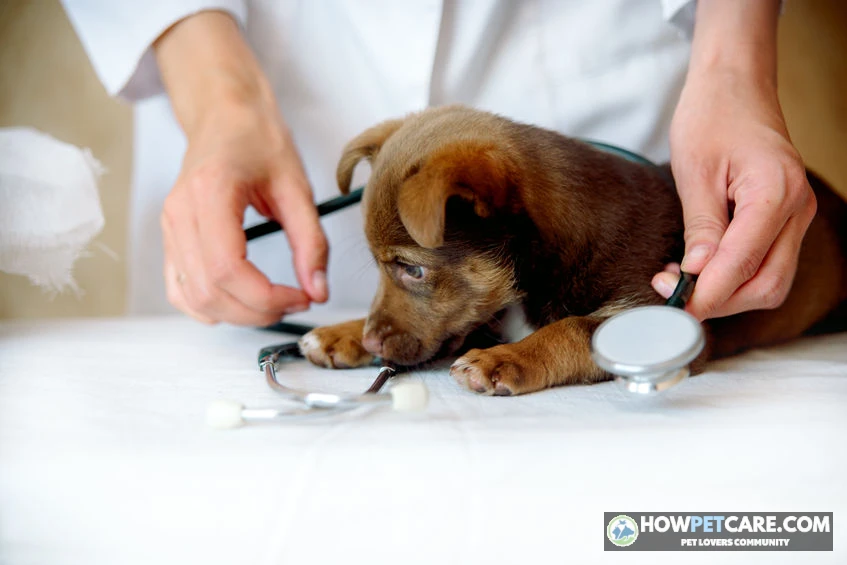
Dogs entering shelters may have medical needs such as parasites, skin disease, dental problems, wounds, or low body weight. Heartworm infection is another concern in some regions. Risks vary, and an image cannot diagnose a condition. Hair loss might have several causes, for example, and thinness alone doesn’t reveal why a dog is underweight. A veterinarian can examine the dog, review available records, and recommend testing and treatment.
A dog may also seem fearful, quiet, vocal, restless, or reactive in a shelter or new home. Those behaviors don’t establish a history of cruelty. Shelters are unfamiliar, busy environments, while a move into a home brings different sounds, people, routines, and expectations. Pain or illness can affect behavior, too. Ask the shelter or foster caregiver what they observed, but remember that behavior in one setting cannot guarantee how a dog will respond in another.
Arrange a veterinary check soon after bringing a dog home, and bring any medical records, test results, and medication instructions you received. Seek advice promptly for symptoms that concern you. Difficulty breathing, collapse, repeated vomiting, or inability to urinate warrants immediate veterinary guidance. If the dog appears very weak, has a wound, or isn’t eating, call a clinic for individualized advice rather than relying on a photo comparison or a general online timeline.
Rescue Dog Transformation Stories by Recovery Stage
The following summaries draw on published rescue and community accounts. They aren’t a substitute for the original stories or photo permissions. The available evidence doesn’t include source URLs, image files, photo dates for every dog, or verified long-term updates for each case. These are text summaries, not a claim that a particular before-and-after pair is available for republication. Any publisher using the original images should obtain permission and credit the rights holder.
The First 72 Hours: A Safe Place to Decompress
Some adoption stories begin with a dog found in an unsafe situation or with serious medical needs. PETA’s fieldworkers respond to animal emergencies in southeastern Virginia and northeastern North Carolina. Its profiles document cases involving chronic chaining, emaciation, embedded collars, parasites, untreated wounds, and other forms of neglect. These are descriptions of documented cases, not conditions to assume about every shelter dog.
One profile notes that Holly Berry later won a Virginia Beach SPCA 5K. That suggests a substantial change in what she could do, but the available account doesn’t provide a dated photo sequence or a veterinary timeline. It would be misleading to assign her recovery to a specific number of days. Another profile describes Justice as a “chronic snuggler” after rescue. That’s a reported outcome, not a guarantee that a newly adopted fearful dog will seek physical affection quickly.
The First Few Months: Health and Trust Take Shape
BuzzFeed Community’s submissions include Fiona, rescued from the streets of Taiwan; Athena, reported to have gained weight from 29 to 65 pounds; and Audrey, described as having near-fatal demodex mange. The accounts show a range of starting conditions, but the evidence available here doesn’t give dates, treatment details, or independently verified follow-ups for these dogs. Don’t infer a standard weight-gain schedule or mange treatment duration from the photos alone.
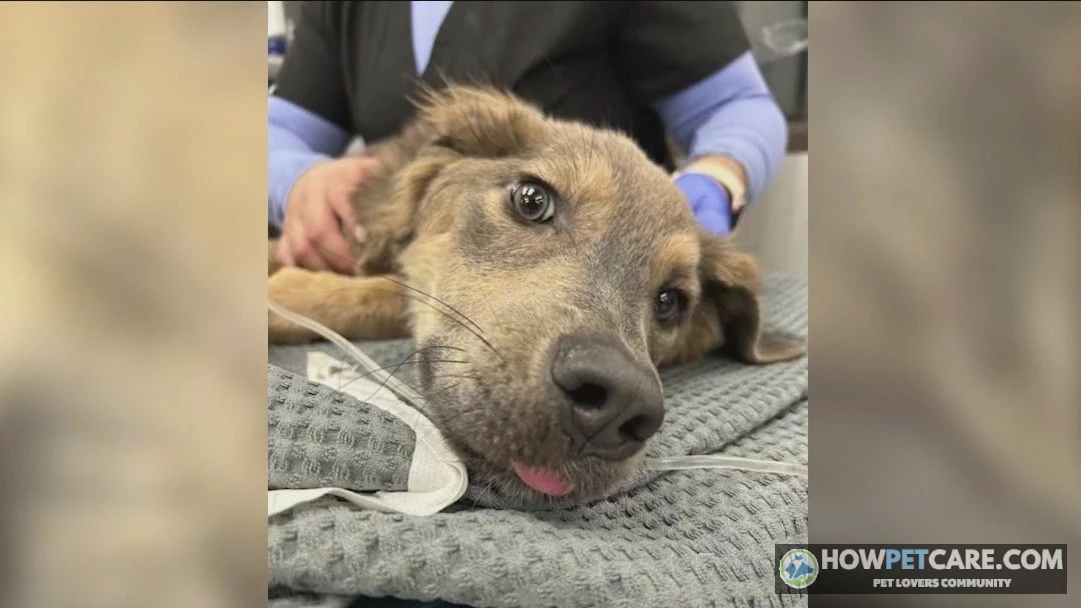
Love Leo Rescue’s Dojo/Tommy is a reminder that some recoveries involve major medical care rather than a simple change of scenery. The rescue account says he needed more than $12,000 in cardiac care and was in a foster-to-adopt home. That doesn’t mean every dog with a serious condition will need the same treatment or incur the same cost. A veterinarian must determine an individual dog’s diagnosis and plan.
A Year or More Later: Progress and Ongoing Needs
Some published transformation collections describe dogs in happy homes, but the available evidence doesn’t give reliable one-year dates and follow-ups for ten individual dogs. Rather than inventing those endings, consider what a long-term update should document: the photo date, care received, observable behavior, setbacks, and any needs that remain.
A dog may continue to need medication, gradual introductions, or support around a particular trigger after settling at home. Another may show a dramatic physical recovery but remain cautious with strangers. A meaningful rescue dog before-and-after story doesn’t need a perfect ending; it needs an accurate account of change over time.

How Long Does a Rescue Dog Take to Recover and Adjust?
There’s no single timeline for a rescue dog’s physical recovery or behavioral adjustment. Diagnosis, overall health, age, treatment plan, home environment, and past experiences can all affect progress. The ranges below are general planning guides, not diagnoses or promises. Ask your veterinarian what to expect for your dog, especially if the dog is emaciated, has a serious infection, or is heartworm-positive.
The broadest adjustment pattern is often summarized with the 3-3-3 rule, which gets a dedicated breakdown later in this article:
| 3-3-3 stage | Approximate period | What it often looks like |
|---|---|---|
| Decompression | About three days | A quiet dog who may sleep heavily, hide, or show little interest in food or people |
| Routine learning | About three weeks | More predictable eating, toileting, and comfort with household rhythms |
| Settling in | About three months | A clearer picture of the dog’s personality and any sensitivities that remain |
| Condition or challenge | Typical care or support | Approximate timeframe, if supported | Factors affecting recovery | When to seek professional help |
|---|---|---|---|---|
| Demodectic or sarcoptic mange and other serious skin disease | Veterinary testing, prescribed medication, skin care, and treatment of secondary infection if present | Itch and redness may improve over weeks; visible hair regrowth may take one to three months or longer after the underlying problem is controlled | Extent of disease, immune health, infection, and response to treatment | Worsening lesions, pain, bleeding, lethargy, or no improvement after treatment begins |
| Underweight or emaciated body condition | Veterinary exam and an individualized feeding plan; weight monitoring | Visible change may begin over weeks, while reaching stable weight and muscle condition may take months | Severity, parasites, dental pain, other illness, appetite, and the feeding plan | Weakness, vomiting, diarrhea, bloating, collapse, or continued weight loss |
| Heartworm-positive status | Veterinary staging and prescribed treatment; restricted exercise when directed | Treatment commonly spans several months; activity restrictions depend on the veterinary protocol | Symptoms, disease severity, heart and lung effects, and complications | Coughing, fainting, labored breathing, coughing blood, or reduced exercise tolerance |
| Wounds or orthopedic problems | Veterinary assessment, wound care or pain control, and possible imaging, surgery, or rehabilitation | Simple wounds may heal over weeks; muscle or mobility rehabilitation can take months, and some damage may be permanent | Injury severity, infection, nutrition, age, and treatment needs | Open or infected wounds, non-weight-bearing lameness, exposed tissue, fever, or sudden worsening |
| Fear, withdrawal, reactivity, or house-training lapses | Decompression, predictable routines, reward-based support, and a veterinary screen for pain or illness | Early settling may appear in days or weeks; building confidence can take months or longer | Individual temperament, health, environment, prior socialization, and consistency | Bite risk, escalating distress, inability to rest or eat, or worsening behavior |
These are broad ranges, not veterinary guarantees. The time needed for skin to look healthy, for example, isn’t the same as the time needed to resolve the cause of a skin problem. Heartworm treatment and exercise restrictions must follow the treating veterinarian’s instructions; activity that seems harmless can be unsafe for a dog with heart or lung involvement. A dog with severe malnutrition also needs an individualized feeding plan rather than an abrupt increase in food.

Physical Recovery Depends on the Condition
Rehabilitation may involve an examination, diagnostic testing, prescription medication, follow-up visits, measured feeding, and restricted activity. Some dogs need surgery, wound care, or physical rehabilitation. The right plan depends on the diagnosis, so don’t copy a treatment schedule from a transformation post.
Costs vary, too. One rescue account reports more than $12,000 in cardiac medical care for Dojo/Tommy, but that’s a single case, not a typical price or a useful estimate for another dog’s care. Examination, testing, medications, specialist care, and follow-up can differ substantially by location and medical complexity. Ask the clinic for an itemized estimate and which parts are time-sensitive. If cost is a barrier, ask the shelter, rescue, or veterinary team whether they know of local assistance programs; availability varies.
Emotional Adjustment Has No Fixed Deadline
The 3-3-3 rule is a commonly used shorthand for a transition, not a clinical prediction. Some dogs begin to decompress within days, learn household routines over the following weeks, and feel more settled over a few months. Others take longer at every stage, and progress may go forward and backward. A fearful rescue dog may trust a new person gradually through repeated safe interactions, but no responsible source can promise an exact day when that will happen.
Look for small, observable changes: eating more consistently, resting for longer, exploring a little farther, or recovering sooner after a startle. Continued hiding, inability to rest or eat, escalating fear, or worsening behavior deserves a conversation with a veterinarian or qualified reward-based behavior professional. A sudden behavior change can also signal pain or illness.
The 3-3-3 Rule and Your Adopted Dog’s First Weeks
The 3-3-3 rule describes a rough transition pattern: about three days to begin decompressing, three weeks to learn routines, and three months to feel more settled. It’s a guideline, not a guarantee, and it doesn’t mean every dog will reach those milestones on schedule. Use it to lower expectations for instant closeness, not to delay medical or behavioral help. Shelter and veterinary professionals commonly share this shorthand when preparing adopters precisely because it frames adjustment as gradual and individual rather than instant.
First 3 Days: Lower the Pressure
Before the dog arrives, set up a quiet home base with water, a bed, food, and a retreat area. A crate is optional; if you offer one, make it a comfortable choice rather than a place to force a distressed dog. Prepare a leash, well-fitted harness or collar, identification, cleaning supplies, and the food the shelter or foster caregiver has been using. Remove hazards such as medications, cables, toxic plants, and unsecured exits.
Keep arrival calm. Take the dog to the planned toilet spot, then let them explore the home base at their own pace. Limit visitors, outings, baths, and introductions unless something is medically necessary. Offer food and water without pressuring the dog to interact. Use short, leashed toilet breaks and reward outdoor elimination; don’t punish accidents.
Observe and write down basic information: appetite, water intake, stool, coughing, scratching, wounds, movement, sleep, and reactions to ordinary sounds. Your notes can help the veterinarian assess changes. Arrange a wellness exam within the first few days to first week when possible, sooner if the dog seems unwell, and bring shelter records and medication instructions.

First 3 Weeks: Build Predictable Routines
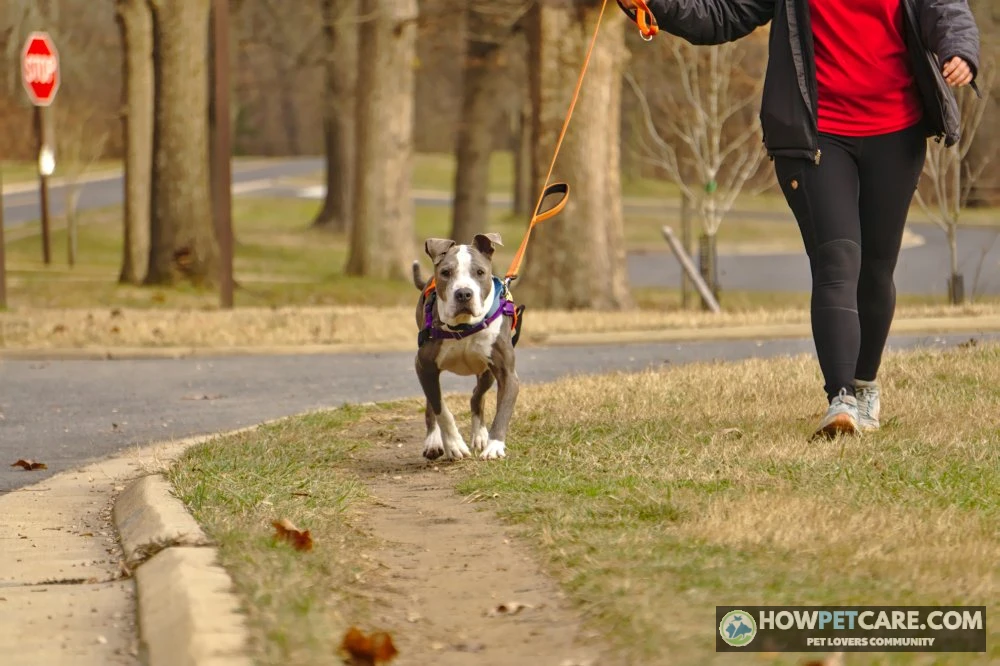
Keep feeding, toilet breaks, rest, and walks as consistent as you can. If the dog is eating normally and has no digestive symptoms, ask your veterinarian whether to transition food gradually over about five to seven days. A dog who is emaciated or unwell needs professional guidance before you change feeding. Introduce one routine at a time and keep handling brief and gentle.
Avoid dog parks, off-leash areas, punishment for fear, and tests around food, children, or strangers. If there are resident pets, begin with separation and scent or visual introductions. Keep meetings brief and end before either animal seems overwhelmed. A foster caregiver’s observations can help you understand a dog’s preferences, but a new home may bring different behavior.
Around 3 Months: Reassess, Without a Deadline
By this point, some dogs are more comfortable with household rhythms and familiar people. Others are still adjusting. Review your notes for changes in appetite, rest, and any fears that are improving, worsening, or staying the same. Discuss persistent concerns with your veterinarian and ask whether a behavior professional could help. Don’t treat the three-month mark as a pass-or-fail test.
First Two Weeks With a Newly Adopted Dog
Before pickup or day one
- ☐ Set up a quiet room or gated area with water, a bed, and a food station. Offer a crate only if the dog is comfortable with it.
- ☐ Ask what food the dog has been eating and how much; get a veterinarian’s advice before changing the diet if the dog is unwell or underweight.
- ☐ Prepare identification, a leash, a well-fitted harness or collar, cleaning supplies, and a folder for medical records.
- ☐ Secure trash, cables, medications, toxic plants, small objects, balcony gaps, and yard fences.
- ☐ Choose toilet breaks, feeding times, the sleeping area, and household responsibilities in advance.
Days 1–3: decompression
- ☐ Keep the ride and home entry quiet; go to the toilet spot and then the dog’s home base.
- ☐ Limit visitors, introductions, grooming, and unnecessary trips.
- ☐ Let the dog choose whether to approach. Don’t force eye contact, petting, or handling.
- ☐ Offer short, leashed toilet breaks after sleep, meals, and play. Reward outdoor elimination without scolding accidents.
- ☐ Note appetite, water, stool, coughing, scratching, wounds, gait, sleep, and startle responses.
Days 4–14: routine and checks
- ☐ Attend the wellness exam (or schedule it now if not yet booked) and bring available records, medication, and test history.
- ☐ Add one predictable routine at a time, such as a walk route or bedtime cue.
- ☐ Introduce resident pets gradually through barriers and short, supervised meetings.
- ☐ Avoid dog parks, off-leash time in unfenced areas, punishment, and forced interactions.
- ☐ Call a veterinarian promptly about breathing difficulty, collapse, repeated vomiting or diarrhea, inability to urinate, suspected pain, wounds, or escalating aggression risk. If the dog stops eating or seems unwell, ask a clinic how urgently they need to be seen.
How to Help a Scared Rescue Dog Build Trust
Let the dog control the pace of contact. Sit sideways, speak calmly, and give the dog room to move away. Offer treats or a toy if the dog is interested, but don’t use food to lure them into a situation they fear and then trap them there. Avoid punishment, forced handling, and flooding a dog with unfamiliar people or situations.
Make the environment predictable. Keep a quiet retreat available, follow a consistent daily routine, and reward behaviors you want to see. Socialization means helping a dog experience people, places, and sounds safely; it doesn’t mean pushing the dog into close contact. Start at a distance where the dog can stay relatively comfortable and gradually change one thing at a time.
Crate training is optional. If you choose to use a crate, build a positive association with the door open and let the dog leave freely at first. Don’t confine a dog who is panicking. If fear persists, reactivity escalates, or there’s a bite risk, ask your veterinarian to rule out pain or illness and seek a qualified reward-based behavior professional. Some dogs make substantial progress while retaining lifelong sensitivities; that doesn’t mean their adoption failed.
How to Take Before-and-After Dog Adoption Photos
Photos can help you notice changes that are hard to see day to day, as long as taking them doesn’t distress the dog. Use a similar angle, distance, lighting, and background each time. Natural indirect light and a calm setting usually make images easier to compare. Avoid flash, filters, dramatic cropping, or forced poses. If the dog is frightened or shut down, wait for a calmer moment rather than staging a dramatic “before.”
Take the first photo only if the dog is comfortable, then consider repeating the setup around one week, one month, three months, and one year. Those are useful documentation points, not required milestones. Record the date, elapsed time since adoption, relevant veterinary care, and objective behavior notes. For example: “ate a full meal” or “rested in the open crate for 20 minutes” is more informative than “finally happy.”

Credible Before-and-After Photo Log Template
Repeatable shot setup
- Use the same phone or camera when possible, with no beauty filter or close wide-angle distortion.
- Take a full-body side view at the dog’s height and a face shot only if the dog is comfortable.
- Use indirect daylight and a similar background; include a consistent scale reference if useful.
- Record the date and elapsed days since adoption. Don’t label an image “one year later” unless the date supports it.
Photo log fields
Dog name or ID, if documented:
Photo date and elapsed time since adoption:
Location and context:
Weight or body-condition note, if assessed:
Medical update since last photo:
Objective behavior note:
Possible stressor during the photo:
Image source and permission:
Caption format
[Name or “this adopted dog”], [elapsed time]. Left: [date and documented context]. Right: [date and visible change]. Care included [documented veterinary care or routine]; [ongoing need or setback] remains.Alt-text format
Side-by-side photos of the same dog on [date] and [date]: the first shows [visible detail], and the second shows [visible detail], photographed from a similar angle.Ask permission before sharing a shelter, rescue, foster, or community member’s images. Protect personal information, credit the source, and describe only what the images show. If dates or medical history are unknown, say so. Honest before-and-after dog adoption photos are more useful than dramatic ones that obscure context.
Your Next Steps for a Shelter-to-Home Dog
A manageable plan helps more than expecting an instant transformation. Before pickup, prepare a quiet space, basic supplies, and a safe route outside. On arrival, keep the first days calm and follow the dog’s established food and medication instructions. Arrange a veterinary check, review the records you have, and write down questions about testing, diet, exercise, and any visible symptoms.
Track a few practical observations each day: eating, drinking, toileting, sleep, and comfort around ordinary household activity. Add routines and introductions gradually. If your dog isn’t eating, appears ill, has a worsening symptom, or remains highly distressed, contact a veterinarian rather than waiting for a milestone in the 3-3-3 rule. For persistent fear or reactivity, ask the veterinarian for a referral to a qualified reward-based behavior professional.
For additional support, contact the shelter or foster caregiver who knows the dog’s recent routine, a local humane society, or a reputable pet adoption agency. Veterinary clinics can advise on medical care, while qualified behavior professionals can help with training and safety. If you share your dog’s story, document dates, care, setbacks, and permission alongside the photos. A realistic account can encourage other adopters without implying that every dog’s recovery follows the same path.
| Dog Name | Rescue Organization or Source Case | Initial Health or Living Condition | Medical Care or Treatment Provided | Post-Adoption Weight or Outcome | Observed Behavior or Adjustment |
|---|---|---|---|---|---|
| Dojo (also called Tommy) | Love Leo Rescue | Found chained, abandoned, malnourished, sick, or injured; had a serious cardiac condition | Required more than $12,000 in cardiac medical care | Entered a foster-to-adopt home | Not in source |
| Holly Berry | PETA fieldworkers | From cases involving chronic chaining, emaciation, embedded collars, parasites, untreated wounds, or neglect | Not in source | Won a Virginia Beach SPCA 5K | Substantial change in physical capability |
| Athena | BuzzFeed Community collection | Starved to 29 pounds | Not in source | Weighed 65 pounds | Not in source |
| Audrey | BuzzFeed Community collection | Near-fatal demodex mange | Intensive care | Not in source | Not in source |
| Justice | PETA fieldworkers | From cases involving chronic chaining, emaciation, embedded collars, parasites, untreated wounds, or neglect | Not in source | Not in source | Reported as a "chronic snuggler" after rescue |
| Fiona | BuzzFeed Community collection | Rescued from the streets of Taiwan | Not in source | Not in source | Not in source |
FAQ
Do all shelter dogs have a history of abuse?
No. Dogs enter shelters for many reasons, including changes in an owner’s housing or finances, and their histories are sometimes unknown. Fear in a new home does not by itself establish that a dog was abused.
Can an older rescue dog still bond with a new owner?
Yes. Adult and senior dogs can form strong relationships in new homes, although their health, past experiences, and individual temperament can influence how they settle in.
Why might an adopted dog’s behavior change after it comes home?
A shelter and a home present different routines, noises, and social demands, so behavior can change as a dog settles in or encounters new situations. A veterinarian can help assess sudden or concerning changes, including whether pain or illness may be involved.
Can foster care help predict how a rescue dog will behave at home?
A foster caregiver can share useful observations about routines, preferences, and behavior in a home setting. Those observations are not a guarantee: a different household and the transition itself may bring different responses.