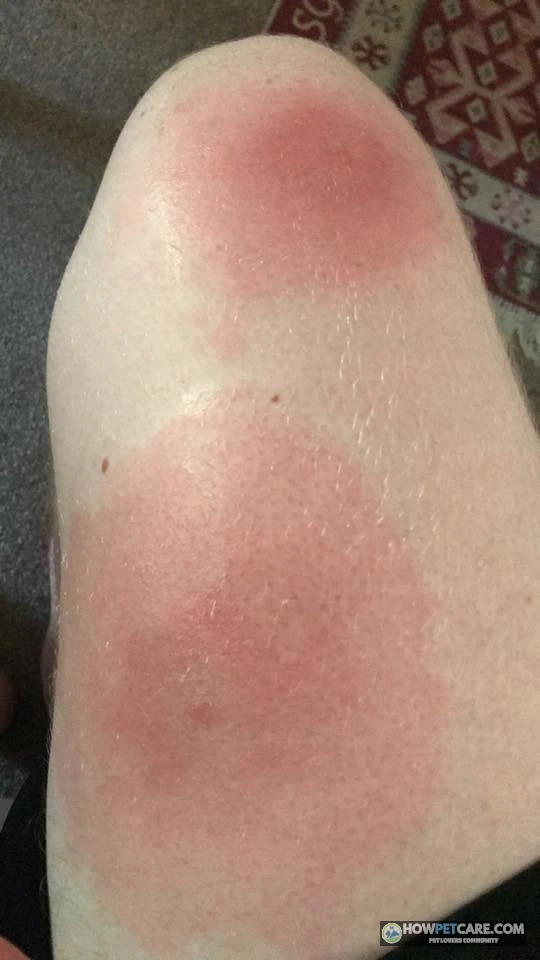

| Insect | Where bites usually appear | What they look like |
|---|---|---|
| Stable fly | Lower legs, belly, chest | Small spots that may bleed or crust; horse stomps and swishes its tail |
| Horse fly or deer fly | Back, sides, neck, head | Larger painful welts that may bleed, often after sunny turnout |
| Black fly | Ears, chest, underside | Clusters of small bleeding or crusted spots |
| Biting midges (Culicoides) | Mane, tail base, belly, face | Tiny itchy bumps; rubbing and broken hair |
| Mosquito | Exposed, thin-haired skin | Small bumps or soft hive-like swellings |
Small crusts on the legs, swollen welts along the sides, or rubbed patches near the mane can all point to fly bites on horses. But they don’t necessarily come from the same insect. Start with where the marks appear, then consider what they look like and when your horse was exposed. Stable flies often target the legs; biting midges commonly cause itchy lesions on the mane, tail, and belly; and horse flies can leave painful, bleeding bites.
A bite pattern offers a clue, not a diagnosis. Photograph the affected areas, protect your horse from more bites, and watch for spreading swelling, discharge, distress, or other signs that call for a veterinarian. Insect-related skin problems can cause itching, hives, hair loss, painful bites, and oozing wounds.
By the editorial team, generalist animal-welfare and safety editors.
What Fly Bites on Horses Look Like, and Which Insect Left Them
Quick location guide: legs, belly and sheath, back and sides, ears and face, mane and tail base
Take in the whole horse before examining one bump. Note whether the marks are scattered or clustered, fresh or crusted, and whether your horse is stomping, shaking its head, or rubbing.
- Lower legs: Small crusted spots alongside persistent stomping may point to stable flies.
- Belly and sheath: Small bumps or crusts along the underside may involve stable flies, midges, black flies, or several insects. A veterinarian may call inflammation along the underside ventral midline dermatitis.
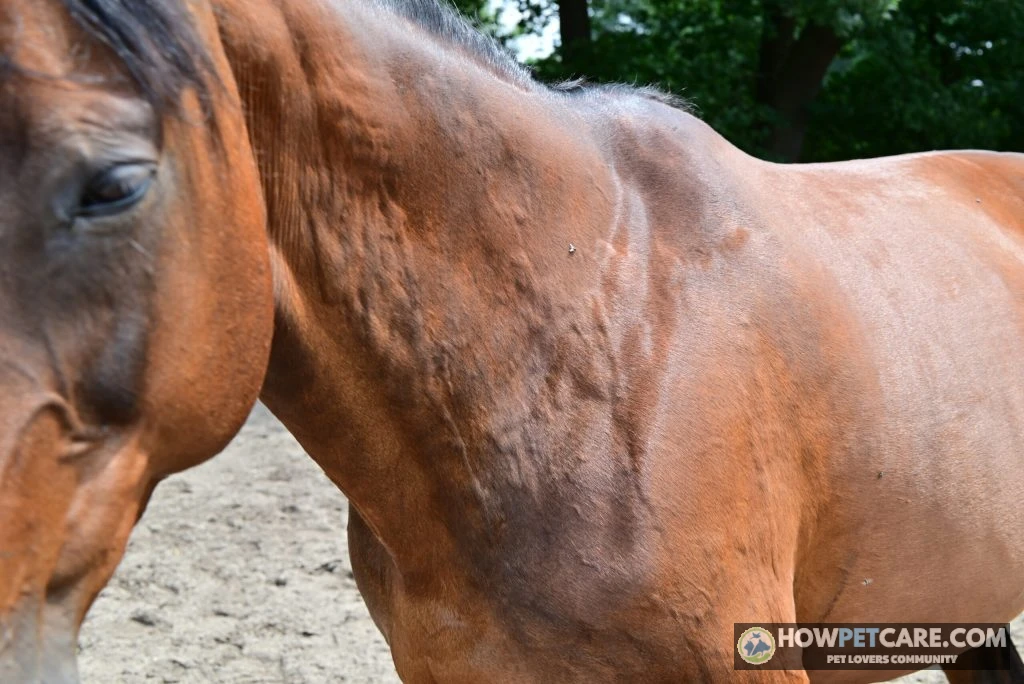
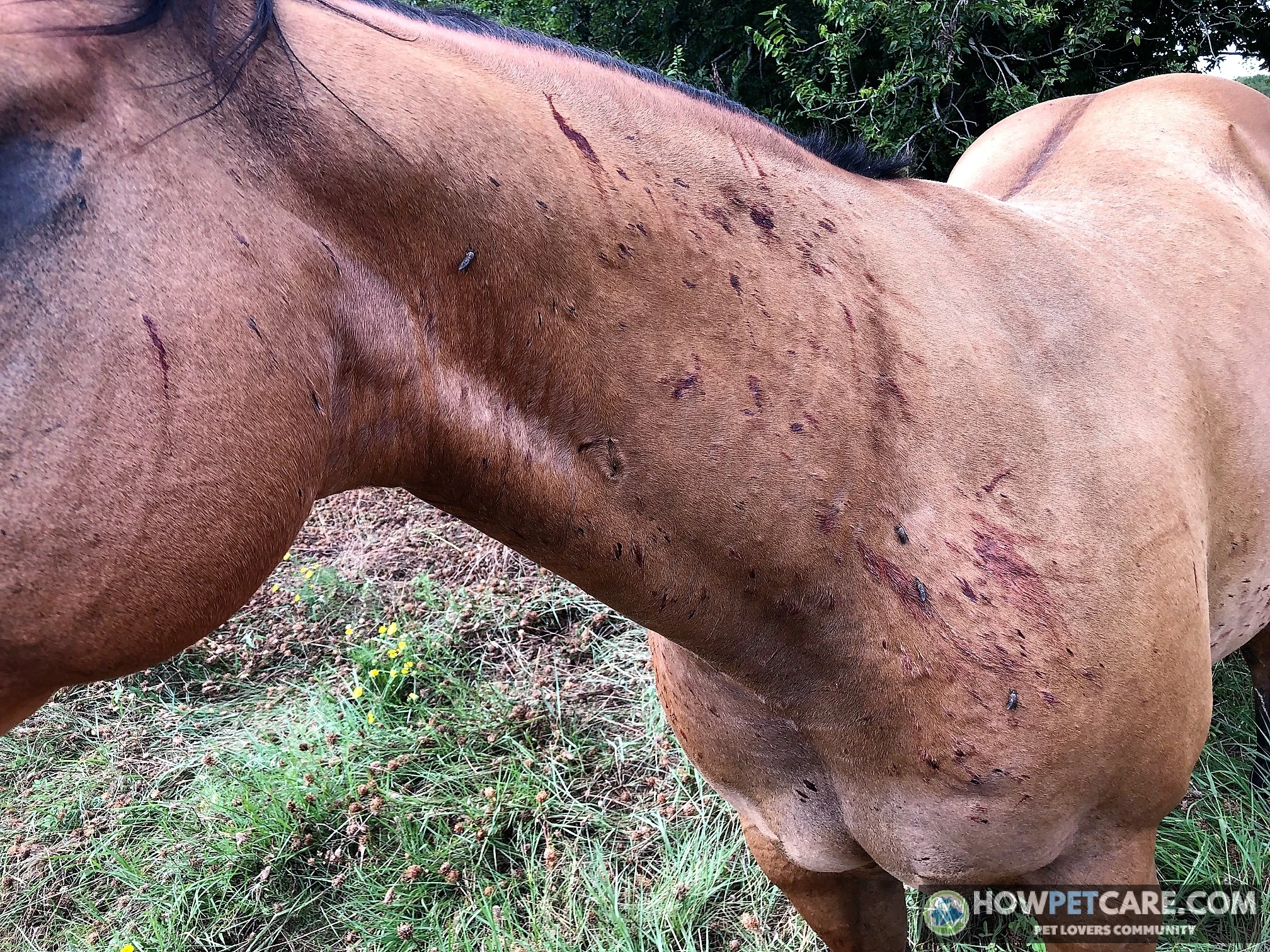
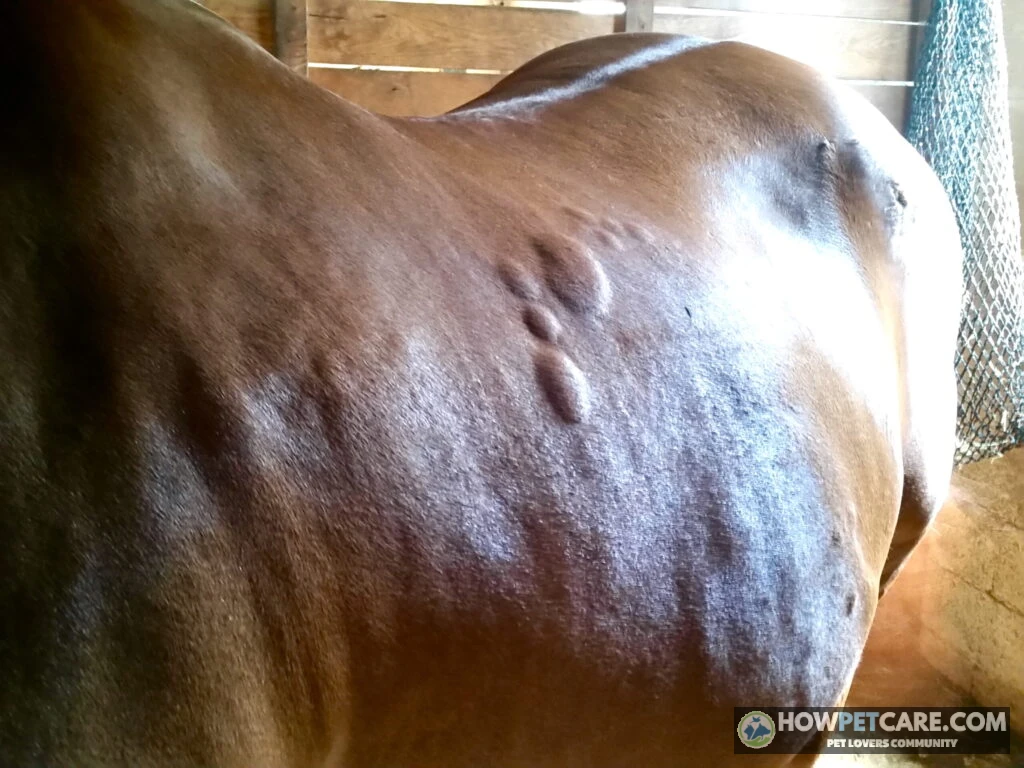
- Back and sides: Larger welts, sometimes with bleeding, after turnout can suggest horse flies or deer flies.
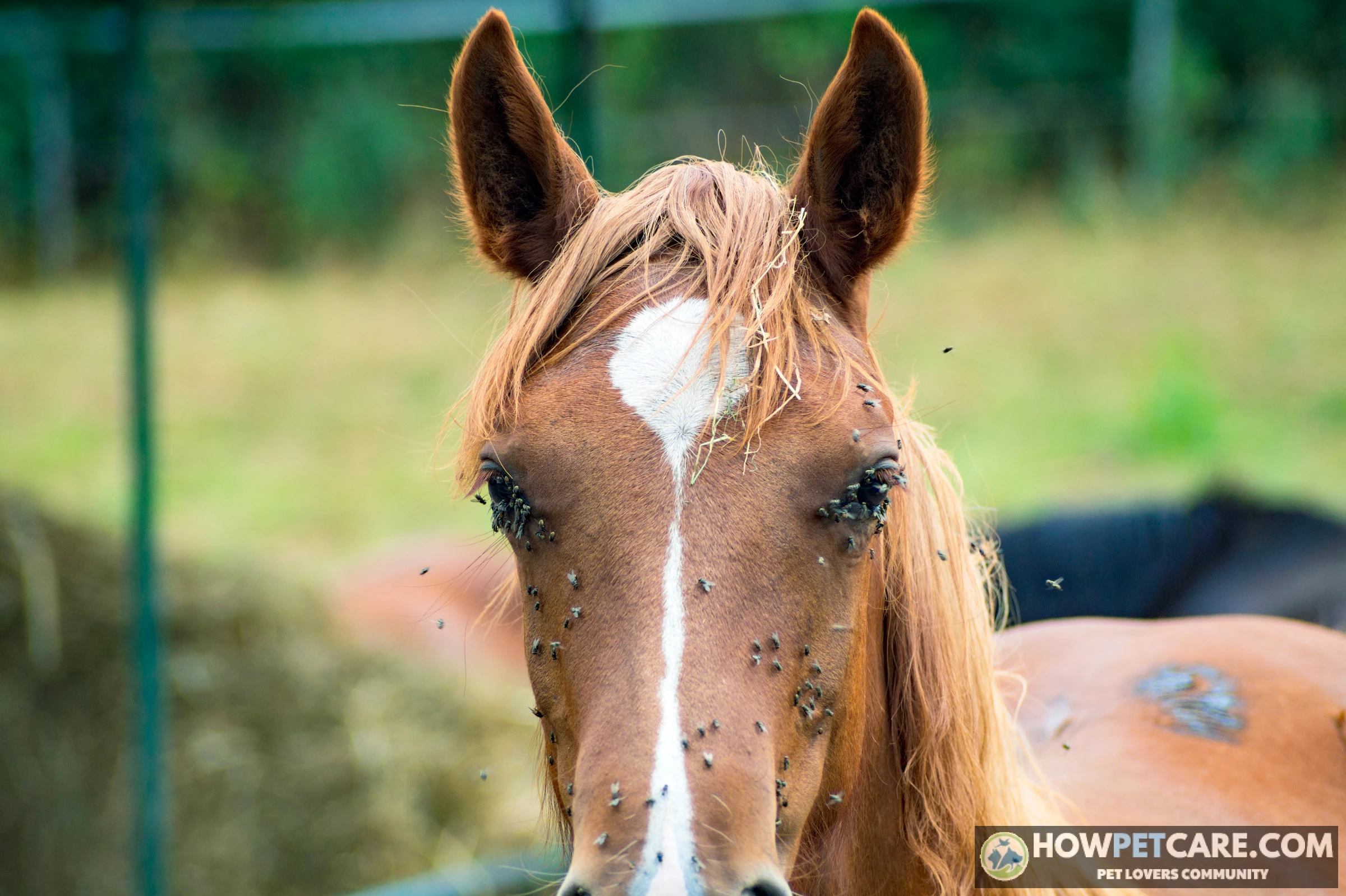
- Ears and face: Look for small crusted bites, rubbing, and an attached tick. Black flies and deer flies are among the possibilities.
- Mane and tail base: Itchy bumps, broken hair, and repeated rubbing raise suspicion of biting midges and, especially when the pattern returns, sweet itch.
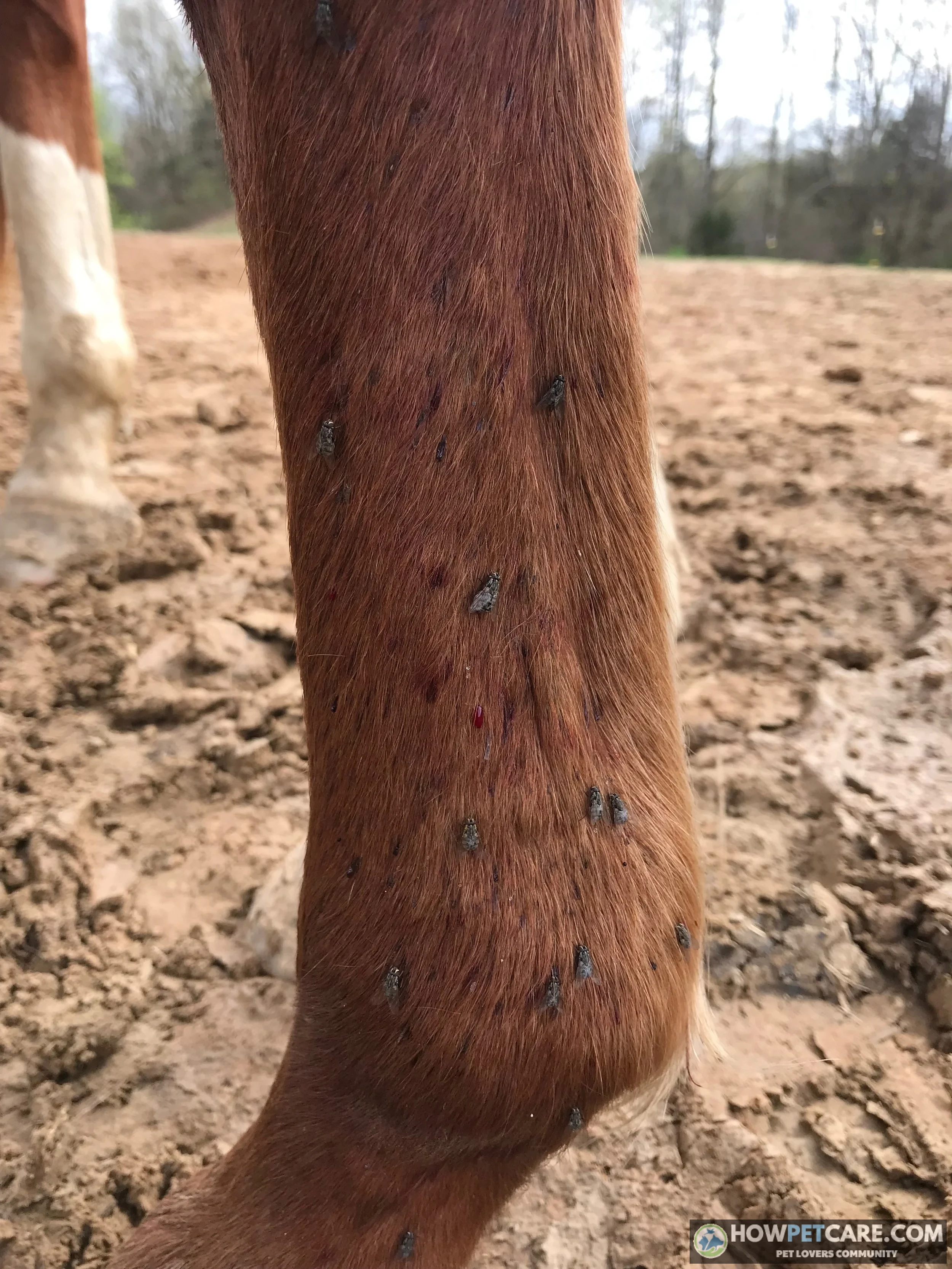
Bite-to-insect comparison table
Start with location, then compare the marks and likely exposure time. These patterns are common, not definitive: different insects can leave similar marks, and horses can react differently to the same bite.
| Insect | Typical bite location on the horse | What the bite looks like | Typical horse reaction | Common activity window |
|---|---|---|---|---|
| Stable fly | Lower legs, belly, chest | Small pinpoint spots that may bleed or crust | Stomping, tail swishing, restlessness | Daylight in warm weather |
| Horse fly | Back, sides, withers, neck | A larger painful welt or open spot that may bleed | Sudden kicking, bucking, or moving away | Warm, sunny daytime |
| Deer fly | Head, neck, shoulders | A painful welt, sometimes with a little blood | Head tossing, ear flicking, avoidance | Warm daytime, often near wooded or wet areas |
| Black fly | Ears, chest, groin, underside | Clusters of small bleeding spots that may crust | Head shaking, ear rubbing, agitation | Daytime; often seasonal near running water |
| Biting midges, or Culicoides | Mane, tail base, belly, face | Tiny itchy bumps or crusts; rubbing can obscure the original bites | Rubbing, hair breakage, restlessness | Often dawn, dusk, and calm evenings |
| Mosquito | Exposed skin, including thin-haired areas | Small raised bumps or soft, hive-like swellings | Itching or irritation; reactions vary | Often dusk through dawn, depending on species |
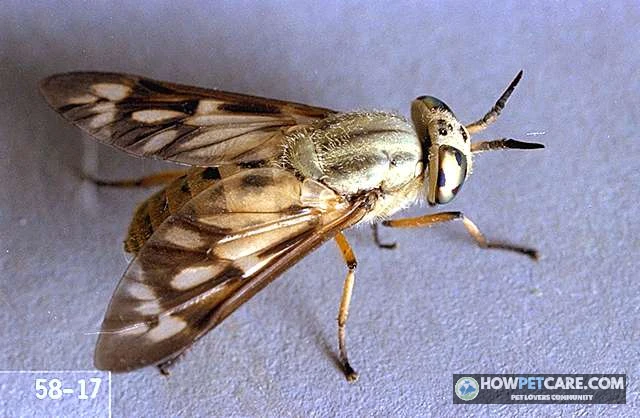
Scattered, larger welts after a sunny turnout suggest a different exposure than crusts concentrated on the lower legs. A belly-and-midline pattern can involve midges or black flies, though stable flies may also feed lower down. Photograph each area in good light: take one close-up and one wider picture that shows its location. Photos alone can’t reliably identify the insect.
Which Flies Bite Horses, When They Are Active, and Why Bite Location Matters
Stable fly and horse fly behavior
Stable flies feed repeatedly and often attack the legs, so stomping and tail swishing can be useful clues. Wet bedding, spilled feed, and manure mixed with moist organic material can support their breeding. Drying these areas and using properly fitted leg protection address separate parts of the problem.
Horse flies and deer flies cut the skin to feed, which is why their bites can bleed. They often pursue horses outdoors during daylight. A horse that suddenly runs or kicks in a sunny turnout may be reacting to a painful bite, but behavior alone can’t identify the insect.
Dark, moving shapes can attract some horse flies and deer flies. Coat color is just one possible factor; exposure, heat, sweat, and individual differences can also affect which horse gets bitten. Watch where and when each horse is bothered instead of assuming the dark horse needs a particular product.
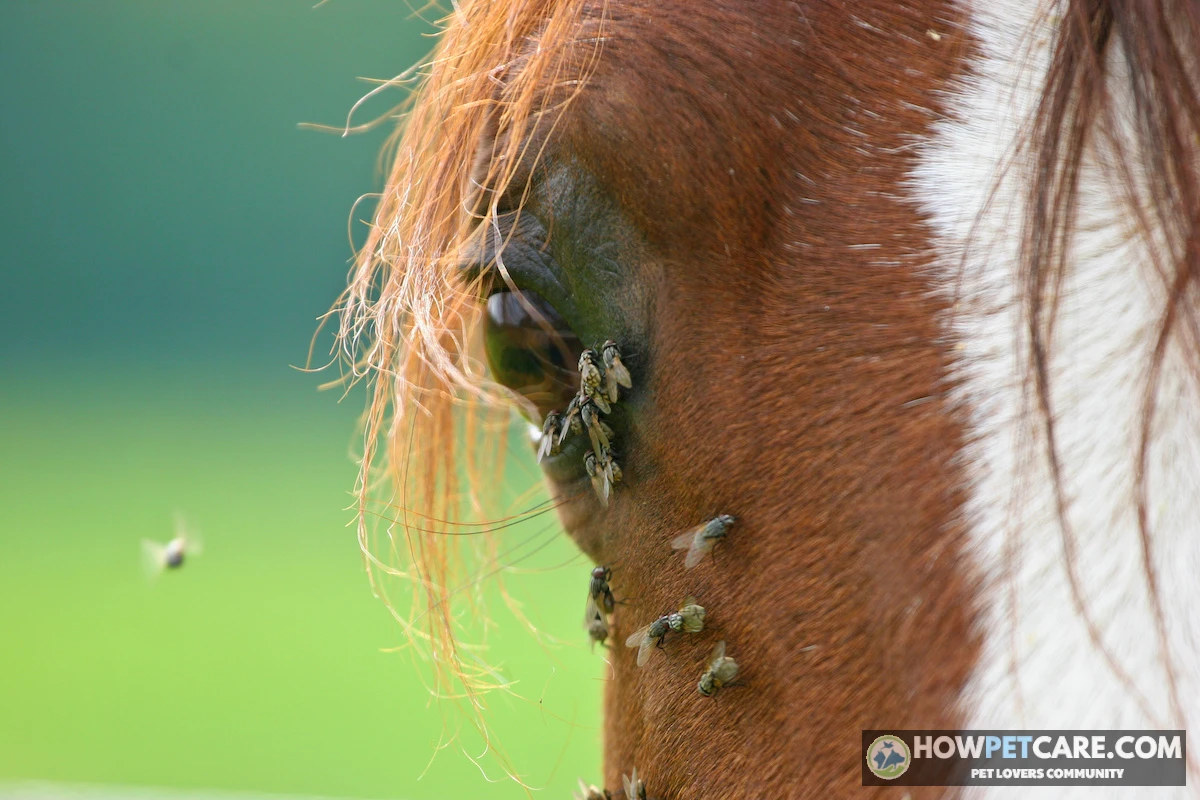
Biting midges (Culicoides) and black flies
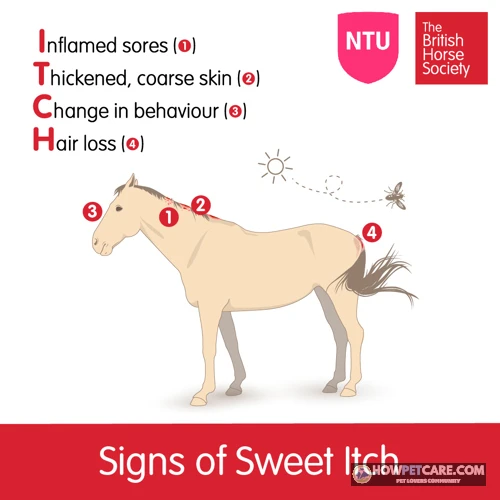
Culicoides are tiny biting midges, sometimes called no-see-ums. Their bites can trigger insect bite hypersensitivity, commonly called sweet itch, in susceptible horses. A fine-mesh sheet with belly coverage and changes to turnout may reduce exposure. Horses with established allergic disease also need a veterinary plan. Insect bite hypersensitivity is one of the important health consequences of biting insects.
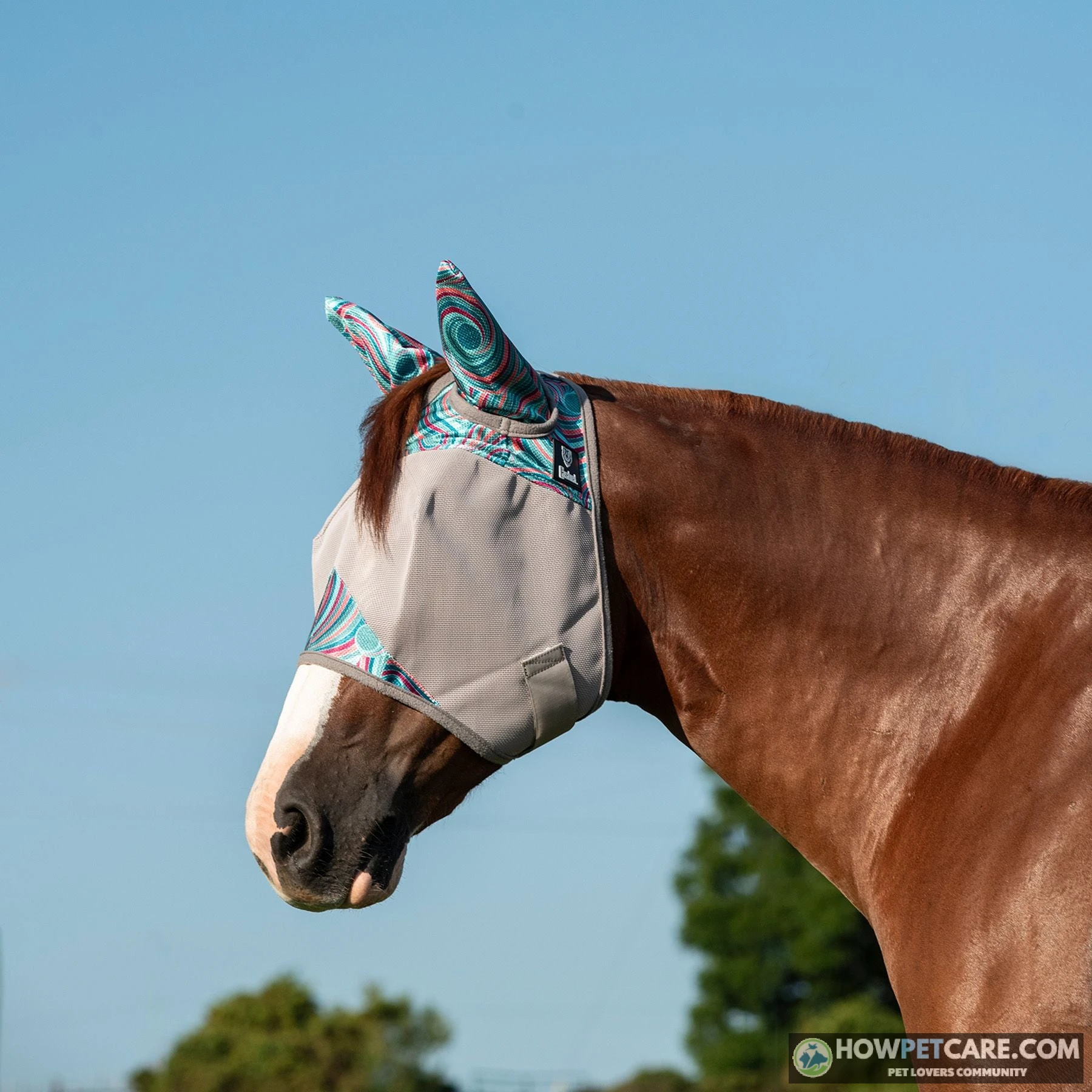
Black flies can cluster around the ears and underside. Their larvae develop in running water, so cleaning a manure pile won’t eliminate every source. For an individual horse, an ear-covering fly mask and avoiding peak exposure periods may help more.
Seasonal and regional activity: what to expect and when
Across much of the United States, biting pressure builds as the weather warms and often peaks during the warmer months. In the warmest regions, some biting insects may remain active for much or all of the year. Local rainfall, elevation, nearby water, and insect species matter more than a single national start date.
Record the first day you notice biting activity and the first day your horse develops lesions. Use those notes with local extension and veterinary advice to begin protection before the next season’s exposure. Midges and many mosquitoes are often troublesome near dawn and dusk; horse flies and deer flies commonly attack during daylight. Local patterns can differ.
Is It Really a Fly Bite? Telling Bites Apart From Sweet Itch, Hives, Rain Rot, Ticks and Fungal Skin Disease
A horse can have insect bites and another skin condition at the same time. Use the table to guide what you ask about; when lesions overlap, it can’t replace an examination or testing.
Look-alike comparison table
| Condition | Typical location | Lesion appearance | Itch level and timing | Key tell | Home care or vet |
|---|---|---|---|---|---|
| Uncomplicated fly bites | Any exposed area; distribution varies by insect | Individual bumps, welts, tiny bleeding spots, or crusts | Variable; follows exposure | Fixed spots tend to settle when further bites stop | Monitor small, improving lesions |
| Sweet itch | Mane, tail base, belly; sometimes face | Bumps followed by broken hair, scabs, and sometimes thickened skin | Often intensely itchy and seasonal | Repeated rubbing and a recurring warm-season pattern | Call for a prevention and treatment plan |
| Hives | Often widespread over the body | Raised, sometimes flat-topped wheals | May appear and fade within hours; itch varies | Wheals can change location; insects, medications, feed, or other triggers may be involved | Call if widespread or recurring; emergency if accompanied by distress or breathing trouble |
| Rain rot | Often back and rump, especially after wet conditions | Crusts that may lift with tufts of hair | Itch varies | Scabby patches rather than distinct new bites | Ask a vet about extensive or uncertain lesions; avoid sharing equipment |
| Ringworm or other fungal disease | Variable, including face, neck, and girth area | Scaly, often circular areas of hair loss; not always circular | Often mildly itchy or not itchy | Lesions may spread to other horses or people | Ask a vet to diagnose; use separate grooming tools |
| Tick | Hidden areas such as under the mane, inside the ears, or around the groin | Attached tick, sometimes with local swelling | Variable | An attached tick is visible or palpable | Ask a vet about safe removal or a concerning reaction |
| Scratches, or pastern dermatitis | Pasterns and lower legs | Crusts, irritation, and sometimes cracks or discharge | May be painful or itchy, particularly in wet conditions | Concentrated at the pastern rather than scattered over the body | Call if painful, swollen, draining, or persistent |
Rain rot and ringworm can spread; an insect bite itself isn’t contagious. Wash your hands and avoid sharing tack or grooming equipment until a crusted or scaly condition has been identified.
Seasonal pattern clues: when bites should or should not appear
A few fixed bumps that settle after you protect the horse from insects are consistent with uncomplicated bites. A horse that rubs its mane and tail every warm season, loses hair, and develops thickened skin may have sweet itch. Rubbing can hide the original midge bite, so the pattern over time matters more than finding a textbook-looking bump.
If lesions persist despite good insect protection, spread between horses, or follow a distinct wet-weather pattern, consider another cause. A veterinarian can decide whether skin tests or samples are needed to distinguish fungal, bacterial, allergic, and other conditions.
Quick self-check: five questions before you decide
- Where did the marks begin, and are they fixed spots or shifting wheals?
- Was the horse exposed during a likely insect activity window?
- Is the horse reacting to a few bumps, or repeatedly rubbing hair away?
- Are other horses developing similar scaly or crusted patches?
- Are the lesions improving with protection, or spreading, draining, or becoming painful?
How to Treat Fly Bites on Horses at Home: Step-by-Step First Aid
The first hour after you find fresh bites
Move the horse away from active biting pressure. A clean stable with a safely positioned fan may help, as may a correctly fitted mask or sheet that doesn’t rub the lesions. Check breathing and overall behavior before focusing on the skin. Facial swelling, breathing difficulty, collapse, or severe distress calls for an immediate emergency veterinary call.
-
Document the areas
Count the obvious lesions and take dated close-up and wider photos. Note when and where the horse was turned out.
-
Check the horse
Look for spreading swelling, heat, discharge, pain, and changes in appetite or movement. Take the temperature if you can do so safely and report an abnormal reading to your vet.
-
Clean gently
Rinse minor affected areas with clean lukewarm water. If using an antiseptic, choose one appropriate for horses and the skin condition, and dilute and apply it exactly as directed.
-
Cool and protect
Use a cool compress for 10 to 15 minutes, then protect intact skin from further bites and rubbing. Check that any covering fits comfortably.
Cleaning and soothing fresh bites
Pat the area dry; don’t scrub or pick crusts. If you use a soothing topical, choose one labeled for horses and follow its directions. Ask your veterinarian before applying human steroid creams or other medications. Antihistamines and corticosteroids may be part of a veterinary-directed plan for allergic horses, but don’t dose or substitute them on your own.
Simple bites should start to settle over the following days once further exposure is controlled. New bites can make an otherwise improving area look worse, so compare the same spots in your photographs.
Caring for open or infected bite wounds
For a small open spot, gently rinse with clean water and protect it from flies. Don’t spray ordinary insect repellent directly onto raw skin; use a wound product only if its label permits application to broken skin. Avoid a tight, damp covering. Ask your vet how to protect a wound if it needs a dressing or flies keep landing on it.
Pus, foul odor, spreading heat or swelling, and worsening pain are reasons to call your vet the same day, rather than waiting several days to see if an infection resolves. While you wait for advice, keep the area gently clean and limit fly access without trapping moisture against it. Antibiotics, when needed, are directed by a veterinarian.
Day-by-day monitoring checklist
Check at least morning and evening. Compare photos and note whether swelling is shrinking, the surface is drying, and the horse is eating, moving, and behaving normally. If a minor lesion isn’t improving, or worsens after two to three days, call the vet. Call sooner if you see any warning signs below.
Don’t pick scabs, scrub open skin, or apply caustic household mixtures. If a cover rubs or leaves the skin damp, remove it and reassess the fit and protection plan.
When to Call the Vet: Red Flags for Infection, Fly Strike and Allergic Reactions
Three-tier checklist: home, same-day call, emergency
Monitor at home only when all apply:
- The horse is breathing, eating, drinking, and moving normally.
- Lesions are limited to small bumps or crusts, with no spreading heat, discharge, or odor.
- There are no visible eggs or maggots, and the affected areas are stable or improving on twice-daily checks.
Call your vet the same day if you see:
- Pus, discharge, foul odor, or redness, heat, or swelling spreading beyond a bite.
- Lameness, reduced appetite, fever, a dull attitude, or a painful area.
- A wound worsening despite care, a repeatedly draining lump, or a sore that won’t heal.
- Seasonal rubbing with hair loss or thickened skin, especially if it returns each year.
Call immediately for emergency advice if you see:
- Swelling of the face, muzzle, or airway; labored or noisy breathing; or rapidly developing widespread hives with distress.
- Collapse, staggering, or severe pain.
- Maggots or fly eggs in a wound or on damp, soiled skin. Tell the practice exactly what you see so it can arrange urgent care.
Have your photos, lesion locations, temperature if safely obtained, appetite notes, and a list of applied products ready when you call. If the horse is distressed, don’t delay the call to collect them.
Fly strike (myiasis): what to look for
Fly strike on horses, or myiasis, occurs when fly larvae develop in damaged tissue or contaminated skin. Visible larvae or eggs, a foul smell, increasing pain, and tissue damage are urgent signs. The damage may extend beyond what you can see at the surface. Contact a veterinarian immediately; don’t try to seal the area or rely on repellent as treatment.
Signs of allergic reaction and chronic bite hypersensitivity
Sudden facial swelling or breathing trouble is an emergency. Intense seasonal itch, mane and tail rubbing, hair loss, and thickened skin suggest a different problem: chronic insect bite hypersensitivity. Both patterns need veterinary input, but the first calls for immediate emergency action.
Diseases Biting Flies Can Spread and How to Time EEE, WEE and West Nile Vaccination
Mosquito-borne diseases: EEE, WEE and West Nile virus
Mosquitoes can transmit eastern equine encephalitis (EEE), western equine encephalitis (WEE), and West Nile virus (WNV). A mosquito bite doesn’t mean a horse has contracted a disease, but local exposure is a good reason to discuss vaccination and mosquito control with your veterinarian.
Fly-spread problems: equine infectious anemia, summer sores and wound contamination
Horse flies and other biting flies can mechanically carry equine infectious anemia (EIA) between horses. EIA risk is one reason to follow veterinary and movement requirements for Coggins testing. Summer sores, or habronemiasis, are another fly-associated concern. A persistent, abnormal, nonhealing summer wound, or one showing excessive proud flesh growth, needs a veterinary diagnosis, not repeated topical treatment alone.
Disease risks depend on location and insect. Ask your local veterinarian which infections matter for your barn and whether a nonhealing lesion needs testing.
Vaccination timing relative to your local season
EEE, WEE, and WNV are core equine vaccination topics. Talk with your vet about your horse’s history and local mosquito season so protection is in place before exposure rises—often before spring mosquito activity. Horses in areas with long seasons or particular risks may need an individually adjusted plan. Fly control doesn’t replace vaccination, and vaccination doesn’t prevent bites.
Fly Spray Ingredients Compared: Permethrin, Pyrethrins, Picaridin and Natural Oils
Ingredient comparison table
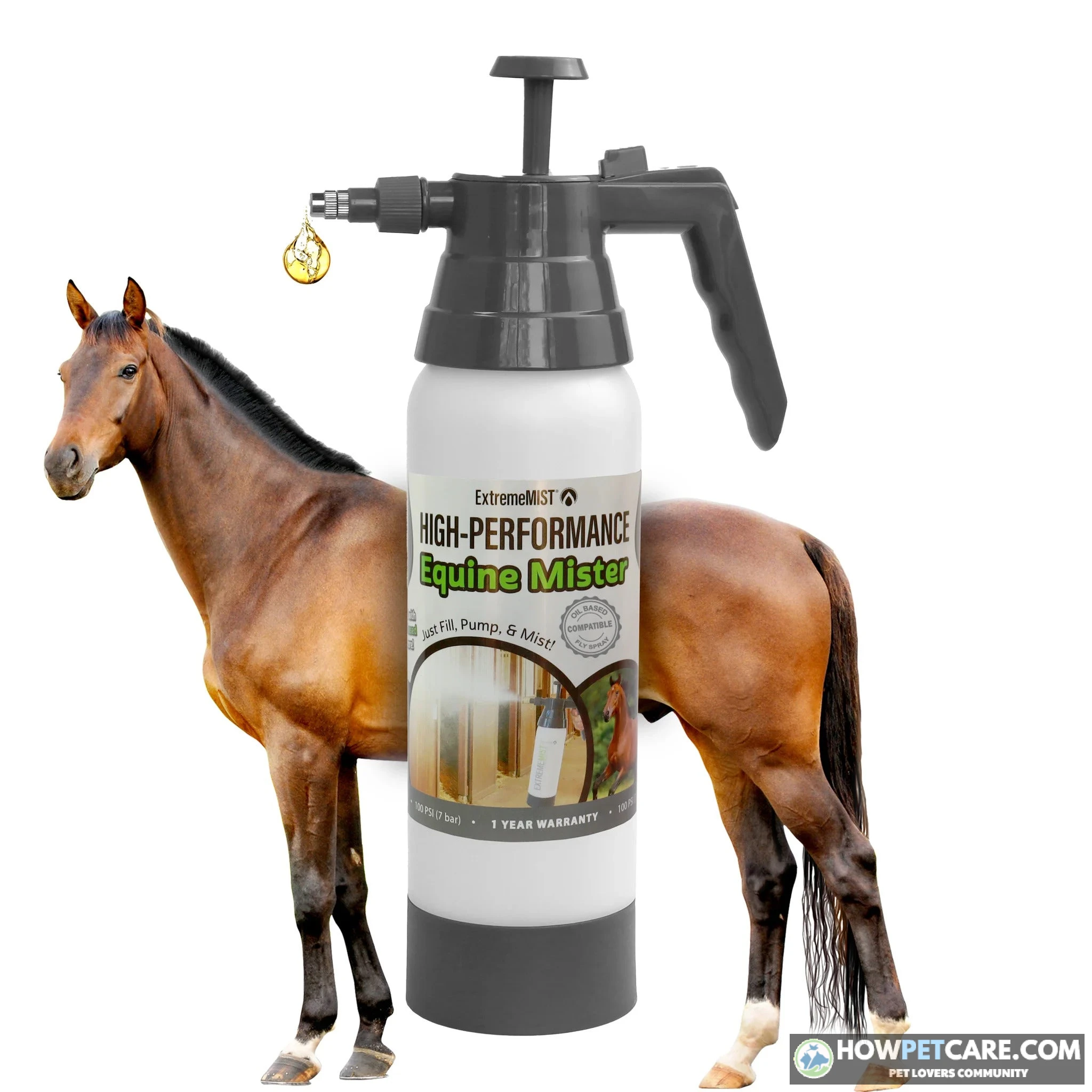
The best fly spray for a horse with bites isn’t necessarily the one with the strongest smell or highest percentage. Choose a formulation labeled for horses and the insects you want to control; check whether it can be used on the affected skin. The active ingredient, concentration, formulation, and directions all matter.
| Active ingredient | How it works | Best fit | Limitations | Horse-specific cautions | Reapplication guidance |
|---|---|---|---|---|---|
| Permethrin | Synthetic pyrethroid that can repel or kill insects, depending on formulation | Broad control when the label covers the target insects | Performance varies by product, exposure, and local fly susceptibility | Follow dilution directions for concentrates; avoid eyes, mucous membranes, and wounds unless the label specifically permits use | Follow that product’s label and maximum frequency |
| Other synthetic pyrethroids | Related insecticides used in some equine formulations | Label-listed biting insects | Different products and active ingredients are not interchangeable; some fly populations show resistance | Use only as directed for horses; check age and other restrictions | Use the specific label interval and limits |
| Pyrethrins | Plant-derived insecticidal ingredients, sometimes combined with a synergist | Label-listed insects when a pyrethrin formulation suits the task | Residual activity depends on the formulation and conditions | Patch-test sensitive skin; avoid sensitive areas and broken skin unless permitted | Follow the individual label; do not assume the interval matches a pyrethroid product |
| Picaridin | Repels rather than relying on insect knockdown | A possible option if a suitable horse-labeled product is available | Horse-specific products and comparative equine data may be limited; do not assume human-product claims apply | Do not substitute a human product without veterinary advice | Follow the horse product’s directions |
| Plant oils, such as citronella or neem | Certain formulations deter some insects | Supplemental protection when the product is labeled for horses | Evidence and duration vary; protection may be incomplete or short-lived | Concentrated oils can irritate or injure skin; avoid wounds and sensitive areas | Follow the label and check frequently for renewed biting |
Permethrin is highly toxic to cats. Keep concentrates and treated equipment away from cats, follow the label’s precautions, and prevent cats from contacting a treated horse until the product is dry. Don’t let a cat groom freshly treated areas.
A standard fly spray is not a wound treatment. Do not put it on raw or infected skin unless the product specifically permits that use; ask your vet how to protect the area from flies.
How often to reapply in heat, sweat and rain
No single reapplication interval works for every fly spray. Sweat, rain, bathing, and friction can reduce protection, but the label sets how much and how often you may apply. Check the horse during turnout. If insects return before the next allowed application, add a physical barrier or change the turnout situation instead of exceeding the label.
Patch-test a new product on a small area first, following its directions. Avoid eyes and mucous membranes, and check restrictions for foals, pregnant horses, and sensitive animals. If the skin is already inflamed, ask your vet.
Pyrethroid resistance and newer control options
Some fly populations can develop insecticide resistance, but a spray that seems ineffective may also have washed off, been applied incorrectly, or been used against an insect not covered on its label. Don’t respond by increasing the dose. Review the label and combine on-horse protection with breeding-site management and suitable traps.
Feed-through insect growth regulators target susceptible fly larvae in manure, not adult insects already biting the horse. Fly predators are beneficial insects used against certain manure-breeding flies. Neither offers a universal solution for mosquitoes, midges, or horse flies arriving from elsewhere. Before adding them, ask a vet or extension specialist about local suitability, labeling, and effects on the wider management program.
Do Natural Fly Repellents for Horses Work? Apple Cider Vinegar, Garlic, Tea Tree, Neem and Citronella
What the evidence supports and what it doesn’t
Natural doesn’t automatically mean effective or safe. Evidence isn’t sufficient to establish reliable horse-specific concentrations and protection for several popular household remedies. Some formulated plant-oil repellents may deter insects in part, but they shouldn’t be the sole protection for a severely allergic horse or a substitute for wound care.
- Apple cider vinegar: There’s insufficient evidence that applying or feeding it reliably repels flies on horses. It can sting irritated or broken skin, so don’t put it on wounds.
- Garlic: Evidence for reliable fly prevention is weak. Garlic is an Allium plant, and excessive intake can harm horses, including by causing anemia. Talk with your vet about any supplement rather than increasing the amount to chase a repellent effect.
- Tea tree oil: There’s insufficient evidence that it makes a reliable homemade equine repellent. Concentrated oil can irritate skin and may be hazardous if misused or ingested; never apply it undiluted.
- Neem: Evidence for consistent protection in horses is limited, and products differ. A horse-labeled formulation is preferable to an improvised concentrate.
- Citronella and other essential oils: Some formulations may deter insects, but effectiveness varies. Undiluted oils can irritate skin, and some plant oils can increase sensitivity to sunlight.
Natural remedies that can cause harm
Don’t guess at dilution ratios or mix essential oils into a homemade spray for damaged skin. Horses can react even to diluted products, and a strong smell doesn’t guarantee lasting protection. Stop using anything that causes redness, discomfort, or increased rubbing. Contact your vet if the reaction is significant.
Safe ways to use natural products as a supplement
If you choose a plant-based repellent, use a product labeled for horses, follow its directions, and test a small area first. Keep it out of the eyes, mouth, and open wounds. Discuss use with your vet first if the horse is pregnant, has allergies, or has damaged skin.
Your Fly-Control Plan: Traps, Sheets, Barn Management, Monthly Cost and a Season Checklist
Priority order for a small budget
- Remove breeding material. Pick up manure promptly, remove wet bedding and spoiled feed, fix leaks, and keep high-traffic areas as dry as practical. Manage standing water where mosquitoes could breed.
- Protect the horse. Choose a well-fitted mask; add belly coverage or leg protection when the bite pattern calls for it.
- Use a labeled repellent. Target the insects on the label and apply only as directed.
- Add targeted traps. Match the trap to the actual pest and place it where horses can’t contact it.
- Consider additional controls. If manure-breeding flies remain a problem, discuss predators or feed-through products.
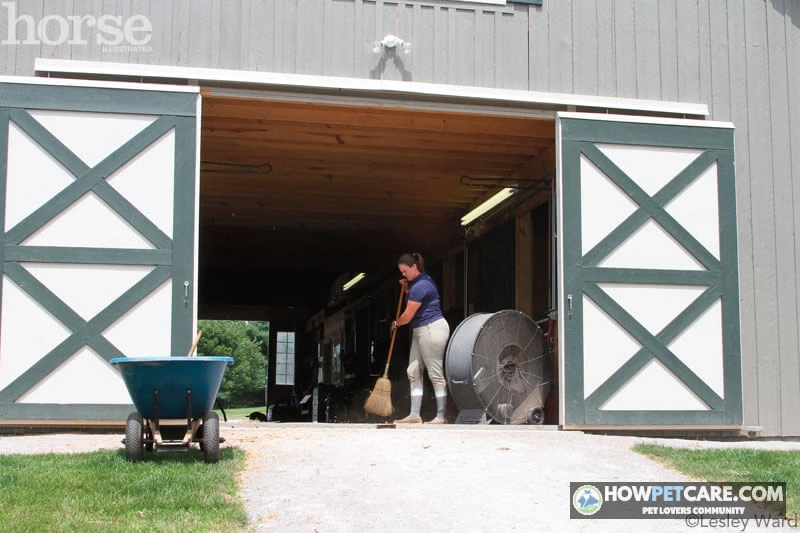
Manure management helps control stable and other manure-associated flies, but it won’t remove every insect breeding or traveling in from neighboring land. When practical, adjust turnout to avoid wet areas or peak biting times.
Monthly cost by plan tier
The following are illustrative planning scenarios, not verified 2026 retail prices or quotes. Actual spending depends on local prices, season length, spray use, and whether equipment is shared. Each example covers one horse over a four-month season; equipment costs are spread across that season only. Labor and veterinary costs are excluded.
| Plan | Example monthly calculation | Illustrative total | What it buys |
|---|---|---|---|
| Basic | Repellent $15–$25 + a $20 mask spread over four months ($5) | $20–$30 | Manure and wet-bedding management, spray, and a mask |
| Standard | Basic $20–$30 + an $80 sheet spread over four months ($20) + trap supplies $5–$10 | $45–$60 | Adds body coverage and modest trap supplies |
| Higher pressure | Standard $45–$60 + $80 in extra leg or spare protective gear spread over four months ($20) + optional control supplies $15–$40 | $80–$120 | Adds spare coverage and an optional control such as predators or a labeled feed-through product |
A shared barn may divide trap and equipment costs among several horses. A large horse-fly trap, fan, replacement sheet, or veterinary treatment can add substantially to these examples. An allergic horse may need a veterinary plan regardless of budget; spending more doesn’t guarantee fewer bites.
Fly trap comparison: how they work, upkeep and cost
Horse Pal and H-Trap are examples of visual traps designed around horse-fly behavior; Epps-style traps use a different visual interception design. Purchase costs and durability vary with size, materials, seller, weather, and replacement parts. Get current local quotes rather than treating the monthly examples as prices for these traps.
A suspended dark target can attract certain horse flies, which are then directed into a collection device. An interception design catches flies that collide with its surface. Both need suitable placement and regular inspection. Sticky traps can catch some nuisance flies, but place them where horses, wildlife, and people won’t contact the adhesive. No trap reliably controls every biting species, and a trap full of flies doesn’t prove it has solved the horse’s exposure.
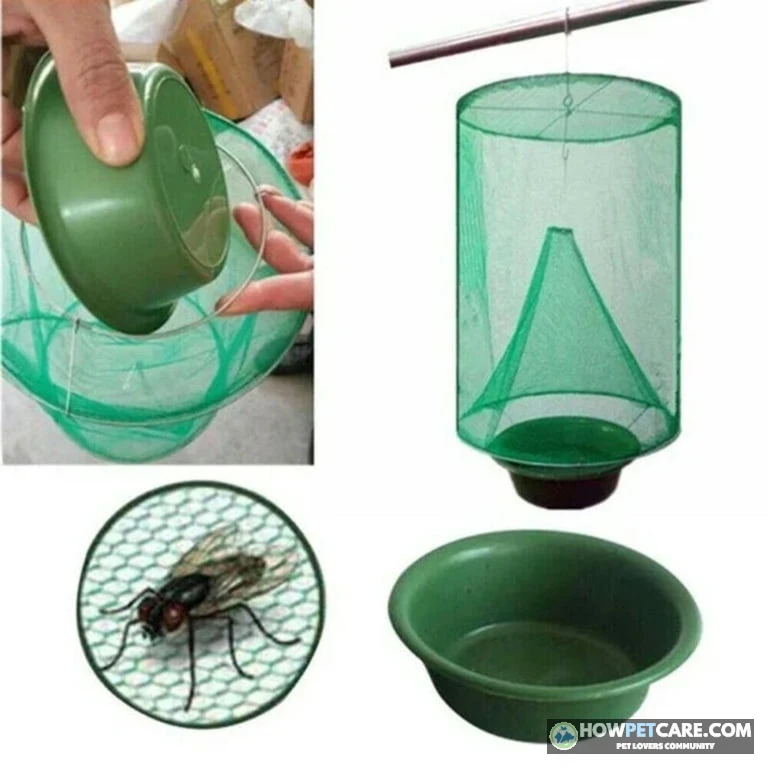
Before buying, compare the target species, initial cost, refills or replacement parts, cleaning needs, weather resistance, and safe mounting space. Ask about expected service life and local results. Don’t assume a particular brand will outperform another at your barn.
Fly sheets, masks and leg protection
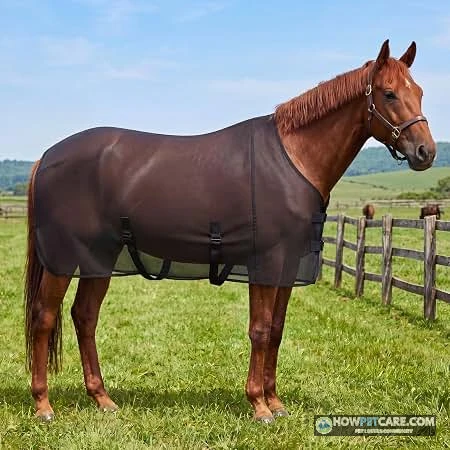
For a horse with belly or midline bites, look for secure belly coverage. A fine-mesh sheet may help horses prone to midge bites; a mask with ears can protect an ear-sensitive horse; properly fitted leg protection may help when stable flies concentrate on the legs.
Check fit and skin at least daily. Remove gear that rubs, slips, traps moisture, or causes distress. Account for heat and ventilation, especially in hot weather, and keep straps and damaged fastenings safe. No sheet prevents every bite, especially around uncovered edges.
Your first-week checklist and seasonal calendar
This week:
- Photograph existing lesions and check the horse morning and evening.
- Remove wet bedding and accumulated manure; repair a leak or address standing water where practical.
- Match protection to the bite location: mask and ears, belly sheet, or leg coverage.
- Read the active-ingredient panel and application directions on the repellent you already use.
- Call the vet for any red flag or recurring seasonal hair loss.
Before and during your local season: Start protection before the first expected bites, and discuss EEE, WEE, and WNV vaccination timing with your vet before mosquito activity rises. Increase checks when local pressure peaks, and keep protecting the horse while insects remain active. Record where new lesions appear and whether changes to turnout or equipment help.
Next month: Review your photos and spending. If the horse is still stomping constantly, rubbing hair away, developing new wounds, or failing to improve despite protection, call your vet and reassess which insect—or non-insect condition—you may be dealing with.
FAQ
Why does my dark-colored horse seem to get bitten more than the others?
Horse flies and deer flies are attracted to dark, warm, moving shapes, so dark coats can draw more attention. Heat, sweat, and individual body odor also play a part, so two horses in the same field can get very different amounts of bites.
Can I use human insect repellent on my horse?
Use products labeled for horses. Human repellents are not tested or labeled for horses, and they can irritate skin or be unsafe around eyes and mucous membranes. Ask your vet if you are unsure about a particular product.
How long do fly bites take to heal on a horse?
Simple bites usually settle within several days once the horse is protected from further bites. If bites are still swollen, oozing, or getting worse after about a week, or if the horse seems unwell, call your vet.
Are fly bites on horses contagious to other horses or people?
The bites themselves are not contagious. Look-alike conditions such as ringworm and rain rot can spread, so isolate grooming tools and tack and wash your hands if lesions are circular, scaly, or crusted.
Why does my horse stomp and swish its tail so much in summer?
Stomping and tail swishing are common reactions to stable flies and other biting insects feeding on the legs and belly. Check the lower legs and belly for small crusted bites, and look at your fly control and bedding management.