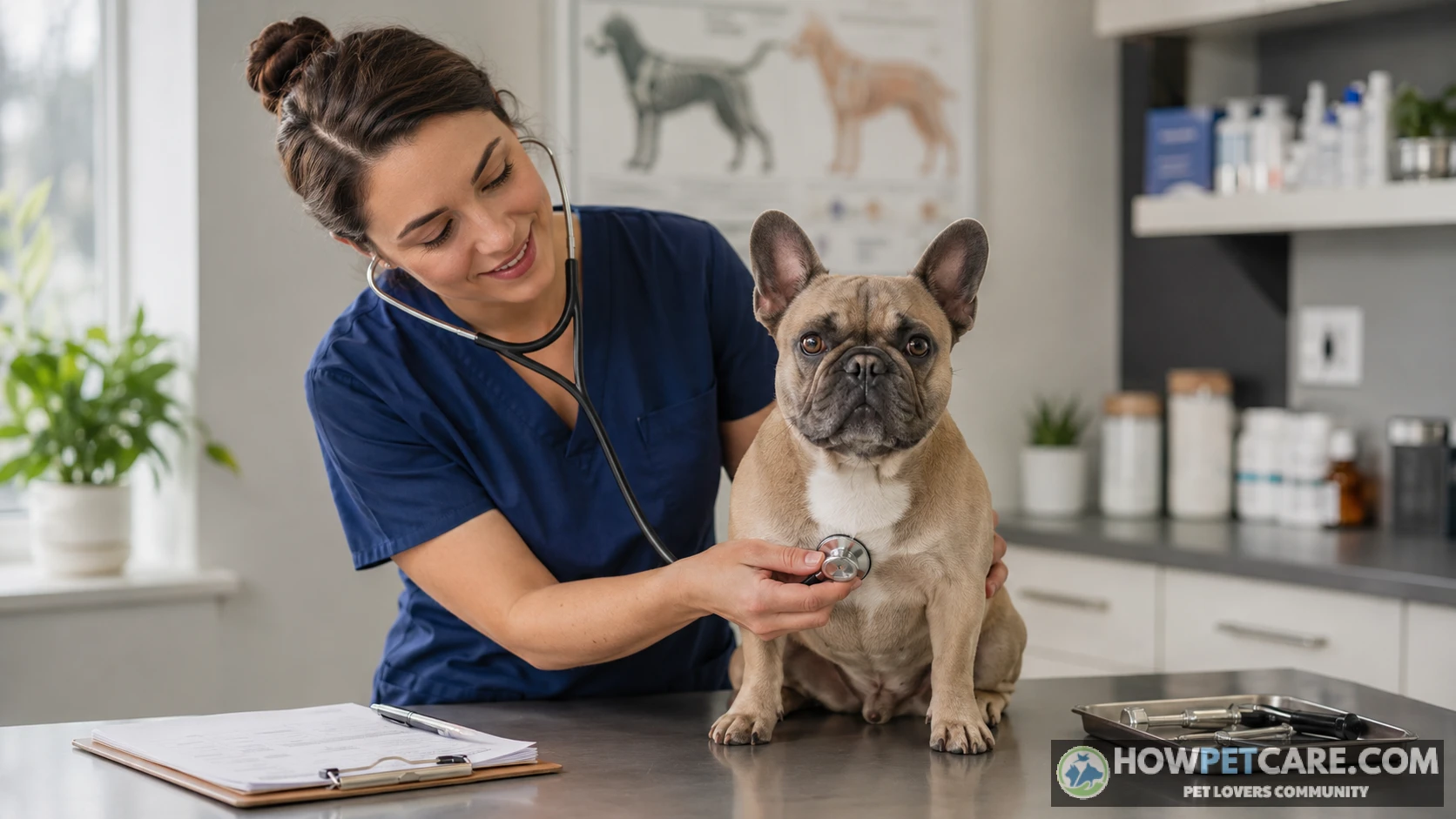

French Bulldogs are prone to a predictable set of health issues: breathing obstruction and heatstroke risk (BOAS), skin-fold and ear infections, allergies, eye problems such as cherry eye and corneal ulcers, and spinal disease such as IVDD. Breathing distress, heatstroke signs and sudden hind-leg weakness are emergencies.
Are French Bulldogs Healthy? The Short Answer and the Most Common Problems
Many French Bulldogs live comfortable, rewarding lives. Still, they face a higher risk of several health problems than many other dogs. The main concerns are breathing obstruction and heat sensitivity, skin-fold and ear infections, allergies, eye injuries, and spinal disease. Joint and dental problems also deserve attention. Some conditions can be managed; others need urgent treatment.
A Royal Veterinary College study found that French Bulldogs were more likely than other breeds to develop more than 20 common disorders. That doesn’t mean every Frenchie will develop them all. Skin and tail folds can trap moisture and encourage infection. The breed’s short-faced anatomy can obstruct breathing and make it harder to cool down.
Use the matrix to distinguish routine concerns from emergencies. The treatment, budget, and screening sections can help you prepare for a conversation with your veterinarian. This article is educational; it can’t replace a veterinary diagnosis or an individualized treatment plan.
Which French Bulldog Conditions to Worry About First: A Prioritization Matrix
The table offers a practical priority ranking, not a precise ranking by prevalence. The evidence available for each condition doesn’t establish reliable percentages, and dogs seen at a specialist hospital don’t represent the average Frenchie. Cost symbols indicate relative potential expense: $ means routine-visit level;
means specialist imaging or surgery may be needed.
| Condition | How common (with study source) | Severity if unmanaged | Urgency or emergency trigger | Typical onset | Potential cost band |
|---|---|---|---|---|---|
| BOAS and breathing obstruction | Recognized breed concern; exact frequency not established here | High | Distress at rest, abnormal gum color or collapse: emergency | Anatomy present early; signs may become clearer in young adulthood | $– |
| Heat illness | Frequency not established here; flat-faced dogs are vulnerable | Very high | Frantic panting, staggering or collapse after heat: emergency | Any age |
|---|---|---|---|---|
| IVDD | Frequency not established here | Very high | New weakness, dragging or inability to walk: emergency | Often adulthood |
| Eye disease, including cherry eye and ulcers | Frequency not established here | Moderate to high; vision may be threatened | Cloudiness, injury or severe squinting: emergency | Cherry eye often in young dogs; injury at any age |
–
$ |
| Skin-fold dermatitis | Folds predispose the breed to infection; frequency not established here | Usually low to moderate | Spreading infection, marked pain or illness: prompt care | Any age |
$–
| Allergies | Frequency not established here | Moderate; often recurrent | Facial swelling with breathing changes or collapse: emergency | Often young adulthood |
–
$ over time |
| Ear infection | Frequency not established here | Moderate; deeper disease can be serious | Head tilt, balance loss or severe pain: same-day care | Any age |
$–
$ |
| Vertebral malformations | Frequency not established here | Variable; many cause no obvious signs | New weakness or loss of walking ability: emergency | Present from birth; signs may appear later |
|---|---|---|---|---|
| Patellar luxation | Frequency not established here | Variable; severe cases affect mobility | Sudden inability to bear weight: urgent assessment | Often noticed in young dogs |
$–
$ |
| Hip dysplasia | Frequency not established here | Variable; arthritis may develop | Sudden severe pain or inability to stand: urgent assessment | Young dogs onward |
$–
| Dental disease | Frequency not established here | Usually progressive; painful if advanced | Facial swelling or inability to eat: prompt care | Often adulthood onward | $–$$$ |
How the ranking was built
Airway and heat problems top the list because a dog’s condition can worsen quickly. Spinal problems come next: sudden loss of mobility may call for time-sensitive specialist treatment. Skin, ear, eye, and allergy problems can cause significant discomfort. Eye pain deserves particular attention, even if the dog otherwise seems well.
Common versus dangerous: why they are not the same list
An owner may spend more ordinary days treating a sore skin fold than responding to a spinal emergency. That doesn’t make new hind-leg weakness any less urgent. Prevalence also varies by country, population, diagnostic method, and whether a study uses primary-care records or specialist cases.

BOAS in French Bulldogs: Symptoms, Severity Grades and Treatment Options
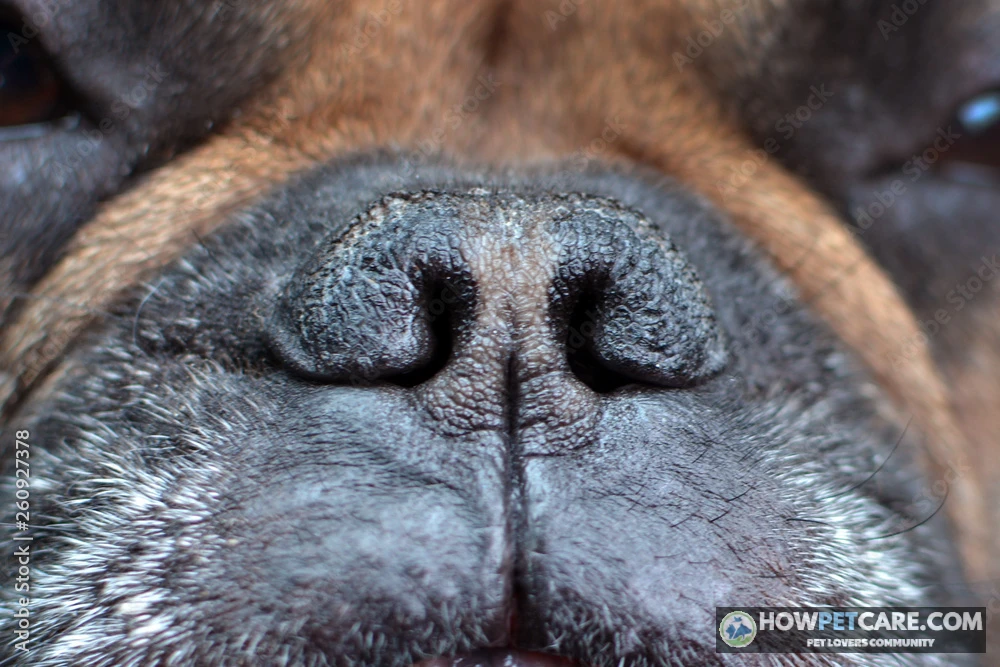
Brachycephalic obstructive airway syndrome, or BOAS, makes it difficult for air to move through a shortened upper airway. Narrow nostrils, an oversized or elongated soft palate, and other airway abnormalities can contribute. Flat-faced anatomy also makes panting less effective for cooling.
Normal breed noise or BOAS? What to watch for
A Frenchie may snore in its sleep, but common doesn’t always mean harmless. Tell your vet if your dog makes noisy breathing sounds while awake, snores more than before, tires quickly on a gentle walk, gags or regurgitates, or needs to sleep sitting up or with its neck extended. Collapse, blue or pale gums, and obvious difficulty breathing are emergencies.
Don’t deliberately exercise your dog to test its limits. Your veterinarian can assess breathing safely and decide whether formal functional testing is appropriate.
How vets grade BOAS (mild to severe)
During respiratory function grading, a trained assessor evaluates airway noise and function. When appropriate, that includes a controlled exercise assessment. Broadly, grade 0 means no clinically affected breathing; grade 1 indicates mild signs; grade 2 indicates moderate signs; and grade 3 indicates severe signs. These descriptions aren’t a home diagnostic test. An individual dog may also worsen in heat or when excited.
A vet may discuss surgery if the dog’s anatomy and symptoms interfere with comfortable breathing, exercise, or sleep. The decision depends on the examination, overall health, and expected benefit—not the grade alone.
BOAS surgery options compared: nostrils, palate, laser and radiofrequency
The price bands below are illustrative US planning estimates, not published national averages or quotes. Recovery depends on the procedure and any complications.
| Option | What it addresses | Typical recovery | Expected improvement | Anesthesia and complication risks | Illustrative cost |
|---|---|---|---|---|---|
| Weight, heat and activity management | Reduces strain on an obstructed airway | Ongoing | May improve comfort; does not correct anatomy | Progression can be missed without reassessment | Routine visit and management costs |
| Nostril widening | Pinched nostrils | Often about 1–2 weeks of restricted activity | Can improve airflow through the nose; other obstructions may remain | Bleeding, swelling and anesthetic risk | Often included in an airway surgery estimate |
| Soft-palate shortening, using scalpel or laser | Excess tissue obstructing the throat | Often about 1–2 weeks, after monitored recovery | Many dogs improve, but the degree varies and BOAS is not necessarily cured | Airway swelling, regurgitation and aspiration; technique choice depends on the case | Roughly $1,500–$5,000+ for airway surgery |
| Selected radiofrequency or other tissue-reduction techniques | Specific airway tissue problems | Varies by technique | Uncertain for an individual dog; ask about the surgeon’s evidence and experience | Anesthesia and airway risks remain; availability and long-term evidence vary | Request a specialist estimate |
Surgeons may widen the nostrils and shorten the palate in the same procedure. The final estimate depends on what the surgeon finds and what the quote includes. A laser is a tool, not a guarantee of better results. Ask whether the estimate covers hospitalization, preoperative testing, and follow-up.
Recovery and anesthesia risks
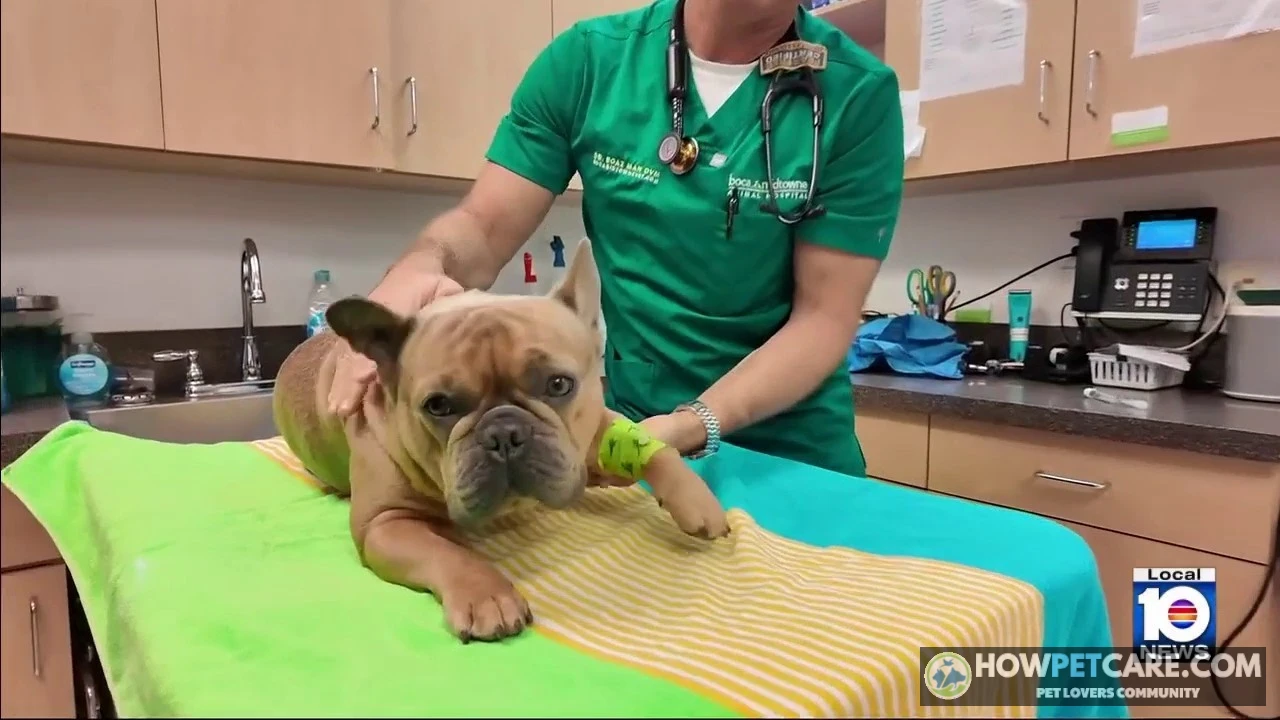
French Bulldogs may face increased anesthesia risk, so an experienced team and a monitored recovery plan matter. Swelling after airway surgery can temporarily make breathing worse. Regurgitation and aspiration are other concerns. Ask where your dog will be monitored, who provides overnight care, and what the team will do if breathing worsens.
Outside surgery, keep your dog lean, use a harness, avoid heat, and stop activity before it becomes strenuous. These steps support treatment; they won’t open a severely obstructed airway.
Emergency or Can It Wait Until Morning? French Bulldog Triage Rules
Go now: red-flag signs
Go to an emergency clinic immediately for:
- Blue, purple, gray or very pale gums; collapse; or obvious difficulty breathing at rest. Don’t wait to see if severe distress settles.
- Suspected heatstroke: frantic panting, heavy drooling, weakness, vomiting, staggering or collapse after heat or exertion.
- Sudden hind-leg weakness, dragging, inability to walk, or a new inability to urinate.
- A visibly injured, bulging or cloudy eye, especially with squinting or severe pain.
- Repeated unproductive retching or vomiting with a swollen, tight abdomen.
- A seizure lasting more than a few minutes, repeated seizures, or failure to recover normally.
- Facial swelling with breathing trouble, weakness or collapse after a possible allergic reaction.
Same day or next day
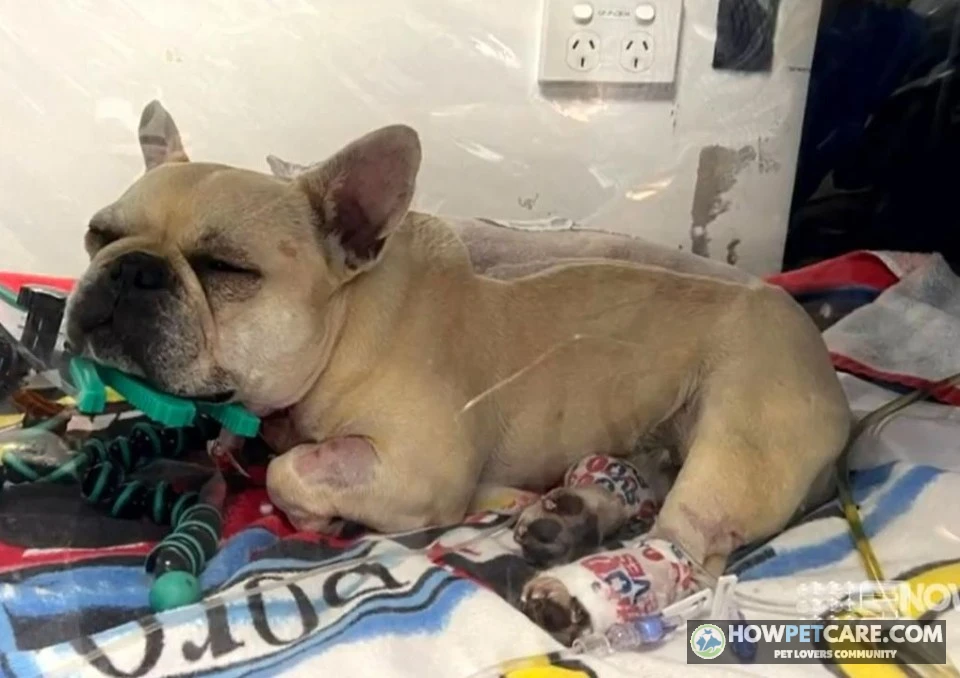
Arrange a same-day assessment for a new painful red or squinting eye, a newly protruding cherry eye, back pain, a persistent limp, severe ear pain, head tilt, or balance changes. An eye can worsen quickly even when its surface looks normal. If weakness develops along with back pain, seek emergency care rather than waiting.
New or worsening breathing noise, reduced appetite with increased respiratory effort, and refusal to bear weight also call for prompt veterinary advice. The clinic can help determine whether your dog needs immediate care.
Book an appointment this week
Recurring fold odor or redness, persistent itching, paw licking, mild recurring ear debris, occasional skipping on a back leg, and bad breath or tartar warrant an appointment. A change in snoring deserves an airway assessment, even if your dog seems comfortable.
If breathing looks labored or a dog develops new spinal weakness, call an emergency clinic and leave promptly. Do not wait until morning to see whether it improves.
What to do on the way to the vet
Call ahead with your dog’s symptoms, location, and estimated arrival time. If you suspect heatstroke, move your dog to a cool place, wet the coat with cool water, and provide airflow or air conditioning during transport. Don’t delay leaving to complete cooling. Avoid ice baths, and don’t force water into your dog’s mouth.
If you suspect a spinal injury, minimize movement and support your dog’s body on a firm surface if possible. Don’t give human pain medication. Save the phone number and address of a nearby emergency clinic before you need them.
Spine, Skin, Ears, Eyes and Joints: What Each Problem Looks Like and How It Is Managed
Spine: IVDD and vertebral malformations
Intervertebral disc disease, or IVDD, occurs when a disc between spinal bones damages or presses on the spinal cord. Signs can include a hunched back, shaking, or reluctance to move. More serious signs include wobbling, knuckling, dragging, and paralysis. Vertebral malformations, including hemivertebrae, are differences in bone shape present from birth. They don’t always cause symptoms, but some can affect the spinal cord.
A painful dog that can still walk may receive prescribed medication and strict movement restriction. More severe or worsening neurological signs may call for advanced imaging and surgery. The right approach depends on the examination and how signs progress. A dog that can’t walk needs emergency assessment.
After diagnosis, follow your vet’s exact instructions for confinement and medication. Use non-slip flooring, support your dog with a harness as directed, and discuss ramps only when movement is permitted. Monitor urination and report new weakness, increasing pain, or changes in bladder function immediately. Rehabilitation should be tailored to your dog; don’t start exercises or bladder expression without instruction.

Hips and knees: patellar luxation and hip dysplasia
A luxating patella is a kneecap that slips out of its normal track. Some dogs take an occasional skipping step; others have persistent lameness. Vets grade the problem by how easily the kneecap moves out of place and returns. Management may include weight control and rehabilitation. Surgery is considered when signs or joint changes warrant it.
Hip dysplasia is abnormal hip-joint development that can lead to pain and arthritis. Watch for stiffness, difficulty rising, or less interest in play. Your vet may recommend an examination and radiographs, then make a plan for weight, activity, pain relief, or surgery. Sudden inability to stand or severe pain isn’t a routine monitoring issue.
Skin folds, allergies and itching
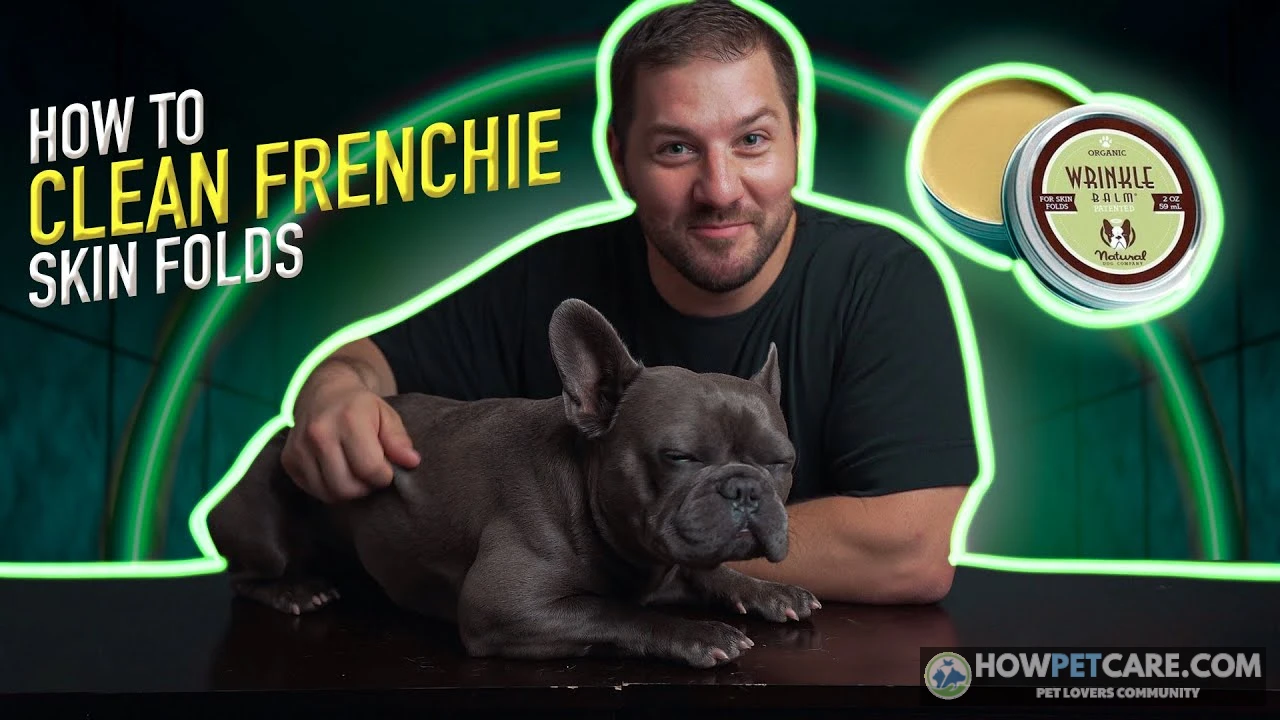
Skin-fold dermatitis occurs when rubbing and trapped moisture irritate the skin and allow yeast or bacteria to flourish. Redness, odor, discharge, and discomfort are reasons to have a fold checked. Clean and dry accessible folds gently as your vet recommends. Don’t scrub raw skin or apply a product that stings.
Allergies can cause itching, paw licking, recurrent skin infections, and ear problems. Treatment may involve treating an infection, prescription itch medication, or an elimination diet supervised by a veterinarian. For selected dogs, environmental allergy testing may help plan immunotherapy; it doesn’t reliably diagnose a food allergy. Antihistamines help some dogs, but they aren’t a universal solution. Avoid repeated diet changes without a plan: they can make a food trial difficult to interpret.
Ears and eyes: otitis and cherry eye
Otitis externa is inflammation of the external ear canal. Common signs include scratching, head shaking, odor, discharge, and pain. Allergies and the shape of the ear canal can contribute, but treatment depends on what’s in the ear and whether the eardrum is intact. A vet may examine a sample and prescribe targeted medication. Chronic or deep disease may require imaging or surgery.
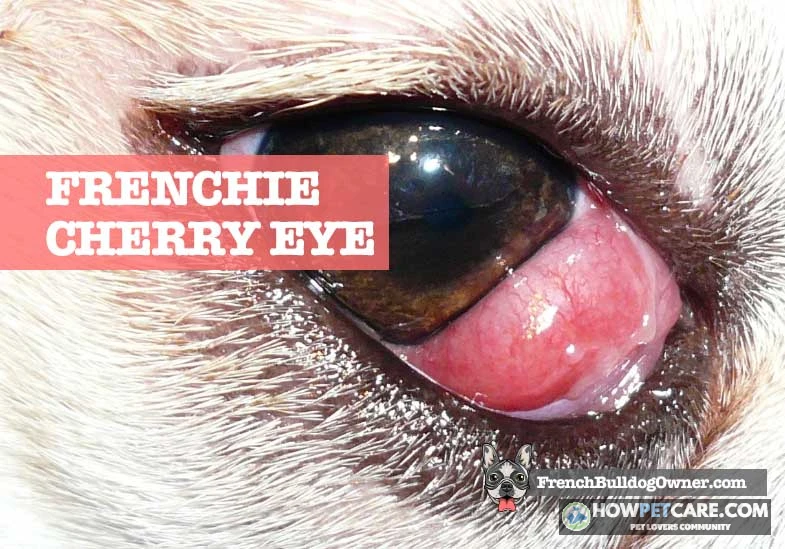
Cherry eye is a prolapsed gland of the third eyelid. It appears as a pink or red swelling near the inner corner and often develops in younger dogs. Medication may reduce inflammation, but surgical repositioning is commonly recommended. Preserving the gland helps protect tear production. Arrange a prompt examination; a cloudy, injured, or very painful eye is an emergency.
Corneal ulcers, dry eye, and inward-rolling eyelids can also cause redness or squinting. Don’t use leftover eye drops: a treatment suitable for one condition may harm an ulcer.
Heat sensitivity and dental disease
There isn’t one safe outdoor temperature for every Frenchie. Humidity, exertion, body condition, and airway health all matter. Choose cooler times for activity, provide water, and stop before your dog struggles. Discuss air travel and anesthesia with a veterinarian and the transport provider in advance; breathing problems can complicate both.
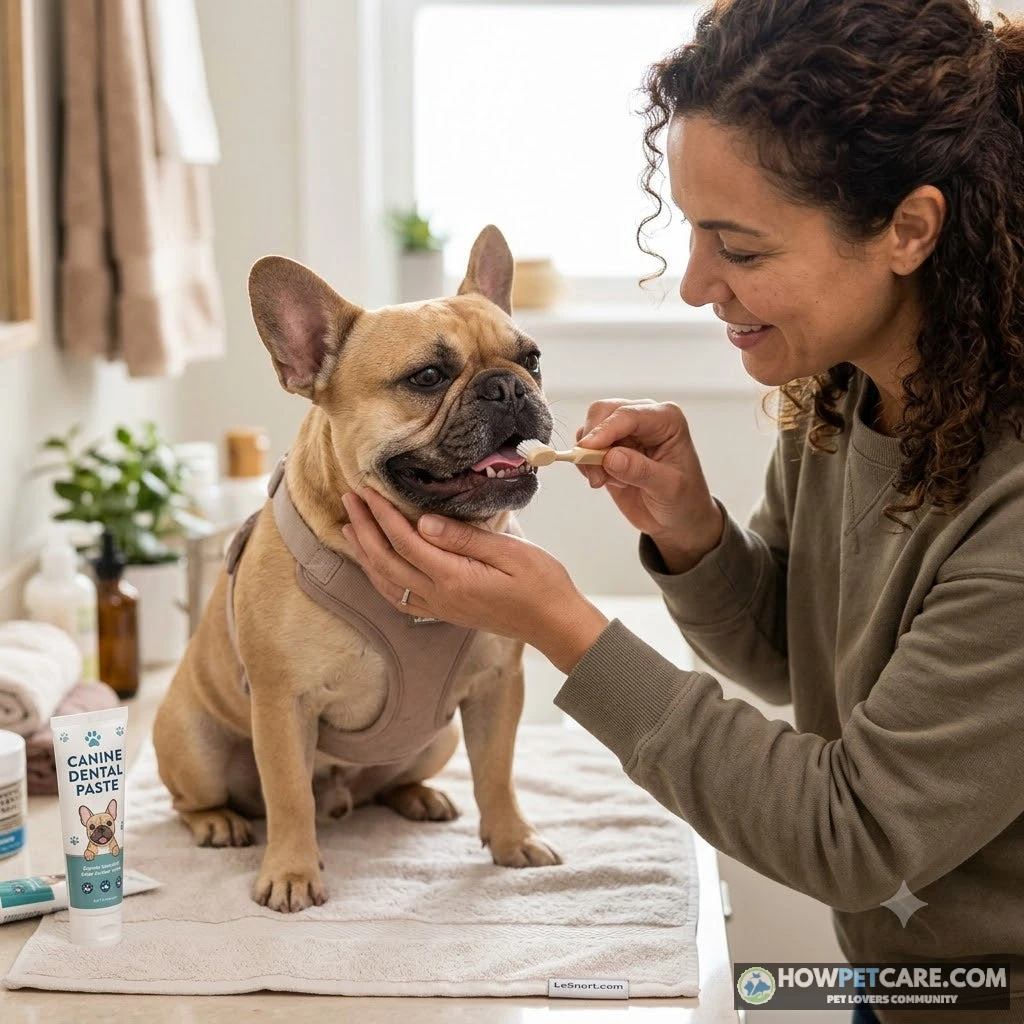
Crowded teeth can make cleaning difficult. Brush with dog-safe toothpaste if your dog tolerates it, and discuss when professional dental care is due. Dental cleaning involves anesthesia, so ask about the airway and recovery plan rather than automatically avoiding needed care.
How Long Do French Bulldogs Live? Why 4.5, 8 and 10–14 Years All Appear Online
The Royal Veterinary College figure often quoted online is an estimated life expectancy at birth of 4.53 years, based on a UK veterinary-record study. It doesn’t predict that an individual French Bulldog will die at that age. Breed guides may quote 10–14 years, but the available evidence treats that range as an older claim, not a reliable current average.
Other figures near eight years also appear in discussions of the breed. Without the underlying study’s population and method, they can’t be compared directly with the UK estimate. A life-table estimate, the average age of dogs recorded as dead, and an owner survey answer different questions. A rapidly growing breed population, incomplete death records, and selection or recall bias can all affect interpretation.
Don’t treat any one number as a promise. Ask your vet about your dog’s airway, body condition, mobility, and quality of life, and address problems early. Good management can reduce avoidable discomfort and risk, but it can’t guarantee a particular lifespan.
What French Bulldog Vet Care Costs: Per-Condition Ranges and Lifetime Budget
The figures below are illustrative 2026 US planning estimates, not verified national averages. Actual prices depend on location, severity, clinic, testing, hospitalization, and coverage. Emergency or referral hospitals may charge substantially more. Ask local clinics for written estimates. The available evidence doesn’t establish an average lifetime cost for BOAS, IVDD, or chronic allergy treatment.
Cost ranges by condition
| Condition | Illustrative diagnosis cost | Illustrative treatment or surgery | Ongoing management | Insurance considerations |
|---|---|---|---|---|
| BOAS | Exam and initial assessment: roughly $100–$400; advanced evaluation may cost more | Airway surgery: roughly $1,500–$5,000+ | Rechecks and weight management vary | Existing signs may be excluded; check hereditary and airway terms |
| IVDD | Exam and imaging: roughly $300–$4,000+ depending on imaging | Medical care: hundreds to several thousand dollars; surgery and hospitalization: roughly $5,000–$12,000+ | Medication, rechecks and rehabilitation vary | Prior back signs may affect eligibility; check imaging and rehab coverage |
| Patellar luxation | Exam and radiographs: roughly $200–$800 | Surgery: roughly $2,000–$5,000+ per knee | Rehabilitation and joint care vary | Check hereditary exclusions and rules for the opposite knee |
| Cherry eye or other eye disease | Exam: roughly $100–$300+; specialist testing costs more | Cherry-eye repair: roughly $800–$2,500+; ulcer care varies | Medication and rechecks vary | Prior eye signs may be excluded |
| Allergies and ear infections | Visit and basic testing: roughly $150–$500+ | Medication, diet trials or further workup: variable | Recurrent care may cost hundreds to thousands per year | Chronic signs before enrollment may be considered pre-existing |
| Dental disease | Oral exam and pre-anesthetic testing vary | Anesthetic cleaning: roughly $400–$1,200+; extractions add cost | Home brushing and future cleanings | Routine cleaning and existing dental disease may not be covered |
| Heatstroke | Emergency examination and testing: hundreds of dollars or more | Hospitalization: roughly $1,000–$5,000+ in complicated cases | Follow-up depends on organ injury | Emergency illness coverage and exclusions vary |
These ranges may overlap. An IVDD surgery estimate, for example, may already include some imaging and hospitalization. Confirm each line item before adding estimates together.
Three lifetime budget scenarios
Use a 10-year planning horizon for the arithmetic, not as a lifespan prediction. These examples exclude food, boarding, and other ordinary ownership costs; they aren’t forecasts.
- Relatively healthy dog: At an illustrative $600–$1,200 a year for preventive and occasional minor veterinary care, the starting budget is $6,000–$12,000. Major dental work or an emergency adds to it.
- Chronic allergy care: Add an illustrative $800–$2,000 a year for medication and visits in years when treatment is needed. Over five such years, that adds $4,000–$10,000 to baseline care.
- Major surgical event: Add an illustrative $7,000–$15,000 or more for a serious spinal episode involving imaging, surgery, and follow-up. An airway procedure or later complications would cost extra.
These scenarios are planning exercises, not evidence that a particular dog will incur a particular total. A dedicated savings fund can help, but $100 a month takes years to accumulate and may not cover an emergency that happens early.
Is pet insurance worth it? What to check in the policy
Insurance trades a known premium for protection against some eligible, unpredictable bills. Read the policy’s definitions of pre-existing, congenital, and hereditary conditions; waiting periods; annual or lifetime limits; deductible; reimbursement rate; and exclusions for examinations, rehabilitation, or dental care. Enrolling before symptoms appear generally gives a condition more opportunity to qualify, but coverage is never guaranteed.
For a simple example, suppose annual premiums are $900, the annual deductible is $500, and an eligible $3,000 claim is reimbursed at 80% after that deductible. The insurer pays $2,000; the owner pays the remaining $1,000 plus $900 in premiums, assuming no other limits or excluded charges. That reimbursement exceeds the year’s premium by $1,100, but premiums in other years and future renewals also matter. Under those assumptions, eligible annual claims need to exceed $1,625 for reimbursement to exceed that year’s premium alone.
Ask for a sample policy and a written estimate from your clinic. Compare insurance with a dedicated emergency fund, or use both if that fits your budget.
Health Screening and Age-of-Onset Timeline for French Bulldog Owners and Puppy Buyers
When problems usually show up: puppy to senior
- Puppy: Narrow nostrils and congenital vertebral differences are present early. Cherry eye, hearing concerns, and skin or ear irritation can also show up in young dogs.
- Young adult: Breathing limitations, allergy signs, and a skipping kneecap may become clearer as activity increases. Spinal problems can occur in adulthood, including in young adults.
- Middle age: Discuss back pain or gait changes promptly. Dental disease, weight-related joint strain, and recurring allergies may also need attention.
- Senior: Review comfort, mobility, teeth, weight, and chronic disease more often. These stages are guides, not deadlines: a problem can appear earlier or later.
Tests to ask about before you buy
Ask for documented results for the puppy’s parents where applicable, and ask your veterinarian how to interpret them:
- Respiratory Function Grading: A trained assessor evaluates breathing function. A favorable result is useful, but it doesn’t guarantee a puppy will remain unaffected.
- Hip and patella evaluations: OFA health screening or an equivalent scheme assesses hips and kneecaps according to its own rules. Check the recorded result and age at examination.
- Eye examination: A veterinary eye examination checks for findings present at the time; it can’t rule out every future eye problem.
- BAER hearing test: This electrical test assesses hearing in each ear. Ask whether the puppy or parents were tested and review the actual result.
- Spine discussion and radiographs where offered: Images may identify vertebral differences, but they can’t predict every future disc problem. Ask whether imaging is appropriate and how the result should influence care.
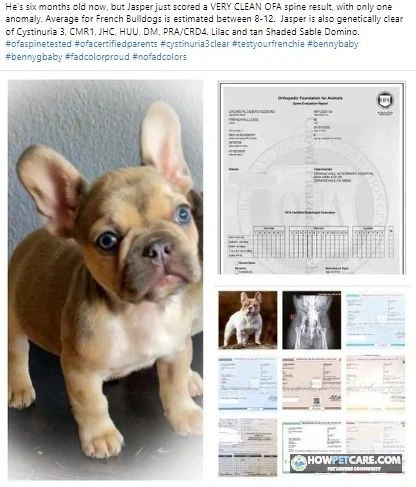
Documented results and shared veterinary records are more useful than a verbal promise. Quiet breathing, open-looking nostrils, and comfortable activity are encouraging signs, not a health certificate. Screening can reduce risk, but it can’t eliminate it.
First vet visit checklist for a new Frenchie
Bring available records. Ask for an airway and nostril assessment, body-condition check, skin and ear examination, eye check, dental assessment, gait and patella examination, and a discussion of spinal warning signs. Agree on vaccinations, parasite prevention, future screening, and an emergency plan. If symptoms are already present, tell the clinic when booking rather than waiting for a routine visit.
Your French Bulldog Care Routine and Action Plan
Daily, weekly and monthly care checklist
Daily
- ☐ Notice your dog’s breathing while relaxed and awake. Record new noise, effort, or reduced activity tolerance.
- ☐ Check the eyes for redness, discharge, or squinting; check accessible folds for moisture and irritation.
- ☐ Gently wipe and thoroughly dry folds as advised for your dog. Keep exercise comfortable, avoid heat, and use a harness rather than pressure on the neck.
- ☐ Brush teeth with dog-safe toothpaste if tolerated. Daily brushing is the goal; build up gradually.
Weekly
- ☐ Check ears, paws, nails, and gait. Look for odor, redness, head shaking, paw licking, or a skipping step.
- ☐ Clean ears only as often as your veterinarian recommends. Use the recommended cleaner and wipe accessible material with cotton; don’t push swabs into the canal. Ask the clinic before cleaning a painful ear.
- ☐ Note whether breathing during sleep looks different from your dog’s usual pattern. A resting-rate log can supplement, but never replace, an assessment of breathing effort.
Monthly and yearly
- ☐ Weigh your dog monthly and record itching, ear flare-ups, and mobility changes.
- ☐ Arrange at least an annual veterinary exam. Ask whether a senior or chronically ill dog should be seen more often.
- ☐ Review dental needs, emergency savings, and insurance terms. If your dog has diagnosed spinal disease, follow the specific activity and rehabilitation plan rather than a generic exercise schedule.
Print this checklist or save it with your dog’s medical records. Ask your vet which steps and cleaning frequency suit your dog; over-cleaning can irritate sensitive skin and ears.
Questions to bring to your vet
- Does my dog’s breathing warrant respiratory function grading or an airway specialist?
- What body condition and activity level should we aim for, and what signs mean we should stop exercise?
- Are my dog’s skin and ear symptoms consistent with infection, allergy, or another cause?
- Which spinal or mobility changes require an emergency visit, and what should I do during transport?
- What would a dental procedure or proposed surgery include, and how will anesthesia and recovery be monitored?
- Which screening tests are appropriate now, and what would their results tell us?
Decision guide: buyer, new owner or owner of a diagnosed dog
If you’re considering a puppy, take the screening questions and a budget scenario to your veterinarian. If you already own a Frenchie, use the matrix to identify the risks most relevant to your dog and book the appropriate appointment. If your dog has a diagnosis, agree on a written treatment and monitoring plan, including the exact signs that mean you should call or seek emergency care.

FAQ
Are French Bulldogs more prone to health problems than English Bulldogs?
Both are brachycephalic breeds with overlapping risks such as breathing problems, skin-fold infections and eye issues. Studies differ in which breed fares better on specific conditions. Frenchies are more often reported with spinal disease such as IVDD and vertebral malformations, so individual dog health and screening matter more than breed choice alone.
Can IVDD in a French Bulldog be treated without surgery?
Mild cases, where the dog is painful but still walking, are often managed with strict crate rest, pain relief and monitoring under veterinary guidance. Dogs that lose coordination, cannot walk or lose bladder control need urgent assessment because surgery may be needed and outcomes depend on speed.
Does a cherry eye in a French Bulldog always need surgery?
Medication can reduce inflammation, but the prolapsed gland rarely returns to position for good, so surgical repositioning is the usual treatment. Vets generally avoid removing the gland because it produces a large share of the eye’s tear film and its removal can lead to dry eye.
How hot is too hot for a French Bulldog?
There is no single safe temperature, because humidity, exercise, coat color, weight and airway health all matter. Many Frenchies struggle in warm, humid weather and can overheat quickly. Limit exercise to cooler hours, provide shade, water and cooling, and treat heavy panting that does not settle as an emergency.
What helps French Bulldog skin allergies?
Treatment usually combines identifying triggers (such as an elimination diet or environmental testing), controlling secondary skin and ear infections, and using vet-prescribed itch medications or immunotherapy. Regular fold and paw cleaning supports treatment but does not replace it.