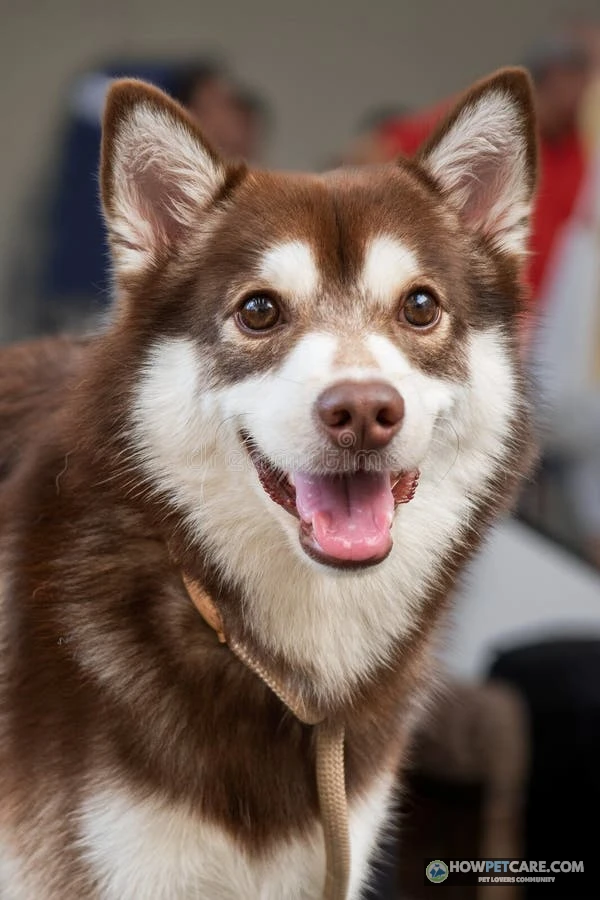

A Pomsky dog is a Pomeranian and Siberian Husky mix with highly variable adult size, coat, and temperament. It can suit active households ready for training, shedding, grooming, and potential vocality, but it is not a predictable low-maintenance pet. Confirm parent health records, plan daily enrichment, and budget for routine and emergency care.
A Pomsky is a mixed-breed dog produced from a Pomeranian and a Siberian Husky, usually through artificial insemination because of the size difference between the parent breeds. It is not recognized by the American Kennel Club, and its adult size, coat, and temperament cannot be predicted from puppy appearance or generation label alone. For a prospective U.S. owner, the honest starting point is this: a Pomsky can be a charming, active companion, but it is also a high-maintenance designer dog with real uncertainty built into every litter. If your household can absorb daily exercise, heavy seasonal shedding, possible vocality, and a budget that includes veterinary care plus an emergency fund, it may be a strong match. If you need a quiet, low-grooming, low-cost dog with predictable traits, it probably is not. Budget for an estimated $1,500-$3,000 or more in the first year, plus ongoing annual expenses; the cost table below breaks down the ranges and variables.
Is a Pomsky Dog Right for Your Household?

A Pomsky is a Pomeranian and Siberian Husky mixed breed, often marketed as a designer dog, and it is not an AKC-recognized breed. That single fact shapes almost every ownership decision that follows. Because there is no breed standard, a puppy’s adult size, coat type, eye color, energy level, and temperament remain genuinely uncertain until the dog matures. Most Pomskies are a 50-50 mix, though some are bred back to Pomeranians for smaller size, and even within one litter, puppies can take after either parent in very different ways.
Best fit: households prepared for daily activity, consistent training, substantial shedding, possible vocality, and variable adult traits. Pause before choosing a Pomsky if the home has strict noise limits, little tolerance for grooming, long unattended days, or a fixed budget with no veterinary cushion. A Pomsky puppy cannot be guaranteed to have a miniature Husky appearance, a particular temperament, or a precise adult size.
Quick fit check: time, noise, grooming, and budget
Score each item 0 = poor fit, 1 = manageable with changes, 2 = strong fit. Total 0-10.
- Noise tolerance: Can your home handle alert barking, excitement barking, and occasional howling? (0 = strict quiet rules, 2 = flexible neighbors/housing)
- Daily time: Can someone provide 45-90 minutes of exercise plus 15-20 minutes of training or enrichment most days? (0 = under 30 minutes, 2 = 60+ minutes)
- Children and handling: Can adults supervise all child-dog interactions and teach gentle handling? (0 = unsupervised or very young children, 2 = consistent supervision plan)
- Space and containment: Do you have safe leash walks, a secure yard or carrier routine, and a plan for apartment living? (0 = no safe exercise access, 2 = multiple safe options)
- Budget cushion: Can you cover a $1,500-$3,000 first-year estimate plus a separate emergency fund of at least $1,000-$2,500? (0 = no cushion, 2 = funded emergency plan)
Decision guide: 8-10 = strong candidate; 5-7 = proceed only with a written training, grooming, and budget plan; 0-4 = pause and reconsider or choose a lower-maintenance match.

Why Pomsky traits are less predictable than those of an established breed
Established breeds have decades of selection behind consistent size, coat, and temperament ranges. A Pomsky has no breed standard and a very short history. The mix can range from 10-15 inches tall and 20-30 pounds, larger than a Pomeranian under 10 pounds but still lap-sized, unlike a full-grown Husky. That range is wide, and individual dogs can fall outside it. Coat is often Husky-patterned in black, gray, brown, red, or blue and white, or solid black, white, or tan like a Pomeranian, but pattern is not a promise.
A Pomsky puppy cannot be guaranteed to keep a miniature Husky look, a particular coat color, or a calm temperament. Buy or adopt for the individual dog you meet, not the photo.
What Is a Pomsky? Parent Breeds and Generation Labels

The Pomeranian contributes companion-dog size, alertness, and a tendency toward vocal, watchdog-style behavior. The Siberian Husky contributes athleticism, independence, vocal tendencies including howling, and a thick double coat suited to cold climates. The result is a dog that may be affectionate and bright but also excitable, independent, and potentially loud.
Generation labels describe ancestry, not quality. F1 means one Pomeranian parent and one Siberian Husky parent. F1b means an F1 Pomsky bred back to one parent breed, often for smaller size. F2 means two Pomsky parents. F3 or later means multigenerational Pomsky-to-Pomsky breeding. These labels can hint at how much influence each parent breed may have, but they cannot guarantee adult size, coat type, shedding level, eye color, energy, or temperament.
Responsible breeding requires safe reproductive practices. Buyers should ask how the litter was produced and avoid treating labels as proof of quality. Because of the size difference, artificial insemination is common, and buyers should ask about veterinary oversight of the breeding process.
F1, F2, and F1b Pomskies: what the labels mean
| Generation label | Typical ancestry | What it may help explain | What it cannot guarantee |
|---|---|---|---|
| F1 | One Pomeranian parent and one Siberian Husky parent | First-generation mixed ancestry; may reflect a wider range of parent traits | Adult size, coat type, shedding level, eye color, or temperament |
| F1b | F1 Pomsky bred back to one parent breed | Higher influence from the chosen parent breed, often Pomeranian or Husky | A specific appearance, smaller size, lower shedding, or calmer behavior |
| F2 | Two Pomsky parents | Both parents are Pomskies; ancestry is still mixed and variable | Predictable coat, size, energy, or family-dog temperament |
| F3 or later | Multigenerational Pomsky-to-Pomsky breeding | Longer mixed-breed lineage within the Pomsky population | Breed-standard consistency or reduced health risk |

Use labels as ancestry notes only. Ask for both parents’ measurements, prior litter photos, health records, and the breeder’s reproductive plan before comparing litters.
What generation labels cannot predict
Generation labels describe ancestry, not a guarantee of coat type, shedding level, size, appearance, energy, or Pomsky temperament. A breeder who promises that an F1b will be small, calm, and low-shedding is overstating what the label means. Ask for both parents’ weights and heights, photos of previous litters at maturity, and health records instead.

Pomsky Size, Coat Types, and Full-Grown Expectations

Adult Pomsky size varies widely because parent sizes and inherited traits vary. The commonly cited range is 10-15 inches tall and 20-30 pounds, but individual dogs can be smaller or larger depending on which parent they favor and how the cross was bred. Breeder records, both parents’ measurements, prior litter outcomes, and the puppy’s growth pattern are more informative than a generation label alone.
How big do Pomsky dogs get?
Most Pomskies fall between 10-15 inches at the shoulder and 20-30 pounds, making them larger than a Pomeranian under 10 pounds but still lap-sized, unlike a full-grown Husky. That is a range, not a promise. A puppy sold as "teacup" or "micro" is a red flag, because unusually small size claims often signal poor breeding practices or health risks rather than a desirable trait.
Why eye color and a Husky-like appearance are not guarantees
A thick double coat suited to cold climates is common, often Husky-patterned or solid like a Pomeranian. Blue eyes, a Husky-like mask, or a plush coat cannot be promised. Pomskies are not hypoallergenic. They commonly shed and produce dander, so they are not a reliable choice for people with dog allergies. Spend time around the specific dog before making a commitment, because reactions differ by person and dog.

Pomsky Temperament and Behavior: Family, Apartment, and Pet Fit

The likely temperament mix includes affectionate, bright, alert, independent, excitable, and potentially vocal behavior. Not every Pomsky behaves the same way, and individual variation is significant. Some are cuddly lap dogs; others are restless and vocal.
Are Pomskies good family pets?
Whether a Pomsky is a good family pet depends on supervision, child-dog interaction rules, early socialization, and matching the individual dog’s tolerance rather than relying on breed marketing. Adults must supervise all child-dog interactions and teach gentle handling. Early socialization helps, but no breed label guarantees patience with young children. Households with very young children or unsupervised interactions should pause before committing.
Vocality, independence, and separation-related behavior
Apartment and shared-wall households need a realistic warning: barking, alert vocalization, and Husky-style howling can be difficult to manage and may violate housing rules. A Pomsky that inherits the Pomeranian’s alert barking and the Husky’s howling can be loud. Other dogs and cats require individual evaluation. Introductions, management, and prey-chasing risk should be assessed one dog at a time, especially in homes with small pets.

A humane plan for barking, howling, and alone-time training
-
Week 1 - Baseline and prevention
Log every bark or howl episode by time, trigger, and duration for 7 days. Remove easy triggers: close blinds to hallway traffic, add white noise, and move the crate away from windows. Teach a 3-second ‘quiet’ cue by marking silence after a bark, then rewarding with a pea-sized treat. Practice 5-10 alone-time reps daily, starting at 10-30 seconds and returning before distress.
-
Week 2 - Duration and settling
Increase alone-time by 15-30 seconds per successful rep; stop before whining escalates. Add a stuffed food toy only if it keeps the dog calm for at least 5 minutes. Reward four-paws-on-floor and chin-rest behaviors for 2 minutes, 3 times daily. For howling, interrupt gently with a calm cue, then reward 2 seconds of silence; never yell over the dog.
-
Week 3 - Real-life proofing
Practice departures with keys, shoes, and door sounds without actually leaving. Add 2-3 short absences of 3-10 minutes while monitoring for pacing or drooling. Use a long-lasting chew only during planned absences, then remove it when you return. Increase exercise before alone time by 10 minutes, but avoid exhausting a puppy.
-
Week 4 - Maintenance
Build to one 20-40 minute calm absence if the dog remains relaxed. Keep a weekly check-in log: barks per day, howl episodes, and recovery time after you return. If separation distress, self-injury, or nonstop vocalization continues, book a veterinarian or certified behavior consultant before adding more alone time.
They can gradually learn appropriate alone time, but puppies need frequent breaks and many Pomskies need deliberate training to prevent distress and nuisance vocalization. Avoid abruptly leaving a new dog alone for a full workday.
Daily Pomsky Care: Exercise, Training, and Double-Coat Grooming
How to care for a Pomsky puppy in the first months
Provide age-appropriate daily physical activity plus mental enrichment, with intensity adjusted for the dog’s health, weather tolerance, and developmental stage. Use positive-reinforcement training for a Pomsky puppy, prioritizing recall, leash skills, calm greetings, handling tolerance, settle behavior, and gradual independence practice. Avoid overexercising a growing puppy; short, frequent sessions are better than long runs.
Coat-blow routine: tools, frequency, and warning signs
Normal week:
- Line brush for 8-12 minutes, 2-3 times weekly, working from skin to tips.
- Use a metal comb to check behind ears, armpits, collar area, and rear feathering.
- Remove loose undercoat with a slicker brush using light pressure; stop if skin reddens.
- Wipe paws and belly after walks; check for burrs or matting.
- Clean ears and trim nails every 2-4 weeks as needed.
Coat-blow week (often spring and fall, sometimes 2-6 weeks):
- Brush 10-15 minutes daily or every other day until loose undercoat decreases.
- Add a 5-minute undercoat-rake pass only on areas with visible loose wool; avoid pressing into skin.
- Bathe only when dirty or on a veterinarian/groomer schedule; fully dry the coat before brushing.
- Book professional help if you find compacted coat, hot spots, or mats you cannot separate with fingers.
- Do not shave the double coat unless a veterinarian directs it for a medical reason.
Grooming reduces loose hair but cannot eliminate shedding. Many Pomskies inherit a dense, shedding double coat and can shed heavily during seasonal coat blows. Regular line brushing helps remove loose undercoat, but it will not make the dog non-shedding.

Exercise needs without overexercising a growing puppy
Provide age-appropriate daily physical activity plus mental enrichment. Adjust intensity for the dog’s health, weather tolerance, and developmental stage. A growing puppy needs short, frequent activity sessions rather than long runs or jumps. Mental enrichment such as food puzzles, scent games, and training sessions can tire a Pomsky as effectively as physical exercise.
Do not shave a Pomsky’s double coat unless a veterinarian directs it for a medical reason. Shaving can damage coat regrowth and remove the insulation that protects against both heat and cold.
Pomsky Health Risks and the Tests Responsible Breeders Share
Distinguish potential inherited health issues associated with Pomeranians, Siberian Huskies, and mixed-breed dogs from proven Pomsky-specific prevalence rates, which remain limited. Pomsky-specific health prevalence data is not well established. Available information does not establish population-level rates for conditions such as patellar concerns, hip dysplasia, or tracheal issues in Pomskies specifically.
What is known, and not known, about Pomsky health evidence
Risk areas a veterinarian or credible source may flag include patellar concerns, eye disease, dental crowding, cardiac concerns, and other parent-breed-relevant conditions. These are inherited risks associated with the parent breeds, not proven Pomsky-specific prevalence rates. Pomskies are a very recent Husky-Pomeranian designer mix with no breed standard, so appearance and which parent a puppy takes after cannot be predicted, even within one litter. The same unpredictability applies to health.
How to verify parent health testing
Genetic testing is only one part of responsible screening. Buyers should request verifiable orthopedic, eye, and DNA test results appropriate to each parent rather than a vague ‘health tested’ claim. Ask for the actual report numbers and verify them through the testing organization’s database where possible. Consider a pre-purchase veterinary review of records, a written return policy, and pet insurance research before illness or injury occurs.

A Pomsky’s lifespan varies with genetics, body size, preventive care, weight management, and access to veterinary care. Ask a veterinarian for context on the individual dog’s health history rather than treating a published lifespan range as a guarantee.
Pomsky Price and the Real U.S. Cost of Ownership
Separate Pomsky price from total cost. Compare breeder purchase, rescue or adoption fees, and the different services or records each route may include. U.S. breeder prices for Pomsky puppies vary widely based on location, generation, coat, and marketing, and should be treated as estimates rather than fixed prices. Rescue or adoption fees are typically lower but may include fewer records about ancestry or parent health.
Purchase versus adoption: compare the full commitment
Breeder purchase usually includes health records, parent documentation, and early socialization notes, but at a higher price. Adoption through a rescue or rehoming situation may cost less but often comes with unknown ancestry and limited health history. Evaluate a rescue or rehoming situation with the same care: behavior history, medical records, compatibility meeting, transition plan, and realistic disclosure of unknown ancestry.
First-year and ongoing cost categories to budget before committing
| Cost category | Purchase or adoption stage | First year | Ongoing annual cost | Variables that change the cost |
|---|---|---|---|---|
| Acquisition (breeder or adoption) | Purchase or adoption | $1,000-$4,000+ | None | Generation, coat, location, breeder reputation |
| Veterinary exams and preventive care | First year | $300-$800 | $200-$600 | Region, clinic type, preventive plan |
| Vaccinations | First year | $100-$300 | $50-$150 | Age at acquisition, local requirements |
| Spay or neuter if needed | First year | $200-$600 | None | Size, clinic, location |
| Supplies (crate, bed, leash, bowls) | First year | $150-$400 | $50-$150 | Quality, replacement frequency |
| Training (classes or private) | First year | $150-$600 | $100-$400 | Format, trainer experience, behavior needs |
| Food | Ongoing | $300-$900 | $300-$900 | Brand, size, dietary needs |
| Grooming tools or services | Ongoing | $100-$500 | $100-$600 | Coat condition, professional vs DIY |
| Parasite prevention | Ongoing | $150-$400 | $150-$400 | Weight, product choice, region |
| Licensing | Ongoing | $10-$50 | $10-$50 | City or county rules |
| Pet insurance (optional) | Ongoing | $300-$900 | $300-$900 | Deductible, coverage level, age |
| Emergency fund | Always | $1,000-$2,500 | Maintain balance | Health events, accidents |
These figures are estimates with ranges and should be updated for your area. Location, coat maintenance, health, and insurance deductible choices can shift actual costs substantially. Treat cost figures as estimates, not guarantees; the first-year total depends on acquisition route and which expenses apply.
Budget for a realistic first-year total of $1,500-$3,000 or more for a Pomsky in the U.S., depending on acquisition route, region, and health events. Ongoing annual costs vary by care choices and circumstances; use the category estimates above to build a local budget.
How to Find a Responsible Pomsky Breeder or Adoption Match
Questions to ask Pomsky breeders before placing a deposit
- What are both parents’ names, weights, ages, and health test results?
- Can I see verifiable orthopedic, eye, and DNA reports, not verbal promises?
- How was the litter produced, and was there veterinary oversight?
- Where are puppies raised, and what socialization do they receive?
- What is the adult size range of previous litters from these parents?
- What does the contract include regarding returns or rehoming?
- What happens if the puppy develops a serious health condition?
Red flags around discounted, unusually small, or heavily marketed puppies
- ‘Teacup,’ ‘micro,’ or unusually tiny size is marketed as a selling point.
- Deep discounts, urgency, or ‘last puppy’ pressure is used.
- No verifiable health testing is provided.
- Questions about parents, litter size, or raising conditions are refused.
- The transaction is shipping-only with no live video or independent verification.
- Promises include a guaranteed adult appearance, eye color, or temperament.
Responsible breeder or rescue practice includes documented parent weights and ages, verifiable health test reports, a clean raising environment with early socialization notes, a written return or rehoming policy, and honest answers that use ranges rather than guarantees.
Make the ownership decision before bringing a dog home
End with a decision checklist covering household noise tolerance, daily time, grooming commitment, training plan, emergency savings, and willingness to accept an individual dog’s unpredictability. If you scored 8-10 on the household-fit checklist, have a funded emergency plan, and have verified parent health testing, you are in a strong position to proceed. If you scored 0-4, pause and reconsider or choose a lower-maintenance match. A Pomsky is a long-term commitment to an unpredictable, high-maintenance designer dog, and an informed decision is the priority.
This guide is not a substitute for individualized veterinary or behavior-professional advice. For health concerns, training challenges, or behavioral issues, consult a qualified professional who can assess your specific dog.
| Cost Category | Applicable Stage | First Year Cost | Ongoing Annual Cost | Cost Variables |
|---|---|---|---|---|
| Acquisition (breeder or adoption) | Initial stage | 1,000-4,000+ | None | Generation, coat, location, breeder reputation |
| Veterinary exams and preventive care | First year | 300-800 | 200-600 | Region, clinic type, preventive plan |
| Vaccinations | First year | 100-300 | 50-150 | Age at acquisition, local requirements |
| Spay or neuter if needed | First year | 200-600 | None | Size, clinic, location |
| Supplies (crate, bed, leash, bowls) | First year | 150-400 | 50-150 | Quality, replacement frequency |
| Training (classes or private) | First year | 150-600 | 100-400 | Format, trainer experience, behavior needs |
| Food | Ongoing | 300-900 | 300-900 | Brand, size, dietary needs |
| Grooming tools or services | Ongoing | 100-500 | 100-600 | Coat condition, professional vs DIY |
| Parasite prevention | Ongoing | 150-400 | 150-400 | Weight, product choice, region |
| Licensing | Ongoing | 10-50 | 10-50 | City or county rules |
| Pet insurance (optional) | Ongoing | 300-900 | 300-900 | Deductible, coverage level, age |
| Emergency fund | Ongoing | 1,000-2,500 | Maintain balance | Health events, accidents |
FAQ
How long do Pomsky dogs live?
A Pomsky’s lifespan varies with genetics, body size, preventive care, weight management, and access to veterinary care. Ask a veterinarian for context on the individual dog’s health history rather than treating a published lifespan range as a guarantee.
Are Pomskies hypoallergenic?
No. Pomskies commonly shed and produce dander, so they are not a reliable choice for people with dog allergies. Spend time around the specific dog before making a commitment, because reactions differ by person and dog.
Can Pomskies be left alone while their owners work?
They can gradually learn appropriate alone time, but puppies need frequent breaks and many Pomskies need deliberate training to prevent distress and nuisance vocalization. Avoid abruptly leaving a new dog alone for a full workday; use a gradual plan and arrange care when needed.
Do Pomskies shed a lot?
Many Pomskies inherit a dense, shedding double coat and can shed heavily during seasonal coat blows. Regular line brushing helps remove loose undercoat, but it will not make the dog non-shedding.