
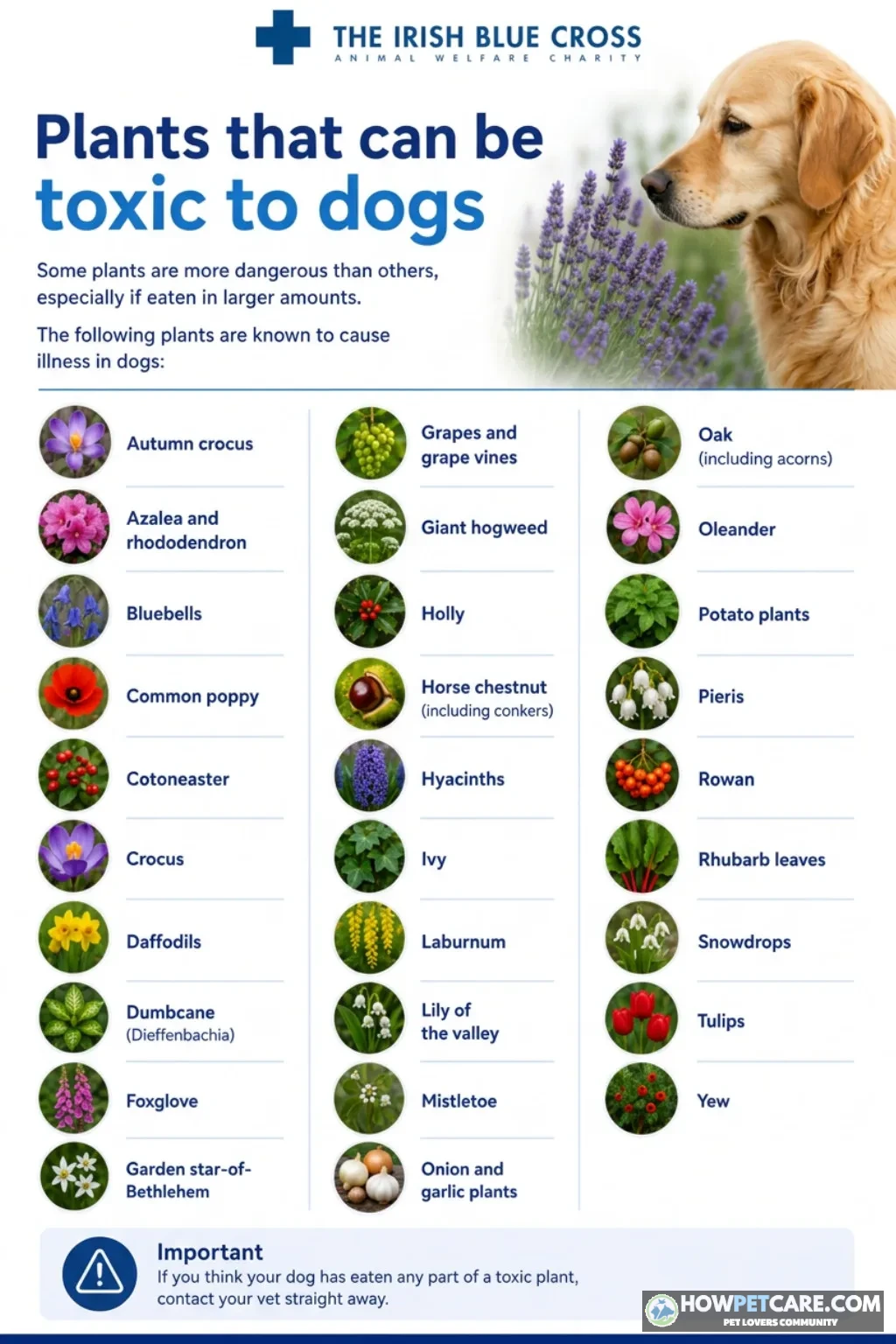
Common plants toxic to dogs fall into three severity groups:
- Potentially life-threatening (emergency): sago palm, oleander, foxglove, lily of the valley, azalea/rhododendron, yew, castor bean, autumn crocus, angel’s trumpet
- Potentially serious (call promptly): tulip, daffodil and hyacinth bulbs, kalanchoe, aloe, jade plant, cyclamen, English ivy
- Usually irritating (call for guidance): pothos, philodendron, peace lily, dieffenbachia, snake plant, poinsettia
Any suspected ingestion of a life-threatening plant warrants emergency veterinary care immediately.
Sago palm, oleander, azalea, lily of the valley and several other common plants can cause life-threatening poisoning in dogs. Pothos, peace lily and snake plant are toxic, too, but they usually cause mouth or stomach irritation rather than organ failure.
If your dog may have eaten a life-threatening plant, head to an emergency veterinarian now and call ahead. If you don’t know what the plant is, or your dog has symptoms, call a veterinarian or animal poison control right away. Don’t wait for signs to develop.
Plants Toxic to Dogs, Ranked from Life-Threatening to Mildly Irritating
This table groups common plants by the potential consequences of exposure—not by how likely every exposure is to be severe. Use it as a triage guide, not a diagnosis. The amount eaten, the plant part and your dog’s size and health all matter.
- Tier 1 — potentially life-threatening: Any suspected ingestion warrants immediate emergency veterinary care.
- Tier 2 — potentially serious: Call a veterinarian or animal poison control promptly. Larger exposures or severe symptoms may require emergency care.
- Tier 3 — usually irritating: Call for guidance. Most exposures cause mouth or digestive signs, but swelling, repeated vomiting or other severe signs are emergencies.
These tiers are an editorial guide to help prioritize a response; they are not official ASPCA classifications. The ASPCA toxic plant list and veterinary poison-control resources can help you identify individual plants and their effects. This is a high-priority selection, not a complete list.
| Tier | Plant: common and scientific name | Location | Principal toxin | Part of concern | Hallmark signs | Urgency |
|---|---|---|---|---|---|---|
| 1 | Sago palm (Cycas revoluta) | Indoor or outdoor | Cycasin | All parts; especially seeds | Vomiting, liver failure, jaundice | Emergency; any ingestion |
| 1 | Cardboard palm (Zamia furfuracea) | Indoor or outdoor | Cycasin | All parts; especially seeds | Vomiting, liver injury | Emergency; any ingestion |
| 1 | Oleander (Nerium oleander) | Outdoor | Cardiac glycosides | All parts, including dried leaves | Vomiting, abnormal heartbeat, collapse | Emergency |
| 1 | Foxglove (Digitalis purpurea) | Outdoor | Cardiac glycosides | All parts | Vomiting, weakness, abnormal heartbeat | Emergency |
| 1 | Lily of the valley (Convallaria majalis) | Outdoor | Cardiac glycosides | All parts | Vomiting, abnormal heartbeat, collapse | Emergency |
| 1 | Azalea or rhododendron (Rhododendron spp.) | Outdoor | Grayanotoxins | Leaves, flowers and other parts | Drooling, vomiting, weakness, low blood pressure | Emergency |
| 1 | Castor bean (Ricinus communis) | Outdoor | Ricin | Seeds | Severe vomiting and diarrhea, abdominal pain, organ damage | Emergency |
| 1 | Yew (Taxus spp.) | Outdoor | Taxine alkaloids | Needles and seeds | Tremors, breathing difficulty, heart failure | Emergency |
| 1 | Autumn crocus (Colchicum autumnale) | Outdoor | Colchicine | All parts, particularly bulbs | Vomiting, diarrhea, delayed organ damage | Emergency |
| 1 | Angel’s trumpet (Brugmansia spp.) | Outdoor | Tropane alkaloids | All parts | Disorientation, dilated pupils, heart-rate changes | Emergency |
| 2 | Tulip (Tulipa spp.) | Garden or cut flowers | Tulipalin compounds | Bulbs | Drooling, vomiting, diarrhea | Call promptly |
| 2 | Daffodil (Narcissus spp.) | Garden or cut flowers | Lycorine and related alkaloids | Bulbs | Vomiting, diarrhea; potentially tremors | Call promptly |
| 2 | Hyacinth (Hyacinthus spp.) | Garden or indoor bulb | Irritating lactones | Bulbs | Drooling, vomiting, diarrhea | Call promptly |
| 2 | Cyclamen (Cyclamen spp.) | Indoor or garden | Saponins | Tubers and roots | Vomiting, diarrhea; potentially abnormal heart rhythm | Call promptly |
| 2 | Kalanchoe (Kalanchoe spp.) | Indoor | Cardiac-active compounds | All parts | Vomiting, diarrhea; potentially abnormal heart rhythm | Call promptly |
| 2 | Aloe vera (Aloe vera) | Indoor or outdoor | Saponins and anthraquinones | Leaf latex | Vomiting, diarrhea, lethargy | Call promptly |
| 2 | English ivy (Hedera helix) | Indoor or outdoor | Triterpenoid saponins | Especially leaves | Drooling, abdominal pain, vomiting, diarrhea | Call promptly |
| 2 | Chrysanthemum (Chrysanthemum spp.) | Indoor or garden | Pyrethrins and other irritants | Leaves and flowers | Vomiting, drooling, incoordination | Call promptly |
| 2 | Amaryllis (Hippeastrum spp.) | Indoor | Lycorine and related alkaloids | Bulb | Vomiting, abdominal pain, tremors | Call promptly |
| 2 | Jade plant (Crassula ovata) | Indoor | Toxic principle not fully identified | Leaves and stems | Vomiting, depression, incoordination | Call promptly |
| 2 | American holly (Ilex opaca) | Outdoor | Saponins and other irritants | Berries and leaves | Drooling, vomiting, diarrhea | Call promptly |
| 2 | American mistletoe (Phoradendron spp.) | Outdoor or seasonal decoration | Toxic proteins and other compounds | Berries and leaves | Vomiting, diarrhea; potentially weakness | Call promptly |
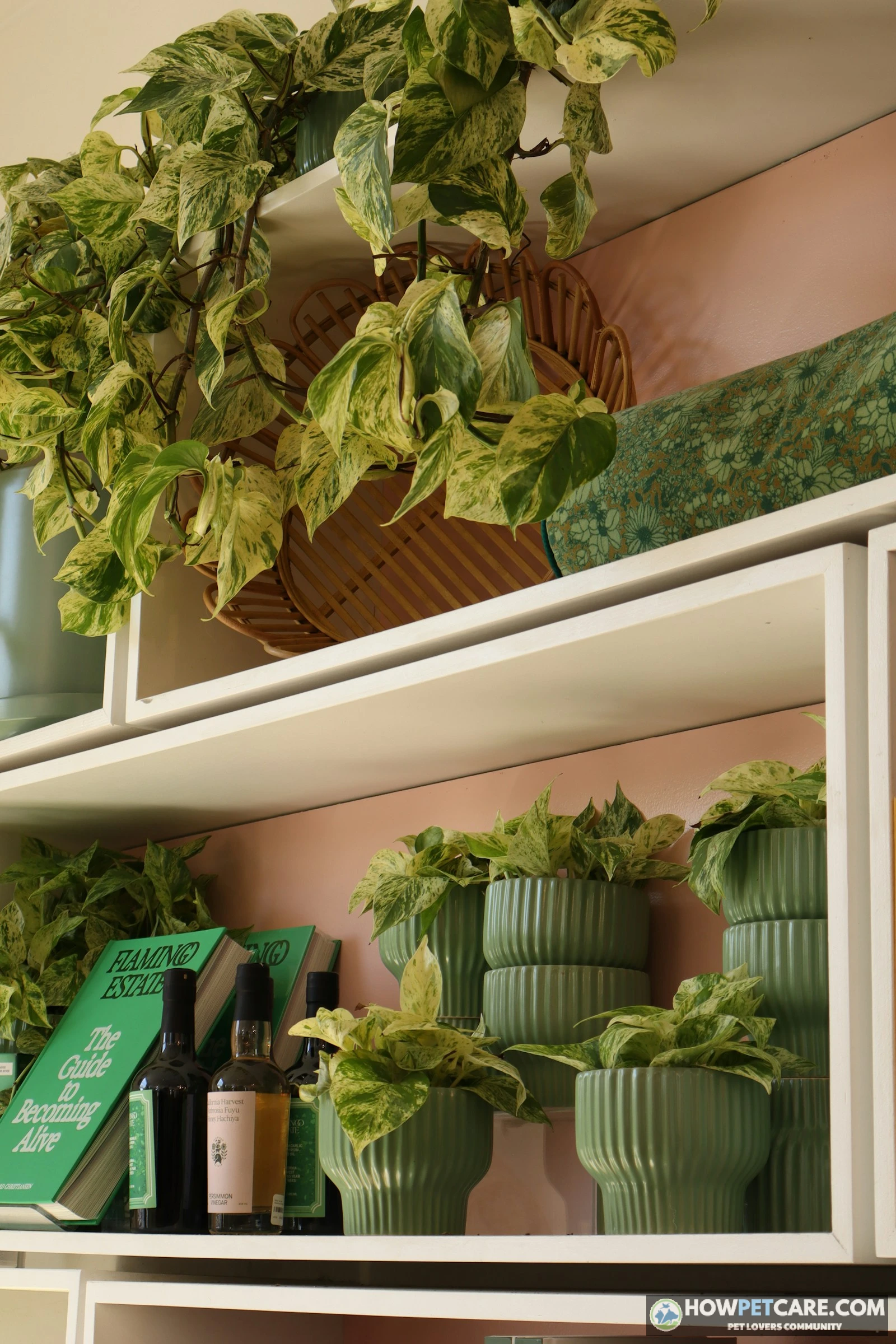
| 3 | Pothos (Epipremnum aureum) | Indoor | Insoluble calcium oxalate crystals | Leaves and stems | Mouth pain, drooling, vomiting | Call for guidance |
| 3 | Philodendron (Philodendron spp.) | Indoor | Insoluble calcium oxalate crystals | Leaves and stems | Mouth irritation, drooling, vomiting | Call for guidance |
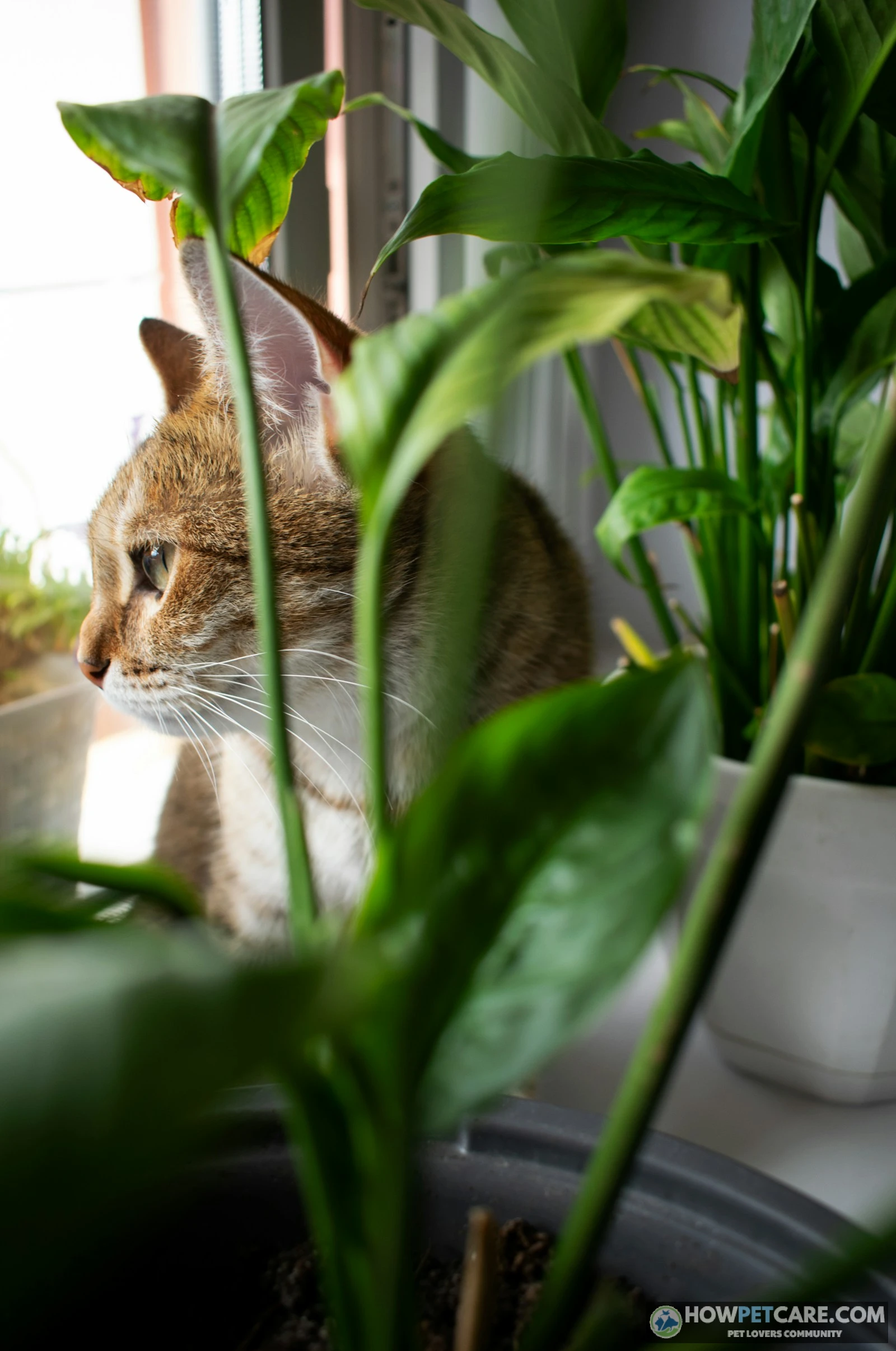
| 3 | Peace lily (Spathiphyllum spp.) | Indoor | Insoluble calcium oxalate crystals | Leaves and stems | Mouth pain, drooling, vomiting | Call for guidance |
| 3 | Dieffenbachia (Dieffenbachia spp.) | Indoor | Insoluble calcium oxalate crystals | Leaves and stems | Mouth pain, drooling, swelling | Call for guidance |
| 3 | Calla lily (Zantedeschia spp.) | Indoor or garden | Insoluble calcium oxalate crystals | All parts | Mouth irritation, drooling, vomiting | Call for guidance |
| 3 | Monstera (Monstera deliciosa) | Indoor | Insoluble calcium oxalate crystals | Leaves and stems | Mouth irritation, drooling | Call for guidance |
| 3 | ZZ plant (Zamioculcas zamiifolia) | Indoor | Insoluble calcium oxalate crystals | Plant tissues | Mouth irritation, drooling, vomiting | Call for guidance |
| 3 | Snake plant (Dracaena trifasciata) | Indoor | Saponins | Leaves | Nausea, vomiting, diarrhea | Call for guidance |
| 3 | Poinsettia (Euphorbia pulcherrima) | Indoor | Irritating milky sap | Sap and leaves | Mild drooling, vomiting or skin irritation | Call for guidance |
| 3 | Begonia (Begonia spp.) | Indoor or garden | Soluble calcium oxalates | Especially roots and tubers | Drooling, vomiting, mouth irritation | Call for guidance |
Sago palm can cause acute liver failure, and its seeds are particularly hazardous. Azaleas contain grayanotoxins that can affect blood pressure and heart rhythm. Pothos, philodendron, peace lily and dieffenbachia contain insoluble calcium oxalate crystals that irritate the mouth. Tulip and daffodil bulbs contain higher concentrations of toxic compounds than other parts of those plants. Begonias deserve a mention, too: their soluble oxalates concentrate in the roots and tubers, which is why begonias are risky for dogs.
Tier 1: Can kill or cause organ failure
These plants can affect the liver, heart or other vital organs. Cardiac glycosides interfere with the heart’s electrical activity; cycasin can damage the liver. A dog may look normal right after exposure and still need urgent advice and care.

Tier 2: Can cause serious illness
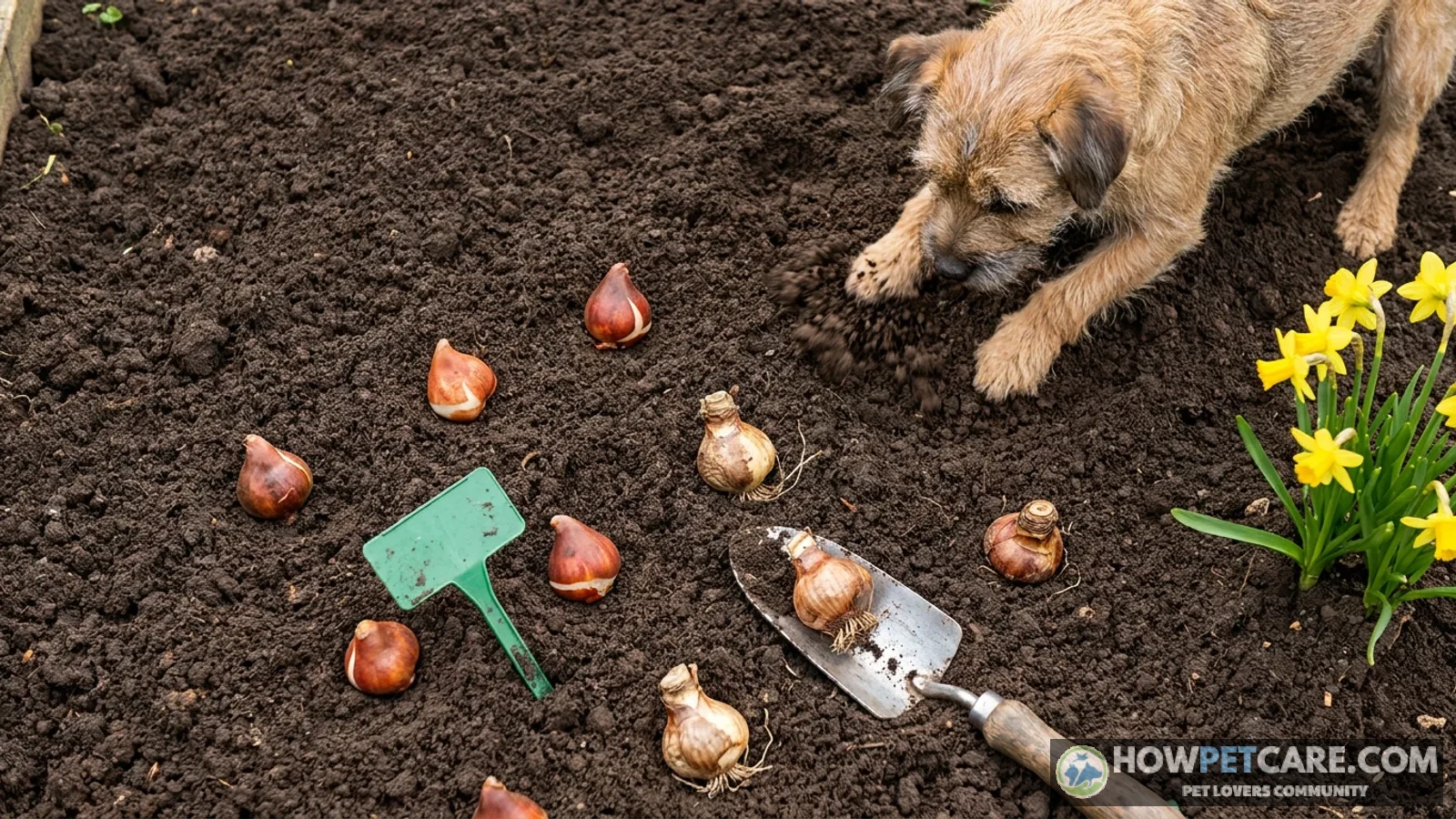
The effects range from digestive upset to serious illness, depending on the plant and amount eaten. Bulbs and tubers deserve particular attention: a dog digging in a garden may reach a concentrated part of the plant. Some compounds called saponins irritate the digestive tract, but plants that contain them don’t all carry the same risk.
Tier 3: Usually mild irritation
Insoluble calcium oxalate crystals irritate the mouth and can cause pain and drooling soon after chewing. Serious swelling is less common, but difficulty swallowing or breathing is an emergency. Don’t assume an unidentified plant belongs in Tier 3 just because it resembles one in the table. Holiday staples like poinsettias fall into this tier as well.
What to Do in the First 15 Minutes After Your Dog Eats a Toxic Plant
Start the call or trip as soon as you can; don’t wait for the suggested time windows. Emergency care comes first. Don’t delay it to collect a perfect sample or identify the plant.
-
Minutes 0–2: Separate
Move your dog away from the plant. Remove loose pieces from the mouth only if you can do so easily and safely; do not put your hand into the mouth of a seizing or distressed dog.
-
Minutes 2–5: Gather clues
Photograph the plant, damaged area and label. If readily available, bag a sample. Note your dog’s weight, the estimated amount and the time of exposure.
-
Minutes 5–10: Call or leave
Call your veterinarian, an emergency vet or animal poison control. For a Tier 1 plant or serious symptoms, leave for emergency care immediately and call ahead from the car.
-
Minutes 10–15: Follow directions
Follow the professional’s instructions. Bring your photos, sample and timeline. Keep your dog calm and observe breathing and gum color on the way.
Go to emergency veterinary care now if your dog collapses, has seizures, struggles to breathe, vomits repeatedly or has a known or suspected abnormal heartbeat. A known Tier 1 exposure is an emergency even if your dog seems well.
Emergency numbers and what to tell them
- ASPCA Animal Poison Control Center: (888) 426-4435.
- Pet Poison Helpline: (855) 764-7661.
- Your veterinarian or nearest emergency veterinary hospital: Call directly, especially if you’re already on your way.
Both poison-control services typically charge a consultation fee; ask about the current fee when you call. Tell the specialist your dog’s weight, the plant’s name or description, which part and approximately how much your dog ate, when it happened, and any symptoms. Mention medications and existing heart, liver or kidney disease. If you can’t identify the plant, say so rather than guessing.
When inducing vomiting makes things worse
Do not induce vomiting unless a veterinarian or poison-control specialist specifically instructs you to do so. Vomiting can be dangerous if a dog is drowsy, having seizures, struggling to breathe or already vomiting repeatedly. Inhaling vomit is also a concern for flat-faced dogs.
A professional may advise against inducing vomiting after an irritating plant exposure or when too much time has passed. Don’t give hydrogen peroxide unless specifically directed. Avoid milk, oil, salt and other home remedies, too. Treatment depends on the exposure and your dog’s condition.
 You might be wonderingAre toads poisonous to dogsAre Toads Poisonous to Dogs? Emergency GuideRead the answer
Symptoms of Plant Poisoning in Dogs and When They Mean an Emergency
Plant-poisoning symptoms can resemble those of many other illnesses. They can’t reliably identify a plant or rule out poisoning.
- Mouth and skin: Drooling, lip smacking, pawing at the mouth, redness or swelling. Insoluble calcium oxalate plants often cause oral irritation soon after chewing.
- Stomach and intestines: Vomiting, diarrhea, abdominal pain or loss of appetite. Many different plant exposures can cause these signs.
- Heart and circulation: Weakness, an abnormal heartbeat or collapse. Cardiac-active plants and azaleas can affect circulation.
- Nervous system: Incoordination, disorientation, tremors or seizures.
- Liver or kidney problems: Marked lethargy, changes in thirst or urination, yellow gums or eyes, or abnormal bleeding can signal serious illness.
Some irritants act quickly, while organ damage may take longer to appear. Sago palm exposure is especially concerning because liver failure can follow the initial digestive signs. Call even if your dog seems normal. Seek emergency care right away for trouble breathing, collapse, seizures or repeated vomiting.
Snake Plants, Pothos, Peace Lilies, Orchids, Succulents and Lilies: Which Are Actually a Problem for Dogs?
| Plant | Toxic to dogs? | Substance or concern | Typical dog signs | Dog versus cat distinction |
|---|---|---|---|---|
| Snake plant | Yes; usually irritating | Saponins | Vomiting, diarrhea | Keep away from both species |
| Pothos | Yes; usually irritating | Insoluble calcium oxalate | Mouth pain, drooling, vomiting | Also irritating to cats |
| Peace lily | Yes; usually irritating | Insoluble calcium oxalate | Mouth pain, drooling, vomiting | Not a true lily; also irritating to cats |
| Moth orchid (Phalaenopsis) | Listed as non-toxic | No known plant toxin in this listing | Large amounts may upset the stomach | Listed as non-toxic to dogs and cats |
| True lily (Lilium) or daylily (Hemerocallis) | Usually causes digestive upset in dogs | Species-dependent | Possible vomiting or stomach upset | Can cause fatal kidney failure in cats |
| Lily of the valley | Yes; potentially fatal | Cardiac glycosides | Vomiting, abnormal heart rhythm | Dangerous to both dogs and cats |
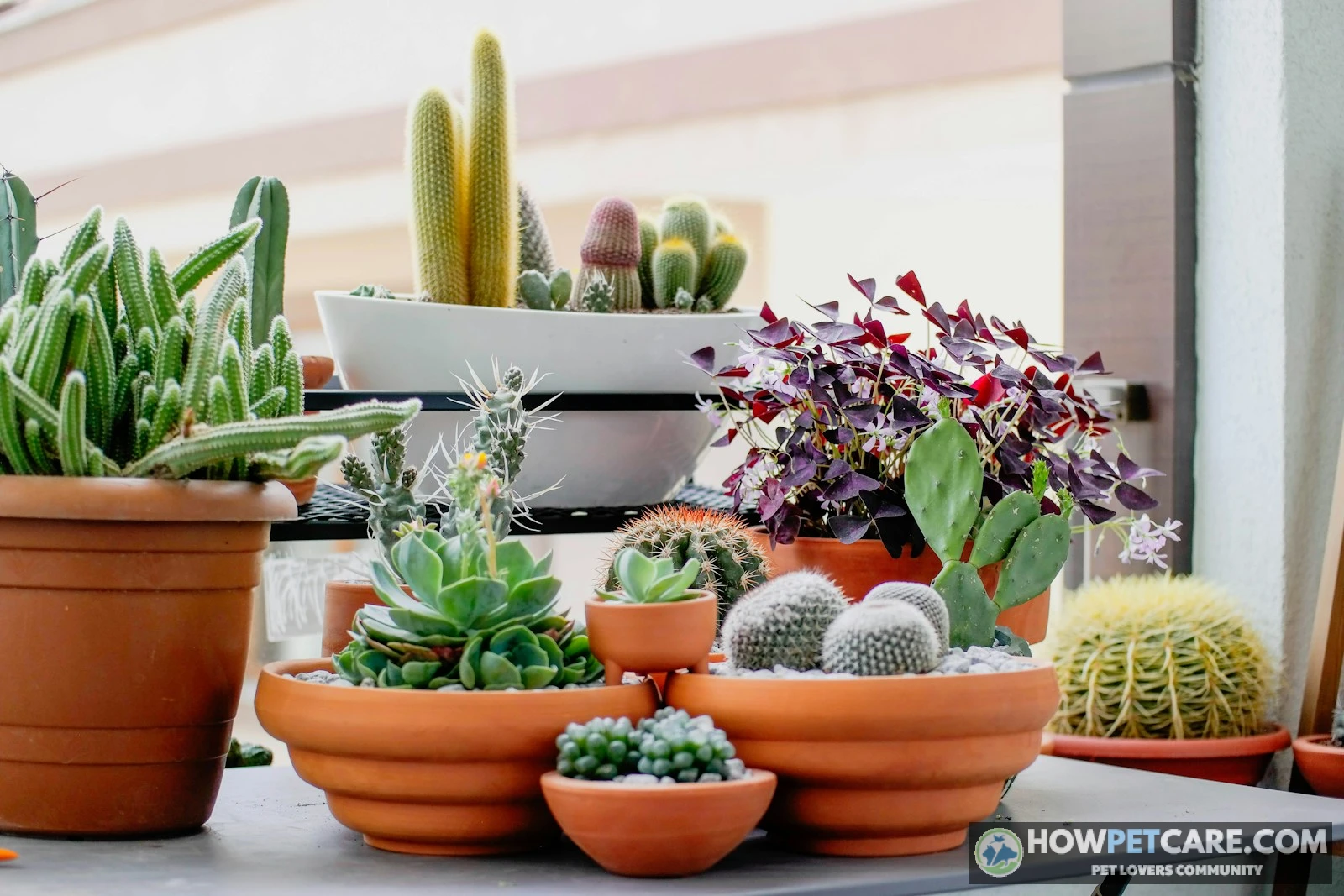
| Succulents | Depends on species | Varies | Varies | Check the exact species for each pet |
The reassuring verdict in the table applies to Phalaenopsis orchids. “Orchid” covers many plants, so check the exact name. Consider any fertilizer or pesticide on the plant separately, too.
Peace lily vs. true lily vs. lily of the valley
Peace lilies aren’t true lilies. Their calcium oxalate crystals mainly cause oral irritation. True lilies and daylilies are a different concern: they can cause severe kidney failure in cats, while dogs typically have mild poisoning or digestive upset. Lily of the valley is different from both; its cardiac glycosides make it an emergency for dogs.
If you can’t identify a lily, keep it away from your pets and call for advice. A household with cats needs a different safety plan from a dog-only household.
Are succulents toxic to dogs? It depends on the species
Aloe and kalanchoe are toxic; jade can also make dogs ill. Haworthia and some echeverias are listed as non-toxic alternatives. “Succulent” describes a growth habit, not a safety category. Check the scientific name rather than relying on a plant’s shape or shop label.
How Much Plant Is Dangerous? Dose, Body Weight and Plant Part
For most common houseplants, no reliable, universally safe amount per pound of dog has been established. Don’t convert a dose reported for a horse or another animal into a dose for a dog. A poison specialist can assess the plant species, amount, plant part and your dog together.
Why small dogs and puppies are at higher risk
The same quantity generally means a larger exposure relative to a smaller dog’s body weight. Puppies may also find bulbs, fallen leaves and potting materials while exploring. Size isn’t the only factor: age, existing disease, medication and how much was actually swallowed all matter.
Consider two examples involving a 15-pound dog:
- Two pothos leaves: Mouth pain, drooling or vomiting are possible. Call a vet or poison specialist for advice based on your dog’s signs and the actual exposure. Seek urgent care for significant swelling or trouble swallowing or breathing.
- One sago palm seed: Treat this as an emergency even if your dog looks normal. Sago seeds are especially toxic, and the plant can cause liver failure. Go to an emergency vet and call ahead.
These examples aren’t safe-dose calculations. A small bite of one plant can’t predict the risk from another.
Which plant parts are most concentrated
Tulip, daffodil and hyacinth bulbs can be especially concerning; sago palm seeds are another high-risk example. Other plants, including oleander, have toxic material throughout. Dried or cut plant material can remain hazardous. Collect fallen leaves and bouquet trimmings, and keep dogs away from living plants.
When you call, say whether your dog chewed leaves, flowers, seeds, roots or bulbs, and whether the material was fresh or dried. If you don’t know how much is missing, say so.
Poisoning Without Chewing a Leaf: Vase Water, Fertilizer, Potting Soil, Compost and Stored Bulbs
A dog can encounter a hazard without eating an obvious leaf. Tell the vet about anything accessible around the plant, including packaging and gardening products.
- Vase water: Plant material or floral preservatives may contaminate the water. Keep dogs from drinking bouquet water. If it happens, call for advice and identify the flowers and any additives. Lily exposure is especially urgent in a household with cats.
- Fertilizer and plant food: Ingredients vary. Some products contain iron or other substances that can cause problems, particularly in larger amounts; bone or blood meal may attract dogs. Keep the package handy for the call and store products securely.
- Potting soil and mulch: Soil may contain fertilizer or pesticides. Cocoa-bean mulch contains theobromine, the toxin associated with chocolate. Keep dogs away from it and ask your vet about a safer mulch for your yard.
- Compost: Moldy food or compost can contain toxins that cause tremors and seizures. Fence off or securely cover piles. A dog with tremors or seizures needs emergency care.
- Stored bulbs and chemicals: Keep planting bulbs in closed containers out of reach. Lock away snail bait, rodenticides and herbicides, and follow label directions before letting pets into treated areas.
A plant may be only one part of the exposure. Tell the veterinarian about fertilizer, pesticides, compost or vase additives, and bring their packaging when it is safe to do so.
What the Vet Will Do: Diagnostics, Treatment, Prognosis and Cost
Diagnostics and decontamination
The veterinary team will ask about the plant, timing, amount and symptoms, then examine your dog. Depending on the exposure, they may recommend bloodwork to check liver and kidney values, electrolytes, a urine test or an electrocardiogram to assess heart rhythm. Some tests may need to be repeated because damage isn’t always apparent right away.
If appropriate, a veterinarian may induce vomiting in a controlled setting. They may use activated charcoal for selected toxins or other decontamination methods in specific cases. Charcoal isn’t right for every exposure and shouldn’t be given at home unless a veterinary professional directs you to do so.
Hospital care and recovery outlook
Treatment may include intravenous fluids, anti-nausea medication, seizure control, heart monitoring or medication for an abnormal rhythm. Some dogs need hospitalization and repeated tests; specific antidotes aren’t available for many plant toxins.
Most dogs with mild irritant exposures recover with appropriate guidance and supportive care. With a Tier 1 plant, prognosis depends on the plant, exposure, timing and whether organ damage develops. Sago palm can cause severe liver failure and death, even though treatment is available.
Severe poisoning can leave lasting organ injury in some survivors. Ask the veterinarian which values need rechecking, when follow-up is due and what signs should prompt another visit. Any diet changes or ongoing medication should be tailored to your dog’s condition.
Cost factors and how to ask for an estimate
An examination and observation generally involve less care than outpatient decontamination and fluids. Intensive monitoring or several days in hospital can cost substantially more. The bill depends on location, whether it’s an emergency clinic, tests, treatment and length of stay. There’s no reliable single price for all plant exposures.
Ask for a written estimate covering the initial exam, tests, treatment and a possible hospital stay. If finances are a concern, tell the team promptly and ask which steps are most urgent and what alternatives are available. Pet insurance may cover some eligible emergencies; check the policy’s terms and exclusions rather than assuming it will.
Dog-Safe Plants You Can Keep Instead: Non-Toxic Houseplants and Garden Options
The alternatives below are commonly listed as non-toxic to dogs. Confirm the exact scientific name in the ASPCA toxic and non-toxic plant database; common names can refer to unrelated species. A non-toxic listing doesn’t mean a dog should eat the plant. Large amounts can still cause stomach upset or a blockage, and pesticides, fertilizer and thorns remain separate hazards.
| Toxic plant to replace | Why it is a risk | Dog-safe alternative | Location |
|---|---|---|---|
| Pothos | Irritating calcium oxalate crystals | Spider plant (Chlorophytum comosum) | Indoor |
| Philodendron | Mouth irritation | Prayer plant (Maranta leuconeura) | Indoor |
| Dieffenbachia | Mouth pain and swelling | Rattlesnake plant (Goeppertia insignis, formerly Calathea lancifolia) | Indoor |
| Sago palm | Potential liver failure | Parlor palm (Chamaedorea elegans) or areca palm (Dypsis lutescens) | Indoor |
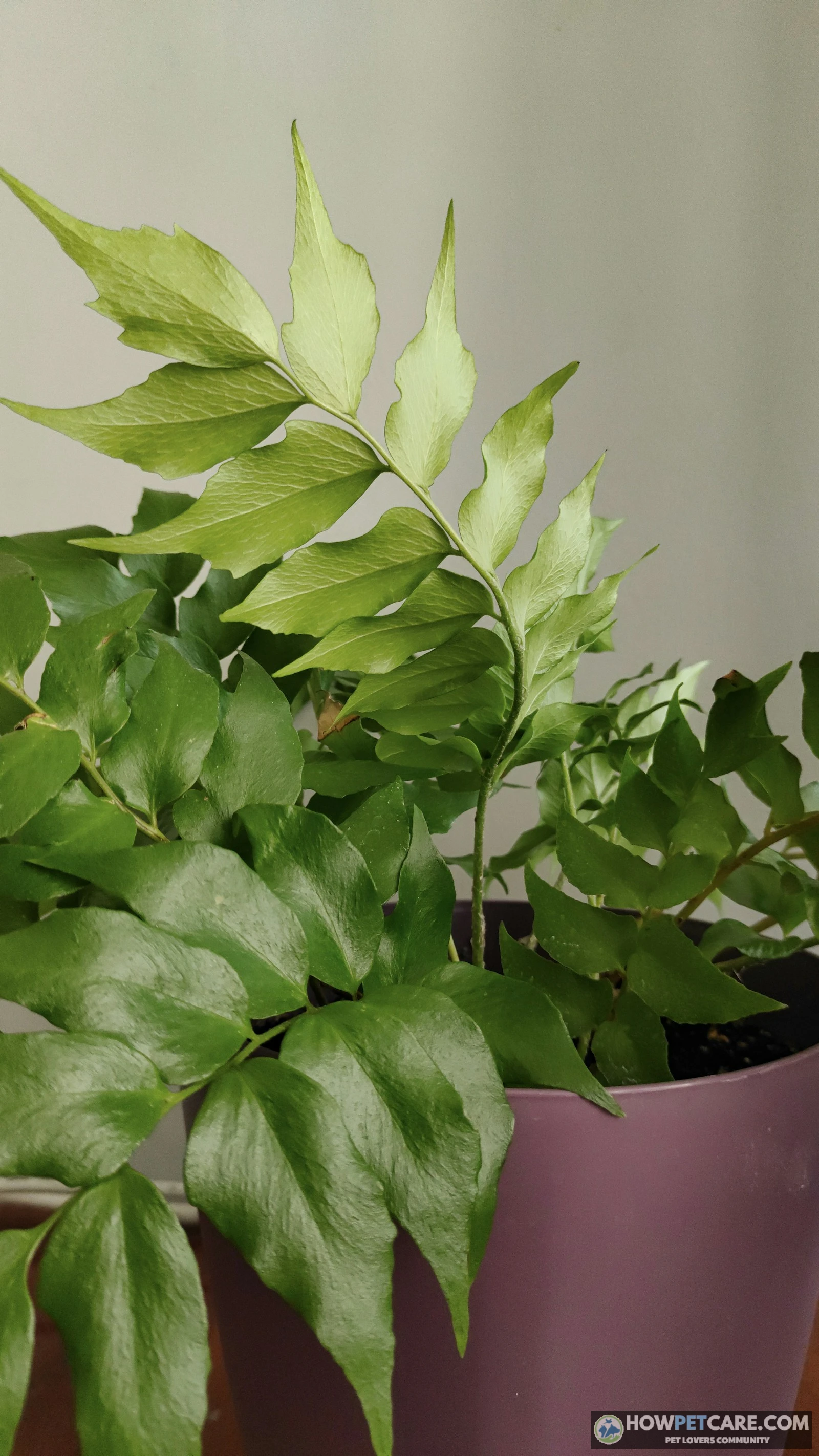
| Asparagus fern | Digestive and skin irritation | Boston fern (Nephrolepis exaltata) | Indoor |
| Aloe | Digestive upset | Zebra haworthia (Haworthiopsis attenuata) | Indoor |
| Jade plant | Vomiting and depression | Echeveria (Echeveria elegans) | Indoor |
| Snake plant | Digestive upset | Cast iron plant (Aspidistra elatior) | Indoor |
| Peace lily | Mouth irritation | Moth orchid (Phalaenopsis spp.) or African violet (Saintpaulia ionantha) | Indoor |
| English ivy | Digestive upset | Swedish ivy (Plectranthus verticillatus) | Indoor |
| Toxic foliage plants | Varies by species | Baby rubber plant (Peperomia obtusifolia) | Indoor |
| Azalea | Potentially life-threatening poisoning | Camellia (Camellia japonica) | Garden |
| Tulip or daffodil | Concentrated toxins in bulbs | Snapdragon (Antirrhinum majus) or sunflower (Helianthus annuus) | Garden |
| Chrysanthemum | Digestive and skin signs | Basil (Ocimum basilicum) or rosemary (Salvia rosmarinus) | Garden |
| Toxic flowering shrubs | Varies by species | Rose (Rosa spp.); remove access to thorns | Garden |
Keep even dog-safe plants out of reach if your dog tends to swallow plant material. Check new plants and cut flowers individually; a familiar-looking plant isn’t necessarily the same species as a safe one. If you’re choosing new garden shrubs, look into whether hydrangeas are poisonous to dogs alongside azaleas and other landscaping staples.
Your Dog-Proofing Checklist: Identify, Remove or Relocate, and Prepare
How to identify an unknown plant
Check for a pot tag, receipt or nursery record first. Photograph the whole plant, a close-up of its leaves, any flowers or fruit, and its growth habit. A plant-identification app or knowledgeable nursery may suggest a name, but a visual match isn’t proof. Confirm the scientific name against the ASPCA database, and ask a veterinarian or poison specialist if an exposure has occurred.
Don’t search for an identification instead of making an emergency call. Keep an unknown plant out of reach until you know what it is.
Home and yard audit checklist
- ☐ Inventory plants in every room, the yard, balcony and garage, including bouquets, fallen leaves and stored bulbs.
- ☐ Record common and scientific names where available; photograph unidentified plants and verify them. A plant absent from this table isn’t automatically safe.
- ☐ Remove or rehome Tier 1 plants. Remove or securely restrict access to Tier 2 plants; account for fallen material and dogs that jump or climb.
- ☐ Put remaining risky plants behind a closed door or otherwise beyond reach. Hanging baskets and high shelves aren’t foolproof if leaves or pots can fall.
- ☐ Cover or empty accessible vases; secure bulbs, fertilizers and garden chemicals; fence off compost and avoid cocoa-bean mulch.
- ☐ Recheck seasonal hazards, including holiday decorations, spring bulbs, bouquets, mushrooms and acorns. Never assume an unfamiliar mushroom is safe.
- ☐ Save both poison-control numbers and your nearest 24-hour emergency vet. Record your dog’s current weight and keep plant photos with the names.
If exposure happens: Tier 1 plant or emergency symptoms → emergency vet now. Unknown plant → call a vet or poison control promptly. Tier 3 plant with mild signs → call for individualized guidance and monitor as directed.
 You might be wonderingAre pothos toxic to catsAre Pothos Toxic to Cats? Symptoms, First Aid & Safe StepsRead the answer
FAQ
Which part of a plant is the most poisonous to dogs: leaves, flowers, or bulbs?
It depends on the plant. Bulbs of tulips, daffodils, and autumn crocus, and the seeds of sago palm and castor bean, tend to hold the highest toxin concentrations, while in plants like oleander and azalea every part is toxic.
Are dried or cut plants still toxic to dogs?
Yes. Drying usually does not remove the toxins, so dried flowers, fallen leaves, and bouquet trimmings can still poison a dog.
How long after eating a plant will a dog show symptoms?
Irritant plants like pothos can cause drooling and vomiting within minutes to a few hours. Others, such as sago palm or lily of the valley, may take hours to days to show signs, so call poison control even if your dog seems fine.
Is it safe to keep a toxic plant if my dog has never chewed it?
It is a risk. Dogs can change habits, and puppies, bored dogs, and dogs in new environments are more likely to chew plants. Keep Tier 1 plants out of the home or fully out of reach.
Can dogs die from eating poisonous plants?
Yes, but it is uncommon with most houseplants. Plants such as sago palm, oleander, and lily of the valley can be fatal, and fast veterinary treatment greatly improves the odds.