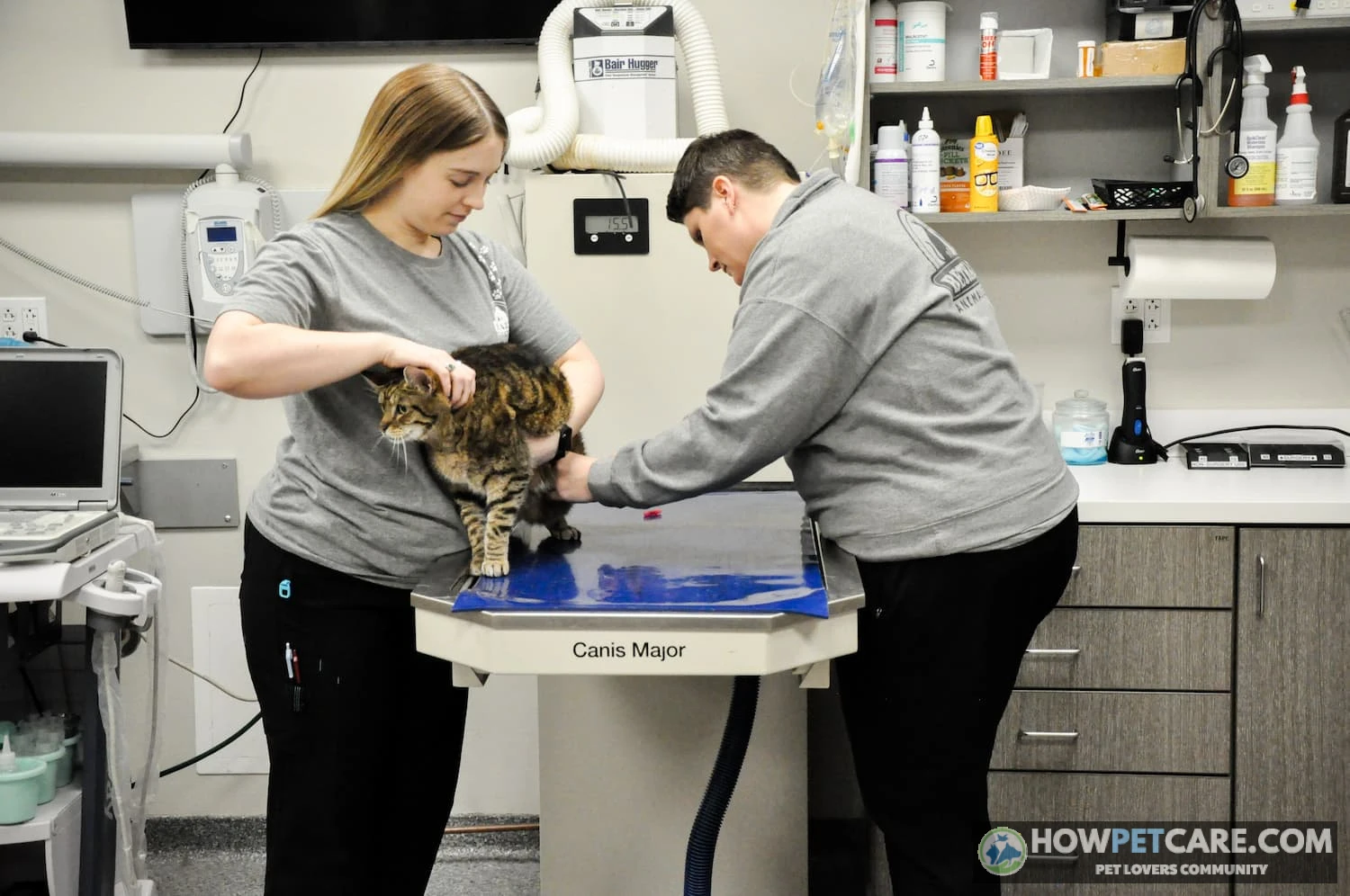

Feline distemper, clinically known as feline panleukopenia (FPV), is a highly contagious, life-threatening parvovirus affecting cats. It aggressively attacks rapidly dividing cells in the bone marrow and intestinal lining, causing severe watery diarrhea, intractable vomiting, fever dropping into hypothermia, profound lethargy, and a dangerous collapse in white blood cells.
If your cat is vomiting, has watery foul‑smelling diarrhea, appears lethargic, and is refusing to drink, you may be looking at a feline panleukopenia (FPV) emergency—not a simple upset stomach. Immediate veterinary assessment, aggressive IV fluid therapy, and strict isolation are the only proven ways to give a kitten a chance to survive. Below you will find the rapid‑triage signs, age‑specific survival data, a transparent cost breakdown for intensive care, a step‑by‑step refeeding plan, and a biosecure cleaning protocol that works on carpets and upholstery.
Early Feline Distemper Symptoms vs. Routine GI Upset: Rapid Triage
Cats hide pain, so the first 12‑24 hours are critical. The hallmark triage checklist distinguishes a life‑threatening FPV infection from a mild dietary indiscretion.

Hallmark Clinical Signs to Monitor in the First 24 Hours
- Intractable vomiting that occurs every 30‑45 minutes and produces no food remnants.
- Foul‑smelling, watery diarrhea (often described as “sewage‑like”) that may contain mucus or blood.
- Profound lethargy – the cat may “head‑hang” over the water bowl, staring at the bowl without drinking.
- Rapid dehydration – tented skin, dry mucous membranes, and a capillary refill time > 2 seconds.
- Fever → hypothermia cascade – an initial temperature spike (≥ 39.5 °C) followed within hours by a drop below 37.5 °C as shock sets in.
- Leukopenia on CBC – a white‑blood‑cell count < 2,000 µL confirms FPV’s attack on bone‑marrow precursors.
Differentiating FPV Enteritis from Feline Infectious Peritonitis and Routine Parasites
| Condition | Primary GI Sign | Fever Pattern | Leukocyte Count | Typical Onset After Exposure |
|---|---|---|---|---|
| Feline Panleukopenia (FPV) | Profuse watery diarrhea, vomiting | Early fever → rapid hypothermia | Marked leukopenia | 2‑10 days incubation |
| Feline Infectious Peritonitis (FIP) | Granulomatous peritonitis, sometimes diarrhea | Persistent fever | Normal or neutrophilic leukocytosis | Weeks‑months after coronavirus infection |
| Intestinal Parasites | Soft stools, occasional mucus | No systemic fever | Normal leukocytes | Variable, often chronic |
If your cat meets three or more of the FPV signs and you have access to a rapid CBC, refer immediately. Time is the difference between a survivable ICU stay and irreversible organ failure.
If a cat shows any combination of vomiting, watery diarrhea, and lethargy, call your vet now. Home remedies cannot replace IV fluid restoration or parenteral antibiotics against bacterial translocation.
How Feline Panleukopenia Spreads: Fomites, Virology, and Indoor Risks
Fomite Persistence: How Humans Track FPV to Indoor Cats
FPV is a non‑enveloped, single‑stranded DNA parvovirus that resists drying, temperature extremes, and most household cleaners. The virus survives in dried feces, urine, and on fabrics for months to a year. Human shoes, clothing, grooming brushes, and even a dropped food bowl can act as vectors. A single contaminated paw print can seed an entire multi‑cat household.
FPV vs. Canine Distemper vs. Canine Parvovirus: Clearing the Confusion
| Viral Family | Species Infected (primary) | Cross‑Species Infectivity | Target Tissues | Hallmark Clinical Markers | Environmental Resilience |
|---|---|---|---|---|---|
| Parvoviridae – FPV | Domestic cats (Felis catus) | Rarely infects dogs; can infect other felids | Intestinal crypt epithelium, bone marrow, lymphoid tissue | Profound leukopenia, watery foul‑smelling diarrhea, vomiting, rapid dehydration | Non‑enveloped DNA; survives >12 months on dry surfaces; resistant to many disinfectants |
| Parvoviridae – CPV (type 2a/2b) | Dogs (primary); feline‑adapted strains can infect cats | Can infect cats (especially unvaccinated) but not humans | Intestinal crypt cells (similar to FPV); less bone‑marrow tropism in cats | GI signs similar to FPV but often milder leukopenia; occasional co‑infection | |
| Paramyxoviridae – CDV | Canids (dogs, wolves) | Rare spill‑over to mustelids, wild felids | Respiratory epithelium, CNS, lymphoid tissue | Nasal discharge, cough, neurologic signs; not primarily GI | Enveloped; inactivated by standard bleach within minutes |
Key point: FPV is not canine distemper; the latter is an enveloped morbillivirus that does not cause the severe intestinal collapse seen in panleukopenia. This distinction prevents dangerous cross‑species misconceptions.
Even cats that never leave the house can contract FPV. Shoes tracked in from a neighbor’s yard, a stray rodent, or a contaminated litter box can introduce the virus. Strict biosecurity—shoe‑change stations, daily litter changes, and immediate isolation of any sick cat—are essential in multi‑cat homes and shelters.
Age‑Stratified Survival Rates: What the Prognosis Data Shows
Prognosis Breakdown: Neonates, Weaned Kittens, and Adult Cats
Survival hinges on three variables: age, immune status, and treatment setting.
| Patient Life Stage | Standard Treatment Setting | Estimated Survival Odds | Primary Clinical Risk Factors |
|---|---|---|---|
| Neonatal kittens (< 8 weeks) | Intensive ICU (IV fluids, plasma, antibiotics) | ≈ 65 % with aggressive care; < 20 % without hospitalization | Severe bone‑marrow suppression, inability to maintain body temperature, rapid dehydration |
| Weaned kittens (2‑5 months) | 72‑hour isolation ICU or outpatient supportive care | 50‑80 % in ICU; 20‑30 % with outpatient only | Maternal antibody waning, still‑developing immune system |
| Vaccinated adult cats (≥ 1 year) | Outpatient fluid therapy + antibiotics | 85‑95 % survival when treated early | Possible leukopenia but robust marrow reserve |
| Unvaccinated adult cats | Outpatient only | 30‑50 % survival | Late‑stage sepsis, organ failure |
Survival Odds for Neonatal Kittens with Intensive Care
Key Figure: In untreated neonates (<8 weeks) the 7‑day mortality exceeds 80 %. With aggressive IV fluid therapy, broad‑spectrum antibiotics, and plasma transfusion in a 24‑hour isolation ICU, survival climbs to ≈ 65 % (range 58‑72 %).

The first three days determine outcome. If a kitten survives the 72‑hour intensive phase, the chance of full recovery rises dramatically. Monitor CBC daily; a rising leukocyte count after day 4 predicts a good prognosis.
The Critical 72‑Hour Threshold: Milestones of Clinical Recovery
- Hour 0‑12: Rehydration and anti‑emetic therapy; aim for urine output > 1 ml/kg/h.
- Hour 12‑48: Begin broad‑spectrum antibiotics (e.g., ampicillin‑sulbactam) to prevent bacterial translocation.
- Hour 48‑72: Re‑check CBC. A white‑blood‑cell count above 3,000 µL indicates marrow response; consider transitioning to oral nutrition.
- Post‑72 h: If stable, begin stepwise refeeding (see next section).
Veterinary Hospitalization Costs: Itemized Financial Breakdown
Itemized Expenses in an Intensive Isolation Ward
| Care / Diagnostic Item | Clinical Purpose | Low‑End Estimate (Community/Suburban) | High‑End Estimate (24/7 Specialty ICU) |
|---|---|---|---|
| Isolation ward fee (PPE, dedicated cage) | Prevent nosocomial spread | $150‑$300 per day | $400‑$600 per day |
| Continuous rate infusion (CRI) IV fluids ( crystalloids, electrolytes) | Correct hypovolemia, maintain perfusion | $200‑$350 per 24 h | $500‑$800 per 24 h |
| Anti‑emetic (maropitant) | Control vomiting, improve oral intake | $30‑$50 per dose | $80‑$120 per dose |
| Broad‑spectrum parenteral antibiotics | Prevent secondary sepsis | $40‑$80 per day | $120‑$200 per day |
| Frequent hematology monitoring (CBC x3) | Track leukopenia and response | $50‑$80 per draw | $100‑$150 per draw |
| Plasma or whole‑blood transfusion (if indicated) | Treat hypoalbuminemia, improve oxygen‑carrying capacity | $250‑$400 per unit | $500‑$800 per unit |
| Diagnostic imaging (ultrasound, radiographs) | Evaluate abdominal wall, rule out other causes | $100‑$150 per study | $250‑$400 per study |
| Total 72‑hour estimate | $1,500‑$2,300 | $3,500‑$5,200 |
Navigating High Treatment Costs: Triage and Financial Assistance Paths
- Ask about payment plans – many clinics offer 0‑interest 3‑month plans for emergency cases.
- Pet insurance – a comprehensive plan (average $30‑$45 /month in 2026) typically covers 80 % of ICU fees after deductible.
- Charitable funds – local humane societies, ASPCA “Veterinary Care Grants”, and crowdfunding platforms can offset costs.
- Outpatient alternative – sub‑cutaneous fluids ($30‑$50 per visit) and injectable antibiotics can keep a cat alive for 24‑48 h, but the mortality jumps to > 70 % for kittens under 5 months.

Choosing outpatient care solely because of expense dramatically reduces survival odds for neonates and weaned kittens. Discuss a realistic prognosis with your veterinarian before declining ICU care.
Clinical Management and Post‑Survival Intestinal Refeeding Protocol
Inpatient Supportive Care and Sepsis Prevention
- IV fluid bolus (20 ml/kg over 30 min) followed by maintenance CRI (2‑4 ml/kg/h).
- Broad‑spectrum antibiotics initiated within the first 6 hours; adjust based on culture when possible.
- Anti‑emetics such as maropitant (1 mg/kg SC q24h) to allow oral intake.
- Plasma transfusion for albumin < 2 g/dL or severe hypoglycemia.
- Daily CBC to monitor leukocyte rebound; discontinue antibiotics once leukocytes normalize and clinical signs resolve.
Step‑by‑Step Refeeding Protocol for Gut Mucosa Regeneration
-
Day 1‑2
Offer a highly digestible, isotonic liquid diet (e.g., kitten recovery formula) at 1 ml × (Body kg) × 2. Maintain sub‑cutaneous fluids if dehydration persists. Record stool consistency twice daily.
-
Day 3‑4
Increase liquid volume to 3 ml × (Body kg) × 2. Add a probiotic (Enterococcus‑based, 10⁹ CFU) once daily. Introduce a bland soft mash (boiled chicken & rice, ¼ cup) if vomiting stops.
-
Day 5‑7
Transition to a semi‑liquid, high‑calorie kitten formula (150 kcal/100 ml). Target 80 kcal/kg/day. Continue probiotic; add omega‑3 supplement (0.1 ml/kg) for mucosal healing.
-
Day 8‑10
Offer wet hydrolyzed diet (e.g., Royal Canin Intestinal). Feed 4 × daily meals of 5 ml each. Adjust based on weight gain (+5 % over baseline). Begin oral rehydration solution (ORS) at 2 ml/kg/day if urine output < 1 ml/kg/h.
-
Day 11‑14
Gradually introduce a high‑protein, low‑fat dry kibble (small kibble size) mixed with wet food. Aim for 120 kcal/kg/day total energy. Re‑check CBC on Day 14; leukocyte count > 4,000 /µL indicates marrow recovery.
Monitoring Checklist (each day)
- ☐ Body weight (g) – record morning before feeding
- ☐ Hydration status (skin tent, capillary refill)
- ☐ Stool score (1 = hard, 5 = watery)
- ☐ Appetite rating (0‑5 scale)
- ☐ Temperature (≥ 38.5 °C ideal)
After the 14‑day program, most cats regain normal appetite and weight. Continue monthly CBCs for a further 2 weeks to ensure leukocyte stability. Cats can shed FPV in feces for up to 6 weeks after clinical recovery; maintain isolation from unvaccinated companions during this period.

Environmental Decontamination: Eradicating FPV on Porous and Soft Surfaces
Why Standard Cleaning Products Fail Against Parvoviruses
Bleach (sodium hypochlorite) reliably inactivates FPV on non‑porous surfaces but is rapidly neutralized by organic matter and can damage fabrics, wood, and upholstery. Carpets, soft bedding, and upholstered furniture retain infectious virions for months because the disinfectant cannot penetrate the fibers.
Room‑by‑Room Decontamination Checklist for Porous and Soft Furnishings
| Disinfectant Active Ingredient | Safe for Porous/Soft Surfaces? | Contact Time Required | Application Notes & Limitations |
|---|---|---|---|
| 1 % Sodium hypochlorite (bleach) | No – can discolor and degrade fibers | 10 min (only on hard surfaces) | Use only on tile, stainless steel, laminate. Rinse afterward. |
| Accelerated Hydrogen Peroxide (AHP) 0.5 % | Yes – EPA‑registered virucide for parvovirus | 5 min | Spray until saturated; no rinsing needed. Works on carpet, upholstery, bedding. |
| Potassium Peroxymonosulfate (e.g., Oxine®) 0.5 % | Yes – compatible with fabrics | 5‑10 min | Apply via fogger or spray; allow to air‑dry. Do not bleach colored fabrics. |
| High‑heat steam (≥ 80 °C) | Yes – physical inactivation | 30 seconds per 10 cm² | Direct thermal denaturation; extract thoroughly. |
| Launder at ≥ 140 °F (60 °C) with EPA‑approved disinfectant | Yes – for removable items (blankets, pillow covers) | 30 min wash | High heat cycle; dry fully on high heat. |
| UV‑C light (≥ 254 nm) | Limited – line‑of‑sight only, not practical for deep fibers | Variable dwell | Line-of-sight only; organic debris and shadows prevent deep penetration. |
Multi‑Surface Decontamination Decision Tree for FPV
-
Identify Surface Type
Hard, non‑porous (tile, stainless steel, laminate) → go to step 2A. Porous or soft (carpet, upholstery, bedding, wood) → go to step 2B.
-
Hard Surface Disinfection
Prepare 1 % sodium hypochlorite solution (10 ml bleach + 990 ml water). Apply liberally; keep wet for 10 minutes. Rinse with clean water and air‑dry.
-
Porous/Soft Surface Decontamination
Use accelerated hydrogen peroxide (AHP) 0.5 % spray until saturated; maintain wetness for 5 minutes. Follow with high‑heat steam cleaning (≥ 80 °C, 30 seconds per 10 cm²). If steam unavailable, remove item and launder at ≥ 140 °F (60 °C) for 30 minutes, adding a laundry‑safe disinfectant.
-
Verification
After disinfection, allow a 1‑hour drying period before re‑introducing cats. If available, perform a spot swab with an FPV rapid antigen kit on a high‑risk area to confirm efficacy.
-
Record Keeping
Log date, surface, disinfectant, contact time, and staff member. Retain logs for 6 weeks, matching the maximum known FPV shedding period.
If professional steam cleaning is unavailable, carpet squares can be removed, sealed in a heavy‑duty plastic bag, and left untouched for 12 months; FPV loses infectivity over that period.

Prevention and Biosecurity: Outbreak Containment and Immunization
Multi‑Cat Exposure Action Plan and Quarantine Setup
- Immediate isolation of any cat showing GI signs – separate cage, dedicated staff, and PPE.
- 24‑hour quarantine for all newly introduced kittens; test feces with FPV PCR if available.
- Environmental shutdown – halt feeding of shared bowls, clean litter boxes daily with AHP, and disinfect all equipment.
- Monitor the entire cohort with daily temperature checks and stool scoring for 6 weeks.
FVRCP Immunization as the Primary Barrier
- Core vaccine: The FVRCP combo protects against feline viral rhinotracheitis, calicivirus, and panleukopenia (FPV).
- Kittens: First dose at 6‑8 weeks; repeat every 3‑4 weeks until 16‑20 weeks age.
- Boosters: First adult booster at 6 months, then every 3 years for injectable formulations or annually for intranasal vaccines.
- Cost: $25‑$60 per dose at primary clinics; low‑cost community clinics may charge $15‑$30.

In shelters, modified‑live injectable FVRCP provides rapid systemic immunity, while intranasal boosters give mucosal protection with a lower risk of vaccine‑associated illness. Select the formulation based on the outbreak stage and the health status of the population.
By recognizing the early, life‑threatening signs of feline distemper, understanding the stark age‑related survival odds, budgeting for realistic ICU costs, and applying a proven decontamination protocol, you can move from panic to decisive action. Prompt veterinary care combined with strict biosecurity and up‑to‑date vaccination remains the only reliable way to keep your cats—and any kittens in your care—safe from this devastating parvovirus.

| Disinfectant / Method | Active Ingredient | Safe for Porous/Soft Surfaces? | Required Contact Time | Application Notes & Limitations |
|---|---|---|---|---|
| Accelerated Hydrogen Peroxide (AHP) | 0.5 % Hydrogen peroxide | Yes – EPA‑registered virucide for parvovirus | 5 min | Spray until saturated; no rinsing needed. Works on carpet, upholstery, bedding. |
| Potassium Peroxymonosulfate (e.g., Oxine®) | 0.5 % Potassium peroxymonosulfate | Yes – compatible with fabrics | 5‑10 min | Apply via fogger or spray; allow to air‑dry. Do not bleach colored fabrics. |
| High‑heat steam (≥ 80 °C) | Heat | Yes – physical inactivation | 30 seconds per 10 cm² | Direct thermal denaturation; extract thoroughly. |
| Launder at ≥ 140 °F (60 °C) with EPA‑approved disinfectant | Not in source | Yes – for removable items (blankets, pillow covers) | 30 min wash | High heat cycle; dry fully on high heat. |
| UV‑C light (≥ 254 nm) | UV-C radiation | Limited – line‑of‑sight only, not practical for deep fibers | Variable dwell | Line‑of‑sight only; organic debris and shadows prevent deep penetration. |
| 1 % Sodium hypochlorite (bleach) | Sodium hypochlorite | No – can discolor and degrade fibers | 10 min (only on hard surfaces) | Use only on tile, stainless steel, laminate. Rinse afterward. |
FAQ
Is feline distemper contagious to dogs or humans?
Feline distemper (panleukopenia) is strictly non-zoonotic and cannot infect humans. While it does not transmit to dogs, certain canine parvovirus variants (such as CPV-2a, 2b, and 2c) can cross species to infect cats, producing symptoms indistinguishable from feline distemper.
How long can feline distemper virus survive on household surfaces?
Feline panleukopenia virus is extremely hardy and can survive in ambient indoor environments on uncleaned surfaces, carpets, and bedding for up to one year. Standard household cleaners do not kill it, requiring specific veterinary virucides like accelerated hydrogen peroxide or bleach solutions on non-porous surfaces.
Can feline distemper be treated successfully at home?
Feline distemper has an extremely high mortality rate without intensive veterinary hospitalization, as infected cats die quickly from secondary bacterial sepsis and severe dehydration. While outpatient subcutaneous fluids and injectable antiemetics are sometimes used as a last resort when hospitalization is unaffordable, home remedies alone cannot cure the virus.
How long does a cat remain contagious after recovering from feline distemper?
Recovered cats routinely shed infectious FPV virions in their feces, urine, and saliva for up to six weeks following clinical recovery. Strict isolation from unvaccinated cats and continuous decontamination are critical during this post-recovery shedding window.