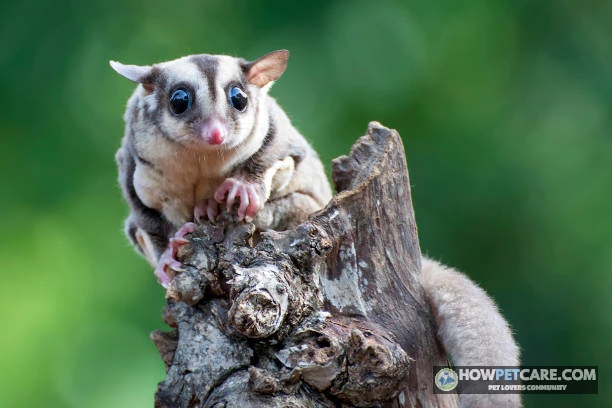

Sugar gliders are nocturnal, social marsupials that require a bonded pair, a tall vertical cage, a specialized BML or HPW diet, and significant time and financial commitment; they are not suitable for casual pet owners.
Sugar gliders (Petaurus breviceps) are small, arboreal marsupials native to Australia, Indonesia, and New Guinea. Viral short-form videos may show them gliding into pockets or nestling against their keepers, but caring for a pet sugar glider is closer to maintaining a small zoological habitat than keeping a traditional domestic companion. These nocturnal, obligate colony animals have strict dietary protocols, specialized veterinary needs, and a captive lifespan of 10 to 15 years.
Deciding whether a sugar glider fits your household means looking beyond the novelty. Prospective owners need to consider legal restrictions, complex nighttime vocalizations, pungent scent glands, non‑negotiable multi‑animal housing, and thousands of dollars in veterinary reserves. This guide lays out the practical, nutritional, and financial baseline you’ll need to decide whether to commit to a bonded pair of gliders or walk away before investing.
The Reality of Keeping Sugar Gliders: Temperament, Noise, and Social Needs
Proper sugar glider care starts with an understanding of the animal’s biology. As marsupials, females carry developing offspring—known as joeys—in an abdominal pouch. Along each flank is the patagium, a specialized gliding membrane that extends from the fifth digit of the forefoot to the first digit of the hindfoot. In the wild, this adaptation allows gliders to travel up to 150 feet between canopy trees. A domestic environment that restricts this instinct without meeting their demanding physical and psychological needs will cause acute distress.
Why Solitary Housing Is Inhumane for Colony Marsupials
A solitary sugar glider is an animal in constant psychological decline. Wild gliders live in communal family colonies of 7 to 12 individuals. They share hollow nests, groom one another, and maintain near‑constant vocal and physical contact. Some people house a single sugar glider because they mistakenly believe isolation will force it to bond faster with human handlers. Instead, the animal experiences profound separation anxiety.
Without a conspecific companion, solitary gliders routinely develop severe stereotypic behaviors. These include continuous pacing, compulsive over‑grooming, bar‑chewing, depressive withdrawal, and stress‑induced self‑mutilation (chewing off their own tails, toes, or penis). Reputable shelters and ethical breeders therefore follow a firm standard: sugar gliders must always be adopted and kept in bonded pairs or larger social groups. Human attention cannot replace the round‑the‑clock grooming, thermal regulation, and social vocalizations that two gliders provide each other.

Nocturnal Realities: Acoustic Disruption and Scent Marking
Sugar gliders are strictly nocturnal. Their biological clock sets their active period between 10:00 PM and midnight, and it lasts until dawn. People who work daytime schedules must understand that gliders can’t simply be shifted to daytime activity. Forcing them awake during daylight disrupts their endocrine system and compromises immune function.
During peak nighttime hours, gliders can create significant noise:
- Crabbing: A harsh, mechanical, grating shriek made when a glider feels startled, defensive, or insecure. One frightened glider can crab loudly enough to wake people across an apartment.
- Barking: A high‑pitched, rhythmic call that sounds like a cross between a small dog’s yap and a squeaky toy. Gliders may bark between 2:00 AM and 4:00 AM to locate colony members, signal perceived danger, or seek attention, repeating the sound for 15 to 45 minutes straight.
- Hissing and Chattering: Softer sounds used during social grooming and minor disputes over feeding bowls.
Natural biological odors are another reality. Intact adult males have visible scent glands: a circular bald patch on top of the head (frontal gland), a wet scent gland on the throat (gular gland), and paracloacal glands near the base of the tail. They use these glands to spread oily, musky fluid across cage bars, fabric pouches, and their human handlers. Surgical neutering by an exotic veterinarian dramatically shrinks the glands and eliminates the pungent, skunk‑like musk, but gliders still have a baseline organic odor. They also can’t be litter‑trained or house‑broken. While climbing, they urinate and defecate indiscriminately on surfaces, walls, and human clothing.
Bonding Pouch Dynamics and Taming Realistic Expectations
Bringing home a bonded pair doesn’t mean you’ll immediately have hand‑tamed pets. Bonding is a slow process that often takes weeks to several months. Keepers commonly wear a fleece bonding pouch around the neck or across the torso beneath outer clothing during the day. Safely contained inside, sleeping gliders can gradually adjust to the keeper’s scent, voice, and heartbeat.

Defensive biting is common during initial pouch bonding. Gliders have sharp incisors adapted to stripping tree bark and extracting gum. A frightened animal may crab loudly, lunge, and bite deeply into fingers or palms. Building trust means remaining calm through early crabbing, avoiding sudden movements, and offering liquid treats such as fruit nectar from a fingertip or spoon instead of forcibly grabbing the animal.
Legal Status and US Permit Requirements for Sugar Gliders
Before spending money on housing or contacting a breeder, check the legal status of Petaurus breviceps in your state, county, and municipality. Exotic animal laws change frequently to protect local ecosystems, agriculture, and public safety.
State-by-State Ownership Classifications
State regulations across the United States generally fall into three distinct tiers:
- Strictly Prohibited: Owning a sugar glider is entirely illegal in California, Hawaii, Alaska, and Pennsylvania. The California Department of Fish and Wildlife classifies gliders as detrimental wild animals because escaped animals could survive in the climate and threaten native bird populations. Hawaii bans foreign mammals to protect its delicate island biosecurity. In Pennsylvania and Alaska, wildlife laws prohibit the importation and possession of exotic marsupials without commercial or scientific exhibition permits.
- Permit‑Required Jurisdictions: Several states allow ownership only under strict regulatory oversight. Georgia permits ownership only when the animal was acquired within the state from a licensed dealer and has documentation proving domestic heritage. Other states may require exotic pet permits, import health certificates signed by an accredited veterinarian, or commercial breeding licenses.
- Unrestricted at State Level: Many states allow private ownership of captive‑bred sugar gliders without state‑level permits. That lack of a state restriction doesn’t guarantee local legality.
Navigating Exotic Animal Permits and Municipal Bylaws
State legality doesn’t override municipal codes. Even where state law allows private possession, individual counties, metropolitan cities (such as New York City’s five boroughs), and townships may enforce exotic animal bans. People living in managed condominiums, rental properties, or communities governed by Homeowners Associations (HOAs) must also inspect their lease terms. Most standard residential leases prohibit "exotic or wild mammals."
Failing to obtain proper clearance can have severe consequences. If an unpermitted glider escapes or a landlord discovers the animals, local animal control agencies are legally required to confiscate them. Municipal shelters rarely have the infrastructure to handle exotic species, so confiscated gliders are often transferred to overcrowded sanctuaries or euthanized. Always get written authorization from municipal animal control and your housing provider before purchasing.

Cage Setup Requirements: Vertical Space, Safety, and Enrichment
Sugar gliders aren’t ground‑running animals. They live in canopy layers and move through their territory by climbing, leaping, and gliding. Standard rabbit hutches, guinea pig cages, and low‑profile rodent enclosures severely restrict this natural movement and can cause muscular atrophy.
Dimensions, Bar Spacing, and Non‑Toxic Material Standards
The absolute minimum cage dimensions for a single bonded pair of sugar gliders are 24 inches deep by 36 inches wide by 48 to 60 inches high. Vertical height matters more than floor area. A flight cage providing at least four to five feet of climbable vertical space is non‑negotiable.
Bar spacing must not exceed 1/2 inch (12.7 mm). Gliders have highly flexible, compressible ribcages, so any gap wider than 1/2 inch may allow a juvenile or small adult to force its head through. The result can be a fatal strangulation or an escape into the room. Wire mesh should have a high‑grade, non‑toxic powder coating. Avoid galvanized metal and zinc‑coated hardware. Gliders groom their paws after gripping the bars, which can lead to cumulative heavy‑metal zinc toxicity over time.

Safe Wheel Selection: Eliminating Central Axle Hazards
Exercise is essential for preventing obesity and metabolic decline in captive marsupials. Traditional pet‑store wheels made for hamsters, rats, or chinchillas, however, can be lethal to sugar gliders. Gliders lope and leap as they run, and their patagium or long tail can easily catch on structural supports when they exit.
Standard exercise wheels with a center axle, crossbar spokes, or open wire rungs can snap tails, fracture patagium membranes, or crush spines. Install only specialized glider‑safe running wheels (such as the Stealth Wheel or Raptor Wheel) with completely open faces, track‑based bearings mounted to the rear cage wall, and solid plastic or heavy mesh running tracks.
Enrichment, Branches, and Sleeping Pouch Rotation
A bare cage causes intense sensory deprivation. Equip the habitat with functional, non‑toxic climbing materials and varied enrichment:
- Natural Hardwood Branches: Install thoroughly cleaned, non‑toxic branches made from kiln‑dried manzanita, eucalyptus, apple, or pear wood. Avoid cedar, pine, and woods containing volatile aromatic oils or natural resins, which can irritate a marsupial’s respiratory system.
- Fleece Pouches and Braids: Add anti‑pill fleece sleeping pouches, bridges, and hanging vines to the cage’s upper tiers. Don’t use looped‑thread fabrics such as terry cloth towels. Glider claws can become caught in woven loops, causing fractured toes or prompting the animal to chew off a trapped limb to escape.
- Foraging Toys: Place puzzle feeders and foraging cups throughout the canopy to reproduce natural feeding behaviors. Gliders should need to open lids, manipulate clips, or pass obstacles to retrieve insects.
Rotate enrichment elements bi‑weekly. Deep‑clean sleeping pouches weekly with fragrance‑free, pet‑safe detergents. This controls scent buildup without completely stripping away familiar environmental smells, which can trigger anxious over‑marking.

Glide‑Proofing Protocols: Safe Out‑of‑Cage Living Space Modifications
A spacious flight cage is essential, but captive gliders also need 1 to 2 hours of supervised out‑of‑cage enrichment each day to exercise their flight membranes and maintain cardiovascular health. Modern homes contain many lethal hazards for an inquisitive, lightning‑fast marsupial.
Water, Appliance, and Recliner Hazard Elimination
Open water is the primary cause of accidental household trauma and death among captive gliders during play sessions. Their lightweight bodies and fur coats become waterlogged almost instantly. A glider that falls into an open water container can’t surface or climb slick ceramic or plastic walls and may drown within seconds.
Mechanical furniture poses an equally serious risk. Manual or electric recliner chairs, sofa beds, and glider rocking chairs contain internal scissor linkages. Gliders instinctively crawl into dark, enclosed spaces, including furniture bases, where a closing mechanism can crush them instantly.
Blocking Inaccessible Wall Cavities and Furniture Voids
A sugar glider can compress its skeleton enough to pass through any opening larger than a quarter. Before opening the cage, inspect the room’s perimeter and seal every entry point:

- Block gaps beneath and behind refrigerators, washing machines, and heavy entertainment units.
- Cover open ductwork, furnace floor vents, and wall access plates with fine wire mesh screens.
- Inspect the spaces around radiator pipes where they enter walls or floors, then seal the gaps with solid wood blocks or silicone caulk.
Toxic Plant and Chemical Removal Checklist
Gliders instinctively test their surroundings by stripping and tasting vegetation, so remove every toxic houseplant from the exercise area. Species containing insoluble calcium oxalates or toxic glycosides—including Philodendron, Dieffenbachia, Lilium (all true lilies), Monstera, and Aloe vera—may cause fatal oral ulceration, renal failure, or cardiac arrhythmias if eaten.
Before opening the cage, use this 10‑point inspection protocol to check the entire space:
10‑Point Glide‑Proofing Inspection Checklist
- ☐ Toilet Safety – Close all bathroom doors; shut toilet lids firmly and secure them with safety latches.
- ☐ Water Containers – Remove open drinking glasses, standing vases, pet water bowls, and open beverage cans.
- ☐ Aquarium Barriers – Ensure aquarium lids are completely sealed with fine mesh screens and weighted lids.
- ☐ Air Flow Systems – Turn off all ceiling fans, portable room fans, and uncovered space heaters completely.
- ☐ Duct and Vent Seals – Cover HVAC floor registers and wall intake vents with 1/2‑inch wire mesh barriers.
- ☐ Recliner Lockouts – Disable mechanical recliners and inspect sofa undersides for torn dust covers before playtime.
- ☐ Electrical Protection – Bundle exposed cords into hard split‑tubing cord protectors to stop gnawing.
- ☐ Structural Gaps – Block recesses behind baseboards, under door sweeps, and beneath heavy kitchen appliances.
- ☐ Flora Removal – Relocate all indoor houseplants outside the room to prevent accidental chemical or sap ingestion.
- ☐ Chemical Enclosures – Lock away all household cleaning chemicals, essential oil diffusers, scented candles, and room sprays.

Captive Nutrition: BML, HPW, and Calcium Balancing Protocols
Malnutrition remains the leading cause of premature illness and death in captive sugar gliders. Wild gliders don’t survive on a simple mix of supermarket fruits and seeds. Their diet changes seasonally and includes eucalyptus sap, acacia gum, nectar, honeydew, pollen, spiders, and various insects. An improvised captive diet of supermarket seeds, nuts, dried mealworms, and assorted fruit leads directly to obesity, hepatic lipidosis, periodontal disease, and severe bone mineral depletion.
Understanding Calcium Deficiency and Hind‑Leg Paralysis
The nutritional disorder most commonly seen in exotic veterinary clinics is Nutritional Secondary Hyperparathyroidism (NSH), often called Hind‑Leg Paralysis (HLP) by keepers. It develops when an owner feeds a diet that lacks bioavailable calcium or contains excessive phosphorus, as can happen with diets heavy in corn, bananas, melon, and unsupplemented seeds.
When blood calcium falls, the parathyroid glands release excess hormone and draw calcium directly from the glider’s skeleton to sustain basic cardiac and neurochemical function. The bones become soft, osteoporotic, and brittle. Early signs include subtle ataxia, a wobbly gait, and trembling limbs. Without correction, the disorder advances to total rear‑leg paralysis, pelvic collapse, spinal deformities, pathological fractures, and fatal seizures.
Captive sugar gliders need a consistent dietary Calcium‑to‑Phosphorus (Ca:P) ratio between 1.5:1 and 2:1. Most fruits and feeder insects, including crickets and mealworms, have inverse Ca:P ratios heavily weighted toward phosphorus. Keepers must therefore follow scientifically evaluated captive staple feeding programs exactly.
Comparing BML and HPW Feeding Methodologies
The exotic pet community uses two primary verified staple diets: Bourbon’s Modified Leadbeater’s (BML) and High Protein Wombaroo (HPW). Dedicated marsupial rehabilitation and breeding communities developed both programs to approximate wild sap and protein intake while tightly controlling trace minerals.
| Diet Protocol | Core Staple Ingredients | Required Fresh Produce Supplements | Calcium‑to‑Phosphorus Strategy | Prep & Storage Demands |
|---|---|---|---|---|
| Bourbon’s Modified Leadbeater’s (BML) | Honey, eggs, baby cereal, wheat germ, Rep‑Cal Herptivite vitamins, Rep‑Cal calcium (no Vit D3) | Strict ratio: specific low‑phosphorus frozen vegetables and fruits only | Strict chemical balance via exact commercial vitamin/calcium additions; no ingredient substitutions allowed | High effort: blended thoroughly, portioned into ice‑cube trays, and frozen. Daily evening thawing required |
| High Protein Wombaroo (HPW) | Wombaroo High Protein Supplement (powder), raw honey, whole eggs, water, bee pollen | Broader produce variety: rotation of safe green vegetables and high‑calcium fruits | Balanced base powder provides protein, vitamins, and minerals; produce must balance Ca:P | Moderate effort: base powder is mixed, frozen into portions, and supplemented with fresh chopped produce daily |
Choosing between BML and HPW depends on your ability to follow the protocol without improvising. BML allows no substitutions: you must use only the fruits and vegetables named in the official recipe (such as frozen peas, green beans, corn, blueberries, and apples), and changing supplement brands can destabilize the Ca:P chemistry. HPW permits slightly more flexibility in daily produce choices, provided you calculate the overall Ca:P ratios of the side dishes.

Safe Daily Produce and Controlled Insect Supplementation
Serve fresh food every night between 8:00 PM and 10:00 PM, then remove leftovers by early morning to prevent bacterial growth. A standard nightly portion for one adult glider includes:
- 1 tablespoon of the prepared staple mix (BML or HPW base)
- 1 tablespoon of safe, finely chopped vegetables (e.g., green beans, bok choy, squash, bell peppers)
- 1 tablespoon of safe, finely chopped fruits (e.g., papaya, blueberries, figs, blackberries)
- 2 to 3 live, gut‑loaded, calcium‑dusted insects (such as captive‑bred dubia roaches or mealworms)
Never give gliders chocolate, onions, garlic, chives, raw kidney beans, avocado, or fruit pits/seeds. All contain compounds that are toxic to marsupials. Fresh water must remain available at all times. Standard plastic gravity‑ball water bottles can fail when the internal ball bearing sticks, leaving gliders to dehydrate silently. Use specialized poultry‑style water silos with open drip‑cups instead, and wash and refill them daily.
If you notice early mobility problems or signs of severe behavioral distress, begin immediate domestic triage before reaching the clinic:
-
Step 1: Identify Early Clinical Symptoms
Look for hind‑leg trembling, foot dragging, loss of tail agility, or persistent self‑inflicted chewing focused on the extremities.
-
Step 2: Eliminate High‑Phosphorus Feeders
Stop all insect feeding (mealworms, waxworms, crickets) immediately to lower systemic phosphorus levels for the following 24 to 48 hours.
-
Step 3: Administer Oral Emergency Calcium
Give an oral dose of 1,000 IU bioavailable calcium gluconate liquid suspension or crushed chewable tablet mixed with nectar to stabilize serum levels.
-
Step 4: Stabilize Core Hydration
Administer an oral electrolyte solution (such as unflavored Pedialyte) one drop at a time with a 1 mL needleless syringe to address rapid dehydration.
-
Step 5: Isolate into a Low‑Profile Hospital Enclosure
Place the glider in a flat, single‑level medical tub lined with clean fleece blankets. Remove all climbing structures to prevent secondary injuries from falls.
-
Step 6: Transport Directly to an Exotic Veterinarian
Carry the patient in an insulated, dark carrier maintained at 78 °F to 82 °F (25 °C to 28 °C) directly to an accredited exotic hospital for imaging and calcium therapy.
True Lifetime Financial Investment: Initial Setup to Exotic Veterinary Costs
Many first‑time owners buy sugar gliders after seeing low adoption prices, then surrender them once exotic veterinary bills and ongoing housing expenses become clear. Maintaining a proper glider habitat requires substantial capital.
| Expense Category | Initial Setup (Pair) | Annual Recurring Cost | Key Inclusions & Frequency |
|---|---|---|---|
| Marsupial Acquisition | $800 – $1,500 | — | Lineage‑tracked bonded pair from USDA‑licensed breeder |
| Housing & Security | $300 – $500 | — | Heavy‑gauge powder‑coated flight cage with 1/2" wire spacing |
| Exercise Wheels & Fixtures | $150 – $250 | $50 – $100 | Open‑face track‑bearing wheel, hardwood perches, hardware |
| Bedding, Pouches & Fleece | $100 – $180 | $60 – $120 | Multiple rotating fleece pouch sets, climbing vines, tunnels |
| Dietary Staple & Produce | $80 – $120 | $480 – $840 | BML/HPW supplements, high‑grade bee pollen, honey, fresh daily produce |
| Routine Exotic Veterinary Care | $300 – $600 | $200 – $400 | Annual wellness checkups, fecal float/smear panels, dental exams |
| Elective Surgery (Neutering) | $300 – $600 | — | Surgical castration for intact males to curb musk and aggression |
| Emergency Veterinary Reserve | $1,500 – $2,500 | Variable | Dedicated fund for acute trauma, eye ulcers, or severe NSH management |
| Total Investment | $3,530 – $6,250 | $790 – $1,460 | Minimum projected financial requirement over lifespan |
Startup Capital vs. Ongoing Monthly Maintenance
Preparing a safe home for a bonded pair requires an initial investment of roughly $3,500 to $6,000. Beyond the cost of the animals, a quality powder‑coated flight cage and axle‑free running wheel require immediate spending. Cutting costs with budget wire cages or cheap plastic wheels can result in severe injuries or fatal escapes.
Monthly maintenance for two gliders averages between $65 and $120. That amount covers fresh organic produce, quality honey, eggs, imported Wombaroo powders, bee pollen, live insects, safe laundry sanitizers, and regular replacement of chewed fleece pouches and wooden climbing branches.
Exotic Veterinary Procedures: Neutering, Parasites, and Dental Care
Ordinary small‑animal clinics that treat dogs and cats rarely have the diagnostic equipment, microsurgical tools, or specialized training needed for marsupials. You’ll need a board‑certified exotic animal specialist (ABVP‑ECM) or a practice with direct experience treating exotic species.
Essential veterinary care comes at premium prices:

- Surgical Neutering: Neutering male gliders helps prevent territorial fighting, eliminates pungent scent‑gland marking, and prevents unwanted breeding. Gliders are highly sensitive to general gas anesthesia (such as isoflurane or sevoflurane) and may self‑mutilate surgical sites after the procedure, so neutering costs range from $150 to $300 per animal.
- Fecal Parasite Screenings: Gliders are vulnerable to internal flagellates and protozoal infections, including Giardia and Cryptosporidium. Routine annual wellness care requires direct fecal smears and centrifugation fecal floats ($40 to $80 per test).
- Dental Prophylaxis and Extractions: Poor diet management or chronic sugar exposure can cause heavy tartar buildup, gingivitis, and periapical root abscesses. Dental cleanings and extractions under anesthesia routinely cost between $400 and $900.
Budgeting for the 10‑to‑15‑Year Commitment
Healthy, captive‑bred sugar gliders live between 10 and 15 years, so the financial commitment extends well beyond a decade. Over a 12‑year lifespan, caring for one pair typically costs between $13,000 and $22,000, assuming no catastrophic illness occurs. Anyone without an established emergency fund of at least $1,500 to $2,500 should postpone acquiring these animals.
Ethical Sourcing: Vetting USDA‑Licensed Lineage Breeders vs. Exotic Mills
Where you acquire sugar gliders has a direct effect on their long‑term health and behavioral stability. The exotic pet trade includes puppy‑mill style mass breeders, deceptive brokers, and backyard operations that place sales margins ahead of genetic health and proper social development.
Auditing Lineage Records and Inbreeding Coefficients
Ethical breeders are transparent about their animals’ genetics. In the United States, established lineage breeders record every pairing in central public registries such as The Pet Glider Database. Before placing a deposit on a joey, ask for the animal’s official lineage registry link.
A verifiable pedigree covers at least four to five previous generations and shows parentage, ancestral physical traits, and the calculated Inbreeding Coefficient (COI). Responsible breeders avoid pairings with a COI above 5%. High inbreeding coefficients sharply increase the incidence of congenital deformities, microphthalmia (abnormally small eyes), weakened immune systems, neurological disorders, and chronic failure to thrive.
Kiosk Red Flags, Premature Weaning, and Deceptive Aliases
Unscrupulous brokers often work from temporary kiosks in suburban shopping malls, gun shows, county fairs, and travel conventions. They rely on aggressive, scripted sales pitches to sell animals impulsively to unprepared buyers.
Look for these warning signs when assessing a breeder:
- Predatory Branding: Sellers use fabricated trade names such as "Sugar Bears," "Pocket Bears," or "Honey Gliders" to suggest the animals are a distinct, low‑maintenance, domesticated species.
- Premature Weaning: Sellers offer joeys younger than 8 to 10 weeks Out of Pouch (OOP). Unethical brokers may separate joeys from their mothers at only 4 to 5 weeks OOP because the smaller animals look more appealing to buyers. These premature joeys have immature digestive systems and compromised immune systems, with sky‑high mortality rates from hypoglycemia and nutritional collapse.
- False Temperament and Care Claims: Sellers claim that gliders need no specialized veterinary care, thrive in small hamster cages, can safely live alone if carried in your shirt, or survive on cheap dry pellets and fruit slices.
Apply this 6‑point evaluation matrix before making a financial commitment:

Ethical Breeder Vetting Scorecard
- ☐ Federal Licensing Compliance: The breeder provides an active USDA Class A (breeder) license number verifiable via the online USDA APHIS public search database.
- ☐ Lineage Documentation: The breeder provides active database links proving the joey’s genetic pedigree with an inbreeding coefficient (COI) under 5%.
- ☐ Accredited Weaning Window: The breeder guarantees in writing that no joey leaves their facility prior to reaching a minimum of 8 to 10 weeks Out of Pouch (OOP).
- ☐ Proactive Neuter Policy: The breeder castrates all pet‑only companion males prior to placement or includes a binding, verifiable veterinary neuter contract.
- ☐ Medical Baseline Clearances: The seller provides documentation of recent negative fecal examinations and a written 30‑day health guarantee against congenital defects.
- ☐ Habitat Transparency: The seller permits either in‑person or live video inspection of their facility, showcasing clean, large cages with axle‑free wheels.
Evaluating Exotic Rescues and Surrender Networks
An exotic mammal rescue or specialized sugar glider sanctuary can be a reliable alternative to a commercial breeder. Thousands of gliders are surrendered each year after their first owners become overwhelmed by the nighttime noise, daily food preparation, and veterinary expenses.
Adoption takes patience. Surrendered gliders may have experienced neglect, poor nutrition, or isolation and can arrive with behavioral problems or missing limbs from previous injuries. Established rescues, however, quarantine new arrivals, treat internal parasites, neuter male gliders, and evaluate baseline temperament before arranging placements.
Small Mammal Comparative Matrix: Is a Sugar Glider Right for You?
Before accepting the financial and practical demands of sugar glider ownership, consider whether another companion mammal would suit your lifestyle, noise tolerance, and daily routine more closely.
| Species | Average Captive Lifespan | Social Requirements | Activity Cycle | Dietary & Housing Complexity | Beginner Feasibility |
|---|---|---|---|---|---|
| Sugar Glider (Petaurus breviceps) | 10 – 15 years | Obligate colony animal; mandatory bonded pair or trio housing | Strictly nocturnal; produces barking and crabbing late at night | High: nightly complex scratch‑cooking (BML/HPW), 5‑foot vertical flight cage | Extremely Poor: Demands specialized exotic husbandry and deep veterinary budgets |
| Southern Flying Squirrel (Glaucomys volans) | 5 – 8 years | Social, but can be maintained singularly with continuous human contact | Nocturnal to crepuscular; generally quiet | Moderate: omnivorous rodent requiring fresh seeds, nuts, insects, and vertical cages | Moderate: Placental rodent native to North America; simpler diet, but still needs exotic vet care |
| Fancy Rat (Rattus norvegicus) | 2 – 3 years | Highly social; best kept in same‑sex pairs or small colonies | Crepuscular/cathemeral; readily adjusts to owner schedules | Low to Moderate: high‑grade commercial lab block supplemented with fresh kitchen scraps; standard cage | Excellent: Affectionate, highly intelligent, easily hand‑tamed, and simple to house and feed |
| Chinchilla (Chinchilla lanigera) | 10 – 15 years | Social; thrives in bonded pairs, though some tolerate solitary life with human time | Crepuscular; quiet sleepers during standard daytime hours | Moderate: strict dry diet (timothy hay and specialized pellets); wide, chew‑proof cages | Moderate: Sensitive to heat, but produces minimal household odor and requires no wet food prep |
For many people who want an affectionate, interactive small companion, a domesticated fancy rat offers a rewarding experience with a far lower barrier to entry. Rats are domesticated, intelligent, easy to train, able to adjust to human daytime schedules, and straightforward to feed. If you prefer a long‑lived animal but can’t manage nightly wet‑food preparation or loud nocturnal barking, a chinchilla offers a quiet, gentle alternative with a similarly long lifespan.

The 5‑Point Readiness Decision Checklist
Before committing to sugar gliders, complete this practical readiness check. If your living situation can’t meet even one of these five criteria, declining ownership is the more responsible and humane choice:
- Schedule Compatibility: Are you fully prepared to cohabit with animals that only wake up after 10:00 PM and vocalize loudly between 2:00 AM and 5:00 AM, without attempting to force them awake during daylight hours?
- Financial Resilience: Do you have at least $3,500 in upfront setup funds, alongside an untouched $1,500 to $2,500 cash reserve specifically dedicated to cover emergency visits to an exotic veterinary hospital?
- Housing Footprint: Do you have the interior space to accommodate a permanent 5‑foot‑tall vertical flight cage in an environment with climate control maintaining 70 °F to 80 °F (21 °C to 27 °C) year‑round, safe from open hazards, dogs, and predatory cats?
- Dietary Commitment: Are you willing to batch‑blend, freeze, measure, and serve a complex captive nectar staple (BML or HPW) combined with fresh vegetables and gut‑loaded live insects every single evening for the next 10 to 15 years?
- Multi‑Animal Mandate: Are you prepared to purchase and maintain at least two bonded individuals to honor their fundamental psychological biology as colony marsupials?
If you can meet all five standards confidently, a bonded pair of sugar gliders may be a suitable commitment to exotic marsupial husbandry. If any requirement is beyond your resources or routine, respect the animals’ complex needs and choose a companion that fits naturally into your life.
| Species | Average Captive Lifespan | Social Requirements | Activity Cycle | Dietary & Housing Complexity | Beginner Feasibility |
|---|---|---|---|---|---|
| Fancy Rat (Rattus norvegicus) | 2 – 3 years | Highly social; best kept in same‑sex pairs or small colonies | Crepuscular/cathemeral; readily adjusts to owner schedules | Low to Moderate: high‑grade commercial lab block supplemented with fresh kitchen scraps; standard cage | Excellent: Affectionate, highly intelligent, easily hand‑tamed, and simple to house and feed |
| Chinchilla (Chinchilla lanigera) | 10 – 15 years | Social; thrives in bonded pairs, though some tolerate solitary life with human time | Crepuscular; quiet sleepers during standard daytime hours | Moderate: strict dry diet (timothy hay and specialized pellets); wide, chew‑proof cages | Moderate: Sensitive to heat, but produces minimal household odor and requires no wet food prep |
| Southern Flying Squirrel (Glaucomys volans) | 5 – 8 years | Social, but can be maintained singularly with continuous human contact | Nocturnal to crepuscular; generally quiet | Moderate: omnivorous rodent requiring fresh seeds, nuts, insects, and vertical cages | Moderate: Placental rodent native to North America; simpler diet, but still needs exotic vet care |
| Sugar Glider (Petaurus breviceps) | 10 – 15 years | Obligate colony animal; mandatory bonded pair or trio housing | Strictly nocturnal; produces barking and crabbing late at night | High: nightly complex scratch‑cooking (BML/HPW), 5‑foot vertical flight cage | Extremely Poor: Demands specialized exotic husbandry and deep veterinary budgets |
FAQ
Can sugar gliders be potty trained or litter trained?
No, sugar gliders cannot be litter trained or housebroken. They have fast digestive systems and naturally urinate and defecate while climbing or moving around their cage and play areas.
Do sugar gliders bite, and how severe are their bites?
Sugar gliders will bite, especially during the initial bonding phase or when frightened. Their sharp incisors can puncture skin and draw blood, though bites rarely cause major trauma.
What is torpor in sugar gliders, and is it safe in captivity?
Torpor is a short‑term survival state where a sugar glider lowers its body temperature and metabolism in response to extreme cold or starvation. In a home setting it signals a problem and can be fatal if temperatures stay below 65 °F (18 °C).
How do you manage pet sitting or travel when owning sugar gliders?
Sugar gliders need specialized in‑home care; owners should train a dedicated sitter to follow exact nightly BML/HPW feeding preparation, secure out‑of‑cage play areas, and recognize signs of acute distress.