

A degu (Octodon degus) is a small, social, day-active rodent native to the Andean foothills of central Chile. Related to guinea pigs and chinchillas, degus live 5–8 years, need same-sex companions, a large multi-level cage, and a strictly sugar-free, hay-based diet.
A degu (pronounced "DAY-goo")—Octodon degus—is a small, social, highly intelligent rodent native to the scrublands and Andean foothills of central Chile. If you’re asking what is a degu, it’s a distinct species in the family Octodontidae, not a hamster, gerbil, mouse, or hybrid of other rodents. Degus belong to the suborder Hystricomorpha, the same evolutionary branch as guinea pigs and chinchillas. Active during the day and known for their complex social lives, they’ve become increasingly popular, though demanding, exotic pets in the United States.
What Is a Degu? Pronunciation, Classification, and Quick Facts
The degu, sometimes called the "brush-tailed rat," has physical and behavioral traits that set it apart from other small pets. Its name is widely pronounced "DAY-goo," although some enthusiasts say "DEE-goo." The name "Octodon" refers to the figure-eight shape of its cheek teeth, a taxonomic feature that distinguishes it from other rodents.
Degu quick facts at a glance
| Attribute | Degu detail |
|---|---|
| Scientific Name | Octodon degus |
| Family | Octodontidae |
| Origin | Chile (Andean foothills) |
| Head-and-Body Length | 12–19 cm |
| Weight | 170–300 g |
| Activity Cycle | Diurnal (active by day) |
| Social Grouping | Highly social; requires pairs/groups |
| Lifespan | 5–8 years (in captivity) |
What Do Degus Look Like? Size, Coat, Tail, and Teeth
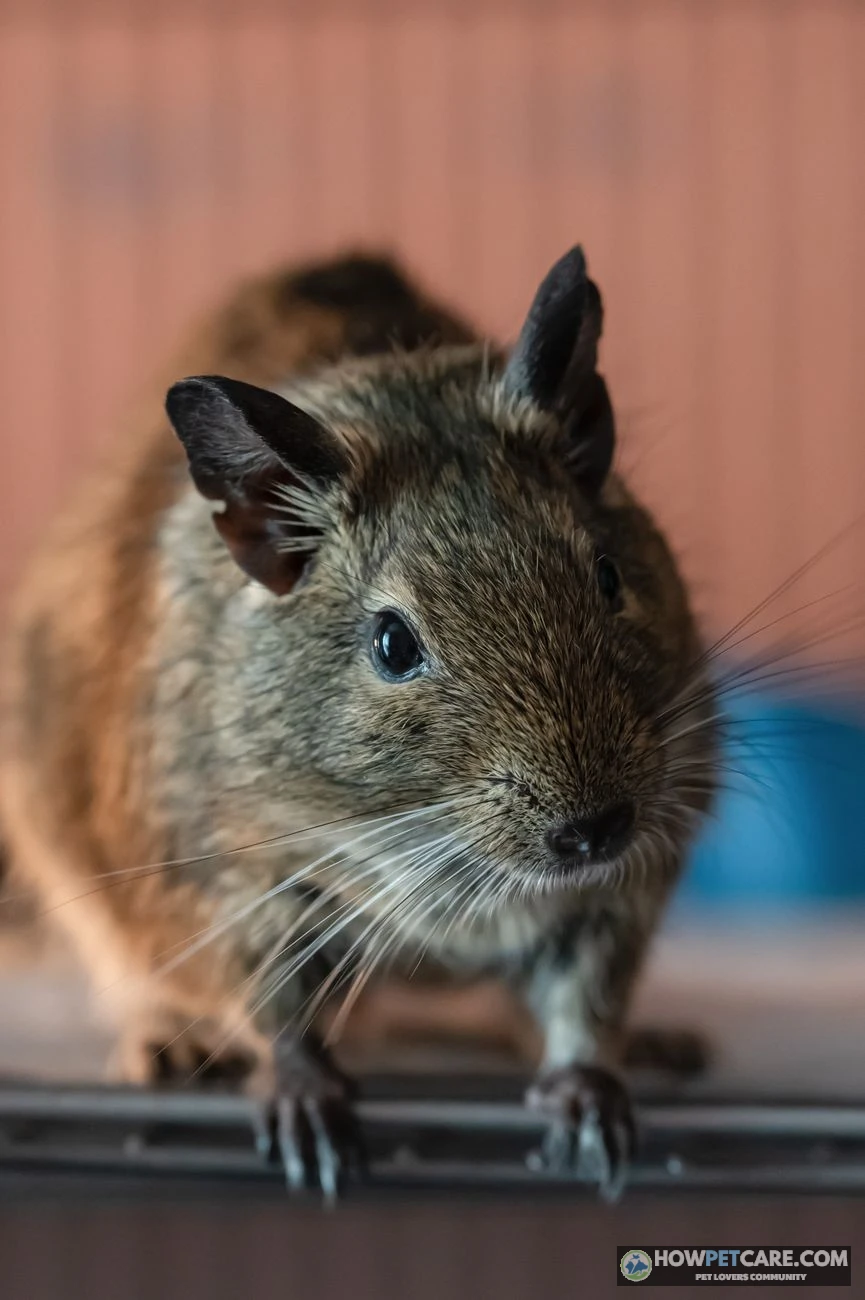
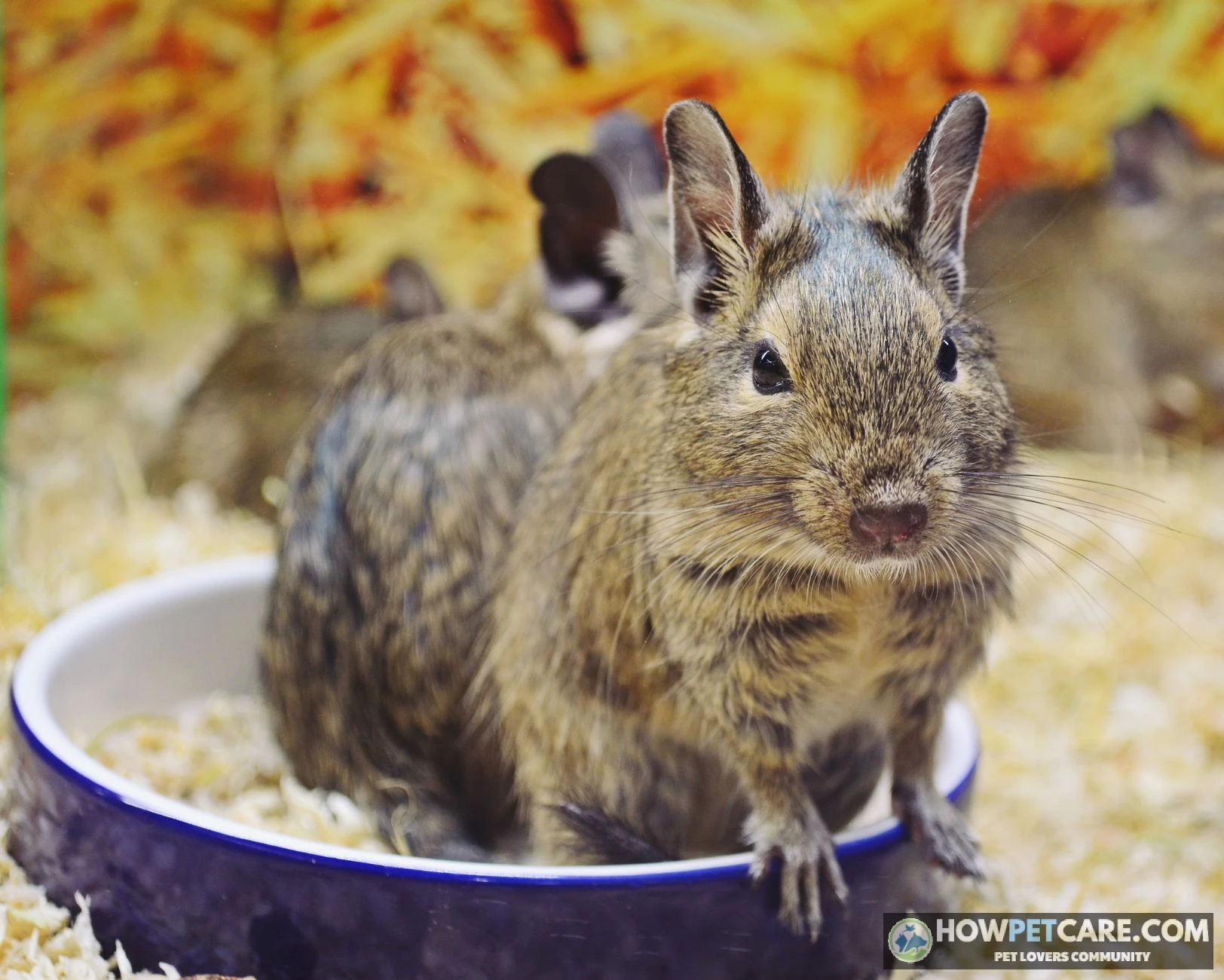
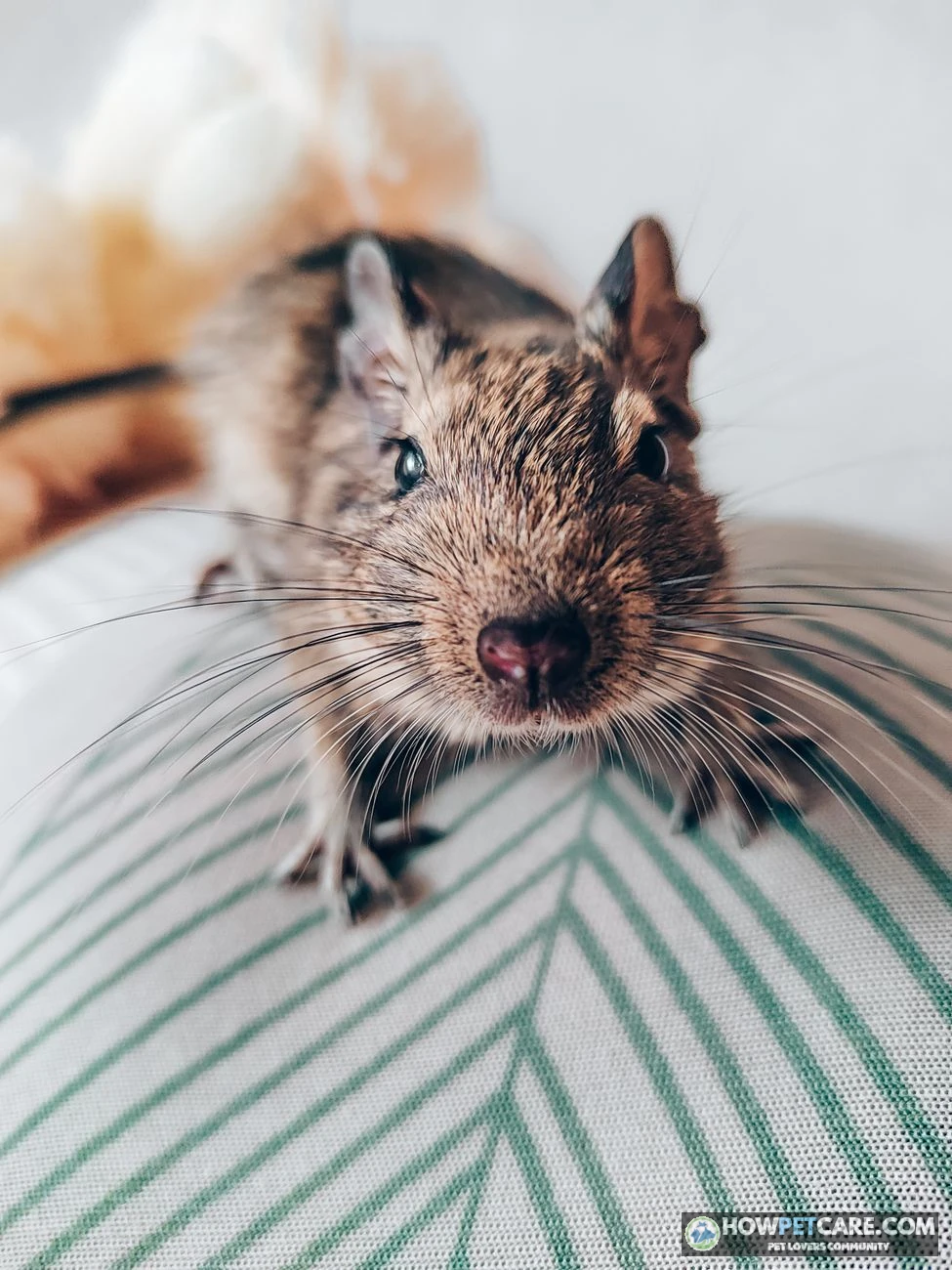
A degu might remind you of a larger gerbil or a slimmer chinchilla at first glance. Its coat is typically agouti-brown, with a paler, cream-colored belly. Large, dark eyes and rounded, sensitive ears help degus scan their natural surroundings.
Degu size and weight at adulthood
Adult degus typically reach a body length of 12 to 19 cm, with a tail adding another 10 to 13 cm to their total length. The tail is covered in fine hair and ends in a distinctive tuft. Unlike those of mice or rats, degu tails are fragile, a trait tied to an evolutionary defense mechanism.
Coat, tail, and teeth
Wild-type agouti is the most common color, but pet breeders have introduced variations, including "blue" and "sand" coats. Care needs are the same regardless of color. A degu’s incisors are an important health indicator: they should be bright orange-yellow in a healthy animal. White teeth are often a sign of a nutritional or health issue and warrant a veterinary assessment.
Degu vs. Chinchilla, Guinea Pig, Hamster, Gerbil, and Mouse
These animals may appear together on pet-store shelves, but their biological needs differ considerably. Understanding those differences can help you choose the right exotic pet.
Degu vs. guinea pig
Both are South American rodents, but they’re separate species. Guinea pigs are significantly larger, need supplemental Vitamin C, and have different social vocalization patterns. Both are social animals. Degus climb and need a multi-level enclosure, whereas guinea pigs need more floor space.
Degu vs. chinchilla
Chinchillas are closely related to degus but are far more sensitive to heat and humidity. They’re predominantly nocturnal or crepuscular, while degus are primarily diurnal. Chinchillas also have much denser fur and longer lifespans, often reaching over 10 to 15 years.
Degu vs. hamster, gerbil, and mouse
These rodents belong to different taxonomic groups (Muroidea). Hamsters are generally solitary and strictly nocturnal. Gerbils are highly active, while mice are much smaller and have higher metabolisms. Never house a degu with any of these species: their diets and social temperaments are fundamentally incompatible.
Degu vs. Chinchilla, Guinea Pig, Hamster, Gerbil, and Mouse
| Feature | Degu | Chinchilla | Guinea pig | Hamster | Gerbil / Mouse |
|---|---|---|---|---|---|
| Adult size | ~170–300 g, 12–19 cm body | ~400–600 g, larger | ~700–1,200 g | ~30–150 g | Gerbil ~60–130 g; mouse ~20–40 g |
| Lifespan | 5–8+ years | Often 10–15+ years | 5–7 years | 1.5–3 years | Gerbil 3–4 yrs; mouse 1.5–3 yrs |
| Activity cycle | Diurnal / crepuscular | Mostly nocturnal | Diurnal-ish | Nocturnal | Mixed |
| Social needs | Needs same-sex pair | Social | Social | Mostly solitary | Social |
| Handling | Interactive but fragile | Fragile | Tolerant | Nippy if woken | Fast/small |
| Diet quirks | Hay + degu pellets; no sugar | Hay + pellets | Hay + pellets + Vit C | Standard mix | Standard mix |
| Species | Adult Size | Lifespan | Activity Cycle | Social Needs | Handling Characteristics | Dietary Requirements |
|---|---|---|---|---|---|---|
| Degu | ~170–300 g, 12–19 cm body (plus 10–13 cm tail) | 5–8+ years | Diurnal / crepuscular | Needs same-sex pair or group (highly social) | Interactive but fragile; never grab by tail (risk of tail-slip/degloving; use two-handed scoop) | Hay + degu pellets; strictly sugar-free to prevent diabetes (no fruit, raisins, honey, or carrots) |
| Chinchilla | ~400–600 g | 10–15+ years | Nocturnal / crepuscular | Social | Fragile | Hay + pellets |
| Guinea pig | ~700–1,200 g | 5–7 years | Diurnal | Social | Tolerant | Hay + pellets + Vitamin C |
| Gerbil | ~60–130 g | 3–4 years | Diurnal / crepuscular | Social | Fast / small | Standard mix |
| Mouse | ~20–40 g | 1.5–3 years | Diurnal / crepuscular | Social | Fast / small | Standard mix |
| Hamster | ~30–150 g | 1.5–3 years | Nocturnal | Solitary | Nippy if woken | Standard mix |
Where Do Degus Come From and What Do They Eat in the Wild?
Degus live in the scrublands of central Chile, at elevations up to 1,200 meters in the Andes. Life in this harsh, arid environment has shaped their metabolism. Their wild diet is rich in fiber and consists of grasses, bark, seeds, and shrubs. It doesn’t include the sugary fruits and refined carbohydrates found in many commercial "small animal" treats. Pet degus need a strict sugar-free diet to avoid chronic health issues such as diabetes.
Are Degus Good Pets? Temperament, Social Needs, and Lifespan
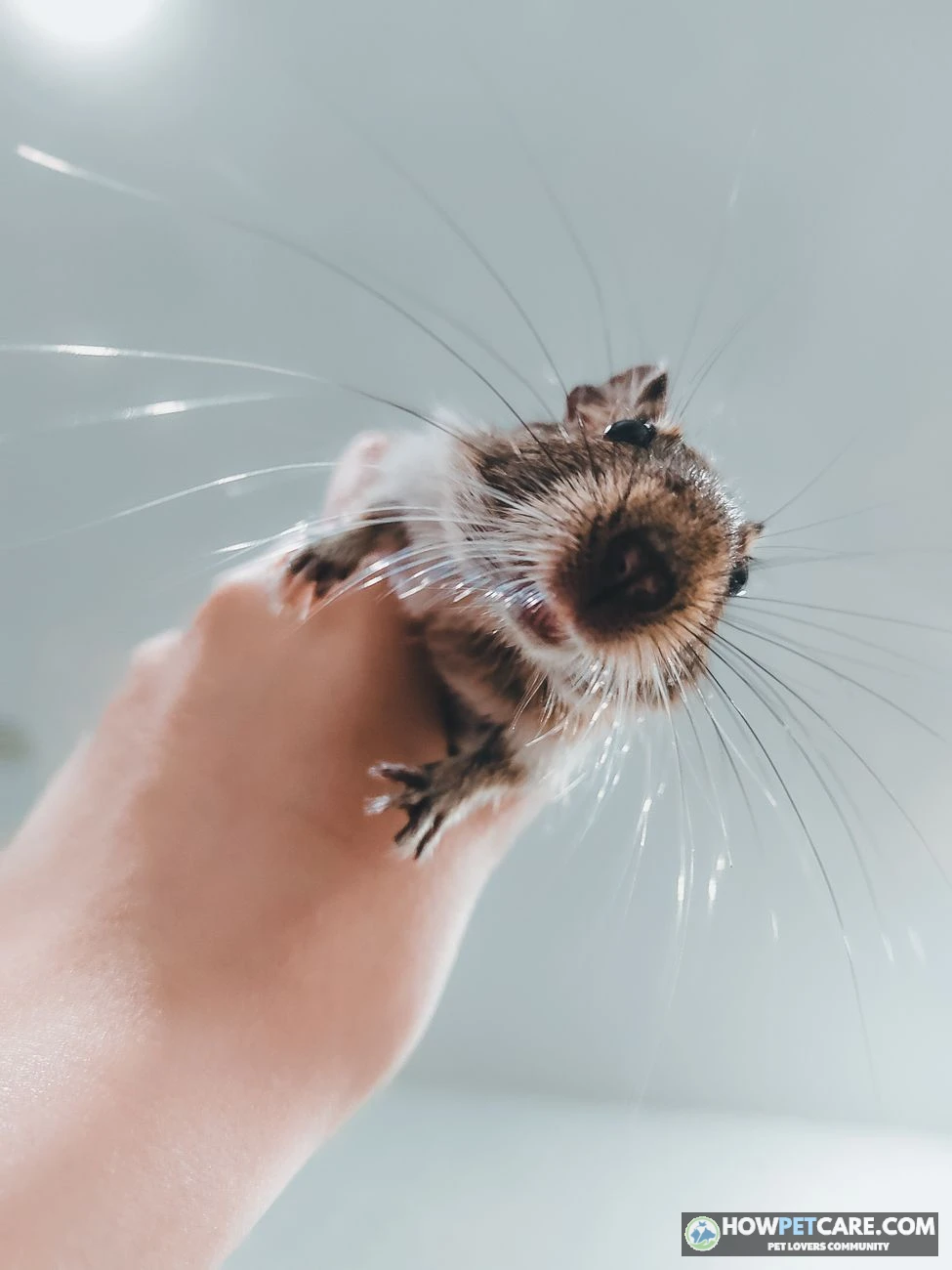
Degus can be rewarding pets for owners who enjoy interacting with and observing them. They’re curious and often communicate with their owners through chirps and squeaks. They’re not, however, "low-maintenance" pets.
Can a degu live alone?
No. Degus are highly social and live in colonies in the wild. A solitary degu will experience extreme stress, which can lead to lethargy and declining health. Always keep them in same-sex pairs or small groups.
How long do degus live?
With proper diet and veterinary care, a degu typically lives between 5 and 8 years in captivity.
Common degu health problems
Degus are susceptible to diabetes caused by an incorrect diet. They’re also prone to dental overgrowth because their teeth grow continuously throughout their lives, as well as respiratory issues triggered by poor ventilation or dust.
Because degus are highly susceptible to diabetes, never offer them fruit, raisins, honey-based treats, or carrots. These contain high levels of simple sugars that their digestive systems can’t process efficiently.
Degu Care by the Numbers: Diet, Cage, Temperature, and Dust Baths
Good care gives a pet degu the foundation for a long life. Too little space or the wrong diet can cause physical and psychological decline.
What do degus eat every day?
Base their diet on unlimited, high-quality timothy hay, and add 1 tablespoon (10–15 g) of specialized degu pellets per day. As treats, offer plain dried herbs or small pieces of wood for chewing, along with the occasional small serving of leafy greens such as romaine.
Cage size, bedding, and temperature
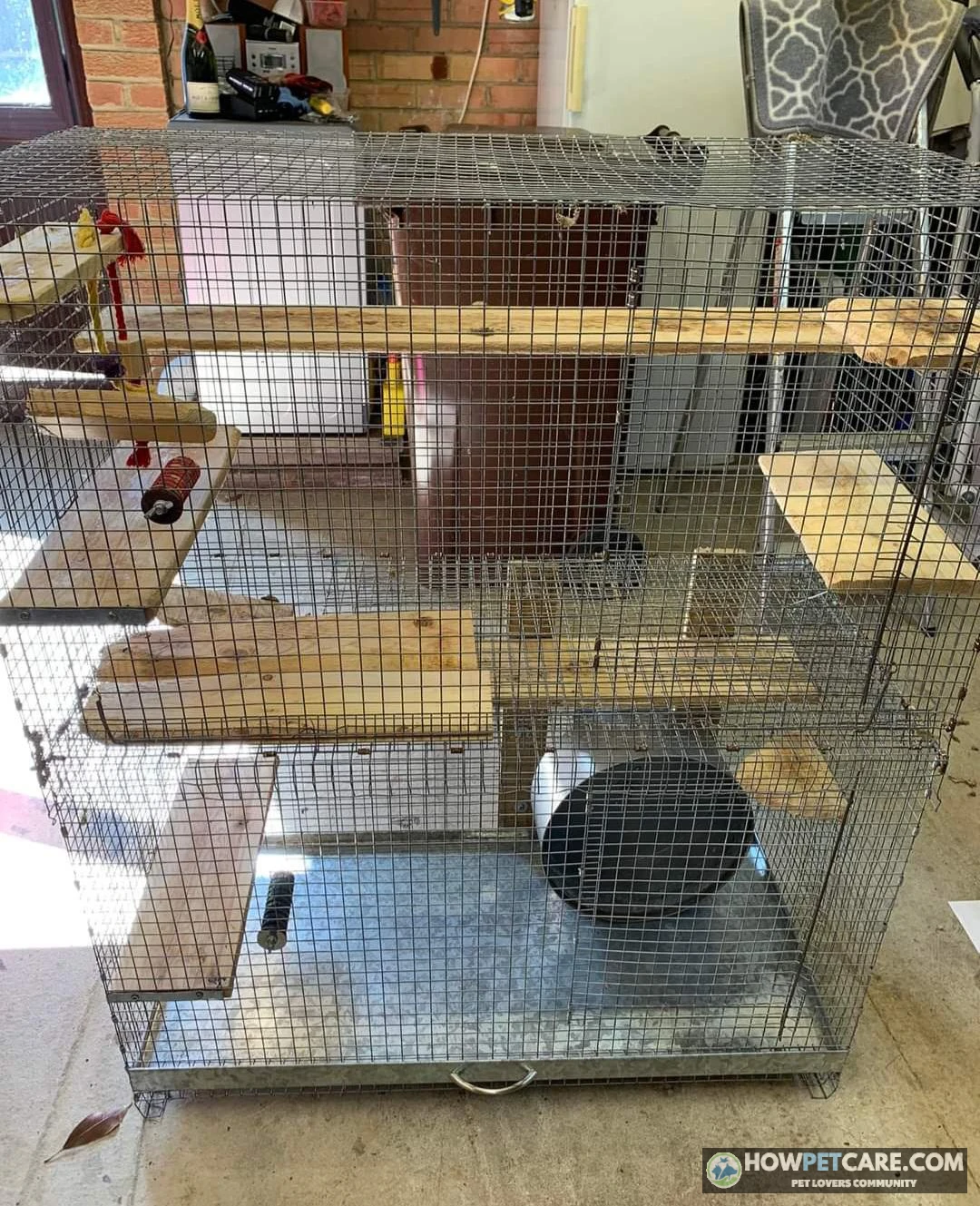
Provide a multi-level wire cage with solid flooring, measuring at least 120 × 60 cm with a height of 90 cm. Use 5–10 cm of dust-free paper or hemp bedding. Keep room temperatures between 18 and 24 °C (65–75 °F).
Degu Starter-Setup Shopping List
Have these supplies ready when your degus arrive:
- ☐ Cage: minimum ~120 × 60 cm floor × ~90 cm tall (about 4 × 2 × 3 ft) for a pair.
- ☐ Bedding: 5–10 cm (2–4 in) of dust-free paper-based, aspen, or hemp bedding.
- ☐ Dust bath: chinchilla-grade dust or sand, offered 10–15 minutes a few times a week.
- ☐ Hay: unlimited fresh timothy hay, refilled daily.
- ☐ Pellets: degu-specific pellets, ~1 tablespoon (10–15 g) per degu per day.
- ☐ Wheel: solid running surface, ~28–30 cm (11–12 in) diameter.
- ☐ Chews: untreated wood, cardboard tubes. Avoid plastic.
How to Hold a Degu Safely Without Tail-Slip or Degloving
Degus have a survival mechanism called "tail-slip" or "degloving." If a predator or a well-meaning person grabs a degu’s tail, the skin pulls away, allowing the animal to escape. The skin doesn’t regrow. The resulting injury is painful and needs immediate veterinary attention. To avoid it entirely, never pick up or grab a degu by the tail—use the two-handed scoop described below.
-
Step 1
Sit quietly next to the cage and offer a treat from your palm to earn trust.
-
Step 2
Keep your hands low. Never reach down from above, which mimics a bird of prey.
-
Step 3
Allow the degu to walk onto your open, flat hand voluntarily.
-
Step 4
Scoop the degu gently, supporting the entire body and chest with both hands.
-
Step 5
Always hold them low over a soft surface to prevent injury if they jump.
Cost, Legality, Children, and Other Pets: A Reality Check Before You Get a Degu
Before getting a degu, find a local exotics-specialist veterinarian. Standard cat-and-dog clinics often lack the specialized knowledge needed for rodent dentistry or diabetes management. Expect to pay somewhere between twenty-five and one hundred dollars per degu, though prices vary by source, so confirm current rates locally. You can find degus through small-animal rescues, specialist breeders, and some exotic-pet retailers. Degus suit adults and older, supervised children better than young kids—they’re fast, fragile, and dislike rough handling. Legality also varies: degus are restricted or prohibited in some U.S. states and municipalities, so verify the rules with your state wildlife or agriculture agency before buying.
Is a Degu Right for Me? The 10-Point Decision Checklist
- ☐ 1. Can I commit to 5–8+ years of daily care?
- ☐ 2. Do I have floor space for a cage at least ~120 × 60 × 90 cm?
- ☐ 3. Am I getting a same-sex pair or group?
- ☐ 4. Is there an exotics vet within reach?
- ☐ 5. Can I enforce a strictly sugar-free diet?
- ☐ 6. Does my home stay at ~18–24 °C (65–75 °F)?
- ☐ 7. Can I give daily interaction and out-of-cage time?
- ☐ 8. Are cats, dogs, and ferrets kept away?
- ☐ 9. Have I verified legality with my local wildlife authority?
- ☐ 10. Can I budget several hundred dollars for setup and vet bills?
1What physical feature of a healthy degu's front teeth serves as a key indicator of proper nutritional health?
Healthy enamel in degus accumulates pigments that color incisors bright orange-yellow, whereas white teeth signify underlying health or nutritional deficiencies.
2Which taxonomic characteristic explains why degus are classified in the genus Octodon?
The scientific name Octodon stems from the distinctive figure-eight structural shape observed in their cheek teeth.
3Why must pet owners strictly avoid feeding degus sweet treats like fruits, raisins, or carrots?
Degus evolved in arid scrublands with low-sugar vegetation, leaving them unable to safely process simple sugars found in sweet foods.
4What defense mechanism can be triggered if a degu is grabbed by its tail?
Grabbing a degu by its tail causes the outer skin layer to slip off as an evolutionary anti-predator defense, leaving a painful injury that cannot regrow skin.
5What is the correct technique for picking up and handling a pet degu safely?
Supporting the body from below with both hands prevents fall injuries and avoids triggering predator fear responses or tail damage.
6How do degus differ in their daily activity cycles compared to hamsters and chinchillas?
Degus are active during daylight hours with activity peaks around dawn and dusk, unlike many traditional nocturnal rodent pets.
7Which cage specification is essential for housing a pair of pet degus properly?
Degus are energetic climbers that require vertical space, solid flooring to protect feet, and wire sides for proper ventilation.
8What primary food item should be available to a pet degu without restriction at all times?
A high-fiber, grass-hay diet is crucial for proper digestive function and constant wear on continuously growing teeth.
9How do the social needs of pet degus compare to those of pet Syrian hamsters?
Degus are highly social colony dwellers that suffer extreme stress if kept alone, whereas hamsters prefer solitary living.
10What grooming routine must be provided to a pet degu a few times a week?
Chinchilla-grade dust or sand absorbs excess skin oils and cleans fur effectively without dampening their coat.
Never house degus with other small pets such as guinea pigs or rabbits. Their nutritional needs differ, and they may fight or cause each other significant stress.
FAQ
Can degus live with guinea pigs, hamsters, or rabbits?
No. Degus have different dietary, temperature, and social needs and can fight or stress other species, so they should be housed only with other degus. Even supervised play with other pets is risky.
How do you introduce a new degu to an existing one?
Introduce them gradually, starting with cages placed side by side, then supervised meetings in neutral space. Same-sex animals are easiest. Separate them immediately if there is serious fighting, and ask an exotics vet or experienced keeper for guidance.
Are degus nocturnal?
No. Degus are mainly diurnal, meaning active during the day, with peaks around dawn and dusk. This suits owners who are home in the daytime, but they can still be noisy if their routine is disrupted.
Do degus bite?
Tame degus rarely bite, but a frightened or poorly handled one may nip. Patient hand-feeding and calm handling reduce the risk. Their chewing is also a constant need, so keep cables and furniture out of reach.
Do degus smell or make a lot of noise?
Degus have little odor when the cage is cleaned regularly and kept dry, but they are not silent. They chirp, squeak, and chew, and a wheel running can be noisy, so consider where the cage is placed.