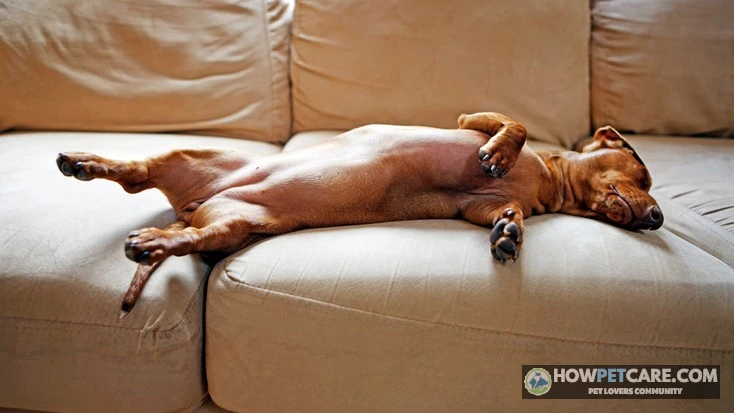

Most adult dogs sleep about 12 to 14 hours daily, while puppies and seniors often need 18 to 20 or more. Normal sleep comes in short bouts, and a healthy dog wakes easily for food, play, or familiar sounds. Call a veterinarian if long sleep is paired with lethargy, appetite or breathing changes, pain, confusion, or collapse.
Most adult dogs sleep about 12–14 hours per day, and healthy puppies or senior dogs commonly need even more. Dogs sleep so much because their biology builds rest into the day in short, frequent bouts rather than one long nighttime block. If you are wondering whether your dog’s long daily sleep is healthy, start with age and breed size as benchmarks, then watch for sudden changes or specific symptoms that warrant a veterinary check.
How Many Hours Dogs Should Sleep by Age and Size
Daily sleep benchmarks
Adult dogs average roughly half the day asleep, about 30% awake but relaxing, and only 20% active. Most adult dogs sleep about 12–14 hours per day, with a broader normal range of roughly 10–15 hours depending on the individual. Puppies sleep substantially more—often 18–20 hours daily—because growth, tissue repair, and neural development require substantial rest. Senior dogs also commonly need more sleep than healthy adult dogs.
| Life stage | Small breed | Medium breed | Large breed | Giant breed |
|---|---|---|---|---|
| Puppy (under 6 months) | 18-20 hours | 18-20 hours | 18-20 hours | 18-20 hours |
| Young adult (1-3 years) | 12-14 hours | 12-14 hours | 13-15 hours | 14-16 hours |
| Adult (3-7 years) | 12-14 hours | 12-14 hours | 13-15 hours | 14-16 hours |
| Senior (7+ years) | 14-16 hours | 14-16 hours | 15-17 hours | 16-18 hours |

These are benchmarks, not rigid rules. Sleep needs vary by age, breed, lifestyle, exercise, temperament, and environment. Larger and older dogs generally need more sleep, while small companion breeds may cluster toward the lower end of adult norms.
Breed and size differences
Breed size acts as a second benchmark because giant breeds such as Mastiffs and Great Danes commonly rest more than smaller, high-energy companions. Working breeds and companion breeds may show different rest patterns, but long sleep alone should not be treated as a breed trait when other symptoms are present. Activity level also matters: high-energy dogs may need intentional daytime play and exercise, with a general 30-minutes-per-day rule of thumb.
Dogs have polyphasic sleep patterns, meaning they sleep in multiple periods across the day rather than in one continuous block. Daytime napping between meals, walks, and quiet periods is normal and does not automatically mean a dog is bored or unhealthy.
Why Dogs Sleep More Than Humans: Sleep Cycles and Circadian Rhythm
Sleep stages and REM sleep

Dogs sleep more than humans partly because their sleep is structured differently. Canine REM sleep accounts for only about 10% of snoozing time, compared with up to 25% in humans. Dogs also have shorter sleep cycles and wake more frequently, so they need more total hours to get restorative rest. Adult dogs typically sleep 10–15 hours a day and can spend up to 50% of their time sleeping, mostly in shallow semi-wakeful rest.
A dog’s circadian rhythm responds to light, meals, and activity. Rest patterns shift with daily routines, weather, and household activity, which is why a dog may seem to sleep all day while you work at a desk and then wake fully when you reach for the leash. During REM sleep, some dogs show normal twitching during canine REM sleep, while others make quiet sounds or small movements.
Activity level and recovery
Sleep restores energy and supports recovery, and it is especially important for puppy growth and development. High activity levels, growth, recovery from exertion, and mental stimulation all connect to greater rest needs. A dog coming off a long hike or an intense training session may sleep more for a day or two and then return to baseline. Dogs may also process the day’s experiences in dreams, and content of canine dreams can vary with routine and stimulation.
Do Certain Dog Breeds Sleep More Than Others?
Breed energy and size patterns
Low-energy and high-energy dog breeds differ in how much rest they seek, but one breed is not inherently unhealthy for sleeping more. Giant breeds tend toward longer sleep, while some small companion breeds may be more alert in short bursts. Working breeds often match their rest to periods of activity rather than sleeping steadily through the day.
Individual variation
Individual variation in age, health, weight, and daily routine matters more than breed alone. Two dogs of the same breed and age can have different normal sleep totals. Because of that, compare your dog against its own baseline rather than against a neighbor’s dog.
When Extra Sleep Signals a Health Problem: Red-Flag Checklist
Normal rest vs. lethargy
Normal rest looks like a dog that wakes easily for food, play, walks, or familiar sounds, eats and drinks normally, and returns to its usual energy after a nap. Lethargy is different: it persists or worsens, and the dog may be hard to wake, confused, weak, or uninterested in things that normally excite it. Some dogs make sounds during sleep, and barking during sleep episodes can occur during normal REM activity without indicating distress.
When to call the vet
Excessive sleep is framed as concerning mainly when accompanied by other signs of physical or mental health problems. Increased sleep, lower activity, less energy, or routine changes should prompt veterinary care. Specific medical causes beyond generic illness or depression may include pain, infection, metabolic disease, medication effects, and age-related decline. Breathing changes during sleep can also be relevant, including canine sleep apnea.
| Observation | Likely normal | Call the vet if |
|---|---|---|
| Sleeps more after a long walk or hike | Rests 1-2 days, then returns to baseline; eats and drinks normally | Lethargy lasts more than 48 hours, or appetite, drinking, or bathroom habits change |
| Takes daytime naps between meals | Wakes easily for food, play, walks, or familiar sounds | Hard to wake, confused, weak, or collapses |
| Sleeps more after vaccination | Mild sleepiness for 24-48 hours with normal temperature | Fever, vomiting, facial swelling, pain, or breathing changes occur |
| Older dog gradually slows down | Sleep increases slowly while appetite, weight, and bathroom habits stay stable | Change is sudden, or weight loss, increased thirst, or increased urination appears |

Call a veterinarian if your dog shows sudden tiredness, appetite changes, pain, breathing changes, confusion, or collapse. Record sleep hours, meals, water intake, activity, and any symptoms for seven days before the visit so the veterinary team has concrete details. This article is not a diagnostic tool; sleep alone is not a diagnosis, and persistent changes should be evaluated by a professional.
Why Your Dog May Nap All Day While You Work From Home
Routine and visibility
Working-from-home owners often see their dog nap all day while they sit at a desk. A sedentary household routine makes normal napping more visible to owners, and dogs may align their rest with owner inactivity rather than sleeping only at night. Loneliness, boredom, or lack of stimulation can increase inactivity, but a calm dog that wakes for interaction is usually simply resting.
Enrichment and stimulation
Offer scheduled play, training, puzzle feeders, and safe social interaction to support healthy rest patterns. Distinguish a calm dog from an under-stimulated or anxious one by watching whether the dog engages when offered activity or withdraws completely. Enrichment should improve alertness during waking hours without replacing the normal need for daytime naps.
How to Help Your Dog Sleep Better at Night
Sleep routine basics
Consistent feeding, exercise, and bedtime routines support healthy dog sleep habits. Adjust evening activity to reduce restlessness without overstimulating the dog right before bed. Overnight bathroom issues are the main reason to set or adjust a dog’s sleep schedule. Puppies, senior dogs, and dogs with mobility or anxiety concerns may need adjusted routines, such as later evening bathroom breaks or easier access to water at night.
Bedding and environment
Cover bedding, crate comfort, temperature, light, noise, and nighttime access to water when arranging a sleep space. A quiet, cool area with comfortable bedding helps a dog settle. Avoid changing multiple variables at once; adjust one element, observe for several days, and then decide whether further changes are needed.

Apply the Sleep Check to Your Own Dog Today
Worked example
Bella is a 4-year-old, 38 lb mixed-breed dog, which places her in the medium adult group. Her normal benchmark is about 12–14 hours of sleep per day. Her observed sleep is 11 hours overnight plus three naps totaling 2.5 hours, or 13.5 hours total. Her routine includes two 20-minute walks and one puzzle feeder session. She wakes easily, eats normally, and has no pain, breathing changes, confusion, or appetite loss. Because her total is inside the benchmark and she has no red flags, the next step is to monitor for two weeks rather than call the vet immediately. If her total rises above 15 hours, or she develops lethargy, appetite change, pain, breathing change, confusion, or collapse, contact a veterinarian and bring a 7-day log of sleep hours, meals, water intake, activity, and symptoms.
Decision checklist
Use this short checklist to decide what to do next:

- Estimate your dog’s daily sleep by age, size, breed, and activity level.
- Compare the total with the benchmark table above.
- Check for red flags: hard to wake, confusion, weakness, collapse, appetite change, breathing change, or sudden lethargy.
- If the total is inside the benchmark and there are no red flags, monitor for two weeks.
- If the total rises meaningfully above the benchmark, or any red flag appears, contact a veterinarian and bring a 7-day log.
Sleep needs change across life stages and should be reassessed regularly. When in doubt, a veterinary check is the safest next step rather than waiting to see whether sleep returns to baseline on its own.
| Life stage | Small breed | Medium breed | Large breed | Giant breed |
|---|---|---|---|---|
| Puppy (under 6 months) | 18-20 hours | 18-20 hours | 18-20 hours | 18-20 hours |
| Young adult (1-3 years) | 12-14 hours | 12-14 hours | 13-15 hours | 14-16 hours |
| Adult (3-7 years) | 12-14 hours | 12-14 hours | 13-15 hours | 14-16 hours |
| Senior (7+ years) | 14-16 hours | 14-16 hours | 15-17 hours | 16-18 hours |

FAQ
How much do puppies sleep?
Puppies often sleep 18–20 hours per day because growth and learning require substantial rest. Their sleep is usually broken into short naps between play, meals, and training.
Why is my dog sleeping all of a sudden?
A sudden increase in sleep can be normal after extra activity, a routine change, or hot weather, but it can also signal pain, illness, medication effects, or stress. If it lasts more than a day or comes with appetite, breathing, or behavior changes, contact a veterinarian.
Do older dogs sleep more than adult dogs?
Yes, senior dogs commonly need more rest than healthy adults, often 16–18 hours per day. The increase should be gradual; sudden lethargy in an older dog deserves veterinary attention.
Can certain medical issues cause excessive sleep?
Yes, excessive sleep can be linked to pain, infection, hormonal disorders, heart or respiratory disease, medication side effects, and other health issues. Sleep alone is not a diagnosis, so persistent changes should be evaluated by a veterinarian.