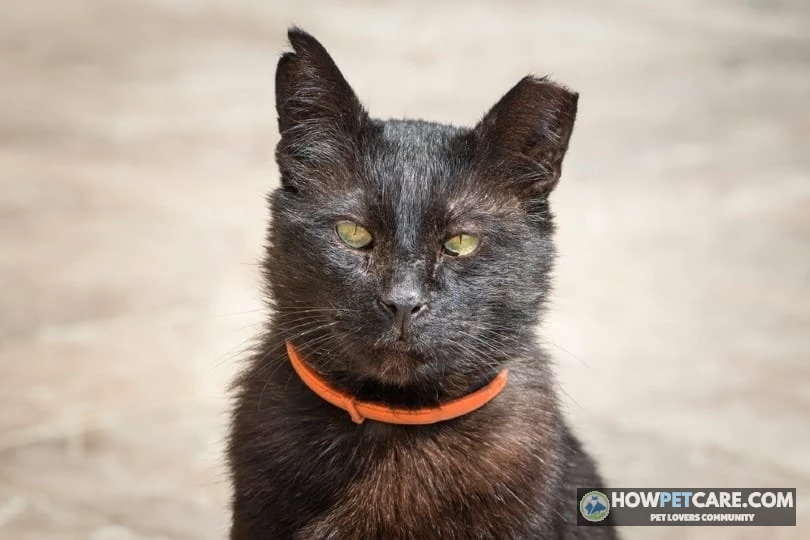

TNR stands for trap-neuter-return: an outdoor cat is humanely trapped, spayed or neutered, usually vaccinated and ear-tipped, then returned to its territory. A “TNR cat” has completed that process; it’s a status, not a breed, and it doesn’t necessarily mean the cat is a pet.
TNR means trap-neuter-return: a community cat is humanely trapped, spayed or neutered, usually vaccinated and ear-tipped, then returned to its outdoor territory. A “TNR cat” has been through that process; the term does not describe a breed or necessarily mean the cat is a pet. Whether TNR reduces wider cat populations remains scientifically contested.
TNR cat meaning: the plain-language answer
TNR prevents individual outdoor cats from producing more kittens while allowing them to continue living where they were found. You may also hear trap-neuter-release, though “return” emphasizes that the cat goes back to its original location rather than being released somewhere unfamiliar.
If you’ve noticed a cat with a neatly flattened ear tip, the mark usually means it has already been sterilized through a community-cat program. An alert, uninjured cat generally doesn’t need to be caught just because it lives outdoors. If the cat looks sick or injured, or if kittens are involved, call a local shelter, rescue, veterinarian, or animal services for advice.
What happens during trap-neuter-return, step by step
A TNR program typically coordinates several stages; surgery and an immediate release aren’t the whole process:
- Assessment and planning. A local program or colony caretaker assesses the situation, checks for known caregivers, and arranges an appointment and humane cat trap.
- Humane trapping and transport. An experienced person coordinates the capture and takes the cat to the clinic. Ask the program to handle the logistics or explain its procedures rather than trying to trap an unfamiliar cat yourself.
- Veterinary care. A veterinarian or authorized clinic evaluates the cat, performs spay or neuter surgery, and may provide vaccination and an ear tip.
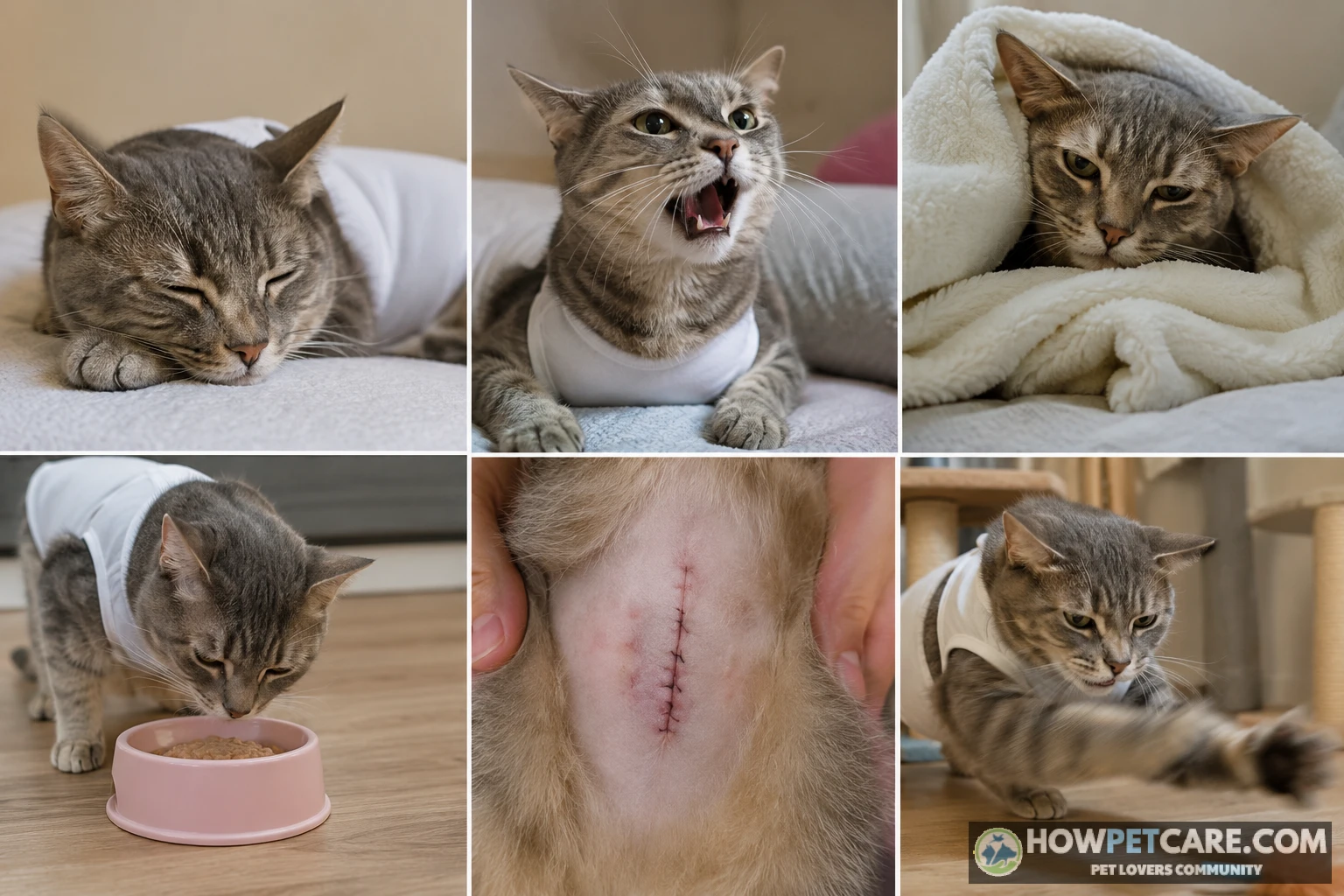
- Recovery. The cat is monitored after surgery. The clinic decides when it’s safe to return the cat, based on its condition and the program’s procedures.
- Return and follow-up. When appropriate, the cat goes back to the location where it was found. A caretaker may monitor the cat, keep records, and alert the program if a new cat appears or a known cat needs care.
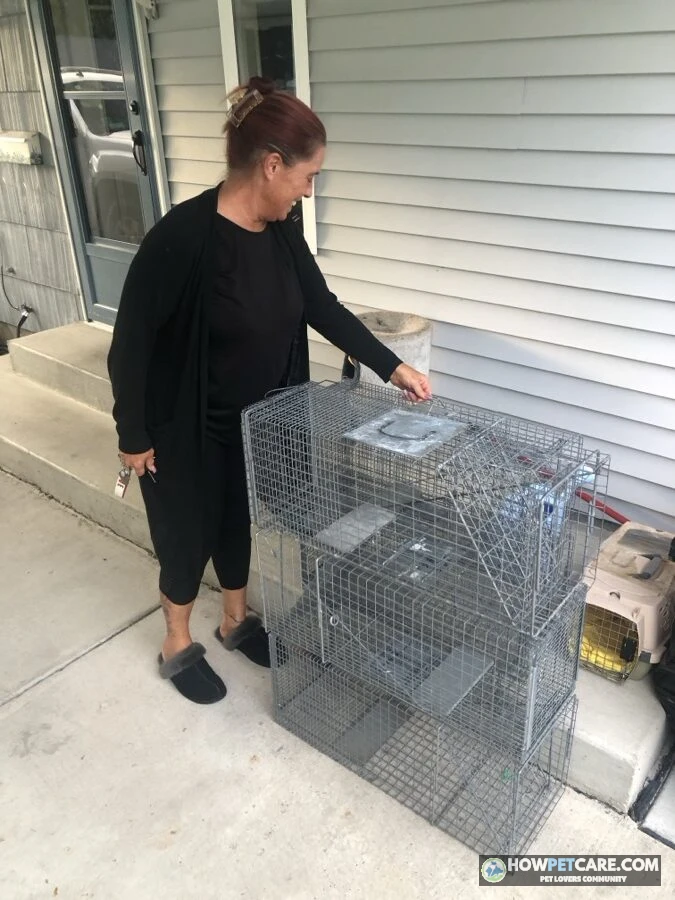
What the clinic does
“Neuter” in the acronym covers sterilization of both male and female cats: males are neutered and females are spayed. Vaccination is common, particularly against rabies, but the letters TNR don’t guarantee it. Ask the clinic what its package includes.
Some programs also microchip cats. If a cat enters a shelter later, staff may then be able to identify a caregiver.
Why cats are returned to their territory
An outdoor cat may know where to find food, water, and shelter in its established territory. That’s why the usual approach is to return the cat to its original location, rather than take it to a park or another neighborhood. Relocation can introduce unfamiliar hazards and should be considered only with experienced local guidance when return isn’t appropriate.
 You might be wonderingCat babyCat and Baby Safety: A Pregnancy-to-Toddler Preparation PlanRead the answer
Ear-tipped cat meaning: how to recognize the mark
An ear tip is a small, straight section surgically removed from the tip of one ear while the cat is under anesthesia for sterilization. Caretakers and animal-control staff can recognize the flat edge from a distance, helping them identify a cat that has already been through a program. The left ear is commonly tipped, although practices can vary.
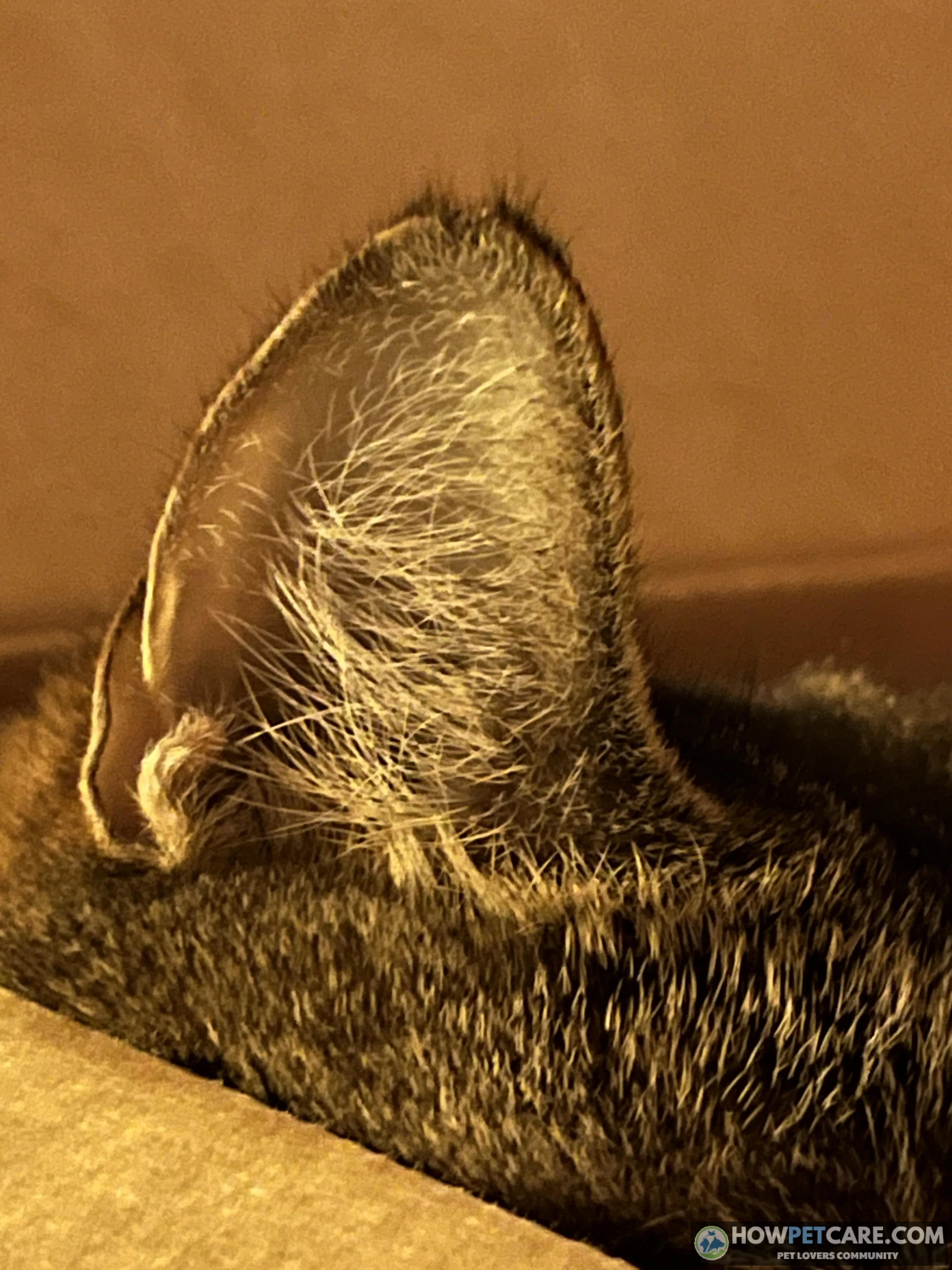
An ear tip is different from an ear tag or an irregular tear. A damaged ear can sometimes look similar, though, so appearance alone isn’t proof of a cat’s history. The mark also can’t tell you whether the cat is healthy today, has an owner, or is receiving ongoing care.
A tipped ear usually signals prior sterilization—not proof that a cat is healthy or that it never needs help.
Feral, stray, and community cats are not the same thing
A cat’s comfort around people and its ownership status are separate questions. “Community cat” generally refers to an unowned cat living outdoors and can include cats with a range of temperaments.
| Term | Typical relationship with people | What the term describes | Possible next step |
|---|---|---|---|
| Feral cat | Usually fearful of people or not socialized to them | An outdoor cat unlikely to be comfortable with ordinary handling | Ask a community-cat program about assessment and TNR; don’t force handling |
| Stray cat | Often socialized, though a frightened stray may hide or avoid people | A cat separated from a home or accustomed to people | Ask a shelter or rescue about lost-pet reports, identification, and a microchip scan |
| Community cat | Ranges from friendly to fearful | A broad term for an unowned outdoor cat, including feral and social cats | Consider health, behavior, identification, and local rules before choosing a response |
| Owned outdoor cat | May be friendly, shy, or territorial | A cat with an owner who allows it outdoors | Look for owner identification and seek advice before removing it, unless it’s in immediate danger |
Behavior during one encounter isn’t a reliable test of ownership. A scared lost pet can act feral, and a friendly outdoor cat may have a home. Friendly strays and socialized kittens may be candidates for reunification, foster care, or adoption rather than automatic return.
What to do when you spot an ear-tipped cat
The right response depends on the cat’s condition and surroundings, not the ear tip alone. First, observe from a safe distance.
When to leave the cat alone
You generally don’t need to intervene when the cat:
- Has a clean-looking, flat ear tip and appears alert, mobile, and free of obvious injury.
- Is resting, eating, or moving through the area without visible distress.
- Is not in immediate danger and has no very young kittens in need of help nearby.
Don’t re-trap an ear-tipped cat just to check whether it was sterilized, and don’t move it to another location. If you’re concerned about its care, ask a local TNR program or shelter whether someone coordinates cats in the area.
When to call for help
Contact a shelter, rescue, veterinarian, animal services, or a local TNR program if you notice:
- A wound, limping, extreme thinness, lethargy, severe eye or nose discharge, or difficulty breathing.
- A cat trapped in an unsafe place, unable to move normally, or exposed to an immediate hazard.
- Nursing kittens or kittens that appear abandoned. Ask for guidance before moving them; their mother may be nearby.
- A friendly cat that may be lost, whether or not it has an ear tip. A shelter can advise on identification and a microchip scan.
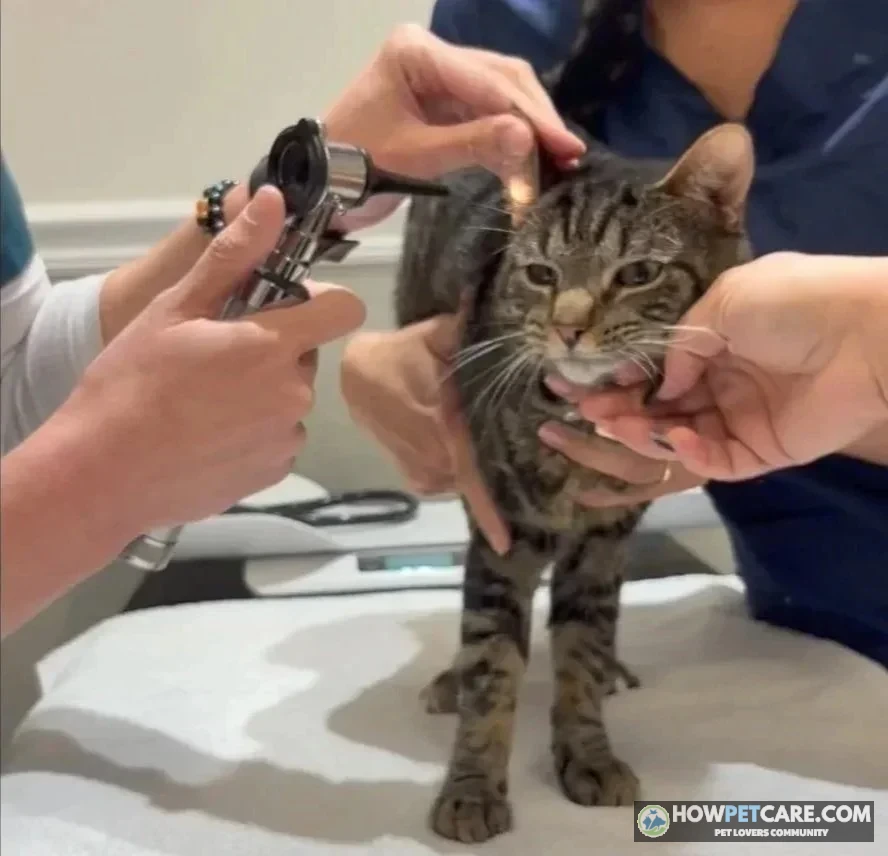
Avoid handling or transporting an unfamiliar cat if doing so could put you or the cat at risk. In an immediate emergency, explain the danger when you call so responders can direct you to the appropriate service.
TNR, TNVR, TNRM, and adoption: what each approach includes
Program names are a starting point, but they don’t always tell you every service a clinic provides.
| Approach | What the name means | Typical outcome | When it may fit |
|---|---|---|---|
| TNR | Trap-neuter-return | The sterilized cat returns to its original outdoor location after recovery | An outdoor cat is assessed as appropriate for return |
| TNVR | Trap-neuter-vaccinate-return | The same return model, with vaccination explicitly named | A program includes vaccination as part of its stated protocol |
| TNRM | Trap-neuter-return-monitor | Return is followed by ongoing observation or colony management | A caretaker or program can monitor cats and respond to problems |
| Adoption | Placement in a home | A cat is assessed for reunification, foster care, or adoption rather than outdoor return | A socialized cat or kitten can be safely assessed for indoor living |
| Trap and euthanize | Removal followed by euthanasia | The cat is not returned | A different, contested management approach; local policies and circumstances vary |
A program called TNR may still vaccinate cats, while the vaccines and other services offered under TNVR vary by clinic. Monitoring can include checking on cats, maintaining records, and arranging help for newcomers or injured animals. Ask what a particular program provides.
Does TNR reduce cat populations? What evidence and criticism say
TNR prevents treated cats from reproducing, but that doesn’t prove that every program reduces the total number of cats in a neighborhood. New cats can arrive or be abandoned, and cats that aren’t sterilized can continue to reproduce. The outcome depends on how many cats a program reaches and whether the work continues over time.
What research can and cannot establish
Alley Cat Allies argues that TNR can reduce shelter intake and euthanasia as well as prevent reproduction. A local program can measure those outcomes, but a claim about one program shouldn’t be assumed to apply everywhere. Changes in shelter intake or animal shelter euthanasia rates can also reflect factors beyond TNR.
Evidence about population-level effectiveness is contested. A meaningful assessment needs to distinguish treated cats from the wider outdoor population and consider newcomers, adoptions, mortality, and the length of follow-up. Ask a program for its local counts and how it collected them, rather than relying on a general promise of population control.
Concerns about wildlife, health, and local policy
Outdoor cats can prey on birds and other wildlife, and sterilization doesn’t remove that risk. Free-roaming cats can also face illness, injury, and exposure to disease; vaccination can address some risks but doesn’t eliminate all public-health concerns. These are substantive reasons people disagree about returning cats outdoors, even when they agree that unwanted litters are a problem.

Feeding and return policies can also be contentious among neighbors, caretakers, wildlife advocates, and local officials. If you’ve found a cat, you don’t need to settle the whole debate. The practical question is how to find a response suited to that cat, its location, and local rules.
Who pays for TNR, what it costs, and how to find help locally
TNR may be arranged by municipal animal services, shelters, nonprofit groups, volunteer caretakers, or a combination of them. Funding can come from local government, grants, donations, program fees, or the person seeking help. Availability and eligibility vary.
A subsidized appointment may cost the finder little or nothing, while a private veterinary visit or additional treatment can cost substantially more. There’s no dependable national price for every situation. Ask for a current quote that identifies charges for the exam, surgery, vaccination, ear tipping, transport, equipment, and any treatment the cat may need. Also ask whether financial assistance or a trap loan is available.
Who to contact first
Start with your municipal animal shelter or animal services department. A local rescue or low-cost spay-and-neuter clinic may also know which program serves your area. Search for your city or county plus “community cat TNR” or “feral cat spay neuter clinic.”
Organizations such as Alley Cat Allies, the ASPCA, and Best Friends Animal Society offer community-cat information or referral resources. Confirm directly with a local provider that appointments are available and that it serves your address.

Questions to ask a local program
You can use this call script:
“I found an outdoor cat near [location]. It is [ear-tipped or not] and seems [healthy, injured, friendly, or fearful]. Can you help assess it? What does your program charge, what care and vaccines are included, and do you provide transport or lend a humane trap? Are there local ownership or holding rules I should know about?”
Also ask whom to call if the cat needs urgent care and whether the program can connect you with a known colony caretaker.
There is no single nationwide TNR rule. Ask animal services or a local shelter about applicable ownership, feeding, trapping, vaccination, return, and holding-period requirements before arranging to trap or return a cat.
Choose the next step for the cat you found
- Healthy-looking and ear-tipped: Observe from a distance and leave the cat where it is. Contact a local caretaker or program if you have a specific concern.
- Injured, very ill, trapped, or in immediate danger: Call a veterinarian, animal services, shelter, or rescue promptly for safe handling advice.
- Kittens or a nursing mother: Call a shelter or rescue for a plan before separating or moving them, unless immediate danger requires urgent action.
- Friendly cat, with or without an ear tip: Ask about checking for identification, scanning for a microchip, and reporting a possible lost pet.
- Unmarked outdoor cat that avoids people: Contact a local community-cat program for assessment, pricing, and help with the next steps. Don’t assume the cat is unowned or attempt trapping without professional guidance.
 You might be wonderingIs rosemary safe for catsIs Rosemary Safe for Cats? Plant, Oil & Exposure GuideRead the answer
FAQ
Does every TNR program vaccinate cats?
No. Vaccination is common and may be included in TNVR programs, but services and protocols vary by clinic and location. Ask the local program which vaccines it provides.
Can an ear-tipped cat still need medical care?
Yes. An ear tip indicates the cat was marked as sterilized, but it does not guarantee the cat is healthy now or receiving ongoing care. Contact a local animal welfare group if the cat appears injured or seriously ill.
Does an ear tip always mean a cat was spayed or neutered?
It is the widely used visual marker for a cat sterilized through a community cat program, but an injury or other procedure can look similar. If the cat needs assessment, ask a veterinarian or local program to check.
Is TNR legal everywhere?
No single rule applies everywhere. Local laws may address trapping, feeding, vaccination, licensing, return, or holding periods, so check with municipal animal services or a local shelter before acting.