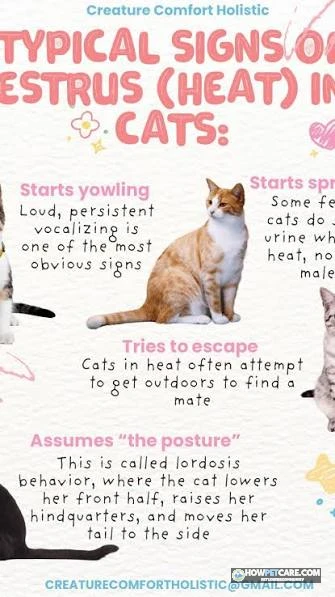

A single heat episode usually lasts about 4–10 days, often around 7 days. Unmated cats may repeat heat every 1–3 weeks during breeding season, while indoor cats under artificial light may cycle year-round. Spaying is the only permanent way to stop heat cycles.
A heat episode typically lasts about 4–10 days, with around 7 days as the common average, but that episode is only one part of a longer cycle. If your intact female cat does not mate, she will likely go into heat again roughly every 1–3 weeks during breeding season. Indoor cats exposed to artificial light may cycle year-round. This guide explains how long do cats stay in season, how to tell normal heat signs from urgent warning signs, how to estimate the next heat, and what to do in the first 24 hours after a possible escape or mating.
How Long a Cat Stays in Heat
A single heat episode—also called estrus—usually lasts about 4–10 days and often averages around 7 days. Some cats show signs for only a few days. Others stay in heat for two weeks or longer before the behaviors ease. Cats typically have their first heat around 4–12 months of age, depending on breed, weight, and season.
One heat episode is different from an entire breeding season. An episode ends when the behaviors fade, while the breeding season continues until the cat mates, becomes pregnant, or enters seasonal anestrus. Exact-day promises aren’t helpful. Use ranges, record dates, and expect each cat’s cycle to vary.
One heat episode vs. full breeding season
| Stage | Typical timing | What an owner may see | Recommended action |
|---|---|---|---|
| One heat episode | About 4–10 days, often around 7 days | Vocalization, restlessness, rolling, urine marking | Keep indoors; avoid intact males |
| Full breeding season | Multiple episodes over weeks or months | Repeated heats every 1–3 weeks if not mated | Track dates; consider spaying |
A heat cycle has several stages. Proestrus lasts about 1–2 days and may be hard to notice. Estrus itself runs roughly 4–10 days. Interestrus, the quiet interval between unmated heats, commonly lasts about 1–3 weeks. Seasonal anestrus can last 2–3 months, often in winter. Indoor cats under bright artificial lighting may skip it altogether and cycle continuously.
Heat-Cycle Stage Timeline
| Stage | Typical duration | What an owner may see | Recommended action |
|---|---|---|---|
| Proestrus | 1–2 days (often not obvious) | Restlessness, extra affection, slight appetite change | Note start date; secure doors and windows |
| Estrus (heat) | 4–10 days | Loud yowling, lordosis, rolling, tail to side, urine marking | Keep indoors; avoid intact males |
| Interestrus (between heats) | 1–3 weeks if not mated | Calmer behavior, normal appetite | Track dates to predict next heat |
| Seasonal anestrus | Months (often winter) | No heat signs | Indoor cats under artificial light may skip this |
| Pregnancy or pseudopregnancy | Heat signs stop after mating or ovulation | Nesting, appetite changes | Confirm with veterinarian |

Signs of Heat vs. Urgent Red Flags
Normal heat behaviors can seem alarming to a first-time owner. A queen in heat may yowl loudly, especially at night; roll on the floor; rub against furniture or people; raise her hindquarters with her tail to one side (lordosis); spray urine; or seem unusually restless or affectionate. Hormones drive these behaviors, and on their own, they aren’t emergencies.

Normal heat behaviors
- Loud vocalization or yowling, often worse at night
- Restlessness, pacing, and rolling
- Increased rubbing and affection
- Lordosis posture with tail held to the side
- Urine marking or spraying
- Mild appetite changes
When to contact a veterinarian
Some symptoms that resemble heat can point to a serious illness, including urinary pain, pyometra (a potentially life-threatening uterine infection), or other reproductive conditions. Contact a veterinarian the same day for abnormal discharge, lethargy, fever, or appetite loss lasting more than 24 hours. Seek emergency care if your cat cannot urinate, strains in the litter box, collapses, or shows extreme distress.
| Sign or symptom | Usually normal in heat | Red flag | What to do |
|---|---|---|---|
| Vocalization | Loud yowling, especially at night | Weak, distressed crying with lethargy | Call vet same day |
| Posture | Lordosis, tail to side, rolling | Hunched posture, painful abdomen, cannot stand | Emergency vet |
| Discharge | Small clear or milky spotting | Foul-smelling, bloody, or pus-like discharge | Call vet same day |
| Appetite | Slight decrease or increase | Complete refusal to eat for 24+ hours | Call vet within 24 hours |
| Litter box | More frequent, small amounts | Straining, crying in box, or no urine | Emergency vet |
| Energy | Restless, pacing | Collapse, fever, extreme lethargy | Emergency vet |

Spaying is the only permanent way to prevent heat cycles and unwanted pregnancy. When performed before the first heat, it also significantly reduces the risk of mammary tumors and pyometra.
Cat Heat Cycle Timing and Next-Heat Estimator
After an unmated heat, a cat typically returns to estrus after an interestrus interval of about 1–3 weeks, though some references describe a wider 2–14 day span. Timing varies with the individual cat, season, health, and lighting. Estimate from the end date of the current episode plus a typical interval, rather than from its start date.
Next-heat estimator
- Record the end date of the current heat (the last day of yowling or lordosis behavior).
- Add the interestrus interval: end date + 7 to 21 days.
- The result is your estimated next heat start window.
- Indoor-light exception: cats under bright artificial light or long daylight hours may cycle sooner or year-round, so shorten the estimate by a few days and re-check monthly.
- Track 3–4 cycles to replace the 7–21 day default with your cat’s personal interval.
Example: Heat ends March 10. Next heat window = March 17 to March 31. If she lives under bright indoor lighting, plan for March 14–24.

Keep each cycle in a calendar or phone note. After several cycles, your cat’s own pattern will be more useful than any population average.
Seasonal and indoor-light factors
Cats are seasonally polyestrous, which means they cycle repeatedly during certain times of year. In the Northern Hemisphere, the main breeding season often runs from February through October. Indoor cats exposed to artificial light may cycle year-round instead of following seasonal patterns. Health, nutrition, and stress can also affect timing, so rely on ranges rather than exact dates.
First Heat and Indoor Cats: What Owners Should Expect
A cat’s first heat often begins around 4–12 months, depending on breed, weight, and season. Shorthaired breeds may start earlier, around 4–6 months, while longhaired breeds may begin closer to 12–18 months. First heats can be milder, shorter, or less obvious than later cycles, so the signs in a young cat may be easy to miss.
First heat timing
Don’t expect a fixed age or duration for every cat. Some cats have a short, quiet first heat; others begin with strong vocalization and marking. Record the start and end dates regardless of how intense the signs are.
Artificial light and year-round cycling
Indoor cats under consistent artificial lighting may not experience the seasonal anestrus that reduces cycling in winter. If your indoor cat appears to go into heat every few weeks without a break, that can be a plausible pattern. It’s worth discussing with a veterinarian, especially if you are considering spaying.

First 24 Hours After a Possible Escape or Mating
Cats are induced ovulators, meaning ovulation is triggered by mating. If an intact female cat escapes or you suspect she mated, pregnancy is possible. Act promptly, but keep her safe.
Immediate safety steps
-
Bring the cat indoors safely
Check for cuts, limping, pain, or signs of a fight.
-
Note the exact date and time
Record when the escape or suspected mating occurred.
-
Keep her separated from intact males
Prevent any further contact immediately.
-
Call your veterinarian the same day
Ask about pregnancy-prevention options and timing.
-
Do not give medication, supplements, or home remedies
Only use products your veterinarian approves.
-
Watch for delayed signs
Over the next 1–3 weeks, monitor for appetite change, nesting, vomiting, or other pregnancy signs.
-
Schedule the recommended follow-up
Attend the appointment your veterinarian advises.
-
Discuss spaying timing
Ask whether to spay now or wait until the current cycle ends.
Veterinary follow-up
A veterinarian can assess the situation and discuss safe options. Don’t try to end a possible pregnancy at home. If you plan to spay, the clinic can advise whether to proceed during heat or wait, based on your cat’s health and the clinic’s protocols.

Spaying While in Heat: Trade-Offs and Timing
Spaying permanently ends heat cycles and prevents unwanted pregnancy. Deciding whether to spay while a cat is in heat depends on the clinic; there is no universal rule.
Pros and cons
Some veterinarians perform spays during heat with adjusted surgical planning. Others prefer to wait until heat ends because reproductive tissues are more vascular and fragile, which can increase bleeding risk and procedure time. Waiting, however, leaves the cat at risk of pregnancy and continued heat behaviors during the delay.

Questions to ask the clinic
- Do you recommend spaying now or waiting until this heat ends?
- How does heat affect bleeding risk, anesthesia, and recovery for my cat?
- What are the estimated costs and recovery instructions?
- How do we prevent pregnancy while we decide?
Spaying before the first heat significantly reduces the risk of mammary tumors and pyometra. Discuss timing with your veterinarian in light of your cat’s age, health, and cycle pattern.
Heat-Like Behavior After Spaying: Ovarian Remnant Syndrome
True heat signs after spaying are abnormal and should be assessed by a veterinarian. One possible cause is ovarian remnant syndrome, in which a small piece of ovarian tissue remains after surgery and continues producing hormones. It isn’t the only explanation, so a full evaluation is important.
What to report
Tell your veterinarian when the spay was performed, which heat-like behaviors you see (vocalization, lordosis, urine marking), and when they began. Also note whether the signs come and go in cycles or remain constant.
How vets evaluate it
Veterinarians may use hormone testing, imaging, or a review of surgical records to determine whether ovarian tissue remains. Other causes, including behavioral changes or environmental triggers, should be considered as well. Treatment depends on the diagnosis.
Urine Marking, Odor Cleanup, and Nutrition During Heat
Urine marking is a normal heat behavior, but prompt cleaning can reduce odor and discourage repeat marking in the same area.
Cleanup and odor reduction
Use an enzymatic cleaner made for pet urine and follow the label’s dwell time. Blot fresh spots with paper towels without rubbing, clean the full area plus a 6-inch border, and wash fabrics with enzyme detergent. Avoid ammonia-based cleaners, which can mimic urine scent. Don’t use bleach on fresh urine because it can set odor and create fumes. Never punish the cat; punishment increases stress and may worsen marking. During heat, provide a quiet resting space, extra play, enrichment, and an additional litter box in a low-traffic area.
Don’t give calming supplements, herbs, pheromone products, or medications without veterinary guidance. Evidence for many over-the-counter remedies is limited, and some can be unsafe.
Feeding and hydration tips
Appetite may rise or fall slightly during heat. Offer balanced cat food and fresh water at all times. Don’t replace meals with treats or unproven supplements. If appetite drops completely for 24 hours or more, contact a veterinarian.
Decision Checklist: What to Do Next
Use this section to turn what you’ve learned into immediate and ongoing actions.
At-home actions
- Record the start and end dates of each heat to build your cat’s personal cycle pattern.
- Keep doors and windows secured during heat to prevent escape.
- Separate your cat from intact males.
- Use enzymatic cleaners for any urine marking.
- Maintain normal feeding and fresh water.
- Keep your veterinarian’s phone number and emergency clinic contact accessible.
Veterinary actions
- Schedule a spay consultation if you do not intend to breed your cat.
- Call the same day after a possible escape or mating.
- Contact a veterinarian for red-flag signs such as abnormal discharge, lethargy, appetite loss, or urinary straining.
- Seek evaluation if heat-like behavior persists after spaying.
Heat episodes usually last about a week, but the cycle can repeat. Track dates, recognize red flags, and work with your veterinarian on spaying so you can manage your cat’s reproductive health safely and confidently.

| Stage | Typical Duration | Normal Behaviors & Signs | Red Flag Symptoms | Recommended Owner Action |
|---|---|---|---|---|
| Proestrus | 1–2 days (often not obvious) | Restlessness, extra affection, slight appetite change | Not in source | Note start date; secure doors and windows |
| Estrus (heat) | 4–10 days | Loud yowling, lordosis, rolling, tail to side, urine marking | Weak, distressed crying with lethargy; hunched posture, painful abdomen, cannot stand; foul-smelling, bloody, or pus-like discharge; complete refusal to eat for 24+ hours; straining, crying in box, or no urine; collapse, fever, extreme lethargy | Keep indoors; avoid intact males. Contact emergency vet or call vet same day / within 24 hours if red flags appear. |
| Interestrus (between heats) | 1–3 weeks if not mated | Calmer behavior, normal appetite | Not in source | Track dates to predict next heat |
| Seasonal anestrus | Months (often winter) | No heat signs | Not in source | Indoor cats under artificial light may skip this |
| Pregnancy or pseudopregnancy | Not in source | Heat signs stop after mating or ovulation, nesting, appetite changes | Not in source | Confirm with veterinarian |
FAQ
Do cats bleed when they are in heat?
Cats usually do not have obvious bloody discharge during heat. A small amount of clear or slightly pink discharge can occur, but anything heavy, foul-smelling, or persistent should be checked by a veterinarian.
Can my cat get pregnant while she is in heat?
Yes. Cats are fertile during heat, and mating can lead to pregnancy. If an escape or mating may have occurred, contact a veterinarian promptly to discuss safe options.
How can I calm a cat when she is in heat?
Provide a quiet, secure room, play sessions, interactive toys, and consistent routines. Avoid unproven remedies, and ask your veterinarian before using any calming product.
How long do cats stay in heat after mating?
After mating triggers ovulation, heat behaviors often fade within about one to two days. The exact timing varies, so continue monitoring and contact a veterinarian if signs persist.
When should I call a vet about my cat being in heat?
Call if you see lethargy, fever, appetite loss, abnormal discharge, painful urination, or behavior that seems unusually severe. Also contact a veterinarian after a possible escape or mating.