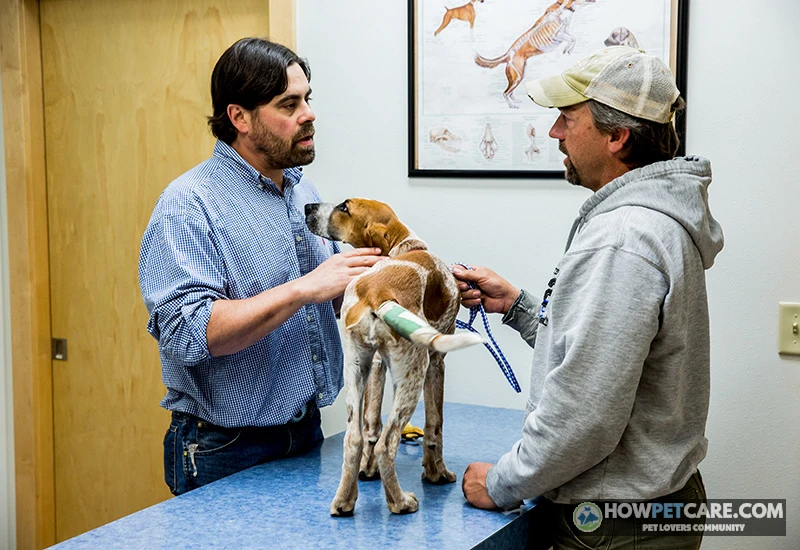

Dog rectal problems include anal gland impaction or abscess, rectal prolapse, perineal hernia, perianal fistulas, polyps, and tumors. Protruding tissue, heavy bleeding, inability to urinate, or repeated straining with no result are emergencies. Persistent scooting, small blood streaks, or a lump beside the anus warrant a vet visit within 24–48 hours.
Dog rectal problems can range from brief irritation to an emergency. If tissue is protruding from your dog’s anus, bleeding is heavy, your dog can’t urinate, or repeated straining produces nothing, go to an emergency veterinarian now. Persistent scooting, a small amount of bright red blood, or a tender lump beside the anus also warrants a call to your vet, even if your dog otherwise seems well.
A problem’s appearance can help you describe it, but it can’t confirm a diagnosis. This guide covers what common signs may mean, when to seek care, what to expect at an appointment, and how to discuss treatment costs before agreeing to care.
Is It an Emergency? Go-Now vs. Monitor-for-48-Hours Triage
Choose the highest urgency level that fits your dog’s symptoms. If you can’t tell whether your dog is trying to urinate or pass stool, treat repeated straining without results as an emergency.
Red-flag symptoms: go now
Go to an emergency veterinarian immediately if you see any of the following:
- Tissue protruding from the anus, even if it’s still pink and moist. Possible rectal prolapse needs urgent attention before the exposed tissue dries out or gets damaged.
- Heavy, continuous, dripping, or soaking rectal bleeding.
- Repeated or intense straining without producing stool or urine, especially with swelling beside the anus. Inability to urinate can be life-threatening.
- Vomiting with diarrhea, especially bloody diarrhea, or diarrhea accompanied by weakness, pale gums, collapse, or marked lethargy.
- Severe pain, such as crying, shaking, being unable to settle, or guarding the rear end.
Keep your dog calm on the way and prevent licking. Cover protruding tissue with a clean cloth dampened with water or saline. Don’t push it back in or apply medication, and don’t wait for it to retract on its own. Call the clinic as you arrange transport and describe what you see.
Book-an-appointment symptoms
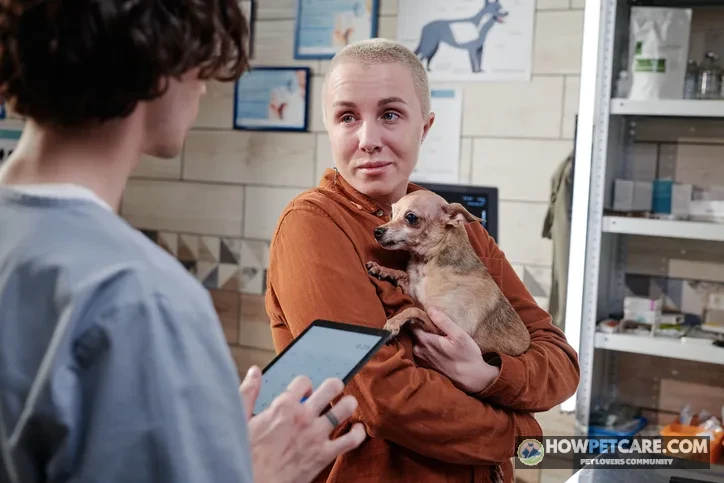
Call your veterinarian promptly and ask for an appointment within 24–48 hours if your dog has persistent scooting or licking, mild straining that still produces stool, a small streak of bright red blood, an unusual fishy odor, or a lump beside the anus. A painful or rapidly growing swelling, discharge, or suspected abscess calls for a same-day call; the clinic may recommend an urgent visit.
Tell the clinic when the signs started, whether your dog is eating and drinking, and when they last passed normal urine and stool. Mention any vomiting, diarrhea, medications, or past anal gland problems.
Safe to watch for 48 hours
It may be reasonable to watch for a short time after one isolated, mild sign—for example, if your dog scoots once or twice but is otherwise bright, comfortable, eating, drinking, and passing normal urine and stool. There should be no bleeding, swelling, visible tissue, or ongoing straining.
Call your vet if the sign returns, gets worse, lasts beyond 48 hours, or another symptom appears. Any new emergency sign overrides the monitoring window; don’t wait for it to end.
What Your Dog’s Symptoms Likely Mean: A Symptom-to-Condition Guide
Use this table to start a conversation with your vet, not to diagnose your dog. Several conditions can look alike, and symptoms that occur together can change how urgently your dog needs care.
| Symptom or sign | Possible conditions | How it may look or feel | Urgency level | Typical vet next step |
|---|---|---|---|---|
| Scooting or rear-end licking | Anal gland impaction, allergies, skin irritation, parasites | Repeated dragging or licking; sometimes a fishy smell | Brief isolated episode: monitor; persistent signs: appointment | Inspect skin and check anal sacs; consider a fecal test |
| Tender lump beside the anus | Anal gland infection or abscess | One-sided red or swollen area; may drain blood or pus | Same-day call, especially if painful | Examine the area and treat infection or drain an abscess if needed |
| Tube of tissue protruding from the anus | Rectal prolapse | Moist pink or red cylinder, often with an opening at the end | Emergency now | Assess tissue and address the cause of straining |
| Bulge beside the anus with straining | Perineal hernia | Soft swelling beside or below the anus | Prompt exam; emergency if unable to urinate or straining produces nothing | Rectal exam and often imaging |
| Painful sores or draining openings around the anus | Perianal fistula | Inflamed, ulcerated skin or small draining tracts | Prompt veterinary appointment | Examine the area and plan medical treatment |
| Blood or straining with a visible or hidden mass | Polyp or tumor | Blood on stool, altered stool shape, or a lump | Prompt appointment; heavy bleeding or unproductive straining is an emergency | Rectal exam and tissue sampling when indicated |
| Repeated straining or narrow stools | Constipation, colitis, rectal stricture, mass, or hernia | Frequent attempts with small amounts of stool or mucus | Prompt appointment; emergency if nothing comes out or pain is severe | Exam, fecal testing, and imaging as appropriate |
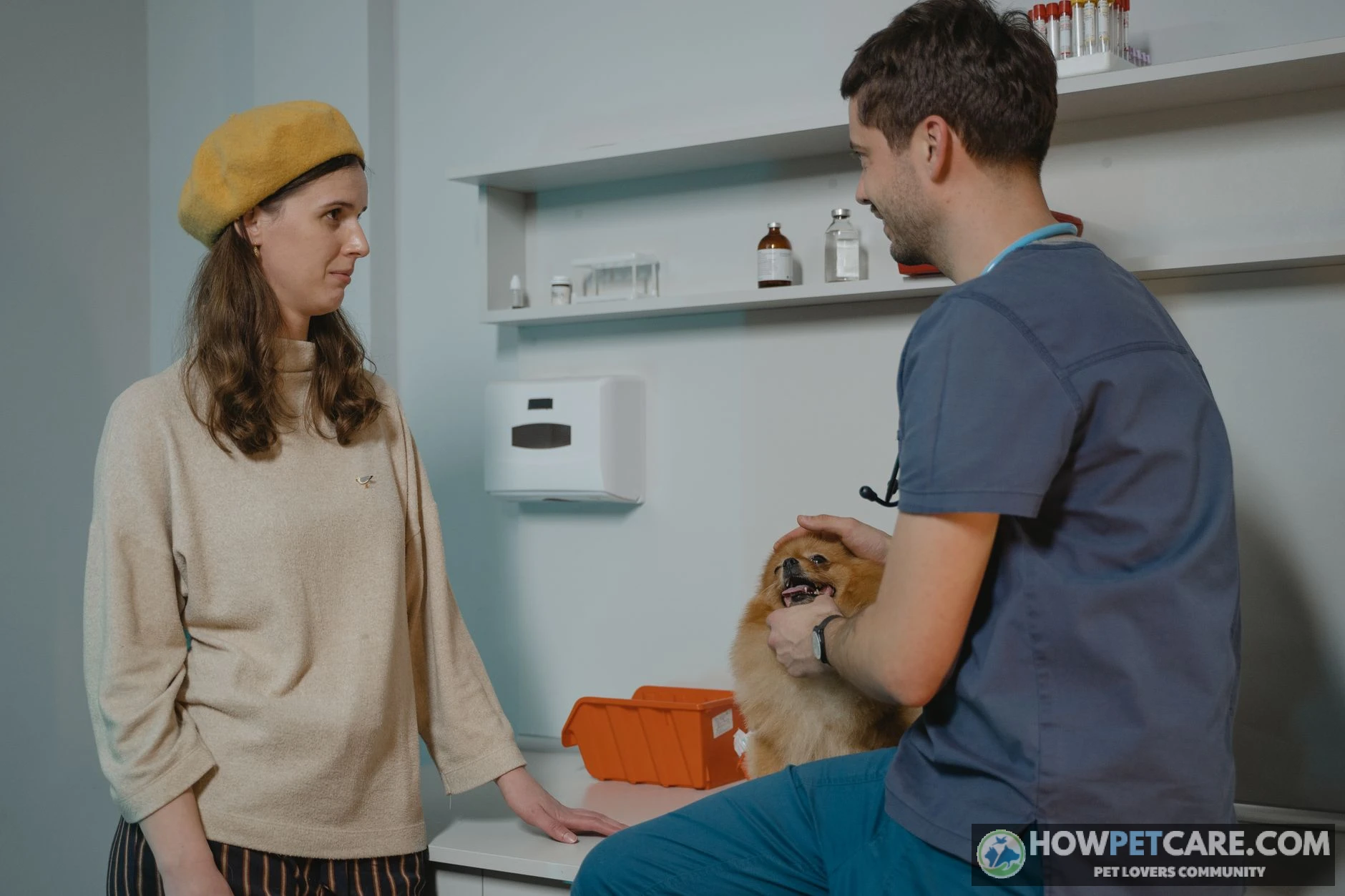
Why is my dog scooting or dragging its bum?
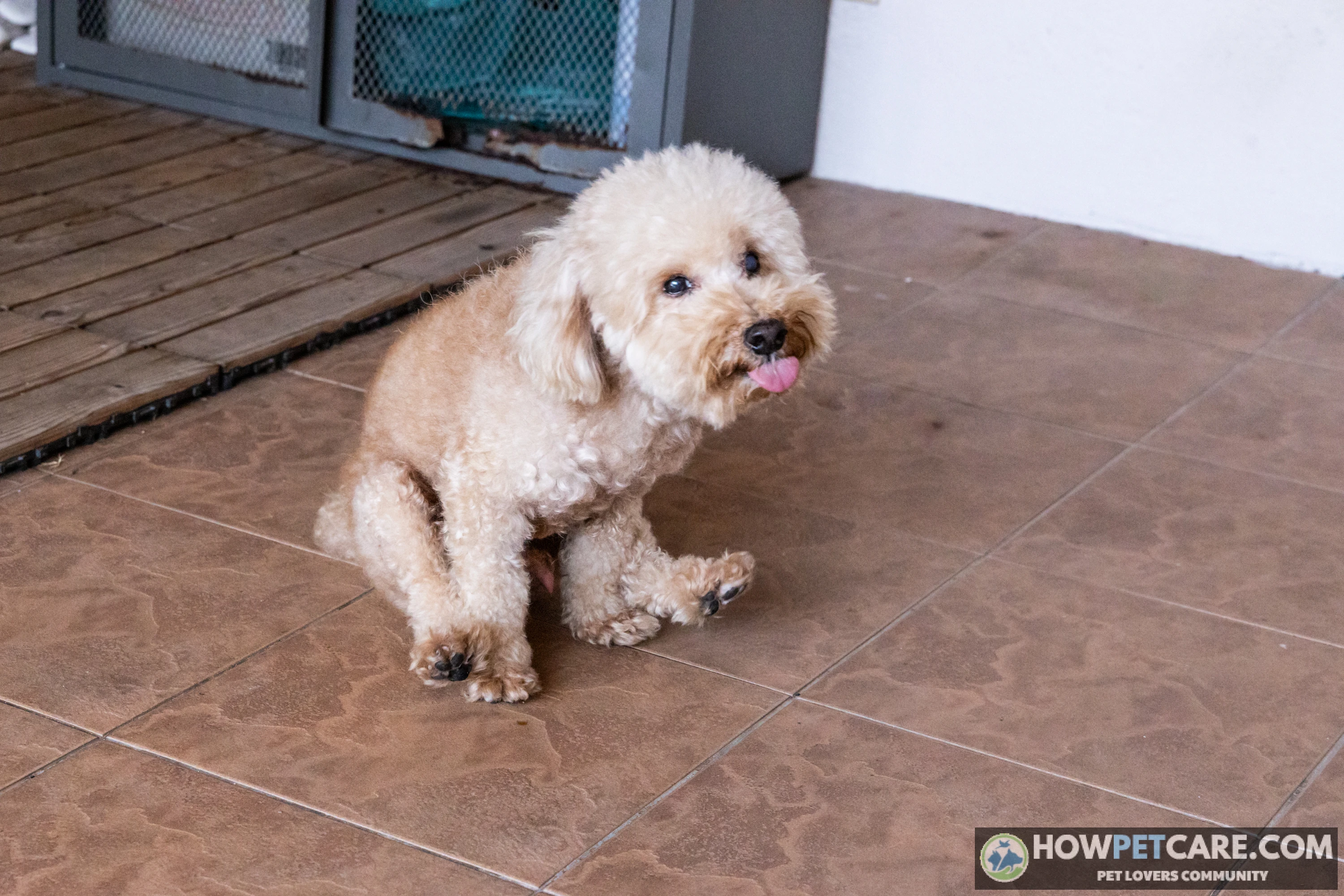
Scooting can happen when anal sacs are full or irritated. It may also follow diarrhea or stem from allergies, skin inflammation, or intestinal parasites. Anal sac disorders are common, particularly in small breeds, but scooting alone doesn’t show that the glands need expression. If scooting persists, book an exam rather than repeatedly squeezing the sacs at home.
Why is my dog’s rectum swollen?
The location can offer a clue. A lump beside the anus may be an inflamed anal sac, an abscess, a hernia, or a growth. A red, cylindrical piece of tissue coming through the anal opening suggests prolapse, which is an emergency. Tumors and polyps can also appear as masses, so shape alone isn’t enough to identify the cause. Have a vet examine any new swelling.
Anal or rectal issue vs. worms, vaginal, or prostate problems
Rice-like segments around the rear may indicate tapeworms; other intestinal parasites aren’t visible to the naked eye. A stool test can help identify some parasites, though your vet may need more information or testing.
In a female dog, discharge or swelling may come from the vulva, which sits below the anus, rather than the rectum. In a male dog, prostate disease can contribute to straining or altered stools. Don’t try to locate the source by probing. Photograph any visible discharge or swelling and ask your vet to examine your dog.
 You might be wonderingDog thermometerDog Thermometer Guide: Best Picks, Accuracy & Safe Home UseRead the answer
Blood From the Rectum: Bright Red (Hematochezia) vs. Dark Tarry Stool (Melena)
Blood color can be useful, but it doesn’t provide a complete diagnosis. Fresh red blood often points to the lower bowel or anal area; black, tarry stool suggests digested blood, often from higher in the digestive tract.
| Feature | Hematochezia: bright red blood | Melena: dark, tarry stool |
|---|---|---|
| Appearance | Red streaks on stool, blood mixed with stool, or fresh drops | Black, sticky, tar-like stool |
| Usual source | Colon, rectum, or anus | Digested blood, commonly from the stomach or small intestine; swallowed blood is another possibility |
| Possible causes | Colitis, parasites, irritation from diarrhea or constipation, a ruptured anal sac abscess, polyps, or other disease | Upper digestive tract bleeding, including ulcers; swallowed blood and certain medications or toxins are possible causes |
| Action | Call the vet for even a small streak; heavy or continuous bleeding is an emergency | Seek same-day veterinary assessment; go to emergency care if your dog is weak, pale, vomiting, or otherwise unwell |
Black stool doesn’t always mean melena: some foods and medications can darken stool. Red food coloring or beets can also be misleading. If your dog is unwell, don’t assume either is the explanation. A photo and a fresh stool sample, if practical, can help the clinic assess the problem.
Dog rectal bleeding causes and treatment
A small red streak may come from an irritated lower bowel or tissue near the anus; larger amounts, clots, or repeated bleeding are more concerning. Treatment depends on the cause. Your vet might recommend a fecal test and parasite treatment, a plan for colitis, care for an anal sac infection, or further investigation of a mass. There’s no single safe home treatment for unexplained rectal bleeding.
Dog has blood in stool and straining
Colitis can lead to frequent attempts to pass small amounts of stool, sometimes with mucus and blood. Constipation, a mass, or an obstruction can also cause straining. If your dog is still passing stool and seems comfortable, call for a prompt appointment. If repeated or forceful attempts produce nothing, or your dog can’t urinate, go to an emergency vet.
Anal Gland Problems: Signs, Treatment, and Whether to Express at Home
Dogs have two small anal sacs beside the anus. If they don’t empty normally, a sac can become impacted, inflamed, infected, or abscessed. Signs include scooting, licking, a fishy odor, pain, and swelling. An abscess may rupture through the skin and release blood or pus. Small dogs are particularly prone to anal sac problems.
Soft stools, allergies, body condition, and individual anatomy may contribute. A vet can check the sacs and look for other causes of irritation before recommending treatment.
Safe at-home expression: steps and limits
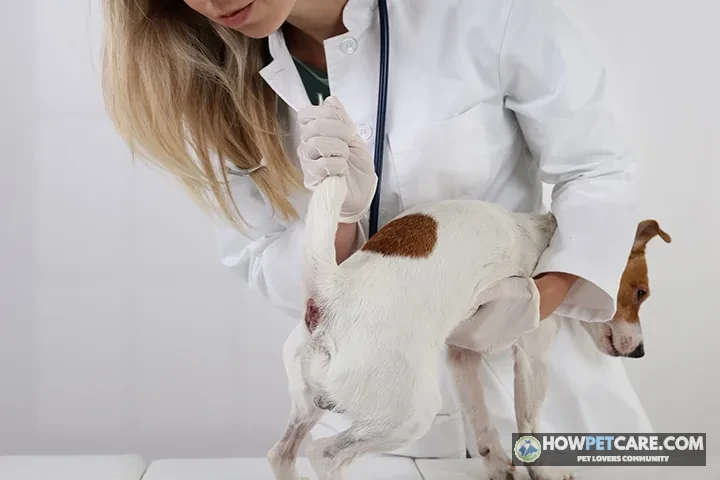
Most dogs don’t need their anal glands expressed at home. If your veterinarian has examined your dog, recommended home expression, and demonstrated the external technique, follow their specific instructions. Leave internal expression to a trained professional.
For a dog your vet has cleared for home care, use gloves and a towel, position your dog gently and securely, and apply only the light external pressure your vet demonstrated. Stop if your dog resists or fluid doesn’t come out easily. Don’t squeeze harder or try to empty the sacs completely. Gently clean the area afterward.

Stop and contact a veterinarian if you see redness, swelling, blood, pus, thick discharge, an open wound, or signs of pain. Do not attempt expression on a dog that has not been examined for the current problem.
Unnecessary repeated expression can irritate the area. Ask your vet whether expression is needed and, if so, how often your particular dog should be checked.
When glands are infected or abscessed
An infected or abscessed sac needs veterinary care. Treatment may include pain relief, flushing or drainage, and medication when appropriate. For recurrent disease, your vet may discuss anal sacculectomy—the surgical removal of one or both sacs. The operation carries risks, including possible nerve injury and fecal incontinence. Ask the surgeon about the risks for your dog.
Can Dogs Get Hemorrhoids? What Is Actually Going On
Dogs don’t typically develop the true hemorrhoids recognized in people, so don’t assume a swollen or bleeding area is a hemorrhoid in dogs. Anal sac disease, prolapse, perianal fistulas, polyps, tumors, and hernias can look similar.
Don’t apply human hemorrhoid creams. Ask a vet to examine the area, especially if it’s painful, bleeding, or changing in size.
Rectal Prolapse, Perineal Hernia, Perianal Fistula and Other Serious Conditions
Rectal prolapse
A rectal prolapse occurs when tissue from the rectum protrudes through the anus. It often looks like a moist red cylinder and can follow severe diarrhea or repeated straining, including in young dogs. Any visible prolapse needs emergency assessment, before the tissue turns dark or dry.
There’s no safe way to correct this at home. The veterinarian may replace viable tissue and use a temporary suture to help keep it in place, or recommend surgery if the tissue is damaged or the prolapse recurs. Finding and treating the cause of straining is essential. The vet will confirm the diagnosis and choose treatment after examining the tissue.
Perineal hernia
A perineal hernia develops when weakened pelvic muscles allow tissue to bulge beside the anus. It’s particularly associated with older male dogs, especially those that haven’t been neutered. Signs may include swelling and difficulty passing stool. If the bladder becomes involved, urination can be obstructed—an emergency.
The vet may use a rectal exam and imaging to identify the hernia and its contents. Surgical repair is commonly recommended. Your vet may also discuss neutering when appropriate.
Perianal fistula
Perianal fistulas are painful, inflamed tracts in the skin around the anus. They can cause licking, discharge, and difficulty passing stool. The condition is immune-mediated and is especially associated with German Shepherds.
Treatment may include cyclosporine, other prescribed medications, and a diet plan. Follow-up may continue for an extended period. Medication costs vary with the dog’s size, formulation, and treatment duration. A vet must examine the area and rule out other causes before treatment begins.
Polyps, tumors, and strictures
Polyps and tumors may cause bleeding, straining, or a visible lump. A stricture is a narrowing that can make it difficult to pass stool. Appearance can’t reliably distinguish a benign growth from cancer. Your vet may recommend imaging, a scope, or a biopsy and laboratory examination of tissue.
Some perianal adenomas in intact male dogs are benign and may regress after neutering. That doesn’t mean every lump is harmless or that an individual polyp will become cancerous. There isn’t enough information here to give a reliable general polyp-to-cancer percentage; ask your vet what the specific pathology result means.
What the Vet Will Do: Exam, Tests, and Typical Costs
Step-by-step: what happens at the appointment
Your vet will usually start with a history and physical exam. Bring a list of medications, recent diet changes, and the time your dog last urinated and passed stool. Photos of intermittent bleeding, swelling, or protruding tissue may help.
Depending on your dog’s signs, the vet may suggest:
- An external inspection of the anus, surrounding skin, and, where relevant, the vulva.
- A digital rectal exam: the vet gently inserts a lubricated, gloved finger into the rectum to feel for abnormalities and assess structures such as the anal sacs. A painful or anxious dog may need pain relief or sedation.
- A fecal test to look for evidence of intestinal parasites when appropriate.
- Bloodwork or imaging, such as X-rays or ultrasound, if the history and exam suggest internal disease, a mass, obstruction, or a hernia.
- Sampling or biopsy if a growth, ulcer, or other finding needs a laboratory diagnosis.
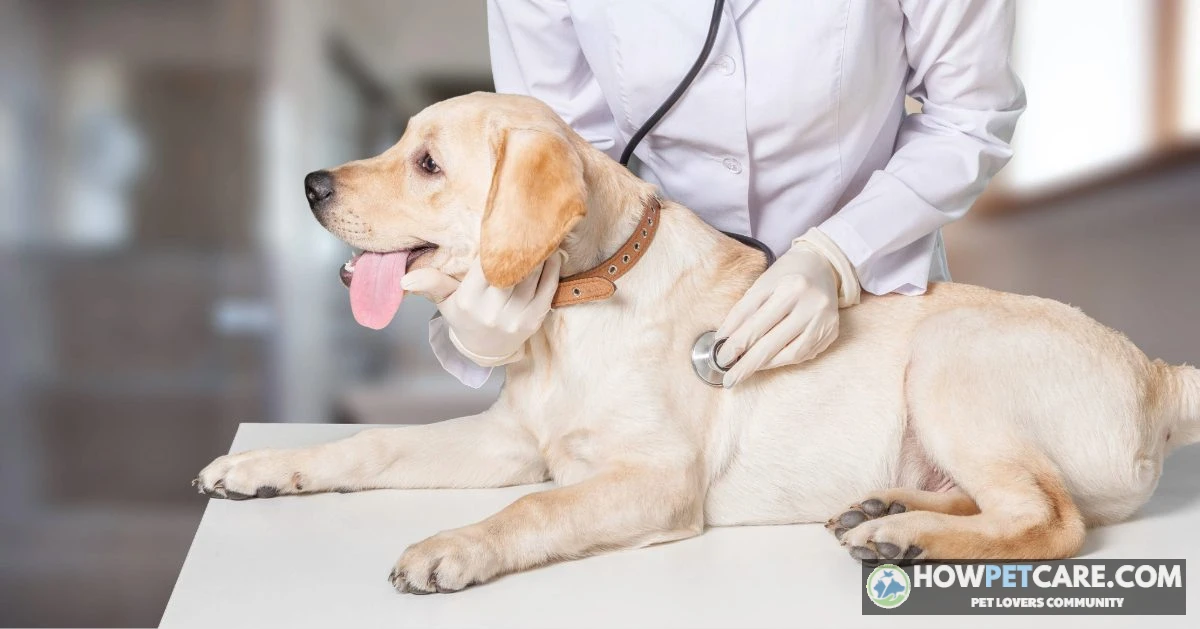
Not every dog needs every test. Your vet can explain what makes each test useful and which steps could reasonably wait.
Cost ranges and what drives them
A reliable, independently sourced national price range isn’t available in the evidence for this guide, so the figures below are illustrative budgeting estimates, not verified 2026 averages or quotes. Actual charges vary widely by region and clinic and can be substantially higher or lower. Ask a local clinic for a written estimate before non-emergency treatment. Don’t delay emergency care while comparing prices.
| Condition or procedure | Diagnostics | Medical management | Surgery or procedure | Key cost drivers |
|---|---|---|---|---|
| Anal sac impaction | Exam often quoted separately; illustrative exam estimate $50–$150 | Expression may be $20–$60 | Usually not needed | Clinic, exam fee, and sedation |
| Anal sac abscess | Exam and possible tests | Medication and follow-up vary | Illustrative drainage and treatment estimate $150–$800 | Severity, sedation, and medications |
| Recurrent anal sac disease | Exam and any needed tests | Ongoing care varies | Anal sacculectomy: illustrative $1,000–$3,000 | One or both sacs, referral, and complications |
| Rectal prolapse | Exam and investigation of straining | Treatment of the underlying cause is additional | Reduction and suture: illustrative $300–$900; more extensive surgery: $1,500–$3,500 | Tissue damage, anesthesia, and hospitalization |
| Perineal hernia | Exam and often imaging | Supportive care is not a definitive repair | Repair: illustrative $1,500–$4,000 | One or both sides, bladder involvement, and surgeon |
| Perianal fistula | Exam and testing as indicated | Cyclosporine: illustrative $60–$250 per month | Selected cases may need procedures | Dog’s weight, drug formulation, monitoring, and duration |
| Rectal polyp or tumor | Exam, biopsy, and laboratory fees vary | Depends on diagnosis | Removal: illustrative $800–$5,000 or more | Location, pathology, and specialist care |
| Rectal stricture | Exam and possible imaging | Prescribed diet or stool softener varies | Balloon dilation: illustrative $500–$1,500 per session | Number of sessions and anesthesia |
Estimates may not include emergency fees, imaging, anesthesia, medications, pathology, or follow-up. Ask which items are included, whether the range accounts for possible complications, and what could add a charge. If your dog’s condition is stable, ask whether tests can be staged and whether an appropriate generic medication is available.
Recurrence, complications, and prognosis
Hernia repair can recur. The supplied research reports recurrence as high as 50%, but that isn’t an individual prediction: technique, case selection, follow-up, and tissue condition all matter. Ask the surgeon which technique they recommend and what outcomes they see in comparable cases.
Fecal incontinence is a possible complication after surgery near the anal sphincter, including anal sac removal or hernia repair. The supplied evidence doesn’t provide a dependable percentage, so ask whether incontinence would be expected to be temporary or permanent with the proposed procedure. For a polyp or tumor, prognosis depends on the laboratory diagnosis, location, and whether it can be fully removed.
Before approving surgery, ask: What’s the diagnosis? What alternatives are reasonable? What does the estimate include? Which complications or signs of recurrence should I watch for? Who should I call after hours?
Home Care and Prevention: Fiber Dosing, Stool Softeners, and Post-Op Wound Care
Fiber and psyllium dosing by bodyweight
A high-fiber diet can help some dogs produce stools that support normal anal sac emptying, but fiber isn’t right for every digestive problem. The evidence for this guide doesn’t provide a verified, universal bodyweight-based pumpkin or psyllium dose. Ask your vet for an amount suited to your dog’s weight, diet, hydration, stool consistency, and diagnosis instead of choosing a dose from a generic chart.
If your vet recommends pumpkin, use plain pumpkin, not pie filling. If they recommend psyllium, follow their instructions for the specific product and how to mix it with water or food. Amounts scale with bodyweight: a small dog might start with a fraction of a teaspoon of psyllium stirred into moist food, while a large dog may take a full teaspoon or more. Plain canned pumpkin similarly ranges from about a teaspoon for toy breeds up to a few tablespoons for large dogs, always with plenty of fresh water available. Treat these as starting points to confirm with your vet, not as fixed prescriptions. Make dietary changes as advised, and report worsening straining, vomiting, or discomfort. Fiber won’t fix a prolapse, hernia, fistula, or mass, and it shouldn’t delay an exam if you suspect an obstruction.

Your vet may prescribe a stool softener when appropriate. Don’t give human laxatives, enemas, pain relievers, or other medications without explicit veterinary advice. Keep fresh water available, maintain a healthy weight, follow your vet’s parasite-control plan, and address recurring allergies or diarrhea.
Wound hygiene and e-collar tips after surgery
Use the protective collar for as long as your surgeon specifies, including when you can’t supervise your dog. Licking or chewing can open an incision. Restrict activity as directed and give prescribed medication on schedule.
Ask the surgical team how to clean the area after bowel movements. If they approve cleaning, use a soft cloth and warm water, blot gently rather than scrubbing, and keep the area dry. Avoid creams, disinfectants, or wipes unless the team recommends them. Follow the surgeon’s diet instructions; the right food and duration depend on the operation and your dog’s recovery.
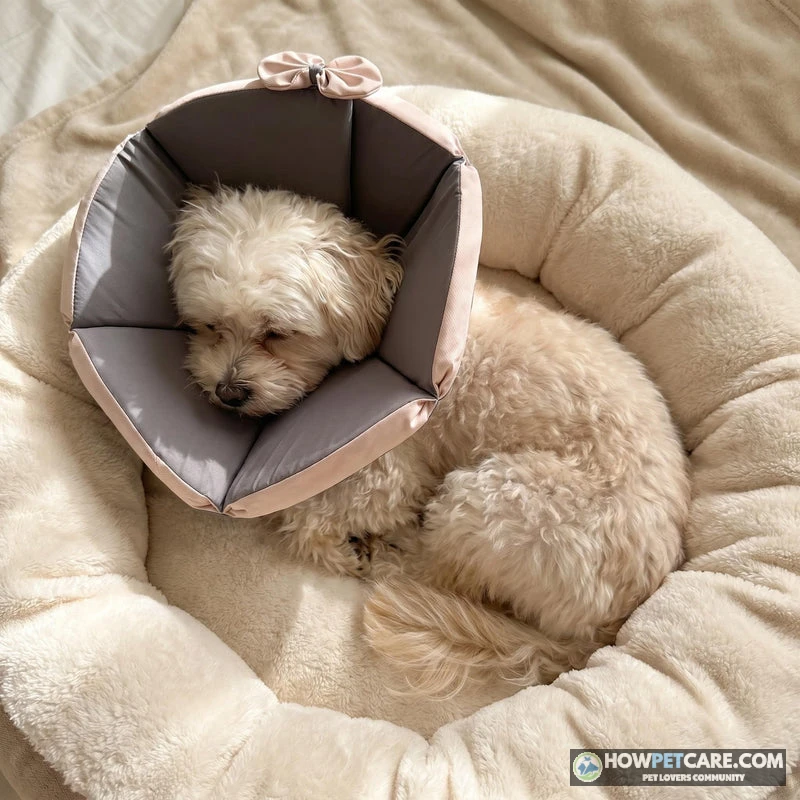
Call the clinic if you notice increasing swelling, discharge, a foul smell, an incision that opens, difficulty passing stool or urine, worsening pain, or another concerning change. Inability to urinate or repeated straining without results is an emergency.
Your Next-Step Checklist: Match Symptoms to Action
- Choose the urgency level. Protruding tissue, heavy bleeding, inability to urinate, or repeated unproductive straining means emergency care now. Call promptly for persistent scooting, mild straining, a lump, or a small amount of blood. Observe only an isolated mild sign in an otherwise comfortable dog.
- Record what you see. Note when symptoms began, appetite, medications, diet, previous anal gland problems, and the last normal urine and stool. Take a clear photo and collect a stool sample if your clinic requests one.
- Call the clinic. Describe the signs and ask when your dog should be seen. For non-emergency care, request a written estimate and ask what it includes, what treatment alternatives exist, and which signs of recurrence or complications to watch for.
 You might be wonderingCommon dog ear problemsCommon Dog Ear Problems: Symptoms, Triage, Costs & TimelinesRead the answer
FAQ
Which dog breeds are most prone to rectal and anal problems?
Small breeds such as Toy Poodles, Chihuahuas, and Cocker Spaniels are more prone to anal gland problems. German Shepherds are predisposed to perianal fistulas, and older intact male dogs are most at risk for perineal hernias.
Can constipation or diarrhea cause rectal problems in dogs?
Yes. Chronic straining from constipation or diarrhea can contribute to rectal prolapse, inflamed anal glands, and irritation. Treating the underlying digestive problem is a key part of prevention.
Can I treat my dog’s rectal prolapse at home?
No. Prolapsed tissue can lose blood supply and die, so keep it moist with a clean damp cloth and see a vet right away.
How do I know if my dog is in rectal pain?
Signs include whining when passing stool, reluctance to sit, tail clamping, excessive licking, scooting, and aggression when the rear is touched. Any of these warrants a vet visit to find the cause.
Do anal gland problems go away on their own?
Mild impaction sometimes resolves, especially with firmer stools, but infection and abscesses need veterinary care. Recurring problems should be examined rather than managed by repeated home expression.