
Sort any new behavior change into one of three buckets:
- Vet now — emergency: straining with little or no urine, open-mouth breathing, collapse, seizure, sudden blindness, or hind-leg weakness. Go immediately.
- Vet now — call within 24–72 hours: new night yowling, hiding, litter box accidents, increased thirst, reduced grooming, or reluctance to jump.
- Monitor at home: a mild, gradual change in an otherwise well cat. Log it for one to two weeks and book a routine visit.
- Normal aging: subtle, stable slowing with normal eating, box use, and mobility. Mention it at the next checkup — it can still have a treatable cause.
Is Your Senior Cat’s Behavior Change Normal Aging, Monitor-at-Home, or Vet-Now?
Senior cat behavior changes can be part of gradual aging, but a new or pronounced change can also be an early sign of pain or illness. If your cat takes slightly longer naps but still eats, moves, and uses the litter box normally, monitoring may be reasonable. Sudden hiding, a reluctance to jump, night yowling, or accidents call for veterinary attention, not an assumption that old age is to blame.
Use these three categories to decide what to do next:
- Normal aging: A mild, gradual change with no loss of normal function. Mention it at the next checkup. Even subtle slowing can have a treatable cause.
- Monitor at home: A small change in an otherwise well cat. Keep a log for one to two weeks and arrange a routine visit. Call sooner if the change worsens or another symptom appears.
- Vet now: An emergency needs immediate care; other new changes warrant a call today or an appointment within the next few days. The matrix below separates those situations.
Go to an emergency veterinarian now for repeated straining with little or no urine; open-mouth breathing; pale or blue gums; collapse; a seizure; sudden hind-leg weakness or paralysis; sudden blindness; or new stumbling or a head tilt. A cat who has eaten nothing for 24 hours also needs urgent veterinary care today. Repeated vomiting or rapid deterioration warrants an immediate call for emergency guidance.
Call your veterinarian within 24–72 hours about new night yowling, hiding, clinginess, confusion, litter box accidents, increased thirst, reduced grooming, or reluctance to jump. Seek help sooner if your cat seems distressed, is eating less, or has another red flag. Cats can conceal illness, so visible distress doesn’t always reflect the seriousness of the problem.
When Is a Cat Actually a Senior? The Updated AAFP/AAHA Life Stages
The AAFP/AAHA feline life-stage guidelines describe cats ages 7–10 as mature adult and cats 11 years and older as senior. End of life is a separate stage that can occur at any age. An eight-year-old with a substantial behavior change still needs attention; being younger than 11 doesn’t make a problem harmless. Under the same framework, a two-year-old cat is still a young adult.
The familiar claim that a cat becomes senior at seven comes from older or different age classifications. Food labels, insurance policies, and individual clinics may still use seven as a practical threshold. Check what a particular label means rather than treating it as a diagnosis.
For a healthy senior, plan veterinary checkups at least every six months, or on the schedule your veterinarian recommends. Around ages 10–12, a physical examination and baseline measurements such as weight, bloodwork, urinalysis, and blood pressure can help your vet recognize changes later. Testing frequency depends on your cat’s health and previous results.
Senior Cat Behavior Changes Urgency Matrix: What It Likely Means and How Fast to Act
The possibilities in this table are examples, not diagnoses. A cat can have more than one condition, and the same symptom can have several causes. When in doubt, call your vet and describe the whole picture.
| Behavior change | Possible causes | Urgency | What to do next |
|---|---|---|---|
| Repeated straining to urinate, crying, or producing only drops | Urinary blockage, bladder inflammation, stones | Vet now: emergency | Go to an emergency clinic immediately; don’t wait to see whether urine appears. |
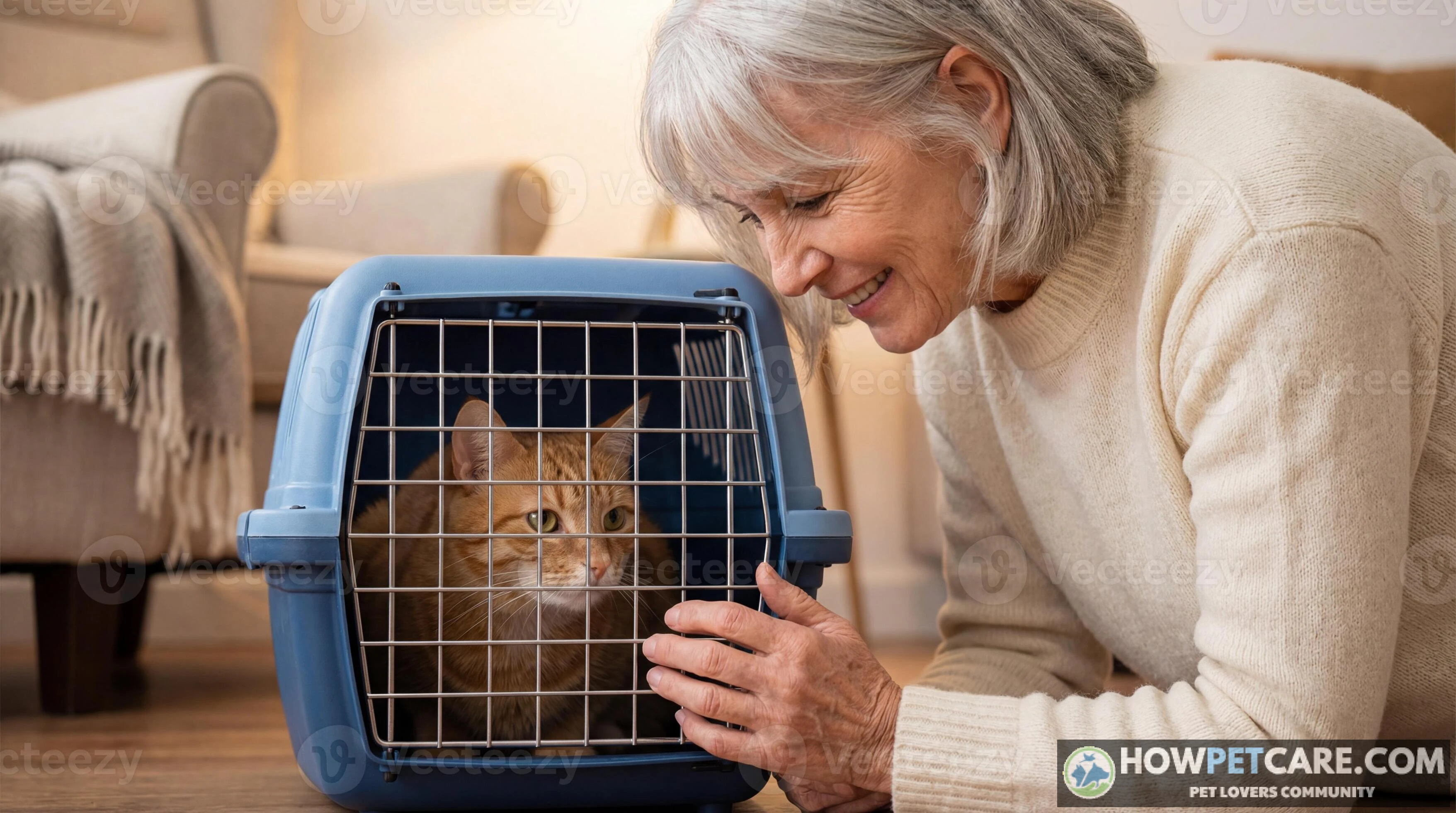
| Sudden blindness, stumbling, seizure, or hind-leg weakness | High blood pressure, neurologic disease, injury, other serious illness | Vet now: emergency | Seek immediate care; transport your cat in a secure carrier. |
| Weight loss with a large appetite or night restlessness | Hyperthyroidism, diabetes, intestinal disease | Vet now: call within 24 hours | Request a prompt appointment; record appetite, weight changes, and thirst. |
| Drinking or urinating more | Kidney disease, diabetes, hyperthyroidism | Vet now: call within 24–72 hours | Note changes in water and litter clumps; ask about bloodwork and urinalysis. |
| Peeing outside the box | Bladder disease, increased urine production, arthritis, stress, cognitive or sensory changes | Vet now: call within 24–72 hours; emergency if straining | Add an accessible box and follow the rule-out steps below. |
| New night yowling | Pain, hyperthyroidism, high blood pressure, hearing loss, cognitive dysfunction | Vet now: call within 24–72 hours | Record the sound and timing; seek emergency care for sudden blindness or stumbling. |
| Sudden hiding or clinginess | Pain, illness, anxiety, sensory changes, cognitive dysfunction | Vet now: call within 24–72 hours | Check eating, drinking, and box use; call sooner if your cat seems unwell. |
| Confusion, staring, or getting stuck behind furniture | Sensory loss, pain, neurologic illness, cognitive dysfunction | Vet now: call within 24 hours | Record an episode; sudden severe disorientation or stumbling is an emergency. |
| New aggression toward people or another cat | Pain, fear, sensory changes, illness, household tension | Vet now: call within 24–72 hours | Prevent further confrontations and arrange a pain and health assessment. |
| Reduced grooming or a matted coat | Arthritis, dental pain, illness, difficulty reaching the coat | Vet now: call within 24–72 hours | Gently check the coat and request an examination. |
| Less jumping or difficulty with stairs | Arthritis, pain, muscle weakness, other illness | Vet now: call within 24–72 hours if new | Add a ramp and low-entry box; seek urgent care for sudden weakness. |
| Gradually longer naps and shorter play | Individual aging changes, pain, illness | Monitor if mild and otherwise normal | Track the pattern for one to two weeks and discuss it at a routine visit. |
Combinations matter. Weight loss with increased thirst, night yowling with a large appetite, or hiding with missed meals makes a prompt call more important. A litter box accident accompanied by straining calls for emergency care, not a routine appointment.
Vet now: signs that shouldn’t wait
If you can’t tell whether your cat is producing urine, treat repeated unproductive trips and straining as an emergency. Male cats are at particular risk of a blocked urethra, but any cat with these signs needs immediate assessment. Don’t press on the abdomen or try to treat a suspected blockage at home.
A cat who has refused all food for 24 hours needs urgent care today. Call earlier if your cat is also vomiting, weak, hiding, or otherwise noticeably ill. Sudden blindness, collapse, breathing trouble, seizures, and abrupt hind-leg weakness require an emergency visit rather than a wait-and-see period.
Monitor at home: what to track for 1–2 weeks
If the only change is mild and gradual, start a seven-day log. Record meals eaten, water consumption if practical, litter box visits and clump size, sleep locations, play, and mobility. Note the time and duration of any unusual behavior. A short phone video can show your veterinarian a limp, vocalization, or confused episode that may not happen in the clinic.
Monitoring isn’t a substitute for calling about a new functional change. If appetite, urination, movement, or awareness worsens during the observation period, contact your vet sooner.
Normal aging: changes that are expected, and when ‘normal’ still deserves a conversation
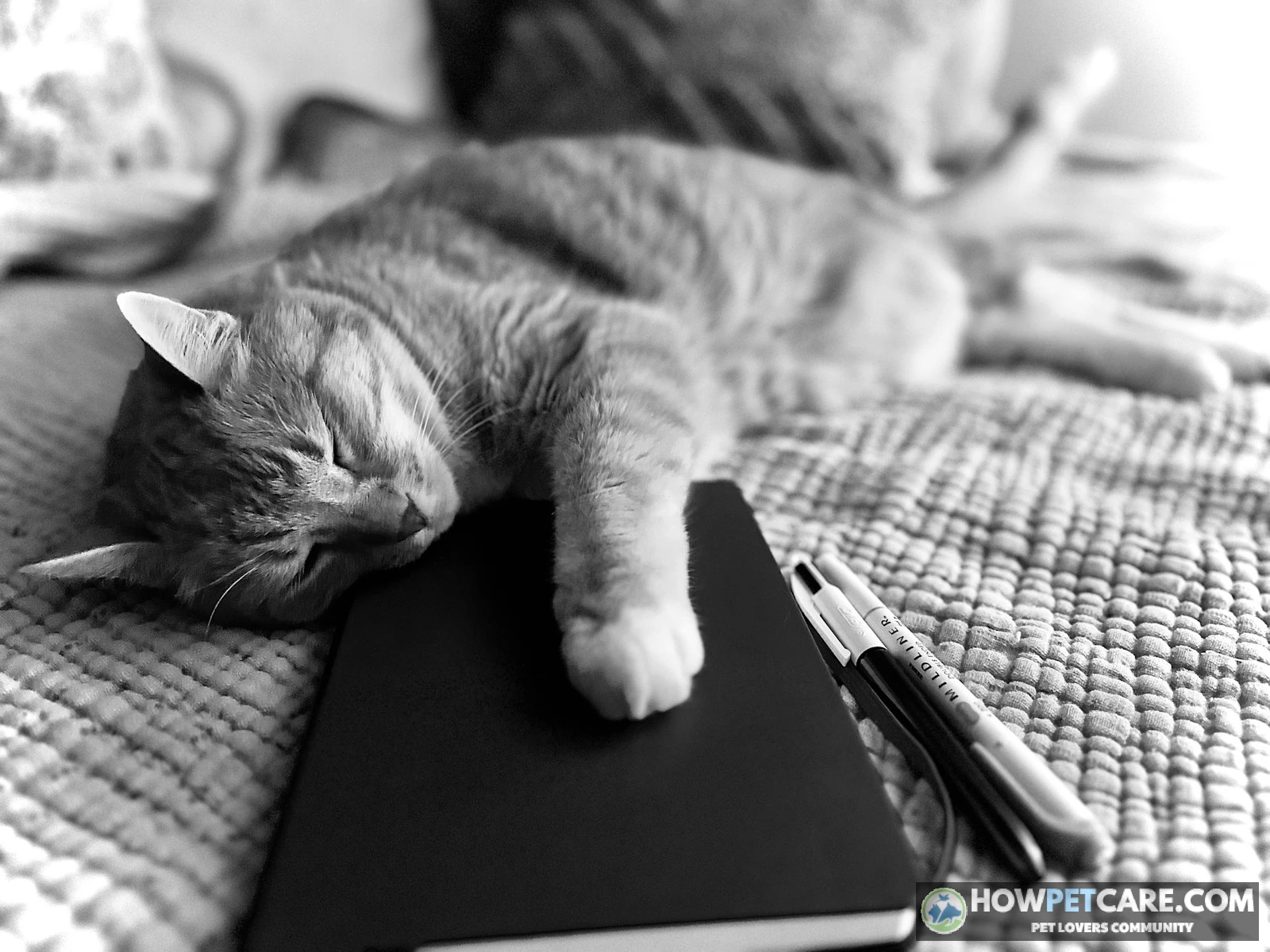
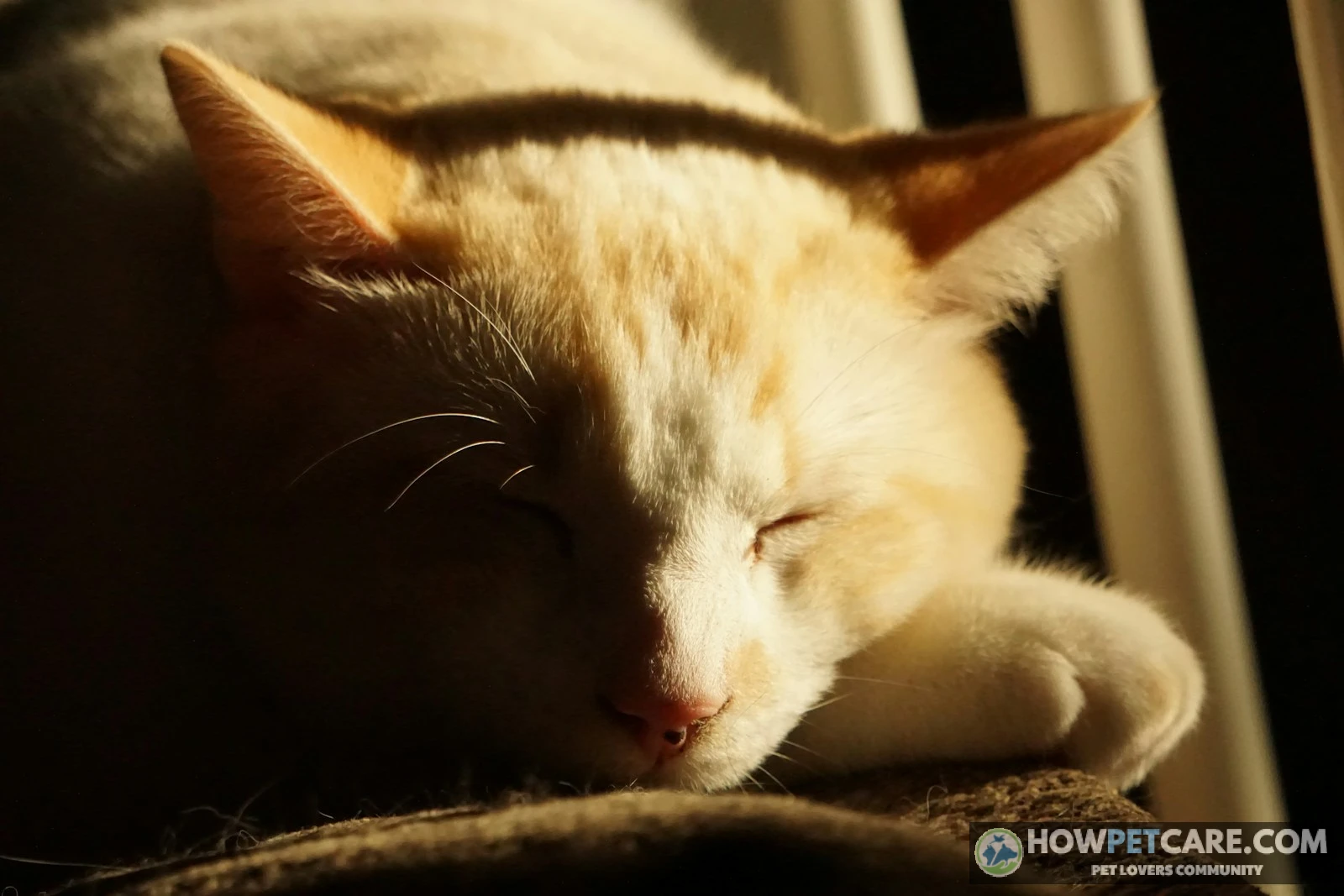
Some cats gradually play for shorter periods or sleep a little more as they age. A reassuring pattern is subtle and stable: the cat still eats, drinks, uses the box, interacts, and moves comfortably. Don’t dismiss stiffness, difficulty jumping, or reduced grooming as inevitable; they can signal treatable pain.
Why Is My Senior Cat Peeing Outside the Litter Box? A Step-by-Step Rule-Out Order
Litter box avoidance is information, not spite. Medical problems, discomfort entering the box, an unsuitable setup, and stress can overlap. Start with safety and medical care while making access easier at home.
-
Check for an emergency
Repeated straining, crying, or producing only drops or no urine means an emergency visit now. Don’t assume the cat is simply constipated.
-
Arrange a medical assessment
For a new accident without straining, call your vet within 24–72 hours. Ask whether urinalysis, bloodwork, and a pain or mobility exam are appropriate. Bladder inflammation, infection, stones, kidney disease, diabetes, hyperthyroidism, and arthritis are among the possibilities.
-
Document the pattern
Before cleaning, note the location, surface, time, approximate urine amount, posture, and whether stool is also outside the box. A photo or short video can help.
-
Remove access barriers
Add an uncovered box with an entry about 1–2 inches high if practical. Put a box on each level your cat uses and keep the route clear. Place one near a favorite sleeping area without putting it beside food.
-
Improve the setup
Offer a roomy box with unscented, fine-textured litter and scoop daily. Make essential access changes immediately; when testing preferences, change one nonessential feature at a time so you can tell what helps.
-
Consider senses and household stress
Add a night light and keep the route familiar. Look for another cat blocking access, and provide separate resources. Medical and behavioral causes can coexist, so discuss both with your vet.
A useful starting point is one litter box per cat, plus one extra, in separate accessible locations. Clean accidents with an enzymatic cleaner made for pet urine; avoid ammonia-based cleaners. Never punish your cat for an accident. Punishment can add fear without addressing the cause.
Collecting a urine sample at home
Ask your clinic whether it wants a home sample and how to collect, store, and deliver it. The clinic may suggest clean nonabsorbent litter and a clean container. Don’t delay an urgent appointment while trying to collect urine. A veterinarian may need to collect a sterile sample directly from the bladder, particularly when a urine culture is needed.

Fast fixes for arthritic cats that can’t reach the box
A low entrance, a nonslip mat, and a box close to your cat’s resting area can make the trip easier. Keep enough litter for digging while ensuring the entry remains easy to cross. These changes help with access but don’t replace an examination or pain treatment.

When it really is behavioral
Stress can contribute to accidents even when a medical condition is also present. Notice whether another cat watches the box, blocks a doorway, or chases your senior after a visit. Spread boxes, food, water, and beds through the home so one cat can’t guard everything. If accidents persist after the veterinary workup and setup changes, ask for a referral to a veterinary behaviorist or qualified applied animal behavior professional.
Old Cat Yowling at Night: Causes, Fixes, and What ‘Sundowning’ Really Means
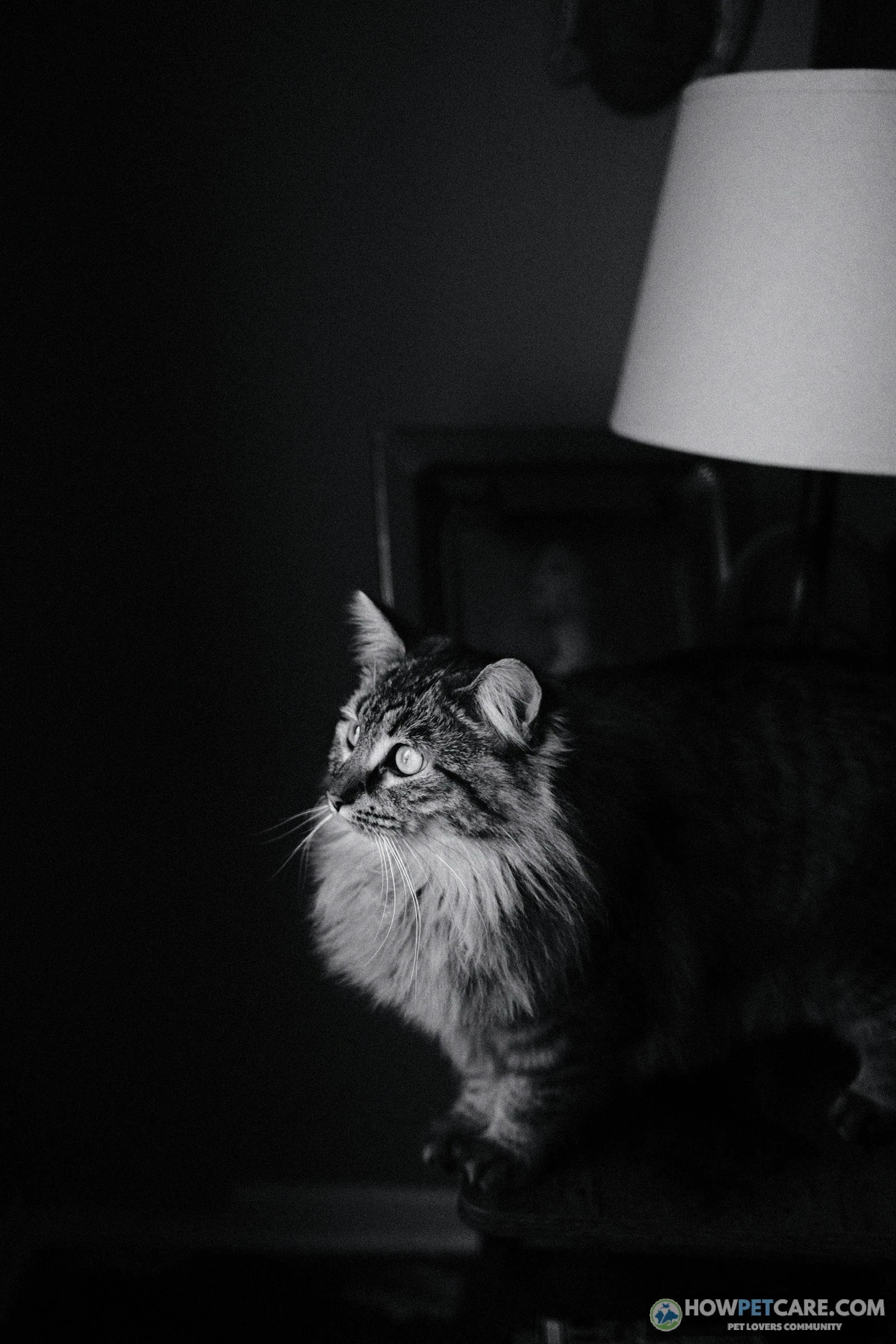
A senior cat meowing more than usual at night may be in pain, hungry, disoriented, unable to hear well, or responding to illness. Hyperthyroidism, high blood pressure, kidney disease, sensory loss, and feline cognitive dysfunction are among the possibilities. A yowling cat who is also losing weight despite a strong appetite should be checked for hyperthyroidism and other disease; those clues can’t establish the cause on their own.
People sometimes call evening confusion and restlessness sundowning in cats, borrowing a term from human medicine. Nighttime vocalization alone doesn’t prove dementia. Listening to the sound can’t reliably distinguish its cause from hearing loss, pain, or high blood pressure. Sudden blindness or stumbling alongside vocalization is an emergency.
Hearing loss and the ‘loud cat’ effect
A cat with reduced hearing may vocalize more loudly or startle when approached. Vision loss can also make a familiar room harder to navigate. Approach within your cat’s field of vision when possible, avoid startling touches, and ask your vet to assess sensory changes. Sudden vision loss isn’t a routine aging change.
A bedtime routine that supports sleep
Try a few minutes of gentle floor-level play, followed by a portion of your cat’s usual food. Keep feeding and lights-out times consistent, place night lights along the route to water and the box, and offer a warm bed near the household. A quiet, steady background sound may be worth trying if your cat finds it calming.
When your cat cries, check for immediate needs or distress. Respond calmly rather than punishing. If the behavior persists, bring the log and video to the appointment. Ask your veterinarian before using melatonin, sedatives, or calming supplements: suitability depends on your cat’s health and other medications.
Feline Cognitive Dysfunction: Symptoms, Treatment Options, and Can You Slow It?
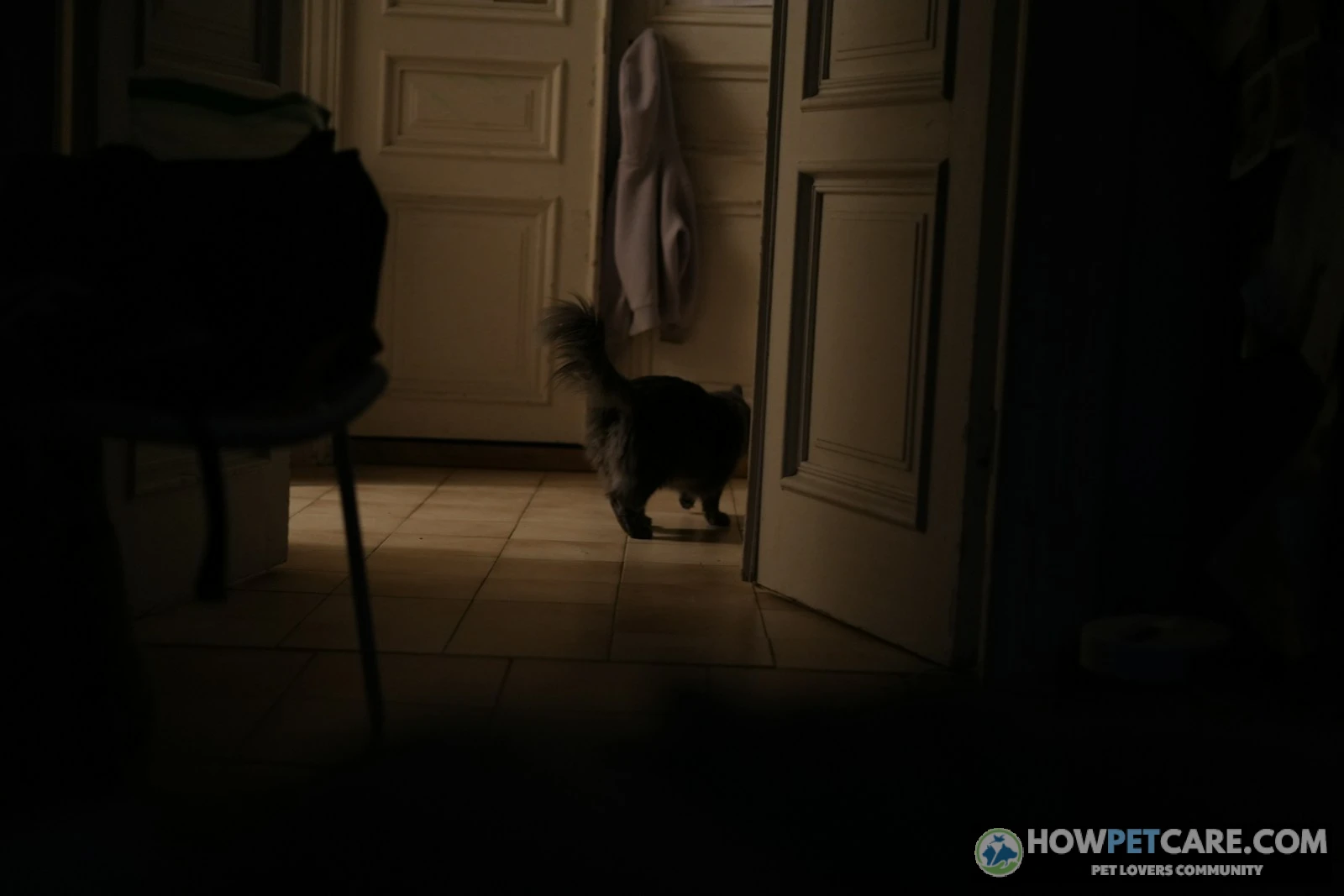
Feline cognitive dysfunction, sometimes called cat dementia or senile dementia in cats, is an age-associated decline in cognitive abilities that can affect a cat’s awareness, interactions, activity, sleep, and learned habits. It’s a diagnosis of exclusion: your veterinarian first investigates other explanations, including pain, dental disease, thyroid problems, urinary disease, and sensory loss, which can resemble cognitive decline.
The DISHAA framework gives owners a way to describe possible signs:
- Disorientation: Staring at a wall, getting stuck behind furniture, or appearing lost in a familiar room.
- Interaction changes: Becoming unusually withdrawn, clingy, or irritable with people or other cats.
- Sleep-wake changes: Sleeping more during the day and wandering or vocalizing at night.
- House soiling: Urinating or defecating outside the box after a previously reliable routine.
- Activity changes: Less exploration or play, or repetitive wandering.
- Anxiety: Increased unease, especially when routines or surroundings change.
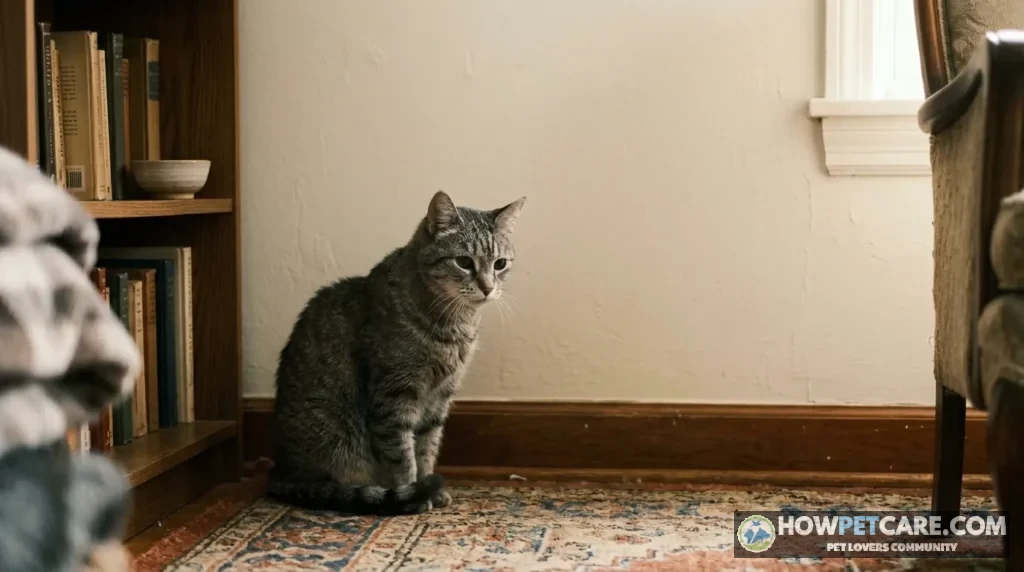
These signs aren’t specific to FCD. Record what happens and when; don’t assume a cat has forgotten family members or the litter box without a veterinary assessment.
Treatment options compared
There is no cure for feline cognitive dysfunction. A plan may improve comfort and daily function, but evidence that any particular intervention prevents or slows cognitive decline in cats is limited. Discuss the options with your vet rather than starting medication or supplements yourself.
| Option | What it treats | How it works in plain language | Evidence and what to ask your vet |
|---|---|---|---|
| Selegiline | Possible cognitive dysfunction | A prescription medicine that affects brain signaling | Used off-label in cats; feline evidence is limited. Ask about expected benefit, interactions, and monitoring. |
| Brain-support diet | Nutritional support for an appropriate cat with cognitive concerns | Formulas may contain antioxidants, fatty acids, or other nutrients intended to support brain health | Feline evidence varies by formulation. Ask whether the diet fits your cat’s kidney, thyroid, or other medical needs. |
| SAMe or omega-3 supplements | Supportive care for selected cats | Supplements supply compounds involved in cell function or nutrition | Evidence for treating feline cognitive decline is limited. Ask about product quality, safety, interactions, and realistic goals. |
| Environmental enrichment | Comfort, activity, and opportunities to use familiar skills | Easy play, exploration, and predictable routines engage the cat without excessive challenge | May support well-being; it has not been proven to prevent dementia. Ask how to adapt activities to pain or sensory loss. |
| Solensia, or frunevetmab | Osteoarthritis pain, not cognitive dysfunction | A veterinarian-administered monthly injection targets a pain-signaling protein | Ask whether it is appropriate for your cat, what improvement to look for, and what adverse effects to report. |
Treating arthritis or another painful condition may improve sleep, movement, or sociability, but that doesn’t establish that an FCD treatment has worked. Other diagnoses have their own treatments. For example, a vet may discuss thyroid medication, diet, surgery, or radioactive iodine for hyperthyroidism, and individualized management for kidney disease.
Cognitive stimulation protocol for a 10–12 year old
Start with activities your cat already enjoys. This is a practical enrichment routine, not a proven dementia-prevention program:
- Daily play: Offer a wand toy at floor level for three to five minutes. Pause when your cat loses interest; follow with a small portion of the usual meal.
- Easy food games: Rotate an accessible slow feeder, a few pieces of kibble in a muffin tin, or a lick mat with wet food. Keep an ordinary food bowl available, particularly if appetite is uncertain.
- Twice-weekly scent game: Place a few familiar treats in easy-to-find spots in one room. Include treats in the day’s food allowance.
- Steady navigation: Keep furniture familiar and light the route from bed to water and the litter box. Provide a ramp to a favorite perch if your cat can use it comfortably.
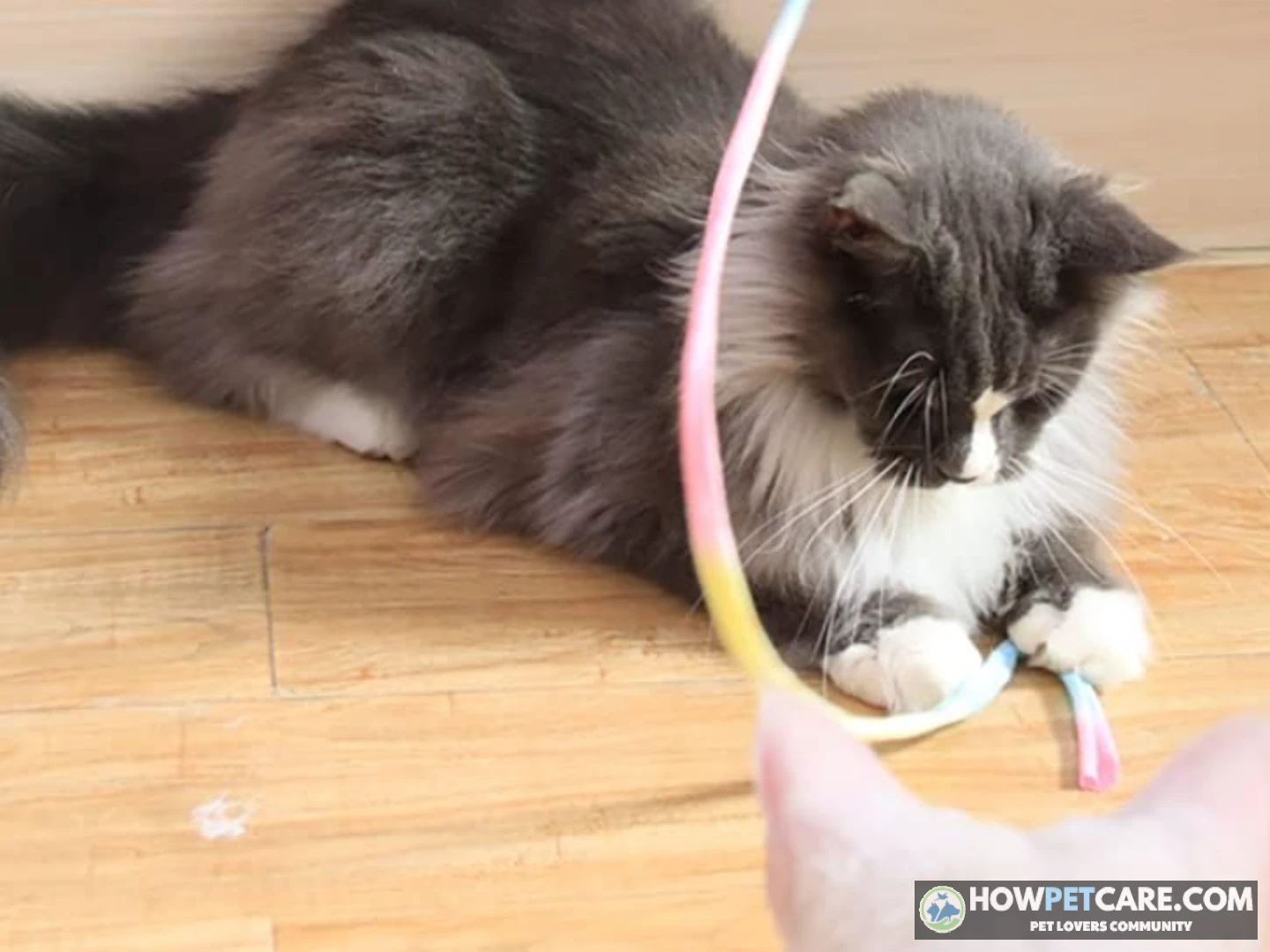
Stop if your cat seems frustrated, limps, or breathes heavily. A cat who pants after activity needs veterinary advice. Avoid making food difficult to obtain for a cat who is losing weight or eating poorly.
What to do when FCD makes your cat aggressive to other cats
Don’t assume cognitive dysfunction is the cause of a new fight. Pain, illness, fear, changed scent, impaired senses, and resource competition can all alter relationships. Separate cats safely if there’s a risk of injury, and arrange a veterinary examination for the cat whose behavior changed.
Provide each cat with food, water, a box, and a resting place in its own area. Once the vet has addressed medical issues, ask about a gradual reintroduction using separation, scent exchange, and brief calm encounters. A pheromone diffuser may help as an adjunct in some households, but it doesn’t replace pain treatment or a safety plan. For repeated attacks, ask about a board-certified veterinary behaviorist or a certified applied animal behaviorist.
What the Vet Will Test For and What It Costs
A senior cat vet checkup usually starts with your observations and a physical examination, including weight, body condition, mouth, joints, and hydration. Your vet will select tests based on the signs and your cat’s history; not every cat needs every test at one visit.
The figures below are illustrative US budgeting estimates, not verified fee quotes. Actual charges can be substantially different by region, clinic, emergency status, and bundled services. Call your clinic for a written estimate; sample collection, sedation, interpretation, and follow-up may cost extra.
| Test | What it checks for | Illustrative US cost range | When it’s most useful |
|---|---|---|---|
| Physical exam | Weight, body condition, pain, teeth, hydration, and other abnormalities | $60–$150 | A starting point for any behavior change |
| CBC and chemistry bloodwork | Blood cells, kidney and liver values, glucose, and electrolytes | $150–$350 | Appetite, weight, thirst, activity, or behavior changes |
| Total T4 thyroid test | A thyroid hormone level that helps assess hyperthyroidism | $60–$140 as an add-on | Weight loss, increased appetite, restlessness, or vocalization |
| Urinalysis | Urine concentration, glucose, blood, and other clues; culture may be separate | $50–$120 | Accidents, thirst, increased urination, or suspected kidney disease |
| Blood pressure | High blood pressure that can harm the eyes and other organs | $40–$100 | Kidney or thyroid disease, vision changes, or as advised by the vet |
| X-rays | Possible arthritis changes, stones, constipation, or other structural problems | $150–$400 | Mobility trouble, suspected stones, or unexplained pain |
| Abdominal ultrasound | A closer look at abdominal organs and some masses or bladder changes | $350–$800 | Abnormal initial findings or unexplained persistent signs |
Bloodwork for senior cats can identify patterns such as increased kidney values or glucose; urine testing adds information the blood panel alone can’t provide. A urinalysis may suggest infection, but a urine culture is often needed to confirm it and guide antibiotic choice. Blood pressure measurements sometimes need repeating because stress can affect a reading.
Questions to ask at the visit
Bring your seven-day log if you have one, a video, a list of foods and supplements, and any urine sample the clinic has requested. Ask:
- Which conditions best explain these changes, and which need to be ruled out first?
- Is my cat showing pain or mobility loss, including arthritis or dental pain?
- Which tests would change today’s treatment, and which can safely wait?
- What should I monitor at home, and when should I call or return?
- If a treatment helps, what change should I expect and how will we measure it?
If cost is a concern, say so before testing. Ask for a tiered written estimate, the priority order, and any available payment options or wellness plans. Bloodwork and urinalysis are common first steps, but the safest order depends on the cat; an emergency or sudden blindness may require a different immediate workup. Insurance eligibility and coverage vary, especially for preexisting conditions.
Treatments the vet may raise for common findings
Treatment depends on the diagnosis. Arthritis may call for pain control and home adaptations; urinary infection may require antibiotics selected after testing; high blood pressure needs veterinary management and monitoring. Kidney disease care may include a suitable diet and other measures tailored to test results. Ask about benefits, side effects, follow-up costs, and how each treatment fits with the rest of your cat’s care.
Making Your Home Work for an Aging Cat, Including Multi-Cat Households
A few practical changes can make daily routines easier while you investigate the cause of older cat behavior changes. Start with the change that removes the biggest barrier for your cat today.
Room-by-room changes you can make this weekend
- Litter area: Add an uncovered, low-entry box and a nonslip mat. Keep the path clear and provide a box on every level your cat regularly uses.
- Sleeping area: Offer a padded bed in a warm, quiet place near family activity. If using a heated pet bed, follow its safety instructions and let the cat move away from the heat.
- Living room: Place stable steps or a ramp beside a favorite sofa or perch. Add a nonslip landing surface.
- Feeding area: Put water and food where they are easy to reach without competing with another cat. Try a shallow bowl; a slightly raised bowl may be comfortable for some cats, but let your cat’s preference guide you.
- Hallways: Use night lights and avoid frequent furniture rearrangement, especially for a cat with reduced vision.
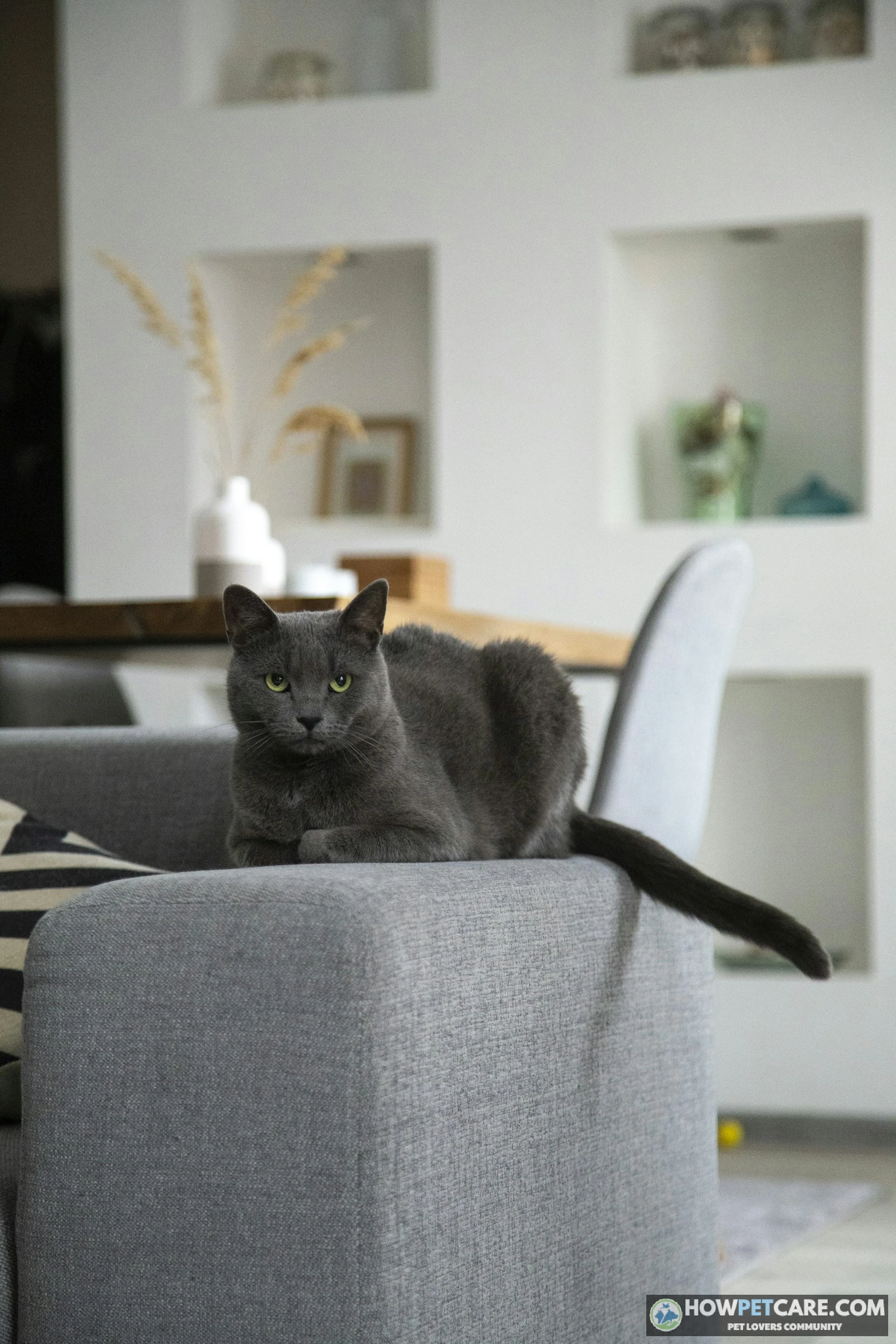
Help with grooming by gently brushing areas your cat tolerates and checking for mats or soiling. Don’t cut tight mats close to the skin with scissors; ask your vet or a qualified groomer for help. Reduced grooming itself deserves a health assessment.
When your senior cat hides or becomes suddenly clingy
A senior cat who’s suddenly clingy or hiding may be seeking security, avoiding pain, or reacting to a change in sight, hearing, health, or household routine. Offer a quiet resting place and let your cat choose contact. Check appetite, drinking, box use, and mobility; call your vet within 24–72 hours for a new change, or sooner if your cat seems ill. A cat who has not eaten for 24 hours needs urgent care today.
Managing aggression between household cats
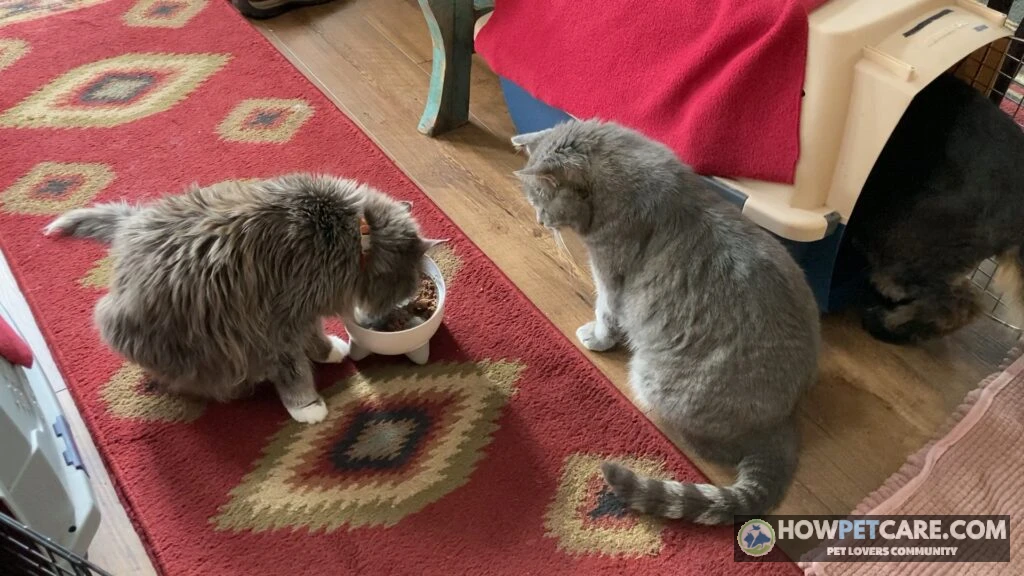
Watch for subtler tension as well as fights: one cat may guard a doorway, stare at another near the litter box, or prevent access to a favorite room. Separate essential resources rather than placing all bowls and boxes together. Add visual barriers and safe resting spots with clear exits. Never force the cats together or punish hissing; seek veterinary and behavior help if the tension continues.
Quality of Life and Knowing When Decline Has Gone Too Far: The HHHHHMM Scale
When several problems persist despite treatment, a quality-of-life discussion can help you decide what support your cat needs. The HHHHHMM framework considers Hurt, Hunger, Hydration, Hygiene, Happiness, Mobility, and whether there are More good days than bad. It’s a conversation aid, not an automatic decision rule.
Scoring your cat this week
With your veterinarian, rate each of the seven areas from 0 to 10, where a higher score generally represents better quality of life. For example, discuss whether pain is controlled, whether your cat can eat and stay clean, and whether moving to the box remains manageable. Record the scores and repeat them regularly; the trend and the reasons behind each score matter more than a number by itself.
A simple calendar can help: mark each day as good, mixed, or bad and add a short reason. Persistent pain, repeated food refusal, inability to reach the litter box, withdrawal, or loss of interest in favorite activities are reasons to call the vet rather than wait for a weekly score.
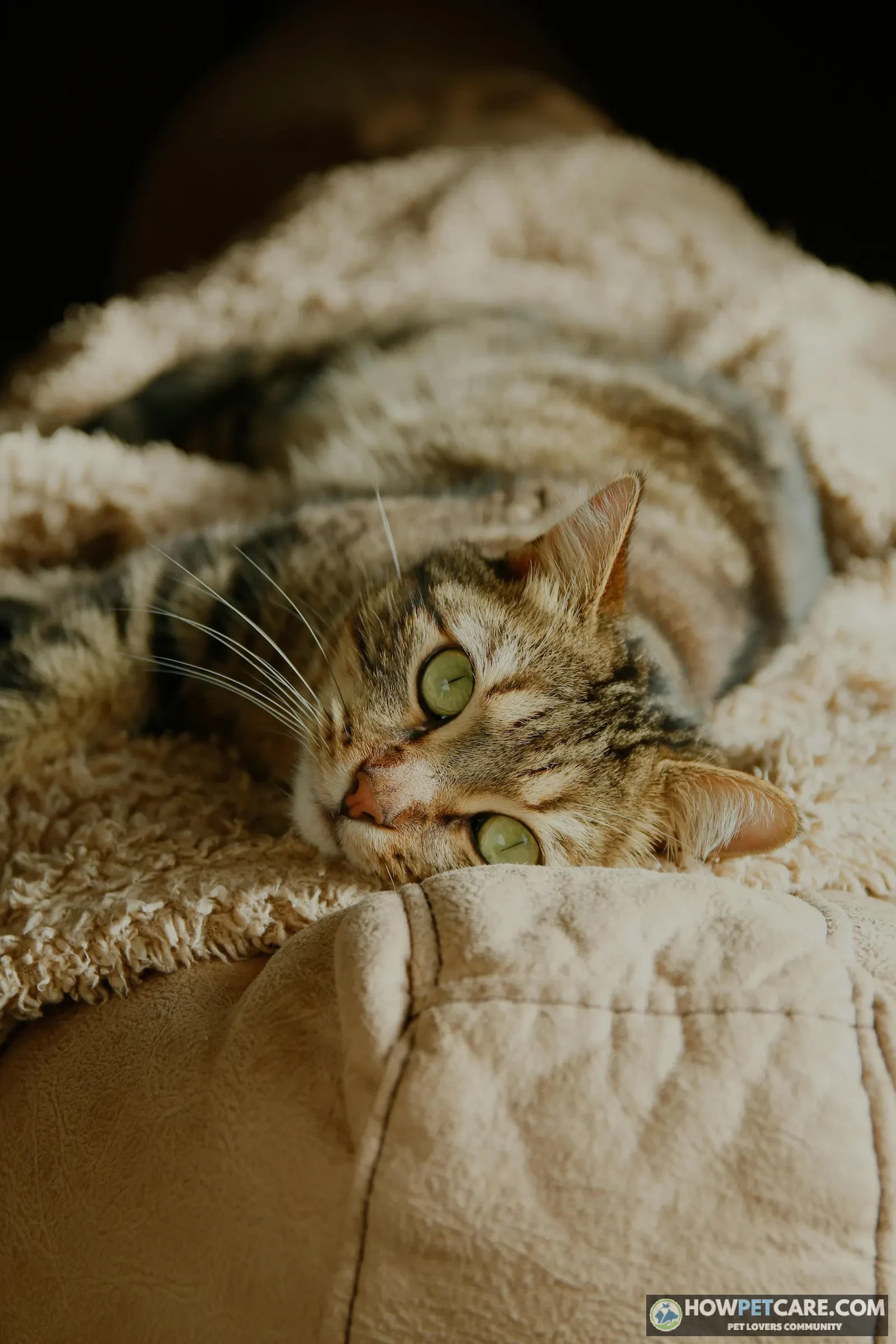
Talking to your vet about palliative care and euthanasia
Ask which symptoms can still be relieved, what improvement is realistic, and what signs would mean the plan needs to change. Options may include pain-focused palliative care, hospice support, and, when suffering can’t be adequately relieved, a discussion of euthanasia, including whether an at-home service is available. Asking these questions isn’t giving up; it’s part of planning for your cat’s comfort.
Your Action Plan: Classify, Log, Book, and Make One Change Today
- Classify the change. Use the matrix for each symptom. Go to an emergency veterinarian now for an emergency sign; don’t wait to complete a log.
- Record what you see. Start a seven-day record of meals, water, litter box use, mobility, sleep, and interactions. Capture a short video when it’s safe to do so.
- Book the right visit. Call within the time frame that matches the signs. Ask whether an exam, bloodwork, urinalysis, and blood pressure check are appropriate, and request an estimate.
- Make one change today. Add a low-entry litter box, light the route to it, place a stable ramp by a favorite resting spot, or try a brief gentle play session.
- Plan follow-up. Arrange senior checkups at least every six months or as your vet advises. If health problems are ongoing, track good and bad days and agree on a recheck schedule.
1A 14-year-old cat suddenly begins walking into walls, stumbling, and appearing unable to see out of both eyes. What is the appropriate triage urgency category and immediate course of action for this situation?
Sudden onset of severe neurological or sensory signs like acute blindness and stumbling indicates a potential hypertensive or neurological crisis requiring immediate emergency care.
2Under the updated AAFP/AAHA feline life-stage guidelines, at what age threshold is a cat officially categorized as a 'senior'?
The updated AAFP/AAHA guidelines categorize cats aged 7–10 as mature adults and reserve the senior designation specifically for cats aged 11 and older.
3Which of the following behavioral observations fall under the DISHAA framework used to identify possible Feline Cognitive Dysfunction (FCD)? (Select all that apply)
Staring at walls or getting trapped in familiar spaces reflects spatial disorientation, the 'D' in DISHAA.
4A 12-year-old cat has recently developed loud yowling late at night accompanied by noticeable weight loss despite having an unusually large appetite. Which condition is a primary medical suspect for these combined signs?
The combination of nighttime vocalization and restlessness alongside weight loss with polyphagia (increased eating) is a classic presentation of hyperthyroidism.
5The HHHHHMM framework helps owners and veterinarians evaluate quality of life in senior cats. Which of the following lists correctly identifies four of the factors evaluated in this scale?
The HHHHHMM scale assesses Hurt, Hunger, Hydration, Hygiene, Happiness, Mobility, and More good days than bad.
6Which of the following clinical scenarios warrant immediate emergency veterinary evaluation without waiting to log symptoms or book a routine appointment? (Select all that apply)
Straining without urine output suggests a urethral obstruction, which is a life-threatening medical emergency.
7An owner is implementing a cognitive stimulation protocol for a 12-year-old cat using floor-level play and puzzle feeders. Which observation indicates that the session should be stopped immediately?
Panting, heavy breathing, or limping indicates physical distress or pain, requiring immediate cessation of activity and veterinary consultation.
| Behavior Change | Possible Causes | Urgency Level | Recommended Action |
|---|---|---|---|
| Repeated straining to urinate, crying, or producing only drops | Urinary blockage, bladder inflammation, stones | Emergency | Go to an emergency clinic immediately; do not wait to see whether urine appears. |
| Sudden blindness, stumbling, seizure, or hind-leg weakness | High blood pressure, neurologic disease, injury, other serious illness | Emergency | Seek immediate care; transport your cat in a secure carrier. |
| Weight loss with a large appetite or night restlessness | Hyperthyroidism, diabetes, intestinal disease | Call within 24 hours | Request a prompt appointment; record appetite, weight changes, and thirst. |
| Confusion, staring, or getting stuck behind furniture | Sensory loss, pain, neurologic illness, cognitive dysfunction | Call within 24 hours | Record an episode; seek emergency care for sudden severe disorientation or stumbling. |
| Drinking or urinating more | Kidney disease, diabetes, hyperthyroidism | Call within 24–72 hours | Note changes in water and litter clumps; ask about bloodwork and urinalysis. |
| Peeing outside the box | Bladder disease, increased urine production, arthritis, stress, cognitive or sensory changes | Call within 24–72 hours (Emergency if straining) | Add an accessible box and follow rule-out steps. |
| New night yowling | Pain, hyperthyroidism, high blood pressure, hearing loss, cognitive dysfunction | Call within 24–72 hours | Record the sound and timing; seek emergency care for sudden blindness or stumbling. |
| Sudden hiding or clinginess | Pain, illness, anxiety, sensory changes, cognitive dysfunction | Call within 24–72 hours | Check eating, drinking, and box use; call sooner if your cat seems unwell. |
| New aggression toward people or another cat | Pain, fear, sensory changes, illness, household tension | Call within 24–72 hours | Prevent further confrontations and arrange a pain and health assessment. |
| Reduced grooming or a matted coat | Arthritis, dental pain, illness, difficulty reaching the coat | Call within 24–72 hours | Gently check the coat and request an examination. |
| Less jumping or difficulty with stairs | Arthritis, pain, muscle weakness, other illness | Call within 24–72 hours if new | Add a ramp and low-entry box; seek urgent care for sudden weakness. |
| Gradually longer naps and shorter play | Individual aging changes, pain, illness | Monitor at home (if mild and otherwise normal) | Track the pattern for one to two weeks and discuss it at a routine visit. |
FAQ
Is it normal for an old cat to sleep more?
Slightly more sleep is common with age, but a sudden jump, hiding, or lethargy is not normal. Pain, kidney disease, and thyroid or heart problems can all cause it, so mention it at the next checkup.
Why is my senior cat suddenly clingy?
Sudden clinginess can come from pain, anxiety, vision or hearing loss, hyperthyroidism, or early cognitive decline. If it appears abruptly or comes with other changes such as appetite loss or night yowling, schedule a vet visit.
Can I give my senior cat melatonin or other calming supplements for night waking?
Some vets recommend melatonin or other calming aids, but dosing and safety depend on your cat’s health and any medications. Rule out pain, thyroid disease, and high blood pressure first, and get your vet’s approval before starting anything.
How often should a senior cat see the vet?
Most vets recommend checkups at least every 6 months for senior cats, with bloodwork, urinalysis, and blood pressure checks as advised. Cats hide illness well, so more frequent visits catch problems earlier.
Do senior cats lose their sight or hearing, and how does that change their behavior?
Yes, both can decline with age and may cause startling, louder meowing, misjudged jumps, or reluctance to explore. Sudden blindness or confusion can signal high blood pressure and needs prompt veterinary attention.