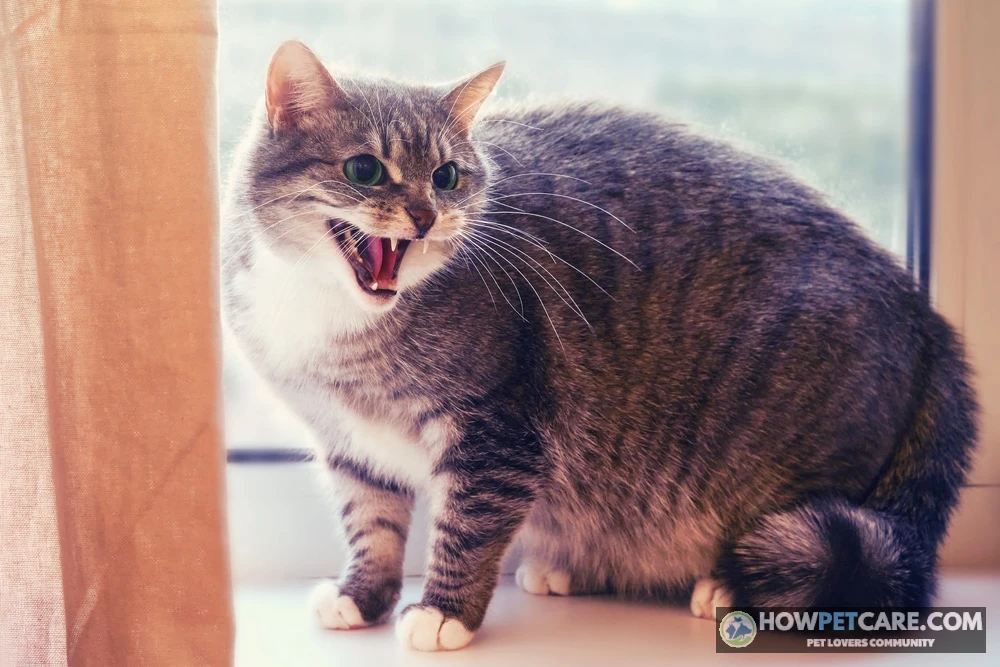

The five most reliable cat calling sounds for getting a cat’s attention:
- Soft adult meow – the classic request sound; best for familiar cats at low volume.
- Kitten call (high‑pitched mew) – triggers an orienting response even in adult cats.
- Trill or chirrup – a friendly “come here” greeting; pair it with the cat’s name.
- Chirp or chatter – sparks curiosity; use sparingly, not as a recall cue.
- Pspsps kissy noise – works on cats already trained to expect food or attention.
Play cat calling sounds—and choose the right one for the situation
Before we dive into the science of meowing, yowling, and caterwauling, let’s give you the practical tool you need right now: a short library of sounds you can play to attract a cat, plus a warning about what they will (and will not) actually do. This section satisfies the “play me a sound” intent that YouTube videos serve, but it does so with realistic expectations and a clear plan for when the sounds work best.
Quick sound library: meow, kitten call, trill, chirp, and pspsps
Below are the five most reliable cues for getting a cat’s attention. Where an audio file is unavailable, a simple note explains how you can imitate the sound yourself. All files are low‑bitrate MP3s designed for quick loading on any device.
- Soft adult meow – "Audio: play" – This mimics the classic request sound cats direct at people. A 2‑3‑second clip at low volume works best for familiar cats. (If the clip is not available, a gentle 2‑3‑second "meow!" works fine)
- Kitten call (high‑pitched mew) – "Audio: play" – Triggers an orienting response even in adult cats, especially females. Play once, listen for ear flicks or head turns. (Imitate by raising your voice to a high, thin whine)
- Trill or chirrup – "Audio: play" – The friendly greeting sound mother cats use and adults often use with people. It’s the closest thing to a genuine "come here." Pair with the cat’s name. (Imitate by quickly trilling like a bird: "tweet‑tweet‑tweee")
- Chirp or chatter – "Audio: play" – An excitement or frustrated hunting sound. Use sparingly to spark curiosity, not as a recall cue. (Mimic by quick, rhythmic gulps: "ch-ch-ch-ch" while looking at the speaker)
- Pspsps sound (kissy noise) – "Audio: play" – Many cats learn this cue predicts food or attention. Works best on cats that have been trained to respond to it. (Make a soft kissing sound with pursed lips)

When a clip fails to load, try playing the sound yourself. Cats often respond more to a live person’s voice than to a recording.
Which sounds to try for a familiar cat versus an unfamiliar cat
- Familiar indoor cat: Start with a trill or pspsps cue at low volume. Pair it with the cat’s name and a reward (treat or pet). Keep the clip short (2‑3 seconds) and wait 60‑90 seconds for a response.
- Stray, outdoor, or feral cat: The kitten call or soft meow often triggers curiosity because it reads as “a cat somewhere.” However, these sounds will rarely compel an unfamiliar cat to approach on their own. Keep playback volume very low and do not repeat more than once per session.
Bottom line: Recorded sounds are a conversation starter, not a guaranteed summoning device. Responses vary with familiarity, context, competing distractions, and individual temperament.
Decode the sound: what meows, yowls, caterwauls, trills, and chirps signal

Cats are masters of subtle vocal cues. Understanding what each common vocalization means, including why cats purr, helps you decide whether it’s a normal request, a sign of distress, or a mating call.
Common cat vocalizations and what to do when you hear them
| Sound | Typical meaning | What you should do next |
|---|---|---|
| Short, mid‑pitch meow | Request aimed at a person – food, door, attention | Respond or redirect; reward quiet behavior. |
| Repeated, insistent meowing | Escalating demand, boredom, or loneliness | Check basic needs, then avoid reinforcing the noise. |
| Trill or chirrup | Friendly greeting or "follow me" | Greet back; this is a good sound to reciprocate. |
| Chirp or chatter | Excitement or frustrated hunting drive | Offer a toy or play session if it occurs often. |
| Kitten mew (thin, high‑pitched) | Hunger, cold, or separation from mother | Verify warmth and food; repeated crying may need rescue. |
| Hiss or growl | Fear or defensive aggression | Give space; do not punish. |
| Yowl (long, drawn‑out) | Discomfort, disorientation, or inter‑cat conflict | New or escalating yowling in seniors is a vet‑visit flag. |
| Caterwaul (loud, hollow, repetitive) | Usually a mating call from an intact cat; also pain or cognitive decline | If intact, manage heat; if spayed/neutered or new onset, treat as a medical flag. |
| Silent meow | Affection or polite request | Acknowledge; no action needed. |

Pitch alone rarely identifies a cat’s intent. Combine sound with posture (ears flattened, tail lashing) for fuller context.
Caterwauling at night: mating calls and other possible causes
Caterwauling is a loud, resonant cry that can be heard from a block away. In unspayed females, it’s the classic estrus call – a high‑frequency mating plea that spikes at night when other cats are quieter. The vocalization can last 30‑90 seconds, repeating every few minutes, and often occurs near windows or doors where a male may be present.
Even spayed or neutered cats can yowl for other reasons: cognitive decline in senior cats (often accompanied by pacing), thyroid imbalance (prompts restlessness and vocalizing), or chronic pain (especially dental or arthritic). If a spayed cat suddenly begins caterwauling at night, treat it as a medical flag rather than a heat issue.
Key point: The same acoustic pattern can mean different things depending on the cat’s reproductive status, age, and health. Context and accompanying behavior are the real clues.

Kitten calls, adult calls, and what the differences reveal
Kitten isolation calls are thin, high‑pitched cries that begin as early as one week of age. They are used to locate the mother when separated, and the frequency range typically exceeds 4–8 kHz, well above most adult cat hearing. Adult cats rarely produce these ultra‑high pitches, but they can react strongly to them, sometimes mistaking a kitten’s distress for their own offspring.
Adult cat vocalizations differ by sex and reproductive state:
- Intact males often produce short, repetitive "calling" sounds during the breeding season, with a frequency around 200‑500 Hz and duration of 3‑6 seconds.
- Intact females in heat produce the classic caterwaul, a longer, more hollow sound, often lasting up to 30 seconds per call, with lower frequencies that travel farther.
These acoustic differences help you guess the caller’s sex, but sound alone is not a reliable identifier. Always consider whether the cat is neutered/spayed and its age.

When a cat’s vocalization needs attention or a vet visit
Not every meow, yowl, or trill signals a problem, but some sounds are red flags that demand professional care. Use the checklist below whenever you notice a sudden, persistent, or changed vocalization pattern.
Vet‑visit checklist – vocalization red flags
- ☐ Sudden onset – a cat that was quiet for years now vocalizes daily, especially at night.
- ☐ Changed pitch or quality – the meow sounds hoarse, weaker, raspier, or noticeably different than the cat’s normal voice.
- ☐ Increased frequency – meowing episodes are clearly more frequent or longer than the cat’s baseline, with no obvious trigger.
- ☐ Senior cat + nighttime yowling – disorientation in cats roughly 10+ can signal thyroid, blood pressure, or cognitive issues.
- ☐ Vocalizing at the litter box – crying while straining to urinate is an emergency, especially in male cats – go now, not tomorrow.
- ☐ Sound plus other signs – any vocalization alongside trouble breathing, collapse, obvious pain, refusing food for a day, or hiding.
If the cat is straining, struggling to breathe, or in visible pain, skip this list and seek urgent care – recording can wait.
Before the appointment (if it isn’t urgent):
- Record a 15‑30 second clip of the sound on your phone – vets hear descriptions all day; audio is far more useful.
- Note when it happens (time of day, before/after meals, near doors or the litter box).
- Note whether anything stops it (food, attention, opening a door).
Real‑world example: A 12‑year‑old spayed female began a nightly caterwaul in March 2026. Her owners recorded the sound, noted it occurred near the back door, and consulted a vet who diagnosed early-stage cognitive dysfunction. The vet prescribed a management plan that reduced nighttime vocalizing by 70% within weeks.

If the sound itself turns hoarse, weak, or disappears, look into whether a cat can lose its voice while you plan the vet call. Remember, you are not a diagnostician; you are a caregiver who gathers information for the veterinarian. The goal is to act quickly when the stakes are high and to provide useful data when you have time.
How to call your cat with recorded sounds without overdoing it
The “play me a sound” impulse often leads owners to loop a kitten’s cry all day, hoping the cat will come running. The reality is more nuanced. A short, well‑timed playback can become a useful recall cue, but only when applied with the right sound, volume, and reward structure.
Volume, timing, and a simple call‑and‑reward routine
- Pick the right setting. Choose a calm indoor space where the cat is not sleeping, eating, or stressed. Playback competes poorly with a busy or scary environment.
- Choose your first sound. For your own cat: a gentle trill or a familiar cue like pspsps or the treat‑bag sound. Skip kitten distress calls as an opener – they work by alarming the cat.
- Set the volume low. Play at roughly the loudness of a real cat in the same room, not louder. Cats locate sound precisely; louder reads as aggressive or alarming.
- Play once, then wait 60‑90 seconds. Watch for early response signals – ears rotating toward the speaker, head turn, freezing mid‑activity – before expecting the cat to walk over. Resist replaying immediately.
- Reward the approach. The moment the cat moves toward you, mark it with your voice and follow with a treat, petting, or play – whatever your cat values. This is what converts playback into a recall cue.
- Stop at three attempts or any stress signal. If you get hiding, flattened ears, a lashing tail, or distressed meowing, end the session. If the cat responded once and lost interest, the novelty wore off – that’s normal.

Walkthrough: The 5‑minute call protocol
-
1. Pick the right setting
The cat should be calm, indoors, and not asleep, eating, or stressed. Playback competes poorly with a busy or scary environment.
-
2. Choose your first sound
For your own cat: a gentle trill or a familiar cue like pspsps or the treat‑bag sound. Skip kitten distress calls as an opener – they work by alarming the cat.
-
3. Set the volume low
Play at roughly the loudness of a real cat in the same room, not louder. Cats locate sound precisely; louder reads as aggressive or alarming.
-
4. Play once, then wait 60-90 seconds
Watch for early response signals – ears rotating toward the speaker, head turn, freezing mid‑activity – before expecting the cat to walk over. Resist replaying immediately.
-
5. Reward the approach
The moment the cat moves toward you, mark it with your voice and follow with a treat, petting, or play – whatever your cat values. This is what converts playback into a recall cue.
-
6. Stop at three attempts or any stress signal
If you get hiding, flattened ears, a lashing tail, or distressed meowing, end the session. If the cat responded once and lost interest, the novelty wore off – that’s normal.
Habituation warning: a clip that works today often stops working within a week of repeated use. Rotate cues, keep sessions under five minutes, and expect diminishing returns – that’s a feature of how cats habituate, not proof you’re doing it wrong.
Why YouTube cat sounds may work for one cat and fail for another
YouTube videos often serve the exact sound you need, but they lack the context of “when to play” and “what to do after.” A cat’s reaction depends on:
- Familiarity: Cats recognize their owner’s voice and associated cues (like the treat bag). A recording of a different cat’s meow may be ignored.
- State of mind: A hungry, bored, or anxious cat is more likely to investigate a new sound than a cat that is sleeping or focused on hunting.
- Environmental distractions: City noise, other pets, or household activity can drown out or misinterpret a playback.
- Past experience: If a cat has been punished for responding to a meow, it may avoid approaching any sound that resembles a request.
Use YouTube clips as a starting point, but always pair them with a familiar voice, a calm setting, and a reward to reinforce the desired behavior.
Can recorded cat sounds stress or confuse your cat?
Even the best‑intentioned playback can have unintended side effects. Here’s what to watch for and how to stay on the safe side.
- Curiosity vs. alarm: A recording may prompt curiosity (ears forward, head turn) or alarm, including hissing and other defensive signals. If the cat shows alarm, stop playback immediately and give space.
- Distress call avoidance: Playing another cat’s distress or mating call near a cat that appears unsettled can increase anxiety. Avoid looping these sounds, especially around kittens or multi‑cat households.
- Habituation and frustration: If a cat repeatedly hears a sound that never yields a reward, it may become frustrated and start vocalizing more. Keep sessions brief and always follow successful approaches with positive reinforcement.
- Species‑specific reactions: Dogs may chase or bark at cat sounds, creating conflict. If you share your home with a dog, consider playing sounds when the dog is out of the room.

Use familiar, low‑volume cues over repeated or loud sound effects, especially around kittens, fearful cats, and multi‑cat households.
Manage nighttime caterwauling with practical, humane steps
If your cat is unspayed and the caterwauling is clearly a heat call, spaying remains the most definitive solution. However, while you plan for surgery (or if you choose not to), there are concrete tactics that can reduce nighttime noise without punishing the cat.
What to do tonight
- Secure the environment: Keep the female inside and away from intact males. If she’s an indoor cat with access to the outdoors, temporarily restrict that access.
- Maintain routine: Cats in heat often become restless when their daily schedule is disrupted. Feed, play, and let out at consistent times to reduce anxiety.
- Provide a quiet resting area: Set up a quiet, dim room with a soft bedding area away from windows and doors. Dim lighting and a fan can mask outdoor sounds.
- Ask the vet about medication: Some veterinarians prescribe a short‑term anxiety medication (e.g., gabapentin) for the heat period. Use only under professional guidance.

Do not punish, frighten, or use playback to cover the call. These responses can increase stress and worsen the behavior.
Longer‑term veterinary and household options
- Spay (or neuter) as soon as medically safe. This eliminates the majority of mating‑related caterwauling within 2‑3 weeks and offers long‑term health benefits.
- Environmental enrichment: Puzzle feeders, climbing structures, and interactive toys can redirect focus from mating urges.
- Lighting adjustments: Night‑time lights that mimic daylight can reduce the hormonal triggers that cause nighttime calling.
- Consider a "cuddle‑time" session: A few extra minutes of gentle petting and play just before dusk can release oxytocin and reduce calling intensity.
If caterwauling is new, unusually intense, or accompanied by other behavior or health changes, seek veterinary assessment rather than assuming the cat is in heat.
Choose your next step: identify, call, or get help
When a sound appears, you can use this quick decision flow to decide whether to investigate, attempt a recall, or call a professional.
"The sound I heard at night" – a 6‑question identification flow
-
1. Is it long, loud, and hollow-sounding, repeated in cycles?
Almost certainly a caterwaul. Go to Q2.
-
2. Is the cat an unspayed female (or are intact cats nearby)?
Likely a mating call. See the caterwauling management section – spaying is the definitive fix.
-
2b. Spayed or neutered but still caterwauling, and the cat is 10+ or the behavior is new?
Possible disorientation, thyroid, or pain issue – vet-visit checklist.
-
3. Is it short, demanding, and directed at you (door, bowl, bedroom)?
Standard meowing escalation – check food, water, litter, and whether you’ve been accidentally rewarding it.
-
4. Thin, high-pitched, intermittent crying from one spot?
Possibly a kitten separated or trapped – investigate the location before assuming it’s yours.
-
5. Yowling plus pacing, staring, or litter-box trips?
Treat as a medical flag, not a behavior problem – record a clip and call the vet.
Rule of thumb for the middle of the night: if it’s a known cat with a known cause (heat, door access, food), manage it calmly. If it’s a new sound from any cat, or any sound from a cat you don’t know is healthy and housed, default to investigation over ignoring.
Next steps for you
- If you heard an unfamiliar call: Compare its pattern and context with the sound guide above, then monitor for changes or warning signs. Record a clip and share it with your vet if the sound persists.
- If you want to summon your own cat: Try one quiet, familiar cue (trill or pspsps) and reward an approach rather than repeatedly playing clips. Keep sessions under five minutes and vary cues to avoid habituation.
- If the cat is unfamiliar or feral: Avoid chasing or cornering it; use calm behavior and seek local rescue guidance when needed. Playing recorded sounds on feral cats rarely yields safe results and may increase wariness.
By following these steps, you can interpret what you hear, use playback responsibly, and know when to seek professional help. This dual approach – decoding plus usable sound library – is exactly what a mixed‑intent search for “cat calling sounds” rewards in 2026.

| Sound Type | Acoustic Characteristics | Typical Meaning | Recommended Human Action | Target Audience / Context |
|---|---|---|---|---|
| Soft adult meow | Gentle 2–3-second clip/vocalization at low volume; gently spoken "meow!" | Classic request sound directed at people (food, door, attention) | Best played at low volume for familiar cats; respond or redirect, reward quiet behavior | Familiar cats / Stray, outdoor, or feral cat (triggers curiosity at low volume) |
| Kitten call (high-pitched mew / isolation call) | Thin, high-pitched whine/cry; frequency range typically exceeds 4–8 kHz | Hunger, cold, or separation from mother (signals distress/isolation) | Play once at low volume and listen for ear flicks or head turns; verify warmth and food; rescue/investigate if repeated crying | Adult cats (especially females); stray, outdoor, or feral cat (triggers curiosity at low volume) |
| Trill or chirrup | Bird-like trill ("tweet-tweet-tweee") | Friendly greeting sound or "follow me" / "come here" | Pair with the cat's name and a reward (treat or pet) as a recall cue; greet back (good sound to reciprocate) | Familiar indoor cat (at low volume with a reward) |
| Chirp or chatter | Quick, rhythmic gulps ("ch-ch-ch-ch") | Excitement or frustrated hunting drive | Use sparingly to spark curiosity (not as a recall cue); offer a toy or play session if frequent / it occurs often | Cats in curiosity or hunting contexts; general cat population (when watching prey/speakers) |
| Pspsps sound (kissy noise) | Soft kissing sound made with pursed lips | Learned cue predicting food or attention | Use as a call cue paired with cat's name and reward (treat or pet) | Cats trained/accustomed to expect food or attention; familiar indoor cat |
| Short, mid-pitch meow | Short, mid-pitch | Request aimed at a person – food, door, attention | Respond or redirect; reward quiet behavior | Cats communicating with humans; general cat population |
| Repeated, insistent meowing | Repeated, insistent | Escalating demand, boredom, or loneliness | Check basic needs, then avoid reinforcing the noise | Cats in demand or bored state; general cat population |
| Yowl (long, drawn-out) | Long, drawn-out cry | Discomfort, disorientation, inter-cat conflict, thyroid imbalance, or chronic pain | Investigate; treat new or escalating yowling (especially in seniors) as a vet-visit flag | Senior cats, disoriented, in pain, in discomfort, or in conflict |
| Caterwaul | Loud, hollow, repetitive, resonant cry lasting 30–90 seconds (up to 30 seconds per call), lower frequencies that travel farther | Estrus/mating call from an intact cat; pain, thyroid imbalance, or cognitive decline | If intact, manage heat or spay/neuter; if spayed/neutered or new onset, treat as a medical flag / consult vet | Unspayed/intact females in heat (nighttime); senior or spayed/neutered cats with medical issues |
| Silent meow | Mouth opens to meow with little to no audible sound (silent) | Affection or polite request | Acknowledge; no action needed | Cats interacting politely/affectionately with humans; general cat population |
| Hiss or growl | Hissing or growling sounds | Fear or defensive aggression | Give space; do not punish; stop playback immediately if heard during calling | Frightened, fearful, or defensively aggressive cats |
| Intact male calling sound | Short, repetitive sounds with a frequency around 200–500 Hz and duration of 3–6 seconds | Breeding season / mating-related calling sound | Manage breeding status / consult vet for neutering | Intact males during breeding season |
FAQ
Does “cat calling sound” mean a cat vocalization or a human wolf whistle?
It can mean either: searches may refer to feline calls such as meows or caterwauls, or to a human wolf-whistle sound effect. This article uses “cat calling sounds” for feline vocalizations and distinguishes the meanings where relevant.
Do cat sounds-to-attract-cats videos on YouTube actually work?
Some cats may react to a familiar-sounding meow or kitten call, while others ignore it or become alert without approaching. A response is not guaranteed: familiarity, context, temperament, and distractions all matter.
How do male mating calls differ from female caterwauling?
Both sexes can make loud mating-related calls, and sound alone is not a dependable way to identify the caller’s sex. Context, behavior, and whether the cat is intact provide more useful clues than an assumed acoustic difference.
Can I download cat calling sound effects for free?
Some libraries offer free cat audio clips, but download rights and permitted uses vary by source. Check the license and prefer a reputable source that clearly labels the sound and its usage terms.