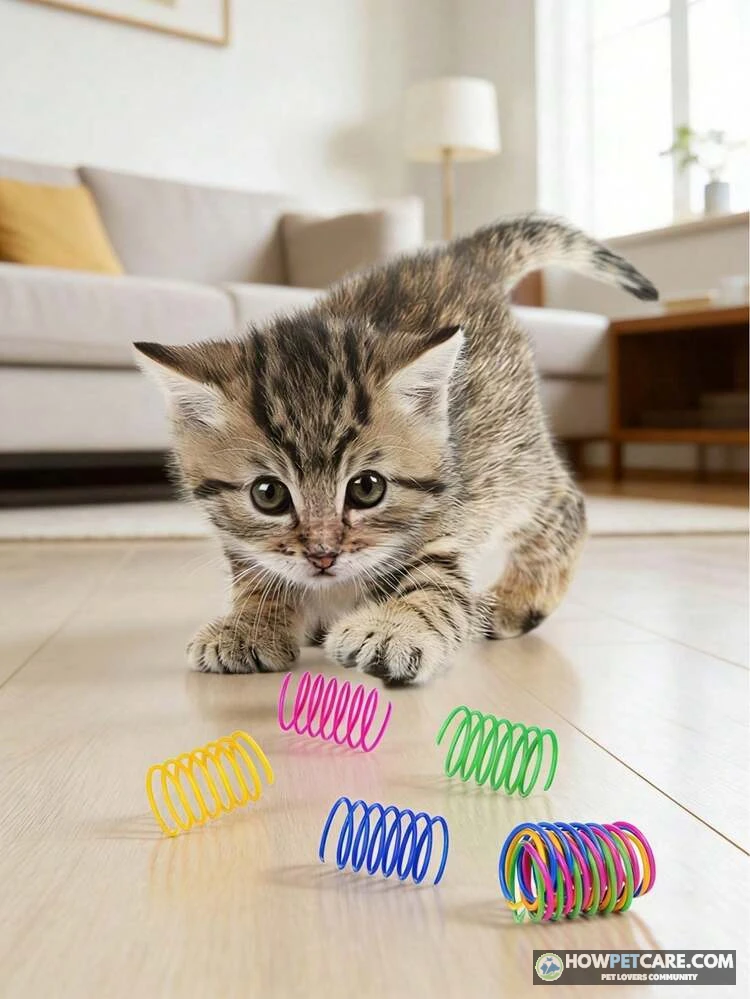

Cat enrichment means giving cats safe activities and environmental choices that let them hunt, forage, climb, scratch, explore, and rest. Simple options—interactive play sessions, food puzzles, window perches, and cardboard boxes—support natural behavior without requiring a large home or expensive gear.
Start cat enrichment today with two short play sessions, part of a meal in an easy food puzzle, and a comfortable place to watch or explore. You don’t need a large home or a cart full of toys. A sturdy box, a clear window view, and a few minutes of interactive play are enough to get started.
Cat enrichment means offering safe activities and environmental choices that let a cat hunt, forage, climb, scratch, explore, and rest. Animal-welfare guidance supports enrichment as a way to encourage natural behavior. It may also help with some unwanted behaviors, but it isn’t a substitute for veterinary care.
Start Today: A Simple Cat Enrichment Routine
A sample morning-to-evening routine
Use this example for a healthy adult cat, adjusting the timing to suit your household:
- Morning, 10 minutes: Move a wand toy along the floor like prey. Let your cat catch it several times, then put it away. Serve breakfast, with a small portion in an easy puzzle.
- Midday, 5–10 minutes: Offer a paper ball to bat around, or hide a few pieces of the cat’s measured meal in an open box. Keep a comfortable window-watching spot available.
- Evening, 10 minutes: Play interactively again, using a different movement pattern, then serve dinner. If your cat wants more, add a brief session with a favorite toy.

One published guideline suggests about 30 minutes of daily play for adult cats; other guidance recommends two 10-minute interactive sessions. Treat these as starting points, not a quota. Health, stamina, and interest all matter. Aim for at least half of playtime to be interactive, and spread activity across the day. If your cat walks away or gets tired, offer a break rather than urging them to finish.
How to tailor the routine to your cat
| Cat profile | Useful starting activities | Adjustments and watch-outs |
|---|---|---|
| Kitten | Several short wand sessions, lightweight balls, a low scratching post | Supervise play; remove small or chewable parts and allow rest breaks. |
| Healthy adult | Chase-and-catch play, easy food puzzles, a stable perch | Vary the movement and activity, not just the toy’s color. |
| Senior or mobility-limited cat | Gentle floor-level play, a shallow food puzzle, a low window perch | Avoid demanding jumps; ask a veterinarian about new reluctance to move. |
| Multi-cat home | Separate play sessions and feeding stations | Watch for one cat blocking another’s access. |
| Small apartment | Window watching, a box hideout, a secure vertical route | Use separate activity areas, even if they’re just different corners of one room. |
A cleared shelf, anchored cat tree, or low window perch can add usable vertical space in an apartment without taking up much floor area. Keep a quiet retreat available, too, so your cat can choose whether to join in.
Recognize Boredom Without Mistaking It for Illness
Clues that enrichment may be missing
Look for recurring changes from your cat’s usual behavior:
- Scratching furniture when suitable scratching surfaces are unavailable or go unused.
- Persistent meowing, restless attention-seeking, or knocking objects over.
- Chewing non-food items or grooming one area excessively.
- Repeatedly chasing or ambushing people or other pets.
- Less interest than usual in play, food, or familiar surroundings.
- Repeated attempts to rush through doors.

These signs aren’t a boredom score. Scratching and sleep can be normal, and a behavior may have several causes. Note when it happens, what came before it, and whether anything in the household has changed. That record can help you and your veterinarian decide what to investigate.
When to call the veterinarian
Call your veterinarian about a sudden or persistent behavior change, especially lethargy, appetite or weight changes, vomiting, hiding, aggression, or changes in litter-box habits. A quiet cat may have a medical problem; don’t assume extra toys will fix it.
A cat that repeatedly strains to urinate, produces little or no urine, or cries in the litter box needs urgent veterinary attention. Do not wait to see whether enrichment helps.
Build Enrichment Around Hunting, Foraging, Senses, and Climbing
Food puzzles and foraging
Foraging lets a cat work for food without adding calories, as long as you use part of the normal measured meal.
- Scatter feed: Place a few pieces of kibble across a clean, easy-to-search mat or floor area.
- Try an open puzzle: Put a few pieces in the wide cups of a clean muffin tin, where they’re visible and easy to reach.
- Make a box forage: Place small portions in a shallow cardboard box. Start without obstacles; add a larger, clean paper ball only if your cat solves it easily and doesn’t eat paper.
- Hide tiny portions: Put familiar food in two or three accessible spots in one room. Show your cat the first spot and collect any leftovers afterward.

If your cat doesn’t eat kibble, see the wet-food options later in this guide. Never withhold a meal to force your cat to use a puzzle.
Interactive play and play therapy
Interactive toys let you mimic prey: creep behind a chair, pause, then dart away. Let your cat stalk, chase, and catch the toy. It shouldn’t stay just out of reach the whole time.
- Wand toys: Drag the toy along the floor or partly behind furniture, then let your cat catch it several times. Supervise closely and store the wand and string in a closed space afterward. Swallowed string can cause serious injury.
- Toss and retrieve: Toss a large, lightweight toy a short distance and let your cat decide whether to chase it or bring it back. Choose a toy without detachable small parts.
- Under-cover hunt: Move a sturdy toy slowly beneath a thin blanket, then reveal it for a catch. Stop if your cat bites or tears the blanket.
- Reward-based training: Use a small portion of the daily food allowance to reward a nose touch to your hand or a simple sit. Keep sessions around five minutes or less, and stop while your cat is still engaged.
Play can be part of a behavior plan, sometimes called play therapy. But persistent aggression or distress calls for professional advice, not a play-only fix.
Vertical space and sensory choices
Give your cat several ways to observe and explore, without requiring them to use any of them:
- Cat tree or shelf route: Anchor climbing furniture and provide a stable route up and down. Add low steps for cats that should avoid jumping.
- Window perch: Place a secure perch near a closed window or a securely protected opening. Watching outdoor movement offers simple indoor sensory activity.
- Scratching stations: Put a sturdy vertical post near a favorite resting area and a horizontal scratcher where your cat already scratches. Reward use instead of punishing scratching.
- Box hideout: Remove staples, tape, and loose labels from a cardboard box (see why cats like boxes), then cut a second opening so your cat has an exit. Replace the box if your cat chews or shreds it.
- Scent discovery: Occasionally put a little catnip on a washable toy. Introduce one scent at a time, and let your cat walk away.

Choose DIY or Commercial Enrichment by Budget, Durability, and Safety
Budget tiers for everyday enrichment
The figures below are rough planning estimates, not verified current prices. Costs vary by location, materials, size, and installation. Check local listings and quotes before buying.
| Option | Typical cost tier | Strengths | Trade-offs | Safety or durability check |
|---|---|---|---|---|
| Household DIY: box, paper ball, muffin-tin forage | Often $0 using supplies on hand | Easy to adapt and replace | Cardboard and paper wear quickly | Remove staples, tape, and loose pieces; supervise and discard if chewed. |
| Basic commercial toys and simple puzzle feeders | Often under $20 per item | Convenient; some are washable | Quality and difficulty vary | Check seams and parts; choose a size your cat cannot swallow. |
| Window perch or cat tree | Roughly $20–$200 or more | Adds resting or climbing space | Larger, sturdier furniture costs more and needs space | Follow weight and mounting instructions; check stability regularly. |
| Catio or enclosed outdoor run | Roughly $100 to several thousand dollars or more | Adds enclosed outdoor space | Materials, labor, permits, and maintenance can add substantially | Use secure mesh and latches; provide shade and check for escape gaps. |
Catio costs and lower-cost alternatives
A small DIY enclosure made with materials you already own may cost much less than a large custom installation. Before choosing a catio for cats, budget separately for the frame, mesh, fasteners, flooring, labor, and repairs. Check lease rules and local permit requirements, and get local estimates before committing.
A secure indoor window perch costs less. Don’t assume ordinary insect screens or balcony netting are strong or secure enough to contain a cat. Use a properly secured, cat-safe enclosure and supervise outdoor access.

Make Feeding Puzzles Work for Kibble and Wet-Food Diets
A gradual puzzle-feeder introduction
- Start open: Put a little familiar food on a plate beside the puzzle, then place a few pieces in its easiest openings.
- Show the action: Gently move the feeder or touch the food so your cat can see how to reach it. Let them investigate without pressure.
- Increase challenge slowly: Once your cat eats comfortably, spread the food across a few openings or use a slightly more demanding setting.
- Check intake: Offer the rest of the meal in the usual dish. If your cat ignores the puzzle, simplify it and make sure they still eat their normal amount.
In multi-cat homes, feed cats separately when needed and check what each one actually eats. If a cat has a prescription diet or you’re concerned about food intake, ask your veterinarian before changing the feeding routine.
Wet-food puzzles and hygiene
Cats who eat only wet food can forage, too. Try a thin layer of their usual meal in a shallow food-safe lick mat, a few small portions in the wide cups of a muffin tin, or several small washable saucers around one room. Begin with smooth, easy-to-reach surfaces rather than deep crevices.
Serve a fresh measured portion, supervise the first attempts, and wash the mat or dishes after use. Follow the food label and veterinary guidance for handling leftovers. Refrigerate or discard uneaten wet food promptly rather than leaving it out for hours. If the puzzle is difficult to clean, choose a simpler dish.

Adapt Enrichment for Kittens, Seniors, and Cats with Mobility Limits
Kittens and developing play skills
Kittens generally do well with frequent, short sessions. One published guideline suggests 45–60 minutes of daily play divided into 5–10-minute sessions, but individual stamina and veterinary advice come first. Offer a lightweight toy to chase, a low scratching surface, and time to rest between games.
Keep string, ribbon, feathers that detach, and small parts out of reach when play ends. Supervise kittens with DIY items, and replace anything they start to swallow or tear apart.
Senior, arthritic, and disabled cats
For a senior cat, move a toy slowly across the floor instead of encouraging jumps. Keep food puzzles, water, a low-sided litter box, and resting spots within easy reach. A ramp or low, stable steps can make a favorite perch accessible; nonslip surfaces can help with footing.
Choose activities for the individual cat. One with limited vision may prefer a toy that makes a gentle sound, while a cat with hearing loss may respond better to visible movement. Introduce changes gradually, and ask your veterinarian about suitable activity, especially if your cat has pain, arthritis, or a new reluctance to jump.

Prevent Resource Conflicts and Keep Enrichment Safe
Multi-cat resource layout
Don’t assume cats will comfortably share a puzzle, perch, or play session. Set up food, water, scratching surfaces, resting places, and litter boxes in separate, accessible locations. A common starting arrangement is one litter box per cat plus one extra, spread across different areas rather than lined up together.
Give each cat an escape route and access to a quiet resting spot without having to pass another cat. Offer individual play behind separate doors if one cat interrupts. If food guarding occurs, serve puzzles in separate rooms. Watch for staring, blocked doorways, hiding, or one cat consistently leaving when another approaches. If tension persists or escalates, consult your veterinarian or a qualified feline behavior professional.

Safety checks for plants, scents, and materials
| Item or material | Safer approach | Avoid or check | Supervision or hygiene note |
|---|---|---|---|
| Plants | Check each plant’s exact identity against the ASPCA toxic and non-toxic plant list; cat grass is one option to verify. | Avoid lilies, pothos, philodendron, and sago palm around cats. | Even a non-toxic plant can cause stomach upset if heavily chewed. |
| Scents and essential oils | Offer a small amount of a cat-appropriate herb separately from food. | Avoid applying essential oils to cats; check with a veterinarian before using diffusers or scented products around them. | Let the cat leave the area; stop if the scent causes irritation or distress. |
| String, ribbon, yarn, tinsel | Use wand-toy cords only during supervised play. | Do not leave string-like materials accessible. | Store securely after play. If swallowed, contact a veterinarian promptly; do not pull visible string. |
| Foil, small plastics, bottle caps | Use a large paper ball or appropriately sized cat toy instead. | Avoid foil balls, sharp edges, and pieces small enough to swallow. | Supervise paper play and remove anything chewed or shredded. |
| Worn toys | Inspect seams and attachments regularly. | Avoid exposed stuffing, loose eyes, and detachable small parts. | Discard damaged toys rather than leaving them available. |
| Food puzzles and lick mats | Choose food-safe surfaces that are easy to scrub. | Avoid leaving wet food in crevices or out for hours. | Wash after wet-food use; refrigerate or discard leftovers promptly. |
If you suspect poisoning, contact your veterinarian, an emergency veterinary clinic, or the ASPCA Animal Poison Control Center promptly. Don’t wait for symptoms.
Scent enrichment and laser play
Cats respond differently to catnip, silvervine, and valerian root; some may show little interest. A practical starting schedule is a small pinch of one herb, or a toy scented with it, once or twice a week—not a proven dose or safety limit. If your cat’s interest fades, put it away for a week or two before trying again. Avoid loose plant material if your cat eats it excessively, and ask your veterinarian before use if you have concerns about your cat’s health.
A physical toy is usually the simpler choice for interactive play. Some guidance cautions that an uncatchable laser dot can frustrate cats; other guidance suggests ending the chase with a real toy or treat. If you use a laser pointer, never shine it into anyone’s eyes, keep the session brief, and finish with something your cat can catch. Stop if your cat keeps searching for the dot or seems distressed.
Turn Your Cat’s Preferences into a Weekly Rotation Plan
A sample weekly rotation
Keep the morning and evening interactive play blocks from the starter routine each day. This table adds variety without requiring a new purchase every day. For food activities, use portions of the normal measured meal.
| Day | Play activity | Food or foraging activity | Environment or sensory option |
|---|---|---|---|
| Monday | Wand chase and catch | Easy puzzle at breakfast | Window perch |
| Tuesday | Toss a large paper ball under supervision | Scatter part of a meal | Fresh cardboard box |
| Wednesday | Wand toy moves behind furniture | Open muffin-tin forage | Cat tree or accessible shelf |
| Thursday | Floor-level toy chase | Wet-food lick mat or shallow saucers | Swap in one stored toy |
| Friday | Wand play plus brief clicker training | Familiar easy puzzle | Horizontal scratcher |
| Saturday | Let your cat choose between two toys | Hide small portions in one room | Secure window watching |
| Sunday | Gentle favorite game | Easy scatter feed or familiar dish | Familiar resting spots |
Keep three or four safe toys available and swap one each week. Leave a favorite out if your cat uses it regularly. Store wand toys and any string separately after every supervised session.

What to do when a cat ignores new enrichment
Make the next attempt easier: expose the food, shorten the distance, move the toy more slowly, or try a quieter room. Offer familiar food rather than changing your cat’s diet just to fill a puzzle. If your cat still walks away, remove the activity and try another. Disinterest is useful feedback, not disobedience.
At the end of the week, note what your cat chose, approximately how long they engaged, and any signs of fatigue, stress, or conflict. Today, choose one interactive game, one easy food activity, and one environmental change. Keep what works, adjust what doesn’t, and contact your veterinarian about concerning behavior changes.

| Option or Material | Typical Cost Tier | Strengths or Safer Approach | Trade-offs or Avoidance Advice | Safety, Durability, and Hygiene Notes |
|---|---|---|---|---|
| Plants | Not in source | Check each plant's exact identity against the ASPCA toxic and non-toxic plant list; cat grass is one option to verify. | Avoid lilies, pothos, philodendron, and sago palm around cats. | Even a non-toxic plant can cause stomach upset if heavily chewed. |
| Household DIY: box, paper ball, muffin-tin forage | Free (often $0 using supplies on hand) | Easy to adapt and replace. | Cardboard and paper wear quickly. | Remove staples, tape, and loose pieces; supervise and discard if chewed. |
| Basic commercial toys and simple puzzle feeders | Low (often under $20 per item) | Convenient; some are washable. | Quality and difficulty vary. | Check seams and parts; choose a size your cat cannot swallow. |
| Window perch or cat tree | Moderate to High (roughly 20–200 or more) | Adds resting or climbing space. | Larger, sturdier furniture costs more and needs space. | Follow weight and mounting instructions; check stability regularly. |
| Catio or enclosed outdoor run | High to Premium (roughly $100 to several thousand dollars or more) | Adds enclosed outdoor space. | Materials, labor, permits, and maintenance can add substantially. | Use secure mesh and latches; provide shade and check for escape gaps. |
| Scents and essential oils | Not in source | Offer a small amount of a cat-appropriate herb separately from food. | Avoid applying essential oils to cats; check with a veterinarian before using diffusers or scented products around them. | Let the cat leave the area; stop if the scent causes irritation or distress. |
| String, ribbon, yarn, tinsel | Not in source | Use wand-toy cords only during supervised play. | Do not leave string-like materials accessible. | Store securely after play. If swallowed, contact a veterinarian promptly; do not pull visible string. |
| Foil, small plastics, bottle caps | Not in source | Use a large paper ball or appropriately sized cat toy instead. | Avoid foil balls, sharp edges, and pieces small enough to swallow. | Supervise paper play and remove anything chewed or shredded. |
| Worn toys | Not in source | Inspect seams and attachments regularly. | Avoid exposed stuffing, loose eyes, and detachable small parts. | Discard damaged toys rather than leaving them available. |
| Food puzzles and lick mats | Not in source | Choose food-safe surfaces that are easy to scrub. | Avoid leaving wet food in crevices or out for hours. | Wash after wet-food use; refrigerate or discard leftovers promptly. |
FAQ
What is cat enrichment, and why does it matter?
Cat enrichment is the provision of safe activities and environmental choices that let cats express behaviors such as hunting, foraging, climbing, scratching, and exploring. It can support activity and engagement, but it does not replace veterinary care or address every behavior problem.
How much playtime does a cat need each day?
There is no single amount that suits every cat; age, health, and play style matter. Start with several short interactive sessions and adjust based on your cat’s engagement, stamina, and veterinary advice.
How often can I offer catnip or silvervine?
Cats vary in whether and how strongly they respond, so offer these scents occasionally and pause or rotate them if your cat loses interest. Keep products away from cats when not in use and follow the product’s safety guidance.
What should I try if my cat ignores a new toy or puzzle?
Make it easier and more familiar: use a favorite food, expose the reward, demonstrate the toy, and introduce it briefly in a calm space. Do not make a puzzle the only source of food, and try a different activity if the cat remains uninterested.