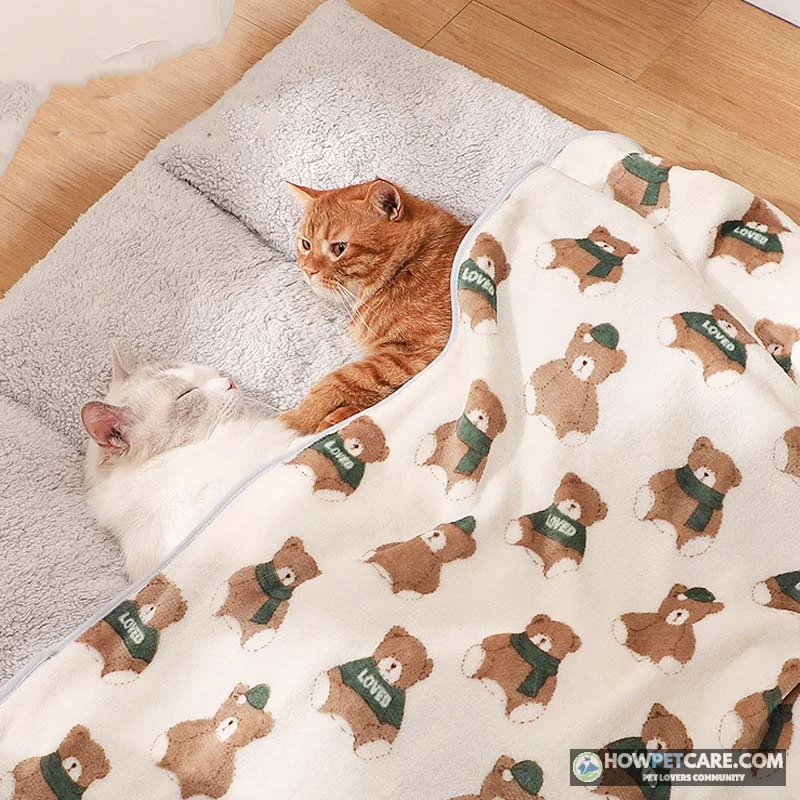

Cats "make biscuits" primarily as an instinctual comfort habit carried over from kittenhood, when they rhythmically pressed their mother’s mammary glands to stimulate milk flow. In adult cats, this repetitive pawing usually signifies relaxation, safety, and affection, though it can also serve to soften resting surfaces or self-soothe during stress.
What Making Biscuits Means: The Quick Answer to Cat Kneading
When a cat "makes biscuits"—pressing its front paws rhythmically against a soft spot—it’s repeating a motion first used as a kitten pawing its mother’s belly during nursing. So, why do cats make biscuits as adults? Usually it’s a familiar comfort habit associated with relaxation, yet it isn’t a guaranteed sign of happiness. You need to read the cat’s overall body language, the surface it’s kneading, and any sounds or claw activity to interpret the behavior fully. Below we separate the well‑supported nursing behavior from plausible explanations for its persistence.
The Science Behind the Nursing Reflex
Kittens knead by pressing their paws against their mother’s mammary glands, helping stimulate milk flow. The pattern often sticks around into adulthood as an apparent comfort habit even after the need to nurse disappears. Stretching the fore‑paw muscles and easing tension may contribute, but stretching as a reason for kneading is less established than its role in nursing.

Wild Ancestry, Bedding Down, and Territorial Scent Marking
One proposed explanation is that kneading resembles the way wild felids prepare vegetation for resting. Domestic cats may use similar movements on pliable, “dough‑like” surfaces, but an inherited nesting purpose is not established. Cats also have scent glands around their paws, so kneading might leave scent on a favorite place. That possibility does not prove cats knead specifically to mark territory, even where several cats live together. Both ideas have less direct support than the nursing explanation.

[kdlx_table]
| Proposed Biological Reason | Scientific Confidence Level | Supporting Evidence & Clinical Consensus | Plausible Alternative / Overstatement Risk |
|---|---|---|---|
| Neonatal Nursing Reflex | Strongly Supported in Kittens | Kittens knead the mammary area while nursing, helping stimulate milk flow; many adults retain a similar movement. | The reason adults continue is less certain. Kneading does not establish early weaning; naturally weaned cats also knead. |
| Comfort & Positive Conditioning | Plausible (Observational Support) | Often occurs with loose muscle tone, slow‑blinking, and resting postures in familiar surroundings. | Kneading does not automatically guarantee contentment; it may also serve as self‑soothing during stress or discomfort. |
| Interdigital Scent Marking | Plausible (Limited Direct Feline Data) | Scent glands around the paws make scent transfer possible during contact with surfaces. | Scent transfer does not establish intentional territorial "claiming" as the purpose of kneading. |
| Ancestral Nesting / Bedding Down | Plausible (Indirect Support) | Kneading before resting resembles bedding preparation, but a direct ancestral link is uncertain. | Hard to separate a nesting explanation from simple tactile comfort seeking on pliable domestic textures like fleece or down. |
| Neurochemical Bonding (Oxytocin Shift) | Theoretical / Unproven for Kneading | Broader mammalian bonding research suggests a possible connection, not a demonstrated kneading‑specific hormone response. | Claims treating oxytocin surges during biscuits as proven facts go beyond the available evidence. |
[/kdlx_table]
Surface and Context: Why Cats Knead People vs. Blankets and Beds
What a cat chooses to knead offers context, not a certain explanation of its aim. Kneading a human often occurs during friendly contact and may reflect warmth, familiarity, and comfort. When the target is a blanket, bedding, or laundry, its softness and familiar smell may invite the same motion, whether or not a nap follows.
Kneading on Your Lap, Chest, or Stomach
Cats frequently press their paws on a person’s chest, lap, stomach, or legs because those spots offer warmth, support, and closeness to a familiar caregiver. Some also knead near the face during close contact; this need not have a different meaning. The idea that a person’s heartbeat recreates nursing comfort is plausible, not proven. Keep paws away from your eyes and gently redirect face kneading to a covered lap or nearby cushion.

Why Blankets and Bedding Trigger Biscuit‑Making
Soft, pliable fabrics—fleece, sherpa, freshly laundered towels—yield under the paws and may encourage a familiar nursing‑like motion. Clothing can also carry familiar human scents. Before curling up in a sleeping area, a cat may knead the material as part of settling down or adjusting its resting surface. Nest preparation and scent deposition are possible explanations, rather than established purposes of every bedtime kneading session.

Many owners see their cat kneading just before bedtime. With relaxed body language, it usually fits a natural wind‑down routine; the familiar motion may help the cat settle in a dim, quieter setting.
Decoding Body Language: Affection vs. Stress‑Induced Self‑Soothing
Kneading by itself isn’t the whole picture. Check the cat’s ears, eyes, tail, posture, and vocalizations together. Purring also occurs during pain or stress, and neither eye contact nor extended claws proves happiness or distress. Persistent, hard‑to‑interrupt kneading that disrupts eating, sleeping, or other activities warrants advice; repetition alone does not establish compulsive behavior.
Signs of Contentment and Deep Relaxation
- Posture: Spine relaxed, hips slightly rolled to one side, limbs loose.
- Ears: Forward or slightly outward, not pinned back.
- Eyes: Soft, half‑closed, or slow‑blinking.
- Tail: Resting gently, sometimes curling around the body.
- Cadence: Slow, rhythmic presses with occasional relaxed claw release.
- Vocalization: Soft purring, quiet trills, or complete silence.
- Interruptibility: Cat pauses kneading calmly when spoken to or gently stroked.
Red Flags: Compulsive Pacing, Anxiety, and Pain Signals
- Posture: Hunched, tense shoulders, skin twitching along the flank.
- Ears: Flattened or rotated sideways ("airplane ears").
- Eyes: Dilated pupils despite normal lighting.
- Tail: Tight, thumping, or flicking sharply.
- Cadence: Fast, frantic, or irregular pressing that seems agitated.
- Vocalization: Low groans, strained yowls, or a mix of loud purrs with harsh tones.
- Physical cues: Limping, paw flinching, or avoidance of weight on the front limbs.

[kdlx_table]
| Kneading Context | Body Language & Posture | Underlying Feline State | Recommended Owner Action |
|---|---|---|---|
| Relaxed lap kneading | Loose spine, half‑closed eyes, forward ears | Likely comfort, friendly contact | Continue petting if welcomed; offer a soft blanket if claws bother you |
| Night‑time blanket kneading | Soft blink, tail relaxed, slow rhythm | Likely settling before sleep | Let the cat finish; check for chewing or loose threads |
| Rapid, frantic kneading after loud noise | Tense shoulders, dilated pupils, ears back | Possible stress or anxiety response | Provide a calm safe space and observe for persistence |
| Kneading with limp or vocal distress | Hunched posture, limp front paw, strained meow | Possible pain or injury | Contact a veterinarian promptly; avoid manipulating a painful paw |
[/kdlx_table]
Kneading With Suckling: Comfort Habit or Risk of Fabric Ingestion?
A number of cats add gentle suckling of blankets or clothing to their kneading. The habit may carry over from kittenhood. Early weaning or abrupt separation is sometimes associated with fabric suckling, but neither is necessary, and the behavior cannot reveal a cat’s weaning history. While the oral action can be soothing, swallowing nonfood material raises concern for pica and intestinal blockage.
Low‑Risk Scenario – The cat simply licks or mouths the fabric, leaving a damp spot without tearing threads. Risk is lower, but supervision matters because mouthing can become chewing.
High‑Risk Scenario – The cat actively chews, pulls out yarn, or swallows pieces. Signs include missing fibers in the fabric or the appearance of threads in vomit or stool. Guarding an item alone does not establish ingestion.
If you notice the high‑risk signs, remove access to the fabric and contact your veterinarian about suspected ingestion. No fleece, cotton, or synthetic blanket is reliably safe for a cat that chews and swallows it. Offer supervised play and resting surfaces the cat does not ingest instead. Repeated nonfood eating needs assessment for possible medical or behavioral contributors; kneading alone does not diagnose pica.

Swallowed fibers can cause intestinal blockage, a medical emergency. Contact a veterinarian promptly for suspected ingestion; seek urgent care for repeated vomiting, loss of appetite, abdominal pain, or no stool for more than 24 hours. Do not wait for that interval if other signs appear, and never pull a thread protruding from the mouth or anus.
How Age, Breed, Reproductive Status, and Biology Influence Kneading
A cat’s kneading frequency may shift over its life, but firm age‑based patterns and hormonal explanations are not established. Individual habits and changes from the cat’s usual behavior matter more than these broad groupings.
- Kittens (0‑6 months): Kneading accompanies nursing and may continue as a comfort behavior after weaning.
- Young adults (6‑24 months): Many knead as a regular comfort habit; frequency varies rather than following an established schedule.
- Senior cats (7+ years): Joint discomfort or reduced mobility may reduce the vigor of kneading, though some older cats continue unchanged. Age alone does not indicate pain.
- Breeds: Oriental breeds (Siamese, Tonkinese) are sometimes described anecdotally as enthusiastic kneaders. Reports about wool suckling should not be treated as proof of more kneading; robust breed‑specific data are lacking, so individual variation is the rule.
- Reproductive status: Intact females in estrus may raise their hindquarters and tread with their hind feet as part of mating behavior, which differs from typical front‑paw kneading. Spaying or neutering can reduce reproductive behaviors, but does not reliably eliminate or predict changes in comfort kneading.
- Hormonal hypotheses: Oxytocin is sometimes proposed as an explanation for kneading during friendly contact, based on broader mammalian bonding research. A kneading‑specific oxytocin surge has not been established, so the idea remains theoretical.
Managing Sharp Claws Without Discouraging the Behavior
During kneading some cats let their claws extend with each paw flex, while others keep them retracted or sheathed. Both patterns are normal; extended claws alone do not indicate aggression, and retracted claws do not prove relaxation. Owners can protect skin and furniture without punishing the cat or stopping a normal comfort habit.
Three Safe, Non‑Punitive Strategies
- Deploy a Dedicated Physical Buffer – Keep a folded micro‑fleece or sherpa blanket on your lap or chest before the cat begins kneading. The cat can press its paws on the fabric while your skin stays protected, provided it does not chew or swallow the material.
- Routine Nail Care – Check claws every 10–14 days and trim only when needed. Remove just the sharp tip, staying clear of the quick. Use suitable pet nail trimmers and ask a veterinarian or groomer for a demonstration if you cannot identify the safe cutting area.
- Gentle Redirection – If the cat starts climbing onto a delicate surface, calmly encourage it onto a nearby soft cushion. Avoid sudden movements or scolding, which can cause defensive clawing.

-
Deploy a Dedicated Physical Buffer
Place a plush, folded micro‑fleece blanket on your lap before you sit. When you feel the cat’s paws approaching, drape the blanket across your chest or thighs, provided the cat does not ingest fabric.
-
Trim Only the Sharp Tip
Under good lighting, hold each front paw gently and locate the quick (pink tissue). Trim 1‑2 mm only if that removes just the clear sharp tip while leaving at least 2 mm from the quick. If you cannot see the quick or the cat resists, stop and seek help.
-
Execute Low‑Stress Disengagement
If claws become painful, pause and let them release rather than pulling away. Encourage the cat onto a nearby cushion. If lifting is needed and tolerated, support both the chest and hindquarters. Speak calmly (“all done”) and step back.
Veterinary Triage: When Kneading Patterns Warrant a Clinical Checkup
Most kneading is harmless, yet certain changes can hint at health issues that deserve a professional check. None of these signs diagnoses a condition from kneading alone.
Red‑Flag Checklist for Owners
- Sudden increase in kneading frequency or duration, especially if the cat seems unable to stop.
- Abrupt cessation of a long‑standing kneading habit, particularly alongside stiffness or other signs of discomfort.
- Visible limp, paw flinching, or reluctance to place weight on the front limbs while kneading.
- Accompanying vocal distress such as low groans, yowls, or strained meowing.
- Changes in appetite, litter‑box use, or grooming that coincide with altered kneading.
- Evidence of fabric ingestion (missing threads, vomiting, constipation, abdominal pain).
- Any signs of systemic illness (fever, lethargy, weight loss) occurring alongside behavioral shifts.
If any of these appear, contact your veterinarian and record the behavior using the observation log below when practical. Video clips of the episodes are especially helpful. Do not delay urgent care to complete a log, especially with suspected ingestion, repeated vomiting, severe pain, or straining without passing urine.

FELINE KNEADING & BEHAVIOR OBSERVATION LOG
Cat Name: ____ Age: __ Date of Entry: _____
TRIGGER CONTEXT
☐ Pre‑sleep routine ☐ Owner lap / petting session
☐ Immediately after feeding ☐ Household stressor (noise, visitor, move)
☐ Spontaneous / unprompted ☐ Other: _____SURFACE TARGET
☐ Human body (chest / lap / legs) ☐ High‑pile fleece / blanket
☐ Pet bed / mattress ☐ Hard / semi‑firm surfaceBODY LANGUAGE SCORECARD
- Ears: ☐ Forward / Neutral ☐ Rotated back / Flat
- Eyes: ☐ Half‑closed / Relaxed ☐ Wide / Dilated pupils
- Muscle: ☐ Loose / Limber ☐ Tense / Guarded / Twitching
- Tail: ☐ Still / Gentle curl ☐ Flicking / Thumping tightly
CADENCE & VOCALIZATION
- Cadence: ☐ Slow & rhythmic ☐ Fast, frantic, or pacing
- Sound: ☐ Soft purr / Silent ☐ Strained cry / Low growl
DURATION & INTERRUPTIBILITY
- Total Minutes: ___ min
- Can the cat be redirected easily? ☐ Yes ☐ No (Fixated / Guarding)
CO‑OCCURRING BEHAVIORS
☐ Fabric suckling / mouthing ☐ Chewing / swallowing threads
☐ Paw limping / flinching ☐ Lordosis (rear raised, estrus signs)NOTES ON RECENT HOME CHANGES (Last 14 Days):
When you contact a veterinarian, share:
- A brief description of the new kneading pattern.
- Any physical signs (limping, vocalization, vomiting).
- The observation log details.
- Relevant background (age, breed, neuter status, recent environmental changes).
By documenting the context and body language, you help the clinician assess whether the kneading shift reflects a harmless change in habit or warrants investigation for pain, anxiety, or a gastrointestinal issue.
Quick Reference: Relaxed vs. Concerning Kneading Decision Checklist
These categories describe patterns to discuss, not diagnoses. A single cue can have several explanations; compare the whole picture with your cat’s usual behavior.
Category 1: Healthy, Contentment‑Driven Kneading
- ☐ Context: Occurs during wind‑down periods, lap time, right before sleep, or during gentle social petting.
- ☐ Spine & Muscle Posture: Spine is supple, limbs are loose, hips are relaxed or rolled sideways; no muscular rigidity.
- ☐ Ears & Eyes: Ears face forward or slightly out in a neutral rest; eyes are soft, half‑closed, or slow‑blinking.
- ☐ Tail Carriage: Tail is relaxed, draped loosely, or showing a gentle curve at the tip.
- ☐ Cadence & Pressure: Steady, unhurried, rhythmic paw presses with gentle or intermittent claw release.
- ☐ Vocalization: Soft, rhythmic purring, quiet trills, or complete silence; no pitch‑shifting cries.
- ☐ Appetite & Grooming Baseline: Normal daily food intake, consistent litter box habits, and typical coat grooming.
- ☐ Interruptibility: Cat easily pauses pawing if spoken to softly or offered a gentle chin scratch.
Category 2: Stress‑, Pain‑, or Compulsion‑Driven Kneading
- ☐ Context: Begins abruptly following environmental disruptions (visitors, moves, loud noises), or occurs continuously without rest.
- ☐ Spine & Muscle Posture: Hunched posture, tightly tucked paws, tense shoulder blades, or persistent skin twitches along the flank.
- ☐ Ears & Eyes: Ears rotated back, sideways ("airplane ears"), or flat; pupils remain dilated in normal light.
- ☐ Tail Carriage: Tail is tightly wrapped against the body, flicking sharply, or thumping against the floor.
- ☐ Cadence & Pressure: Frantic, accelerated, or agitated pacing rhythm; cat appears unable to settle into sleep.
- ☐ Vocalization: Low groans, strained repetitive yowls, or frantic high‑pitched vocalizations alongside loud purring.
- ☐ Appetite & Mobility Shifts: Concurrent reduced appetite, hiding, litter‑box reluctance, or flinching when front limbs bear weight.
- ☐ Interruptibility: Fixated, repetitive state; cat resists redirection or displays agitation if gently interrupted.
By comparing your cat’s behavior to this checklist, you can recognize patterns consistent with comfort and changes worth a veterinary assessment. Kneading alone cannot confirm happiness, anxiety, compulsive behavior, or pain.
| Proposed Biological Reason | Scientific Confidence Level | Supporting Evidence & Clinical Consensus | Plausible Alternative / Overstatement Risk |
|---|---|---|---|
| Neonatal Nursing Reflex | Strongly Supported in Kittens | Kittens knead the mammary area while nursing, helping stimulate milk flow; many adults retain a similar movement. | The reason adults continue is less certain. Kneading does not establish early weaning; naturally weaned cats also knead. |
| Comfort & Positive Conditioning | Plausible (Observational Support) | Often occurs with loose muscle tone, slow‑blinking, and resting postures in familiar surroundings. | Kneading does not automatically guarantee contentment; it may also serve as self‑soothing during stress or discomfort. |
| Interdigital Scent Marking | Plausible (Limited Direct Feline Data) | Scent glands around the paws make scent transfer possible during contact with surfaces. | Scent transfer does not establish intentional territorial "claiming" as the purpose of kneading. |
| Ancestral Nesting / Bedding Down | Plausible (Indirect Support) | Kneading before resting resembles bedding preparation, but a direct ancestral link is uncertain. | Hard to separate a nesting explanation from simple tactile comfort seeking on pliable domestic textures like fleece or down. |
| Neurochemical Bonding (Oxytocin Shift) | Theoretical / Unproven for Kneading | Broader mammalian bonding research suggests a possible connection, not a demonstrated kneading‑specific hormone response. | Claims treating oxytocin surges during biscuits as proven facts go beyond the available evidence. |

FAQ
Do all cats make biscuits, or do some never knead?
Not all cats make biscuits. While kneading is an instinctive reflex developed in kittenhood to nurse, some adult domestic cats outgrow the physical habit entirely, which is completely normal.
Why does my cat make biscuits in the air while lying on its side?
Air kneading occurs when a cat feels profound relaxation while resting on its side or back. Without a physical surface to press against, the rhythmic paw-flexing reflex still triggers as a sign of safety and contentment.
Should I pet my cat while they are making biscuits?
Gentle petting along the back or head is usually welcomed if your cat displays relaxed body language. However, avoid touching their paws or underbelly directly, as this can trigger a defensive reaction or disrupt their focus.
How do I stop my cat from making biscuits on delicate furniture?
Never punish your cat for natural kneading; instead, redirect them by draping a plush, dedicated blanket over their preferred spot or moving them gently to a nearby soft cat bed whenever they begin.