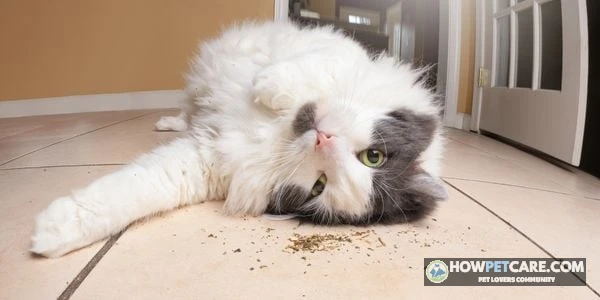

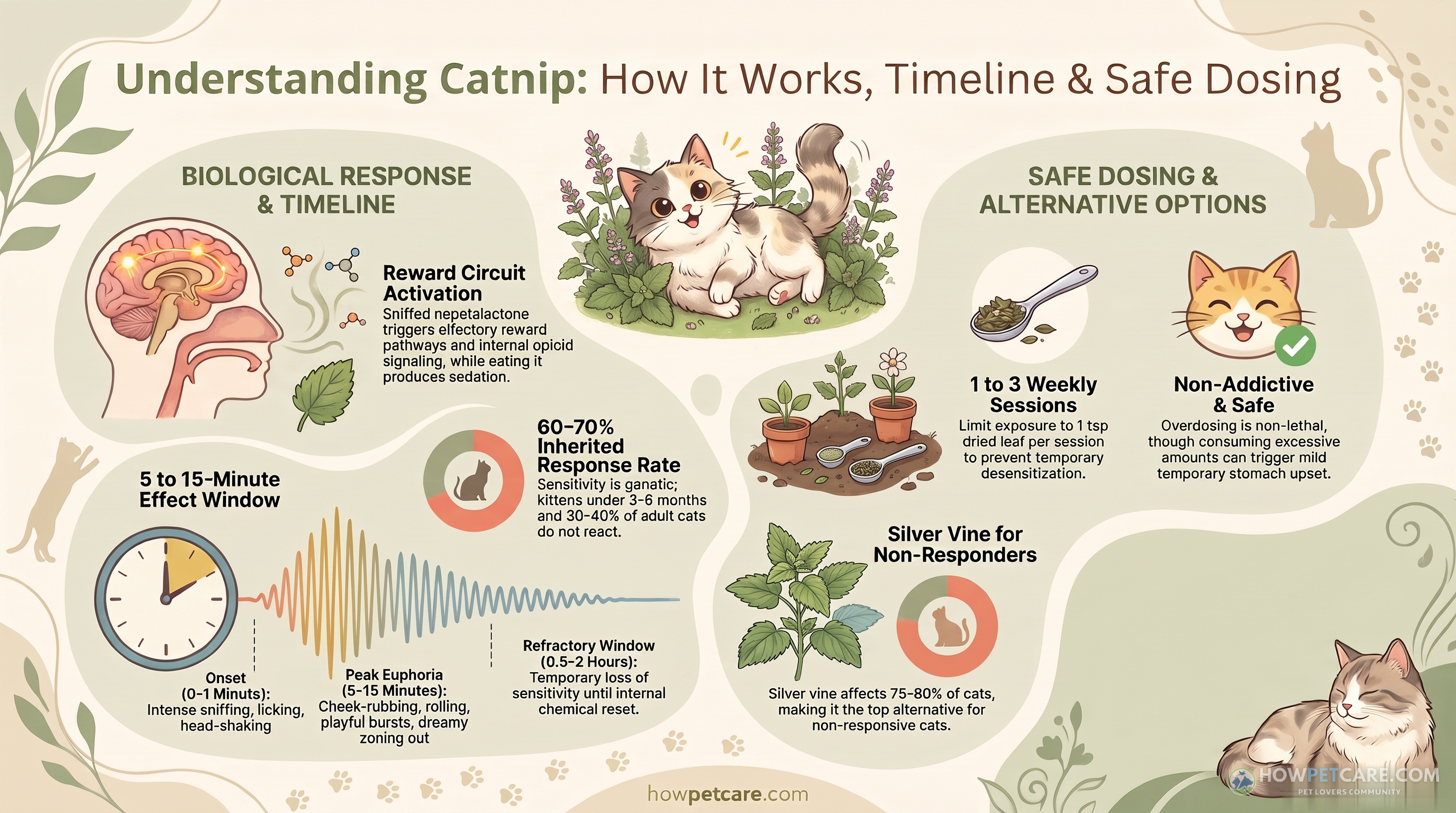
Catnip contains nepetalactone, a compound cats detect by smell that briefly activates the brain’s reward pathways. Sensitive cats roll, rub, and play for about 5–15 minutes, then lose interest. It’s safe and non-addictive, and roughly two-thirds of cats inherit the ability to respond.
Catnip (Nepeta cataria, a catmint) contains nepetalactone, a compound that most cats smell and that triggers about 5 to 15 minutes of euphoria-like behavior, including rolling, rubbing, and zoning out. It’s safe and non-addictive in normal amounts, and roughly two-thirds of cats respond. It doesn’t get cats “high” in the human sense; the temporary, harmless state fades on its own.
For anyone asking “what does catnip do to cats,” the details matter as much as the short answer: sniffing tends to excite cats, while eating the plant can be calming. The form and amount matter, as do your cat’s age, health, and inherited sensitivity.
What Catnip Does to Cats: The Short Answer
Catnip is a member of the mint family (Nepeta cataria). Its leaves and stems contain nepetalactone, a volatile oil that helps defend the plant against insects. When a sensitive cat inhales it, the compound travels through the olfactory system and activates brain areas linked to emotion and reward. The result is usually a brief burst of behavior that looks like play mixed with pleasure.
The response has a limited timeline, and some cats don’t respond at all. For those cats, alternatives such as silver vine and valerian root may be worth trying.
Typical Catnip Reactions: What Cats Do and Why It Looks So Weird
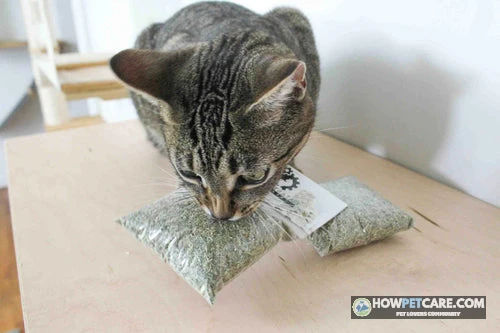
A cat exposed to catnip may sniff intensely, lick or chew the plant, shake its head, rub its cheeks and body against the source, roll on its back, flip sideways, drool, or zone out in a dreamy state. The behavioral effect typically lasts about 10 to 15 minutes.
Two response styles are normal:
- Excited and playful: running, pouncing, rolling, and exaggerated rubbing.
- Mellow and dreamy: sitting or lying down, slow blinking, drooling, and appearing relaxed or detached.
Both are normal expressions of catnip sensitivity. The behaviors are linked to rubbing, scent-marking, and play circuits, which helps explain why the reaction looks so unusual to us. Form matters too: dried catnip, catnip spray, and catnip toys can produce slightly different intensities, although the underlying response is the same.
Cats vary widely. One may race around the room while another simply lies down and purrs. Even the same cat may react differently from one session to the next, depending on its mood, the setting, and the freshness of the catnip.
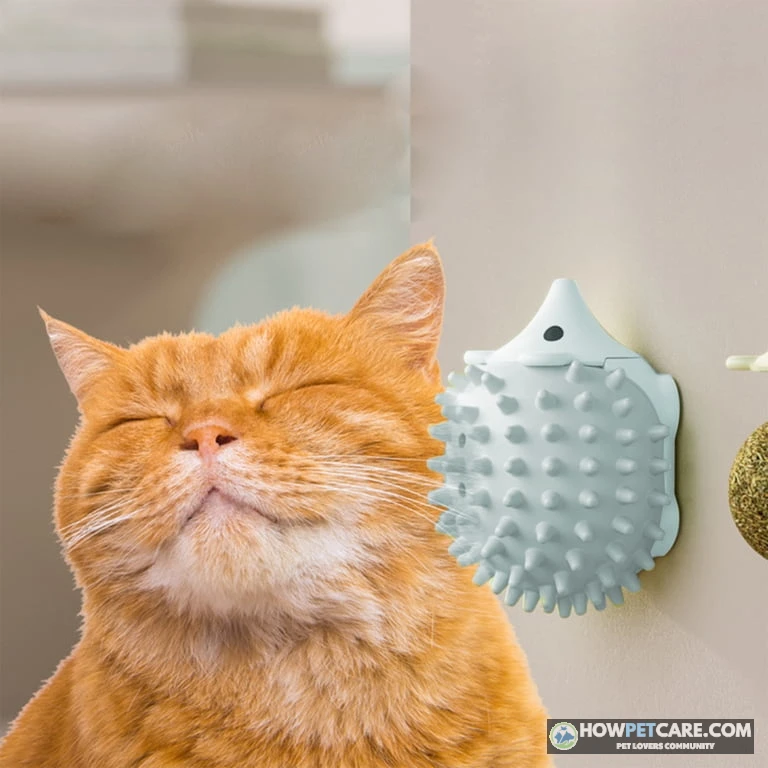
Excited vs. mellow responders
Some cats become active hunters for a few minutes; others grow calm and affectionate. Neither response indicates a problem. A cat may also shift between the two depending on its mood, surroundings, or the freshness of the catnip.
Normal-looking signs that are not cause for concern
Drooling, brief vocalization, temporary clumsiness, and a “zoned out” stare are typical signs that usually disappear as the effect wears off. If signs last beyond the expected window or include vomiting, staggering, or distress, remove the catnip and contact a veterinarian. Those are reasons to stop, not symptoms to diagnose at home.
How Catnip Works in the Cat Brain: Nepetalactone, Smell, and the Opioid Pathway
The smell-to-brain pathway step by step
Nepetalactone molecules evaporate from the leaves and enter the cat’s nose. They bind to receptors in the olfactory epithelium, which signal the olfactory bulb and then brain regions involved in emotion, motivation, and reward. Current research indicates that the response involves the cat’s own endogenous opioid system: blocking opioid receptors reduces the catnip response. That helps explain why the experience looks euphoric and why cats rub and roll as if they’re enjoying themselves. Researchers specifically observed less rolling and rubbing after opioid blockade, linking the behavior to internal reward chemistry rather than a simple scent preference.
Is the vomeronasal organ involved?
Cats use the vomeronasal organ to detect pheromones. You can often see it at work during the “flehmen response,” when a cat curls its lip to draw scent into the roof of its mouth. Research indicates that this organ isn’t required for the catnip response. Instead, the response comes through the ordinary olfactory pathway, not pheromone detection.
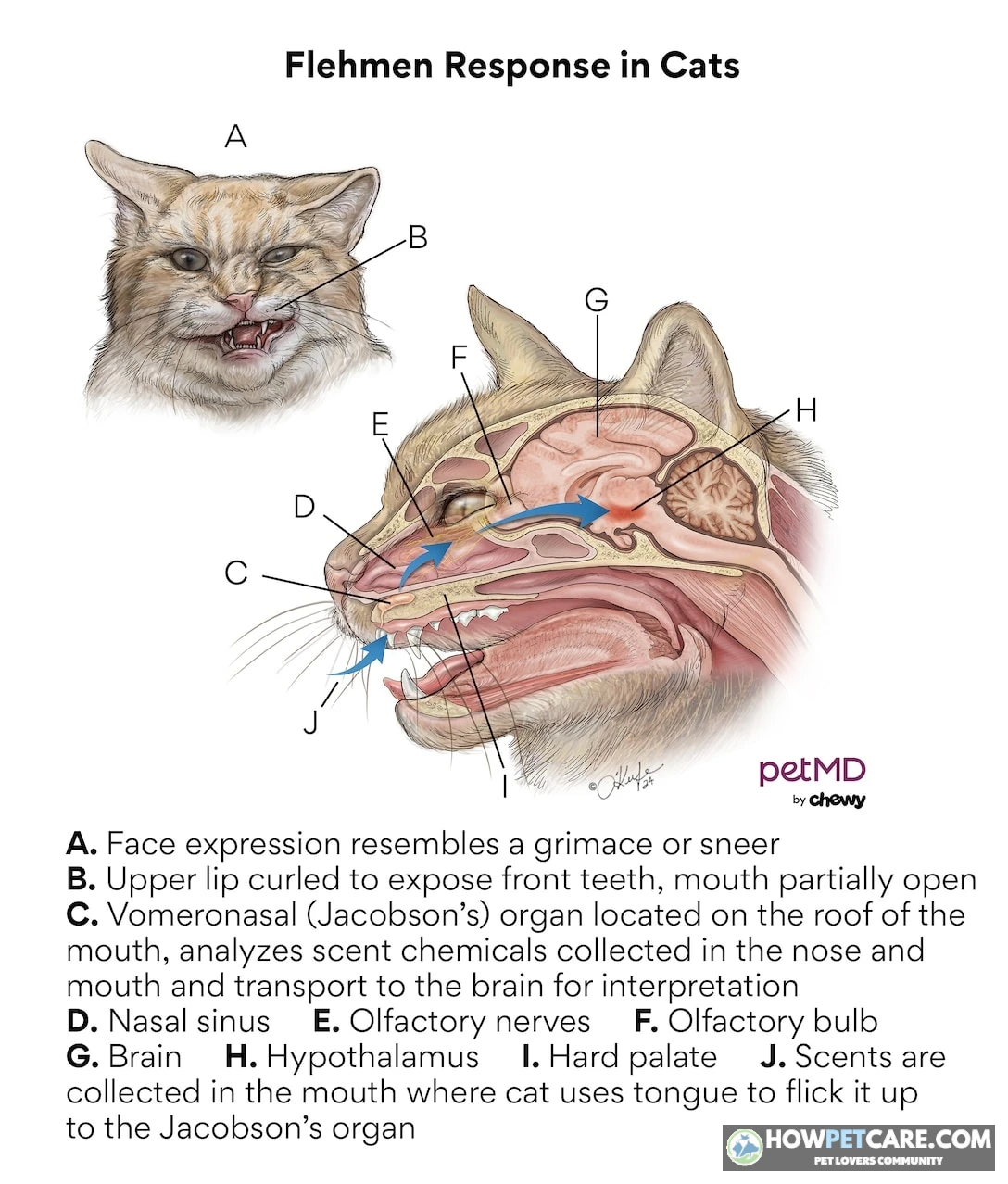
Myth check: does nepetalactone mimic sex pheromones?
A common claim is that nepetalactone mimics feline sex pheromones, which is why cats “act high.” Although widely repeated, that explanation isn’t supported. Catnip isn’t a feline pheromone; nepetalactone’s natural role is repelling insects. Males and females both respond, including neutered cats, which a sex-pheromone mechanism cannot explain. The better-supported explanation is olfactory stimulation combined with activation of the cat’s internal opioid signaling.
Bottom line: catnip works through smell and the brain’s reward chemistry, not by imitating cat sex pheromones.
Why Sniffing Catnip Excites Cats but Eating It Sedates Them
Inhaling catnip delivers volatile nepetalactone directly to the olfactory system, triggering the stimulating, opioid-linked response described above. When a cat eats catnip, the plant material passes through the digestive system, and the reported effect is calmer and more sedating. The precise mechanism behind sedation isn’t fully established, so a calming effect is typical rather than guaranteed.
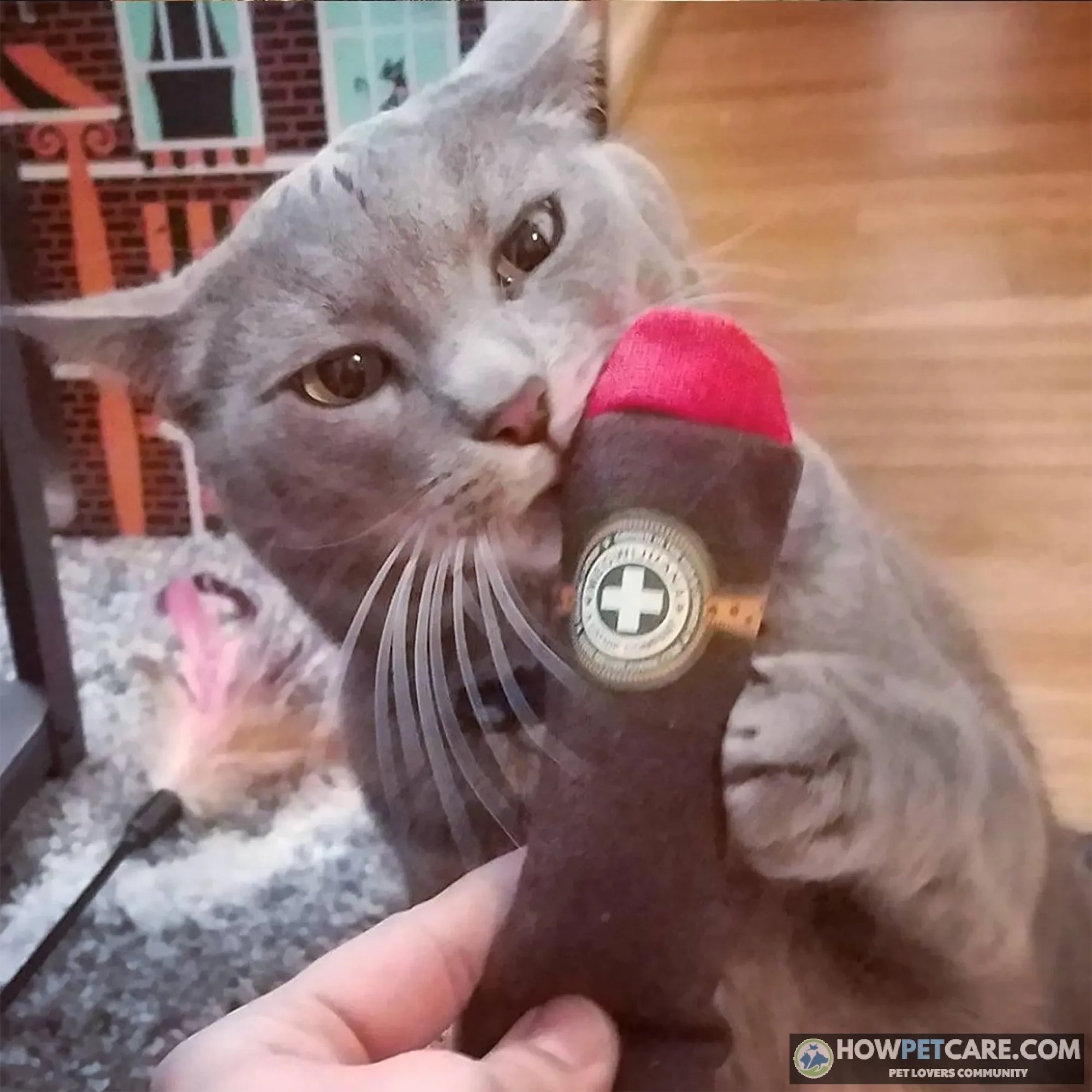
Chewing and licking are normal parts of the interaction, and the form you offer shapes the experience. A cat that sniffs a toy may race around; one that nibbles dried leaf may simply relax. Eating large amounts can upset the stomach, as discussed in the safety section.
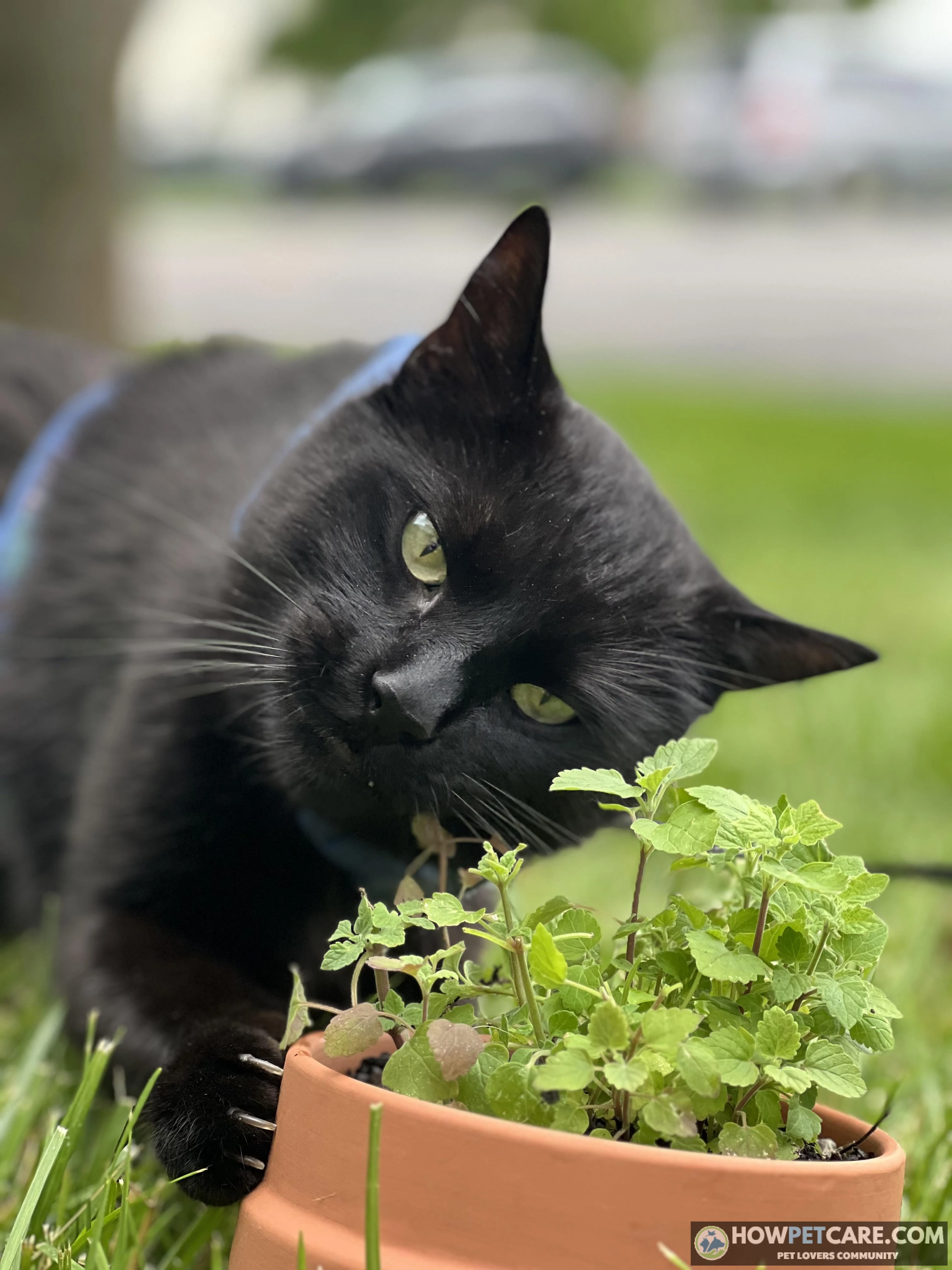
Catnip Effect Timeline: How Long It Lasts and the Real Refractory Window
| Phase | Typical timing | What you will see | Practical note |
|---|---|---|---|
| Onset | Seconds to about 1 minute after sniffing | Intense sniffing, licking, head-shaking | If nothing happens within 2–3 minutes, the cat likely will not respond this session |
| Peak euphoria | About 5–15 minutes | Rolling, cheek-rubbing, flipping, zoning out, playful bursts | Let the behavior run its course; do not interrupt or force interaction |
| Calm crash | Right after the peak | Disinterest, wandering off, sitting or lying down | A normal comedown, not illness; the cat is finished, not sick |
| Refractory window | About 30 minutes to 2+ hours | Little to no reaction to fresh catnip | Wait at least 1–2 hours before offering more; for a reliable reset, space sessions a few days apart |
The active effect typically lasts 10 to 15 minutes. Afterward, cats enter a refractory period during which sensitivity returns gradually rather than switching back on. Sources disagree on its length: some cite 30 minutes, others up to 2 hours. A weak response may return after 30 minutes, while a full response needs closer to 2 hours. Treat 30 minutes as the floor and 1 to 2 hours as the safer interval before offering catnip again. Edible catnip often produces a milder, slower effect that may linger longer than the inhaled version.
The timeline varies slightly by form. Inhaled catnip peaks and fades quickly, while eaten catnip builds more slowly and may keep a cat calm for longer.
Reconciling 30 minutes vs. 2 hours
Think of the refractory window as a dimmer, not a light switch. A cat might show mild interest after half an hour but not return to full responsiveness until a couple of hours have passed. Frequent use shortens the apparent window by causing temporary desensitization, so spacing sessions helps preserve the effect.
Why Doesn’t Catnip Work on My Cat? Genetics, Kittens, and Seniors
Catnip sensitivity is hereditary, and roughly 60 to 70 percent of adult cats respond. The remaining 30 to 40 percent are typically genetically non-responsive. If your cat ignores catnip, it likely just lacks the inherited trait.
Kittens: when the response appears
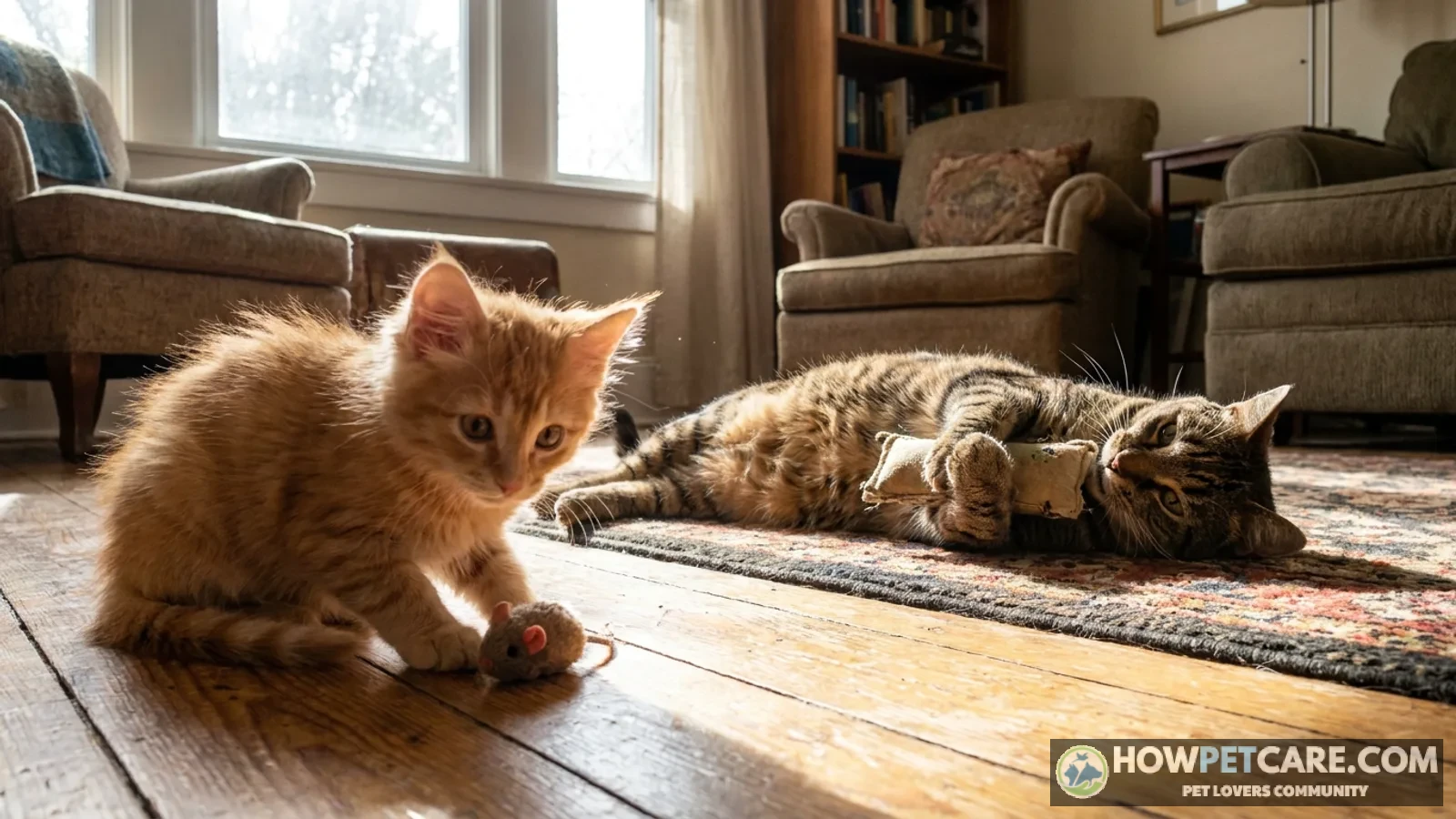
Most kittens don’t react until about 3 to 6 months old, and some take up to a year. Their immature olfactory and neural development is the likely reason. If a young kitten ignores catnip, wait until at least around 6 months before concluding that it’s a non-responder.
Senior cats and diminished smell
The response can weaken with age as smell and cognition diminish, but many senior cats still respond. The difference is usually one of intensity, not a medical condition to diagnose.
Old or weak catnip
Dried catnip loses potency as nepetalactone evaporates. If a cat that used to respond suddenly ignores it, check whether the catnip is stale before assuming the cat has changed.
Tolerance from overuse
If a cat once responded but no longer does, daily overuse may be the cause rather than genetics. Frequent exposure can lead to desensitization: the cat responds less strongly or temporarily loses interest. Cutting back to a few sessions per week usually restores responsiveness.
Is Catnip Safe? Side Effects, Overdose, and Special-Population Cautions
Catnip is non-toxic and non-addictive, and it doesn’t produce long-term neurological changes in typical use. A cat can’t overdose on catnip in a lethal sense, but eating a large amount at once can cause mild digestive irritation, such as vomiting or diarrhea. Cats can eat catnip in small amounts; the usual effects are mild sedation or temporary stomach upset.
Overdose and stomach upset
Offer measured portions and remove the catnip after the session. Repeated vomiting, loose stools, wobbling, or hiding for hours can indicate that a cat has had too much. These signs usually pass once the catnip clears, but persistent symptoms need a veterinarian’s attention. Any repeat exposure after those signs should be planned with a veterinarian.
Ask a veterinarian before giving catnip to a pregnant or nursing cat, a cat with epilepsy or a neurological condition, or a cat on sedatives or chronic medication.
Pregnant, nursing, epileptic, and medicated cats
Research on pregnant or nursing cats is limited, so ask a veterinarian before offering catnip and avoid concentrated sprays or oils. Cats with epilepsy or neurological conditions should also see a vet first: stimulation could be a concern, even though no strong evidence proves harm. Check with a veterinarian before adding catnip to the routine of a cat on chronic medication, especially sedatives or behavior drugs. There are no well-documented interactions, but a lack of data isn’t proof of safety. Healthy senior cats can usually have catnip, but use the smallest amount and ask a veterinarian first if the cat has heart, kidney, cognitive, or mobility problems.
How Much Catnip to Give: Dosing by Form and Weekly Frequency
The amounts below are concrete, conservative starting points, not veterinary prescriptions. Sensitivity rather than body mass drives the response, so the dose doesn’t need to scale with weight; keep the amount small and observe your cat.
| Form | Amount per session | Where to apply | Max sessions per week | Notes |
|---|---|---|---|---|
| Dried leaf | About 1 teaspoon (roughly 1 gram or less) | Sprinkle on a scratcher, toy, or floor | 1–3 | Start with 1/4 teaspoon for a first trial; hard daily cap is about 1 tablespoon |
| Fresh leaves | A few leaves or one small sprig | Offer directly or crush lightly to release scent | 1–3 | More potent than dried by smell; remove wilted leftovers |
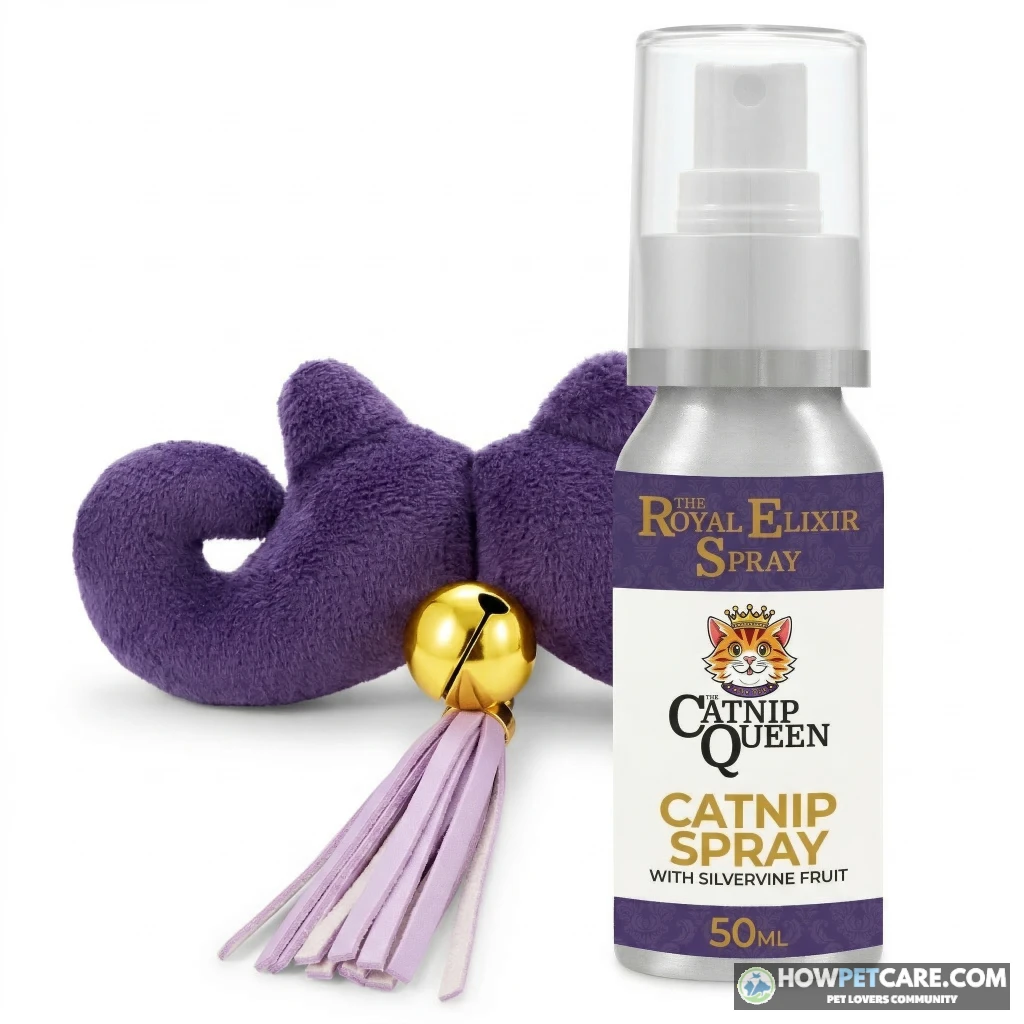
| Catnip spray | 1–2 light spritzes | On a toy, bed, or scratcher—never on the cat’s face | 1–3 | More concentrated than leaf; let it dry before giving access |
| Refillable toy | About 1/2 teaspoon dried catnip rubbed into the filling | Inside the refillable compartment | 1–3 | Refresh every few sessions; store the toy sealed between uses |
Keep dried catnip in an airtight container, cool and dark, and replace it after a few months as the aroma and potency fade.
How often per week
Limit catnip to no more than 1 to 3 sessions per week, with several hours between uses. Frequent exposure can desensitize a cat, making its response weaker or causing it to lose interest temporarily. If you use catnip before a stressful event such as a carrier ride, offering it 20 to 30 minutes beforehand can help.
Does dose scale with body weight?
No. The response depends on inherited sensitivity and olfactory function, not body size. Small and large cats generally need the same small quantity. More isn’t better, and it increases the risk of stomach upset.
Catnip vs. Silver Vine, Valerian Root, and Tatarian Honeysuckle for Non-Responders
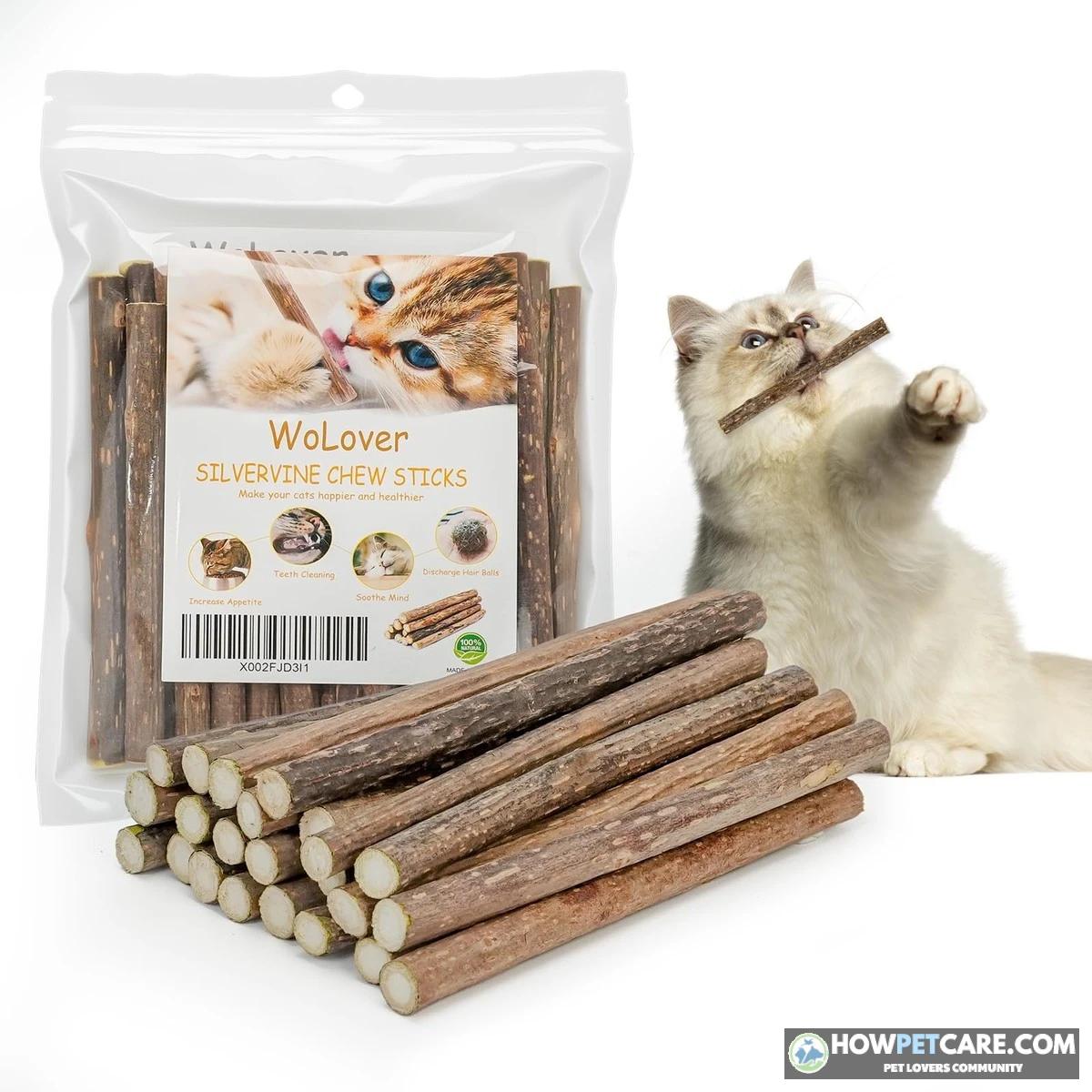
If your cat doesn’t respond to catnip, alternatives are worth trying because response rates overlap. Silver vine is the most likely first alternative: it works for about 79 percent of cats, including many catnip non-responders.
| Plant | Active compounds | Approximate response rate | Typical reaction | Starting dose | Best use case |
|---|---|---|---|---|---|
| Catnip (Nepeta cataria) | Nepetalactone | About 60–70% | Rolling, rubbing, playful euphoria for 5–15 minutes | About 1/4–1 teaspoon dried | First-choice enrichment for most adult cats |
| Silver vine (Actinidia polygama) | Nepetalactone plus other iridoids such as actinidine | About 75–80% | Similar to catnip, often more intense | A small pinch of powder or one chew stick | Best first alternative; many catnip non-responders react to it |
| Valerian root (Valeriana officinalis) | Actinidine and related compounds | Mixed; roughly half of cats | Attraction and play; can read as calming | A pea-sized piece of dried root | Worth trying when catnip and silver vine both fail |
| Tatarian honeysuckle (Lonicera tatarica) | Iridoids in the wood | Moderate; lower than silver vine | Chewing, rubbing, licking the wood | One small wood slice or shavings | Good for cats that prefer chewing to sniffing |
Test alternatives one at a time, a few days apart, so you can tell which plant produces the reaction.
Which alternative to try first
Start with silver vine: it has the highest response rate and works for many cats that ignore catnip. Valerian’s strong odor attracts some cats but repels others, so start with a tiny piece. Tatarian honeysuckle is wood-based and suits cats that prefer chewing to sniffing. Silver vine contains compounds beyond nepetalactone, such as iridoids, and research shows overlapping responses between plants.
Safe First Introduction: A Checklist for Screening Your Cat, Including Multi-Cat Homes
Follow this checklist the first time you offer catnip. It helps you observe your cat’s response safely and reduces the chance that arousal will turn into aggression between cats.
-
Pick a calm time and room
Choose a quiet room with no escape risks, fragile objects, or other pets nearby. The cat should be relaxed before you start.
-
Confirm age
Make sure the cat is at least about 6 months old; kittens younger than that rarely respond.
-
Separate cats in multi-cat homes
Run one cat’s trial at a time. Heightened arousal can trigger redirected aggression between cats, so keep other cats out of sight and reach.
-
Offer a small test dose
Use about 1/4 teaspoon of dried catnip on a toy or scratcher, or one light spritz of spray.
-
Observe for 10–15 minutes
Watch for sniffing, licking, rolling, rubbing, or zoning out. Stop immediately if you see aggression, repeated vomiting, or obvious distress.
-
Remove the catnip and record the result
Note whether the cat was a responder, mild responder, or non-responder.
-
Wait before retesting
Wait at least 1–2 hours before offering catnip again; if there was no reaction, wait a few days and try once more before concluding the cat is a non-responder.
-
Reintroduce cats only after the effect fades
In multi-cat homes, let the trial cat return to the group only after the catnip effect has fully worn off.
Preventing arousal-triggered aggression between cats
Catnip can raise arousal, and in multi-cat homes that excitement may spill over into redirected aggression. Separate cats during the first trial, avoid giving catnip near food bowls or litter boxes, and reintroduce them only after the calm crash phase is complete.
Next steps based on your cat’s reaction
- Strong responder: use catnip as an occasional enrichment treat, limited to a few sessions per week.
- Mild or no response after two spaced trials: try silver vine next, starting with a small pinch of powder or one chew stick.
- Aggression, vomiting, or distress: stop catnip and consult a veterinarian before trying again.
For most cats, catnip produces a brief, harmless euphoria-like state and is safe in normal amounts. If your cat ignores it, silver vine is the best-supported alternative to try next.
FAQ
Does catnip get cats high?
Catnip produces a temporary, euphoria-like state through the cat’s olfactory system and opioid pathways, but it is not addictive and wears off within minutes.
Is catnip addictive for cats?
No. Cats do not develop a physical dependence on catnip, though overuse can reduce how strongly they respond.
Can cats eat catnip?
Yes, in small amounts. Eating it tends to be mild and calming, but large amounts can cause vomiting or diarrhea.
At what age do kittens start reacting to catnip?
Most kittens begin to respond around 3 to 6 months, and some take up to a year.
Can I give my cat catnip every day?
It is better to limit it to a few short sessions per week, since frequent exposure can dull the response.