
If you suspect a brown recluse bit your cat, check for red flags first. Pale or yellow gums, dark urine, collapse, vomiting, breathing trouble, or skin turning purple or black mean an emergency vet visit now. A stable cat with a painful or worsening wound still needs a same-day appointment.
If your cat has a suspicious wound and is weak, vomiting, struggling to breathe, or passing dark urine, go to an emergency veterinarian now. A purple or black skin patch, rapidly spreading swelling, or severe pain also calls for emergency care. If your cat is stable but has a painful or worsening wound, call a veterinarian for an appointment today. You don’t need proof that a spider caused the injury before seeking help.
A brown recluse bite can cause a local skin injury and, rarely, a serious whole-body reaction. But many other problems look similar, and a wound alone can’t confirm the cause. This guide can help you decide what to do; it doesn’t replace veterinary care.
Is It an Emergency? Triage Your Cat’s Suspected Brown Recluse Bite Right Now
Go to the ER now: red-flag checklist
Go to an emergency veterinary hospital if you notice any of these:
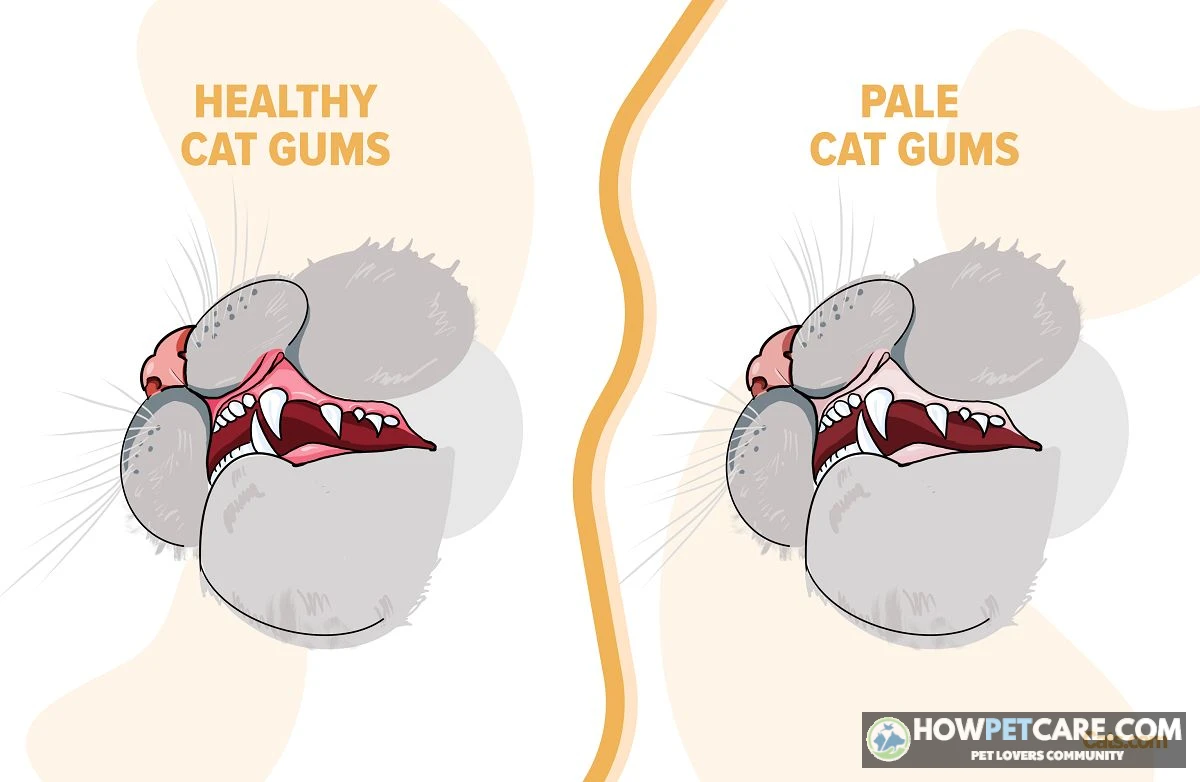
- Pale, white, or yellow-tinged gums; dark red or brown urine.
- Collapse, marked weakness, or a cat that can’t stand or respond normally.
- Repeated vomiting, difficulty breathing, or unusually rapid breathing at rest.
- A skin patch turning blue-gray, purple, or black.
- Swelling or redness that is visibly spreading over hours.
- Severe pain, such as crying out, persistent guarding, or refusing to let the area be touched.
Call the hospital on your way. If you know or strongly suspect venom exposure, you can also contact the ASPCA Animal Poison Control Center at 888-426-4435 or Pet Poison Helpline at 855-764-7661. A consultation fee may apply. If your cat is seriously ill, don’t delay the trip to call poison control.
See a vet today: urgent but stable
Arrange a same-day examination if your cat has a new wound with increasing redness or swelling, is limping, or has swelling on the face or near an eye. Also call today if you witnessed a bite and your cat is hiding, unusually irritable, or eating less. A dusky or black center belongs in the emergency category above, even if your cat otherwise seems stable.
There’s no reliable number of hours you can safely wait. Blistering and local signs may appear within several hours, while more serious injury can become apparent later. Prompt evaluation matters more than waiting for a particular stage.
Safe to watch at home: what qualifies and the re-check schedule
A brief period of home observation may be reasonable for a single, tiny, unchanged bump if your cat is eating, breathing, walking, and behaving normally—and there’s no spreading redness, significant pain, facial swelling, or open wound. If you witnessed a suspected brown recluse bite, call your vet for individualized advice rather than assuming observation is enough.
Photograph the spot and check it about every two hours initially, then at least morning and evening for the next three days. These are practical observation intervals, not a guarantee of safety. Call your vet sooner if the bump grows, your cat starts licking or limping, or appetite or behavior changes. Use the emergency checklist if a red flag appears.
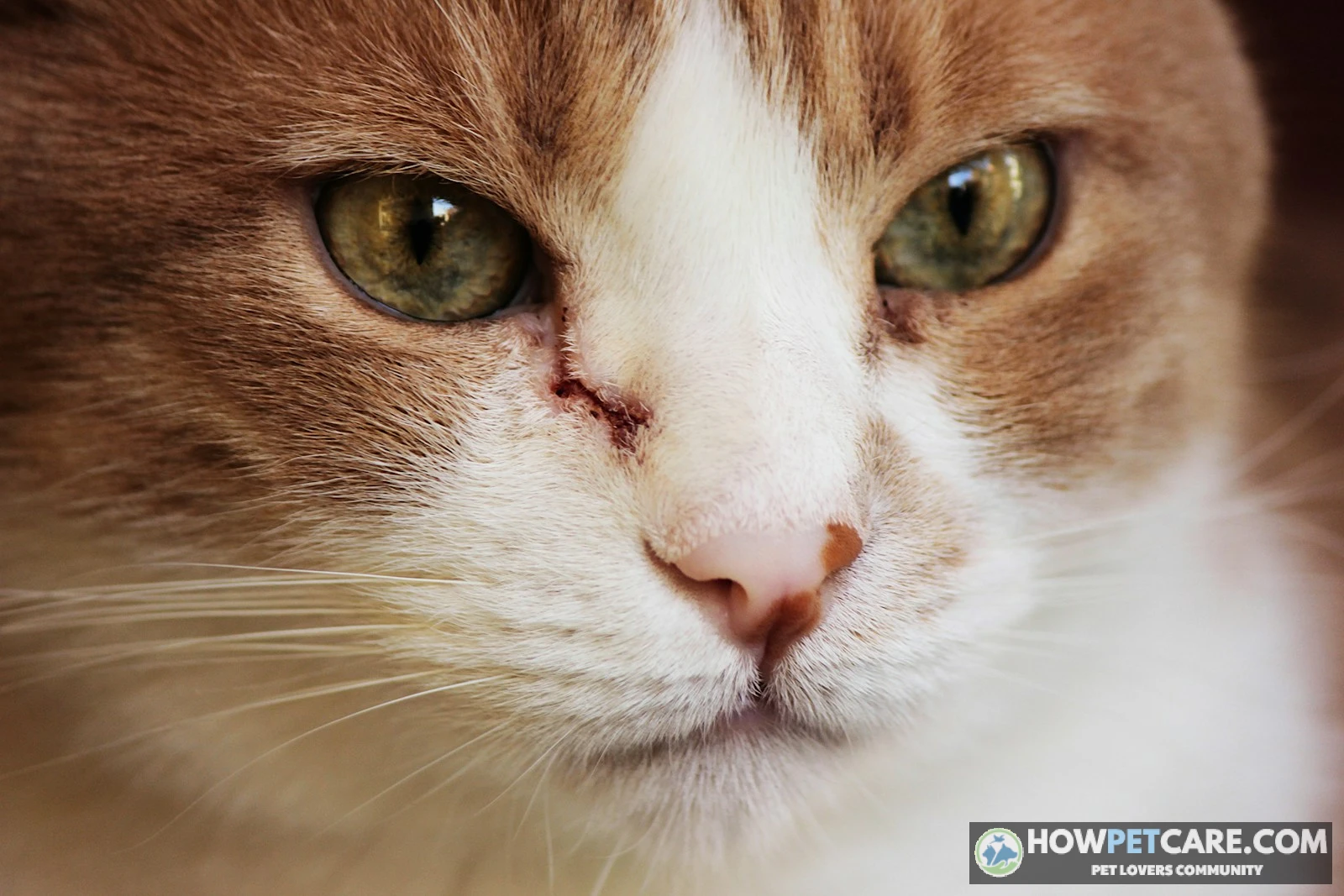
A cat-fight wound, burn, infection, or another bite may need prompt treatment too. Don’t wait to identify a spider before seeking care.
What Does a Brown Recluse Bite Look Like on a Cat? Stage-by-Stage Timeline
A suspected bite might begin as a small red spot, swelling, or a tender area hidden under fur. Some injuries stay mild; others can develop a blister, dark center, or open wound. A ringed or “bull’s-eye” pattern is possible, but it isn’t present in every case and doesn’t prove a recluse bite.
The timeline below is a guide to possible changes, not a diagnostic clock. Not every lesion passes through every stage, and changes may appear earlier or later.
Paws and legs: limping, licking, and swollen toes
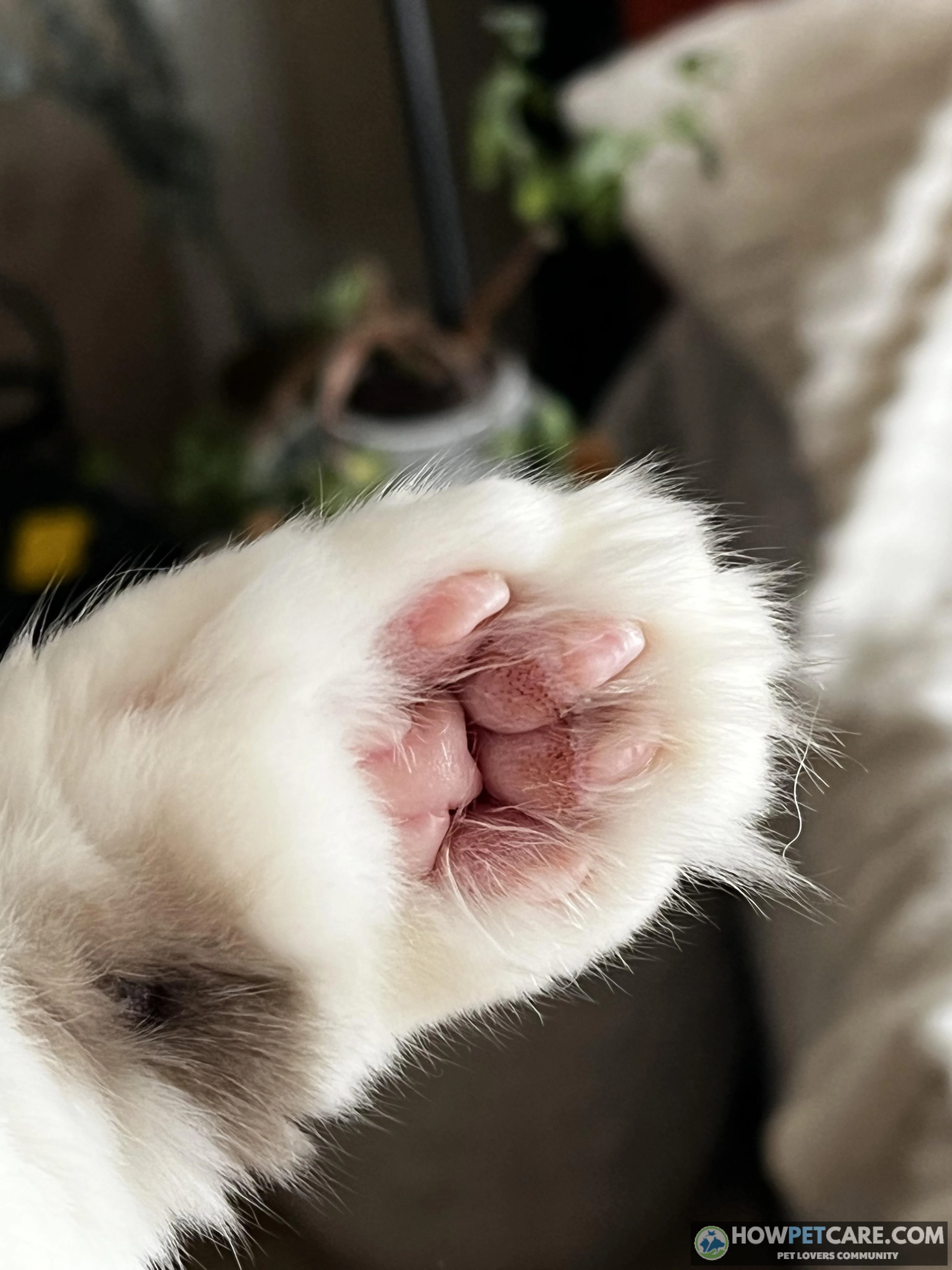
A cat may lick one paw, hold it up, or favor a leg before you can see a wound. Gently part the fur if your cat tolerates it; don’t squeeze swollen toes or force a painful paw open. Call your vet the same day if you notice limping or swelling.
Face, muzzle, and ears: swelling and eye involvement
Look for an uneven muzzle, repeated rubbing, or a damp patch near the ear. Swelling close to an eye needs prompt veterinary assessment; breathing difficulty or rapidly increasing facial swelling is an emergency. Avoid putting cleansers in the eyes, nose, or mouth.
Trunk and belly: hidden lesions in fur
A matted, damp, or unusually parted patch of fur can be the first clue that a cat is licking an injury. Photograph what you can see without clipping the area yourself. A cat in pain can bite or scratch, even if normally gentle.
Timeline at a glance
| Time since a possible bite | What you may see through fur | Possible behavior changes | Action to take |
|---|---|---|---|
| First 2 hours | Nothing obvious, a tiny red spot, or a raised bump; fur may be damp from licking | Normal behavior or occasional licking | Record the time and photograph the area; call your vet if a recluse bite was witnessed |
| About 2–8 hours | Increasing redness or swelling; sometimes a blister or ringed pattern | Tenderness, licking, or a mild limp | Call for a same-day assessment if signs are developing |
| Days 1–3 | In some cases, a blister or dusky blue-gray or purple center | Hiding, reduced appetite, or reluctance to use a limb | Seek veterinary care; a dusky or dark center warrants an emergency visit |
| Following days | A dark scab, called an eschar, may form; damaged tissue can separate and leave an open wound | Guarding the area or reduced activity | Follow the vet’s wound-care plan; report discharge, odor, or worsening pain |
| Following weeks | A healing wound may fill with pink tissue and gradually shrink; fur may be missing | Activity and appetite may improve as pain resolves | Keep recheck appointments and protect the wound from licking |
Pictures of brown recluse bites on cats can show you what a wound might look like, but even a close match can’t establish the cause. A timestamped photo of your own cat’s wound is more useful to your vet than trying to match an online image.
 You might be wonderingCat dragging butt on floorCat Dragging Butt on Floor: Causes, Urgency & Vet CostsRead the answer
Brown Recluse Bite Symptoms in Cats: Local Signs and Rare Systemic Reactions
The brown recluse spider, Loxosceles reclusa, has venom that can damage tissue. The effects of a recluse bite are called loxoscelism. Most reported bites aren’t fatal, but a local injury can still require treatment, and severe complications are possible. The exact rates of serious reactions in cats aren’t well established.
Local signs can include swelling and redness, tenderness, licking or chewing, and a skin lesion. Your cat may also hide, eat less, or become irritable. A small initial mark alone can’t predict how severe a suspected bite will become.
When symptoms signal hemolysis or organ involvement
Uncommon systemic symptoms can include vomiting, fever, marked lethargy, pale or yellow gums, and dark urine. One serious complication is hemolysis, the destruction of red blood cells; kidney injury and clotting problems can also occur in severe cases. These signs require emergency veterinary care.

Can a brown recluse bite kill a cat? Rarely, a severe reaction can be life-threatening, particularly when blood cells or organs are affected. There isn’t enough reliable cat-specific evidence to assign an exact mortality rate.
Recluse Bite or Something Else? How to Tell It Apart from Abscesses, Scratches, Burns, and Other Bites
A wound discovered under fur isn’t automatically a spider bite. Cat-fight abscesses and other infections are important alternatives, especially in cats that go outdoors or have had a scuffle. An abscess may need drainage and medication even if it bursts on its own.
Side-by-side comparison table
| Condition | Typical appearance | Onset and timeline | Pain and other signs | Common clues in history | Vet visit urgency |
|---|---|---|---|---|---|
| Suspected recluse bite | Red or swollen spot; sometimes a blister, dusky center, or dark scab | Can change over hours or days | Licking or pain; rarely whole-body illness | A bite was witnessed or a spider was found nearby | Call the vet today; emergency for darkening skin or systemic signs |
| Cat-fight abscess | Warm swelling, sometimes with punctures, pus, or odor | May become apparent days after a fight | Often tender; cat may hide or eat less | Outdoor access or a recent cat fight | Arrange a prompt exam; emergency if severely ill or weak |
| Scratch or scrape | Shallow, often linear break in the skin | Usually visible after an injury | Often localized tenderness | Known snag or scratch | Ask your vet if deep, infected, worsening, or near an eye |
| Burn or chemical injury | Redness, blistering, damaged skin, or a pattern matching contact | May be noticed after exposure; damage can evolve | Often painful; drooling is possible after oral exposure | Hot surface, chemical, or electrical cord | Call a vet or poison service immediately; do not wait for skin changes |
| Bacterial skin infection | Redness, warmth, discharge, or swelling | May worsen over days | Itching, pain, or reduced appetite | A pre-existing scratch, wound, or skin problem | Prompt exam; emergency for rapid spread or serious illness |
| Black widow or other concerning spider bite | Sometimes little visible skin damage | Signs can appear after a witnessed or suspected bite | Severe pain, muscle rigidity, tremors, or weakness | Spider exposure, but the spider may not be seen | Emergency if muscle or whole-body signs occur |
| Insect sting or allergic reaction | Sudden swelling or raised bumps | Often develops soon after a sting | Itching; occasionally breathing difficulty | Bee or wasp exposure | Emergency for breathing trouble, collapse, or rapid facial swelling; otherwise call your vet |
Small itchy bumps can also come from mosquito bites on cats, fleas, or stings. These clues overlap. Note when you first saw the lesion, whether your cat goes outdoors, and any access to garages, stored boxes, chemicals, or other cats. That history can help the vet choose tests, but appearance alone can’t confirm a brown recluse spider bite.
First Aid for a Suspected Spider Bite on Your Cat: What to Do and What to Avoid
First aid is a bridge to veterinary advice, not a substitute for an examination. If your cat has an emergency sign, leave for the hospital rather than spending time cleaning or photographing the wound.
Do and don’t list
Do:
- Keep your cat quiet. Place them in a carrier or small room and limit activity, particularly if a leg is painful.
- Gently rinse an accessible wound with clean lukewarm water or sterile saline. Pat the surrounding area dry without scrubbing.
- Use a cool, damp compress briefly if your cat tolerates it. Put a cloth between any cold pack and the skin; never apply ice directly.
- Prevent licking with an appropriately fitted e-collar if you have one. Don’t wrap a tight bandage around a limb.
- Record what you see. Photograph the area, note the time, and, if practical, mark the edge of redness on surrounding skin without pressing on the wound. Tell your vet if redness extends beyond the mark.
Plain water or saline is the simplest first choice. Vets may recommend dilute chlorhexidine or povidone-iodine for some wounds, but concentrations and formulations matter. Ask your vet which product and dilution are appropriate before using either, especially near the face. Don’t rely on color alone to judge a solution’s strength.
Do not:
- Apply hydrogen peroxide or rubbing alcohol. They can irritate or damage healing tissue; peroxide isn’t a good routine wound cleaner.
- Use a tourniquet, cut or suck the wound, squeeze it, or attempt to drain it.
- Apply heat, essential oils, unapproved creams, or other home remedies.
- Give human pain medicines. Acetaminophen, ibuprofen, and naproxen can be dangerous to cats; use only medication prescribed for your cat by a veterinarian.
Tell the veterinarian or poison-control specialist what the substance was before applying anything. Don’t delay emergency care to try a home remedy.
How to safely capture a suspect spider for identification
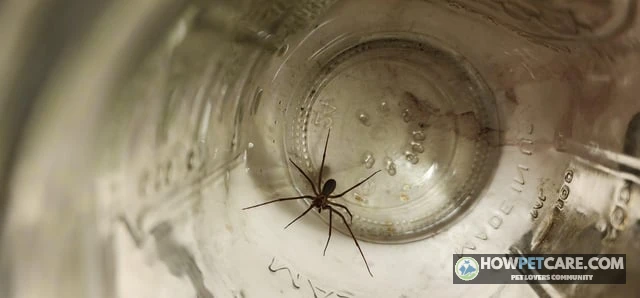
Only if you can do so without delaying care or risking another bite, place a clear jar over the spider, slide stiff card underneath, and secure the lid. Don’t touch it with bare hands. You can also take a clear photo from a safe distance. Bring the sealed container or photos to the vet, who may be able to suggest an identification resource. Keep the container away from children and pets.
How Vets Diagnose a Brown Recluse Bite When No One Saw the Spider
When no spider was seen, a veterinarian generally starts with the history and physical examination and considers other explanations. A painful swelling could be an abscess; a dark or non-healing wound could have several causes. The location and progression of the lesion help guide the investigation, but they don’t identify the spider by themselves.
Even a spider found nearby isn’t proof that it bit your cat. A witnessed bite plus reliable identification of the spider provides much stronger evidence. A venom-detection test such as an ELISA isn’t a routinely available practical confirmation test for cats; your vet shouldn’t be expected to produce a definitive result from the wound alone.
Depending on the examination, the vet may recommend:
- A complete blood count and blood chemistry to look for anemia and organ problems.
- Urinalysis and sometimes clotting tests when systemic illness is suspected.
- Sampling or culture of discharge when infection is a concern.
- A biopsy or other investigation for an unusual or non-healing wound.
Bring dated photos, any safely captured spider or images, a list of medications, and details of possible fights, burns, or chemical exposures. Geography matters too: brown recluses are associated mainly with parts of the central and southern United States, although a cat’s precise exposure history matters more than a state boundary alone.
Brown Recluse Bite Treatment for Cats: What Vets Prescribe, Dapsone, Debridement, and Prognosis
There is no approved brown recluse-specific antivenom in the United States. Treatment focuses on the individual cat: pain control, appropriate wound care, and support for complications if they occur. Antibiotics may be prescribed for a secondary bacterial infection, but they don’t neutralize venom.
Veterinarians select cat-appropriate pain management, which may include an opioid or an anti-inflammatory when suitable for that patient. These are veterinary decisions, not medicines to choose from a home cabinet. A seriously ill cat may need hospitalization, intravenous fluids, repeat blood tests, or, in severe anemia, a blood transfusion.
Dapsone: what is known and unknown for cats
Dapsone has been discussed for recluse bites, but evidence for effective and safe use in cats is limited. It also has important potential adverse effects, including blood-cell complications. It isn’t a routine first-line home treatment; only a veterinarian can judge whether any medication is appropriate.
When surgery or skin grafting is considered
If tissue dies, a veterinarian may recommend debridement, the removal of dead tissue. Timing is individualized: the vet must assess the wound and the cat rather than assume immediate surgery is always best. Extensive wounds may need reconstructive surgery or a skin graft once the area is suitable for closure.
Healing timeline, scarring, and fur regrowth
Mild injuries may settle over days to weeks. Deeper necrotic wounds can need weeks or longer, repeated examinations, and ongoing wound care; severe cases can take substantially longer. A published general recovery range is approximately one to eight weeks, but it’s not a promise for an individual cat.
Fur often grows back where follicles survive, but deeper damage can leave a scar or a permanently thin or hairless patch. Wounds over a joint can affect movement, particularly if scarring is extensive. Limb loss is an uncommon possibility in very severe injuries, not the expected outcome for a small local wound. Prognosis is generally more favorable for a mild local injury than for a cat with significant systemic disease.
Do other pets need to be separated?
Venom in a bite wound doesn’t by itself require isolation from other pets. Separate your cat when necessary to prevent another animal from licking the wound, protect a bandage, avoid fighting, or allow quiet recovery. Follow your vet’s instructions if infection or another contagious condition is suspected.
What Will It Cost? Itemized Vet Bills and Pet Insurance for Spider Bite Treatment
A published overall treatment estimate is roughly $500–$5,000, with substantial variation by case. It shouldn’t be interpreted as a quote for your cat: a simple examination may cost less, while intensive care or reconstruction can cost more.
Estimated cost table by service
The following are illustrative US planning ranges, not verified price quotes or a substitute for a local estimate. Clinics may bundle services differently, charge emergency fees, or quote outside these ranges. Don’t add every row automatically: not every cat needs every service, and some surgery estimates may include anesthesia or wound care.
| Service | What it may include | Rough planning range | When it may be needed |
|---|---|---|---|
| Examination | General-practice or emergency assessment | About $60–$120 in general practice; $150–$300 at an emergency clinic | Initial assessment |
| Diagnostics | Blood count, chemistry, or urinalysis | About $100–$300 or more | Suspected systemic illness or as the vet advises |
| Wound care | Cleaning, dressing, or bandaging | About $50–$200 or more | An open or painful lesion |
| Medication | Prescribed pain relief and, when indicated, antibiotics | About $30–$150 or more | Pain or confirmed/suspected infection |
| Sedation and debridement | Sedation and removal of damaged tissue | About $300–$1,000 or more | Selected necrotic wounds |
| Hospitalization | Fluids, monitoring, and nursing care | About $500–$1,500 or more per day | Serious systemic signs or intensive wound care |
| Surgery or skin grafting | Anesthesia and wound reconstruction | About $1,500–$5,000 or more | Extensive tissue loss; specialist care may cost more |
| Rechecks | Examination or bandage changes | About $50–$150 or more per visit | Monitoring during recovery |
Ask for a written estimate that distinguishes immediate stabilization from recommended follow-up. If cost is a concern, tell the clinic early and ask about staged care, payment arrangements, or third-party financing. Don’t postpone emergency stabilization while comparing prices.
Pet insurance may cover accidental bites, but coverage depends on the policy, waiting period, exclusions, and whether the condition is considered pre-existing. Ask your insurer specifically about hospitalization, debridement, grafting, medications, and rechecks; reimbursement and deductibles also vary.
Your Action Plan: Checklist for the Next Hour, the Next 72 Hours, and Prevention at Home
Printable-style triage checklist
In the next hour
- ☐ Check breathing, responsiveness, gum color, pain, and the appearance of the wound.
- ☐ Go to an emergency vet for any red flag; call ahead if possible.
- ☐ If stable, call your veterinarian about a witnessed bite, a painful or changing wound, limping, or facial swelling.
- ☐ Gently rinse with water or saline if appropriate, prevent licking, and photograph the area without delaying care.
- ☐ Bring the safely contained spider or a photo only if doing so is easy and safe.
Over the next 72 hours
- ☐ Follow the vet’s recheck and medication instructions. If observation was advised, check the lesion, appetite, behavior, and litter box regularly.
- ☐ Seek emergency care for darkening skin, rapidly spreading swelling, severe pain, dark urine, weakness, or breathing difficulty.
- ☐ Ask the vet: What other causes are possible? Does my cat need bloodwork? How should I clean the wound? When should we return, and what changes mean an emergency visit?
Home prevention checklist
- ☐ Reduce clutter in garages, basements, sheds, and storage areas.
- ☐ Wear gloves when moving stored boxes and shake out stored bedding before your cat uses it.
- ☐ Seal accessible gaps where practical and limit your cat’s access to woodpiles and undisturbed storage.
- ☐ Place sticky traps only where cats and other pets cannot reach them; ask a pest-control professional about pet-safe options if needed.
- ☐ Keep your vet’s number, the nearest emergency hospital, and an animal poison-control number easy to find.
FAQ
Can a brown recluse bite kill a cat?
It is uncommon, but severe systemic reactions involving red blood cell destruction or kidney damage can be life-threatening, especially without prompt care. Most bites cause only local wounds.
Is hydrogen peroxide safe on a suspected spider bite on a cat?
It is best avoided, since it can irritate and damage healthy tissue and may slow healing. Gently rinse with lukewarm water or saline, or use vet-approved dilute chlorhexidine.
How long does a spider bite take to heal on a cat?
Mild bites may settle in days to a couple of weeks, while necrotic wounds can take several weeks or longer. Your vet can give a more specific estimate after examining the wound.
Will my cat’s fur grow back after a recluse bite?
Often it does, but deeper wounds can leave scars or permanent patches of thin or missing fur. Outcomes depend on lesion depth and how it healed.
Can I give my cat pain medicine from home?
No. Human painkillers like acetaminophen, ibuprofen, and naproxen are toxic to cats, so only give medication prescribed by a vet.
Does pet insurance cover spider bite treatment?
Accident coverage often includes bites, but it depends on the policy, waiting periods, and exclusions. Check whether surgery, grafting, and rechecks are included before relying on it.