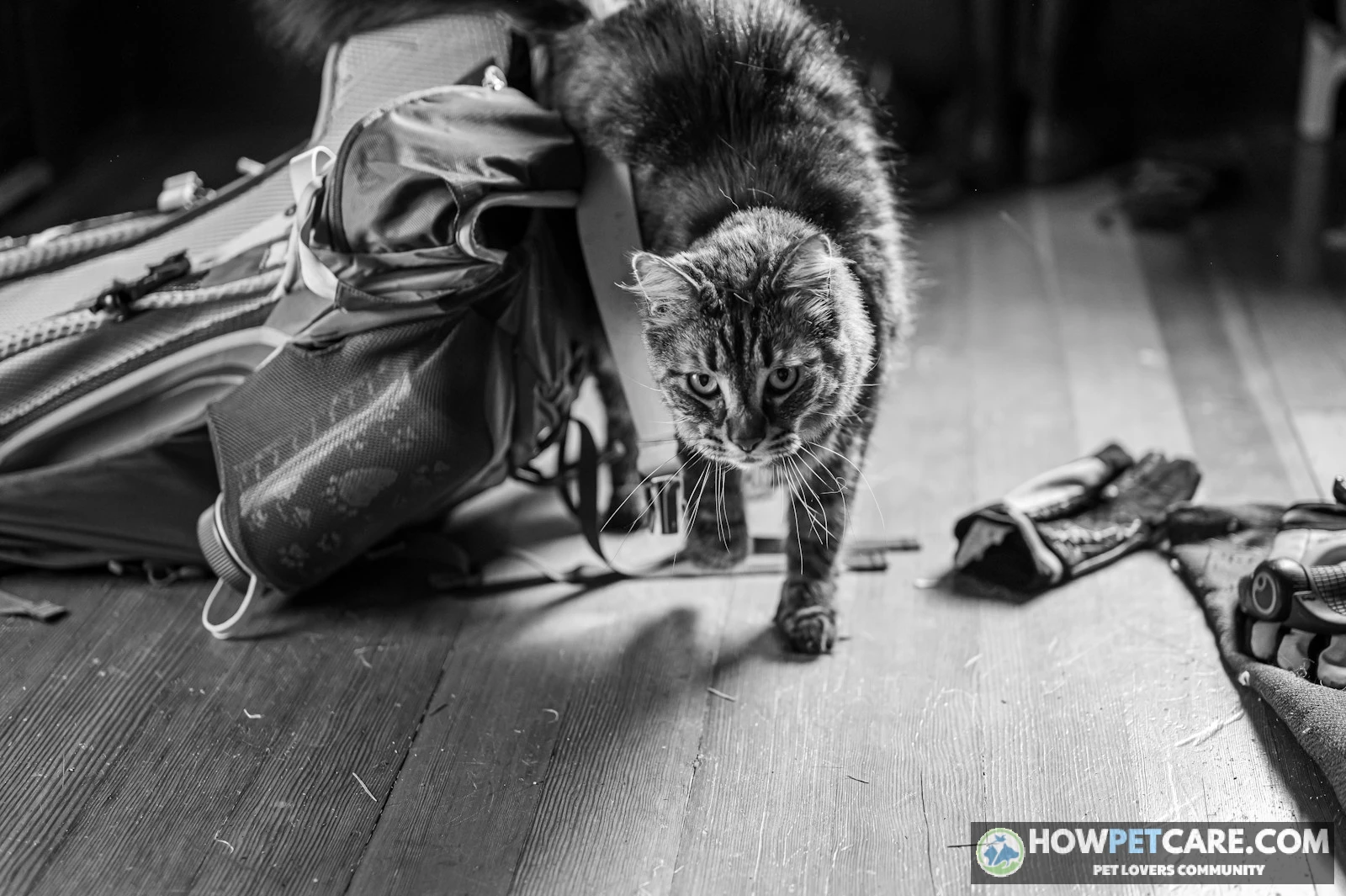

Cat scooting—dragging the rear along the floor—relieves itching, pain, or pressure around the anus. Common causes include impacted anal glands, tapeworms, irritated skin, and feces stuck in the fur. One scoot after a messy stool is minor; repeated scooting needs a vet visit.
Why Your Cat Is Dragging Its Butt on the Floor: The Short Answer
Cat scooting is when a cat drags or rubs its rear along the floor to relieve itching, pain, pressure, or irritation around the anus. Possible causes include anal sac problems, tapeworms, irritated skin, and feces or matted fur caught near the rear. One scoot after a messy bowel movement may be minor. Repeated scooting calls for a veterinary appointment.
If you see protruding tissue, a painful swelling, or repeated unproductive trips to the litter box, call a veterinarian immediately. If none of those signs are present, use the triage and symptom tables below to decide what to do next. Scooting alone can’t tell you which cause is most likely.
What scooting looks like versus normal grooming or litter-box behavior
A cat that scoots usually sits low, moves its hind legs forward, and pulls its bottom across the floor. During normal grooming, a cat turns to lick the area instead. A brief scoot just after a messy bowel movement may be due to residue. Repeated dragging or persistent licking points to discomfort that needs investigation.
Scooting isn’t a common or effective way for cats to mark territory. Advice intended for dogs doesn’t automatically apply to cats; their size, grooming habits, medications, and individual medical needs matter.
Where the anal glands sit and why they cause trouble
Cats have two small anal sacs, often called anal glands, just inside the anus at approximately the 4 o’clock and 8 o’clock positions. The sacs contain strong-smelling fluid and normally empty during bowel movements. When the fluid doesn’t drain properly, the sacs can become impacted or infected and cause discomfort.
Imagine the anus as a clock face: the sacs sit diagonally below it, one on each side. A painful swelling beside the opening may point to an affected sac, but scooting doesn’t always mean there’s a gland problem.
Is Cat Scooting an Emergency? Go Now, Book Soon, or Watch at Home
Red flags that mean go to the vet today
| What you observe | Urgency level | What to do next |
|---|---|---|
| Red, moist tissue protruding from the anus, sometimes shaped like a tube or rounded lump | Emergency | Call an emergency vet now. Keep the tissue moist with clean saline or a clean, damp cloth during transport; don’t push it back in. |
| A painful, swollen, hot, bleeding, or draining lump beside the anus | Same-day urgent care | Call a vet today. Don’t squeeze it; an abscess or ruptured anal sac may need treatment. |
| Repeated unproductive litter-box trips, straining, or crying in the box | Emergency | Call a vet now. If you can’t tell whether your cat is trying to urinate or defecate, treat it as an emergency: a urinary blockage can be life-threatening. |
| Scooting with significant bleeding, severe pain, vomiting, marked lethargy, or refusal to eat | Same-day urgent care or emergency | Call a vet promptly and follow their advice about where to go. |
| A small amount of blood in otherwise normal stool, with the cat acting normally | Call today | Ask your vet how soon your cat needs to be seen; seek emergency care for heavy bleeding or illness. |
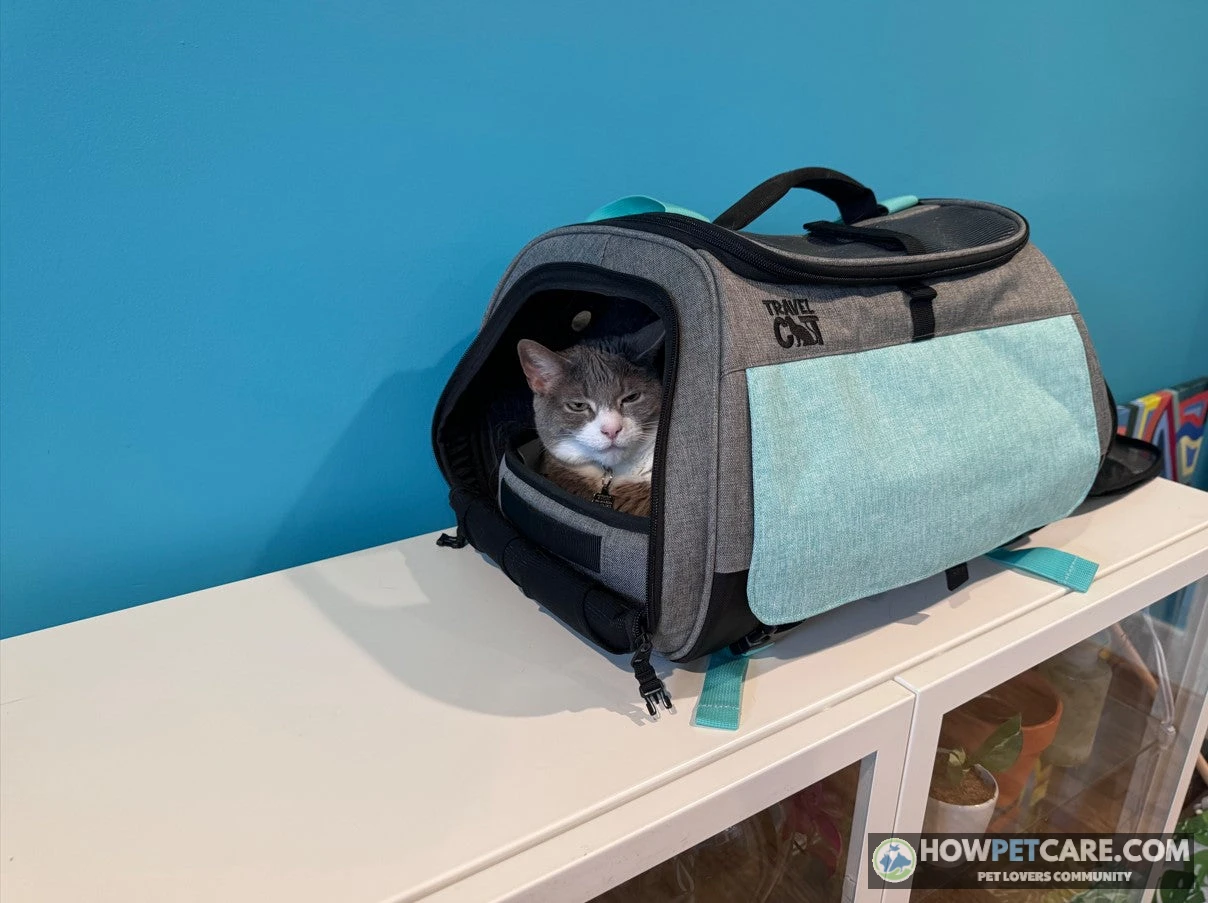
A rectal prolapse can look like a red, moist tube emerging from the anal opening. An anal sac abscess is more likely to appear as a painful swelling beside the opening. If it ruptures, you may see a draining wound. A photo can help the clinic triage your call, but don’t delay leaving to take one.
If thread, ribbon, or another foreign object is hanging from your cat’s anus, don’t pull or cut it. Doing so can seriously injure the intestines. Call an emergency veterinarian for instructions.
Signs that justify an appointment this week
| What you observe | Urgency level | What to do next |
|---|---|---|
| Repeated scooting, a strong fishy odor, or rice-like segments | Book within 1–3 days | Arrange an exam; bring photos and a fresh stool sample if the clinic requests one. |
| Scooting with fleas, ongoing loose stool, or frequent licking | Book within 1–3 days | Call sooner if the skin is raw, symptoms worsen, or your cat seems unwell. |
Persistent diarrhea, especially in a kitten or a cat that seems ill, warrants a same-day call rather than a wait for a routine appointment. Raw skin can be painful too; ask the clinic whether your cat should be seen sooner.
When watching at home is reasonable
| What you observe | Urgency level | What to do next |
|---|---|---|
| One isolated scoot, including after a messy stool, with normal appetite, energy, and litter-box habits and no visible swelling or significant redness | Monitor for 24–48 hours | Gently clean any residue, watch the next bowel movements, and note whether scooting happens again. |
If scooting returns or continues during that period, book a routine appointment instead of restarting the clock. Any emergency sign means your cat needs urgent care.
Worms, Anal Glands, Allergies, or Stuck Stool? Match What You See to the Cause
A fishy odor or swelling near the anus may point to anal sac trouble; rice-like segments are more suggestive of tapeworms. Neither clue confirms a diagnosis. Different problems can occur together, so a physical exam and appropriate tests are needed to tell them apart.
| Likely cause | Key signs: odor, segments, timing | Other clues | Vet needed? | Typical next step |
|---|---|---|---|---|
| Full or impacted anal sacs | Fishy smell; intermittent scooting; sometimes a brownish smear | Licking near the rear or discomfort sitting | Yes, if signs recur or persist | Exam and treatment based on what the vet finds |
| Tapeworms or other intestinal parasites | Pale, rice-like tapeworm segments near the anus, on stool, or in bedding | Fleas or a flea history; sometimes weight or coat changes | Yes, for identification and appropriate treatment | Photograph or collect a segment; discuss deworming and flea control |
| Fleas | Scooting with itching elsewhere | Black flea dirt, scratching, or scabs near the tail base | Often, especially for irritated skin | Ask about cat-safe flea control and household treatment |
| Food or environmental allergies | Recurring itching, sometimes without an obvious odor or segments | Over-grooming or itchy skin elsewhere | Yes, for persistent signs | Vet-guided examination and possible diet or allergy investigation |
| Fecal residue or matted fur | Scooting after a messy stool; visible material caught in fur | More difficult grooming in long-haired or overweight cats | Not necessarily for an isolated, easily cleaned episode | Clean gently; arrange a professional sanitary trim if needed |
| Diarrhea or constipation | Loose, hard, or unusually infrequent stool; discomfort after pooping | Straining or repeated litter-box visits | Yes if persistent; urgently for unproductive straining | Call the vet and describe stool and litter-box changes |
| Skin infection or anal sac abscess | Redness, swelling, or discharge beside the anus | Pain, licking, or a foul odor | Yes, urgently | Same-day veterinary assessment; don’t squeeze the area |
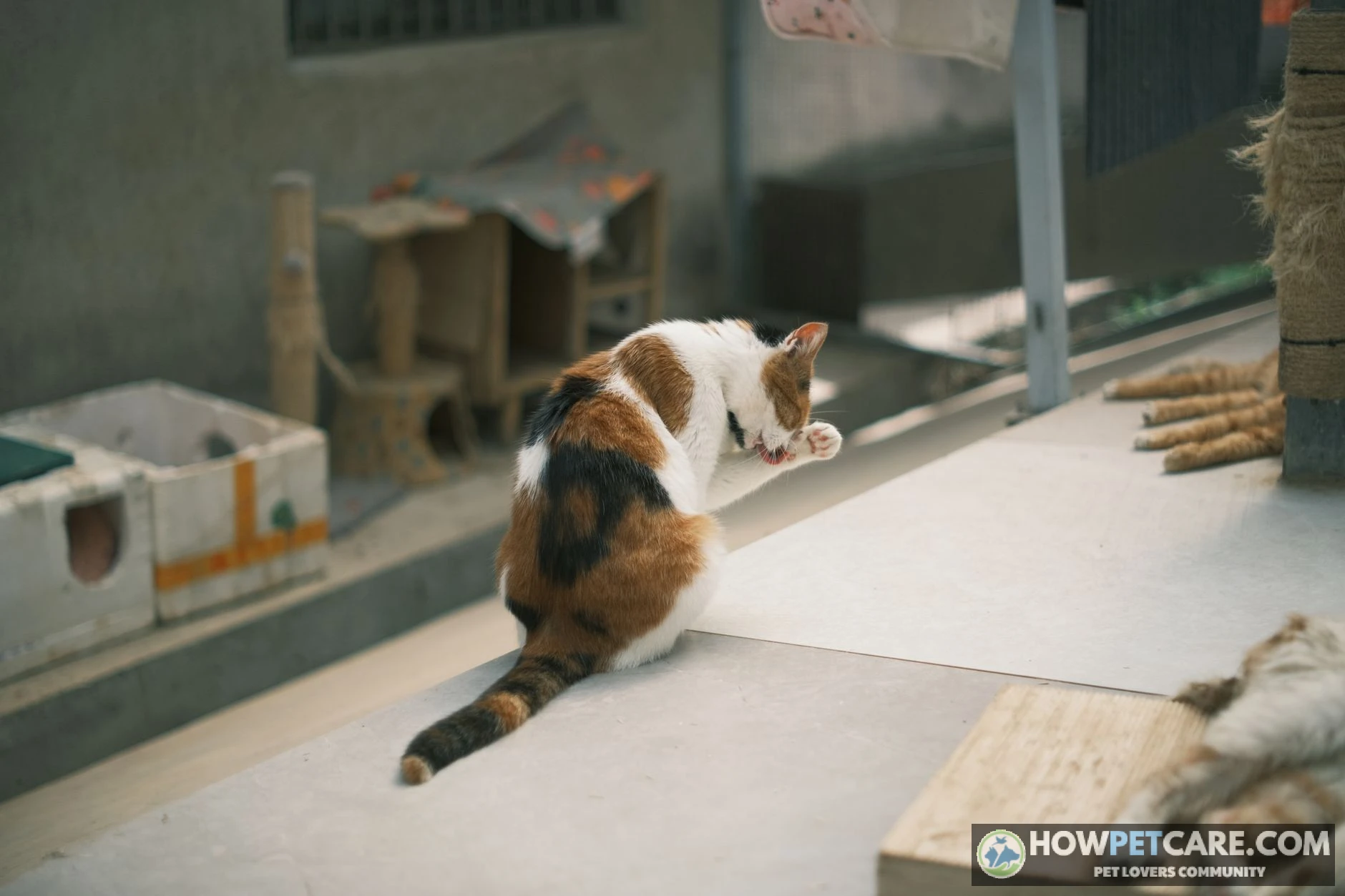
Feces caught in fur can make a cat uncomfortable, especially when long fur or difficulty grooming lets it build up. The table can help narrow down possibilities, but it doesn’t rank them by frequency or replace an exam.
Does cat scooting mean worms? And what if there are no worms?
No. Tapeworms can irritate the anal area as segments emerge, but scooting alone doesn’t mean a cat has worms. If a cat is dragging its butt with no visible worms, possible causes include irritated skin, stuck stool, anal sac disease, or another problem. And not seeing segments doesn’t rule out parasites.
How to tell anal gland trouble from parasites at a glance
Focus on the clues rather than settling on a cause: a fishy smell and discomfort beside the anus make gland trouble plausible; rice-like material on the fur or bedding makes tapeworms plausible. Photograph what you find and tell your vet, even if one explanation seems clear.
How to Spot Tapeworm Segments and Choose the Right Dewormer
What tapeworm segments actually look like
If your cat is comfortable being handled, check the area without squeezing or pulling at anything attached to the body.
-
Look under the tail
Check the fur around the anus for small, pale, rice-like segments. Fresh segments may move.
-
Check resting places and stool
Look at bedding, favorite sleeping spots, and the surface of fresh stool. Dried segments can look like small grains of rice or sesame seeds.
-
Save what you find
Take a clear photo or place a loose segment in a sealed container. Ask the clinic how it wants a fresh stool sample collected and stored.
-
Discuss treatment
Show your veterinarian what you found and ask which dewormer and dose suit your cat’s weight and health.
A veterinarian may recommend praziquantel or another medication that works against the identified tapeworm. Not every general-purpose dewormer treats tapeworms, and other intestinal parasites may need different medication. A routine fecal flotation can miss tapeworm evidence, so a photo or actual segment is useful even if the stool test is negative.
Why flea control has to happen at the same time as deworming
Cats can acquire a common tapeworm by swallowing an infected flea while grooming. Treating the worm without tackling fleas leaves your cat at risk of reinfection. Indoor cats can encounter fleas, too, so ask your vet about appropriate year-round prevention and whether other pets in the home need treatment.
Use only a product labeled and dosed for cats, as directed by your veterinarian. Some dog flea products contain ingredients that are dangerous to cats. Your vet can recommend a deworming schedule based on your cat’s exposure and test results.
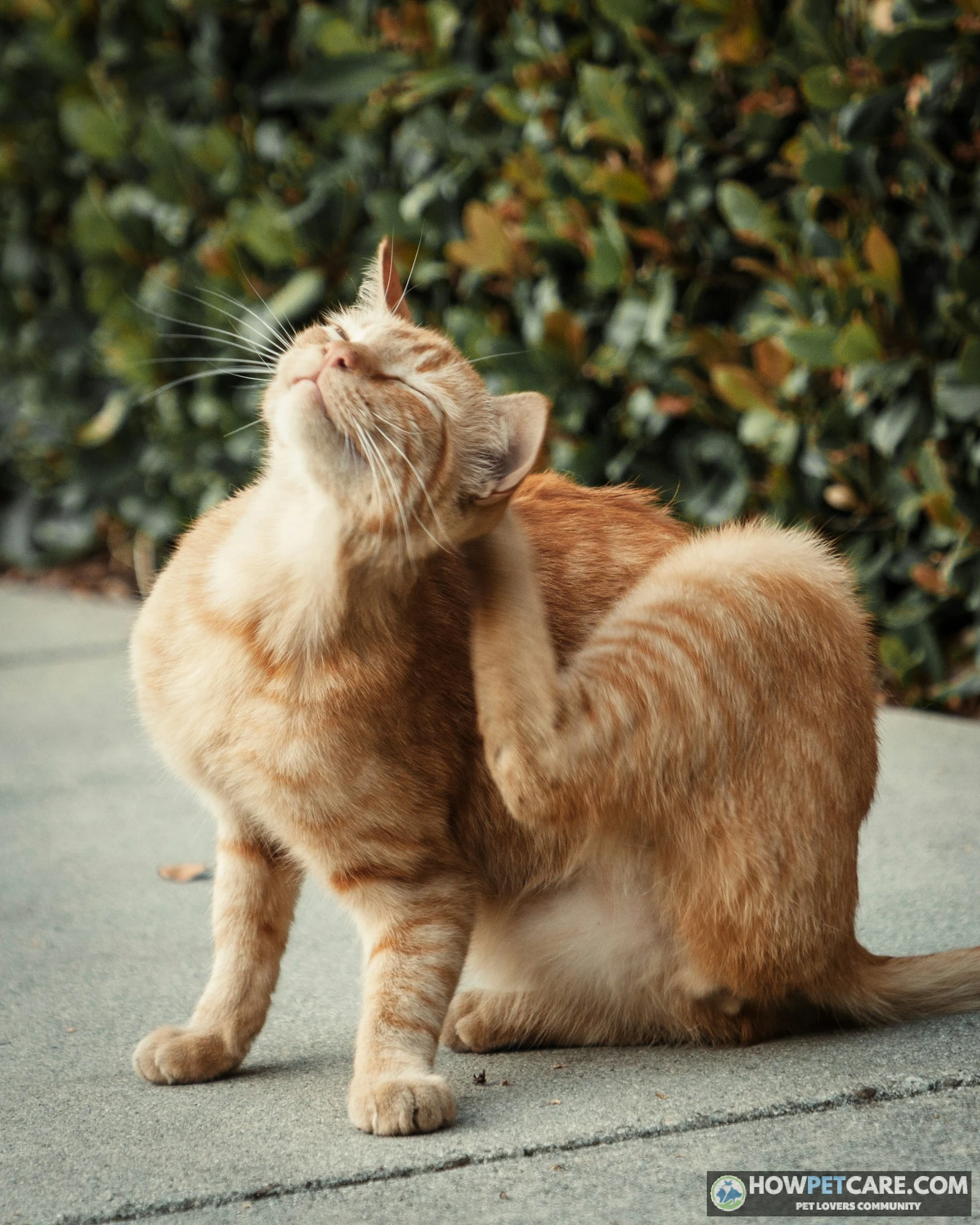
Why Your Cat Scoots After Pooping (and When It’s Just Hygiene)
Messy stool, matted fur, and fecal residue
If your cat drags its bottom after pooping, first check for stool caught in the fur or on the skin. Soft stool can cling to long hair, while dry residue or mats can pull on the surrounding fur. One scoot after an unusually messy stool, followed by normal behavior after gentle cleaning, is reasonable to monitor.
Check that the litter box is clean and easy to enter, and note the stool’s consistency. Don’t assume a scoot proves there’s a hygiene problem: residue and an underlying medical issue can occur at the same time.
Constipation, diarrhea, and gland pressure during defecation
Repeated scooting after bowel movements may occur with diarrhea, constipation, irritated skin, or painful anal sacs. Note how often your cat visits the box, whether the stool is hard or loose, and whether your cat strains or cries. Repeated unproductive trips—or uncertainty about whether urine is being passed—warrant an immediate call to the vet.
Higher-Risk Cats: Females, Long-Haired, Senior, and Overweight
Why female cats may scoot for different reasons
A female cat rubbing her rear may have irritation around the vulva or urinary tract instead of, or as well as, a problem around the anus. Tell the vet about vulvar discharge, frequent licking, or changes in urination. Repeated attempts to urinate with little or no urine are an emergency for any cat.
Sanitary trims and grooming for long-haired, senior, and overweight cats
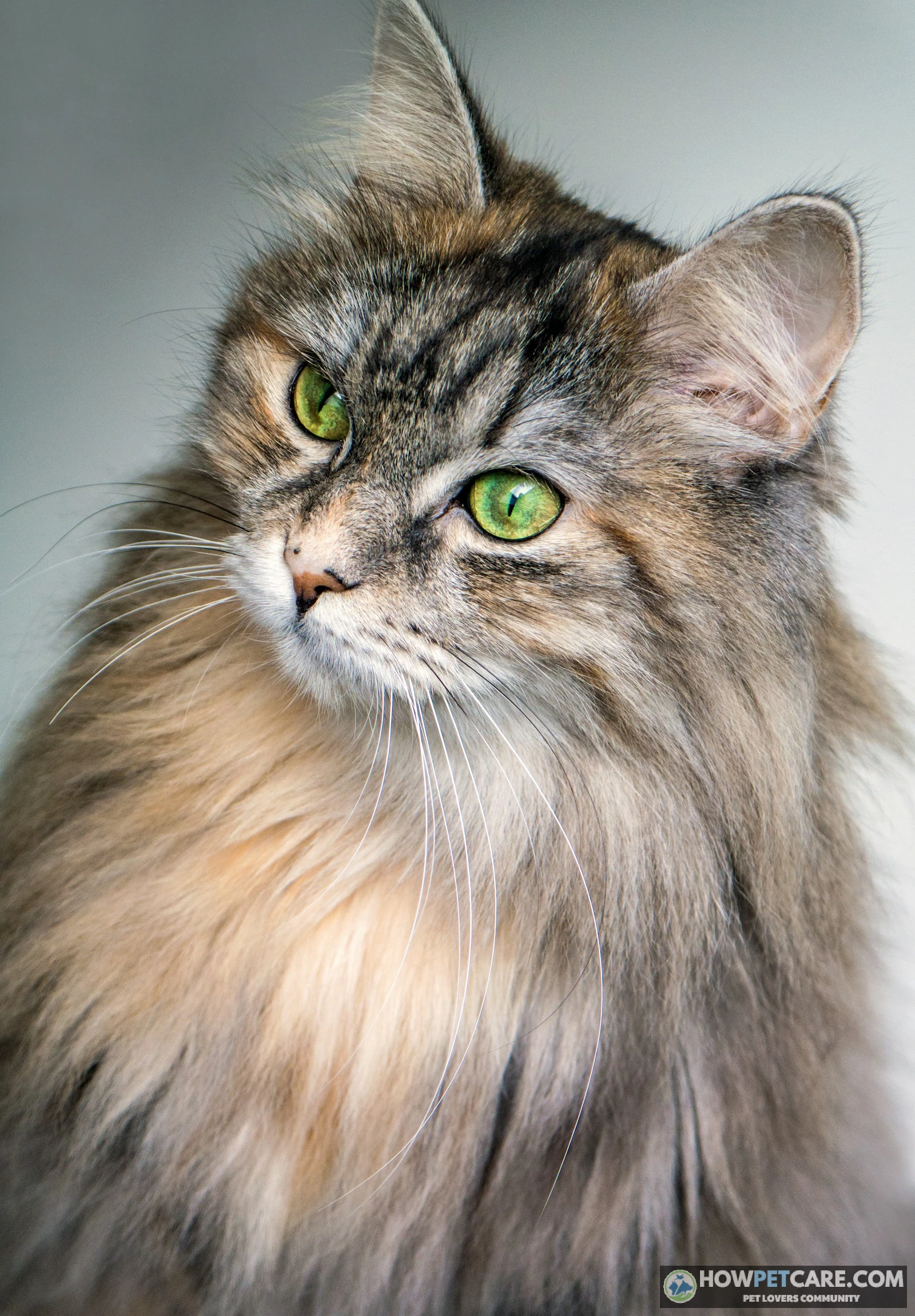
Long fur can trap fecal residue, and overweight cats may have trouble reaching the area to clean it. Older cats can also struggle to groom, including when arthritis makes turning uncomfortable. A sanitary trim shortens the fur around the rear to make cleaning easier.
Ask a vet or experienced groomer to clip the area, especially if the fur is matted. Cat skin is thin, and mats can sit tightly against it, so don’t cut close to the skin with scissors. Between appointments, check the rear regularly and spot-clean as needed. If grooming is becoming difficult, discuss mobility, easier litter-box access, and a weight-management plan with your vet.
What to Do at Home Before the Vet (and Whether You Should Express Glands Yourself)
How to clean your cat’s rear end safely
If there are no urgent signs, use a soft cloth dampened with warm water to loosen surface residue. Wipe gently from front to back, then pat the area dry. Don’t scrub sore skin or use fragranced or alcohol-containing wipes or harsh soaps. Stop if your cat seems distressed or painful. A helper or loose towel wrap can make brief handling safer, but don’t force it.
Wash bedding if fleas or fecal residue are present. On carpet, remove the residue and use an enzymatic pet cleaner according to its label. Keep your cat away until the area is dry. Offer fresh water and keep the litter box clean so you can monitor stool and urine output.
Canned pumpkin and fiber: how much, how often
Ask your vet before adding fiber. The right choice depends on whether your cat has constipation, diarrhea, another illness, or an obstruction. There isn’t a reliable universal pumpkin dose based on weight alone. If your vet agrees it’s appropriate, ask whether starting with 1 teaspoon of plain canned pumpkin mixed into food suits your cat and how often to give it. Use plain pumpkin, not sweetened or spiced pie filling.
Tell the vet your cat’s current weight and medical conditions, including diabetes or kidney disease. Stop and call if stools get worse. Pumpkin doesn’t treat a blockage, an infected anal sac, or unproductive straining; don’t delay an exam to try it.
Can you express your cat’s anal glands at home?
Anal sac expression means applying pressure to empty the sacs. Don’t try it without training from your veterinarian for your individual cat. The sacs are small, and squeezing a painful, infected, or otherwise abnormal area can injure tissue and delay treatment. Most cats don’t need routine expression. A vet can decide whether yours does and whether a recurring problem calls for a specific care plan.
Don’t give human pain medicine, leftover antibiotics, or a randomly chosen dewormer. Contact your vet for a cat-specific diagnosis and dose, and seek urgent care if red flags appear.
What Happens at the Vet for Scooting and What It Costs
Step by step: what the vet checks and why
The appointment starts with your observations: when scooting began, whether it follows pooping, changes in stool or urination, flea prevention, and any odor or visible segments. Depending on what the vet finds, they may recommend:
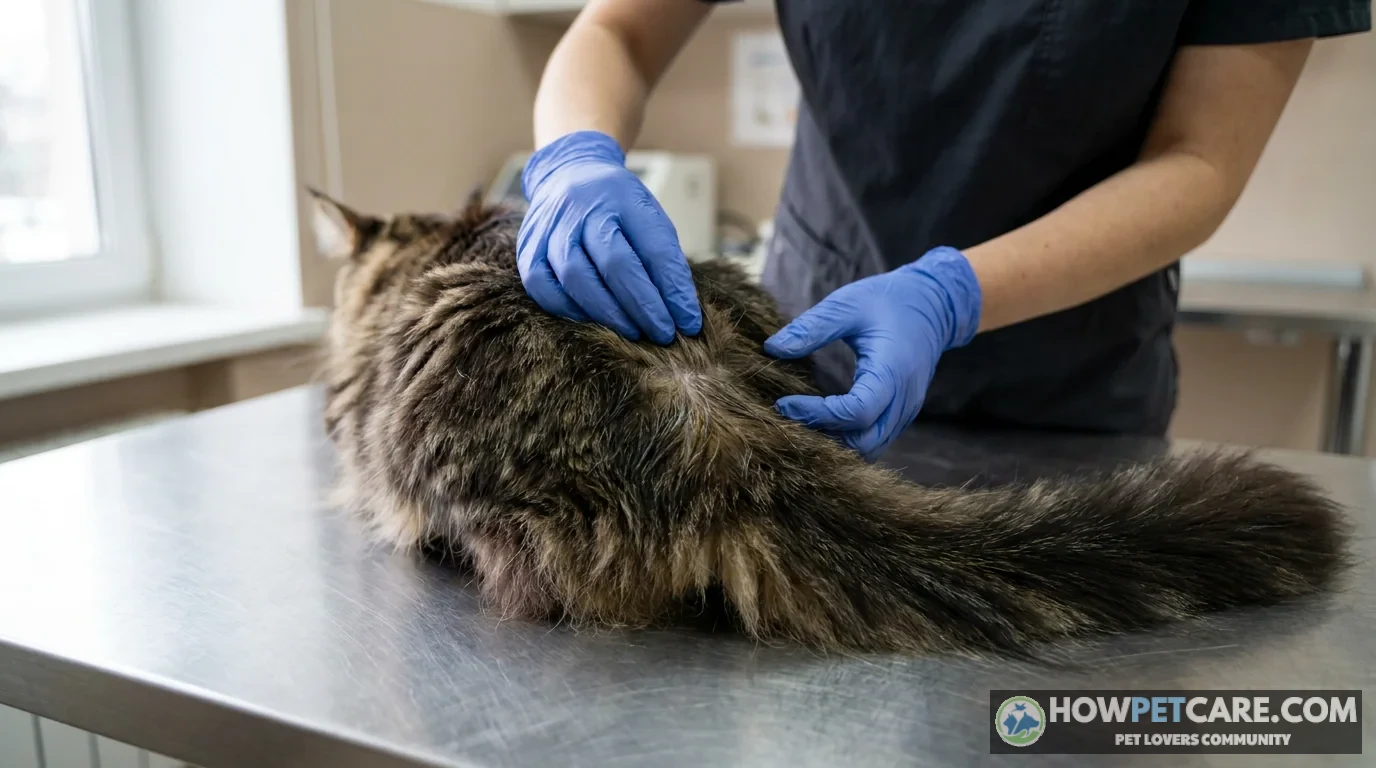
- A physical and perianal exam. The vet checks the skin, fur, anus, and tail base for residue, irritation, wounds, swelling, or masses. A gentle rectal examination may help assess the anal sacs when appropriate.
- A fecal exam. A stool sample can be checked for parasite eggs or other evidence of intestinal parasites. A negative flotation doesn’t reliably rule out tapeworms, so share any photos or segments you found.
- Anal sac assessment or expression. If indicated, the vet checks the contents and consistency of the fluid. The procedure may be uncomfortable; a painful cat or impacted sac may require sedation or other treatment.
- Cytology. The vet may examine cells or fluid under a microscope for inflammation or signs of infection, particularly if there is abnormal discharge.
Treatment depends on the diagnosis. It may include deworming and flea control, pain relief, medication for infection, flushing an affected sac, or a diet and allergy investigation. Surgery is reserved for selected severe or recurring cases, not as a routine response to scooting.
Typical cost ranges for scooting-related care
US prices vary by location, clinic, urgency, and the care your cat needs. The supplied research gives broad figures for an exam and complex care, but doesn’t support a separate national price range for expression, testing, or medication. Ask for an itemized estimate before any nonemergency procedures.
| Service | What it involves | Typical cost range | Notes |
|---|---|---|---|
| Physical exam | Review of symptoms and examination of the rear and surrounding skin | Approximately $75–$150 | Emergency or specialist fees may be higher; tests and treatment may be extra. |
| Anal sac expression | Emptying and assessing the sacs when indicated | Ask the clinic for its price | May be billed separately from the exam; sedation, if needed, adds cost. |
| Fecal exam or cytology | Testing stool or examining cells or fluid under a microscope | Ask for an estimate | The vet selects tests based on the exam. |
| Deworming and flea treatment | Medication selected for the suspected or identified parasite | Ask for an estimate | Cost depends on product, cat size, and whether other pets need treatment. |
| Complex care | Treatment that may include emergency procedures, surgery, or hospitalization | Approximately $800–$3,000 or more | The final bill depends heavily on diagnosis and treatment. |
When you call, ask whether the exam and expression are separate charges and what additional testing or sedation might cost. Bring your scooting log, photos, and a fresh stool sample if the clinic requests one.
Your Next Steps: A Decision Checklist for Tonight, This Week, and Long Term
- Tonight: Check for protruding tissue, painful swelling, significant bleeding, illness, or unproductive litter-box trips. Call an emergency vet for urgent signs. Never pull a protruding string.
- If your cat otherwise seems well: Gently clean visible residue, photograph anything unusual, and note when scooting happens, whether it follows pooping, and whether you notice an odor or segments.
- Within 24–48 hours: Monitor appetite, energy, stool, and urination. Discuss cat-safe flea prevention and any proposed fiber with your vet; don’t wait through the monitoring period if symptoms recur or worsen.
- This week: Book an exam for repeated scooting, fishy odor, segments, persistent loose stool, or irritated skin. Bring your notes and ask whether to bring a stool sample.
- Long term: Follow your vet’s flea-control and deworming advice, arrange sanitary trims when needed, and address grooming difficulties or stool changes early.
One scoot after a messy stool can be monitored in a cat that otherwise seems well. Repeated scooting needs a vet visit; protruding tissue, painful swelling, or unproductive litter-box trips call for urgent help.
1At what approximate positions on a clock face are a cat's anal sacs located inside the anus?
The two small anal sacs sit just inside the anus on either side at the 4 o'clock and 8 o'clock positions.
2If an owner notices a piece of thread or string protruding from a cat's anus, what action should be taken immediately?
Foreign objects trapped in the digestive tract can tear or bunch up the intestines if pulled, requiring professional veterinary intervention.
3Why are repeated unproductive attempts to use the litter box treated as a urgent medical emergency in cats?
Male and female cats straining in the litter box may have a blocked urethra, which is a medical emergency that prevents urine excretion.
4How do indoor cats most commonly acquire tapeworms?
Fleas host tapeworm larvae, which infect cats when swallowed during routine coat grooming.
5What do dried tapeworm segments typically resemble when found on a cat's bedding or stool?
As tapeworm segments dry out near resting areas, they contract into small structures that look like dried rice or sesame seeds.
6What safety precaution should be taken when performing a sanitary trim on a long-haired or overweight cat?
Cat skin is extremely thin and prone to accidental cuts when scissor blades are used close to skin mats.
7Why is routine manual anal sac expression at home generally advised against for cat owners?
Most cats express their anal sacs naturally during bowel movements, and unguided squeezing can injure sore or infected tissues.
8When cleaning carpet where a cat has scooted, which type of cleaning product should be avoided and why?
Ammonia compounds produce a smell similar to urine components, which can entice cats to repeatedly mark the cleaned area.
9What is an important rule to follow before offering canned pumpkin to a cat experiencing bowel changes?
Veterinary consultation ensures fiber is appropriate for the underlying issue, as pumpkin will not resolve physical blockages or sac infections.
10Why might a female cat rub or scoot her rear end for reasons unrelated to anal sac or stool issues?
Urogenital discomfort or infection around the vulva can cause rubbing behavior that closely resembles perianal itching.
| Likely Cause | Key Signs (Odor, Segments, Timing) | Other Clues | Vet Needed? | Typical Next Step |
|---|---|---|---|---|
| Skin infection or anal sac abscess | Redness, swelling, or discharge beside the anus | Pain, licking, or a foul odor | Yes, urgently | Same-day veterinary assessment; don't squeeze the area |
| Full or impacted anal sacs | Fishy smell; intermittent scooting; sometimes a brownish smear | Licking near the rear or discomfort sitting | Yes, if signs recur or persist | Exam and treatment based on what the vet finds |
| Tapeworms or other intestinal parasites | Pale, rice-like tapeworm segments near the anus, on stool, or in bedding | Fleas or a flea history; sometimes weight or coat changes | Yes, for identification and appropriate treatment | Photograph or collect a segment; discuss deworming and flea control |
| Fleas | Scooting with itching elsewhere | Black flea dirt, scratching, or scabs near the tail base | Often, especially for irritated skin | Ask about cat-safe flea control and household treatment |
| Food or environmental allergies | Recurring itching, sometimes without an obvious odor or segments | Over-grooming or itchy skin elsewhere | Yes, for persistent signs | Vet-guided examination and possible diet or allergy investigation |
| Fecal residue or matted fur | Scooting after a messy stool; visible material caught in fur | More difficult grooming in long-haired or overweight cats | Not necessarily for an isolated, easily cleaned episode | Clean gently; arrange a professional sanitary trim if needed |
| Diarrhea or constipation | Loose, hard, or unusually infrequent stool; discomfort after pooping | Straining or repeated litter-box visits | Yes, if persistent; urgently for unproductive straining | Call the vet and describe stool and litter-box changes |
FAQ
Do cats need their anal glands expressed regularly?
Most cats empty their anal glands naturally during bowel movements and never need routine expression. It is only needed when a vet finds the glands full, impacted, or infected, and cats with recurring problems may need periodic help.
Can indoor cats get tapeworms?
Yes. Indoor cats can swallow fleas that hitch a ride on people or other pets, and fleas carry tapeworm larvae. Year-round flea prevention is the best protection.
Will cat scooting go away on its own?
A single scoot after a messy stool often resolves once the area is cleaned. Repeated scooting usually signals an underlying problem like impacted glands, parasites, or skin irritation, and tends to continue or worsen without treatment.
How do I clean my carpet after my cat scoots?
Blot up any residue, then clean with an enzymatic pet cleaner that breaks down organic matter and odors, and let it dry fully. Avoid ammonia-based products, which can smell like urine and encourage repeat marking.
Why is my cat licking its rear constantly as well as scooting?
Frequent licking and scooting together point to itching or pain around the anus, from anal gland trouble, fleas, allergies, or parasites. If it lasts more than a day or two, or the skin looks red or raw, have a vet take a look.