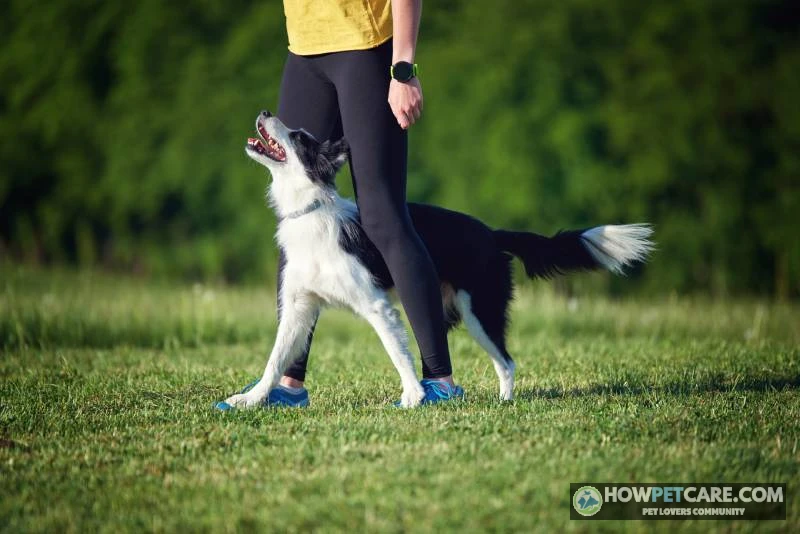

The Border Collie is generally considered the smartest canine breed in working and obedience rankings because it learns cues quickly and responds reliably. However, no breed is universally smartest: canine intelligence also includes instinct, adaptive learning, problem-solving, social cognition, persistence, and independence, all of which vary among individual dogs.
What Is the Smartest Canine Breed?
The phrase “smartest canine breed” usually points to the Border Collie, which leads Stanley Coren-style rankings. It earned that position through rapid command learning, reliable responses, sustained focus, and strong problem-solving behavior. Still, the familiar answer needs a qualifier: Coren’s order primarily describes working and obedience intelligence, not a universal canine IQ.
Put simply, the ranking favors dogs that learn human-directed cues quickly and perform them consistently. That makes the Border Collie a strong candidate for obedience training, agility, herding, and other structured work. It does not prove that every Border Collie will outperform every Poodle, retriever, hound, terrier, or mixed-breed dog on every cognitive task.
Breed tendencies can help prospective owners build a shortlist. They cannot predict an individual dog’s temperament, learning history, motivation, health, or suitability for a particular home.
Why quick compliance is not the whole story
Canine intelligence is commonly divided into three broad categories: instinctive intelligence, adaptive intelligence, and working or obedience intelligence. A useful real-world assessment should also account for social cognition, scent use, memory, persistence, movement control, independence, and recovery after frustration.
One dog may understand a cue but decide that following a scent is more rewarding. Another may solve a barrier problem independently, then lose interest in repetitive obedience drills. A highly social dog may seek human guidance rather than work alone. These are different strategies, not rungs on a simple ladder from smart to unintelligent.
Canine intelligence is the capacity to learn, adapt, solve problems, and apply species- or breed-relevant skills. Trainability is the narrower question of how readily a dog learns and performs behaviors people request.
Top Intelligent Dog Breeds: Strengths Beyond Obedience
Breeds that commonly lead obedience-based rankings
The traditional leading order begins with the Border Collie, Poodle, German Shepherd, Golden Retriever, and Doberman Pinscher. Shetland Sheepdogs, Labrador Retrievers, Papillons, Rottweilers, and Australian Cattle Dogs also commonly appear in the top group. Use this as an obedience-oriented reference, not as a set of universal cognitive scores.

The comparison below pairs the familiar ranking with practical ownership factors. Terms such as high energy or strong trainability describe broad tendencies. Line, age, health, upbringing, and individual temperament can change the picture considerably.
High-Intelligence Breed Comparison: Cognitive Strengths and Ownership Fit
| Breed | Typical cognitive strengths | Obedience-oriented trainability | Energy and exercise demand | Grooming demand | Size | First-time owner fit | Family and apartment considerations |
|---|---|---|---|---|---|---|---|
| Border Collie | Rapid cue learning, movement control, task switching, sustained attention | Very high | Very high; usually needs purposeful activity | Moderate | Medium; commonly 30–55 pounds | Often difficult unless the owner wants structured training | Can herd children or pets; apartment fit depends on substantial outlets and a reliable off-switch |
| Poodle | Pattern learning, retrieving, social learning, flexible problem-solving | Very high | Moderate to high | Very high; scheduled coat care is essential | Toy, Miniature, or Standard | Often good with training and grooming support | Size options help, but barking, activity, and grooming still require planning |
| German Shepherd | Handler-focused learning, discrimination, tracking, versatile task work | High | High | Moderate, with shedding | Large | Mixed; quality guidance is important | Size, guarding tendencies, socialization, and housing rules can complicate fit |
| Golden Retriever | Cooperative learning, retrieving, social responsiveness | High | Moderate to high | Moderate to high | Large | Often suitable for prepared beginners | Frequently social, but adolescent exuberance, mouthiness, and child supervision matter |
| Doberman Pinscher | Fast association, vigilance, routine learning, human-directed work | High | High | Low | Large | Usually better with experienced support | Sensitive and intense; companionship, socialization, and secure management are important |
| Shetland Sheepdog | Cue discrimination, pattern recognition, agility learning, alertness | High | Moderate to high | High | Small to medium; typically 13–16 inches tall | Possible for an engaged beginner | Alert barking and sensitivity can be difficult in noisy homes or close apartments |
| Labrador Retriever | Retrieving, food-motivated learning, cooperation, generalization | High | Moderate to high | Moderate, with shedding | Large | Often suitable with realistic adolescent management | Usually adaptable, but young Labs can be physical, vocal, or destructive when under-engaged |
| Papillon | Quick cue learning, agility, persistence, compact problem-solving | High | Moderate | Moderate | Toy | Often possible for attentive beginners | Convenient size, but fragility, alert barking, and activity needs should not be dismissed |
| Rottweiler | Persistence, discrimination, handler partnership, controlled physical work | High | Moderate to high | Low to moderate | Large to giant | Usually not the easiest first choice | Strength and guarding potential increase the consequences of training or management errors |
| Australian Cattle Dog | Independent problem-solving, livestock control, persistence, environmental awareness | High | Very high | Low to moderate | Medium | Often challenging | May use mouthy herding behavior; needs structured work and careful socialization |
Evidence-Labeled Breed Comparison
| Breed | Working-obedience evidence | Likely cognitive strengths | Confidence in this summary | Major caveat |
|---|---|---|---|---|
| Border Collie | Very strong in traditional obedience-based rankings | Rapid cue learning, sustained attention, movement control, task switching | High for obedience tendency; moderate for broader cognition | Can herd people or pets, develop repetitive behavior, or struggle to settle without suitable outlets |
| Poodle | Very strong | Fast pattern learning, cooperation, retrieving, problem-solving | High for trainability; moderate for task-specific strengths | Coat care is substantial, and many individuals need more activity than their appearance suggests |
| German Shepherd | Strong | Handler focus, versatile task learning, discrimination, protective work | Moderate to high | Poor socialization or unclear management can contribute to problematic vigilance or reactivity |
| Golden Retriever | Strong | Cooperative learning, retrieving, social responsiveness | High for cooperative trainability; moderate for independent work | Friendly does not mean low-maintenance; adolescence, size, and exercise still matter |
| Doberman Pinscher | Strong | Rapid association, vigilance, human-directed work, routine learning | Moderate | Sensitive and intense; training quality and companionship needs are significant |
| Shetland Sheepdog | Strong | Cue discrimination, agility-style learning, alertness | Moderate to high | Barking, sensitivity, and herding behavior can conflict with close housing |
| Labrador Retriever | Strong | Retrieving, food-motivated learning, cooperation | High for trainability; moderate for impulse control | Young Labs can be exuberant and physically demanding |
| Papillon | Strong relative to size | Quick cue learning, agility, persistence | Moderate | Small size does not eliminate exercise or training needs |
| Rottweiler | Strong | Task persistence, partnership, discrimination | Moderate | Size and guarding potential raise the cost of mistakes |
| Mixed-breed individual | Cannot be assigned from ancestry alone | Any combination of learning speed, persistence, scent ability, or social problem-solving | Low from a breed label; potentially high after direct observation | Health, prior learning, and individual temperament matter more than a guessed breed label |
Intelligent breeds whose strengths are often undervalued
An obedience list can undervalue hounds that stay committed to a scent, terriers that persist without handler direction, livestock guardians that make independent decisions, and sighthounds selected to pursue visible movement. Their original work often required less moment-to-moment human instruction than retrieving or herding.
That is why the label “least intelligent dog breed” is misleading. A low obedience placement may reflect weaker motivation for repetition, selective cooperation, or a task that does not engage the dog’s strongest sensory system. It does not establish a global lack of intelligence.

Why the most trainable dog is not always the easiest dog to live with
Rapid learners pick up unwanted patterns too. A Border Collie may discover that staring or circling changes human behavior. A Labrador may learn which counter holds food. A Sheltie may associate hallway sounds with barking. Preventing rehearsal and rewarding better alternatives takes time and consistency.
Herding breeds can be particularly demanding because their sensitivity to movement, responsiveness, stamina, and work drive remain active in a household. Someone seeking the easiest dog to train must ask a second question: Can I meet the needs that come with this learning speed and intensity?

How Canine Intelligence Is Measured: Coren’s Ranking and Its Limits
What the judges were asked to evaluate
Stanley Coren’s influential work, published through The Intelligence of Dogs, based its breed order on reports from obedience trial judges rather than laboratory tests administered to every dog. The research evaluated about 120 breeds in the early 1990s, with related publication history extending into 2006. Judges reported their impressions of each breed’s working and obedience performance.
The evidence dossier available for this article does not provide a verified number of responding judges or reproduce the full questionnaire. Those details should be checked against the original edition and supporting documentation before publication, rather than taken from an uncited secondary retelling.
What can be said confidently is that the judges evaluated observed learning and response patterns in an obedience setting. They did not measure scent discrimination, spatial navigation, social inference, independent persistence, or every dog in each breed.

Learning and response thresholds in the traditional rankings
The widely repeated top-tier description says that dogs learn a new command in fewer than five repetitions and respond correctly to a known command on the first attempt at least 95% of the time. These thresholds describe the category used in traditional ranking summaries. They should not be read as laboratory-derived IQ scores for every member of a breed.
That distinction matters. A repetition count can vary with the trainer’s mechanics, reward value, task difficulty, distraction level, prior experience, fatigue, and definition of a correct response. Reliability in a competition-oriented environment also differs from behavior at home, outdoors, or around wildlife.

Coren’s order is useful evidence about perceived working and obedience performance. It does not establish a single numerical intelligence score, and it cannot predict the result of every cognitive task or the ability of an individual dog.
Why this is not a universal canine intelligence test
The method has several important limitations:
- Response and sampling bias: Participating judges and the dogs appearing in obedience settings may not represent all judges, owners, bloodlines, or dogs.
- Breed representation: Recognized breeds with sufficient observations are easier to rank than uncommon breeds, mixed-breed dogs, or dogs rarely entered in obedience competition.
- Evidence age: The underlying observations date largely to the early 1990s rather than a current standardized sample. Breeding populations, training methods, and participation patterns can change.
- Task emphasis: The framework rewards handler orientation, tolerance for repetition, and reliable compliance more directly than independent problem-solving or sensory specialization.
- Training history: Judges observe performance shaped by handlers, reinforcement, socialization, opportunity, and prior practice—not genetics in isolation.
- Motivation: A dog can understand a request without finding the available reward worth the effort.
A low rank may therefore indicate independence, scent or sight priorities, weak motivation in that setting, or a mismatch between the task and the breed’s historical work. Calling such a dog unintelligent reduces several distinct explanations to one unsupported conclusion.
Five Forms of Dog Intelligence That a Single Rank Misses
Working, instinctive, and adaptive intelligence
Working intelligence describes the ability to learn from people and perform trained tasks. It overlaps strongly with dog trainability and obedience performance. Border Collies, Poodles, German Shepherds, retrievers, and Shelties often perform well in this area.
Instinctive intelligence refers to skill associated with the work for which dogs were selected. Examples include controlling livestock, retrieving, guarding, tracking, flushing game, or pursuing movement. A dog may show exceptional instinctive skill before receiving extensive formal training.
Adaptive intelligence is an individual dog’s capacity to learn from experience and solve everyday problems. It appears when a dog changes strategy around a barrier, remembers where an object was placed, or applies a learned behavior in a new setting.

What Traditional Intelligence Rankings Measure and Miss
| Dimension | What it captures | How it appears in a dog | Why an obedience ranking may miss it |
|---|---|---|---|
| Working and obedience | Learning human cues and responding reliably | Fast acquisition, accurate responses, close handler attention | This is the ranking’s main emphasis, so it is comparatively well represented |
| Instinctive ability | Performance of breed-shaped work | Herding movement, retrieving, guarding, tracking, hunting | The behavior may occur independently of formal commands |
| Adaptive learning | Learning from experience | Changing strategy, remembering outcomes, transferring learning | Standard obedience routines may not require novel solutions |
| Problem-solving | Finding a workable route or action | Detouring, manipulating an object, seeking help | Success can depend on previous exposure and motivation |
| Social cognition | Reading and using information from people or dogs | Following gestures, checking in, recruiting help | Social help-seeking may look less independent even when it is effective |
| Independence | Acting without continuous direction | Sustaining a search or making context-based choices | Selective response can be mistaken for failure to understand |
| Persistence | Continuing after an unsuccessful attempt | Repeating or changing strategies | Persistence can help, but excessive repetition can also reflect poor flexibility |
Problem-solving, motivation, and independence are different traits
A dog that reaches a treat quickly is not necessarily more intelligent than one that pauses and asks a person for help. One may favor independent manipulation, while the other uses a social strategy. Persistence does not always mean flexibility either. Repeating an ineffective action for several minutes can show motivation without showing a change in strategy.
Consider the same transparent-barrier task. A Border Collie may attend closely to movement and find the opening quickly. A Poodle may alternate between manipulating the object and checking the handler. A German Shepherd may search methodically. A Golden Retriever may recruit human help. A scent-driven dog may lower its nose and follow the odor around the barrier. The task reveals tendencies only when context and prior experience are taken into account.

Match the ability to the job you want a dog to do
For competitive obedience, prioritize handler engagement, reward responsiveness, recovery, and comfort with repetition. In scent work, persistence and odor-focused searching may matter more than conventional rank. For a family companion, settling, sociability, frustration tolerance, and predictable responses may be more useful than exceptional learning speed.
The best dog breeds for intelligence are therefore goal-dependent. “Smartest” should mean capable in the areas your household can use and support—not simply highest on a famous list.

What Modern Research Says About Breed, Mixed-Breed Dogs, and Individual Variation
Breed effects are tendencies, not destiny
Modern canine-cognition research uses controlled tasks, behavioral surveys, genetic information, and repeated observations to examine narrower abilities. Peer-reviewed work includes MacLean and colleagues’ comparative study of breed differences in social cognition and inhibitory control, as well as Morrill and colleagues’ genetic analysis of ancestry and behavioral variation. These studies address particular tasks or behavioral dimensions rather than establishing an all-purpose intelligence rank.
This research supports a basic caution: performance belongs to an individual dog completing a particular task in a particular setting. Breed can be associated with tendencies, but substantial variation remains within every breed.
Genetics may influence attention, motivation, sensory priorities, arousal, and behavioral predispositions. Early socialization, training quality, reinforcement history, age, health, sleep, stress, and the testing environment also shape what observers see. An apparent cognitive failure may instead reflect fear, pain, distraction, fatigue, unclear instruction, or a lack of relevant experience.

The supplied verified evidence supports the conclusion that mixed-breed dogs can be as intelligent as purebred dogs depending on genetics, early socialization, training, and environment. It does not include a primary-study sample size or numerical mixed-versus-purebred effect, so no unsupported percentage or effect size is asserted here.
Mixed-breed versus purebred cognitive findings
Standardized research does not support assigning a universal cognitive advantage to either mixed-breed or purebred dogs. Quantitative models and task batteries assess outcomes such as memory, inhibitory control, gesture following, persistence, and human-directed problem-solving; results can differ by task, and ancestry category does not produce one consistent overall winner.
Purebred status alone does not make a dog more intelligent. Mixed-breed dogs can show learning speed, scent ability, persistence, memory, and social problem-solving comparable to those of purebred dogs. Conversely, mixed ancestry does not guarantee broader ability or better health and behavior in every individual.
A defensible numerical comparison would need to identify the study population, number of dogs, task battery, breed composition, age distribution, statistical model, and measured outcome. Without those details in the verified source set, giving a percentage or effect size would create false precision. Before publication, any added numerical claim should be checked against the primary peer-reviewed paper and limited to the tasks that paper actually measured.
The limitation itself is useful for readers. Broad claims that purebred or mixed-breed dogs are “smarter” often go beyond the evidence. Group averages from a specific task cannot determine which individual dog will be easier to train or better suited to a home.
Why an individual assessment still matters
When evaluating an adult dog, observe its recovery after a surprise, willingness to engage, ability to settle, response to handling, food or toy motivation, and behavior around the household’s real distractions. Ask what the dog has already learned and under which conditions.
For puppies, do not treat a brief temperament exercise as destiny. Development, adolescence, social experience, and training will continue to shape behavior. With a rescue dog, allow for transition stress and an incomplete history. A qualified reward-based trainer or veterinary behavior professional can help when fear, aggression, compulsive behavior, or severe frustration is present.

Best Intelligent Dog Breeds for First-Time Owners, Families, Apartments, and Small Homes
A capable first dog versus an intense working partner
The smartest dog breed for first-time owners is rarely determined by rank alone. Prepared beginners often find a well-matched Golden Retriever, Labrador Retriever, or Poodle more forgiving than an intense Border Collie, Australian Cattle Dog, Doberman, or working-line German Shepherd. An adult with a known temperament may also be easier to match than a puppy whose mature energy and behavior remain uncertain.
Use this four-question filter before choosing a breed name:
- Handler experience: Have you trained a dog, or can you budget for a reward-based class and individual help? Can you safely manage a strong, vocal, fast, or protective adult?
- Daily time: Can you protect two brief training periods on most days, provide suitable physical activity, and arrange help during illness, long workdays, or bad weather?
- Living space and settling: Can the dog rest undisturbed? Can you manage elevators, hallway sounds, neighbors, stairs, children, and other pets?
- Grooming and work-drive tolerance: Can you maintain the coat and live constructively with retrieving, herding, alert barking, carrying, digging, or guarding tendencies?

Keep only candidates that fit all four areas. From there, compare health, temperament, adult size, and individual history.
Family and apartment fit: what to assess beyond breed rank
No breed is automatically safe with children. Adults must supervise interactions, protect the dog’s rest space, teach children appropriate behavior, and remain responsible for exercise and training.
Apartment success depends more on noise, exercise, arousal, and the ability to settle than on square footage. A calm large dog may fit better than a small dog that reacts to every hallway sound. Papillons and smaller Poodles offer compact options, but both still need activity. Shelties can be responsive companions, though vocal sensitivity may create problems with close neighbors.
Three household examples show why rankings lead to different answers:
Maya: first-time apartment resident. Maya lives in a 650-square-foot apartment, works from home, and can train for 10 minutes before work and after dinner. She wants a dog under about 30 pounds and dislikes frequent barking. Her shortlist includes an adult Papillon with verified settling, a smaller Poodle with a grooming plan, and calm fostered mixed-breed dogs. She removes candidates that cannot recover from elevator or hallway noise.
The Harris family: active home with children. The family has two school-age children, a fenced yard, and 60–90 minutes available for family activity on most days. They shortlist a Golden Retriever, Labrador Retriever, or Poodle after discussing adolescent management. They require supervised child interactions, an undisturbed rest area, and an adult-owned exercise schedule. A Border Collie stays off the list unless the family genuinely wants structured herding-style work.
Jon: experienced sport handler. Jon can provide two structured 15-minute sessions daily and attend club training three evenings each week. A Border Collie, Sheltie, or Poodle could suit agility and scent work. Even so, he prioritizes soundness, recovery, sociability, and an off-switch over maximum learning speed.

Small intelligent dogs with realistic trade-offs
A Toy or Miniature Poodle can offer quick learning in a compact body, but coat maintenance may call for regular professional help. A Papillon can excel at cue learning and dog sports while remaining physically portable, though owners must account for fragility and possible alert barking. A Sheltie is somewhat larger and often highly responsive, but its coat, vocal tendencies, and sensitivity can be demanding.
Small size does not reduce the need for training or the consequences of chronic stress. Choose the individual dog whose energy, noise, comfort with handling, and recovery suit the home.

The Real Workload of Living With a Highly Intelligent Dog
Daily exercise, training, and enrichment planning ranges
The following figures are planning assumptions, not medical or breed prescriptions. Age, health, weather, breed drive, fitness, and individual behavior should shape the final schedule. Puppies, senior dogs, and dogs with medical limitations need appropriately modified activity under professional guidance.
Highly Intelligent Dog Ownership Planning Ranges
| Commitment area | Planning range or cost category | What changes the estimate | Practical planning note |
|---|---|---|---|
| Physical activity | Often 45–120 minutes daily, divided into suitable sessions | Age, health, breed drive, fitness, weather, access | Purposeful sniffing, play, hiking, retrieving, or sport may be more useful than repetitive mileage |
| Training | Two or three sessions of about 5–10 minutes on most days | Attention span, task difficulty, experience | End successfully; practice in different places rather than drilling one behavior |
| Mental enrichment | About 15–30 minutes of active games, plus food-based opportunities | Novelty, frustration tolerance, feeding plan | Rotate scent games, interactive feeders, search tasks, and safe puzzle toys |
| Settling practice | Several short periods built into the day | Arousal, household noise, prior learning | Reward calm behavior and preserve uninterrupted sleep rather than supplying constant stimulation |
| Initial supplies | Budget category: bed, barriers, harness, leash, food equipment, enrichment, grooming tools | Dog size, equipment quality, containment needs | Buy for safety and fit; replace damaged items promptly |
| Professional support | Budget category: group classes, private coaching, walker, daycare, sport club | Location, behavior, schedule, owner experience | High-drive or behaviorally complex dogs may require more help |
| Recurring care | Food, preventive veterinary care, insurance or emergency savings, grooming, replacement toys | Size, coat, health, local prices | Obtain local 2026 quotes instead of relying on a universal monthly figure |

These ranges are deliberately broad. A healthy adult working-breed dog may need the high end or more, while a young puppy should not follow an adult endurance plan. The quality of exercise matters: controlled sniffing, searching, retrieving, training walks, and safe play can meet more needs than frantic repetition.
Budget categories and assumptions to state clearly
The acquisition fee is only one part of the budget. Plan for veterinary care, food, preventive medication, licensing, insurance or an emergency fund, training classes, grooming, secure containment, replacement enrichment items, and backup care. Add a walker or daycare if workdays routinely exceed the length of time the dog can rest comfortably.
Poodles may bring substantial professional grooming costs. Large dogs consume more food and need larger equipment. Strong or protective dogs may require secure fencing, specialized handling support, and carefully selected training. High-drive sport dogs can add club fees, travel, activity equipment, and rehabilitation or conditioning support.
Costs vary sharply by U.S. location and the dog’s health, so obtain written local quotes in 2026 from a veterinary clinic, groomer, trainer, insurer, and care provider. A universal monthly dollar amount would be less useful than a total based on the household and dog.
Intelligence needs an outlet, not constant entertainment
Several short, varied sessions usually work better than drilling cues until the dog disengages. Rotate scent games, interactive feeders, shaping, retrieving, controlled tug, and real-life skills. Teach rest as well. A dog that comes to expect constant activity may grow more demanding rather than more content.
Smart dogs without appropriate stimulation may bark excessively, chew, dig, or develop other unwanted behavior. Similar behavior can also stem from fear, pain, separation distress, insufficient sleep, or unmet physical needs. Persistent changes therefore warrant professional assessment rather than an automatic assumption of boredom.
Warning signs of a schedule mismatch include chronically skipped exercise, inability to settle, escalating destruction, repetitive attention-seeking, frantic behavior after activity, and owners avoiding the dog because every interaction feels demanding. Adjust the routine early and seek qualified help when needed.

Pair active training with predictable decompression and rest. The goal is not to exhaust a clever dog every day; it is to provide suitable work while reinforcing the ability to settle afterward.
Choose a Smart Dog With a Practical Home-Fit Checklist
Shortlist by lifestyle before breed prestige
Write down the activities you genuinely want to do, not the routine you imagine having someday. Then check:
- Prior dog-training experience and access to reward-based professional support
- Daily availability on normal workdays, weekends, and emergencies
- Safe walking routes, fenced space, transport, and weather alternatives
- Tolerance and budget for shedding, brushing, clipping, and professional grooming
- Household noise, neighbor proximity, children, visitors, and other animals
- Adult size, physical strength, housing restrictions, and travel constraints
- Veterinary, food, training, grooming, containment, and backup-care funds
- Desired behaviors such as retrieving, hiking, scent work, obedience, or quiet companionship
- Backup care during illness, overtime, vacations, and major life changes

Meet adult dogs when possible. For a puppy, ask to meet stable adult relatives and discuss health testing, temperament, work drive, and early socialization. For a rescue dog, ask foster caregivers how the dog settles, responds to novelty, handles alone time, learns, plays, and recovers from stress. Give health and ethical sourcing the same weight as cognitive reputation.
A four-activity home observation protocol, not an IQ test
These activities are not a standardized canine IQ test and must not produce a single score. Run them on separate days in a quiet, familiar place. Stop if you see fear, freezing, frantic pawing, repeated vocalizing, avoidance, or escalating frustration.
-
Observe memory and choice
Place two identical cups on the floor. Let the dog watch a treat go under one, wait 10 seconds, and release. Repeat no more than three times while changing sides. Record the choice, visual attention, and food motivation.
-
Try a low-frustration detour
Place a visible treat behind a transparent barrier or around a stable chair with an obvious safe route. Allow 30 seconds without pointing or repeating cues. Record whether the dog searches, seeks help, disengages calmly, or becomes frustrated.
-
Teach one neutral cue
Use rewards to teach a nose touch to a target. Offer up to five 60-second sessions across one day, stopping while the dog remains successful. Note repetitions, response after a 10-minute break, and performance in one mildly different room.
-
Observe scent use and persistence
Hide a treat in one of three open cardboard boxes while the dog watches. In a later easy trial, hide it without showing the exact box. Record nose use, visual scanning, strategy changes, search duration, and recovery after an unsuccessful attempt.
Use a log rather than a score:
| Date and context | Motivation and health | Task and setup | What the dog did | Recovery and settling | Next safe adjustment |
|---|---|---|---|---|---|
| Tuesday, quiet room | Rested, interested in food, no observed discomfort | Target touch; five 60-second sessions | Offered a paw twice, then touched with nose after rewarded repetitions | Settled within two minutes | Repeat in another familiar room, not with a harder task |
Compare the dog only with its own earlier attempts. Motivation, fatigue, stress, experience, and reinforcement history all form part of the observation. Do not rank one dog against another based on these games.
Questions to ask a breeder, rescue, or trainer
Ask for concrete examples rather than labels such as smart, easy, dominant, or perfect for families:
- How does this dog respond when a task becomes difficult?
- What rewards work best, and what distractions interrupt learning?
- Can the dog relax indoors after exercise?
- How does the dog respond to visitors, children, other dogs, handling, traffic, and household noise?
- Has the dog shown guarding, escape behavior, separation distress, reactivity, or repetitive behavior?
- What daily exercise, grooming, training, and management does the current caregiver provide?
- Which health screening or veterinary records are available?
- What support is available if the match proves difficult?
Use the answers to compare the individual dog with your actual schedule and resources. The practical choice is not the breed with the most prestigious ranking. It is the dog whose cognitive strengths, temperament, care needs, and expected workload your household can support consistently.
| Breed | Typical Cognitive Strengths | Obedience-Oriented Trainability | Energy and Exercise Demand | Grooming Demand | Size | First-Time Owner Fit | Major Caveat |
|---|---|---|---|---|---|---|---|
| Border Collie | Rapid cue learning, movement control, task switching, sustained attention | Very high | Very high | Moderate | Medium (30–55 lbs) | Low | Can herd people or pets, develop repetitive behavior, or struggle to settle without suitable outlets |
| Poodle | Pattern learning, retrieving, social learning, flexible problem-solving | Very high | Moderate to high | High to very high | Toy, Miniature, or Standard | Moderate | Coat care is substantial, and many individuals need more activity than their appearance suggests |
| German Shepherd | Handler-focused learning, discrimination, tracking, versatile task work | High | High | Moderate | Large | Moderate | Poor socialization or unclear management can contribute to problematic vigilance or reactivity |
| Golden Retriever | Cooperative learning, retrieving, social responsiveness | High | Moderate to high | Moderate to high | Large | High | Friendly does not mean low-maintenance; adolescence, size, and exercise still matter |
| Doberman Pinscher | Fast association, vigilance, routine learning, human-directed work | High | High | Low | Large | Moderate | Sensitive and intense; training quality and companionship needs are significant |
| Shetland Sheepdog | Cue discrimination, pattern recognition, agility learning, alertness | High | Moderate to high | High | Small to medium (13–16 inches) | Moderate | Barking, sensitivity, and herding behavior can conflict with close housing |
| Labrador Retriever | Retrieving, food-motivated learning, cooperation, generalization | High | Moderate to high | Moderate | Large | High | Young Labs can be exuberant and physically demanding |
| Papillon | Quick cue learning, agility, persistence, compact problem-solving | High | Moderate | Moderate | Toy | High | Small size does not eliminate exercise or training needs |
| Rottweiler | Persistence, discrimination, handler partnership, controlled physical work | High | Moderate to high | Low to moderate | Large to giant | Low | Size and guarding potential raise the cost of mistakes |
| Australian Cattle Dog | Independent problem-solving, livestock control, persistence, environmental awareness | High | Very high | Low to moderate | Medium | Low | May use mouthy herding behavior; needs structured work and careful socialization |
FAQ
What are the top 10 most intelligent dog breeds?
Obedience-focused lists commonly place Border Collies, Poodles, German Shepherds, Golden Retrievers, Doberman Pinschers, Shetland Sheepdogs, Labrador Retrievers, Papillons, Rottweilers, and Australian Cattle Dogs near the top. That order mainly reflects trainability and response reliability, not every form of canine intelligence.
Are mixed-breed dogs as intelligent as purebred dogs?
Yes, a mixed-breed dog can be highly intelligent. Individual genetics, early experience, training, motivation, health, and environment make breed status a poor predictor of one dog’s overall ability.
What is considered the least intelligent dog breed?
That label is misleading because traditional low rankings usually reflect obedience performance rather than a complete measure of cognition. Independent, scent-focused, or selectively cooperative dogs may excel at skills the ranking did not measure.
Which dog breed learns commands fastest?
Border Collies are commonly cited as exceptionally fast learners in obedience contexts, with Poodles, German Shepherds, and other high-ranking working breeds also known for rapid cue learning. Learning speed still depends on the individual dog’s motivation, training method, prior experience, and distraction level.
Can I test my dog’s intelligence at home?
You can observe learning style, persistence, social problem-solving, memory, and responses to novelty through simple games, but no home activity produces a validated canine IQ score. Keep sessions short, reward participation, record progress over time, and stop if your dog becomes stressed.