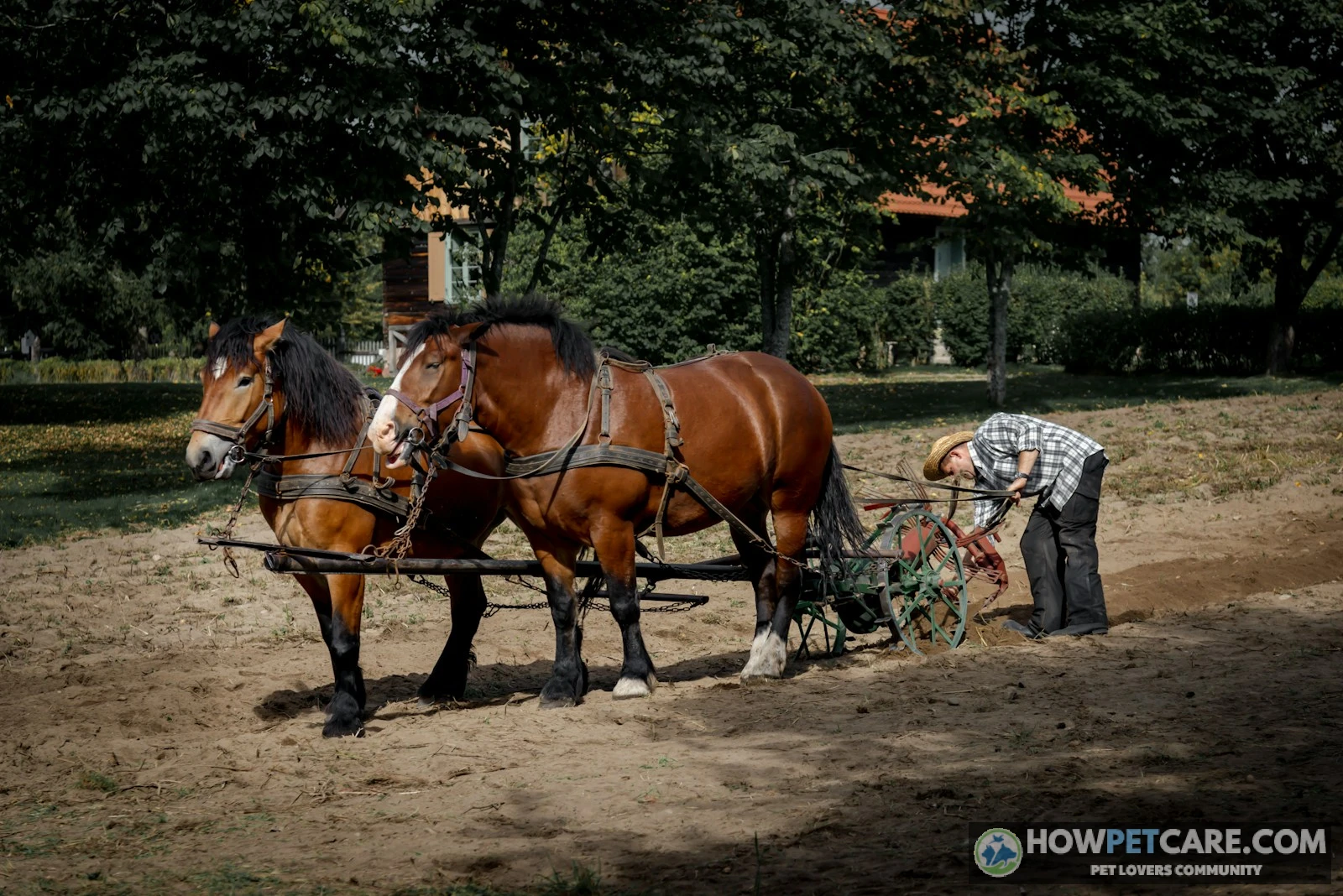

Draft horse breeds are heavily built horses developed for pulling and other demanding work. The most common in the United States are the Belgian, Percheron, Clydesdale, Shire, Suffolk Punch and American Cream Draft; European breeds include the Ardennes, Breton and Noriker, while smaller Haflingers and Fjords offer compact alternatives.
Draft horse breeds range from massive Shires and Belgians to compact European workhorses such as the Ardennes and Comtois. In the United States, the best-known types include the Belgian, Percheron, Clydesdale and Shire. Suffolk Punches and American Cream Drafts are also worth considering. For owners who don’t need a full-size heavy horse, smaller Haflingers and Fjords offer another option.
Choosing a breed involves more than comparing size. A trained Percheron or draft cross may suit a rider; a Belgian or Suffolk may be a good fit for farm work; and a Haflinger or Fjord may suit a smaller operation. A horse’s training, health and handling matter more than its breed’s reputation.
Draft Horse Breeds at a Glance: Types, Size in Hands, and Weight
A draft horse is a heavily built horse bred primarily for pulling and other demanding work. In Britain, heavy horse generally refers to the same broad group. Draft horses are often muscular, substantial animals with steady dispositions, but individuals vary.
The group includes familiar American work and show horses, less common regional breeds from Europe, and smaller horses that can do similar jobs without belonging to the heavy-draft category. The comparison table later in this guide brings their size, appearance and uses together.
What counts as a draft horse (and what doesn’t)
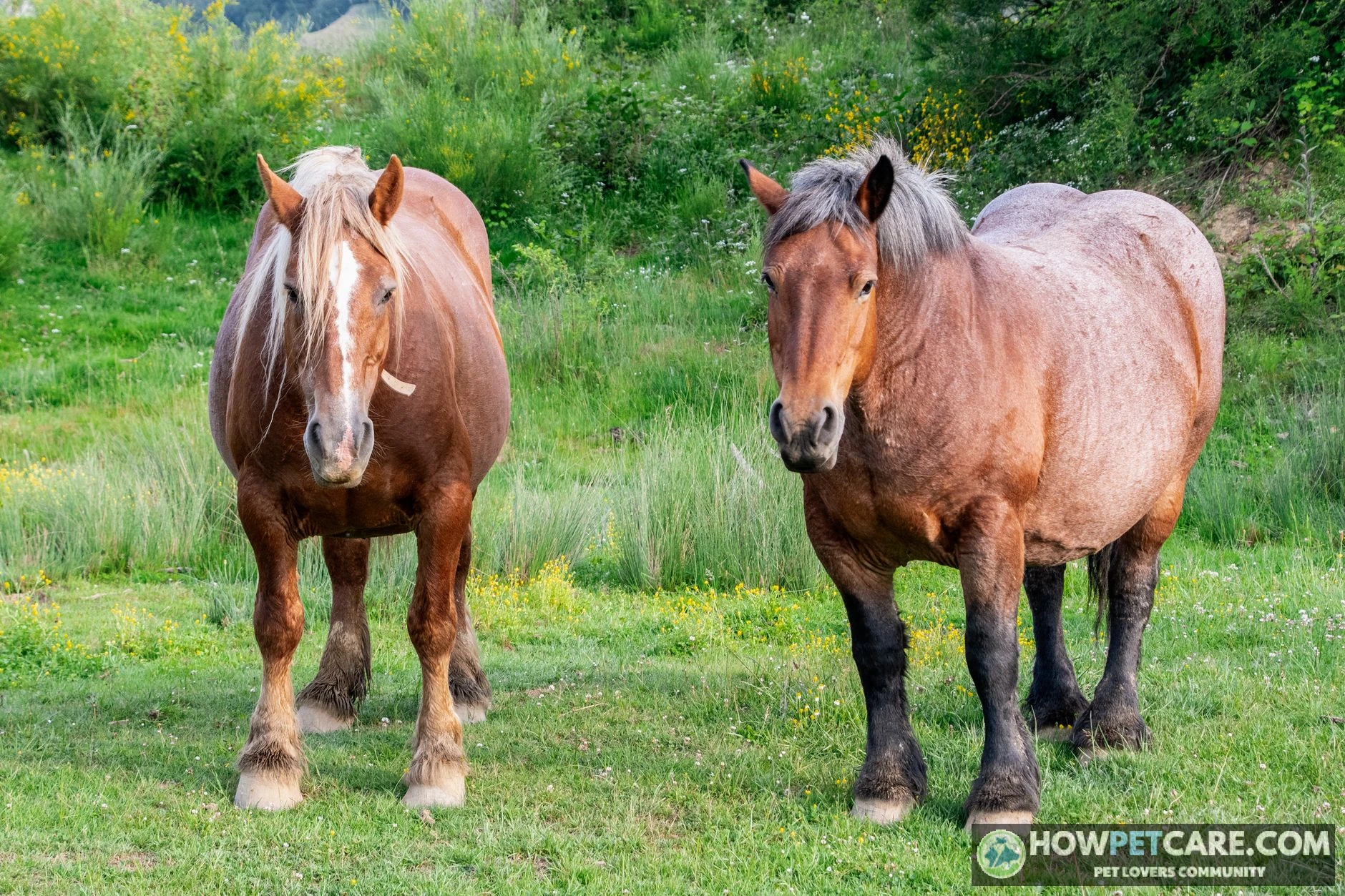
Belgian Drafts, Percherons, Clydesdales, Shires, Suffolk Punches and American Cream Drafts are established draft breeds. The Ardennes, Breton and several other European breeds also belong to the heavy-horse family.
Haflingers and Fjords are sturdy small horse breeds, not miniature Belgians. The Irish Draft is a distinct, versatile Irish breed with draft heritage; it’s generally lighter than the heaviest agricultural drafts. A draft cross has parents from different breeds or types. Registration requirements vary, and a spotted coat alone doesn’t establish a horse’s ancestry or registry eligibility.
Cold-blooded horses aren’t physically cold-blooded. The traditional term describes a broad type associated with a substantial build and generally steady temperament. It says nothing about body temperature and doesn’t guarantee behavior.
Height and weight ranges for draft horses
Many full-size drafts stand roughly 16 to 19 hands, although some are shorter or taller. A hand equals four inches, measured from the ground to the withers—the high point where the neck meets the back. Height notation isn’t decimal: 16.2 hands means 16 hands and two inches, or 66 inches.
Full-size drafts often weigh well over 1,400 pounds, and the largest can exceed 2,000 pounds. Shires are among the tallest breeds; some Belgians are exceptionally massive. Weight varies with frame, sex, age and body condition, so a heavy horse isn’t necessarily at a healthy weight.
The Most Common Draft Horse Breeds in America, and What Sets Each Apart
Belgian vs Percheron: how the two clean-legged breeds differ for a buyer
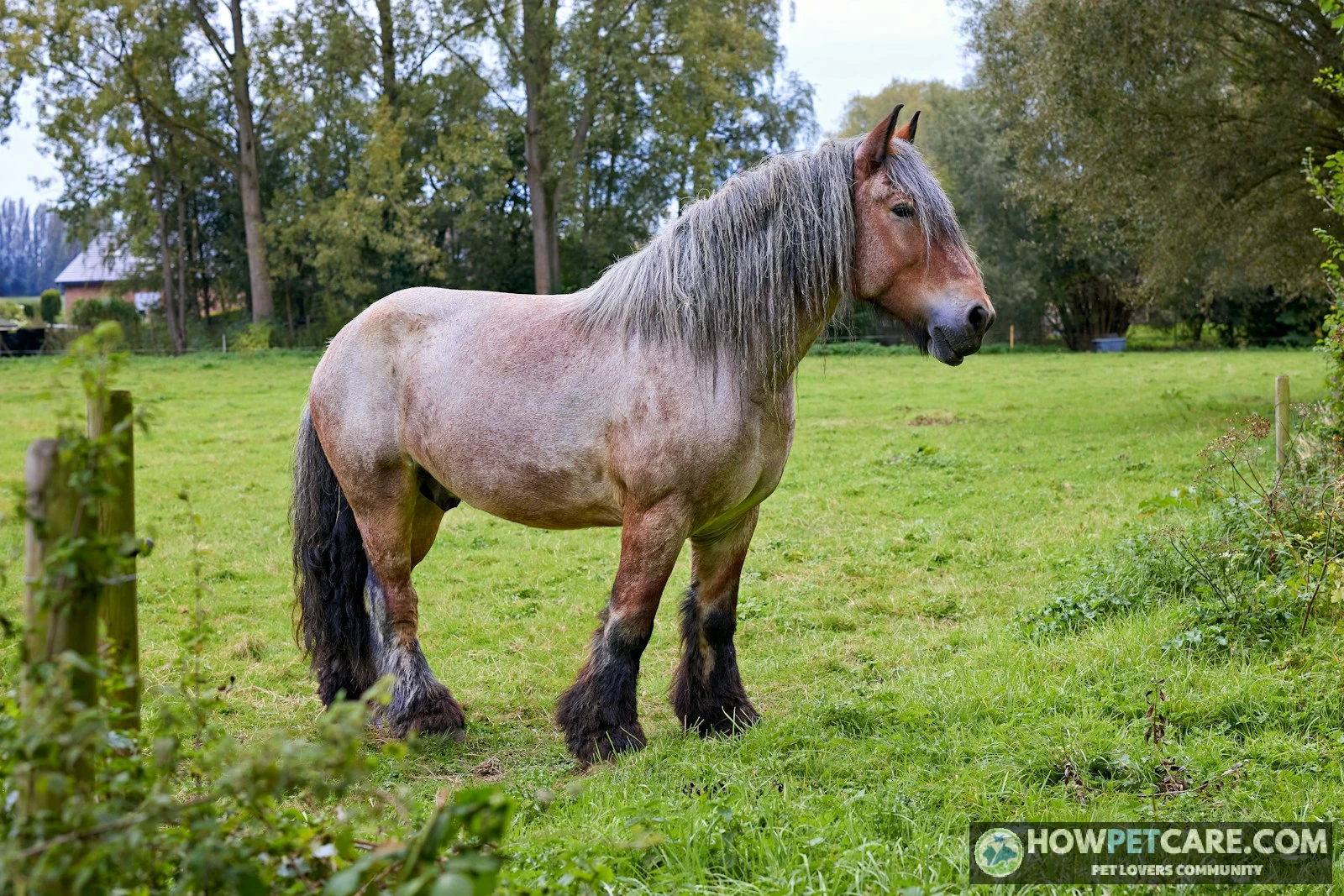
Belgian Draft. American Belgians are commonly sorrel or chestnut, with a pale mane and tail. They tend to have broad bodies, powerful hindquarters and relatively little lower-leg feathering. The breed is a familiar choice for farm work, driving and horse pulling. A well-trained Belgian may suit an owner looking for substantial pulling power. Its size, however, calls for suitable facilities and confident handling.
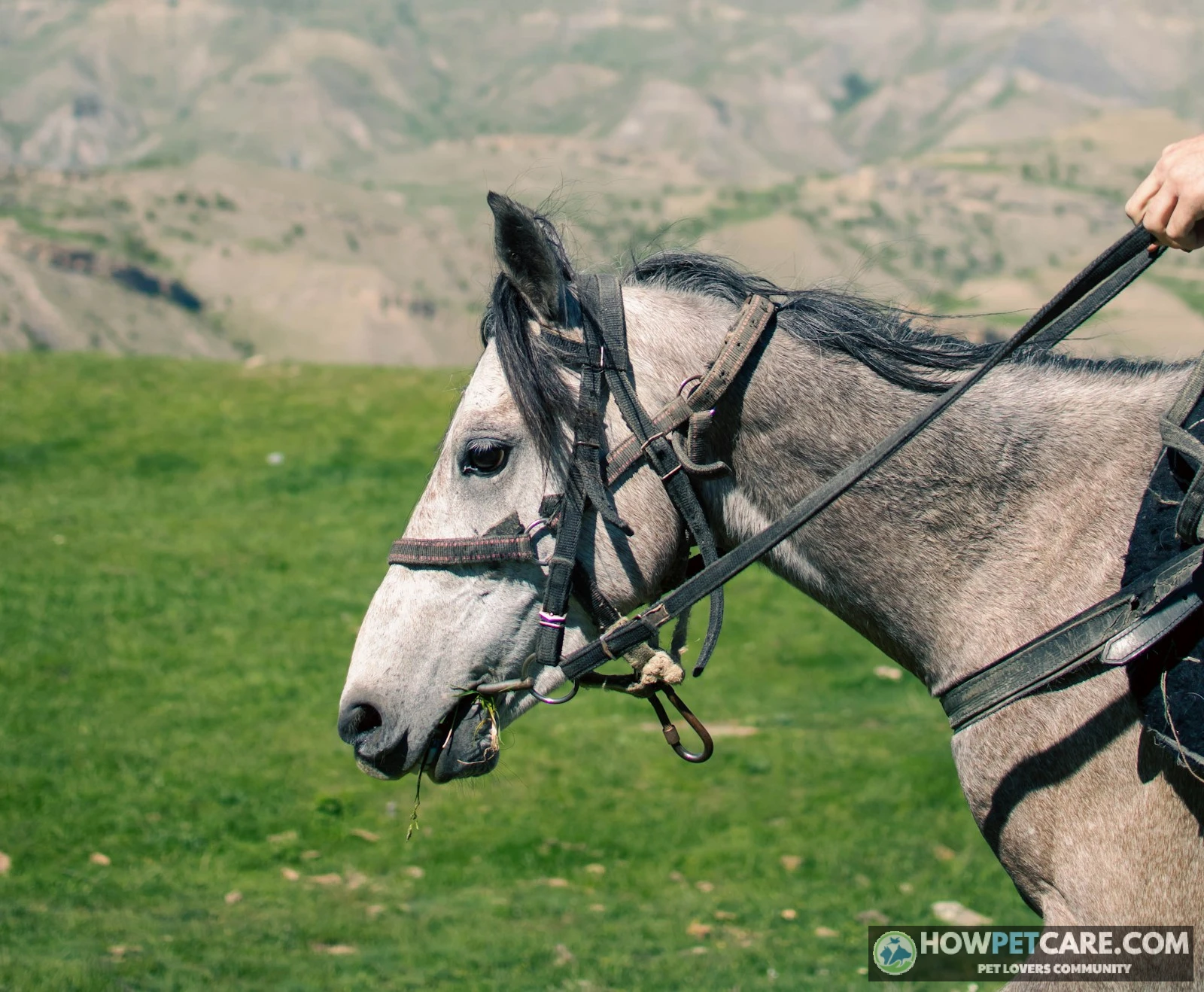
Percheron. Developed in France, the Percheron is commonly gray or black and typically has relatively clean legs. Its athletic build makes it a candidate for riding, driving, farm work and shows. Some are energetic as well as willing. When choosing between a Belgian and a Percheron, compare the individual horses’ training and responsiveness instead of assuming one will be quieter.
Clydesdale vs Shire: the feathered pair compared
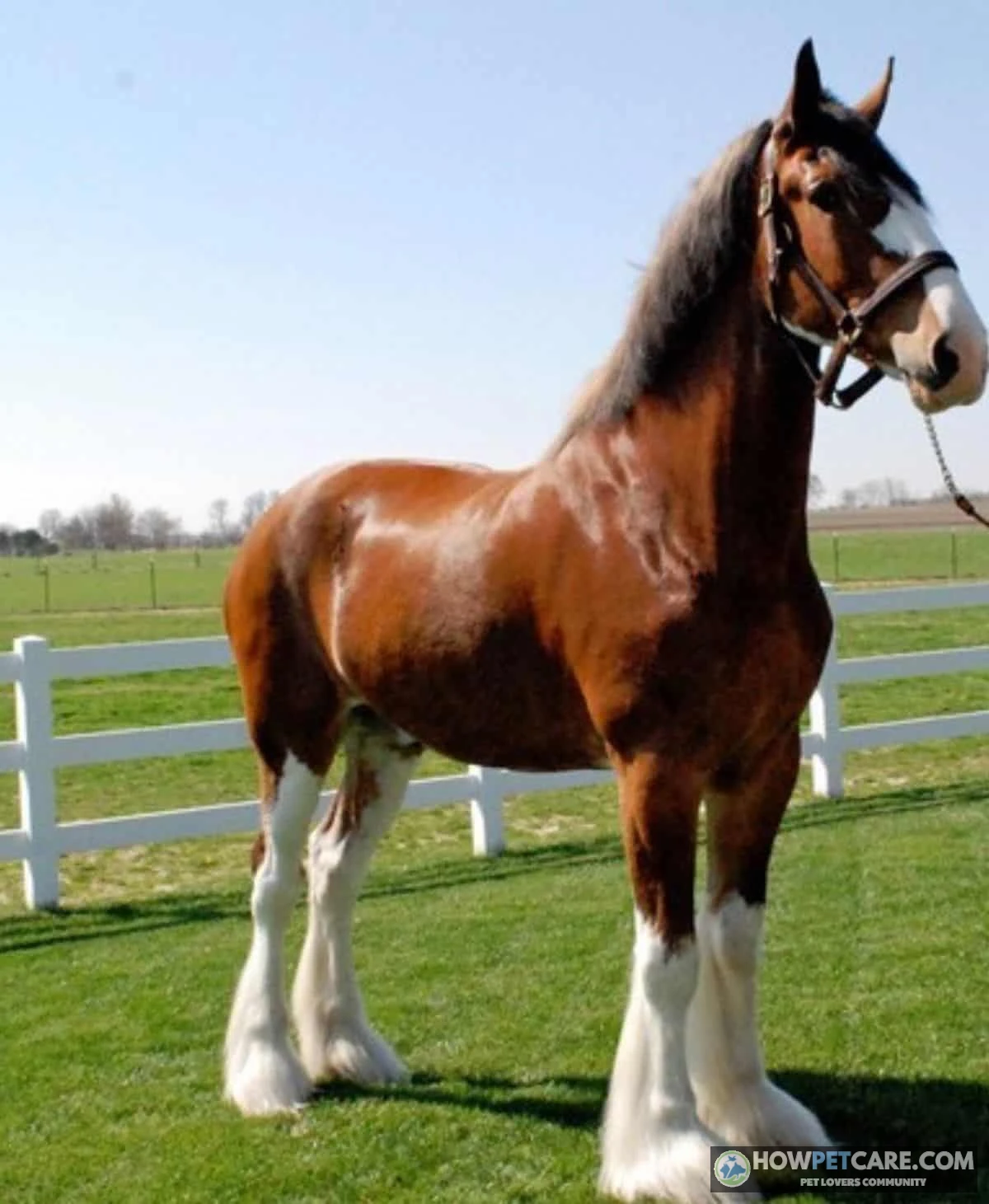
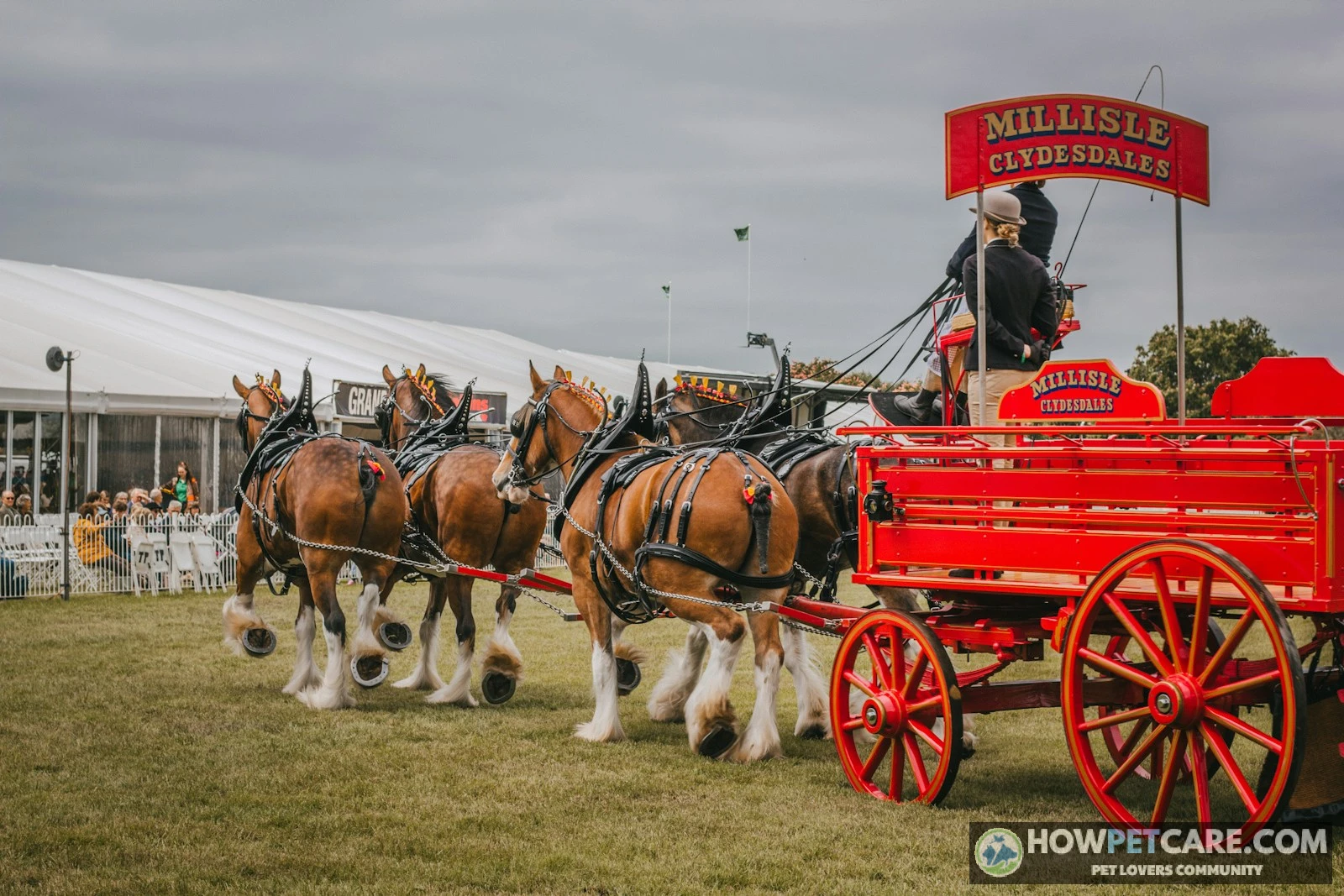
Clydesdale. This Scottish breed is often bay, with conspicuous white markings, long lower-leg feathering and a high-stepping action. Clydesdales are especially recognizable in show hitches and parades, though individuals also work and ride. They may appeal to owners who enjoy presentation and driving. Their abundant leg hair makes routine grooming and skin checks more involved.
Shire. An English heavy horse, the Shire is known for its considerable height, deep body and prominent feathering. Bay, black and gray individuals occur. Shires can work, drive or show, and many have an agreeable manner. Their height can make mounting, transport and finding well-fitting equipment more difficult, even when the horse is easy to handle.
Suffolk Punch and American Cream Draft: the American-bred and rarer classics
Suffolk Punch. The Suffolk is an English agricultural breed, not an American-developed one. It’s chestnut, compact and powerful, with comparatively little feathering. Its farm-work background may appeal to people interested in working horses or breed preservation. Finding one can be harder than finding a suitable job for it.
American Cream Draft. Developed in the United States, this rare draft breed is recognized by its cream coat, pink skin and amber eyes. It can be used for driving and farm work. Its distinctive appearance appeals to conservation-minded owners, but a small breeding population may mean a longer search and fewer nearby sources of breed-specific advice.
A quiet breed reputation doesn’t make an untrained or unsuitable horse safe for a beginner. Assess temperament, experience and health with an independent professional.
 You might be wonderingHorse care essentials for new ownersHorse Care Essentials for New Owners: Daily Guide & ChecklistRead the answer
Rare and Regional Heavy Horse Breeds, With Conservation Status
European draft breeds you’ll rarely see in the US
Regional breeds developed for different landscapes and jobs. Their names can help with a search, but a breed’s rarity in the United States doesn’t establish its conservation status worldwide.
- Ardennes: A compact, heavily muscled horse from the Ardennes region of Belgium and France, commonly bay, roan or chestnut. Its build suits farm and forestry work. It generally has some feathering and may be difficult to find locally in the United States.
- Comtois: A smaller French draft, often chestnut with a light mane and tail. Its compact build suits smallholdings, driving and vineyard work. Color alone isn’t enough to identify one: a Haflinger or cross can have a similar coat.
- Noriker: An Austrian Alpine draft associated with sure-footed work in mountainous country. It occurs in several colors, including spotted patterns, and can be used for farm work or driving. A spotted Noriker isn’t automatically a Spotted Draft registry horse.
- Jutland: Denmark’s heavy horse is commonly chestnut with a pale mane and tail. It has a substantial body and a history of farm and transport work. US buyers may find local options particularly limited.
- Vladimir Heavy Draft: Developed in Russia, this breed is often bay and combines draft substance with an active way of moving. It has been used for transport and driving. Buyers outside its home region should look into availability and import requirements before making plans.
- Boulonnais: A French draft often seen in gray, with a comparatively refined outline for a heavy horse. It has been used for hauling and driving. Its appearance can resemble a gray Percheron, so papers matter.
- Auxois: A substantial French regional draft, commonly bay or roan. Its traditional role is agricultural work, and its heavy build may appeal to owners interested in working-horse heritage. It’s uncommon in the United States.
- Breton: From Brittany in France, the Breton is a compact, muscular horse often seen in chestnut or roan. Different Breton types have been used for farm work and transport. Compare the individual’s build and training with the job you have in mind.
Mechanization reduced demand for working horses, and small breeding pools can make preservation harder. The Livestock Conservancy and national breed organizations maintain conservation information, but registry totals and priority categories change. The supplied evidence doesn’t provide a reliable current census. Check directly with the relevant organization rather than inferring a horse’s status from its rarity at a US sale.
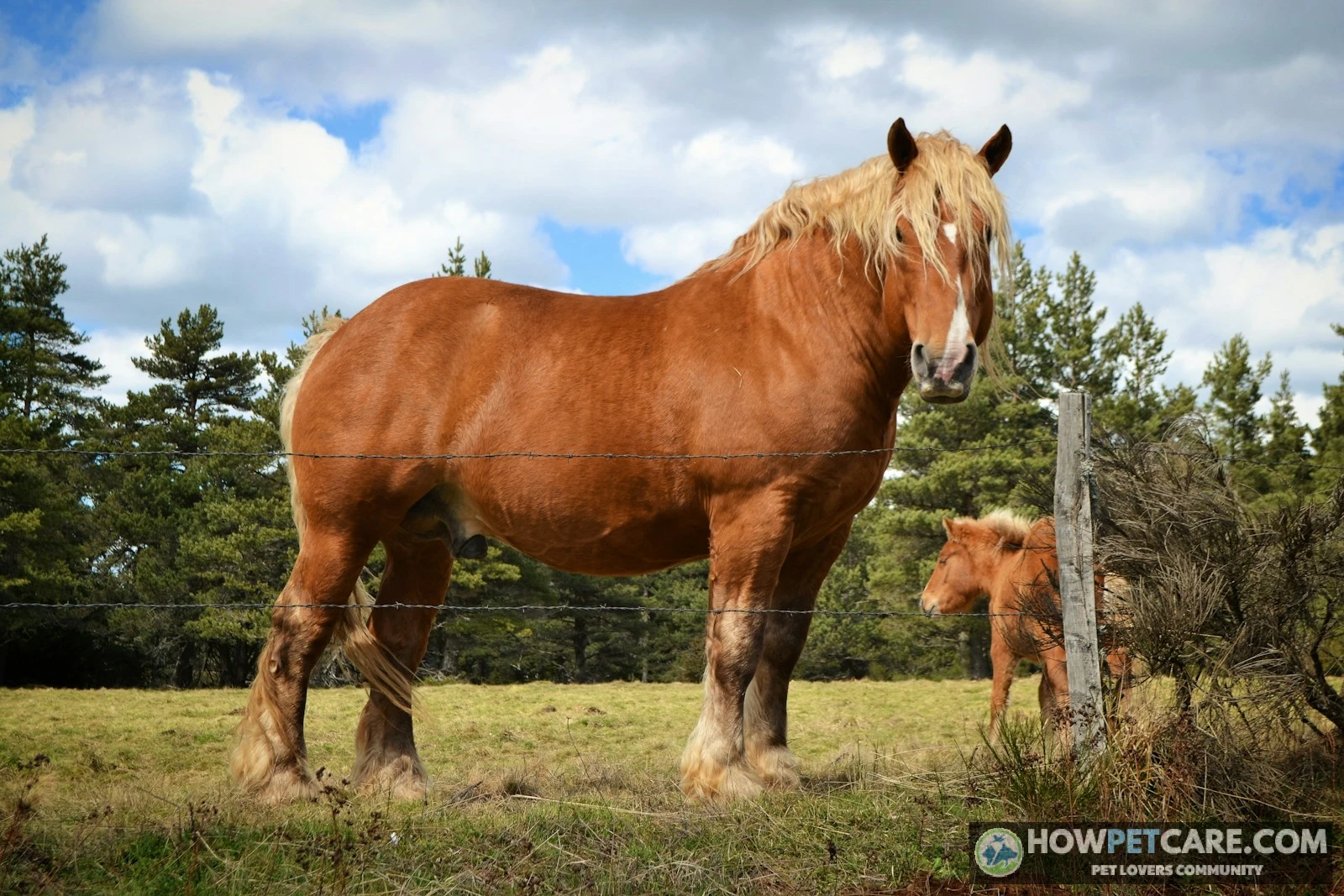
Draft crosses and spotted drafts: where they fit
A draft cross combines draft ancestry with another breed or type. A cross with a lighter riding horse may bring together substance and athleticism, but the result varies considerably. The Irish Sport Horse is a separate sport-horse population associated with Irish Draft and Thoroughbred breeding; it isn’t a purebred heavy draft.
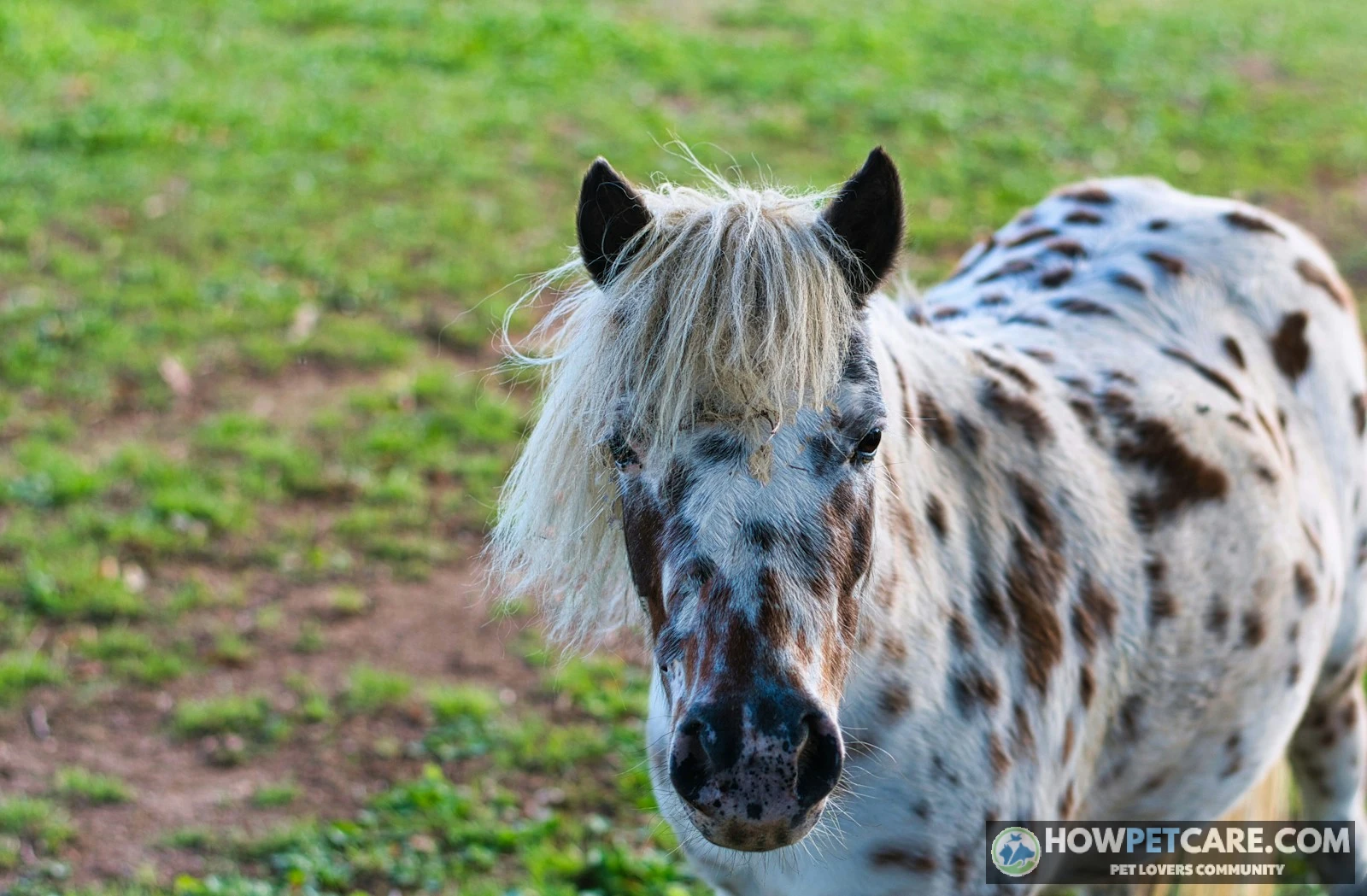
Spotted Draft registries have their own eligibility rules for ancestry, conformation and markings. Some spotted horses have mixed ancestry, but a color pattern alone doesn’t prove a cross. Gypsy-type horses, too, are recognized through their own breed registries and aren’t simply another name for a draft cross.
Rare horses may require more travel, higher shipping costs and a smaller pool of knowledgeable trainers. Before starting a distant search, ask local professionals if they can accommodate the horse’s size.
Draft Horse Breeds Compared Side by Side: Size, Feathering, Strength, and Pulling Power
Master comparison table
These ranges offer broad guidance, not registry standards or guarantees for an individual horse. Smaller and larger animals occur. Temperament descriptions reflect common expectations, not a substitute for meeting the horse. Feathering means the long hair on the lower legs; the amount varies within breeds.
| Breed or type | Origin | Height (hands) | Weight (lb) | Common colors | Typical temperament | Feathering | Common uses | Conservation or availability |
|---|---|---|---|---|---|---|---|---|
| Belgian Draft | Belgium; American type developed in US | 16–17.2 | 1,800–2,200 | Sorrel or chestnut, often flaxen | Steady | Light | Farm work, pulling | Widely encountered in US draft circles |
| Percheron | France | 16–17.2 | 1,900–2,600 | Gray, black | Willing, active | Minimal | Driving, riding, work | Established in US |
| Clydesdale | Scotland | 16–18 | 1,800–2,200 | Bay, often white-marked | Responsive, generally steady | Heavy | Show hitch, driving | Check breed body for current status |
| Shire | England | 16–19 or more | 1,800–2,400 | Black, bay, gray | Generally calm | Heavy | Work, driving, showing | Conservation interest; verify current listing |
| Suffolk Punch | England | 16–17 | 1,900–2,200 | Chestnut | Willing | Minimal | Farm work, conservation | Rare; verify current listing |
| American Cream Draft | United States | 15–16.3 | 1,500–1,800 | Cream | Generally calm | Light | Driving, farm work | Rare; verify current listing |
| Ardennes | Belgium and France | 15–16.3 | 1,500–2,200 | Bay, roan, chestnut | Generally steady | Light to moderate | Farm, forestry | Limited US availability |
| Comtois | France | 14.2–15.2 | 1,200–1,600 | Chestnut, often flaxen | Hardy, active | Light | Small farm, driving | Check home registry |
| Noriker | Austria | 15.2–16.2 | 1,500–1,800 | Bay, black, chestnut, spotted | Generally steady | Light to moderate | Farm, mountain work, driving | Check home registry |
| Jutland | Denmark | 15–16.1 | 1,400–1,760 | Chestnut, often flaxen | Generally willing | Light to moderate | Farm, driving | Limited US availability |
| Vladimir Heavy Draft | Russia | 16–16.2 | 1,650–1,870 | Bay | Active | Light to moderate | Transport, driving | Limited US availability |
| Boulonnais | France | 15–16.3 | 1,300–1,650 | Often gray | Active | Light | Driving, work | Limited US availability |
| Auxois | France | 15.2–16.2 | 1,600–2,000 | Bay, roan | Generally steady | Light | Farm work | Limited US availability |
| Breton | France | 15–16.2 | 1,300–1,700 | Chestnut, roan | Generally willing | Minimal to light | Farm, driving | Check home registry |
| Irish Draft | Ireland | 15.2–17 | 1,150–1,600 | Various solid colors | Sensible, athletic | Minimal | Riding, sport, light work | Check breed body for traditional lines |
| Haflinger | Austria and Italy | 13.2–15 | 800–1,300 | Chestnut, flaxen | Often friendly | Minimal | Riding, light driving | Small horse, not heavy draft |
| Fjord | Norway | 13.2–14.2 | 900–1,200 | Dun with dark markings | Generally willing | Minimal | Riding, light work | Small horse, not heavy draft |
| Spotted Draft type | United States | 15–17 | 1,400–2,000 | Spotted patterns | Varies | Varies | Driving, parades, riding | Registry rules and ancestry vary |
The supplied evidence supports the general size range of many drafts, but it doesn’t provide a verified breed-by-breed census or a standardized measurement study for every range above. Use current registry standards and the individual horse’s measurements when building a shortlist.
Largest draft horse breed in the world and the record holders
The Shire is often named the tallest draft breed, but “biggest” isn’t a useful comparison unless you specify height or weight. Individual measurements and the population sampled matter, too.
Sampson, later called Mammoth, was a Shire traditionally reported as the tallest horse on record. Big Jake, a Belgian gelding, held a Guinness World Records title for the tallest living horse before his death in 2021. Check frequently repeated figures for their height and weight against the record organization before treating them as precise benchmarks. Claims about other exceptionally large horses, including Poe the Clydesdale, shouldn’t be presented as verified records without comparable documentation.
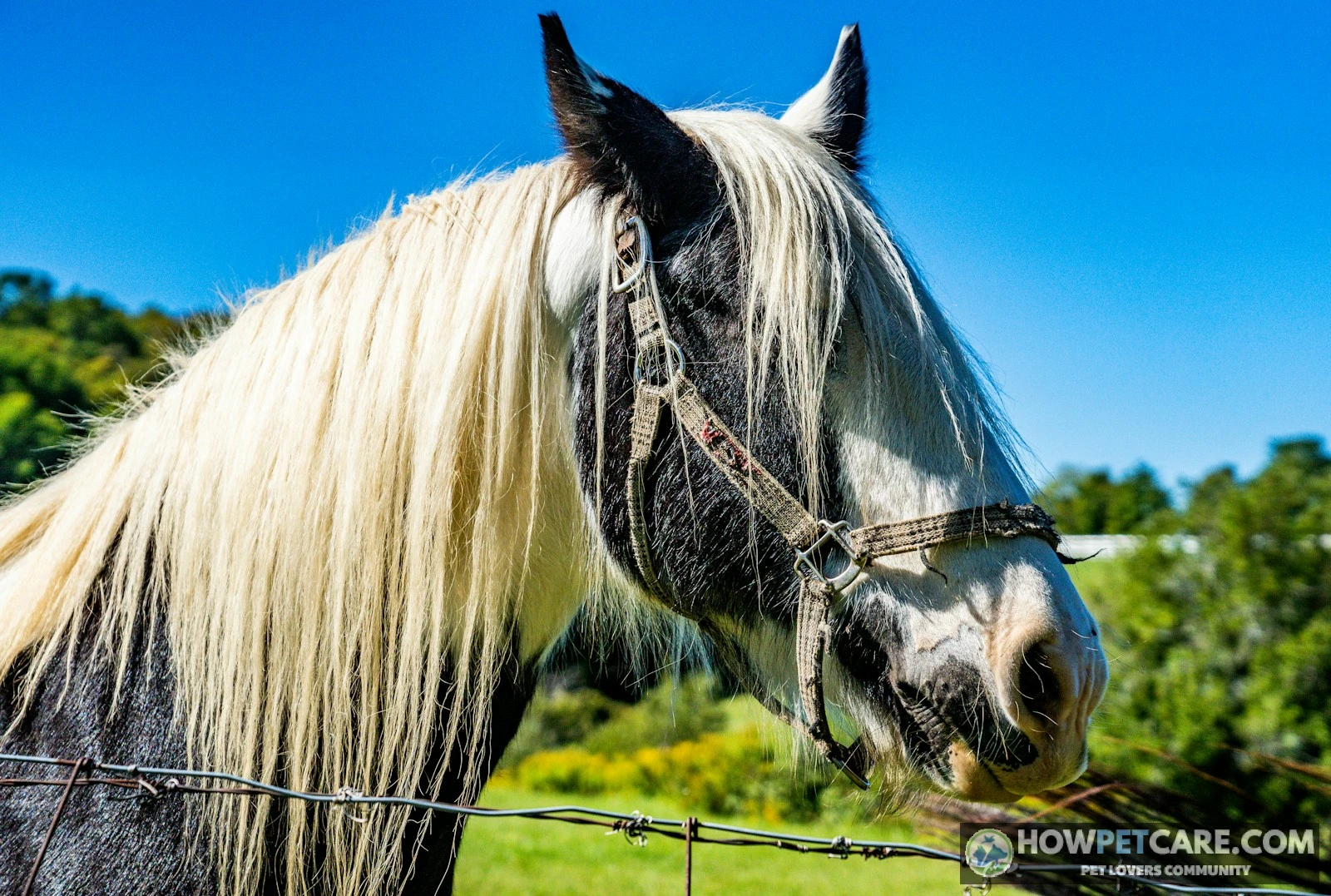
How much can a draft horse pull?
There’s no reliable single multiplier that applies to every horse. A sustained working load depends on the vehicle or implement, footing, slope, surface, distance, weather, fitness and equipment. Starting a rolling wagon differs from pulling a sled through resistant ground, and a wagon’s weight isn’t the same as the force needed to move it. A widely repeated rule of thumb holds that a conditioned draft horse can pull a wheeled load roughly equal to its own body weight over a working day on reasonable footing—a planning anchor, not a guaranteed limit.
Pulling contests measure short efforts under specific rules; those efforts aren’t a safe everyday workload. Two trained horses can share a job, but a team isn’t automatically able to pull more than the combined capacity of two horses working separately. Beyond that rough anchor, the supplied evidence doesn’t establish a precise multiplier for every situation or identify one strongest breed. Ask an experienced working-horse professional to assess the task and conditions.
How to Identify a Draft Horse Breed by Sight
Color and leg hair offer clues, not proof. Crosses, grooming, age and individual variation can make unrelated horses look remarkably alike.
Quick identification cheat sheet
- Start with color. A chestnut horse with a flaxen mane might be a Belgian, Haflinger, Comtois, Jutland or cross. A dun coat with a dark dorsal stripe suggests a Fjord; cream coloring with pink skin and amber eyes can suggest an American Cream Draft. Gray or black is common in Percherons, while bay with white markings is familiar in Clydesdales.
- Inspect the legs. Heavy feathering points toward a Clydesdale, Shire or another feathered breed or type. Percherons and Suffolks generally have cleaner legs. Belgian feathering is usually less abundant than that of the classic feathered breeds.
- Compare the head and build. A Shire may have a convex profile and tall frame; a Percheron often looks more refined and athletic. Belgians and Suffolks can look especially deep and broad. These features overlap, so none is reliable proof on its own.
- Check scale and age. A mature Haflinger is generally much smaller than a full-size Belgian, but a young draft or cross can complicate the comparison. Don’t judge maturity by height alone.
- Verify identity. Ask for registration documents, the horse’s recorded name and identifying information. Where applicable, have the registry check a microchip or other identifier. DNA testing can help confirm parentage when suitable records and samples exist; it may not assign an unregistered horse to a breed with certainty.
For a useful visual comparison, look at labeled registry photos of mature horses standing square, with the whole body and lower legs visible. Compare several examples of each breed rather than relying on one show-groomed image.
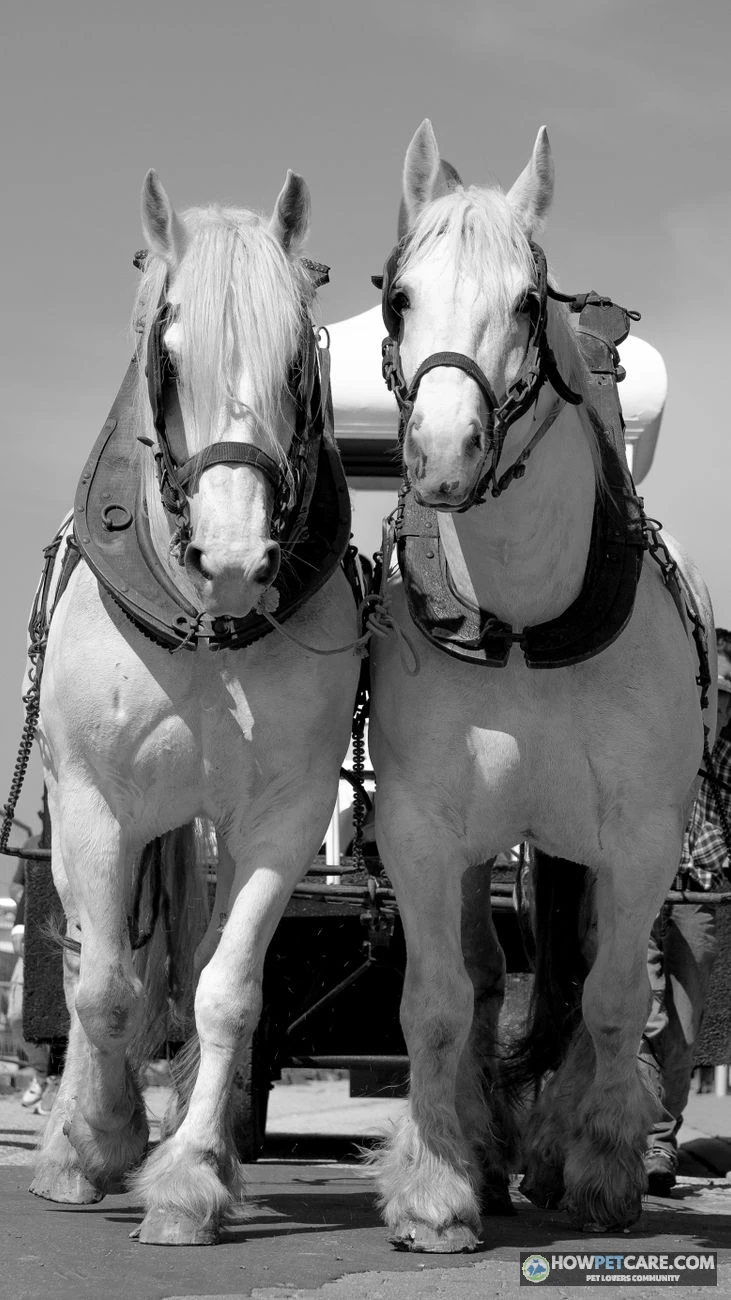
Which Draft Horse Breed Is Right for You? Matching Breed to Purpose
Start a shortlist with the job, facilities and handler’s experience. Breed can narrow the search; training and suitability determine whether a particular horse belongs on the list.
| Purpose | Breeds or types to consider | Why they may fit | Watch out for |
|---|---|---|---|
| First-time owner | Well-trained Belgian, Percheron, Shire or draft cross | A calm, experienced individual can be a practical teacher | Size magnifies handling mistakes; get independent help |
| Riding | Percheron, Irish Draft, draft cross, Haflinger or Fjord | Often selected for versatile riding or a more manageable frame | Saddle fit, mounting and the horse’s actual ridden education |
| Farm work or logging | Belgian, Percheron, Suffolk Punch, Ardennes | Working heritage and substantial build | Training, suitable equipment, terrain and access to help |
| Driving and show hitch | Clydesdale, Percheron, Shire | Driving traditions and show-ring presence | Hitch experience, turnout costs and appropriate facilities |
| Pulling contests | Belgian, Percheron | Commonly considered for specialized pulling work | A contest horse isn’t automatically a beginner’s all-rounder |
| Small farm | Haflinger, Fjord, smaller working cross | Less extreme size and potential versatility | Less capacity than a large draft for the same conditions |
| Conservation interest | American Cream Draft, Suffolk Punch or a rare regional breed | Ownership can support interest in a small population | Availability, transport and responsible breeding decisions |
Best draft horse breeds for beginners
Look for a mature horse with a documented, consistent work history and a calm response to routine handling. A trained Belgian, quiet Percheron or suitable cross may be a better choice than a younger horse selected for a fashionable pedigree. A Shire may have a suitable manner, but its height and weight still call for preparation.
No breed is exclusively for experienced handlers, and no breed is automatically safe for beginners. Green horses, specialized pulling horses and animals with uncertain histories generally need more experienced assessment, whatever their breed. Arrange a visit with a trainer who works with large horses.
Draft horse breeds for riding
Percherons, Irish Drafts and draft crosses are worth considering for pleasure riding; many combine substance with an athletic outline. Haflingers and Fjords offer smaller alternatives. Try the individual horse at the pace and in the setting you have in mind. Have a qualified saddle fitter assess its broad back and shoulder rather than assuming any extra-wide saddle will fit.
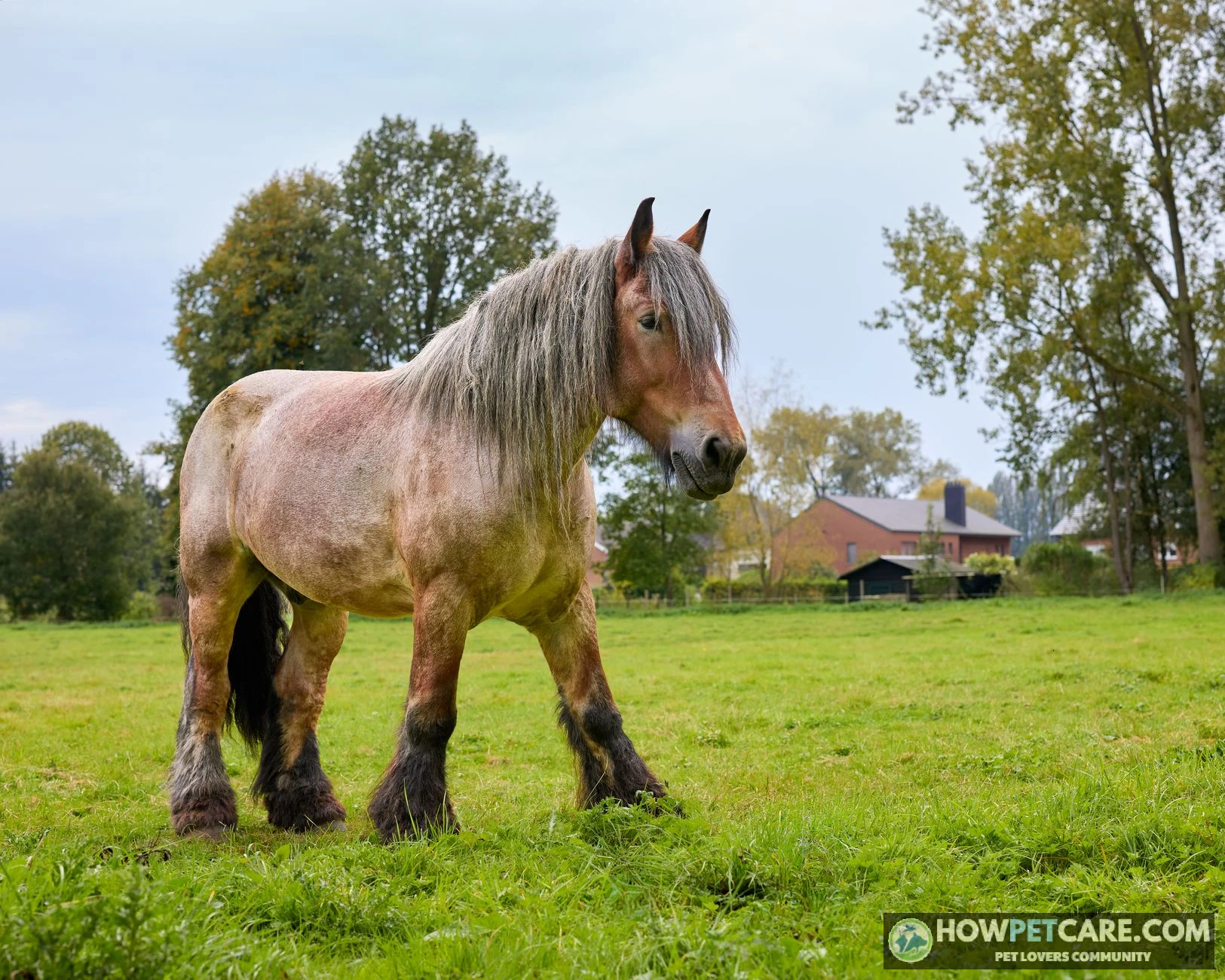
Draft horse breeds for farm work and driving
Belgians, Percherons, Suffolks and Ardennes have working backgrounds that can suit farm or forestry goals. Clydesdales, Percherons and Shires are also seen in driving and draft horse shows. A horse trained for one job isn’t necessarily trained for another. Ask to see the actual work, and involve an experienced trainer in evaluating the horse, harness and any proposed teammate.
Showing takes preparation and travel. Feathered legs may need more grooming and close skin checks; large show vehicles and transport can add costs. For horse pulling, assess the event rules and the horse’s preparation rather than assuming breed predicts performance.
Smallest draft horse breeds for small farms
A Haflinger or Fjord can pull a suitable light vehicle or do appropriate small-farm work while taking up less space than a large draft. Neither is a full-size heavy draft, and a smaller horse shouldn’t be expected to do the same job under the same conditions as a much larger one. Feed needs may be lower, but fencing, hoof care, veterinary care and training still cost money.
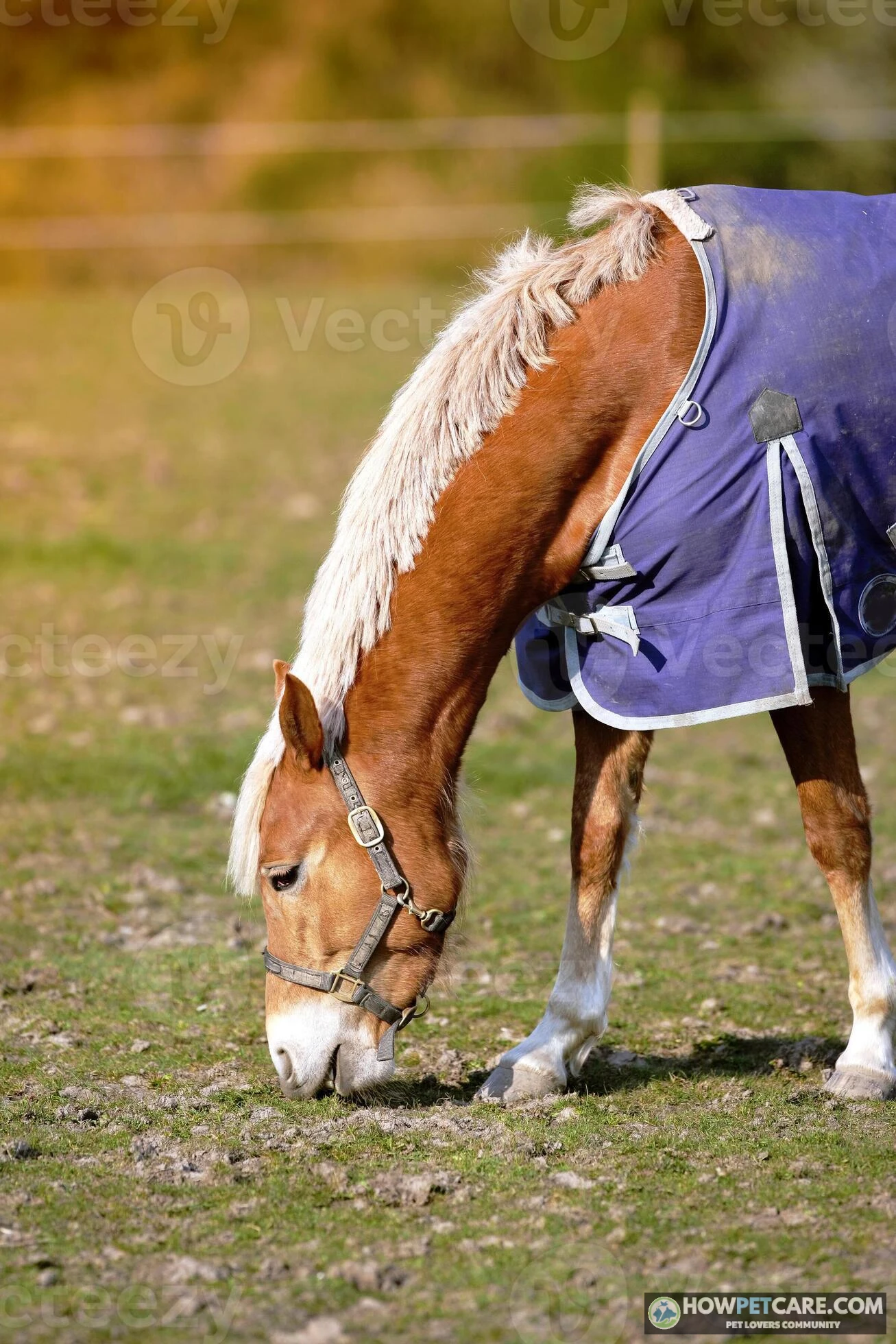
What a Draft Horse Costs: Purchase Price and Annual Keep
The purchase price is only the beginning. Local hay prices, board, training, hoof-care needs and emergency treatment can change the budget substantially. The figures below are illustrative planning allowances, not verified 2026 sale prices or quotes; get local estimates before committing. The available evidence doesn’t establish a current US market dataset for draft purchases or upkeep.
Purchase price ranges by breed and training level
An untrained or grade horse may be offered for roughly $1,000–$5,000; a reliably trained working or riding horse may cost $5,000–$15,000 or more. Registered show or breeding stock and scarce breeds can exceed that range. Age, health, demonstrated skills and location may matter more than breed name. A low purchase price isn’t a saving if the horse needs extensive training, transport or medical care.
Annual feed, farrier, and vet costs
| Cost category | Illustrative range | What drives the cost | Draft-horse consideration |
|---|---|---|---|
| Purchase, untrained or grade | $1,000–$5,000 | Age, health, location, training | Budget separately for assessment and transport |
| Purchase, trained | $5,000–$15,000 or more | Proven skills, temperament, demand | Verify the specific ridden or working job |
| Hay and forage | $1,200–$1,800 per year in the example below | Local hay price, pasture, waste | Large bodies may require substantial forage |
| Feed or balancer | $200–$960 per year as a planning allowance | Forage analysis, workload, ration | Some easy keepers need little concentrate |
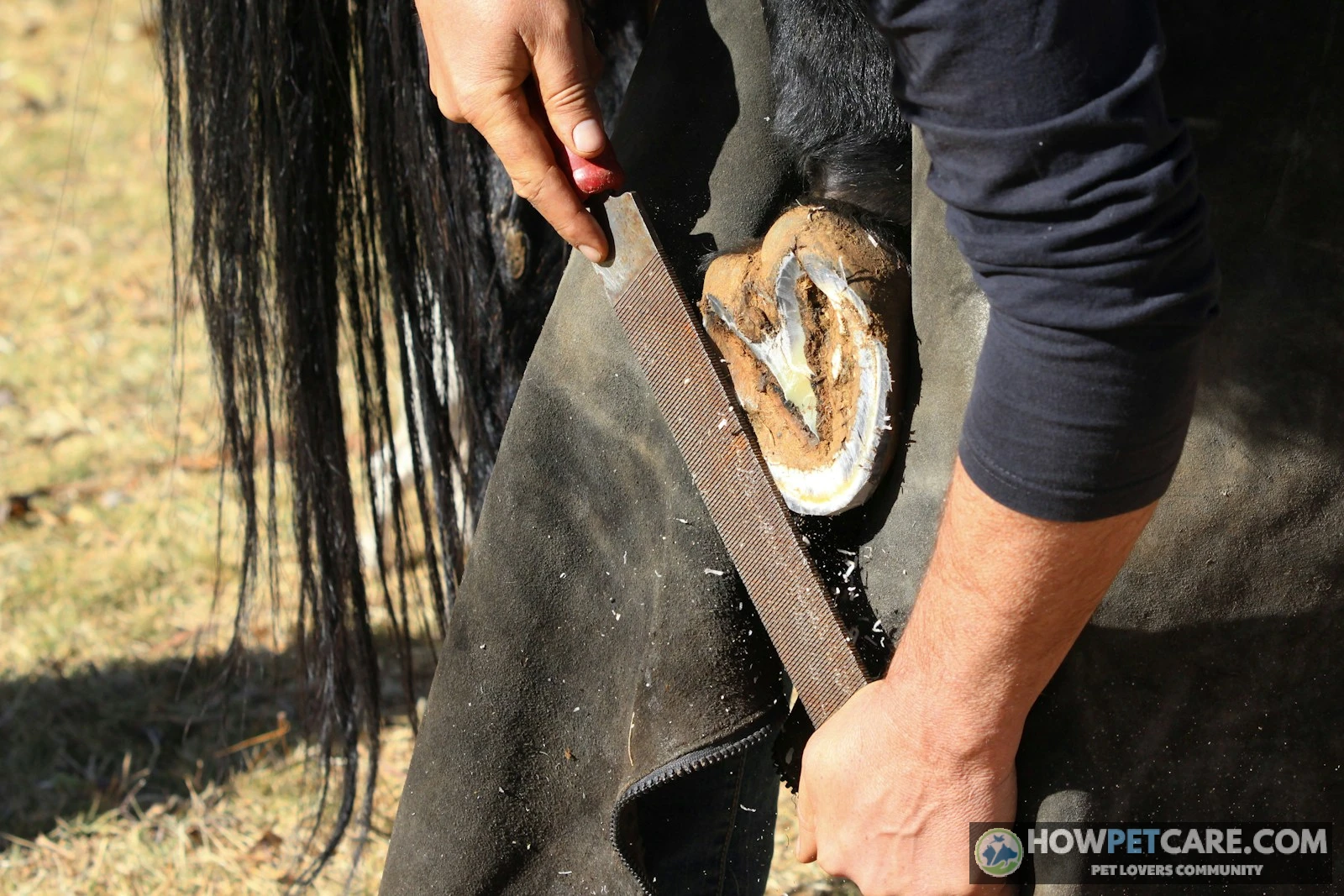
| Barefoot trimming | $420–$800 per year | Local rates and visit frequency | Ask whether the farrier accepts drafts |
| Full shoeing | $1,300–$2,600 per year | Shoe type, labor and schedule | Oversized shoes and additional work may cost more |
| Routine veterinary care | $300–$700 per year | Dental care, vaccines, local fees | Excludes illness, injury and emergency visits |
| Board | $4,800–$10,800 per year | Facility, region and services | Confirm size limits and any draft surcharge |
| Equipment | Highly variable | New versus used, riding versus driving | Larger tack, harness and transport may cost more |
For a worked budget, consider a 1,900-pound Belgian kept on the owner’s pasture. If its feeding plan calls for about 33 pounds of hay a day throughout the year, that comes to about six tons. At an assumed $200–$300 per ton, hay alone costs roughly $1,200–$1,800 annually. Actual intake and pasture replacement depend on the horse, forage and veterinary guidance; purchased hay also involves potential waste.
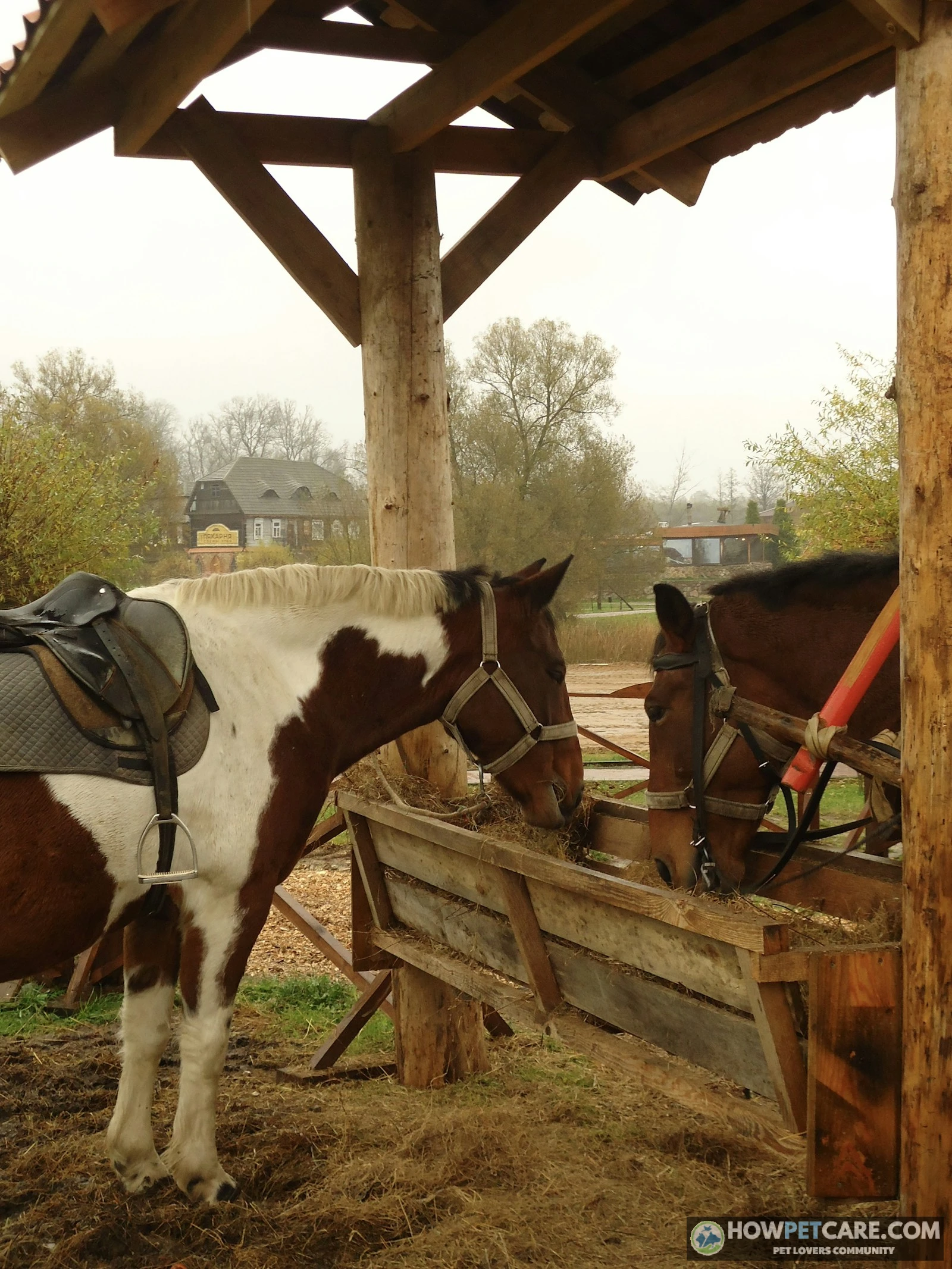
Add an illustrative $200–$960 for feed or a balancer, $420–$800 for barefoot trims and $300–$700 for routine veterinary care. Those four categories total about $2,120–$4,260 per year, before fencing, bedding, equipment, insurance, property costs or emergencies. Full shoeing instead of barefoot trimming, with a small allowance for oversized-shoe surcharges, brings the example to about $3,000–$6,160. Commercial board may replace some feed and facility expenses rather than simply adding to all of them, so check the contract to avoid counting costs twice.
Ask a draft-experienced farrier for trim and shoeing rates, a veterinarian about routine and emergency coverage, and boarding facilities whether forage and draft-size accommodations are included.
Don’t assume a cheaper ration means adding grain. Many horses maintain their weight easily, and concentrated feed may be unnecessary. A veterinarian or equine nutritionist can help balance forage and nutrients for the horse’s body condition and workload. Before buying, check stall dimensions, trailer height and weight rating, and whether equipment fits.
Health Problems in Draft Horses and How They Vary by Breed
Feathered-breed concerns: CPL and skin care
Chronic progressive lymphedema, or CPL, is a progressive lower-leg condition associated with some draft breeds, including heavily feathered horses. Swelling, skin thickening, folds and secondary infections warrant veterinary assessment. Feathering can hide early changes, so part the hair and examine the skin rather than judging the leg from a distance.
Skin irritation, commonly called scratches or mud fever, can also affect the lower legs, particularly when moisture and damaged skin are involved. These problems aren’t the same diagnosis as CPL. A veterinarian can identify the cause and recommend care; clipping or washing should be tailored to the horse and condition.
Muscle, metabolic, and genetic conditions to ask about before buying
PSSM1 is an inherited muscle disorder identified in several breeds, including drafts. Signs can include stiffness, sweating or reluctance to move, but other conditions can cause them, too. Discuss appropriate genetic testing, exercise and diet with a veterinarian rather than diagnosing by breed alone.
Shivers is a movement disorder seen in some draft and other horses. Difficulty backing or holding a hind leg up for hoof care is worth discussing with a veterinarian and farrier. These signs aren’t specific enough for a buyer to diagnose independently.
Junctional epidermolysis bullosa, or JEB, is a serious inherited condition relevant to certain draft breeding lines, including Belgians. Breeders should discuss appropriate genetic testing and mating decisions with their veterinarian and registry.
Easy-keeping horses can become overweight, raising concerns about metabolic disease and laminitis. Regular body-condition assessments, suitable forage and a work plan are more useful than assuming every large horse needs a large grain ration. Draft size can also complicate hoof care, equipment fit and some veterinary procedures, including anesthesia. Discuss individual risks with the treating veterinarian.
The supplied evidence doesn’t establish that any one draft breed has the lowest overall health risk for beginners. Before buying, request health records and an independent veterinary examination, including any testing appropriate to the horse’s ancestry and intended use.
Your Next Steps: A Checklist for Narrowing Down a Draft Horse Breed
- Define the job. Decide whether the horse must ride, drive, work a farm, show or do several of those things. Be specific about who will handle it.
- Set the full budget. Price local forage, hoof care, veterinary services, equipment and transport, and keep an emergency reserve. Confirm what a boarding quote includes.
- Check your facilities and support. Measure the trailer and access points, discuss stall and turnout needs with experienced professionals, and find a farrier and veterinarian prepared to work with a large horse.
- Shortlist two or three breeds or types. Use the comparison table, but stay open to a well-trained individual outside your first-choice breed. A smaller Haflinger or Fjord may fit better if you don’t need full-size pulling capacity.
- Meet horses doing the intended job. Visit a working farm or draft horse show, speak with breed associations, and ask a trainer to help evaluate candidates from breeders, rescues or sales.
- Verify before committing. Review registration and health records, observe routine handling and hoof care, arrange an independent veterinary examination, and request an appropriate trial ride or drive with professional supervision.
If a Percheron remains on your shortlist, compare its actual training and measurements with those of the Belgians or crosses you meet—not just the breed descriptions. The right horse is one your facilities, budget and experience can support for the work you want to do.
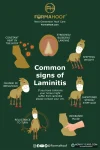 You might be wonderingFounder laminitis horseFounder in Horses (Laminitis): Emergency Steps, Costs, RecoveryRead the answer
FAQ
Are draft horses cold-blooded?
Yes. Cold-blooded describes temperament and build, not body temperature. Draft horses are calm, heavy-boned, and steady, unlike hot-blooded breeds such as Arabians and Thoroughbreds.
How long do draft horses live?
Draft horses commonly live into their late teens to mid-twenties with good care. Many sources describe them as living slightly shorter lives than light breeds, but lifespan varies by breed, health, and management.
How much does a draft horse eat per day?
A horse generally eats about 1.5 to 2 percent of its body weight in forage daily. For an 1,800 lb draft horse, that is roughly 27 to 36 lb of hay or pasture-equivalent, plus a ration balancer or grain if the horse works hard.
What is a draft cross horse?
A draft cross is a draft breed mixed with a lighter breed such as a Thoroughbred or Quarter Horse. Crosses are usually lighter and more athletic than purebred drafts and are often chosen for riding.
Do draft horses need special stalls and trailers?
Yes. Draft horses usually need larger stalls than light horses, commonly at least 12 by 12 feet, and taller, wider trailers rated for their weight. Check the trailer’s height and weight capacity before buying.