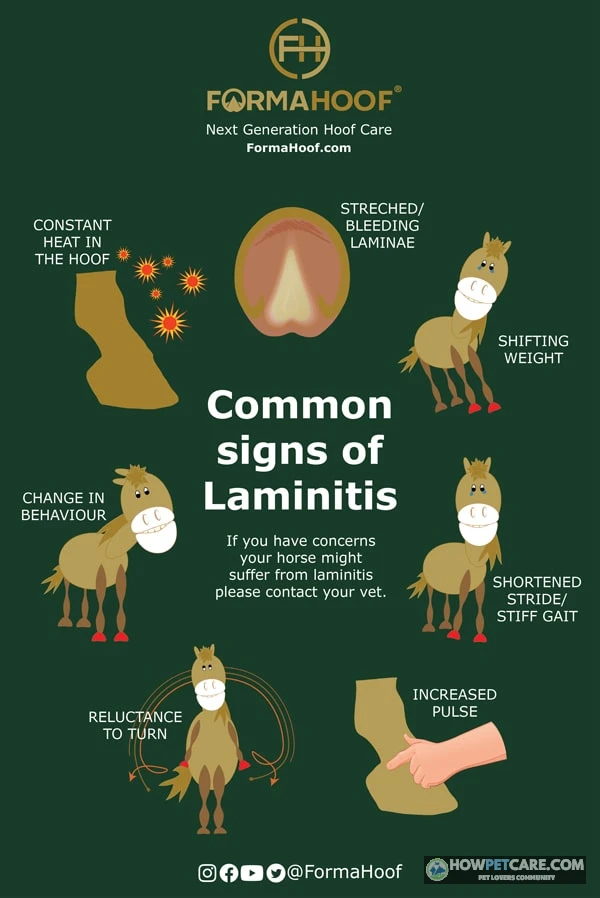

Founder in horses usually means laminitis severe enough to rotate or sink the coffin bone inside the hoof. Laminitis is the painful weakening of the laminae that suspend that bone. It is an emergency: call an equine vet immediately if your horse shows a sawhorse stance, a bounding digital pulse, or reluctance to move.
When people talk about founder in horses (laminitis), they usually mean laminitis severe enough to make the coffin bone inside the hoof rotate or sink. Laminitis is the painful process that weakens the tissues attaching that bone to the hoof wall. Owners and veterinarians sometimes use the terms interchangeably, but not every horse with laminitis develops bone displacement.
If your horse is reluctant to move, shifts its weight backward, or has a strong digital pulse, call an equine veterinarian right away. Laminitis is an emergency—even before X-rays show structural damage.
Founder vs. Laminitis: What the Terms Mean and Why Vets Use Both
Laminitis vs. founder at a glance
| Laminitis | Founder | |
|---|---|---|
| What the term usually means | Disease and weakening of the laminae, the tissues that suspend the coffin bone inside the hoof | Often used for the structural consequences, particularly rotation or sinking of the coffin bone |
| When it occurs | Can be an early or ongoing disease process | May follow laminitis; in everyday use, the word can also mean laminitis itself |
| Can the horse improve? | Early treatment may limit damage; recurrence remains possible | Many horses improve with care, although structural changes can make recovery longer and less predictable |
| What to do | Call your vet promptly | Call your vet promptly and discuss X-rays and hoof support |
Your vet may say “laminitis” even if you call it “founder.” Describe what you’re seeing instead of waiting to settle on a term.
What is actually happening inside the hoof
The coffin bone sits inside the hoof capsule. The laminae are interlocking tissues that help attach and suspend it against the inner hoof wall. They’re a living support system, not glue that can simply be replaced.
When the laminae fail, the bone can rotate relative to the hoof wall or sink within the hoof capsule. You may hear “rotation” used to describe the changing relationship between the bone and hoof wall. Either change can threaten the sensitive sole beneath the bone.
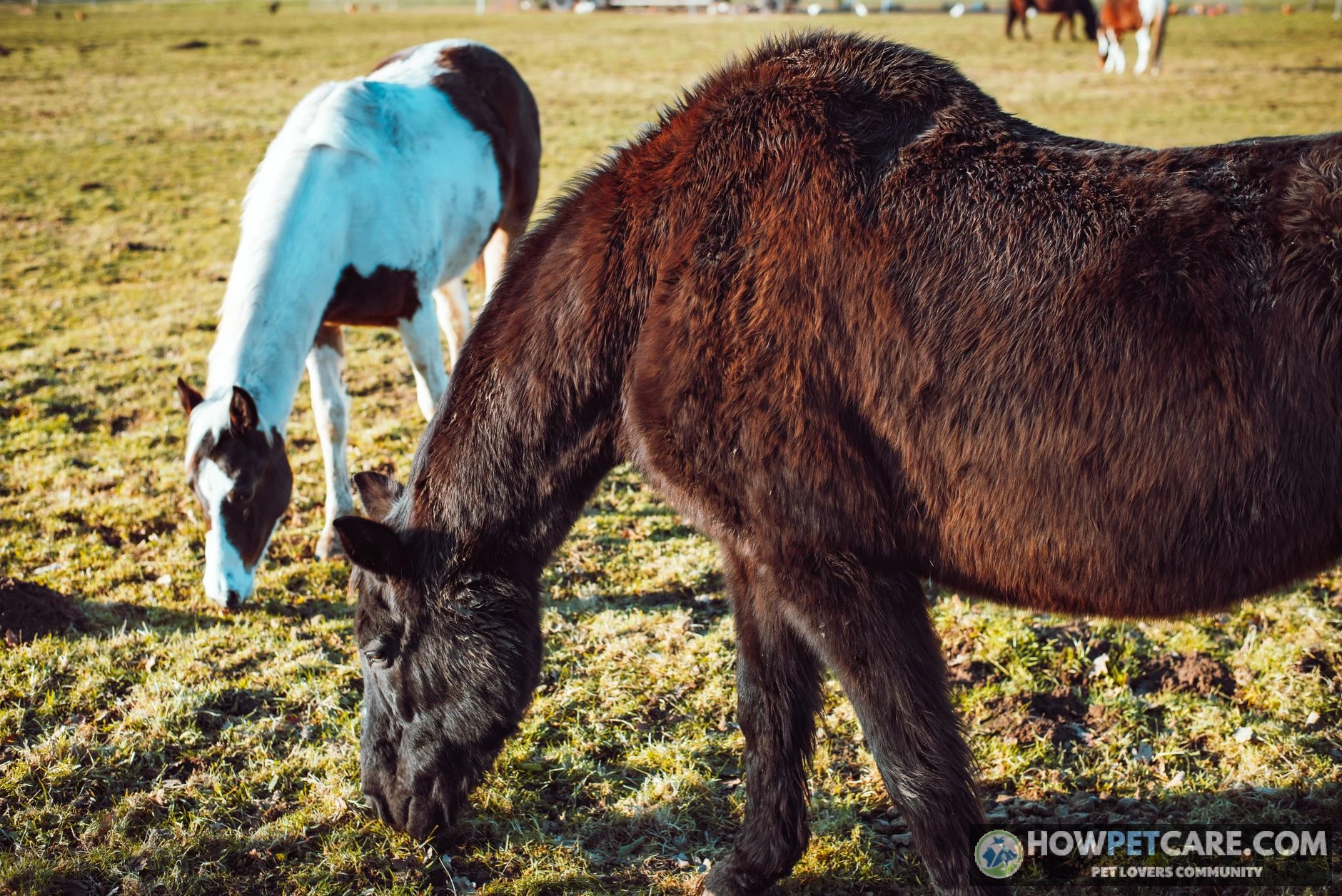
Veterinarians commonly group equine laminitis by its underlying trigger: hormonal or endocrinopathic laminitis; laminitis associated with severe illness or systemic inflammation; and supporting-limb laminitis caused by excessive weight bearing. “Grass founder” is an everyday term for pasture-associated laminitis, often involving a horse with an underlying insulin problem.
Signs of Founder in Horses: Early Laminitis Warning Signs vs. Chronic Changes
Acute signs: what to look for today
Early laminitis signs can be subtle. A horse may show just one or two of these:
- Short, stiff steps, especially on a firm surface, or reluctance to turn.
- A rocking-back or “sawhorse” stance, with weight shifted away from painful front feet.
- Repeatedly lifting or shifting between feet, or lying down more than usual.
- Reluctance to walk, pick up a foot, or allow the opposite leg to bear weight.
- A stronger-than-normal digital pulse or unusually warm hooves.
To feel a digital pulse, place two fingertips—not your thumb—against the artery along either side of the back of the fetlock. Compare the feet and, if you know it, the horse’s usual pulse. Hooves can feel warm for ordinary reasons, so warmth alone neither confirms nor rules out laminitis.
The front feet are commonly affected, but laminitis can involve the hind feet, too. It may affect just one hoof, particularly if a horse overloads a supporting limb after a serious injury to the opposite leg.
Chronic signs: what a previously foundered hoof looks like
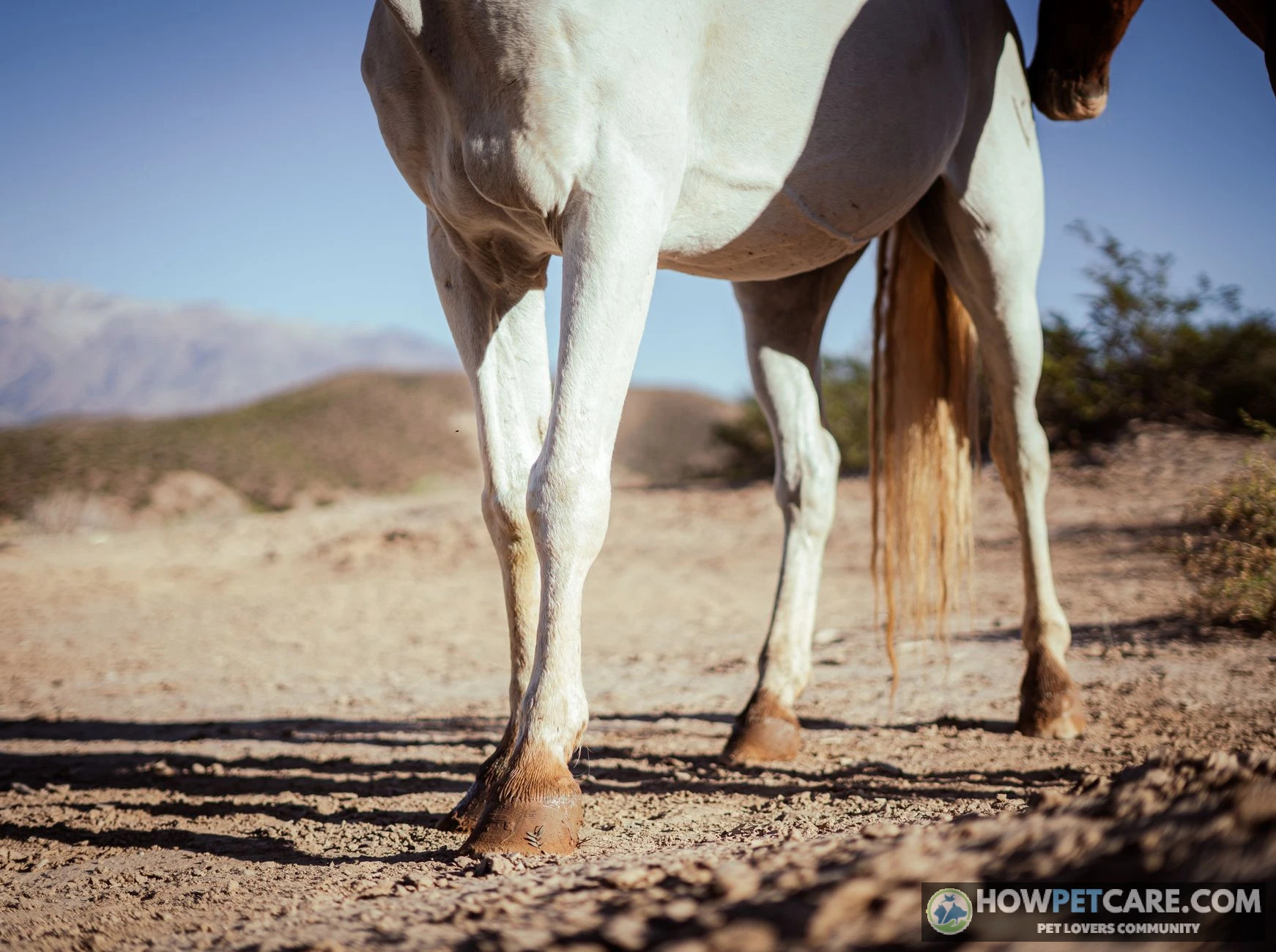
A horse with previous or ongoing founder may have divergent laminitis rings, often wider apart at the heels; a dished hoof wall; a widened white line; or a flatter or dropped sole. Recurrent hoof abscesses and persistent changes in stance can occur as well. A vet or farrier needs to interpret these findings: hoof changes alone don’t show how painful the horse is today.
Signs that look like founder but may not be
A hoof abscess, bruise, joint problem, or other injury can also make a horse reluctant to move. An abscess can cause a strong digital pulse, too, so the pulse isn’t a reliable way to tell the difference. If you notice a bounding pulse, a pain-based stance, or unexplained reluctance to move, treat it as urgent and let your vet determine the cause.
What to Do Right Now if You Think Your Horse Is Foundering: A Step-by-Step Emergency Checklist
The first 60 minutes: numbered checklist
- Call your equine veterinarian immediately. Say, “I suspect acute laminitis,” and describe the stance, affected feet, and when the signs began. Ask whether to give any medication. Don’t give phenylbutazone (often called bute), Banamine, or other NSAIDs unless your vet directs you to.
- Stop access to grass and grain. Remove access without making the horse walk unnecessarily—for example, close a gate or bring a barrier to the horse if it’s safe. Offer fresh water. Ask your vet about providing low-sugar grass hay or soaked hay; don’t assume the horse should be starved.
- Limit movement. Don’t walk the horse to test its gait or force exercise. If a move is essential, ask your vet how to make it as short and safe as possible. Deep shavings or sand can provide a soft place to stand or lie down. Don’t force a reluctant horse onto a trailer without veterinary direction.
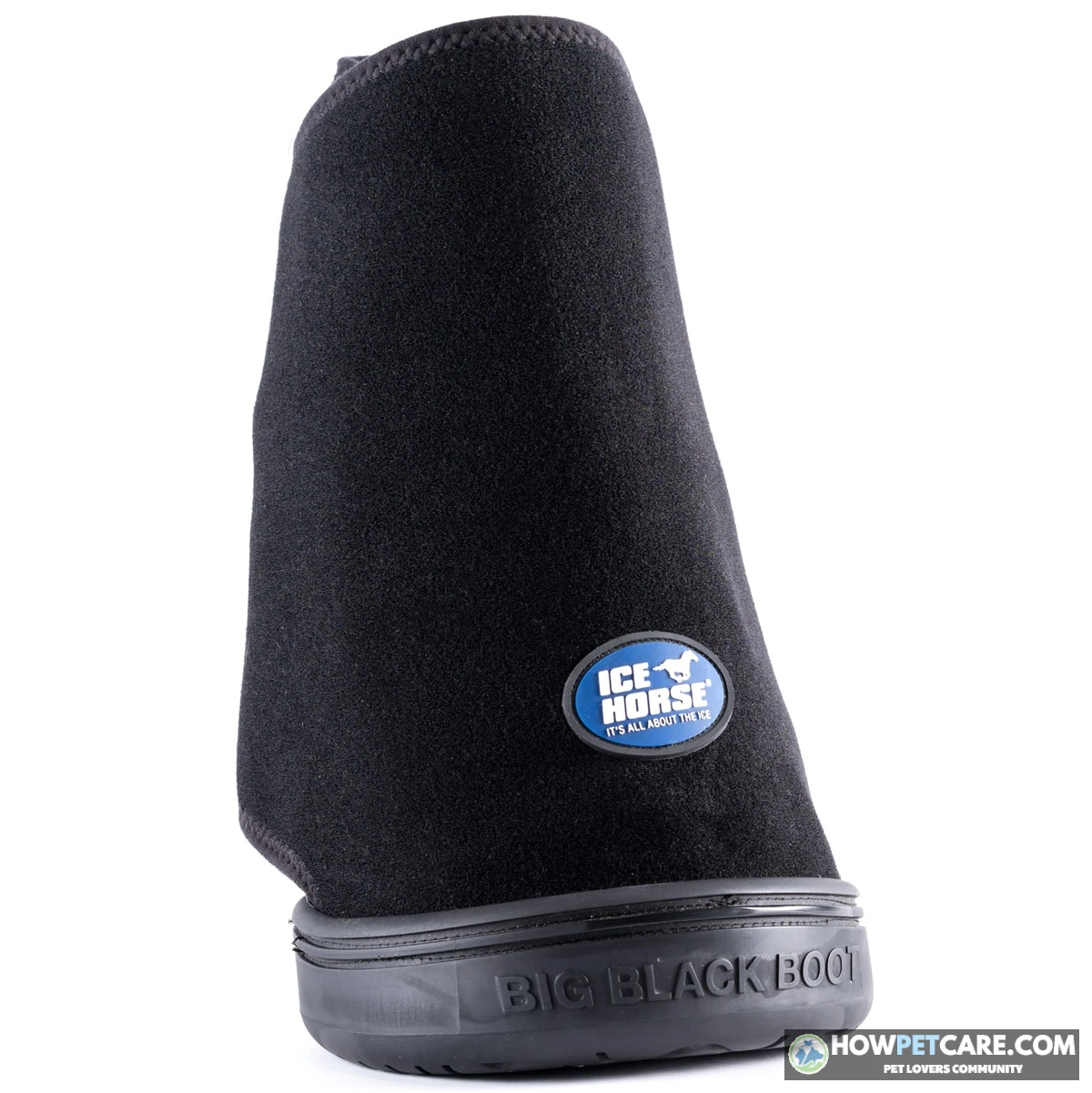
- Provide support only as advised. Deep bedding is a practical starting point. Ask your vet or farrier whether temporary pads, boots, or other sole and frog support are appropriate. Support placed incorrectly can increase discomfort.
- Ask about cooling. Continuous ice-water immersion has evidence for preventing lamellar damage during the developmental phase in experimental models. Its benefit once a horse is already lame is less certain. Ask your vet whether and how to use cryotherapy; don’t delay the call to set it up.
- Record and monitor. Note which feet have strong pulses, the horse’s appetite and manure, when it last moved normally, and any recent changes in pasture, feed, medication, illness, or foaling. If you can do so safely, record temperature, heart rate, and breathing rate. Check the horse’s comfort regularly while you wait.
Escalate the call if the horse can’t bear weight, is down and reluctant to rise, refuses food or water, or is deteriorating rapidly. Tell the clinic if you can’t safely keep the horse comfortable where it is.
Things that make laminitis worse
Don’t force exercise, give leftover medication without instructions, feed grain to “settle” the horse, or turn it back onto grass because it looks better. Avoid prolonged standing on hard concrete for hosing or other home treatments. Apparent improvement doesn’t prove the hoof structures are stable.
A horse can have serious laminitis without showing every textbook sign. Call your vet if the horse is unexpectedly reluctant to move or shows signs of foot pain.
What Causes a Horse to Founder: Endocrine, Dietary, Mechanical and Toxic Triggers
Endocrinopathic laminitis: EMS and PPID
Many cases are associated with insulin dysregulation: the horse produces or maintains abnormally high insulin levels, often in response to feed. High insulin can damage the laminae. Equine metabolic syndrome (EMS) describes a collection of risk factors that includes insulin dysregulation. Some affected horses are overweight, but a horse doesn’t have to look obese to be at risk.
Pituitary pars intermedia dysfunction, or PPID, is also known as Cushing’s disease. It’s more common in older horses and can occur alongside insulin dysregulation. Research reports that more than 90% of laminitis cases are linked to hyperinsulinemia and endocrine conditions. The proportion depends on the population studied and shouldn’t be treated as a prediction for an individual horse.
Pasture, feed, illness and mechanical causes
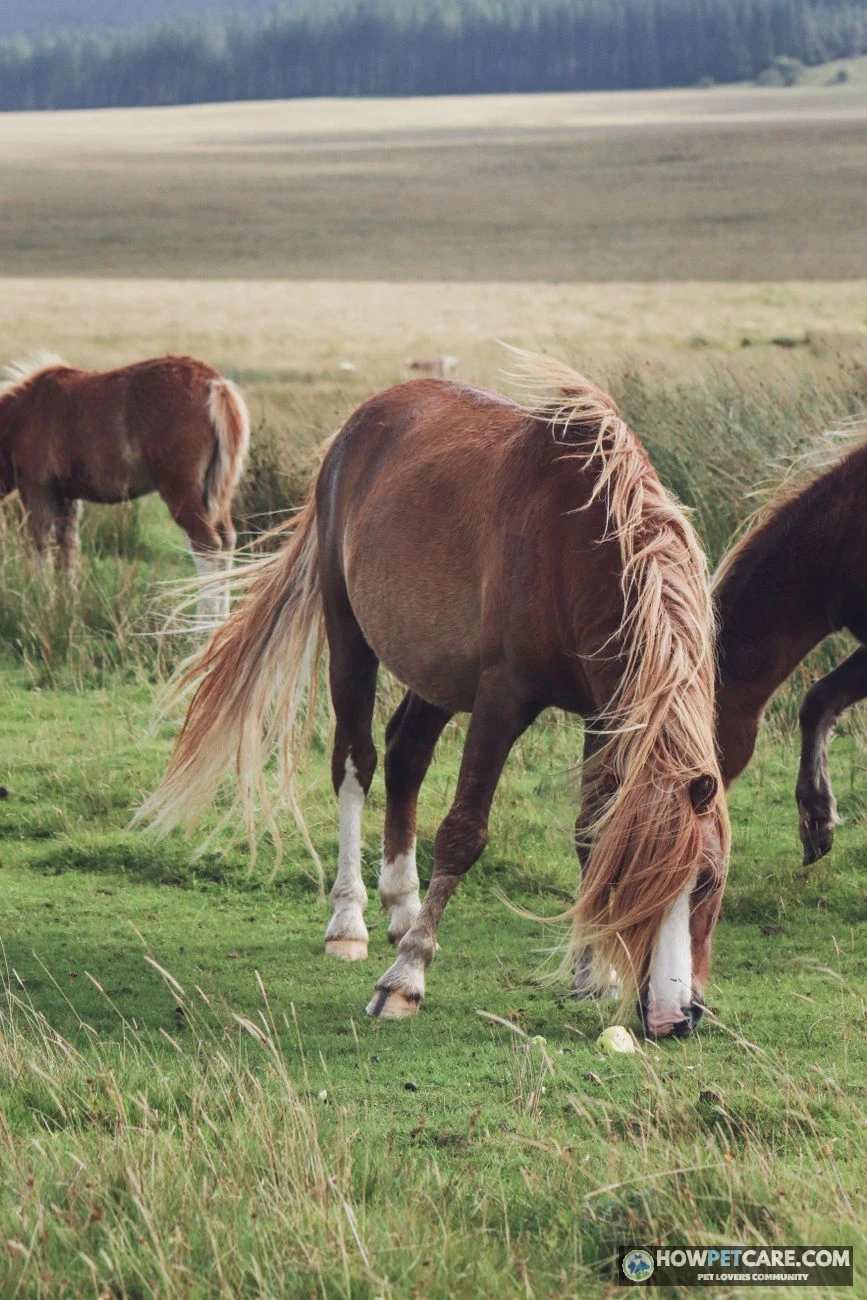
Pasture can trigger an episode in a susceptible horse, sometimes after only a short period of access. Grass sugar varies with growing conditions, weather, and time of day. A sudden grain overload is a separate emergency: it can disrupt the hindgut and lead to systemic illness and laminitis.
Other triggers include severe colitis or infection, retained placenta after foaling, prolonged excess weight on one limb, exposure to black walnut shavings, and corticosteroid use in some susceptible horses. Black walnut exposure can trigger acute laminitis, so tell the vet immediately if the bedding may contain it.
Which horses are at highest risk
Ponies, miniature horses, Morgans and other easy keepers, horses with a cresty neck or excess fat, older horses with PPID, and horses with a previous episode deserve particular attention. A body condition score of 7 or more on the nine-point scale is a warning sign, but lean horses can develop laminitis, too.
Founder isn’t contagious. Susceptibility to insulin dysregulation can run in families, but inheritance doesn’t make an episode inevitable. Ask your vet to assess the individual horse rather than relying on breed or appearance alone.
How Laminitis Is Diagnosed and Treated: Exams, Radiographs, Insulin/ACTH Tests and Hoof Support
Veterinary exam, radiographs and bloodwork
The vet checks pulses, hoof sensitivity, stance, and general health. Movement is assessed only if it’s appropriate for the horse’s comfort. Hoof radiographs—X-rays—help assess the coffin bone’s position, sole depth, rotation, and sinking. Early images also give the team a baseline for comparison. A horse can have painful laminitis before displacement is visible.
Treatment depends on the cause and severity. It may include vet-directed NSAIDs or other pain relief, soft bedding and restricted movement, treatment for infection or another illness, diet changes, and medication for PPID when indicated. Home treatment means carrying out the veterinary plan and reporting changes, not replacing the examination.
Reading insulin and ACTH results (EMS vs. PPID)
Elevated insulin can support a diagnosis of insulin dysregulation, but it doesn’t explain every aspect of a horse’s condition on its own. ACTH is a hormone measured when investigating PPID; an elevated result can support that diagnosis in the right clinical context.
Ask your vet to interpret the results using the laboratory’s reference ranges and the horse’s circumstances. Season, recent feeding, stress, and illness can affect interpretation. A normal result doesn’t always end the investigation: repeat testing or a vet-selected dynamic test may be appropriate.
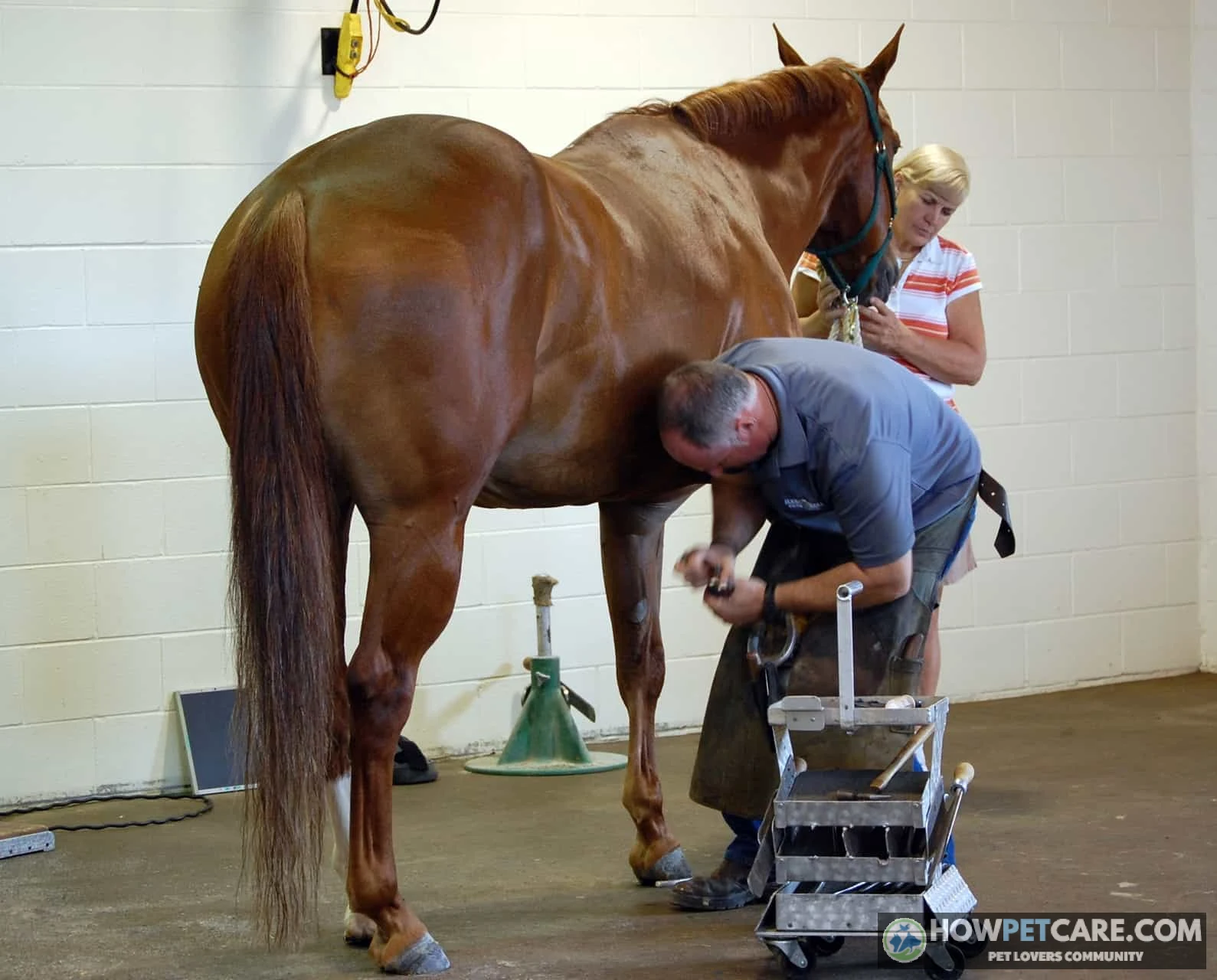
Heart bar shoes vs. barefoot trimming vs. hoof clogs
The aim is to make the horse more comfortable and manage forces on the damaged foot. The right choice depends on the radiographs, sole depth, pain, and the experience of the vet–farrier team—not on a universal winner.
The dollar amounts below are unverified planning illustrations, not surveyed prices or quotes. Confirm local charges and exactly what’s included before choosing a setup.
| Option | How it works | Pros | Cons | Illustrative cost | When it may be considered |
|---|---|---|---|---|---|
| Heart bar shoe | Extends support toward the frog and back of the foot | Can provide substantial support when fitted precisely | Poor fit can cause pressure; requires skilled fitting and reassessment | Approximately $200–$500 per shoeing cycle | Selected acute or chronic cases where the vet and farrier judge the foot suitable |
| Corrective barefoot trim with pads or boots | Adjusts hoof mechanics while removable support protects the foot | Adjustable and allows frequent inspection | Boots can rub; pads need checking; may not provide enough support for every horse | Approximately $75–$250 per trim/support visit; boots may add $100–$300 per pair | Selected stable cases or horses needing adjustable support |
| Hoof clogs | A rigid platform is attached and shaped to alter loading and breakover | Can be adjusted for complex mechanics | Requires appropriate expertise, attachment, and follow-up | Approximately $300–$800 per application or cycle | Selected complex cases with an experienced team |
| Other support shoes | Shoe and padding are selected for the individual foot | Several configurations are possible | Fit, cost, and tolerance vary | Ask for an itemized estimate | When another configuration better suits the radiographs and horse |
Ask what each device is meant to support, how often it needs checking, and what to do if the horse becomes more painful. Shoes, clogs, and barefoot care aren’t inherently best for every case.
Complications can include hoof abscesses, severe sinking, and penetration of the sole by the coffin bone. In selected severe cases, a specialist may discuss a deep digital flexor tenotomy, a procedure involving the tendon that pulls on the coffin bone. It isn’t a routine fix and has significant tradeoffs. Ask about the goal, aftercare, and alternatives.
How Much Founder Costs: Realistic Budget Ranges for Diagnosis, Treatment and Long-Term Care
Cost table: what to expect at each step
Costs vary widely by location and may be bundled differently. The figures here are illustrative US budgeting assumptions, not verified survey data or practitioner quotes; actual charges can be lower or substantially higher. Ask your clinic and farrier for written estimates, including after-hours fees and possible referral costs.
| Item | What it covers | Illustrative range | When | What changes the price |
|---|---|---|---|---|
| Emergency farm call | Travel and after-hours availability | $150–$450 | Initial visit | Distance, time of day, and whether the exam is separate |
| Exam | Physical and lameness assessment | $100–$300 | Initial visit or recheck | Extent of exam and bundled services |
| Hoof radiographs | Images to assess bone position and sole depth | $150–$500 | Initially and as advised | Number of views, sedation, and equipment |
| Insulin and ACTH bloodwork | Sampling and laboratory testing | $100–$300 | Initially or when the vet recommends | Tests ordered, lab fees, and dynamic testing |
| Prescribed pain medication | NSAIDs or other medication | $20–$150+ | Short-term or longer | Drug, dose, monitoring, and duration |
| Therapeutic farriery | Trim and selected support | $150–$500+ per visit | Repeated as prescribed | Materials, expertise, and complexity |
| Boots or pads | Removable foot support | $100–$300 | As needed | Number of feet, fit, and replacements |
| Recheck with imaging | Follow-up exam and repeat X-rays | $150–$500 per visit | According to progress | Services included and number of images |
| PPID medication | Prescribed pergolide, if indicated | $30–$90 per month; testing extra | Ongoing | Dose and pharmacy charges |
| Hay analysis | Laboratory forage testing | $30–$75 per sample | When hay supply changes | Laboratory panel and shipping |
| Dry-lot setup | Fencing or footing changes | $200–$2,000+ | One-time or phased | Existing infrastructure, drainage, and labor |
These rows aren’t a package price. Not every horse needs every service, and visits may combine or exclude charges. Hospitalization, surgery, transport, additional bedding, and complications can add considerably more.
Ongoing costs most owners don’t plan for
An initial exam and X-rays may be just the start if the horse needs repeated farrier visits, medication, bedding, hay testing, or follow-up imaging. Therapeutic farriery might be scheduled every four to six weeks initially, but the team should set the interval for the individual hoof.
As a purely illustrative planning scenario, a mild episode with an emergency visit, diagnostics, several farrier visits, and a recheck might reach roughly $1,500–$4,000. A severe case needing prolonged specialized care or referral could reach $6,000–$15,000 or more. These are not verified averages or a substitute for a local estimate; a horse’s actual bill may fall outside either range.
Ways to control costs without cutting corners
Ask the vet which tests and interventions are most urgent, which can safely be staged, and what would trigger a recheck. Request an estimate with low and high scenarios. If time permits, ask about payment arrangements before an expensive referral. Check equine insurance terms, including pre-existing-condition exclusions. Don’t spend limited funds on unproven remedies instead of pain relief, diagnosis, or hoof support.
Can a Foundered Horse Recover? Obel Grades, Recovery Timelines, Return to Work and Euthanasia Decisions
Many horses recover enough to be comfortable, and some return to work. Others need lifelong management or can’t return to riding. Damaged attachment can be replaced as the hoof grows, but recovery isn’t guaranteed, and the underlying susceptibility may remain.
Obel grades and what they mean for recovery
The Obel scale describes observed lameness. It doesn’t measure all structural damage or predict an individual outcome. The timeframes below are broad planning guides, not validated recovery deadlines for each grade. Radiographs, pain control, the underlying disease, and response to treatment matter at every grade.
| Obel grade | What the horse looks like | Outlook and treatment intensity | Broad recovery planning | Return to work | Quality-of-life discussion |
|---|---|---|---|---|---|
| I | Shifts or lifts feet; may look normal at a walk but be abnormal at a trot | Often favorable if promptly managed; still needs veterinary assessment | Comfort may improve over days to weeks; hoof growth takes longer | Possible after stability and veterinary clearance | Discuss if pain persists or imaging reveals unexpected damage |
| II | Moves willingly at a walk but has an abnormal gait; a foot can usually be lifted without difficulty | Often favorable to guarded; needs pain control and a support plan | Weeks to months of monitoring may be needed | Possible after reassessment; workload depends on recovery | Discuss if comfort fails to improve or displacement progresses |
| III | Moves reluctantly and resists having a foot lifted | Guarded; usually needs intensive pain management and coordinated hoof care | Often months of care and reassessment | Some return to limited work; others may not | Discuss promptly if pain remains difficult to control |
| IV | Refuses to move unless forced or is extremely reluctant to move | Guarded to poor, especially with sinking or sole penetration; intensive treatment is needed | Potentially months, with an uncertain outcome | May not be possible | An early discussion is appropriate, particularly if comfort cannot be maintained |
How long recovery takes, and what “return to work” really means
An acute episode may become more comfortable over days or weeks, but the hoof and its attachments take much longer to stabilize and grow. A new hoof wall can take roughly nine to twelve months to grow from the coronary band to the ground; growth varies between horses. Rotation or sinking may require many months of farrier care and repeat imaging.
Don’t judge readiness to ride by one good day. Ask the vet whether the horse is consistently comfortable, whether radiographs show a stable foot, whether the trigger is controlled, and how to reintroduce movement. Some horses become comfortable companions but can’t safely return to their previous job.
Quality of life and when euthanasia is the humane choice
Ask yourself and your vet: Can the horse stand, change position, eat, drink, move enough to meet basic needs, and rest without persistent distress? Is comfort improving with appropriate treatment, or are the good periods getting shorter?
Euthanasia may be discussed when pain can’t be controlled despite appropriate care, displacement progresses severely, the sole is penetrated, or the horse can’t maintain an acceptable quality of life. A horse spending much of its time down or losing interest in food needs urgent reassessment, though no single sign automatically decides the outcome. Your vet can weigh pain assessment, examination findings, radiographs, treatment response, and your practical circumstances in an honest discussion.
A quality-of-life conversation is not giving up. It helps you and your veterinarian set a humane plan and agree on when to reassess if treatment is not restoring comfort.
How to Prevent Laminitis in Horses: NSC Targets, Hay Soaking, Grazing Rules and Weight Control
Safe NSC levels in hay and feed
For a horse with insulin dysregulation, ask your vet or an equine nutritionist to choose a forage carbohydrate target. A commonly used starting point is approximately 10% or less non-structural carbohydrate on a dry-matter basis, but laboratory reports may list different carbohydrate fractions. Confirm which measurements to add and which target applies; the percentage isn’t a guarantee of safety.
Have each new hay supply tested by a laboratory rather than judging sugar by color or maturity. Use forage as the diet’s foundation, and avoid grain and sweet feed unless your vet has a specific reason to include them. A restricted diet must still meet protein, vitamin, and mineral needs. Ask for a complete ration assessment rather than adding an unproven supplement.
For weight loss, a vet may use approximately 1.5% of body weight in forage dry matter per day as a starting point. For a 500 kg horse, that’s 7.5 kg of hay dry matter—not necessarily 7.5 kg of hay as weighed. The amount to weigh depends on the hay’s dry-matter content. Divide the ration as advised, and don’t impose a starvation diet.
If appropriate for the horse, aim for a body condition score near 5 on the nine-point scale. Track the score, neck fat, and weight trend with your vet. Exercise becomes part of weight management only after the horse is sound and cleared to work.
How to soak hay correctly
If your vet recommends soaking hay while you arrange testing or a suitable forage supply:
- Submerge the hay completely in clean water. A practical starting point is roughly 30–60 minutes in cold water or 15–30 minutes in warm water.
- Drain it and discard the water where the horse can’t drink it. Feed the hay promptly, especially in warm weather.
- Keep the limits in mind: sugar removal varies by hay and soaking conditions, and soaking doesn’t reliably remove starch. If you’ll feed soaked hay long term, discuss testing the soaked forage and balancing lost nutrients.
Pasture and grazing rules for at-risk horses
A horse with active or recent laminitis shouldn’t have free access to pasture. Use a dry lot and appropriate forage while the vet assesses the cause. After recovery, some horses may return to carefully controlled grazing; others need to avoid pasture altogether.
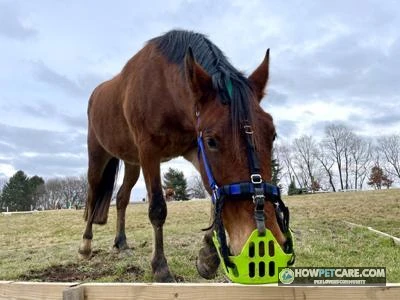
Grass sugar can rise under sunny conditions and after cold nights. Stressed, frosted, or short regrowth isn’t automatically safe, either. Early morning may be lower risk in some conditions, but it’s not a safe window after cold nights or a guarantee for an insulin-dysregulated horse. If your vet permits grazing, agree on a limited duration and consider a properly fitted grazing muzzle. Monitor the horse’s ability to drink and check the muzzle’s fit.
Keep PPID treatment and insulin rechecks on the vet’s schedule. Arrange regular farrier care, often every four to eight weeks depending on the hoof and plan. Avoid black walnut bedding, and introduce routine feed changes gradually over about seven to fourteen days when possible. In an emergency, follow the vet’s immediate instructions rather than maintaining access to a suspected trigger.
Your Founder Action Plan: What to Do Today, This Week and This Year
Today, if you suspect an episode: Call the vet, stop access to grass and grain without forcing movement, provide water and soft footing, and follow the emergency checklist. Ask before giving medication or applying hoof support.
During the first week: Arrange the examination and any radiographs or blood tests the vet recommends. Coordinate the farrier visit with the vet, ask for an itemized estimate, and prepare a soft stall or dry lot as appropriate. Testing may be timed around the horse’s illness and the vet’s interpretation needs.
Over the next three to twelve months: Keep the agreed recheck and farrier appointments. Track comfort and hoof growth, test new hay supplies, and follow the EMS or PPID plan. Ask before increasing turnout or work.
If your horse is at risk but comfortable today: Record its body condition score, discuss insulin and PPID testing, review the hay and grazing plan, and book regular hoof care.
At the first visit, ask:
- What does the examination show, and what is the horse’s current Obel grade?
- Do the radiographs show rotation, sinking, or reduced sole depth?
- Which tests and treatments are priorities, and what will they cost?
- What support does the vet–farrier team recommend, and when should it be checked?
- What changes mean I should call immediately, and when will we reassess comfort and prognosis?
Set a specific reassessment point with your vet. If comfort isn’t improving, revisit the diagnosis, treatment options, costs, and quality of life together.
1What structural tissue inside the hoof capsule primarily suffers weakening and failure during an episode of laminitis?
Interlocking tissues that suspend the coffin bone against the inner hoof wall lose structural integrity during laminitis.
2What is a recommended immediate action for an owner waiting for veterinary assistance during a suspected acute laminitis emergency?
Soft footing helps support the hoof sole and frog while minimizing mechanical strain on damaged internal tissues.
3Why should NSAIDs like phenylbutazone or Banamine be withheld during a suspected acute laminitis episode until a veterinarian specifically directs their use?
Reducing pain perception without stabilizing the hoof can lead to further mechanical separation of the internal tissues.
4Research indicates that over 90% of equine laminitis cases are associated with which underlying issue?
Abnormally high insulin levels, often seen in EMS or PPID, directly contribute to laminar damage and disease onset.
5What is a standard target percentage for non-structural carbohydrates (NSC) on a dry-matter basis in hay for a horse with insulin dysregulation?
Maintaining forage sugar levels at or below this threshold reduces insulin spikes that damage hoof laminae.
6When soaking hay in cold water to reduce soluble sugars for a metabolic horse, what is the recommended soaking time?
Submerging forage for this timeframe effectively leaches out soluble carbohydrates without excessively degrading overall forage quality.
7Under the Obel grading system for lameness, how is a horse categorized if it moves willingly at a walk but displays an abnormal gait and allows feet to be lifted without difficulty?
This stage reflects noticeable gait abnormality while walking while still allowing handling of individual limbs without severe resistance.
8Which hormone is measured in bloodwork to support a diagnosis of Pituitary Pars Intermedia Dysfunction (PPID, also known as Cushing's disease)?
Elevated circulating levels of this pituitary hormone help confirm PPID in the appropriate clinical context.
9Exposure to bedding containing which material can act as a toxic trigger for acute laminitis?
Chemical toxins present in this specific wood can induce acute laminitis episodes upon contact or exposure.
10How does supporting-limb laminitis typically develop in an affected horse?
Overloading the contralateral sound limb compromises its blood supply and mechanical integrity, damaging its laminae.
| Item | What It Covers | Illustrative Range | Timing / Stage | Price Drivers |
|---|---|---|---|---|
| Emergency farm call | Travel and after-hours availability | 150–450 | Initial visit | Distance, time of day, and whether the exam is separate |
| Exam | Physical and lameness assessment | 100–300 | Initial visit or recheck | Extent of exam and bundled services |
| Hoof radiographs | Images to assess bone position and sole depth | 150–500 | Initially and as advised | Number of views, sedation, and equipment |
| Insulin and ACTH bloodwork | Sampling and laboratory testing | 100–300 | Initially or when the vet recommends | Tests ordered, lab fees, and dynamic testing |
| Recheck with imaging | Follow-up exam and repeat X-rays | 150–500 per visit | According to progress | Services included and number of images |
| Therapeutic farriery | Trim and selected support | 150–500+ per visit | Repeated as prescribed | Materials, expertise, and complexity |
| Boots or pads | Removable foot support | 100–300 | As needed | Number of feet, fit, and replacements |
| Prescribed pain medication | NSAIDs or other medication | 20–150+ | Short-term or longer | Drug, dose, monitoring, and duration |
| PPID medication | Prescribed pergolide, if indicated | 30–90 per month; testing extra | Ongoing | Dose and pharmacy charges |
| Hay analysis | Laboratory forage testing | 30–75 per sample | When hay supply changes | Laboratory panel and shipping |
| Dry-lot setup | Fencing or footing changes | 200–2,000+ | One-time or phased | Existing infrastructure, drainage, and labor |
FAQ
Can a horse founder from just one day on lush grass?
Yes, it is possible, especially in horses with insulin dysregulation, EMS, or PPID, or in ponies and easy keepers. Risk rises when grass sugar is high, such as in spring or after cold nights followed by sun. A sudden pain-based stance or a bounding digital pulse after pasture access warrants an immediate call to the vet.
Can laminitis affect only one hoof?
Yes. Laminitis most often affects both front feet, but it can involve one foot or all four. Supporting-limb laminitis typically develops in the healthy leg when the horse is bearing extra weight because of a severe injury in the opposite limb.
Is founder hereditary or contagious?
Founder is not contagious. Some breeds and ponies have a higher genetic tendency toward insulin dysregulation and EMS, so risk can run in families, but management and diet largely determine whether laminitis develops.
Can a horse that has foundered go back out on grass?
Often only with strict limits, and only after the vet has assessed the horse’s metabolic status. Many horses need a dry lot, restricted grazing with a muzzle, or no pasture during high-risk seasons. Allowing free grazing after a founder episode raises the chance of recurrence.
Is it safe to give my horse bute while waiting for the vet?
Only if the vet tells you to, and at the dose they specify. NSAIDs relieve pain but can also encourage a horse to move on damaged feet, and the vet may want to see the horse’s baseline signs first.