
Eating horse meat breaks no federal law in the US, but commercial supply is effectively blocked: meat sold for human consumption requires USDA inspection, and Congress defunds it each year. Imports are regulated rather than banned, while California, Texas, and Illinois prohibit horse slaughter and sale outright.
Federal law does not prohibit eating horse meat in the United States. Commercially buying or selling it is where the system shuts down. Meat sold for human consumption must pass USDA inspection, yet Congress routinely bars the agency from spending tax dollars to inspect horse slaughterhouses. Without funded inspectors, no lawful domestic commercial supply can reach the market. State statutes also remain in force, and federal silence does not lift state-level bans on sales or slaughter.
So the short answer to "is horse meat legal in the US?" is: eating it breaks no federal law, but buying it through normal commercial channels is practically impossible. Imports are strictly regulated rather than outright banned, while slaughtering a horse for personal use hinges on a complex mix of federal and state rules. These distinctions matter because eating, buying, selling, importing, and slaughtering are distinct legal acts.
The current inspection funding ban is an annual appropriations rider, not permanent legislation. As of November 12, 2026, verify the enacted agriculture appropriations law for the current fiscal year before relying on its status. The SAFE Act of 2025, H.R. 1661, is a separate standalone bill; check its current committee and legislative status directly on Congress.gov.
Horse Meat Legality by Activity: Eat, Buy, Sell, Import, Slaughter, Feed to Pets
| Activity | Federal status | State caveats | Penalty or risk | Controlling authority |
|---|---|---|---|---|
| Eating horse meat | Legal; no federal law makes consumption itself a crime | California, Texas and Illinois restrict parts of the supply chain, not simply the act of eating | No federal penalty for consumption itself | Federal law; applicable state codes |
| Buying in a US store or restaurant | Legal in theory, but lawful inspected supply is effectively unavailable | California, Texas and Illinois prohibit relevant sales for human consumption | Retail sale of uninspected meat can trigger federal penalties | Federal Meat Inspection Act (FMIA); annual appropriations rider; state codes |
| Selling for human consumption | Commercial sale requires inspection; without funded inspection, lawful domestic sale is effectively blocked | California, Texas and Illinois have additional prohibitions | Under the FMIA, up to one year in prison and/or a $1,000 fine for specified violations; fraud or adulteration can carry up to three years and/or $10,000 | 21 U.S.C. §§ 610, 676; state codes |
| Importing commercially | Regulated, not categorically banned; country and establishment eligibility and inspection requirements apply | State law can still bar sale or other covered conduct | Shipment may be refused or destroyed if it does not meet import requirements | 9 CFR Part 327; state codes |
| Bringing meat across the border for personal use | Regulated; check current country-of-origin and border requirements before travel | State restrictions may apply after entry | Entry may be refused or product seized | CBP, APHIS and FSIS requirements |
| Slaughtering your own horse for personal use | Potentially allowed under the federal custom-exemption provision, with strict limits | California, Texas and Illinois prohibit horse slaughter for human consumption | State criminal liability may apply; sale is not permitted under the exemption | 21 U.S.C. § 623; state codes |
| Using horse meat in pet food | Not categorically prohibited by federal law, but pet-food and labeling requirements apply | Check state feed laws; human-consumption bans should not automatically be read as pet-food rules | Mislabeling or other regulatory violations can prompt enforcement | FDA pet-food requirements; state feed laws |
Eating meat is legally distinct from procuring it through a commercial supply chain. The sections below break down why USDA inspection rules block domestic retail, how state laws operate, and how federal import rules function in practice.
Why You Can’t Buy Horse Meat in US Stores: The USDA Inspection Funding Rider
The Federal Meat Inspection Act (FMIA) covers equines within the federal food-safety framework. Under this statute, meat offered commercially for human consumption requires inspection by the USDA’s Food Safety and Inspection Service (FSIS). For years, Congress has inserted a rider into agriculture appropriations bills forbidding the USDA from spending funds to inspect horses slaughtered for human food. Without an on-site federal inspector, commercial plants cannot legally stamp or ship horse meat for retail.
Media reports frequently call this a "horse slaughter ban." That label is practical shorthand, but legally imprecise. The federal government never passed a sweeping statute declaring horse meat illegal to consume. Nor did Congress permanently outlaw slaughter facilities. Lawmakers simply defunded the mandatory inspections that allow a commercial slaughterhouse to operate. Congress has attached this rider to annual appropriations legislation in most years since fiscal year 2006.
The Humane Methods of Slaughter Act governs handling at slaughter facilities, but it does not cause the current commercial gridlock. At the same time, the absence of active US packing plants gives restaurants no leeway to purchase uninspected horse meat. Federal and state food safety codes require commercial kitchens to source meat from inspected facilities. In practice, a chef cannot legally serve uninspected domestic horse meat to paying customers.
What "effectively banned" really means
The phrase "legal to eat, commercially blocked" captures the federal baseline. Federal law does not penalize eating or holding horse meat. Instead, the bottleneck sits entirely on processing and distribution: federal rules mandate an inspection that the government refuses to fund. Individual states add another layer of enforcement through their own statutory bans on slaughter, distribution, and sale.
Federal inspection rules also do not force states to accept horse meat. State governments hold independent authority to restrict products within their borders. Even if federal inspectors cleared an imported equine product at a port, individual state laws could still prohibit retailers from selling it.
Penalties for selling horse meat without inspection
The FMIA carries criminal penalties for distribution violations. A basic first offense for selling uninspected meat brings up to one year in prison, a $1,000 fine, or both. If the government proves intent to defraud or involves adulterated product, the penalty climbs to three years in prison, a $10,000 fine, or both [#N]. These figures represent statutory maximums for specific violations, not flat fines applied universally. State violations carry separate penalties under local criminal codes.
Food safety issues fuel much of the regulatory debate. Opponents frequently highlight phenylbutazone, an equine anti-inflammatory drug commonly called "bute," arguing it poses unacceptable risks if it enters human food. Animal welfare groups raise concerns about handling conditions and long-distance hauling. Conversely, slaughter proponents argue regulated processing offers an economic outlet for aged, injured, or unwanted horses. These arguments explain the political standoff, but statutory requirements govern what is legally allowed.
Horse Slaughter Ban Timeline: 2006 Rider, 2007 Closures, 2011 Lapse, and Where It Stands Now
Public discussions often blur several distinct dates and actions. The federal inspection rider took effect in fiscal year 2006, whereas the final domestic processing plants shuttered in 2007. Three facilities closed that year.
| Date | Event | Effect on horse-meat legality | Source or authority |
|---|---|---|---|
| November 2005 / FY2006 | The first inspection-funding rider was included in agriculture appropriations | USDA funding for equine slaughter inspection was barred beginning in FY2006 | FY2006 agriculture appropriations |
| 2006 | The three remaining plants continued operating during the final period of domestic slaughter | Nearly 105,000 horses were slaughtered at those plants that year [#N] | USDA/FSIS records |
| 2007 | The final three commercial plants closed: Dallas Crown and Beltex in Texas, and Cavel in Illinois | Domestic commercial horse slaughter ended | Texas law and federal court ruling; Illinois Horse Meat Act |
| November 2011 | The rider lapsed | Funding for inspection was no longer barred by that rider, but no plant resumed operation | FY2012 appropriations period |
| 2013 | Applications to establish inspection operations, including one associated with Valley Meat Co. in New Mexico, faced legal and administrative challenges | No commercial plant resumed operation | FSIS actions and court proceedings |
| January 2014 | The rider was reinstated in appropriations legislation | The funding barrier returned and was carried forward in subsequent annual appropriations | FY2014 appropriations |
| FY2026 | The rider’s status depends on enacted appropriations for that fiscal year | Verify the enacted law; the rider must be renewed rather than treated as permanent | Current agriculture appropriations law |
The 2007 plant shutdowns occurred in two states. Dallas Crown and Beltex closed in Texas after the Fifth Circuit Court of Appeals upheld a long-standing state prohibition. In Illinois, Cavel International in DeKalb closed after the state legislature enacted strict new processing limits in 2007. Those closures ended commercial processing on US soil, distinct from the federal budget rider that preceded them.
Because the rider is tied to annual appropriations, it requires continuous congressional renewal. The SAFE Act of 2025, H.R. 1661, proposes a permanent federal statutory ban covering commercial slaughter for human consumption, sale, and live export for slaughter. A bill’s introduction is not final law, however. Confirm its active legislative standing in the 119th Congress on Congress.gov before assuming it has passed or reached the floor.
Which States Ban Horse Meat? Consumption vs. Sale vs. Slaughter, With Statutes
State statutes differ substantially in their scope. California, Texas, and Illinois enforce strict bans related to horse meat intended for human consumption. Crucially, these statutes target commercial supply chains—primarily processing, transport, and commercial sale—rather than penalizing an individual for eating meat. Readers should consult the statutory text directly to check specific penalty structures.
| State | Bans consumption itself? | Bans sale for human consumption? | Bans slaughter for human consumption? | Statute | Penalty |
|---|---|---|---|---|---|
| California | No general ban on the act of eating | Yes | Yes | California Penal Code §§ 598b–598d; Proposition 6 (1998) | Criminal penalties vary by prohibited conduct; consult the provisions for the applicable offense |
| Texas | No general ban on the act of eating | Yes | Yes | Texas Agriculture Code Chapter 149 | Criminal penalties under the chapter |
| Illinois | No general ban on the act of eating | Yes | Yes | Illinois Horse Meat Act, 225 ILCS 635 | Criminal penalties under the Act |
| Other states | No state-specific consumption ban identified here | No state-specific ban identified here | No state-specific ban identified here | Check current state statutes before relying on this table | Depends on applicable law |
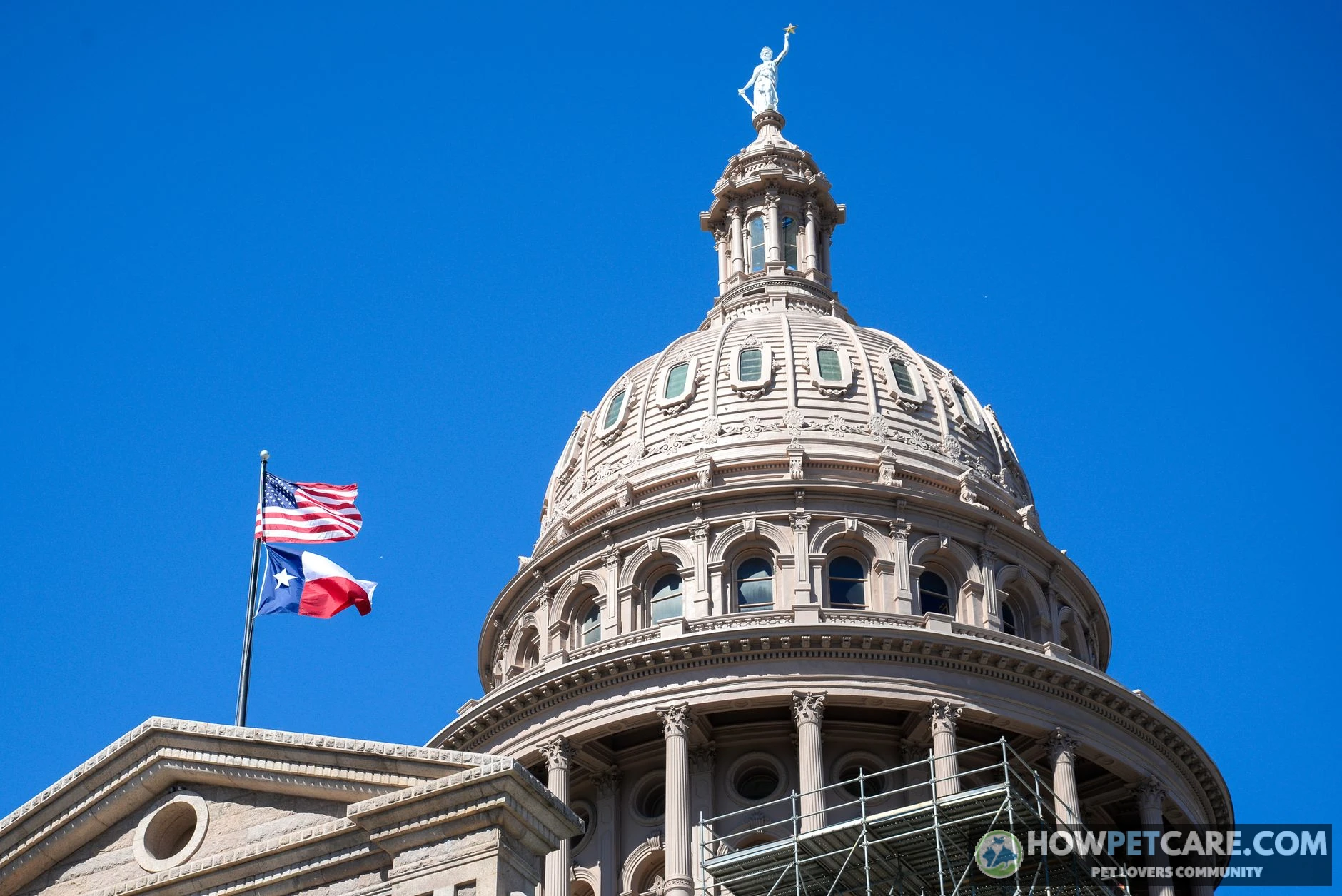
California’s Penal Code makes it a crime to sell horse meat for human food or to possess, transfer, or slaughter horses for human consumption. Texas Agriculture Code Chapter 149 explicitly outlaws commercial slaughter for human consumption along with the sale or transfer of equine meat for food. The Illinois Horse Meat Act, updated in 2007, prohibits commercial slaughter and the wholesale or retail trade of horse meat for human dining. None of these laws define the simple act of chewing and swallowing horse meat as a criminal offense.
The common question "which states ban horse meat?" requires clear context. These three states target commercial transactions and processing; they do not enforce a blanket criminal ban on personal eating. Never rely on broad summaries in place of current state code, particularly when evaluating custom slaughter exemptions. Federal regulations do not override stricter state bans.
Can You Import Horse Meat? 9 CFR 327, Online Orders, and Carrying It Across the Border
Federal regulations do not categorically prohibit horse meat imports. Under 9 CFR Part 327, imported meat must clear strict federal standards: it must originate from an eligible foreign country, come from an FSIS-certified slaughter facility, carry foreign inspection documentation, and pass inspection at an approved US port of entry. Equine products fall under this inspection system, but eligibility requires explicit foreign government certification and USDA approval for that specific species. An overseas vendor cannot simply mail horse meat to an American buyer.
To find out if any foreign plant holds active certification for equine exports, check FSIS’s current eligibility tables. While federal regulations provide an import mechanism on paper, practical eligibility hurdles, transport rules, and state retail prohibitions leave retail consumers without an accessible purchasing channel. A framework that is legally "regulated" is not necessarily "freely available."

Ordering horse meat online or bringing it across the border
Ordering meat from an international retailer online constitutes a formal import. The package remains subject to FSIS import regulations, along with entry controls enforced by Customs and Border Protection (CBP) and the Animal and Plant Health Inspection Service (APHIS). Shipments that arrive without proper veterinary certificates, foreign plant approval, or port inspection are seized and destroyed. Furthermore, state laws prohibiting the import or sale of horse meat for food—such as California Penal Code provisions—remain fully enforceable.
Carrying meat across the border from Canada or Mexico in personal luggage is not an open loophole. Personal food imports face strict agricultural border rules based on animal disease status in the source country. Horse meat does not receive an automatic entry pass simply because it fits in a traveler’s cooler. Travelers must consult CBP and APHIS agricultural entry guidelines before bringing meat across the border.
The practical answer to "can you buy horse meat in the US in 2026?" is straightforward: while foreign imports are theoretically possible through certified commercial channels, retail consumers cannot reliably import parcels through mail or luggage. Even if a shipment cleared federal customs, states with sales bans would still forbid its distribution.
Can You Slaughter Your Own Horse for Meat? The Personal-Use Exemption and Its Limits
The federal custom-exemption rule under 21 U.S.C. § 623 permits an animal owner to slaughter livestock for personal use without routine federal carcass-by-carcass inspection, provided all statutory conditions are met. Meat prepared under this exemption cannot enter commerce. The law limits consumption strictly to the owner, immediate household members, and nonpaying guests. Every custom-exempt package must be explicitly marked as not for sale.
Whether an equine custom-slaughter arrangement qualifies under 21 U.S.C. § 623 depends on strict adherence to federal administrative rules. The federal appropriations rider prevents the USDA from spending funds on commercial inspection; it does not eliminate the underlying custom exemption. However, qualifying for a federal inspection exemption does not shield an owner from state criminal law.
California, Texas, and Illinois explicitly outlaw horse slaughter for human consumption under the statutes cited above. Within those jurisdictions, federal custom rules do not override the state ban. In states without an explicit prohibition, owners must still comply with state animal protection statutes, humane handling rules, local zoning ordinances, environmental carcass-disposal requirements, and drug residue laws. This legal framework outlines statutory limits, not practical butchering guidance.
Horse Meat in Dog Food and Live Export: Where Horses and Horse Meat Actually End Up
Is horse meat used in US dog food?
Federal law does not ban horse meat as an ingredient in manufactured animal feed. The FDA regulates commercial pet foods, requiring clear and accurate ingredient labeling on retail packaging. Individual state feed laws add further manufacturing requirements. Do not guess whether a given pet food contains horse meat: review the guaranteed analysis and ingredient list directly on the bag or consult manufacturer specifications.
State bans written specifically to regulate meat for human consumption do not automatically apply to the pet-food sector. The exact wording in state feed and agricultural codes dictates local legality. Furthermore, any imported horse meat intended for animal feed must satisfy separate federal pet-food import standards.
Live export to Canada and Mexico: the numbers
Because commercial processing ended domestically, US horses are shipped across land borders for slaughter in foreign plants. Current industry estimates indicate that between 18,000 and 20,000 horses are exported annually for this purpose [#N]. These operations take place outside US borders, where foreign food-safety and processing regulations govern plant activities. Canada and several European nations maintain active, legally regulated horse meat industries, unlike the domestic commercial system in the United States.
This export volume represents a steep drop from past domestic operations: commercial facilities processed nearly 105,000 horses across the three final US plants in 2006. While domestic slaughterhouses have closed, live international transit continues to move animals into foreign consumer markets.
Federally protected wild horses fall under an entirely different regulatory regime. The Bureau of Land Management (BLM) oversees wild herds under the Wild Free-Roaming Horses and Burros Act. BLM adoption and sales programs feature strict contractual conditions designed to prevent animals from entering slaughter pipelines. Those federal protections apply to public wild herds, not privately held domestic horses.
What to Do With This: A Legality Checklist and Where to Verify Your State’s Law
Use this practical checklist to determine which legal standards apply to your situation:
- If you are only eating horse meat: Federal law does not make consuming horse meat a crime. The real legal hurdle is supply: how the meat entered the country and whether state laws restrict distribution.
- If you want to buy, sell, or serve it: Never assume private transactions or foreign sellers bypass the law. Meat sold commercially requires USDA inspection, and California, Texas, and Illinois enforce strict state-level sales bans.
- If you want to import it: Confirm foreign plant certification under 9 CFR Part 327 through FSIS. Review current APHIS and CBP border rules, and check whether your destination state bans possession or distribution. Personal luggage is not exempt from border inspections.
- If you are considering personal slaughter: Review 21 U.S.C. § 623 alongside state and local codes. California, Texas, and Illinois outlaw horse slaughter for food, overriding any federal custom exemption.
- If the product is for animal feed: Read the packaging ingredient panel, verify FDA compliance, and check state feed regulations. Statutes regulating human food do not automatically dictate animal feed rules.
To check state restrictions, search your state legislature’s statutory database for "equine," "horse," and "horse meat" combined with terms like "human consumption," "sale," or "slaughter." For international shipments or travel, check the latest regulatory updates from FSIS, CBP, and APHIS. To monitor federal legislative proposals, track agriculture appropriations measures and H.R. 1661, the SAFE Act of 2025, on Congress.gov.
This article provides general informational analysis, not formal legal advice. Appropriations riders require periodic renewal, and federal import rules and state statutes change over time; verify local and federal laws before taking action.
1Under United States federal law, what is the legal baseline regarding an individual simply consuming horse meat?
Federal regulations focus entirely on commercial supply chains and mandatory inspection rules rather than penalizing personal consumption.
2How does the federal government effectively block domestic commercial horse meat sales without a permanent statutory ban on slaughter?
Without funded FSIS inspectors on site, commercial processing plants cannot legally stamp or ship horse meat for retail distribution.
3What is the maximum statutory penalty under the Federal Meat Inspection Act (FMIA) for a basic first offense involving the commercial sale of uninspected meat without intent to defraud?
This statutory maximum applies to basic distribution violations of uninspected meat under 21 U.S.C. § 676.
4What primary factor led to the shutdown of the final three domestic commercial horse slaughter plants in 2007?
Facilities in Texas closed after a federal court upheld long-standing state code, while the Illinois plant closed following new state statutory limits.
5Under 21 U.S.C. § 623, an owner may slaughter their own horse for personal use under specific federal custom-exemption conditions. How does this rule interact with state statutory bans?
States retain independent authority to outlaw horse slaughter for food, meaning federal custom-exemption rules cannot shield an owner from state criminal liability.
6Which requirement must be met under 9 CFR Part 327 for horse meat to be legally imported into the United States commercially?
Federal import regulations require species-specific country eligibility, certified foreign facilities, valid documentation, and port-of-entry inspection.
7How does federal law regulate the use of horse meat as an ingredient in commercial pet food?
Commercial pet food ingredients fall under FDA authority, which requires proper manufacturing and clear labeling on retail packaging.
8Why are federally protected wild horses managed by the Bureau of Land Management (BLM) restricted from entering slaughter pipelines?
The BLM oversees wild herds and includes specific contractual protections against slaughter in its adoption and sales programs.
9What primary food-safety concern is frequently cited by opponents of horse meat consumption in the United States?
Because domestic horses are primarily companions or work animals, administration of veterinary drugs not cleared for the human food chain creates residue risks.
10How does the proposed SAFE Act of 2025 (H.R. 1661) differ from the annual USDA agriculture appropriations rider?
Unlike recurring budget riders that merely withhold inspection funds, H.R. 1661 aims to establish a permanent statutory prohibition under federal law.
| Activity | Federal Status | State Caveats | Penalty or Risk | Controlling Authority |
|---|---|---|---|---|
| Eating horse meat | Legal; no federal law makes consumption itself a crime | California, Texas, and Illinois restrict parts of the supply chain, not simply the act of eating | No federal penalty for consumption itself | Federal law; applicable state codes |
| Buying in a US store or restaurant | Legal in theory, but lawful inspected supply is effectively unavailable | California, Texas, and Illinois prohibit relevant sales for human consumption | Retail sale of uninspected meat can trigger federal penalties | Federal Meat Inspection Act (FMIA); annual appropriations rider; state codes |
| Selling for human consumption | Commercial sale requires inspection; without funded inspection, lawful domestic sale is effectively blocked | California, Texas, and Illinois have additional prohibitions | Under the FMIA, up to one year in prison and/or a $1,000 fine for specified violations; fraud or adulteration can carry up to three years and/or $10,000 | 21 U.S.C. §§ 610, 676; state codes |
| Importing commercially | Regulated, not categorically banned; country and establishment eligibility and inspection requirements apply | State law can still bar sale or other covered conduct | Shipment may be refused or destroyed if it does not meet import requirements | 9 CFR Part 327; state codes |
| Bringing meat across the border for personal use | Regulated; check current country-of-origin and border requirements before travel | State restrictions may apply after entry | Entry may be refused or product seized | CBP, APHIS, and FSIS requirements |
| Slaughtering your own horse for personal use | Potentially allowed under the federal custom-exemption provision, with strict limits | California, Texas, and Illinois prohibit horse slaughter for human consumption | State criminal liability may apply; sale is not permitted under the exemption | 21 U.S.C. § 623; state codes |
| Using horse meat in pet food | Not categorically prohibited by federal law, but pet-food and labeling requirements apply | Check state feed laws; human-consumption bans should not automatically be read as pet-food rules | Mislabeling or other regulatory violations can prompt enforcement | FDA pet-food requirements; state feed laws |
FAQ
Can restaurants serve horse meat in the US?
Practically no. Meat served to the public must be USDA-inspected, and no domestic equine inspection is funded, so legal supply is essentially unavailable. California, Texas, and Illinois also prohibit sale under state law.
Is horse meat safe to eat, and what is the phenylbutazone concern?
The concern is that US horses are not raised as food animals and may receive drugs such as phenylbutazone, which is not permitted in the food chain. Critics of horse slaughter cite this as a food-safety risk, while the slaughter industry argues that testing and traceability programs address it.
Can wild horses be sold for slaughter in the US?
Wild horses under BLM management are protected by the Wild Free-Roaming Horses and Burros Act. BLM adoption and sale programs add contract conditions against slaughter. Enforcement questions are debated, so check current BLM policy.
Why is horse meat eaten in Europe but not in the US?
European countries such as France, Italy, and Belgium have inspected horse slaughter and an established market, while the US has no funded inspection and a strong cultural and legislative opposition. Many US horses are exported for slaughter abroad.
Is horse slaughter legal in the United States?
No federal statute bans it, but the annual appropriations rider blocks funding for the inspection required for commercial slaughter, so no US plants operate. Some states, including California, Texas, and Illinois, also ban it by law.