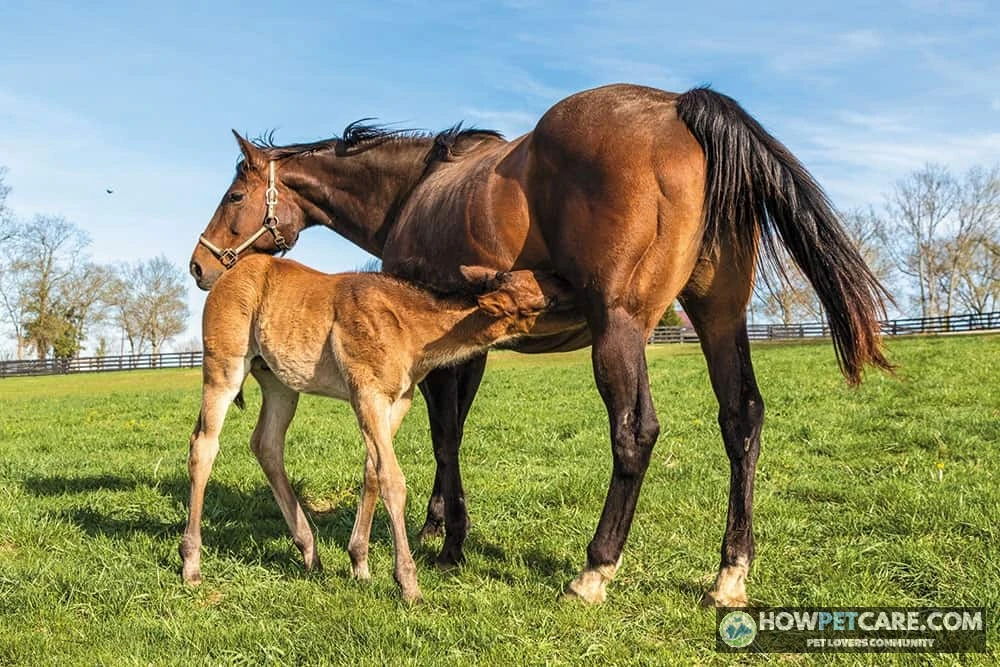

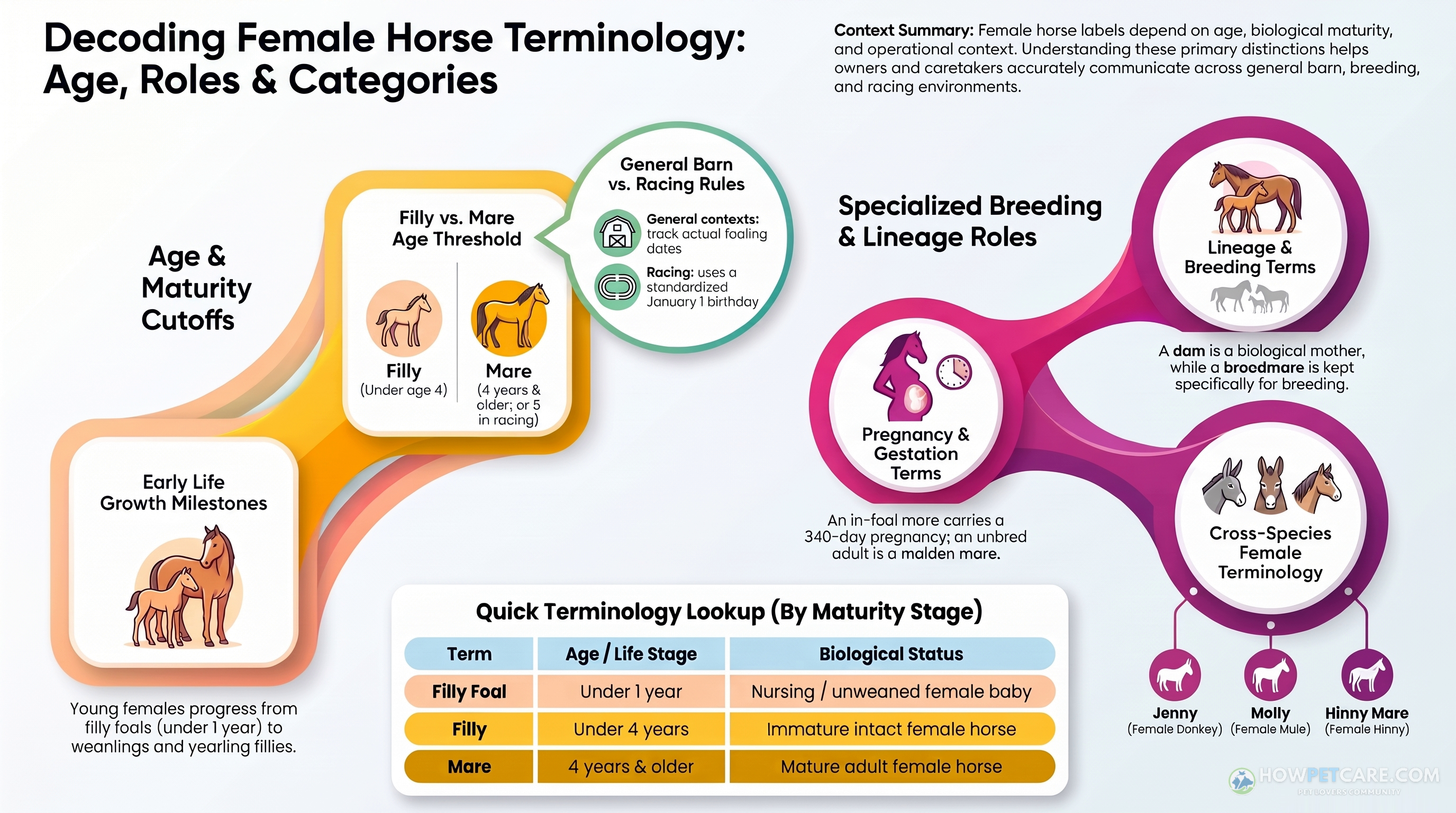
An adult female horse is called a mare. A young female horse under four years old is called a filly, and a baby female under one year is a filly foal. In breeding contexts she may be called a broodmare or dam. Under Jockey Club racing rules, a female becomes a mare at age five.
An adult female horse is called a mare. If she is young—typically under four years of age—she is called a filly. People unfamiliar with horses sometimes assume "horse" means a female animal, yet "horse" is a sex-neutral species name that covers males and females alike.
Learning horse terminology does not mean memorizing an entire equine dictionary. Most everyday labels depend on three details: the horse’s age, biological sex, and whether she is being used for horse breeding. In general barn talk across the United States, a young female moves from filly to mare on her fourth birthday. Specialized settings like Thoroughbred racing use slightly different age cutoffs, classifying females as fillies through age four and recognizing them as mares only once they turn five.
For a barn visit, a veterinary record, a crossword clue, or a new pet’s name, the tables and breakdowns below map out every female horse term clearly and quickly.
Female Horse Terms at a Glance: Age, Sex, and Breeding Status
To find the right label for any equine, start with age. Note breeding status if it applies, then check the male counterpart for context.
| Term | Sex | Typical age or stage | Breeding or use status | Notes and male counterpart |
|---|---|---|---|---|
| Foal | Either | Birth to ~1 year | Nursing / unweaned | Neutral baby term; "filly foal" if female, "colt foal" if male |
| Weanling | Either | Weaned, under 1 year | Separated from mother | A weaned female horse is a weanling filly |
| Yearling | Either | 1 to 2 years | Immature | A female between ages 1 and 2 is a yearling filly |
| Filly | Female | Under 4 (under 5 in Jockey Club racing) | Immature / growing | Young intact female; male counterpart is a colt |
| Mare | Female | 4 and older (5+ in Jockey Club racing) | Mature, any discipline | Adult female; male counterpart is a stallion (intact) or gelding (castrated) |
| Broodmare | Female | Adult | Kept specifically for breeding | Producing foals; breeding counterpart is a breeding stallion or stud |
| Maiden mare | Female | Adult | Never bred or foaled | In breeding, an unbred female; contrast with racing "maiden" (unraced/non-winner) |
| Dam | Female | Adult | Mother of a specific horse | Female lineage term on registration papers; male counterpart is sire |
| Sire | Male | Adult | Father of a specific horse | Male lineage term on pedigree papers |
| In-foal mare | Female | Adult | Confirmed pregnant | Gestation lasts roughly 340 days; male counterpart: N/A |
| Racemare | Female | 5 and older (racing rules) | Actively competing in races | Female runner aged 5+; female runners under 5 appear as fillies |
| Colt | Male | Under 4 | Immature intact male | Female counterpart is a filly |
| Stallion | Male | 4 and older | Mature intact male | Female counterpart is a mare |
| Gelding | Male | Any age | Castrated male horse | No biological female counterpart |
Cross-Species Equine Counterparts
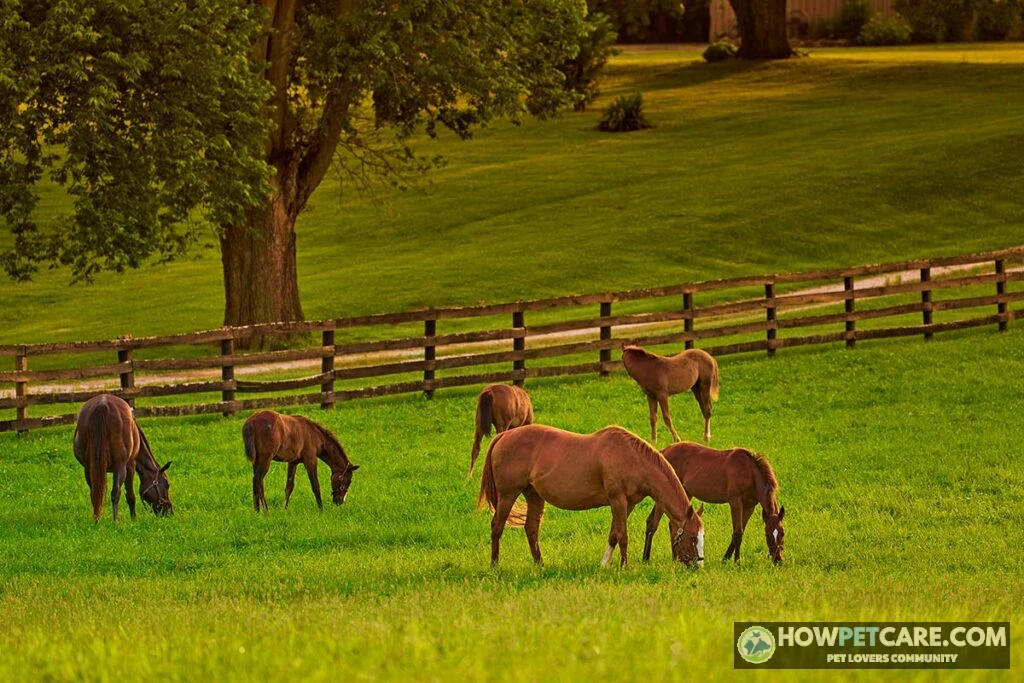
Related equines share similar naming structures, though some species feature their own traditional labels:
| Animal | Female term | Male term | Young term | Notes |
|---|---|---|---|---|
| Horse | Mare | Stallion / Gelding | Foal (Filly / Colt) | Standard equine terminology across domestic breeds |
| Donkey | Jenny (or Jennet) | Jack | Donkey foal | Jennies carry foals for roughly 12 months |
| Mule | Molly (or Molly mule) | John (or John mule) | Mule foal | Offspring of a male donkey (jack) and female horse (mare) |
| Hinny | Hinny mare | Hinny stallion / gelding | Hinny foal | Offspring of a male horse (stallion) and female donkey (jenny) |
| Pony | Pony mare | Pony stallion / gelding | Pony foal | Ponies stand 14.2 hands (58 inches) or under at the withers |
| Zebra | Zebra mare | Zebra stallion | Zebra foal | Wild equids use the same basic terms as horses |
Mare vs. Filly: When Does a Filly Become a Mare?
The difference between a mare and a filly comes down to biological and physical maturity. In standard equestrian usage, a female horse remains a filly from birth until her fourth birthday, at which point she becomes a mare.
In everyday barn talk, horse shows, and sport horse registries, a filly becomes a mare at age 4. In official Thoroughbred racing overseen by organizations such as The Jockey Club, she remains a filly through age 4 and officially becomes a mare at age 5.
Using these terms correctly in conversation is simple:
- Correct: "That two-year-old filly showed excellent ground manners during grooming today."
- Correct: "Our seven-year-old mare cleared the jumping course cleanly."
- Incorrect: "The adult filly was grazing out in the north pasture."
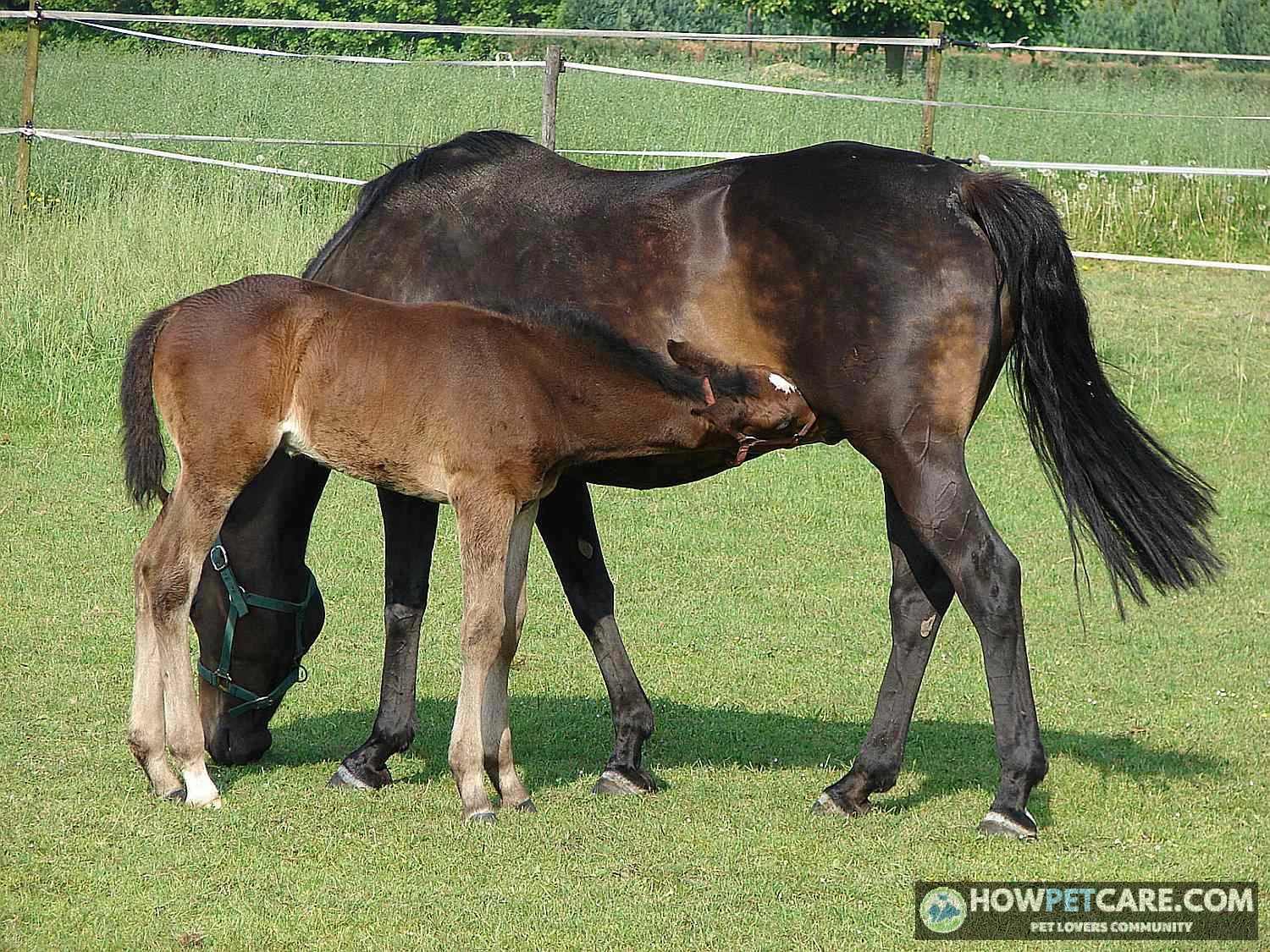
Baby female horse: foal to weanling to yearling
A baby female horse passes through early growth milestones during her first two years of life:
- Foal / Filly Foal: Any horse under one year of age is a foal. Call her a "filly foal" to specify sex right away. Healthy newborn foals typically stand on their feet within 1 hour after birth and begin nursing within 2 hours. At birth, a foal already measures about 60% of her adult height, though how much a horse weighs at maturity varies widely by breed. Natural equine sex ratios show that female foals account for roughly 58% of live births.
- Weanling Filly: Once a young female is separated from her dam and no longer relies on mare’s milk (typically between four and seven months of age), she is described as a weanling.
- Yearling Filly: On the first anniversary of her birth, the young female becomes a yearling. Between the ages of 12 and 24 months, she continues developing skeletal structure and muscle, remaining classified as a yearling filly until she turns two.
Regional and barnyard usage differences
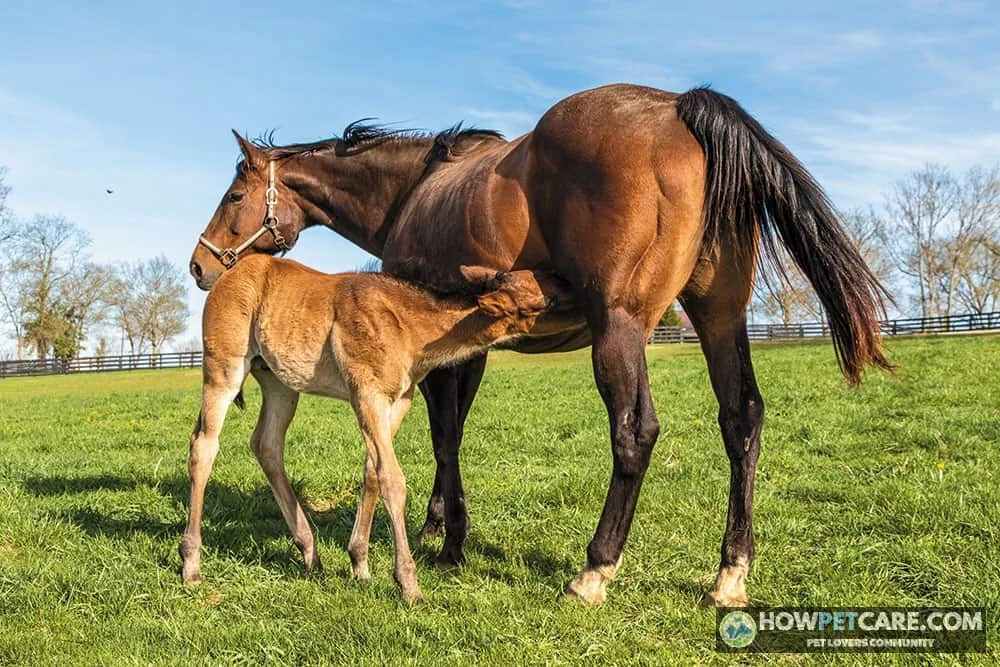
While the four-year cutoff is accepted across the American horse community, local and operational customs introduce minor variations. In certain British and European sport horse venues, horses may occasionally be classified by their competition divisions rather than strict birth years. Barn talk also shifts with practice. If a young three-year-old female is bred and gives birth to a foal early, horse handlers often refer to her informally as a mare because she has entered motherhood. In the opposite direction, an unmatured four-year-old who has not yet joined a formal training string might still be casually called a filly by her breeder until she begins her ridden career. Legal contracts, registration certificates, and sales listings still rely on the chronological boundary of age four.
Mare Terms for Breeding: Broodmare, Dam, Maiden Mare, and In Foal
When a female horse enters horse breeding, specialized terms describe her reproductive status and maternal lineage:
- Broodmare: An adult female horse kept primarily or exclusively for breeding foals. Elite bloodlines command high commercial value; for example, the high-profile broodmare Gorgeous Noora brought over $10,000,000 at public auction in 2022.
- Dam: The biological mother of a horse, designated on registration certificates and sale catalogs opposite the "sire" (the father).
- Maiden mare: An adult female horse that has never been bred or carried a foal. (Note that in horse racing, "maiden" has an unrelated meaning: a horse of either sex that has not yet won a race.)
- In foal: A confirmed pregnant mare. An average equine pregnancy lasts approximately 340 days (roughly 11 months, with normal deliveries ranging from 320 to 370 days).
- Foaling: The physical act of a mare giving birth to a foal.
- Foal at foot: A mare accompanied by her unweaned, nursing foal.
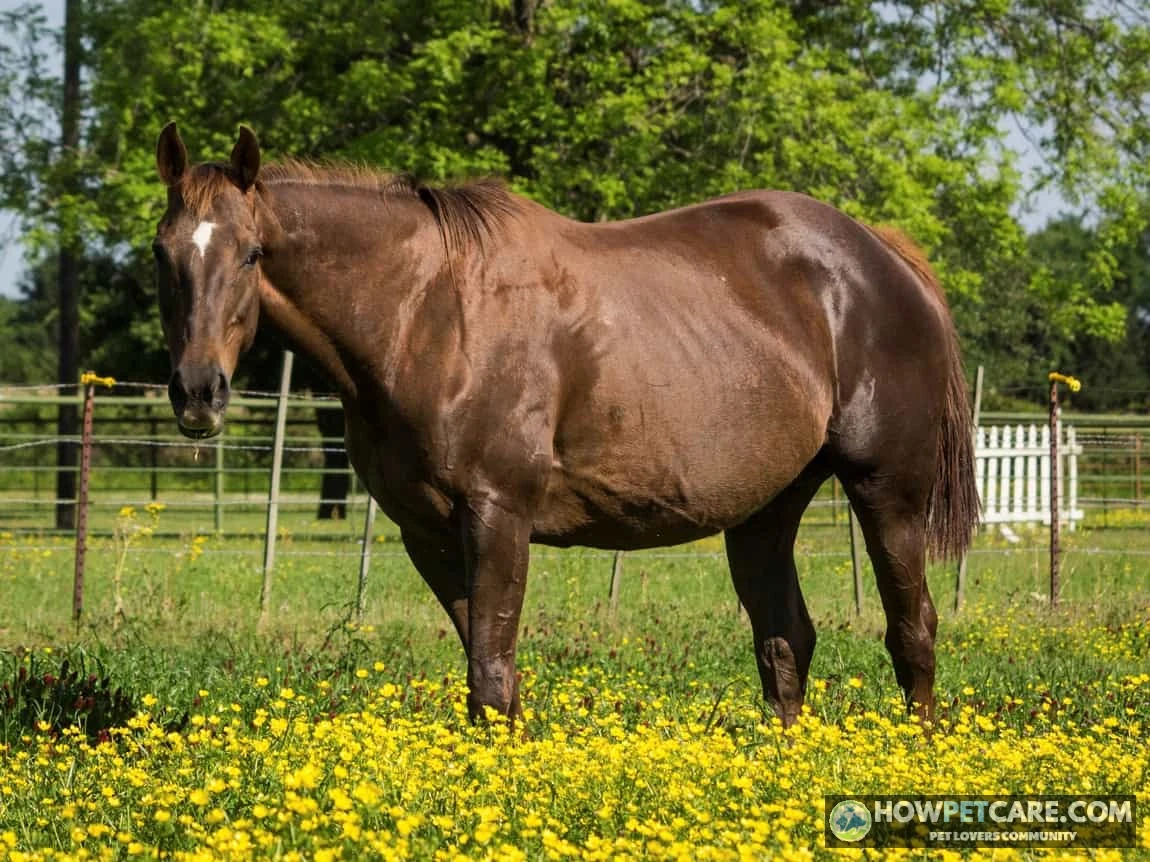
A mare’s reproductive behavior is shaped by her estrous cycle. Mares are seasonally polyestrous, meaning they cycle repeatedly every 21 days during the longer daylight hours of spring and summer. When a mare enters her receptive phase, horse owners describe her as being "in season" or in estrus. In wild bands, a mature lead mare—often called the dominant mare—directs the herd’s daily travel between water sources and grazing grounds, a behavior independent of maternal duties.
Mare vs. Stallion vs. Gelding vs. Colt: Male Terms Compared
Telling female horses apart from male counterparts depends on understanding male reproductive status:
- Stallion: An adult, intact (uncastrated) male horse aged four or older. Stallions produce testosterone, requiring skilled, experienced handling due to their strong breeding instincts and protective nature.
- Gelding: A castrated male horse of any age. Because geldings lack reproductive hormones, they generally exhibit predictable, steady temperaments across changing seasons.
- Colt: A young, intact male horse under the age of four. A colt is the direct male counterpart to a filly.
- Sire: The male parent of a horse, credited on pedigree records alongside the dam.
EQUINE GENDER & MATURITY MATRIX

           IMMATURE (< 4 Years)      ADULT (4+ Years)
FEMALE:    Filly                     Mare (Broodmare / Dam)
MALE:      Colt (Intact)             Stallion (Intact) / Gelding (Castrated)
Mare or gelding for a beginner rider?
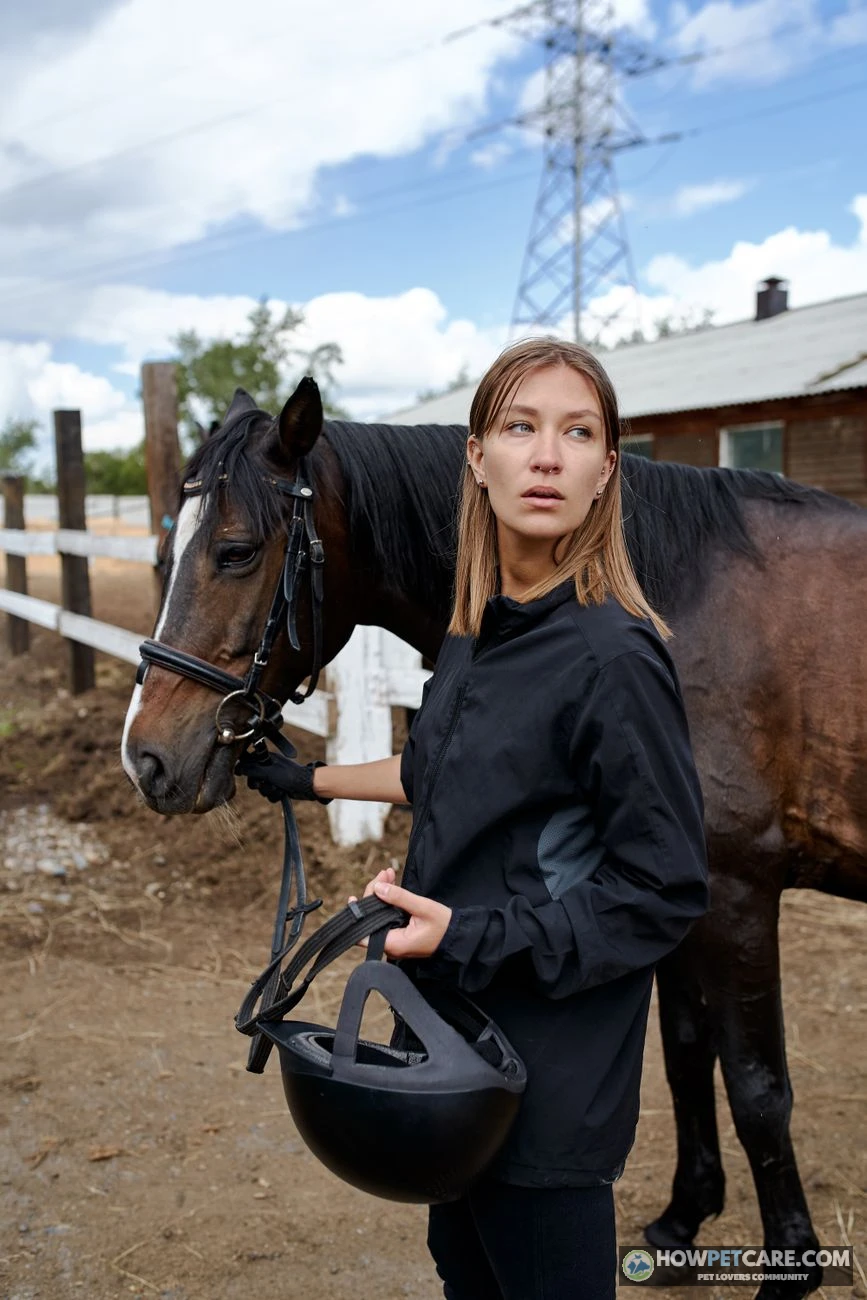
Equine circles frequently debate whether a mare or a gelding makes a safer mount for a beginner rider. Folk wisdom often warns against "moody mares," claiming that regular 21-day heat cycles make them temperamental or uncooperative. Scientific evaluations of equine behavior show that an individual horse’s temperament depends far more on early training, socialization, handling history, and overall health than on biological sex.
An in-season mare may show small distractions or extra sensitivity around her flanks, yet many mares are gentle, forgiving teachers for novice riders. Geldings do not experience seasonal heat cycles, but a poorly trained gelding can pose equal challenges. A beginner should prioritize an individual animal’s proven ground manners, level of training, and calm disposition over whether the horse is a mare or a gelding.
How to Tell if a Horse Is Male or Female
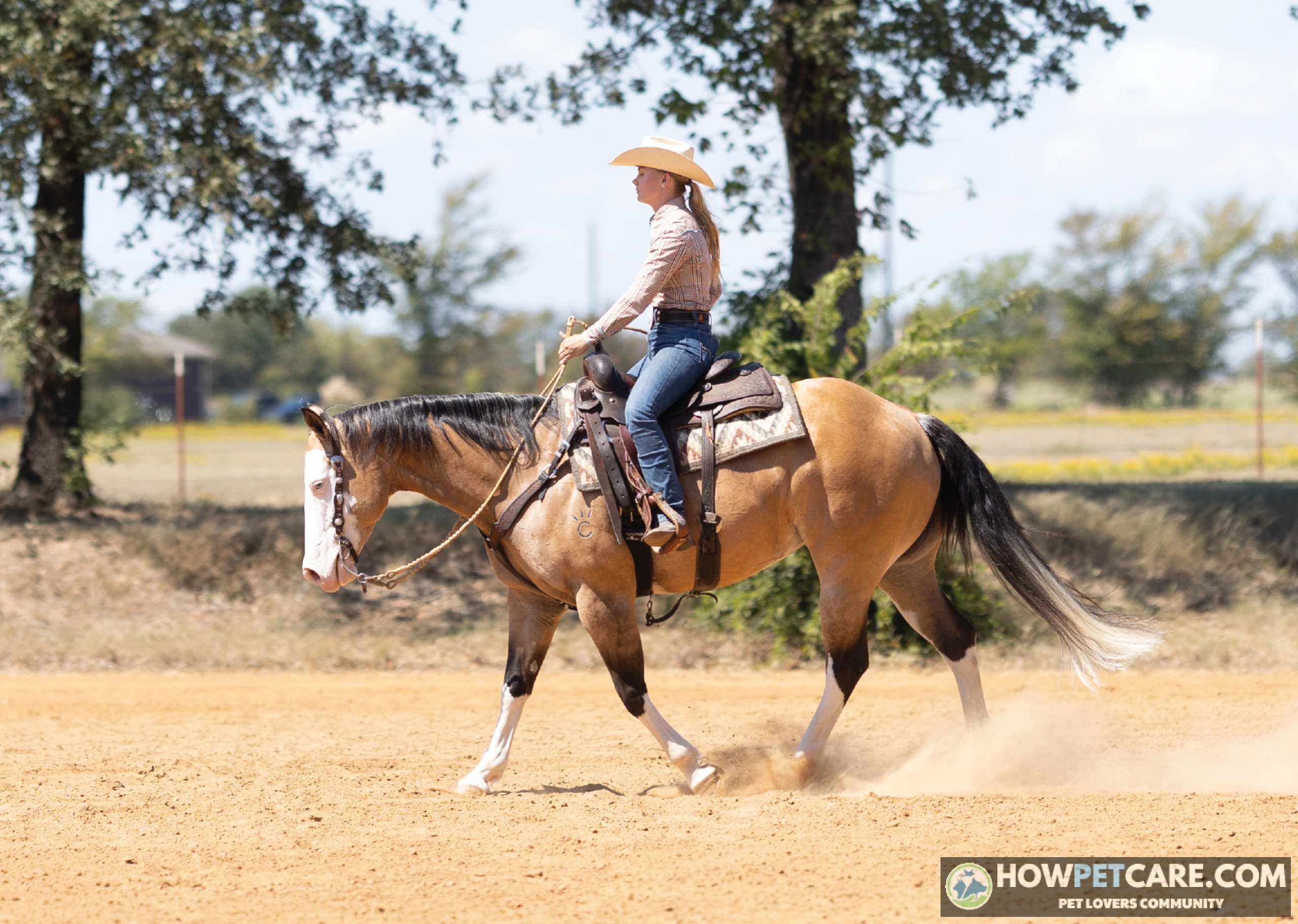
Coat color, height, facial features, and mane length cannot reveal an equine’s sex. To determine whether a horse is male or female, check external equine anatomy.
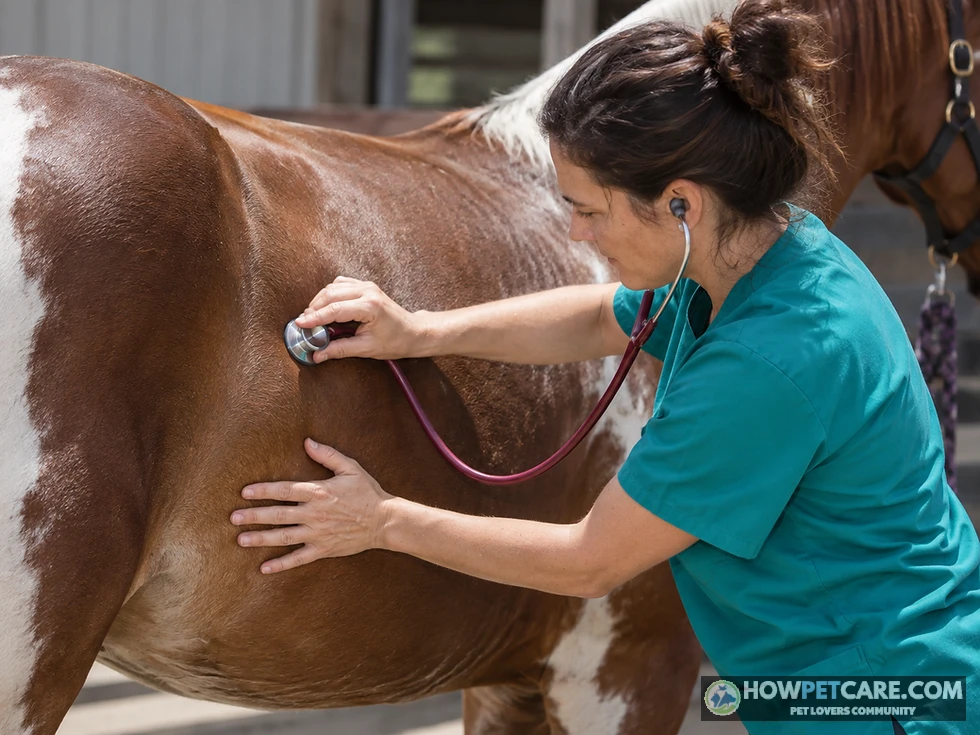
Never walk directly behind a horse’s hindquarters to inspect anatomy. Horses have blind spots immediately behind the tail, and an unexpected touch can trigger a defensive kick. Stand safely alongside the horse’s flank, keep one hand on the animal’s hip so she knows your position, and have an experienced handler hold the lead rope.
Step-by-step visual checklist
Use this safe sequence to confirm a horse’s sex without putting yourself in danger:
-
Check the underline along the belly
Stand beside the horse’s barrel near the flank. Look along the midline of the belly just in front of the hind legs. A skin pouch called the prepuce or sheath means the horse is male (a stallion or gelding). A smooth, bare underline leading into the groin means the horse is female.
-
Inspect the area between the hind legs
From your safe position beside the flank, look at the space between the upper thighs. A male horse has either an external scrotum containing two testicles (in an intact stallion) or small remnant scrotal skin sacs (in a gelding). A female horse has no sheath; instead, she has an udder with two distinct teats tucked cleanly between her hind legs.
-
Observe beneath the base of the tail
Have your handler gently lift or turn the tail slightly to one side while you stand beside the hip. A mare has an external reproductive opening—the vulva—directly beneath the anus. A male horse has only the anus beneath the tail, with no second opening.
-
Observe urination posture
If you prefer to inspect from a distance, watch how the horse urinates. A mare usually squats slightly, raises her tail, and spreads her hind feet apart. A stallion or gelding stretches his front and back legs out, letting his penis down from the sheath along the belly line.
When to ask the owner or a vet
In most mature riding horses, visual identification takes only a few seconds. Certain situations still create legitimate confusion. Young weanlings have immature external structures that can be difficult for beginners to identify from a safe distance. Overweight geldings can develop fat deposits in the inguinal area that resemble small udders. Cryptorchid horses—stallions whose testicles have failed to descend properly into the scrotum—can be mistaken for geldings.
If you are uncertain, never crouch underneath the belly or reach blindly between the hind legs. Check the horse’s official registration certificate, passport, or coggins test paperwork, or ask the facility barn manager or an equine veterinarian to verify the animal’s sex safely.
Racing Rules: Jockey Club Age Boundary, January 1 Birthdays, and Racemares
Thoroughbred and Standardbred racing operates under a specialized regulatory framework that diverges from backyard and sport horse terminology. Under The Jockey Club and international turf rules, the calendar dictates maturity rather than an individual horse’s birth certificate.
| Context | Filly age | Mare age | Birthday rule | Primary focus |
|---|---|---|---|---|
| General Equestrian / Barn | Birth through age 3 | 4 years and older | Actual foaling date | Individual biological maturity |
| Jockey Club Racing | Birth through age 4 | 5 years and older | January 1 (Northern Hemisphere) | Standardized conditions for race eligibility |
| Southern Hemisphere Racing | Birth through age 4 | 5 years and older | August 1 | Standardized seasonal racing schedule |
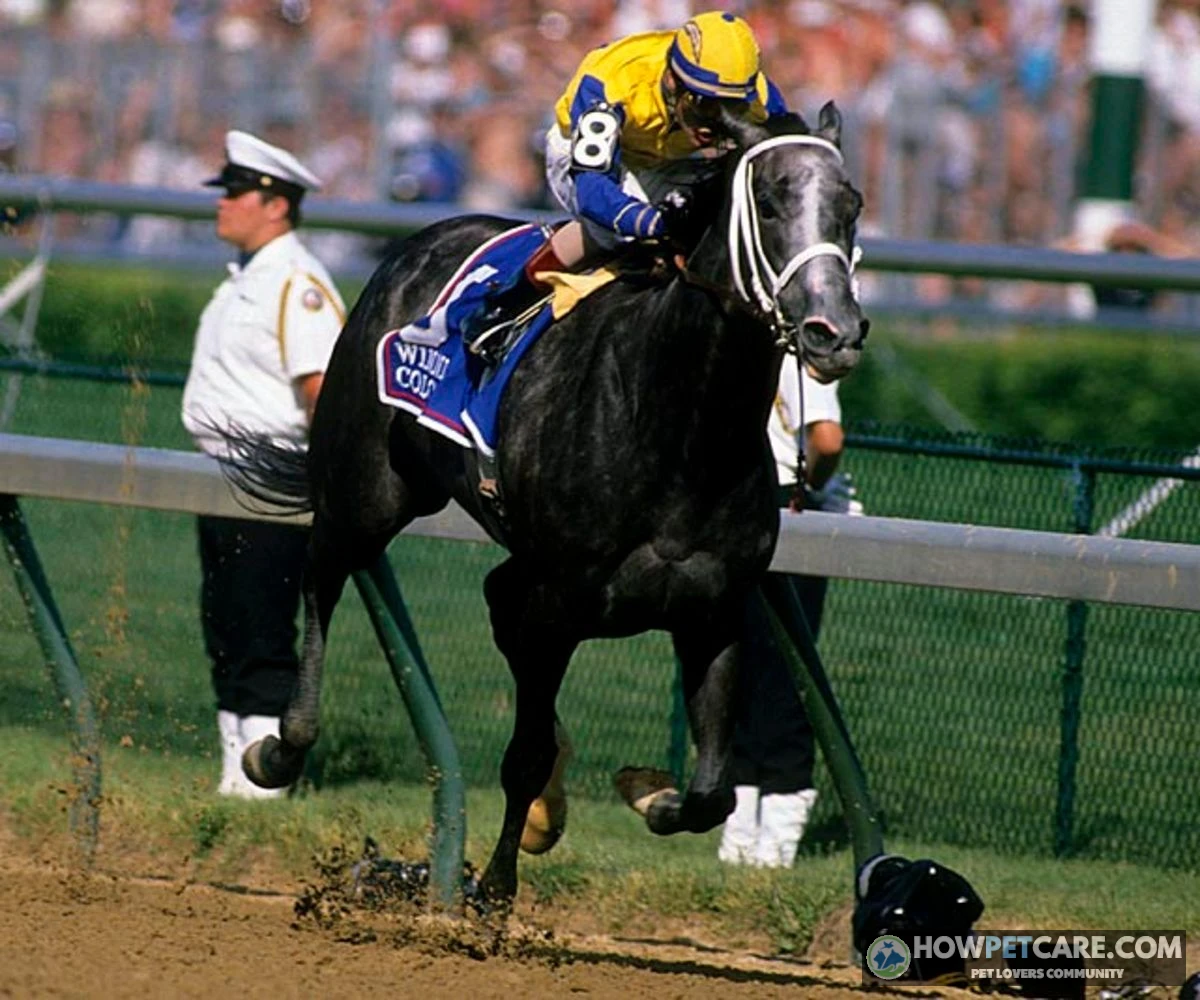
Under Jockey Club rules, every horse foaled in the Northern Hemisphere shares an official birthday on January 1, regardless of the month they were actually born. A female racehorse remains classified on the racecard as a filly throughout her two-year-old, three-year-old, and four-year-old racing campaigns. She is not officially a racemare until January 1 of her five-year-old year.
Can a mare race?
Yes, mares can and do race actively. Fillies and mares compete in dedicated restricted stakes races—such as the Kentucky Oaks for three-year-old fillies or the Breeders’ Cup Distaff for older fillies and mares—and they also compete directly against colts, geldings, and stallions in open company. Historic racemares such as Zenyatta and Rachel Alexandra won championship titles running against the fastest male horses in North America.
Why a December foal is at a disadvantage
Because all racehorses advance one year in age on January 1, the timing of a foal’s birth carries sporting and financial consequences:
- Filly A is foaled on February 15, 2023.
- Filly B is foaled on December 25, 2023.
On January 1, 2024, both horses officially turn one year old on paper. Filly A is ten and a half months old in real chronological age, with substantial bone density and muscular growth. Filly B is only one week old, yet racing rules treat her as a yearling. When two-year-old race meets begin in 2025, Filly B would be forced to race against competitors who have had almost an entire extra year of physical growth. For this reason, commercial breeders manage breeding schedules to ensure mares foal between February and May, strictly avoiding late autumn and December deliveries.
Between her fourth actual birthday and January 1 of her five-year-old racing season, a female Thoroughbred holds two labels: she is called a mare by her barn grooms, yet she remains entered as a filly in the official track program. Both designations are technically accurate within their respective contexts.
Female Horse Names, Spanish Translation, Pronunciation, and Crossword Clues
Outside basic biological terminology, horse enthusiasts and language learners often look for pronunciation guides, foreign translations, and naming inspiration for female equines.
Yegua and other translations
In the Spanish language, an adult female horse is called a yegua (pronounced roughly YEH-gwah). A young female horse or filly is translated as a potra (or potranca in several Latin American regions).
For standard English pronunciation:
- Mare is a single syllable rhyming with "air" or "care" (/mɛər/).
- Filly is pronounced as two syllables: FILL-ee (/ˈfɪli/).
These terms appear often in word games and puzzle publishing:
- 4-letter answer for "female horse": MARE
- 5-letter answer for "young female horse": FILLY
- 3-letter answer for "mother horse": DAM
- 5-letter answer for "Spanish mare": YEGUA
Etymologically, "mare" traces back through Middle English mere to the Old English mīere, the feminine derivative of mearh (meaning horse). The term "filly" originates from Old Norse fylja, meaning a young female foal.
Female horse names by style
Selecting a barn name for a mare often reflects her temperament, color, athletic presence, or heritage. Below is an organized bank of 31 popular female horse names:
| Style | Name ideas |
|---|---|
| Classic | Bella, Daisy, Rosie, Lady, Ginger, Star |
| Elegant | Duchess, Arabella, Seraphina, Guinevere, Celeste, Odette |
| Strong & Mythological | Athena, Xena, Freya, Valkyrie, Storm, Raven, Onyx |
| Sweet & Gentle | Peanut, Cookie, Pixie, Maple, Buttercup, Clover |
| Western & Adventure | Sadie, Bonnie, Abigail, Calamity, Tumbleweed, Sierra |
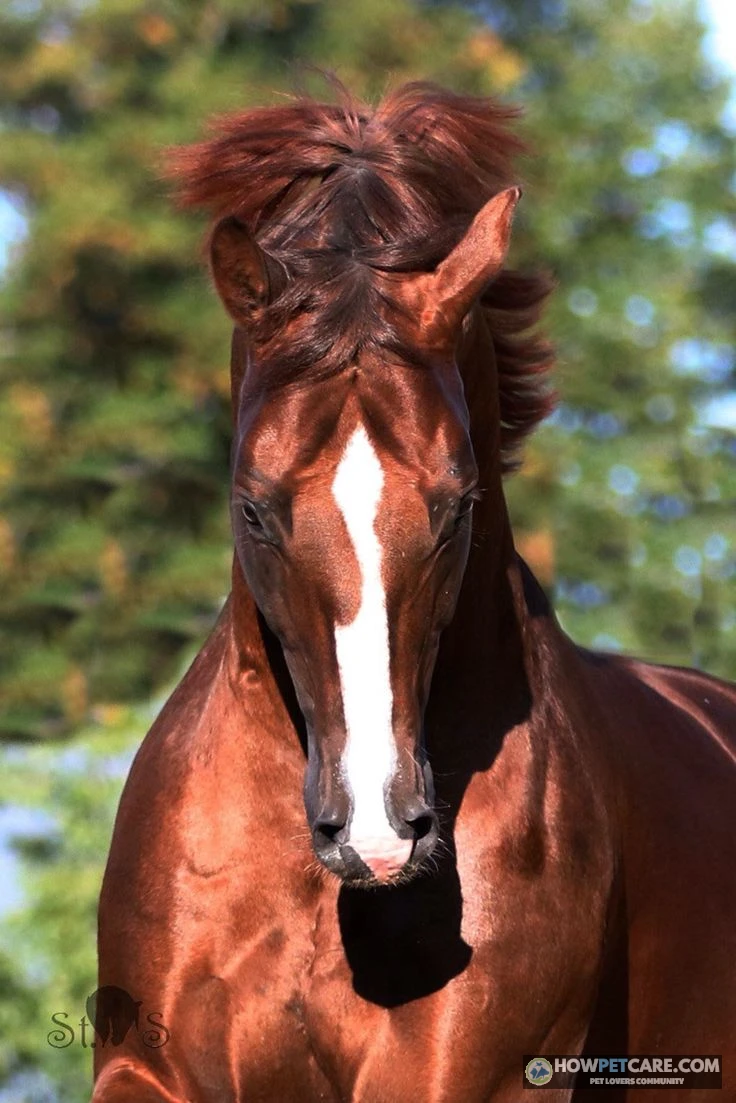
Barn horses learn short, distinct vocal cues quickly, so one- or two-syllable names like "Daisy" or "Freya" work best during daily handling. If naming a registered show horse or Thoroughbred, registry bodies such as The Jockey Club enforce strict constraints, including an 18-character limit and restrictions against reusing famous historic names.
Female Terms for Donkeys, Mules, Ponies, and Zebras
Equine terminology extends across the entire Equidae family, but different species and hybrid crosses carry unique designations:
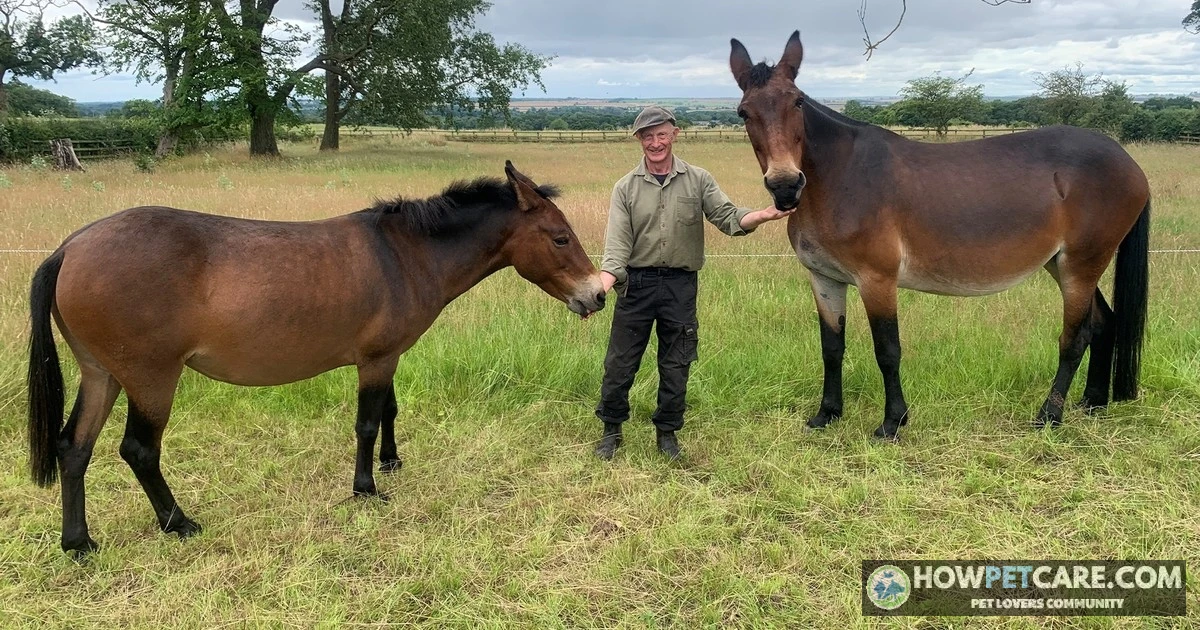
- Donkey (Burro): A female donkey is properly called a jenny (or historically, a jennet). The male donkey is called a jack. When breeding donkeys, a jenny carries her pregnancy for approximately 12 months, slightly longer than the 340-day equine gestation period.
- Mule: A mule is the hybrid offspring of a male donkey (jack) and a female horse (mare). A female mule is known universally as a molly (or molly mule). A male mule is called a john mule. Because mules have different chromosome counts inherited from their parents, almost all mollies are sterile.
- Hinny: A hinny is the reverse hybrid cross—produced by breeding a male horse (stallion) to a female donkey (jenny). A female hinny is called a hinny mare.
- Pony: A pony is a distinct category of horse defined strictly by mature height (standing 14.2 hands / 58 inches or shorter at the withers). A female pony is still called a filly if young and a mare once mature. "Pony" describes stature, never sex.
- Zebra: Wild zebras share horse nomenclature; an adult female zebra is called a mare, the male is a stallion, and a baby is a foal.
Quick Decision Guide: Which Term to Use in Any Situation
When drafting a sales advertisement, reviewing a veterinary sheet, or talking with a stable manager, use this quick framework to select the correct label immediately:
- Sex: Check whether the equine is female. If yes, eliminate male terms (colt, gelding, stallion, jack, sire).
- Age: If she is under four years old, use filly. If she is four or older, use mare. (Shift the boundary to age five if reading a racing program.)
- Role: If she is actively used for breeding, refer to her as a broodmare. If she is the mother of a specific foal, use dam. If she has never been bred, she is a maiden mare. If she is carrying a pregnancy, she is in foal.
QUICK EQUINE VOCABULARY CHEAT SHEET

- Barn / Pasture:    "Mare" (4+ years) or "Filly" (< 4 years)
- Pedigree / Papers: "Dam" (Mother) paired with "Sire" (Father)
- Breeding Shed:     "Broodmare" (Breeder) / "Maiden Mare" (Unbred) / "In Foal" (Pregnant)
- Track Program:     "Filly" (Ages 2 to 4) / "Racemare" (Age 5+)
Common Equine Vocabulary Pitfalls
To use terms accurately with horse professionals, keep these five common terminology mistakes in mind:
- Assuming "horse" implies male: The word "horse" is species-wide. Never assume an unidentified horse is male; ask if the horse is a mare, gelding, or stallion.
- Calling any young horse a filly: A filly is exclusively a young female horse under age four. A generic baby is a foal, and a young male is a colt.
- Confusing breeding maiden with racing maiden: A maiden mare in a breeding barn has never carried a pregnancy. A maiden horse at a racetrack is simply an animal of any sex that has not yet won an official race.
- Calling a gelding a stallion: Geldings have been surgically castrated, while stallions remain reproductively intact. Confusing the two misrepresents the horse’s management needs.
- Believing mares cannot race: Mares and fillies have regularly defeated male horses at the highest levels of global racing.
Look at the horse in front of you. Her age, anatomy, and operational role point to the right equine term.
FAQ
Is a horse female by default?
No. ‘Horse’ is a sex-neutral species term, and it can refer to a male or female. It can also mean specifically an adult male in some contexts, so use mare, stallion, or gelding when sex matters.
What is a female horse called after age 4?
She is called a mare. Under Jockey Club racing rules, a female Thoroughbred becomes a mare at age 5 instead.
What is a female horse called in Spanish?
A female horse is a ‘yegua’ in Spanish. A young female is often called a ‘potra’ in many regions.
Can a mare race?
Yes. Mares race in many disciplines, including Thoroughbred racing, often in mare-only or open races depending on the event.
Is a mare or a gelding better for a beginner?
Neither sex is automatically better. A well-trained, calm, experienced horse suits a beginner best, and many first-time riders do well with either a mare or a gelding.
What is a female donkey called?
A female donkey is a jenny, sometimes called a jennet. The male is called a jack.