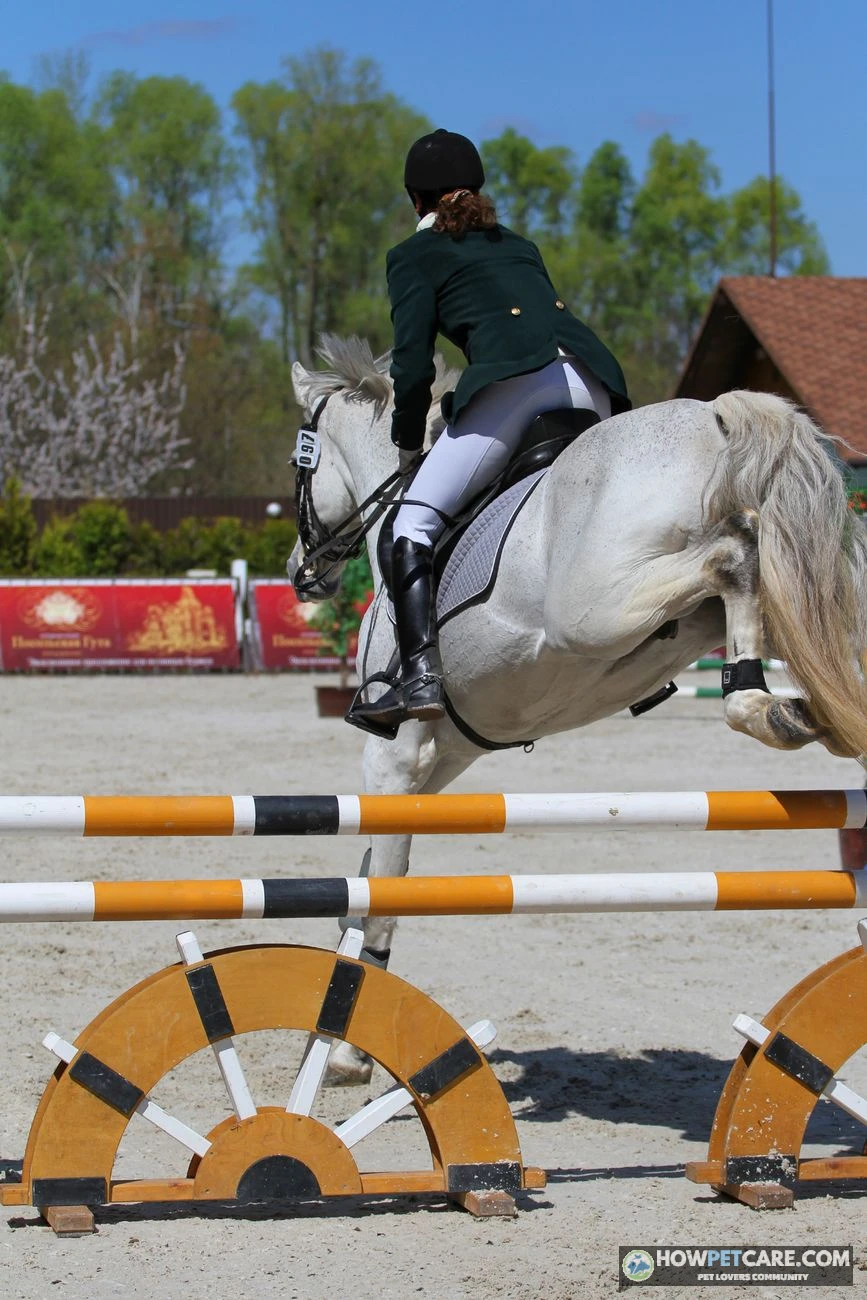

A Holsteiner horse is a German warmblood breed from Schleswig-Holstein, developed primarily for show jumping. Typically standing 16–17 hands with a powerful, athletic build, Holsteiners suit experienced riders best—though a proven, well-schooled individual can work for amateurs with trainer support.
Holsteiner Horse at a Glance: Quick Facts and Who It Suits
A Holsteiner horse is a German warmblood from Schleswig-Holstein, bred as a sport horse with a particular emphasis on show jumping. Riders looking for an athletic jumping partner may want to consider the breed. For beginners, the honest answer is usually no, although suitability depends far more on the individual horse’s training and experience than on its pedigree.
| Attribute | Typical picture | What to check |
|---|---|---|
| Origin | Schleswig-Holstein, northern Germany | Confirm the horse’s registry, not just its advertised type. |
| Height | Roughly 16–17 hands; individuals can fall outside this range | Choose a height and build you can handle comfortably on the ground and under saddle. |
| Weight | About 1,300 pounds on average; reported ranges extend from roughly 990 to 1,760 pounds | Condition, height, age, and muscle affect an individual horse’s weight. |
| Colors | Bay, brown, black, chestnut, and gray are seen; loud pinto patterns are uncommon. | Check registration rules with the relevant registry rather than judging eligibility by color alone. |
| Lifespan | Often into the 20s, depending on health and management | Budget for care beyond the horse’s competition years. |
| Main disciplines | Show jumping; some compete in eventing, dressage, and driving. | A successful sport pedigree does not guarantee suitability for your discipline. |
| Temperament | Often described as intelligent, willing, and sensitive, with considerable individual variation | Observe the horse in several situations and ask who normally rides it. |
A seasoned Holsteiner with a suitable record can make a good amateur partner. A young, reactive prospect with substantial jumping potential may need an experienced professional. The sections below cover how to tell the difference, compare other warmbloods, and plan for health checks and ownership costs.
Origin and History: From Schleswig-Holstein Monasteries to the Verband and AHHA
The Holsteiner developed in Schleswig-Holstein, where horses were bred in the region’s marshlands. Early accounts link the breed to Uetersen Monastery and a 1225 grant of grazing rights. Over time, these horses served agricultural, carriage, and military needs. Breeding later shifted toward the lighter, athletic sport horse seen today.
That change brought in outside blood, including Thoroughbreds. Ladykiller xx was an influential Thoroughbred sire. Cor de la Bryère, a French-bred Selle Français stallion with Thoroughbred ancestry, also helped shape the modern Holsteiner. Both names still appear in many sport-horse pedigrees.
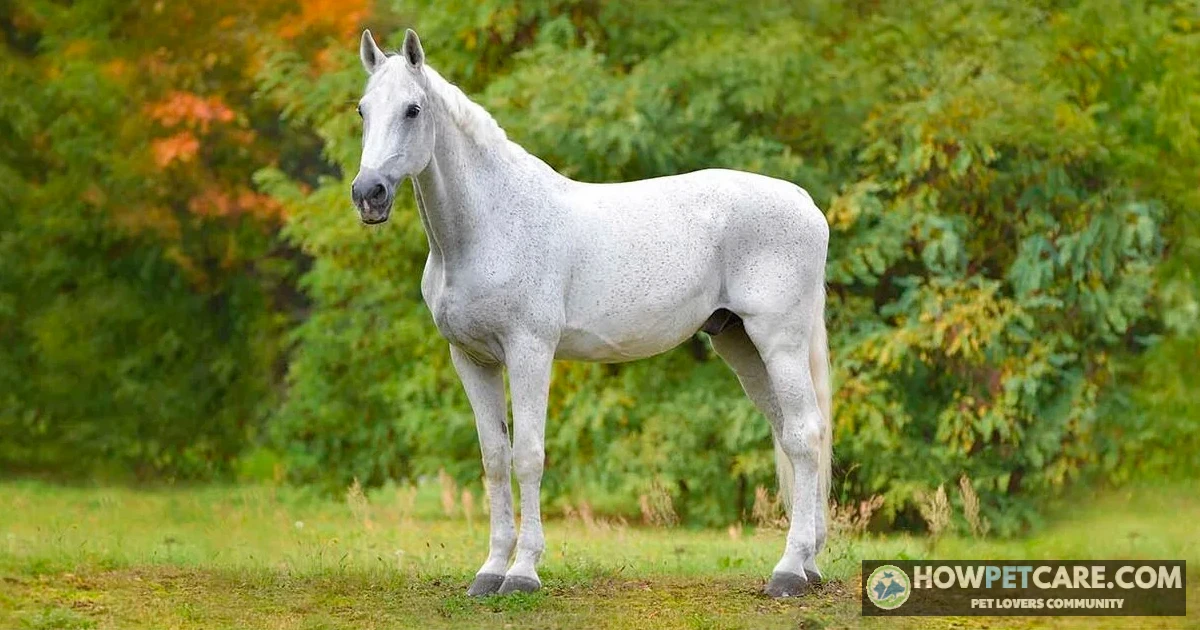
Common origin errors to ignore
The Holsteiner and Hanoverian are separate breeds. Both are German warmbloods, but their histories and breeding organizations differ. Be wary of a profile that describes Hanoverian origins while calling the horse a Holsteiner; it may have reused text from another breed page.
How the studbook defines a Holsteiner today
A warmblood is a sport-horse breeding population, not a guarantee of a particular temperament. In Germany, the Holsteiner Verband runs a breeding program and studbook, with rules for eligibility, inspections, and breeding approval. Outside blood may be accepted under registry rules, so a horse’s appearance or famous ancestor alone doesn’t establish that it’s registered.
In North America, the American Holsteiner Horse Association, or AHHA, is a useful contact for questions about registration and inspections. Ask the relevant organization which book or section applies to a particular horse. Breeding approval, a passport, and competition registration are different documents. Requirements can change, so confirm eligibility directly before making a breeding or purchase decision.
 You might be wonderingFriesian horseFriesian Horse Buyer’s Guide: Price, Care & OwnershipRead the answer
Holsteiner Temperament, Conformation, and Jumping Ability: What Riders Should Expect
Temperament and personality: tendencies, not guarantees
Holsteiners are often described as intelligent and willing, but individual horses range from quiet and forgiving to sensitive and energetic. A forward horse may respond readily to a light leg aid, yet react to an unsteady seat or inconsistent contact. Training, handling, turnout, fitness, pain, and rider experience all shape the horse you meet.
Ask the seller how the horse behaves after a day off, at an unfamiliar venue, during turnout and handling, and with someone other than its regular professional in the saddle. A clear account of the horse’s routine is more useful than a label like “brave” or “amateur friendly.”
Young warmbloods may need time to mature physically and mentally. A promising youngster can be uneven in its balance or distracted in a new setting without being a poor horse. It may simply be the wrong project for a rider who needs a dependable partner now.
Conformation and movement: what the build predicts
A Holsteiner warmblood may have a strong topline, powerful hindquarters, a well-set neck, and a shoulder that allows freedom of movement. Size and build still vary within the studbook. Conformation can suggest how a horse may use its body, but it can’t establish soundness or prove future performance.
Jumping breeders often value power, technique, and carefulness. A scopey horse appears capable of clearing substantial obstacles; a careful horse tries to avoid touching rails. Bascule describes the arc a horse makes over a fence. None of these qualities, by itself, tells an amateur whether the horse will feel comfortable, confident, or forgiving at their preferred height.
On the flat, a jumper-bred Holsteiner may have an athletic canter and useful balance without the movement a buyer seeks in a dressage-specialist prospect. Assess the actual walk, trot, canter, transitions, and willingness to work—not just a loose-jumping video.
Which Disciplines Fit Best, and Are Holsteiners Good for Beginners or Amateurs?
Show jumping vs eventing vs dressage vs hunters
Show jumping is the breed’s clearest modern selection focus. Look beyond height and scope to assess adjustability, confidence, and how the horse responds when a rider makes a mistake.
Eventing may suit an individual with jumping ability, stamina, and a bold but manageable response across country. Check its conditioning, dressage work, cross-country experience, and competition record. A good stadium jumper isn’t automatically the right cross-country partner.
Hunters and equitation are options for a horse with the right rhythm, movement, consistency, and demeanor. One that jumps impressively but rushes between fences may be a difficult match for these classes.
Dressage is also an option; Holsteiners have competed at high levels in the discipline. Buyers focused on dressage should assess the individual’s gaits, balance, trainability, and record, and compare it with horses from dressage-oriented lines in other studbooks.
Rider-level verdicts: beginner, amateur, junior, returning, professional
Conflicting claims about suitability often describe different horses. A patient schoolmaster and a green, powerful prospect can both be Holsteiners, but they offer very different rides.
| Rider level | Discipline | Suitable horse type | Verdict | What to verify |
|---|---|---|---|---|
| True beginner | Any | Established schoolmaster with a recent lesson record | Usually no; an exceptional individual may suit | Trainer endorsement, handling, and performance with novice riders |
| Intermediate amateur | Jumpers or hunters | Settled, well-schooled horse with an amateur record | Maybe | Trial rides, show behavior, and the amount of professional help needed |
| Intermediate amateur | Eventing | Experienced horse at or below the rider’s target level | Maybe | Cross-country results, fitness, and response in open spaces |
| Amateur | Dressage | Horse with suitable movement and established flatwork | Maybe | Rideability, transitions, soundness, and relevant scores |
| Junior | Jumpers or equitation | Patient, appropriately sized schoolmaster | Maybe, with trainer support | Behavior under pressure and suitability for the rider’s strength and confidence |
| Returning rider | Any | Quiet, experienced horse with a forgiving routine | Maybe | Reaction to a less consistent rider and to time away from work |
| Professional or experienced competitor | Jumpers or eventing | Suitable prospect or proven sport horse | Often yes | Ability, soundness, management needs, and a realistic development plan |
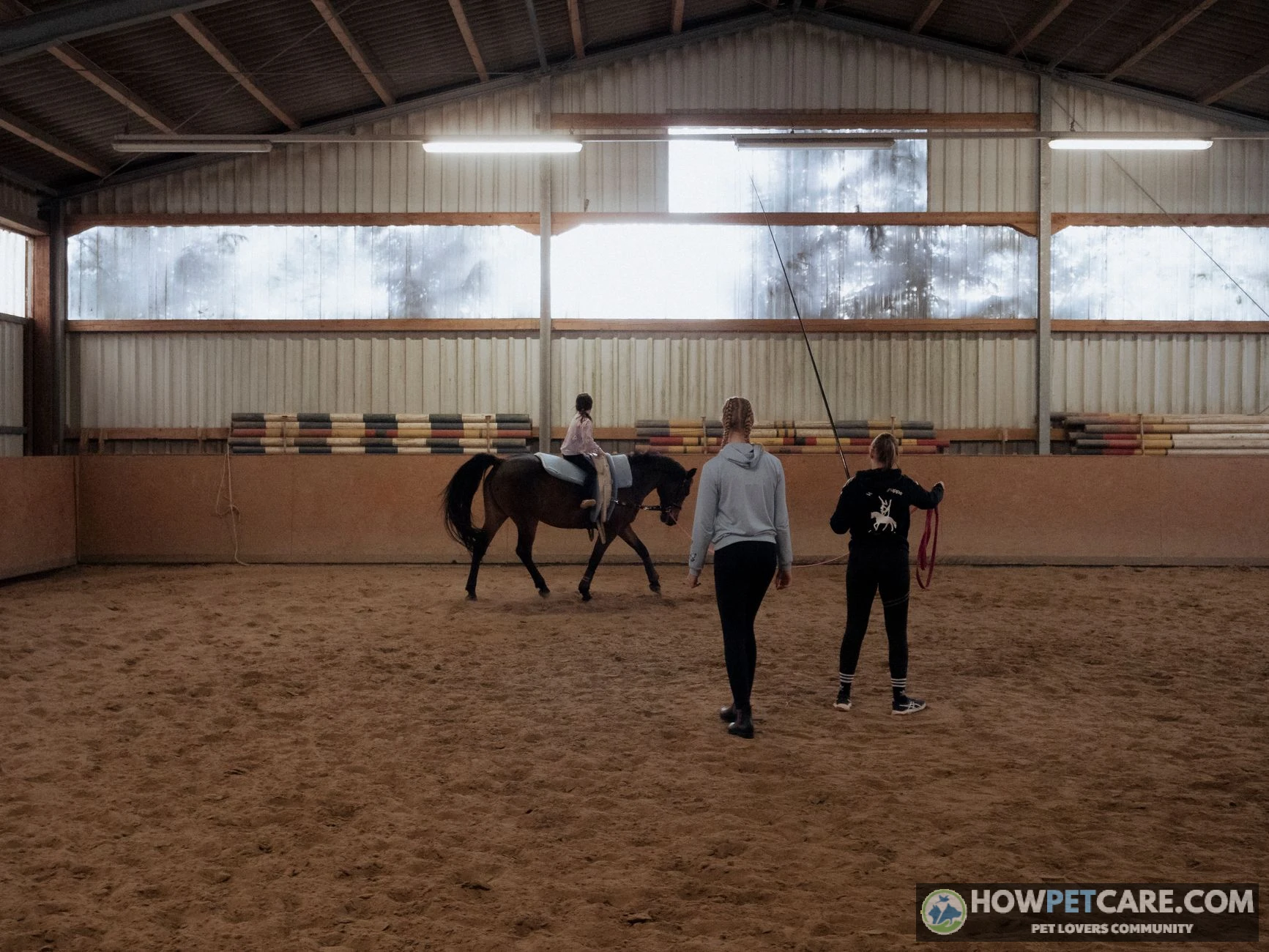
A hot or inexperienced horse isn’t automatically unsuitable for every professional, but it’s a warning sign for a rider looking for a forgiving mount. If possible, arrange a trial, ride on more than one day, and have your trainer assess the horse independently.
A horse that has repeatedly done the job you want with a rider like you offers more relevant evidence than a pedigree or a single impressive jump.
Holsteiner Bloodlines Decoded: Foundation Sires, Stamm Mare Families, and What Pedigrees Predict
Foundation stallions and what their names signal
Holsteiner bloodlines can offer clues about a breeding program’s priorities, but they can’t predict personality or guarantee soundness. Buyers may come across these influential names:
- Ladykiller xx: an influential Thoroughbred sire in the development of the modern sport-horse population.
- Landgraf I: a prominent son of Ladykiller xx whose descendants appear in many jumping pedigrees.
- Cor de la Bryère: an influential French-bred stallion whose descendants are widespread in Holsteiner breeding.
- Capitol I: a major Holsteiner sire associated with influential jumping lines.
- Contender and Corrado I: well-known stallions whose names recur in sport-horse pedigrees.
- Casall: a successful international jumper and influential sire whose record gives buyers another way to investigate descendants.
A sire line follows the male ancestry; the dam line follows the mare’s contribution, including her sire and maternal family. In Holsteiner breeding, a Stamm number identifies a maternal family. It can help a breeder trace related horses and their performance history, but the number doesn’t prove that an individual is sound, suitable, or registered.
The amount and recency of Thoroughbred ancestry can provide pedigree context, but neither reliably measures an individual horse’s “heat.” Look at the horse’s behavior and the records of close relatives. A documented record for the horse itself tells you more than a famous ancestor several generations back.
How to look up a Holsteiner pedigree step by step
- Request the horse’s registered name, lifetime identification number, passport details, and registry papers. Check the microchip and markings against the horse.
- Ask the issuing registry to confirm the sire, dam, registration status, and any available Stamm information. Contact the AHHA or Holsteiner Verband as appropriate.
- Search available registry pedigree resources using the official name and number. Check that the seller’s claimed generations and breeding approvals match the records.
- Check competition results with the relevant national federation or the FEI, using the horse’s confirmed identity. Results provide context, not a complete account of training or health.
- Ask about the dam, siblings, and offspring where records exist. Verify specific claims rather than assuming every relative resembles a successful sire.
Missing papers, inconsistent names, unexplained gaps, or a seller unable to substantiate a claimed sire are reasons to pause. A database entry alone doesn’t replace confirmation from the registry that issued the papers.
Holsteiner vs Hanoverian vs KWPN vs Oldenburg: Which Warmblood Fits Your Goals?
These are broad breeding and marketplace tendencies, not promises about an individual horse. All four populations vary considerably, and sport-horse bloodlines can overlap.
| Breed | Origin and registry | Main sport focus | Temperament tendency | Build and size tendency | Best fit | Buyer caveat |
|---|---|---|---|---|---|---|
| Holsteiner | Schleswig-Holstein; Holsteiner Verband, with AHHA in North America | Especially show jumping; individuals also do other sports | Often sensitive and willing; varies widely | Frequently powerful and athletic; often around 16–17 hands | Rider prioritizing jumping | An athletic prospect is not necessarily an amateur schoolmaster. |
| Hanoverian | Germany; Hanoverian studbook | Both dressage and jumping | Ranges from forgiving to highly reactive | Diverse sport-horse builds | Rider comparing distinct dressage and jumper lines | Check the individual line and training rather than assuming an all-purpose mount. |
| KWPN/Dutch Warmblood | Netherlands; KWPN | Strong dressage and jumping breeding directions | Varies with horse and line | Diverse modern sport-horse types | Buyer who wants to investigate breeding and performance data | Identify whether the pedigree and record suit your discipline. |
| Oldenburg | Germany; Oldenburg sport-horse registries | Dressage and jumping, depending on registry and line | Variable; some individuals are very forward | Ranges from substantial to more refined sport types | Rider seeking a particular movement or sport profile | Confirm which registry issued the papers and evaluate rideability separately from flashy movement. |
A jumping-focused search may lead you to a Holsteiner; a Hanoverian or KWPN offers other substantial dressage and jumping options, while an Oldenburg may suit a particular movement or sport profile. In each case, let the horse’s health, training, and behavior guide your shortlist.
Holsteiner Health and Genetic Risks: Tests and a Pre-Purchase Exam Checklist
The conditions below are reasons to speak with your veterinarian, not predictions that a Holsteiner will develop them. PSSM1, fragile foal syndrome, and ocular squamous cell carcinoma are among the concerns covered in breed-health guidance.
WFFS/PLOD1, PSSM1, and eye-cancer screening explained
Warmblood fragile foal syndrome, also called WFFS or FFS, is associated with a variant in the PLOD1 gene. It’s recessive: a horse with one copy is a carrier and is generally unaffected, while a foal that inherits two copies can be affected. Carrier status matters chiefly for breeding decisions; avoid mating two carriers. Request a laboratory report identifying the horse tested rather than relying on a verbal claim.
PSSM type 1, or PSSM1, is associated with a GYS1 variant. Signs of muscle problems may include stiffness, reluctance to move, sweating, or tying-up, though other causes can produce those signs. Ask your vet whether a PSSM1 DNA test makes sense given the horse’s history. A negative result for this variant doesn’t rule out every muscle disorder; discuss the implications and management with your veterinarian if the result is positive.
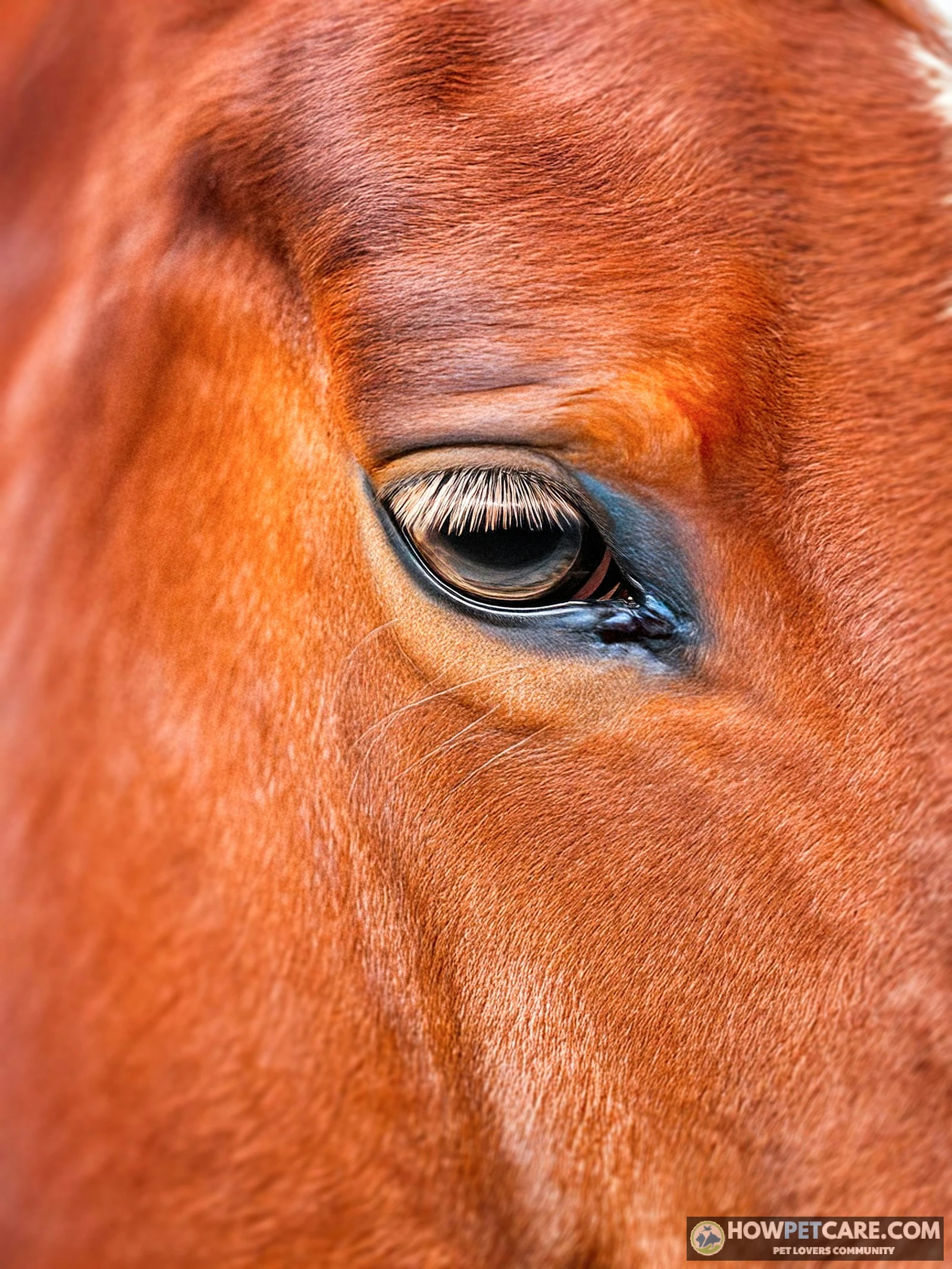
Ocular squamous cell carcinoma is a cancer around the eye that needs veterinary assessment. Ask for a careful examination of the eyes and eyelids, especially if you notice a growth, irritation, or changes around the eye. Light pigmentation and sun exposure are relevant considerations, but an eye exam can’t promise the horse will never develop cancer. Before assuming a test validated in another breed applies, discuss any breed-specific genetic test with your vet.
Pre-purchase exam checklist for a Holsteiner sport horse
Your independent veterinarian should tailor the exam to the horse, its history, and the job you have in mind. A pre-purchase examination reports findings and risks; it can’t guarantee future soundness.
- Confirm identity and records. Request the passport, microchip information, registration papers, medical history, existing imaging, and competition record. Ask the vet to check that the documents match the horse.
- Discuss genetic reports. Request an identifiable WFFS/PLOD1 result if breeding is possible, and discuss whether a GYS1/PSSM1 test is useful. Talk through results with your vet before treating a carrier or positive result as an automatic purchase decision.
- Assess movement and soundness. Discuss observation in hand and under saddle, lameness assessment, and whether flexion tests are appropriate. Interpret any isolated response in context.
- Choose imaging deliberately. Depending on the exam, history, and intended work, your vet may recommend radiographs of the feet, fetlocks, hocks, or stifles, and may consider other areas such as the neck or back when indicated. More images don’t eliminate uncertainty.
- Examine eyes and general health. Include an ophthalmic assessment and discuss abnormal findings, medication history, prior injuries, or ongoing maintenance.
- Reassess the fit. Review findings and trial behavior with your vet and trainer. Refusal of an independent exam, missing records, or pressure to pay before identity is verified are reasons to pause or walk away. Findings may also lead you to renegotiate or change the intended use.
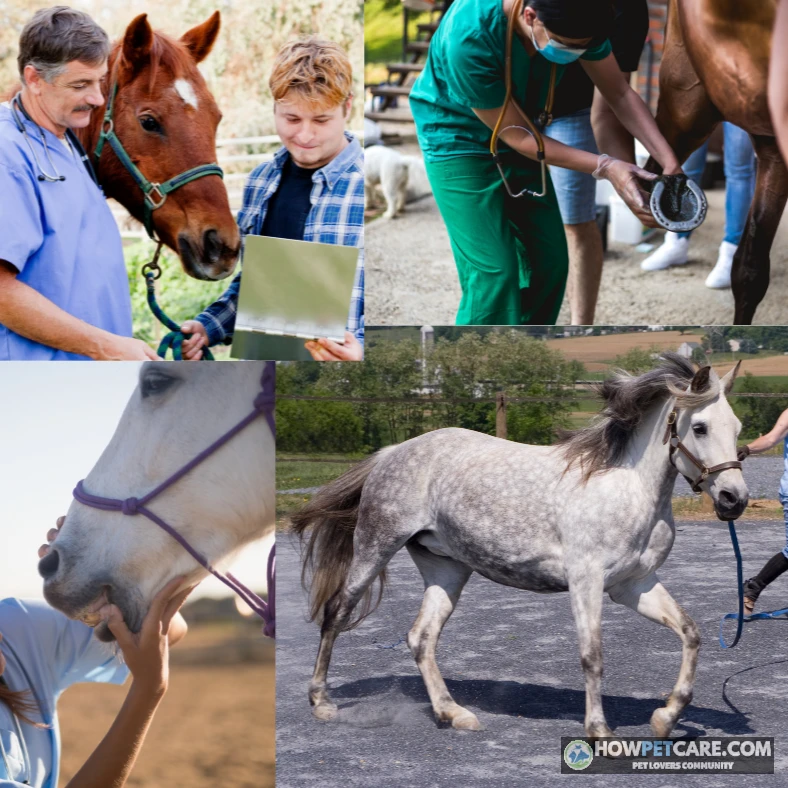
A horse can have acceptable exam findings for the intended job and still be the wrong ride. Evaluate medical risk and rider suitability separately.
What a Holsteiner Costs to Buy and Own, and Where to Find One
Holsteiner price ranges by age, training, and pedigree
There is no verified Holsteiner-specific price dataset in the evidence available for this guide. The figures below are illustrative planning scenarios, not 2026 market quotes or registry statistics. Before setting a budget, ask independent professionals for recent comparable listings and completed-sale information. Actual prices may fall well outside these examples.
| Tier or cost item | Illustrative description | Planning example in USD | Europe vs. North America | Main price drivers |
|---|---|---|---|---|
| Foal or weanling | Registered youngster with no riding record | $5,000–$20,000 | Local supply and transport matter | Pedigree, registration, breeder, and development risk |
| Unstarted young horse | Older prospect without established under-saddle work | $10,000–$30,000 | Importing adds costs beyond the sale price | Handling, conformation, age, and pedigree |
| Started prospect | Young horse with initial training | $20,000–$50,000 | Compare like-for-like training and records | Progress, temperament, soundness, and potential |
| Amateur-ready horse | Established horse with a suitable amateur record | $40,000–$80,000 | Availability varies by region | Experience, rideability, show history, and vet findings |
| Proven sport jumper | Horse with a substantial competition record | $80,000 and up | International demand and transaction costs matter | Level, consistency, age, and remaining career |
These examples illustrate why a safe, trained amateur partner may cost more than a talented but unfinished prospect. A famous sire or Stamm can attract interest, but training and a relevant record are often more useful to buyers than pedigree alone.
Annual ownership costs: North America vs Europe
The figures below describe a hypothetical North American boarding scenario, not a survey. It assumes full-care board, regular lessons or training, routine care, insurance, and some showing. Local quotes matter, particularly for metropolitan show barns and international facilities.
| Annual item | Illustrative USD allowance | What changes it |
|---|---|---|
| Full-care board | $7,000–$18,000 | Location, turnout, facilities, and included services |
| Training and lessons | $3,000–$10,000 | Frequency and professional rides |
| Farrier | $1,500–$3,000 | Shoe type, schedule, and corrective work |
| Routine veterinary and dental care | $800–$2,500 | Local fees and preventive-care needs |
| Insurance | $1,500–$4,000 | Horse value, coverage, exclusions, and insurer |
| Shows, memberships, and hauling | $2,000–$15,000 or more | Competition schedule and travel |
| Illustrative total | $15,800–$52,500 or more | Excludes purchase, emergencies, and major equipment |
Europe isn’t a single price market. Get quotes for the specific country and facility instead of assuming board or training will cost less. A US buyer importing from Europe must also budget for transport, quarantine, insurance, customs, and applicable taxes and fees.
For example, an amateur budgeting $40,000–$80,000 for an established horse might also allow $1,500–$3,500 for a pre-purchase exam with imaging, $100–$250 for selected genetic tests, $500–$2,500 for domestic transport, and $500–$3,000 for initial tack adjustments. These are hypothetical allowances, not guaranteed quotes. At the lower ends, that is $42,600 before annual care; at the upper ends, $89,250. Extensive imaging, travel, or imports can raise the bill.
Resale is uncertain. Age, health findings, documented training, and competition record can affect the price and the pool of potential buyers. Don’t count on recovering the purchase price to cover ongoing care.
Verband auctions vs private sales vs breeder networks
US buyers can search breeder networks, trainers, sales barns, private advertisements, and online sport-horse listings. Look for registered Holsteiners as well as horses advertised by discipline and experience, then verify the papers before paying a deposit. Ask who owns the horse, whether a commission is included, and whether an independent vet and trial ride are allowed.
Verband auctions typically present horses through a catalog and sales materials, with terms and available veterinary information set out for each sale. Review videos and documents, arrange an independent veterinary review where permitted, and read the conditions before bidding. You may need to organize export and import logistics. Fees and conditions vary, so don’t assume the bid is the full landed cost.
A private sale may leave more room to negotiate a trial or ask detailed questions about management, though neither the trial nor candid answers are guaranteed. Put any deposit, trial, refund, and veterinary-exam terms in writing. Treat a listing that offers only professional-rider video, discourages an exam, or can’t establish ownership with extra caution.
Registering a Holsteiner Outside Germany, and Your Go/No-Go Checklist
Foal registration, DNA verification, and brand recognition outside Germany
In North America, begin with the AHHA or the registry that will issue the horse’s papers. Confirm eligibility before breeding; approval of the sire, dam, and intended foal can depend on the rules and book involved. For an existing imported horse, identify the registry that issued its papers and ask how to record an ownership change or any additional registration.
-
Identify the correct registry
Contact the AHHA or Holsteiner Verband with the horse’s or planned foal’s details and ask which registration route applies.
-
Gather documentation
Provide the requested sire and dam papers, breeding or covering information, ownership details, and any existing passport or identification documents.
-
Complete identification and DNA requirements
Arrange the microchip, markings, sample collection, and parentage verification required by the registry. Confirm who must submit each item.
-
Confirm the finished record
Check the issued documents for the horse’s identity, parentage, book or section, and ownership information; keep laboratory and registry correspondence with the records.
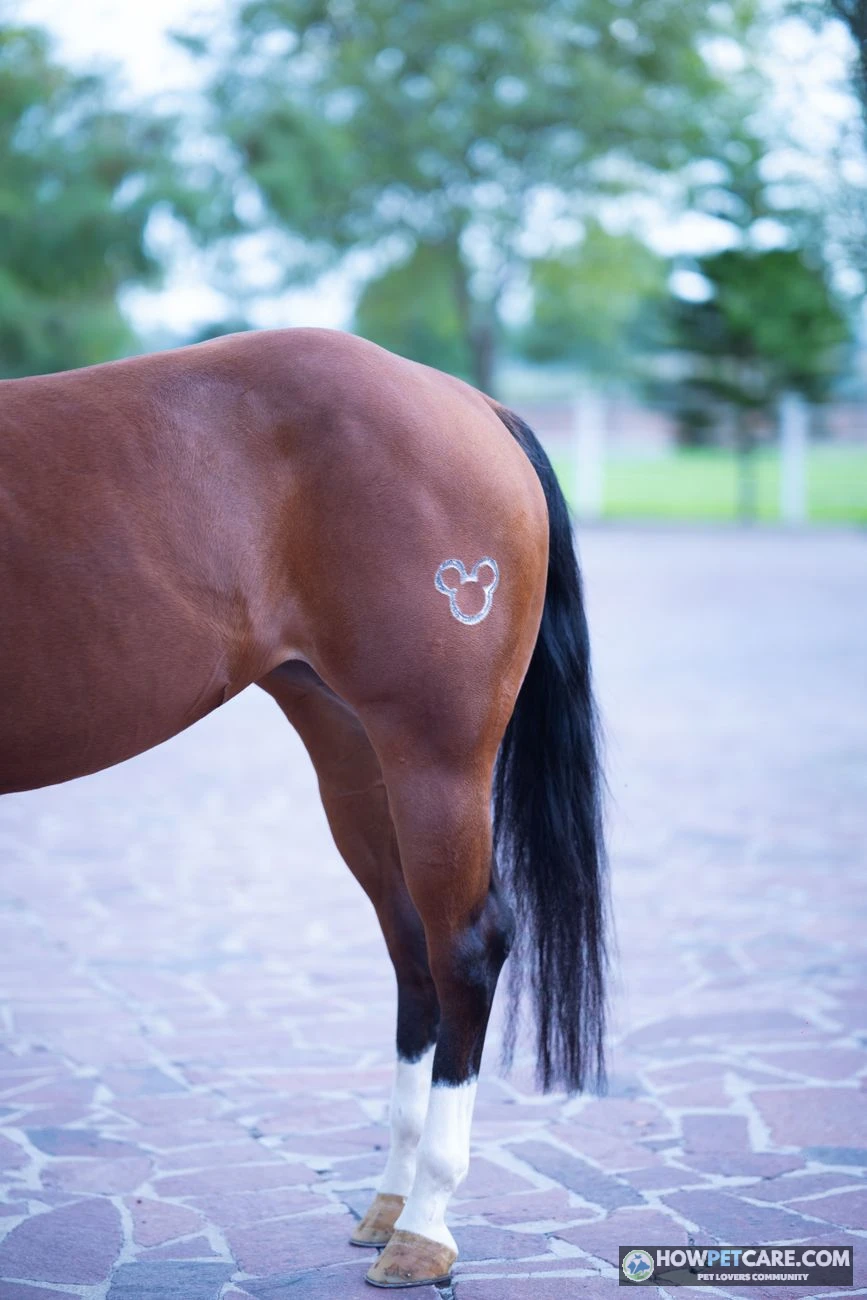
The traditional Holsteiner hot brand is associated with the studbook and is applied on the left hindquarter. A visible brand doesn’t replace checks of the passport, microchip, and registry record. Nor should buyers assume every registered horse must have a visible brand; ask the issuing registry which rules applied to that horse.
A DNA parentage result supports identity and ancestry when matched to the correct sample and records, but it doesn’t establish the horse’s registration category on its own. Likewise, an advertisement’s “Holsteiner-type” description doesn’t prove registered status.
Your Holsteiner fit checklist: yes, maybe, or look elsewhere
Work through these questions with your trainer and veterinarian before committing:
- Goal: Has the horse demonstrated the flatwork, jumping, or other work you actually want to do?
- Rider: Has it carried riders of comparable ability, and is its normal routine realistic for you?
- Budget: Can you cover purchase, examination, transport, annual care, and an emergency reserve without relying on resale?
- Behavior: Have you observed handling, turnout, tacking, and riding on more than one occasion?
- Records: Do identity, registration, pedigree, and competition claims match independent records?
- Health: Have your vet’s examination, imaging choices, and relevant genetic questions been addressed for the intended job?
A yes makes sense when the horse’s proven job, behavior, health assessment, and costs fit your situation. A maybe means you need more information, another trial, or a more experienced support team. Look elsewhere if the horse requires skills or spending you can’t comfortably provide, or if its identity and examination can’t be independently checked.
Before moving ahead, verify the horse’s registered identity, its recent record with a rider like you, and your vet’s assessment for the work you intend to do.
 You might be wonderingHorse blanket sizesHorse Blanket Sizes: Printable 36–90 Inch Chart & How to MeasureRead the answer
FAQ
Is a Holsteiner a warmblood?
Yes. The Holsteiner is a German warmblood sport horse breed from Schleswig-Holstein, registered through the Holsteiner Verband studbook and affiliates such as the American Holsteiner Horse Association.
Are Holsteiners hot or spooky?
Many are sensitive and forward, and some carry more Thoroughbred energy than others, but temperament varies by individual and bloodline. Judge the specific horse’s behavior with several riders and in different settings.
At what age is a Holsteiner ready to compete?
Like most warmbloods, Holsteiners often mature slowly and are brought along gradually, with serious jumping work typically held until they are physically mature. Exact timing depends on the horse and the program, so ask a trainer and vet for the individual.
Can Holsteiners do dressage?
Some do, particularly those with good gaits and a trainable mind, but the breed’s selection focus is jumping. Dressage-minded buyers usually compare individual movement and pedigree carefully and often cross-shop dressage-bred warmbloods.
Does a Holsteiner have to be branded to be registered?
Branding is a traditional marker of the Holsteiner studbook, but requirements depend on the registry and the horse’s status. Confirm the current rules with the Holsteiner Verband or the AHHA before relying on a seller’s claim.