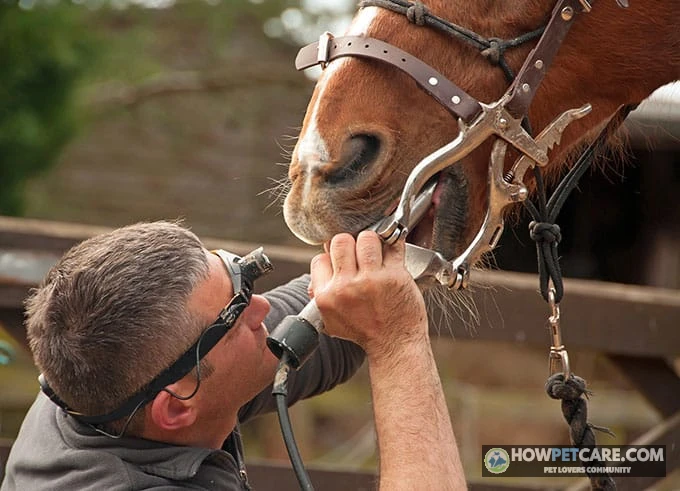

Horse dental care is routine veterinary oral exams and treatment—usually once a year for adults—to find and correct sharp enamel points, uneven wear, and disease before they affect eating or performance; floating is done only when the exam shows it is needed.
Horse dental care begins with a professional oral exam—not an automatic decision to float every tooth. Horses’ teeth continue to erupt as they wear, and uneven wear can leave sharp enamel points that injure the cheeks or tongue. An adult horse generally needs an exam at least once a year; young horses and some older horses need closer monitoring. The exam determines whether floating or other treatment is necessary.
Dropped wads of hay, slower eating, weight loss, bad breath, and new resistance to the bit are all reasons to call—but don’t wait for symptoms to schedule care. This guide explains what you can check at home, what happens at an appointment, how to compare costs, and how to choose a qualified US provider.
Why Horses Need Routine Dental Care and What Happens When It’s Skipped
How uneven wear creates sharp points, hooks and ramps
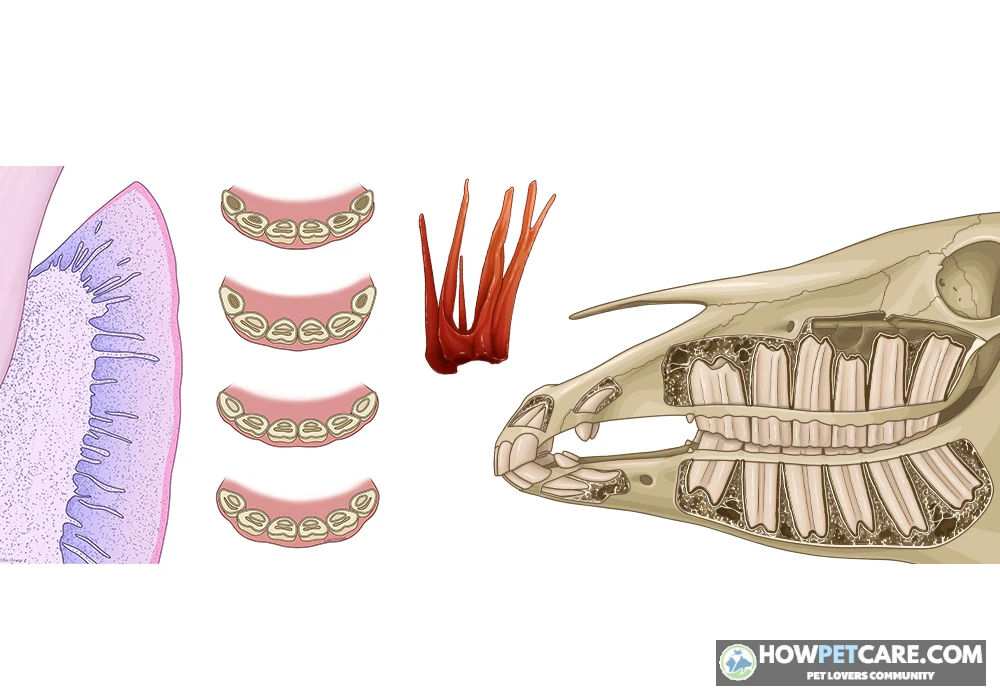
Horses have hypsodont teeth: their long crowns gradually erupt from the jaw as their chewing surfaces wear. Incisors at the front grasp and cut forage; cheek teeth farther back grind it.
The upper cheek-tooth arcade is wider than the lower one. As the horse chews, sharp enamel points can develop along the outside edges of the upper cheek teeth and the inside edges of the lower cheek teeth. Those points can irritate the cheeks and tongue.
Other uneven wear patterns include hooks and ramps, where parts of a tooth become overlong, and wave or step mouth, where the chewing surface becomes uneven across several teeth. Feed can also pack into abnormal gaps between teeth, called diastemata, contributing to gum inflammation and loose teeth.
What neglect costs: pain, poor digestion and weight loss
A painful mouth can make chewing difficult. A horse may drop partially chewed forage, eat slowly, lose weight, or become uncomfortable when ridden. Poor chewing may also contribute to digestive problems, although these signs can have causes unrelated to teeth.
Routine examinations are also a chance to find fractured, loose, or infected teeth that a rasp alone cannot fix. Pasture-kept horses need exams too: grazing does not guarantee even wear or prevent every dental problem.
Signs of Dental Problems in Horses: A Triage Guide and At-Home Check
A change in eating or behavior is worth investigating, but it doesn’t prove a tooth is responsible. Use this matrix to decide how quickly to contact your veterinarian—not to diagnose the problem yourself.
Symptom-to-urgency triage matrix
| Sign you observe | Possible dental cause | Urgency | Recommended next step |
|---|---|---|---|
| Quidding: dropping wads of partly chewed hay | Sharp points, mouth sores, or worn or loose teeth | Book within days | Call your vet and ask whether soaked forage is appropriate until the exam. |
| Grain falling from the mouth or noticeably slow eating | Pain, abnormal wear, or a loose tooth | Book within days | Watch intake and report any weight change. |
| New head tossing or bit resistance | Mouth discomfort, including sharp points or an uncomfortable wolf tooth | Book soon; sooner if worsening | Stop work that provokes the behavior and arrange an exam. Tack, back pain, and training issues can also be responsible. |
| Persistent foul breath | Feed packed between teeth, gum disease, or infection | Book within days | Tell the vet when you first noticed the odor. |
| Discharge from one nostril | Possible tooth-root or sinus disease | Call promptly | Describe the discharge; dental disease is only one possible cause. |
| Facial or jaw swelling | Infection, injury, or dental disease | Call the vet now | Request same-day advice and do not press on the swelling. |
| Weight loss despite apparent appetite | Painful or ineffective chewing, among many other causes | Book within days | Track intake and arrange a general veterinary assessment as well as an oral exam. |
| Long forage pieces or whole grain in manure | Chewing or digestive changes | Mention promptly, especially with weight loss | Save a description or photo; manure appearance alone does not diagnose dental disease. |
| Obvious mouth bleeding | A wound, fractured tooth, or another injury | Call the vet now | Keep the horse calm and do not probe its mouth. |
| Reluctance to drink | Mouth pain or another illness | Call promptly | Offer clean water and tell the vet how much the horse is drinking. |
A horse that cannot swallow, has feed or fluid coming from the nostrils, is struggling to breathe, or has severe distress needs immediate veterinary advice. Do not force food or water.
Between-exam checklist you can print
Use this observation checklist regularly and share changes with your vet. Handle your horse only where it is safe to do so.
- ☐ Watch a meal. Note a change in eating speed, chewing pattern, or feed left behind.
- ☐ Look for quids. Check the stall or paddock for damp balls of partly chewed forage.
- ☐ Check for spillage. Notice whether feed repeatedly falls from the lips.
- ☐ Look at the face and jaw. Compare both sides for visible swelling. Gently feel the outside only if your horse tolerates it; do not press on a sore area.
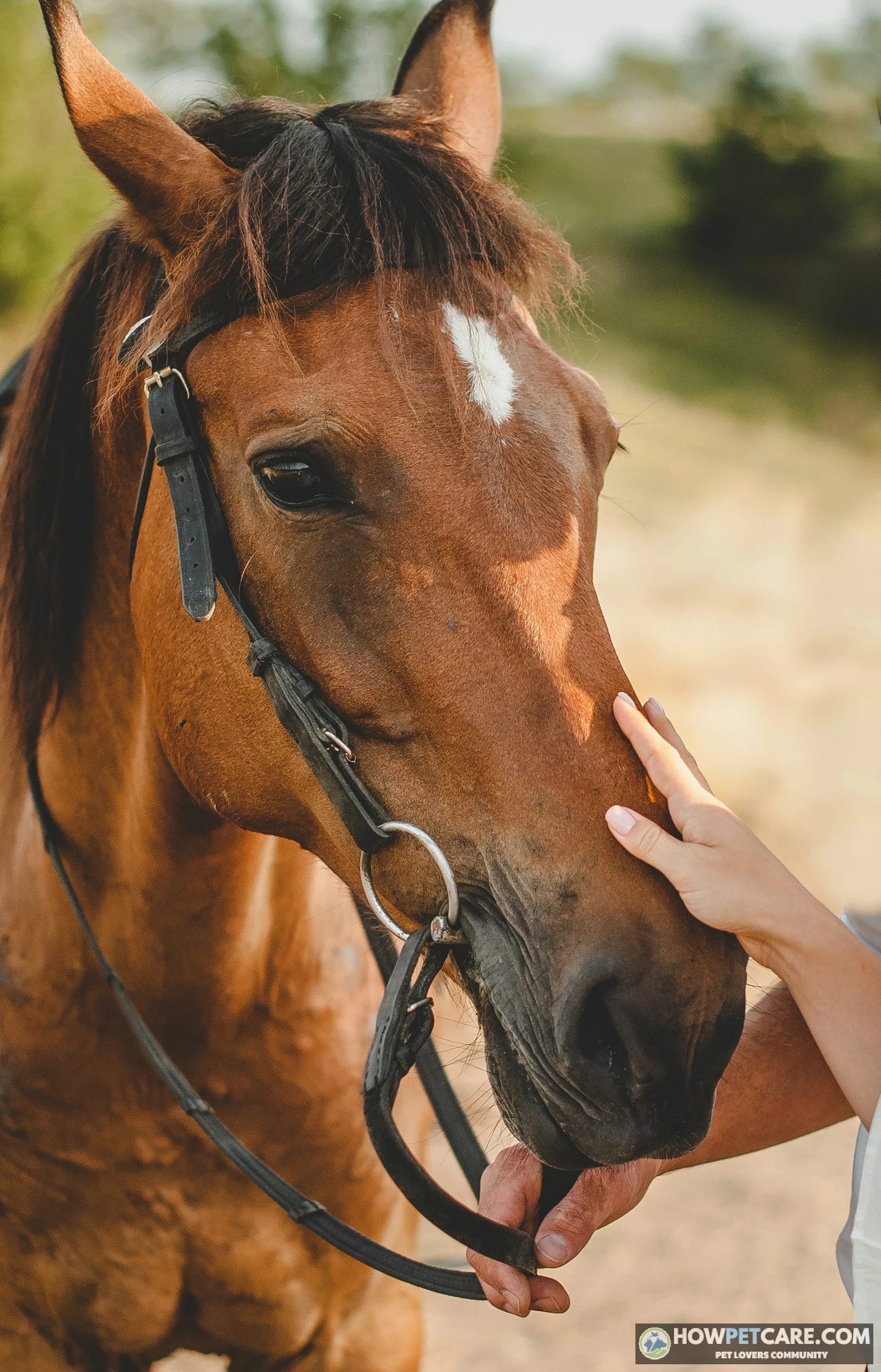
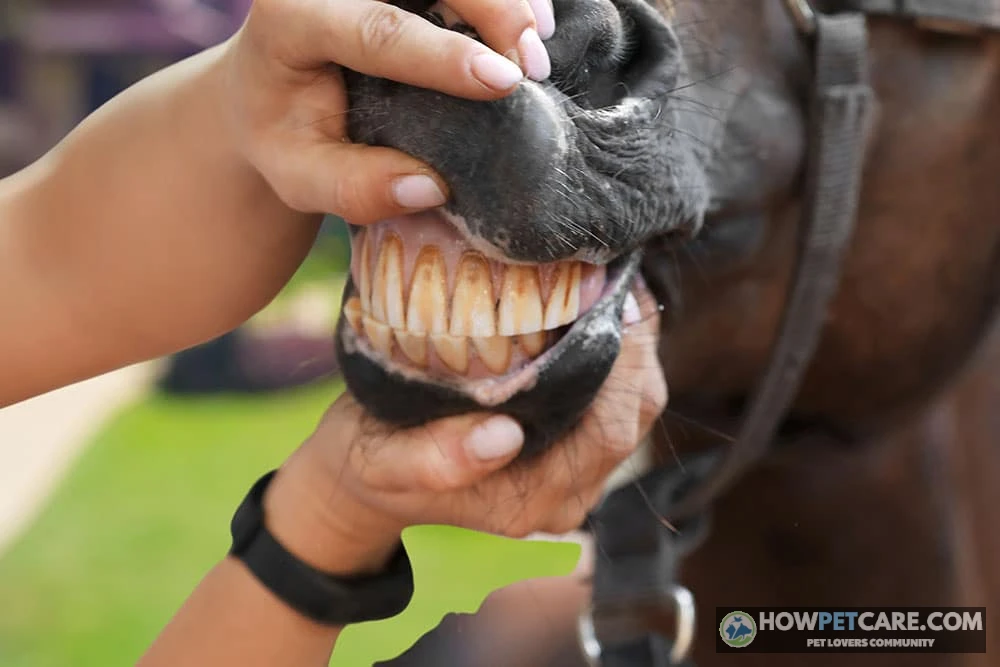
- ☐ Lift the lips if safe. Look at the visible incisors for obvious changes, damage, or unusual alignment. Do not pry the mouth open or put your fingers between the teeth.
- ☐ Notice odor and discharge. Report persistent foul breath or discharge from one nostril.
- ☐ Check manure. Note major changes in its appearance alongside appetite and weight.
- ☐ Track body condition. Use photos, a weight tape, or body-condition scoring consistently so gradual changes are easier to spot.
- ☐ Record riding changes. Note when head tossing, mouth gaping, or resistance first appeared.
Use the urgency of the individual sign—not the number of boxes checked—to decide when to call. One instance of facial swelling or significant bleeding deserves attention even if everything else seems normal.
Why some horses show no signs at all
Lifting the lips won’t reveal most cheek teeth, and a horse may keep eating despite a problem. A normal-looking at-home check therefore does not replace a scheduled full-mouth exam.
How Often Should a Horse Get Its Teeth Checked? A Schedule by Age
An exam and a float are not the same service. The exam identifies what needs attention; floating happens when the findings justify it. The following schedule is a starting point to discuss with your veterinarian, not a substitute for an individual plan.
| Life stage | Exam starting point | What the vet is watching for |
|---|---|---|
| Foal or weanling | Ask the vet to check the mouth early, including during routine young-horse visits. | Congenital jaw or bite abnormalities and developing teeth. |
| Young horse, approximately 1–5 years | Often every six months. | Changing teeth, retained baby-tooth caps, uneven wear, and issues relevant to bit training. |
| Adult, approximately 5–15 years | At least annually for many horses. | Sharp points, gum disease, wear patterns, and other abnormalities. |
| Older horse | At least annually; your vet may recommend every six months, particularly for horses over 20 or those with dental disease. | Loose, missing, or worn teeth; feed packing; and changes in chewing. |
Foals and young horses
A young horse’s mouth changes quickly as permanent teeth replace baby teeth. A retained cap—a baby tooth that hasn’t shed normally—can interfere with the developing mouth. Ask for an assessment before introducing a bit, particularly if the horse has visible bite abnormalities or trouble eating.
Adult and performance horses
An annual dental exam is a useful baseline, but a history of abnormal wear or new performance complaints may justify more frequent visits. A horse that works comfortably in a bit still needs an oral exam; discomfort isn’t always obvious under saddle.
Seniors
Dental needs vary considerably among older horses. Ask your vet to set the next appointment based on the teeth present, gum health, chewing ability, and body condition—not age alone.
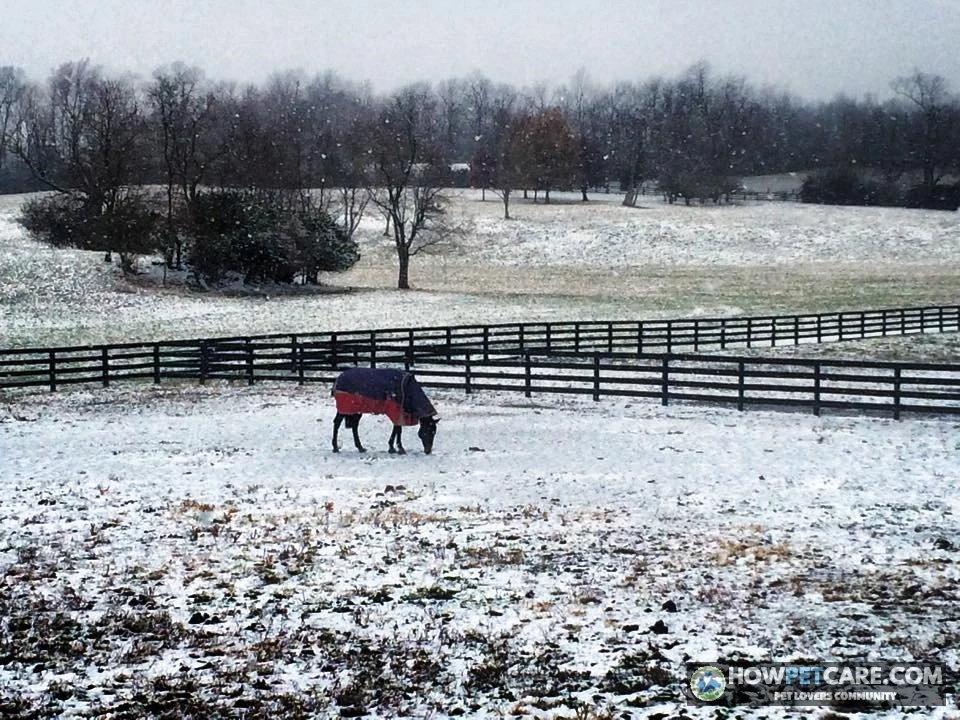
Age estimation by teeth can provide a useful approximation, but it cannot establish an exact birthday. Wear differs among horses, and estimates become less dependable as horses age.
What Happens at a Horse Teeth Floating Appointment, Step by Step
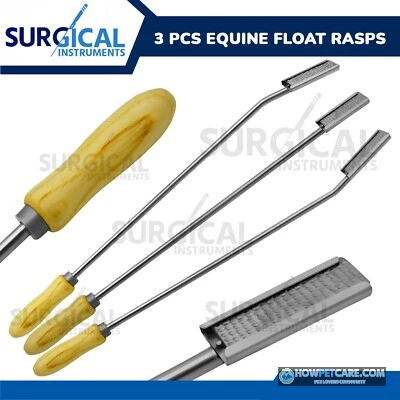
Teeth floating is the use of a hand rasp or powered dental instrument to smooth sharp points and address selected areas of uneven wear. The aim is a functional, comfortable mouth—not removal of as much tooth as possible.
If you’re comparing providers now, remember that in the United States, state law determines who may perform specific dental procedures. Confirm your provider’s credentials and who will supply sedation before booking; the state-by-state verification checklist appears below.
Before the visit: preparation and what to tell the provider
Ask the practice where to have the horse ready and whether to change its feeding routine. Do not withhold feed unless your veterinarian instructs you to do so. Provide a safe, well-lit work area and a handler if requested.
Tell the vet about eating changes, medications, previous sedation problems, health conditions, riding complaints, and any prior dental records. Ask for an estimate that distinguishes the farm call, exam, sedation, and treatment.
During: sedation, speculum exam and floating
- History and assessment. The veterinarian discusses your concerns and assesses the horse before deciding on sedation and the examination plan.
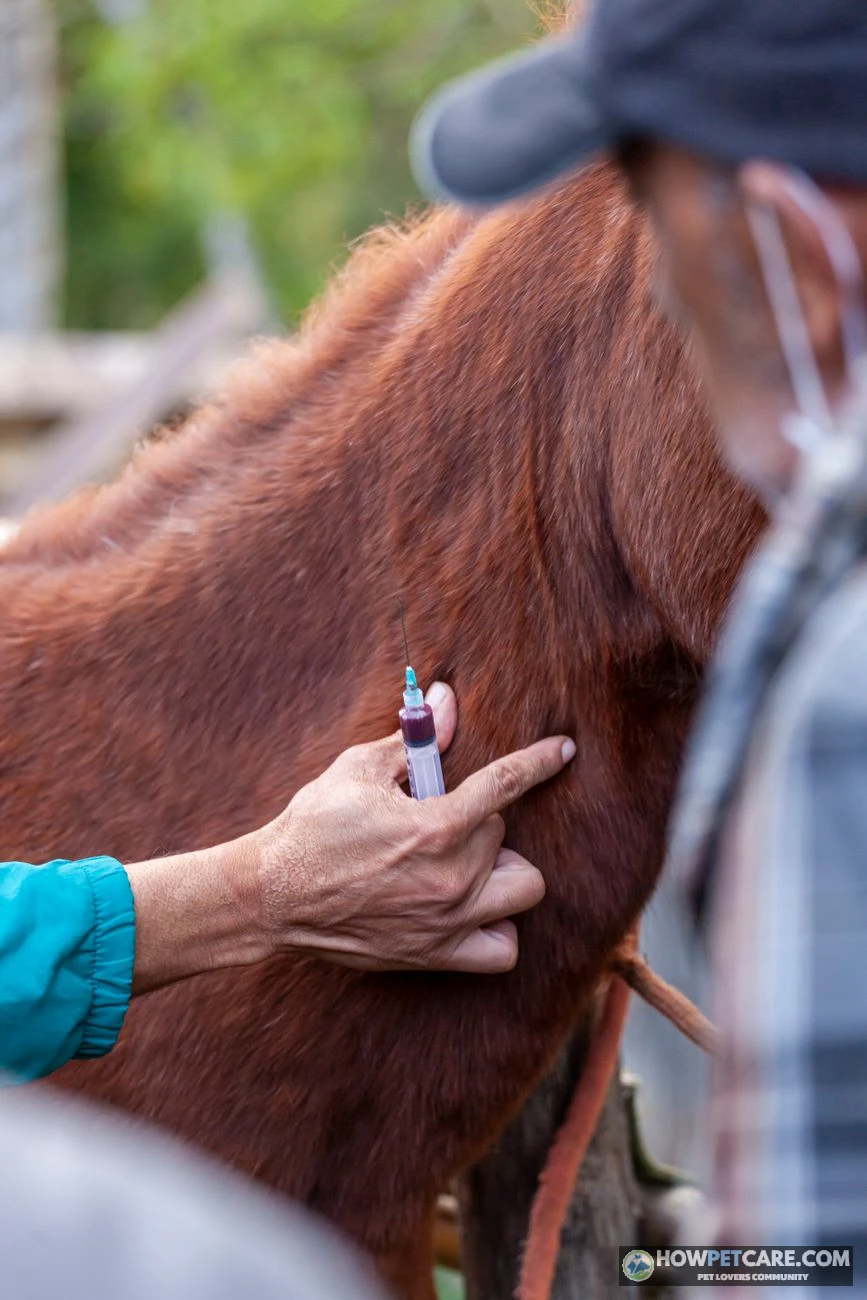
- Sedation. Sedation helps the horse tolerate a thorough examination and treatment. The veterinarian selects and oversees the medication; who may administer it or assist is governed by state law.
- Rinse and access. The mouth is typically rinsed, and a full-mouth dental speculum holds it open for inspection.
- Full-mouth exam. With a light and appropriate instruments, the provider assesses the cheek teeth, incisors, gums, and other oral structures. A thorough assessment of the back of the mouth generally requires sedation, a speculum, and good lighting.
- Treatment if indicated. The provider smooths sharp points or addresses other identified wear. If appropriate, they may round the front edges of the first cheek teeth—a procedure sometimes called making bit seats. Bit seats are not a substitute for diagnosing other causes of bit resistance.
- Final check and discussion. The provider reassesses the mouth, explains findings and any limitations, and recommends follow-up or further diagnostics if needed.
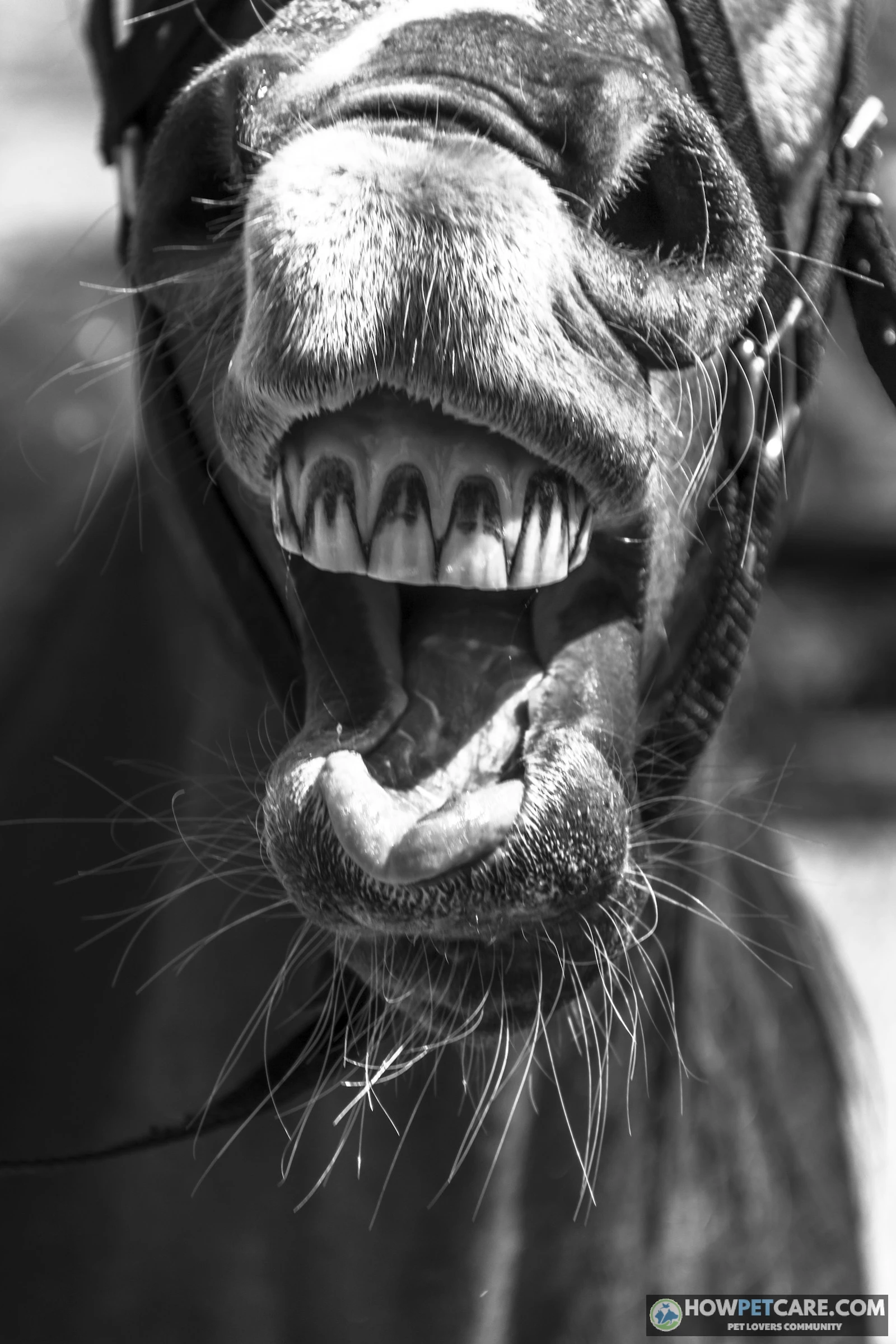
Appointment length depends on the horse, the findings, and whether treatment is needed. Ask the practice for its expected visit length when booking rather than assuming every float takes the same time.
After: aftercare and recovery
Your horse may remain unsteady or sleepy after sedation. Keep it in the safe area your vet recommends and supervise it until it has recovered. Recovery time varies with the medication, dose, and individual horse; ask the vet when it is safe to offer feed and water and resume riding. Never ride a horse that remains sedated.
Contact the vet if the horse has concerning bleeding, swelling, nasal discharge, or refuses to eat after the visit. Follow any specific instructions after an extraction or other additional procedure.
Have the provider show you the dental chart and explain what was found, what was treated, and when the next exam should take place.
Hand floating vs. power floating: trade-offs and questions to ask
Neither type of instrument guarantees a good outcome. The examination, the provider’s training, and conservative treatment matter more than the tool’s label.
| Factor | Hand floating | Power floating | Question to ask your provider |
|---|---|---|---|
| Technique | A long-handled rasp is moved by hand. | A motor drives the cutting surface. | What tools do you use for this horse, and why? |
| Efficiency | May take more physical effort for some corrections. | Can remove tooth material efficiently. | What correction are you planning? |
| Control | Requires skill to reach and assess the teeth. | Requires skill to control the instrument and amount removed. | How do you avoid removing too much tooth? |
| Heat | Less concern from motor-driven friction. | Prolonged friction can heat the tooth and potentially damage its internal tissues. | How do you limit heat while working? |
| Horse’s response | Quieter, although the horse still needs a careful exam. | Motor noise and vibration may concern some horses. | How will you manage a horse that is anxious about the equipment? |
| Full-mouth access | Instrument fit and positioning matter. | Instrument size and positioning matter. | Will you use a speculum and examine the back teeth? |
Sedation and a speculum support a thorough examination regardless of the instrument used. Do not attempt to float your horse’s teeth yourself: improper work can damage teeth or soft tissues, and some procedures and medications are legally restricted.
Horse Dental Care Cost in the US: Realistic Price Ranges and Annual Budget
What the bill is made of
A bill may include a farm call, an oral exam, sedation, floating, and any additional procedure. Some practices bundle several of these; others itemize them. Imaging, extractions, referral care, and follow-up can add substantially to the total.
US price ranges: what can be verified
No dated US practice fee schedules or industry survey prices were supplied for this guide. A reliable national range for an exam, routine float, or wolf tooth extraction therefore cannot be established here. The figures below are deliberately not estimates: ask local practices for written prices rather than treating an unsupported number as a budget.
| Service | Typical US range | What’s usually included | What can raise the price |
|---|---|---|---|
| Farm call | Not established from available evidence | Travel to the horse; terms vary by practice | Distance, emergency timing, or a visit for one horse |
| Oral exam | Not established from available evidence | Assessment of the mouth; ask whether a speculum exam is included | Additional diagnostics or detailed imaging |
| Sedation | Not established from available evidence | Medication and monitoring terms vary | Additional medication or a more involved procedure |
| Routine float | Not established from available evidence | Treatment of identified wear; may be bundled with the exam | Complex wear patterns or additional time |
| Wolf tooth extraction | Not established from available evidence | Ask whether the quote is per tooth and includes local anesthesia and aftercare | Difficult roots, additional teeth, or complications |
| Radiographs or molar extraction | Not established from available evidence | Imaging or treatment as specified in the estimate | Referral, anesthesia, hospitalization, or complications |
How to budget for the year
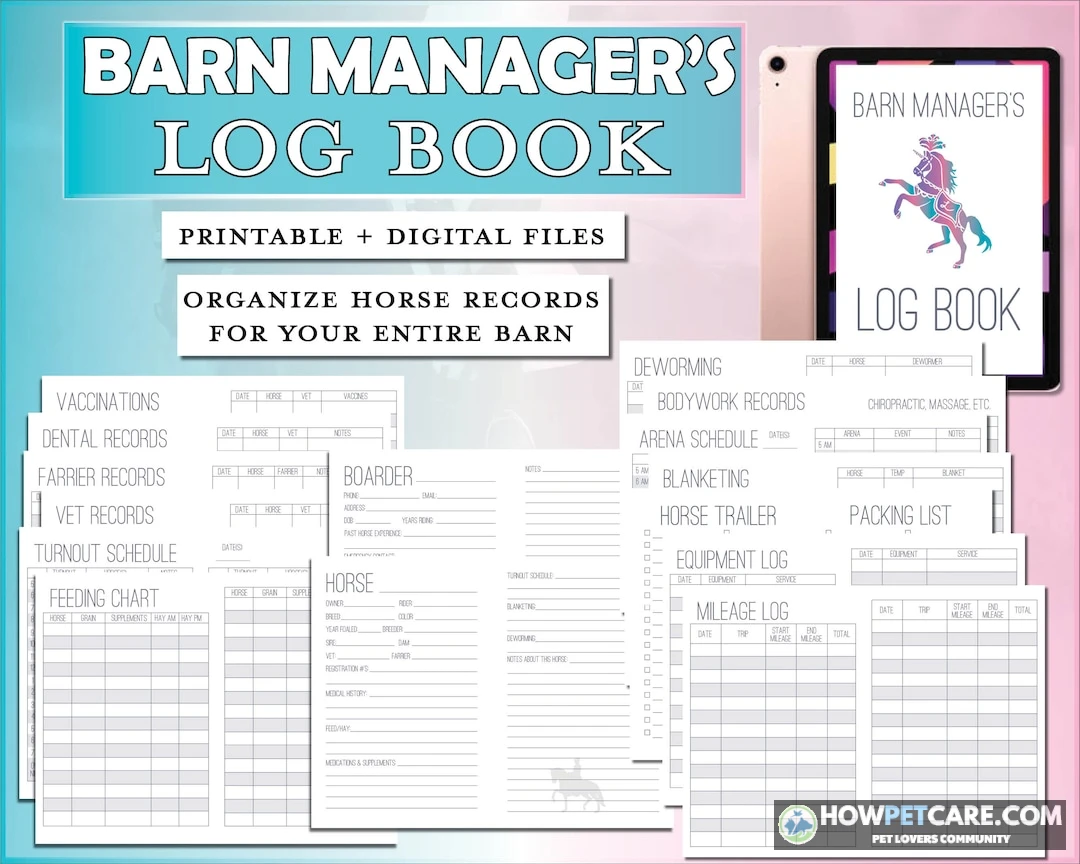
Request an itemized estimate from local equine practices for the farm call, exam, sedation, and routine float. Ask which charges apply if the horse is examined but does not need floating. Then add a contingency appropriate to your finances for imaging or treatment that cannot be predicted before the exam.
For a barn visit, ask whether the travel fee can be shared among owners and whether the estimate assumes a minimum number of horses. Compare the total and the scope of care—not just the advertised float price. A low quote is not comparable if it excludes the exam or sedation.
To research “equine dental care near me,” ask your barn veterinarian or local equine clinics about their services and fees. Confirm credentials and referral arrangements before choosing a provider; a search result alone does not establish qualifications.
Vet or Equine Dentist? How to Check Credentials in Your State
Veterinarian vs. lay equine dentist: what each can legally and practically do
In the US, equine dentistry is governed by state law. Some states allow nonveterinarians to perform certain procedures under specified conditions; others restrict the work more narrowly. The UK’s BAEDT and DEFRA framework does not determine what is legal in your state.
A licensed veterinarian can assess dental and general health, diagnose disease, and develop a treatment plan. Depending on training, facilities, and the case, the vet may provide sedation, imaging, or extraction—or refer the horse to another veterinarian. A lay equine dentist may have dental training, but certification does not automatically confer a veterinary license or authorize every procedure.
Involve a veterinarian when sedation is needed or when infection, a fracture, unexplained weight loss, facial swelling, or an extraction is a concern. The lawful role of technicians and other assistants also depends on the state and the required supervision.
How to verify a license or certification in your state
- ☐ Check the license. Ask whether the provider is a veterinarian licensed in your state. Verify the name and license status through your state veterinary medical board’s lookup.
- ☐ Check the legal scope. Search your state’s veterinary practice act and board guidance for equine dentistry. Ask the board if the proposed arrangement is unclear.
- ☐ Confirm sedation arrangements. Ask who selects, supplies, administers, and monitors the medication, and what veterinary supervision applies.
- ☐ Investigate certification. If a lay provider cites a school or association credential, check its training and assessment standards and whether the state recognizes it for the proposed work.
- ☐ Ask about training. AAEP membership or dental continuing education may provide useful context, but neither replaces a state license or guarantees a particular level of expertise.
- ☐ Confirm records and referrals. Ask for a written dental chart and find out who will assess an abnormality outside the provider’s scope.
Questions to ask before you book
Ask: “Will my horse receive a full-mouth speculum exam?” “Who is responsible for sedation?” “What happens if you find a fractured or infected tooth?” and “Will you share the findings with my regular veterinarian?” A qualified provider should be able to explain the proposed care, costs, and referral plan clearly.
When Routine Floating Isn’t Enough: Wolf Teeth, Imaging and Extractions
Signs your horse needs imaging or a specialist
Floating smooths tooth surfaces; it does not resolve every problem beneath the gum or inside a tooth. Persistent quidding or weight loss after a float, a loose or fractured tooth, facial swelling, foul odor, or discharge from one nostril warrants veterinary investigation.
A vet may recommend radiographs, or X-rays, to assess tooth roots, surrounding bone, and sinuses. Oral endoscopy can provide a magnified view of hard-to-see areas of the mouth and help document findings. The choice depends on the suspected problem; not every horse needs imaging. Some cases benefit from referral to a veterinarian with advanced equine dentistry training.
Wolf teeth: do they all need to come out?
Wolf teeth are small first premolars that some horses develop in front of the cheek teeth. Depending on their position and the horse’s work, they may be associated with discomfort from a bit. Their presence alone does not mean extraction is necessary.
Ask the veterinarian whether a particular wolf tooth is likely to cause trouble, what alternatives exist, and what the proposed extraction and aftercare involve. The decision should be based on the individual horse and tooth.
Extraction: when it’s the right call
A severely diseased, infected, or fractured cheek tooth may need extraction when it cannot be managed adequately another way. Depending on the case, a veterinarian may remove it in a standing, sedated horse or recommend a procedure under general anesthesia. The method and follow-up depend on the tooth and complications.
Before proceeding, ask what the diagnosis is, whether imaging is recommended, what alternatives exist, what the estimate includes, and how feeding and rechecks will be managed afterward.
Senior Horse Dental Care: Keeping Worn or Toothless Horses at a Healthy Weight
What changes in an aging mouth
Older horses may have worn, loose, or missing teeth. Gaps can trap feed and contribute to gum disease; reduced chewing ability can make long-stem forage harder to manage.
Your vet can assess the remaining teeth and gums, set the exam interval, and investigate weight loss. Do not assume that age or teeth are the only explanation: a senior horse losing condition also needs assessment for other health and feeding problems.
Soaked and complete-feed options for horses with poor chewing
If a horse cannot chew hay adequately, ask your veterinarian or an equine nutritionist to design a ration that supplies enough forage or appropriate fiber, calories, protein, minerals, and vitamins. Depending on the horse, options may include soaked hay pellets or cubes, a complete senior feed intended to replace some or all forage, or soaked beet pulp as part of a balanced ration.
Follow the feed manufacturer’s soaking directions and your vet’s advice. Add enough water and allow enough time for the product to soften fully; discard feed that has spoiled. Water amounts and soaking times vary by product, so there is no single reliable recipe for every cube or pellet. Do not assume chopped forage is safe for a horse that cannot chew it effectively.
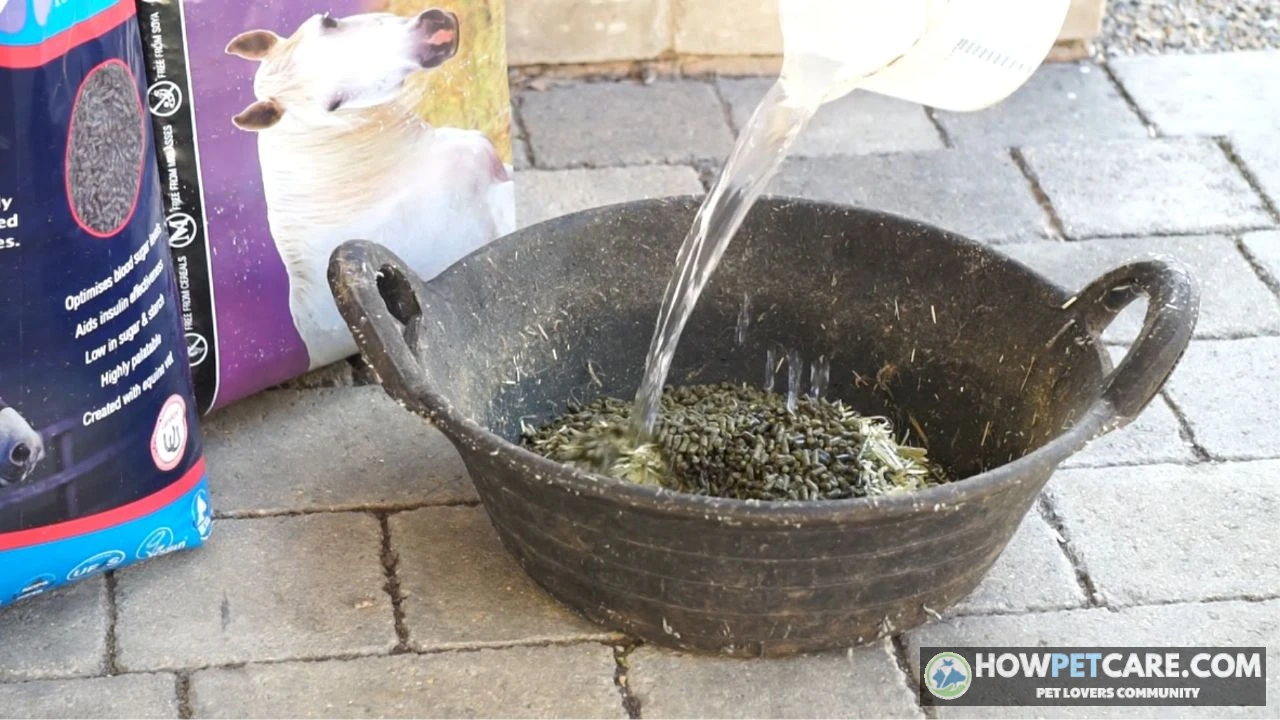
Dry pellets or cubes may be difficult for a horse with poor chewing ability to manage. Discuss choke risk and the appropriate texture with your vet, especially if the horse has a history of swallowing problems.
Monitoring weight and knowing when to call the vet
Offer meals in a way that lets the senior eat without competition from herd mates. Keep clean water available, and ask whether smaller, more frequent meals suit the ration.
Record body condition or weight-tape measurements consistently, watch for quidding, and note how much feed is actually eaten. Call the vet if weight continues to fall, the horse cannot manage the recommended ration, or eating becomes painful. If adequate weight cannot be maintained despite treatment and feeding adjustments, discuss comfort and quality of life with the veterinarian.
A softer ration can help a horse eat, but it does not diagnose or treat an infected tooth—or rule out another illness.
Your Horse Dental Care Action Plan: Next Steps by Situation
If your horse shows symptoms now
- Facial swelling, significant mouth bleeding, or difficulty swallowing: Call the vet now and describe the signs.
- Quidding, foul breath, or weight loss: Arrange a veterinary exam within days; ask what to feed safely in the meantime.
- A senior losing weight: Book a general health and dental assessment and review the ration with the vet or an equine nutritionist.
- A lingering problem after floating: Contact the treating vet. Ask whether re-examination, imaging, or referral is appropriate rather than scheduling another float without a diagnosis.
If your horse is due for a routine exam
If it has been more than a year since the last exam, contact your equine veterinarian to schedule one. For a young horse starting under saddle, request an oral assessment before introducing the bit. If your horse has a known abnormality, follow the shorter interval your vet recommends.
Dental record and reminder checklist
- ☐ Verify the provider’s state license or lawful scope of practice.
- ☐ Ask who will provide sedation and whether a full-mouth speculum exam is included.
- ☐ Request a written estimate covering the farm call and likely services.
- ☐ Keep the date, findings, procedures, medications or sedation used, and any aftercare instructions.
- ☐ Share the chart with your regular vet if another provider performed the work.
- ☐ Record the recommended next exam date and set a reminder.
1Why do sharp enamel points commonly develop on the outside edges of a horse's upper cheek teeth and the inside edges of the lower cheek teeth?
Because the upper jaw arcade is wider than the lower arcade, normal chewing wear leaves unground edges along the outside of upper teeth and the inside of lower teeth.
2An owner notices sudden facial or jaw swelling on one side of their horse's head. According to triage guidelines, what is the recommended action?
Facial swelling indicates a potential high-urgency issue such as infection, injury, or severe dental disease requiring prompt professional guidance.
3Which of the following statements accurately describe the trade-offs and considerations between hand floating and power floating? (Select all that apply.)
Motor-driven instruments generate thermal friction, making heat management essential to prevent thermal trauma to the tooth pulp.
4Why is verifying state veterinary licensing essential when selecting an equine dental provider in the United States?
Equine dentistry regulations vary by state, and legal restrictions frequently apply to diagnostic authorization, surgical procedures, and controlled sedation.
5Which of the following describes the function and handling of wolf teeth in horses?
Wolf teeth vary in position and may cause bit discomfort in working horses, but extraction is evaluated case-by-case rather than being mandatory for every horse.
6Which of the following clinical findings indicate that a horse requires veterinary diagnostics beyond routine teeth floating? (Select all that apply.)
Discharge from one nostril can indicate sinus involvement connected to infected cheek tooth roots, requiring imaging like radiographs.
7During a routine dental visit, what is the primary purpose of administering sedation and placing a full-mouth speculum?
Sedation relaxes the horse and speculums hold the jaw open safely, enabling the examiner to inspect hard-to-see cheek teeth at the back of the arcade.
| Observed Sign | Possible Dental Cause | Urgency Level | Recommended Next Step |
|---|---|---|---|
| Facial or jaw swelling | Infection, injury, or dental disease | Call the vet now | Request same-day advice and do not press on the swelling. |
| Obvious mouth bleeding | A wound, fractured tooth, or another injury | Call the vet now | Keep the horse calm and do not probe its mouth. |
| Discharge from one nostril | Possible tooth-root or sinus disease | Call promptly | Describe the discharge; dental disease is only one possible cause. |
| Reluctance to drink | Mouth pain or another illness | Call promptly | Offer clean water and tell the vet how much the horse is drinking. |
| Quidding: dropping wads of partly chewed hay | Sharp points, mouth sores, or worn or loose teeth | Book within days | Call your vet and ask whether soaked forage is appropriate until the exam. |
| Grain falling from the mouth or noticeably slow eating | Pain, abnormal wear, or a loose tooth | Book within days | Watch intake and report any weight change. |
| Persistent foul breath | Feed packed between teeth, gum disease, or infection | Book within days | Tell the vet when you first noticed the odor. |
| Weight loss despite apparent appetite | Painful or ineffective chewing, among many other causes | Book within days | Track intake and arrange a general veterinaryhttps://howpetcare.com/horse-dental-care/ assessment as well as an oral exam. |
| New head tossing or bit resistance | Mouth discomfort, including sharp points or an uncomfortable wolf tooth | Book soon; sooner if worsening | Stop work that provokes the behavior and arrange an exam. Tack, back pain, and training issues can also be responsible. |
| Long forage pieces or whole grain in manure | Chewing or digestive changes | Mention promptly, especially with weight loss | Save a description or photo; manure appearance alone does not diagnose dental disease. |
FAQ
Does floating hurt a horse?
The enamel being filed has no nerve supply, so the rasping itself should not hurt. Sedation keeps the horse calm, and pain afterward usually points to a problem such as overly aggressive reduction or an underlying tooth issue.
Can I float my horse’s teeth myself?
It is not recommended. Safe floating needs sedation, a speculum and training, and in many states sedatives and some dental work are restricted to veterinarians. Incorrect floating can leave a horse with a worse bite or damaged teeth.
Do horses that live on pasture still need their teeth floated?
Yes, horses on pasture still develop uneven wear and sharp points, and some have structural problems that grazing does not fix. The exam is what tells you whether floating is needed.
Can you tell a horse’s exact age from its teeth?
No. Teeth give a reasonable estimate in younger horses, but wear varies with diet, genetics and management, so estimates become less reliable as horses get older.
Can I ride my horse right after a dental appointment?
Not while the horse is still sedated. Follow your vet’s instructions on when to resume feed and riding, which usually depends on how much work was done and how the horse recovers.