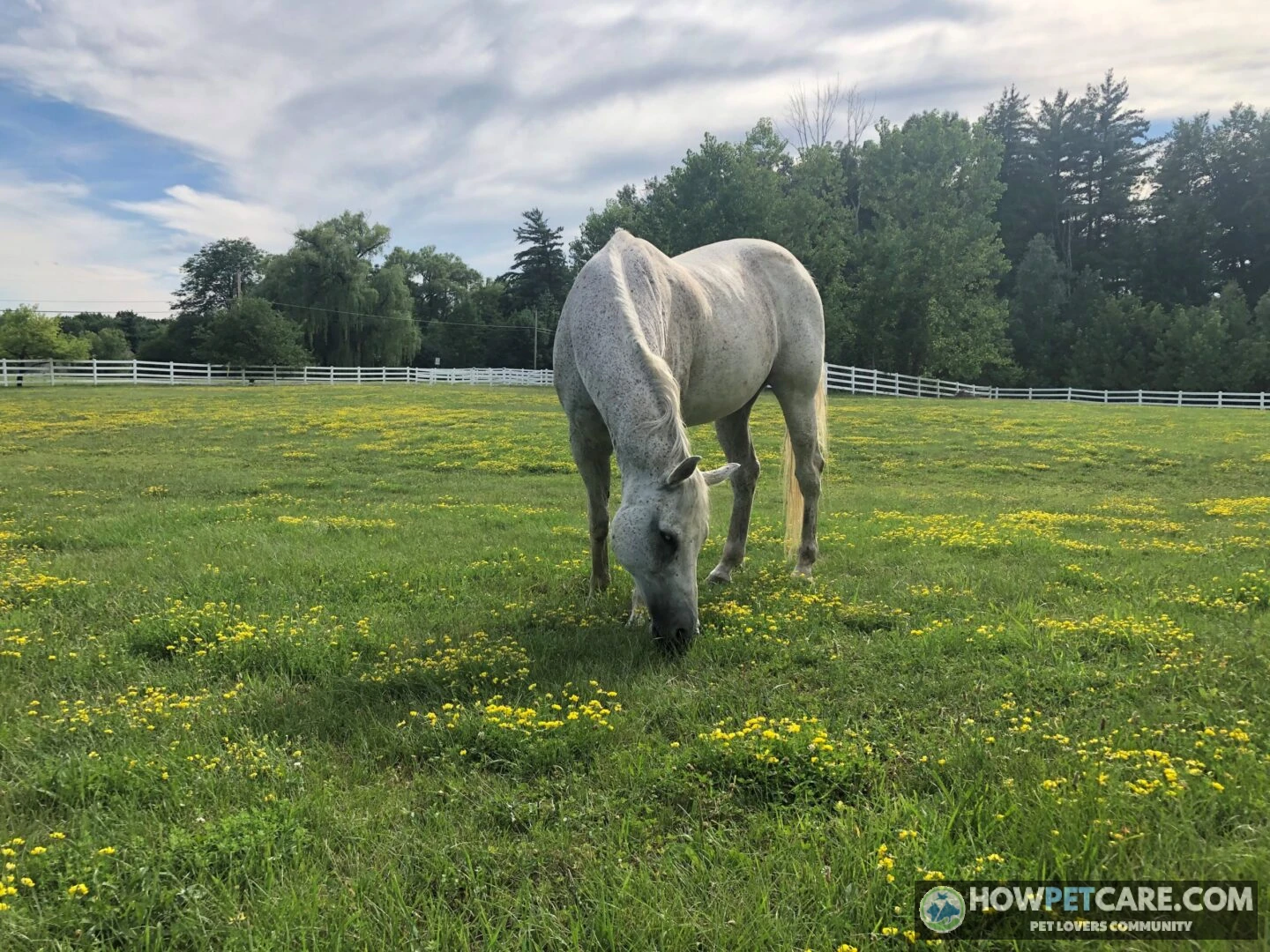

Domestic horses live an average of 25 to 30 years, with well-cared-for horses and ponies frequently reaching their mid-30s or beyond. In contrast, wild horses typically survive only 15 to 20 years. Lifespan varies significantly by breed size: hardy ponies often live 30 to 40+ years, while heavy draft breeds average 15 to 20 years.
Domestic horses live an average of 25 to 30 years, with modern veterinary care, balanced nutrition, and routine dental maintenance frequently extending their lifespans into the mid-30s or beyond. In contrast, wild horses face harsher realities, typically surviving only 15 to 20 years due to untreated dental attrition, severe winter forage deficits, natural predation, and parasites. Understanding horse life expectancy requires looking beyond simple averages to examine how body size, genetics, daily management, and senior care shape an equine’s twilight years.
Average Horse Lifespan: Domestic vs. Wild Equines

The typical horse age at death depends heavily on whether an animal lives under human stewardship or in a wild ecosystem. Domestic equines benefit from sheltered stabling, anthelmintic parasite controls, routine vaccinations, and balanced diets designed to prevent digestive failure. Because of these interventions, well-managed domestic horses routinely reach their late twenties or thirties, and exceptional individuals occasionally surpass age 40. The documented record holder, an English draft-cross barge worker named Old Billy, survived to an extraordinary 62 years.
In the wild, free-roaming herds such as American Mustangs or Australian Brumbies rarely achieve such longevity. Without human intervention, a wild horse’s lifespan is tied directly to its physical wear. As free-roaming equines graze gritty, abrasive desert grasses and browse, their teeth wear down faster than domestic equids eating clean pasture and cultivated hay. Once a wild horse’s teeth wear flat or develop debilitating infections, the animal can no longer process rough forage, leading to starvation, hypothermia, and vulnerability to mountain lions or wolves. Untreated colic, fractured limbs, and heavy parasite loads further truncate their median survival to between 15 and 20 years.
Even within domestic settings, management environments create clear differences in longevity. Working ranch horses subjected to heavy daily cattle workloads, steep terrain, and hard stops accumulate significant articular joint wear that can lead to early retirement or chronic lameness. Recreational horses kept at boarding stables with managed exercise, customized feeding programs, and preventative veterinary visits often face far fewer physical traumas, maximizing their physiological longevity.
Equine Longevity by Breed: Why Size and Conformation Matter

Equine longevity demonstrates a distinct biological pattern: smaller equines consistently outlive larger ones. While giant dog breeds age faster than toy breeds, equines display a similar physiological trajectory. Compact ponies and miniature horses regularly live past 35 years, whereas heavy draft breeds rarely survive past 20.
This gap stems from biological mechanics and cardiovascular stress. Massive draft breeds weighing 1,800 to 2,200 pounds place enormous mechanical stress on their hooves, joints, and cardiovascular systems. Their sheer mass accelerates cartilage degradation, while deep metabolic and circulatory demands make conditions like recumbency—the inability to stand back up—fatal much earlier in life. Conversely, desert-adapted light breeds like Arabians have evolved remarkable physiological efficiency, possessing dense bone structure, high metabolic adaptability, and strong natural resilience that support long lifespans.
| Category | Representative Breeds | Typical Lifespan | Primary Genetic & Conformational Longevity Risks |
|---|---|---|---|
| Ponies & Miniatures | Shetland, Welsh Pony, Miniature Horse, Dartmoor | 30–40+ years | Equine Metabolic Syndrome (EMS), hyperlipemia, severe pasture-associated laminitis, dental crowding |
| Hardy Light Breeds | Arabian, Morgan, Paso Fino, Appaloosa | 27–33 years | Pituitary Pars Intermedia Dysfunction (PPID/Cushing’s), osteoarthritis, lordosis (swayback) |
| Stock & Sport Horses | American Quarter Horse, Thoroughbred, Warmblood, Standardbred | 23–28 years | Navicular syndrome, cervical vertebral stenotic myelopathy (Wobbler), chronic osteoarthritis, recurrent colics |
| Draft & Heavy Breeds | Clydesdale, Shire, Percheron, Belgian | 15–20 years | Chronic Progressive Lymphedema (CPL), aorto-pulmonary rupture, polysaccharide storage myopathy (PSSM1), catastrophic recumbency |
Pony Breeds and Miniature Horses (30–40+ Years)

Ponies and miniature horses represent the longest-lived equids on the planet. A pony named Sugar Puff set a Guinness World Record by reaching 56 years of age. Miniature horses and rugged moorland or mountain breeds, including Shetland and Welsh ponies, evolved on sparse native forage. This background gave them robust immune systems and efficient digestive tracts.
However, their efficient metabolisms can become a double-edged sword under modern management. When allowed unlimited grazing on lush, carbohydrate-rich pastures, ponies quickly develop Equine Metabolic Syndrome (EMS) and insulin dysregulation. This metabolic instability triggers catastrophic pasture-associated laminitis—a painful separation of the hoof wall from the underlying bone. For ponies and miniatures, controlling non-structural carbohydrates (NSC) in their diet is essential for reaching their fourth decade.
Light Riding Horses and Warmbloods (25–30 Years)

Light riding breeds, including the American Quarter Horse, Morgan, Arabian, and Appaloosa, along with imported European Warmbloods (such as Dutch Warmbloods and Hanoverians), form the backbone of the North American recreational and competition herd. Light breeds average between 25 and 30 years. Arabians and Morgans often lean toward the upper end of that spectrum, frequently active well into their late twenties.
Thoroughbreds, bred for extreme racing performance, average between 22 and 26 years, though resilient individuals can live much longer. The record for the oldest recorded Thoroughbred belongs to the Australian racehorse Tango Duke, who reached 42 years. The primary factors limiting the lifespan of light riding horses and Warmbloods are degenerative joint disease (osteoarthritis) from sustained athletic careers, cervical vertebral issues, and gastrointestinal conditions like colic.
Draft Horses and Heavy Breeds (15–20 Years)

Heavy draft breeds, including Belgians, Percherons, Shires, and Clydesdales, have the shortest average equine lifespans, rarely surviving beyond 15 to 20 years. Carrying nearly a ton of mass, their joint cartilage wears prematurely, often leading to severe stifle, hock, and fetlock arthritis by age twelve to fourteen.
Drafts are also uniquely prone to breed-specific disorders. Chronic Progressive Lymphedema (CPL) is an incurable condition affecting the lymphatic vessels in their lower legs, leading to debilitating swelling, skin folds, and secondary bacterial infections. They also face a heightened incidence of Polysaccharide Storage Myopathy (PSSM1), a genetic glycogen-storage defect that causes painful muscle cramping and tying-up. When a draft horse loses the ability to rise unassisted due to joint pain or muscle weakness, humane euthanasia is often required quickly to prevent painful complications from prolonged recumbency.
How Old Is Your Horse in Human Years? The Non-Linear Aging Formula

Many horse owners rely on a simple rule of thumb: multiplying a horse’s chronological age by 3 to find its equivalent human age. Under this linear rule, a 1-year-old yearling would equal a 3-year-old child, while a 20-year-old horse would equate to a 60-year-old human. However, biological development does not follow a straight line. Equine growth plates, dental emergence, puberty, and reproductive senescence unfold at vastly different rates during youth compared to late middle age.
Young horses mature much faster than human children. A 1-year-old yearling is biologically comparable to a 6.5-year-old child, capable of rapid flight, social communication, and herd integration. By age two, the horse has reached puberty and entered adolescence, roughly equivalent to a 12-year-old. At age three, with long bone growth plates largely closed and the skeleton nearly set, the horse functions at a level comparable to an 18-year-old young adult. After age three, physiological maturation slows to an adult plateau of roughly 2.5 human years for every calendar year.
| Horse Age (Years) | Approximate Human Age | Life Stage | Key Physiological Milestones |
|---|---|---|---|
| 1 year | 6.5 years | Yearling / Early Juvenile | Rapid skeletal growth; physis closure begins in lower limbs; vulnerable to developmental orthopedic diseases (DOD). |
| 2 years | 12 years | Adolescent | Puberty onset; dentition shows shed of central deciduous incisors; skeletal structures still maturing. |
| 3 years | 18 years | Young Adult | Long bone growth plates largely fused; full transition to adult physiological work capacity. |
| 5 years | 24 years | Prime Maturity | Full permanent adult dentition established; peak musculoskeletal density and immune resilience. |
| 10 years | 36 years | Established Adult | Mid-career maintenance; initial subclinical articular cartilage wear may develop under heavy athletic loads. |
| 15 years | 48 years | Early Senior | Clinically classified as senior; recommended initiation of baseline endocrine screening (ACTH for PPID). |
| 20 years | 60 years | Geriatric Transition | Molar occlusal surface cupping; reduced digestive assimilation efficiency; increased risk of strangulating lipomas. |
| 25 years | 75 years | Geriatric | Noticeable loss of topline muscle tone; deeper supraorbital fossae; frequent need for processed forage alternatives. |
| 30 years | 86 years | Advanced Geriatric | Complete expiration of clinical crown (smooth mouth); thermoregulation deficits; strict recumbency monitoring required. |
Equine-to-human age charts are physiological approximations rather than exact biological mirrors. Factors such as breed, historical workload, nutrition, and genetics heavily influence whether a 20-year-old horse behaves like a sprightly 50-year-old athlete or a frail 75-year-old geriatric patient.
Defining Senior vs. Geriatric: Recognizing the Physical Markers of Aging

The veterinary and equine communities draw a clear distinction between a chronological senior and a physiological geriatric horse. A horse typically enters the senior category on its 15th birthday. At this stage, many horses continue to jump, run barrels, work cattle, or navigate trails with vitality, showing few outward indications of physical decline. The term "senior" serves primarily as a reminder for owners to schedule more frequent veterinary checkups, monitor metabolic health, and initiate preventative joint support.
A horse crosses the line into "geriatric" when systemic organ decline, dental expiration, or chronic musculoskeletal conditions alter its daily management and metabolic needs, typically between 18 and 22 years of age. Recognizing this shift requires watching for key physical signs rather than simply tracking calendar years:
- Depression of the Supraorbital Fossae: The hollow depressions located above the horse’s eyes sink noticeably deeper as the supportive fat pads behind the eye resorb with age.
- Loss of Topline and Lordosis: Sarcopenia (age-related muscle loss) and softening ligaments cause the abdominal wall to drop and the back to sag, creating a swayed appearance along the spine.
- Facial Graying: Fine white or silver hairs proliferate around the muzzle, eyes, forehead, and poll, distinct from breed-associated roaning or gray coat progression.
- Reduced Digestive Absorption: The intestinal mucosa becomes less efficient at absorbing dietary phosphorus, protein, and essential amino acids, leading to weight loss even on historically adequate rations.
- Stiff, Shuffling Gaits: Degenerative articular joint wear causes shorter strides and stiffness, particularly upon exiting a stall in the morning or during abrupt weather shifts.
Evaluating teeth is a traditional way to estimate age, though it is not 100% precise, especially in horses past twenty. Dentists look for the presence and length of Galvayne’s groove—a lateral groove on the upper corner incisors that typically appears around age 10, reaches the gumline midway down at 15, runs the full length by 20, and recedes through age 30. They also examine the angle at which the upper and lower incisors meet, which becomes sharply acute and protruding in older equines.
Leading Causes of Equine Mortality and How to Prevent Premature Decline

Equine mortality rarely results from old age alone. Horses usually succumb to specific gastrointestinal, musculoskeletal, or neuroendocrine pathologies. Identifying these risk factors early allows owners to step in before chronic issues turn fatal.
Gastrointestinal Emergencies: Strangulating Lipomas and Impaction Colic
Colic remains a primary cause of death in domestic horses of all ages, but senior equines face a unique risk: strangulating pedunculated lipomas. These are benign fatty tumors that grow on thin connective tissue stalks within the mesentery supporting the intestines. As horses pass age 18 to 20, these lipomas can wrap around a loop of the small intestine, cutting off blood flow like a tightened noose. This triggers rapid tissue death, severe endotoxemia, and acute pain. Strangulating lipomas cannot be prevented medically; survival depends on emergency abdominal surgery within hours of symptom onset.
Older horses also experience higher rates of impaction colic. As teeth wear down or go missing, horses cannot grind coarse, stemmy hay effectively. Swallowing under-chewed fiber creates dense, dry blockages within the large colon or cecum, especially during winter when horses drink less water.
Severe Musculoskeletal Breakdown: Osteoarthritis and Chronic Laminitis
Severe musculoskeletal failure is the leading reason owners choose humane euthanasia for senior equines. Equine joints bear immense weight, and decades of athletic exertion inevitably wear down protective articular cartilage. When degenerative joint disease progresses to bone-on-bone friction in the hocks, stifles, or fetlocks, simple daily movement becomes exhausting.
Laminitis represents an even more urgent threat. Whether triggered by systemic inflammation, excessive carbohydrate intake, or underlying metabolic disease, laminitis compromises the sensitive laminae that suspend the coffin bone within the hoof capsule. When these laminae fail, the coffin bone can rotate downward or sink toward the sole, causing intense, unrelenting pain. If medical pain management, specialized corrective shoeing, and deep bedding can no longer keep the horse comfortable, euthanasia becomes the kindest choice.
Endocrine Dysfunction: Mitigating the Fatal Risks of PPID
Pituitary Pars Intermedia Dysfunction (PPID), formerly known as Equine Cushing’s Disease, is a common neurodegenerative disorder in horses over 15. The disease stems from the loss of dopamine-producing neurons in the hypothalamus, causing the pituitary gland to enlarge and overproduce adrenocorticotropic hormone (ACTH) and other peptides.
Left untreated, PPID causes heavy muscle wasting along the topline, a long and curly coat that fails to shed (hirsutism), recurrent infections, delayed wound healing, and a sharply increased risk of fatal laminitis. Fortunately, PPID is not an immediate death sentence. Diagnosing it early through baseline blood ACTH testing and treating it daily with pergolide mesylate helps regulate hormone levels, preserve muscle, and protect against laminitic episodes, allowing many affected horses to live comfortably for years after diagnosis.
Geriatric Horse Management: Nutrition, Dental Floating, and Seasonal Care

Caring for a geriatric horse requires adjusting feeding strategies, health routines, and daily shelter to accommodate aging bodies and worn dentition.
Nutritional Management for Expired Dentition ("Smooth Mouth")
A horse has hypsodont teeth: they possess a finite length of tooth reserve that erupts continuously throughout life to balance daily wear. By age 25 to 30, many horses wear their clinical crowns completely down to the roots, a state known as "smooth mouth." At this stage, they can no longer grind long-stem hay. When given baled roughage, they may produce "quids"—compact, wet wads of partially chewed grass dropped onto the ground. Continuing to feed traditional hay to a horse that is quidding leads to progressive weight loss and carries a high risk of impaction colic.

-
Step 1: Calculate Daily Dry Matter Intake
Target 1.5% to 2.0% of your horse’s target body weight in dry forage equivalent per day. For a 1,000-lb (450 kg) horse needing to maintain weight, calculate 15 to 20 lbs of dry fiber daily.
-
Step 2: Select Appropriate Forage Replacements
Choose dehydrated hay pellets (timothy or alfalfa/orchard) as a direct 1:1 dry-weight replacement for baled hay. Add unmolassed shredded beet pulp for soluble fiber (up to 30% of total forage weight, or 4–6 lbs dry). Commercial "complete senior" mashes can supply 100% of the daily ration if they contain at least 15% to 18% crude fiber.
-
Step 3: Implement Safe Soaking Protocols
Combine 1 part dry feed with 2 parts warm water. Let the mixture sit for 15 to 30 minutes until pellets completely break down into an oatmeal-consistency gruel with zero hard cores. In freezing weather, warm water keeps the mash palatable and encourages vital hydration.
-
Step 4: Feed in Frequent Small Meals
Because equines lack gallbladders and need steady digestive intake, divide the 15–20 lb daily ration into 3 to 4 smaller meals spaced no more than 6 hours apart. Discard uneaten soaked mash after 4 hours in warm weather (over 70°F / 21°C) to prevent fermentation and bacterial growth.
Dental Care and Seasonal Comfort
Preventative healthcare is essential for extending an equine’s lifespan. Geriatric equines require dental examinations every six months rather than once a year. An equine veterinarian or licensed dental practitioner will smooth down sharp enamel hooks that ulcerate cheeks, inspect for painful periodontal pockets, check for loose teeth, and manage diastemas—abnormal gaps between teeth where fermenting feed collects and causes painful gum infections.
Geriatric horses struggle to regulate body heat in winter. Fermenting long-stem forage in the hindgut normally acts as a horse’s internal furnace. Horses that rely on soaked mashes lose much of that natural heat source. Thin seniors (Body Condition Score below 4.5) need waterproof, breathable turnout blankets once temperatures drop below 45°F (7°C), along with three-sided shelters to block biting wind and cold rain.
Owners must also plan for the financial reality of geriatric horse care. Between specialized soaked mash diets, senior feeds, biannual dental work, joint supplements, and daily prescription medications like pergolide, keeping a horse healthy through its late twenties and thirties often adds $2,000 to $5,000 or more to annual maintenance costs compared to caring for a healthy adult in its prime.
Quality of Life Assessment: Objective Criteria for End-of-Life Decisions

Deciding when to end an elderly horse’s life is among the most difficult responsibilities an owner will face. Moving away from purely emotional reactions toward clear, objective criteria helps ensure your equine partner is spared unmanageable suffering. Assessing your horse’s quality of life regularly provides clarity when chronic conditions begin to outpace medical support.
- 1. Ambulation and Rising Unassisted (Critical Safety Marker): A horse must be able to lie down, rest, and stand back up without human help or physical leverage. If a horse experiences "cast" episodes where it cannot rise on its own, or refuses to lie down for days due to joint pain, its welfare is compromised. Prolonged recumbency creates irreversible nerve damage, muscle necrosis, and organ failure within hours.
- 2. Intractable Pain and Medication Thresholds: Evaluate whether your horse moves comfortably at pasture. When pain from chronic osteoarthritis or laminitis breaks through maximum safe daily doses of non-steroidal anti-inflammatory drugs (NSAIDs) such as firocoxib or phenylbutazone, medical management has reached its limit.
- 3. Severe Body Condition Loss (Cachexia): If an older horse’s Henneke Body Condition Score falls below 3.0 despite receiving adequate calories through soaked complete mashes, organ failure or malabsorption is often advancing. Severe muscle wasting along the spine and hips indicates the body is consuming its own tissue.
- 4. Mental Awareness and Herd Interaction: Note whether your horse remains engaged with its surroundings. A healthy senior responds to feeding routines, nickers, and stays integrated with paddock companions. Signs of chronic pain include standing isolated with a lowered head, dull eyes, and disinterest in treats, food, or herdmates.
- 5. Thermoregulation and Skin Integrity: A horse that shivers uncontrollably through mild weather despite heavy blanketing, sweats while resting, or develops non-healing pressure sores over its hips and hocks from prolonged recumbency is losing its physiological resilience.
If your senior horse shows significant decline across several of these areas, consult your equine veterinarian to discuss end-of-life care. Planning compassionate euthanasia ahead of time lets you choose a peaceful, controlled setting on familiar ground. Making arrangements in advance for veterinary services, handling, and carcass removal shields both you and your horse from the distress of an emergency crisis during an acute physical collapse.
| Breed Category | Representative Breeds | Typical Lifespan | Physical & Conformation Characteristics | Primary Genetic & Conformational Risks | Key Management & Nutritional Needs |
|---|---|---|---|---|---|
| Ponies & Miniatures | Shetland, Welsh Pony, Miniature Horse, Dartmoor | 30–40+ years | Compact size, robust immune systems, and efficient digestive tracts evolved on sparse native forage; subject to dental crowding | Equine Metabolic Syndrome (EMS), hyperlipemia, severe pasture-associated laminitis, dental crowding | Control non-structural carbohydrates (NSC) in diet, avoid unlimited grazing on lush carbohydrate-rich pastures to prevent EMS and insulin dysregulation, perform routine dental monitoring |
| Hardy Light Breeds | Arabian, Morgan, Paso Fino, Appaloosa | 27–33 years | Desert-adapted light breeds with dense bone structure, high metabolic adaptability, and strong natural resilience; often active into late twenties | Pituitary Pars Intermedia Dysfunction (PPID/Cushing's), osteoarthritis, lordosis (swayback) | Preventative joint support, routine dental care, baseline endocrine screening (ACTH for PPID) past age 15, management of pasture/carbohydrates if metabolic issues arise |
| Stock & Sport Horses | American Quarter Horse, Thoroughbred, Warmblood, Standardbred | 23–28 years | Bred for athletic performance and riding (Thoroughbreds average 22–26 years; Warmbloods include Dutch Warmbloods and Hanoverians) | Navicular syndrome, cervical vertebral stenotic myelopathy (Wobbler), chronic osteoarthritis, recurrent colics | Preventative joint care, managed exercise, baseline endocrine screening, gastrointestinal/colic prevention, monitoring joint strain from athletic careers |
| Draft & Heavy Breeds | Clydesdale, Shire, Percheron, Belgian | 15–20 years | Massive build weighing 1,800 to 2,200 pounds (nearly a ton of mass), causing enormous mechanical stress on hooves, joints, and cardiovascular systems | Chronic Progressive Lymphedema (CPL), aorto-pulmonary rupture, polysaccharide storage myopathy (PSSM1), catastrophic recumbency, severe stifle/hock/fetlock arthritis by age 12–14 | Monitoring for muscle weakness/joint pain to avoid recumbency, managing lower leg lymphatic health (CPL), genetic/dietary management for PSSM1, joint support |
FAQ
What was the oldest horse ever recorded in history?
The oldest verified horse was ‘Old Billy,’ a barge horse born in England in 1760 who lived to the age of 62, passing away in 1822. For modern domestic horses, living into the late 30s or early 40s represents the typical upper physiological limit.
How long can a horse live after being diagnosed with Cushing’s disease (PPID)?
With daily administration of pergolide mesylate, specialized low-starch nutrition, and diligent hoof care, horses diagnosed with PPID can realistically live for 5 to 10 or more years post-diagnosis, provided laminitis is prevented.
How do veterinarians estimate an older horse’s age using its teeth?
Veterinarians inspect the wear of incisor enamel cups, the angle of the dental bite, and the presence of Galvayne’s groove on upper corner incisors, which appears around age 10, spans the tooth by 20, and recedes by 30.
Does regular exercise extend or shorten a horse’s life expectancy?
Consistent, low-impact exercise prolongs a horse’s life by preserving cardiovascular health, gut motility, and supportive joint musculature. In contrast, extreme athletic strain or prolonged stall confinement accelerates physical breakdown.