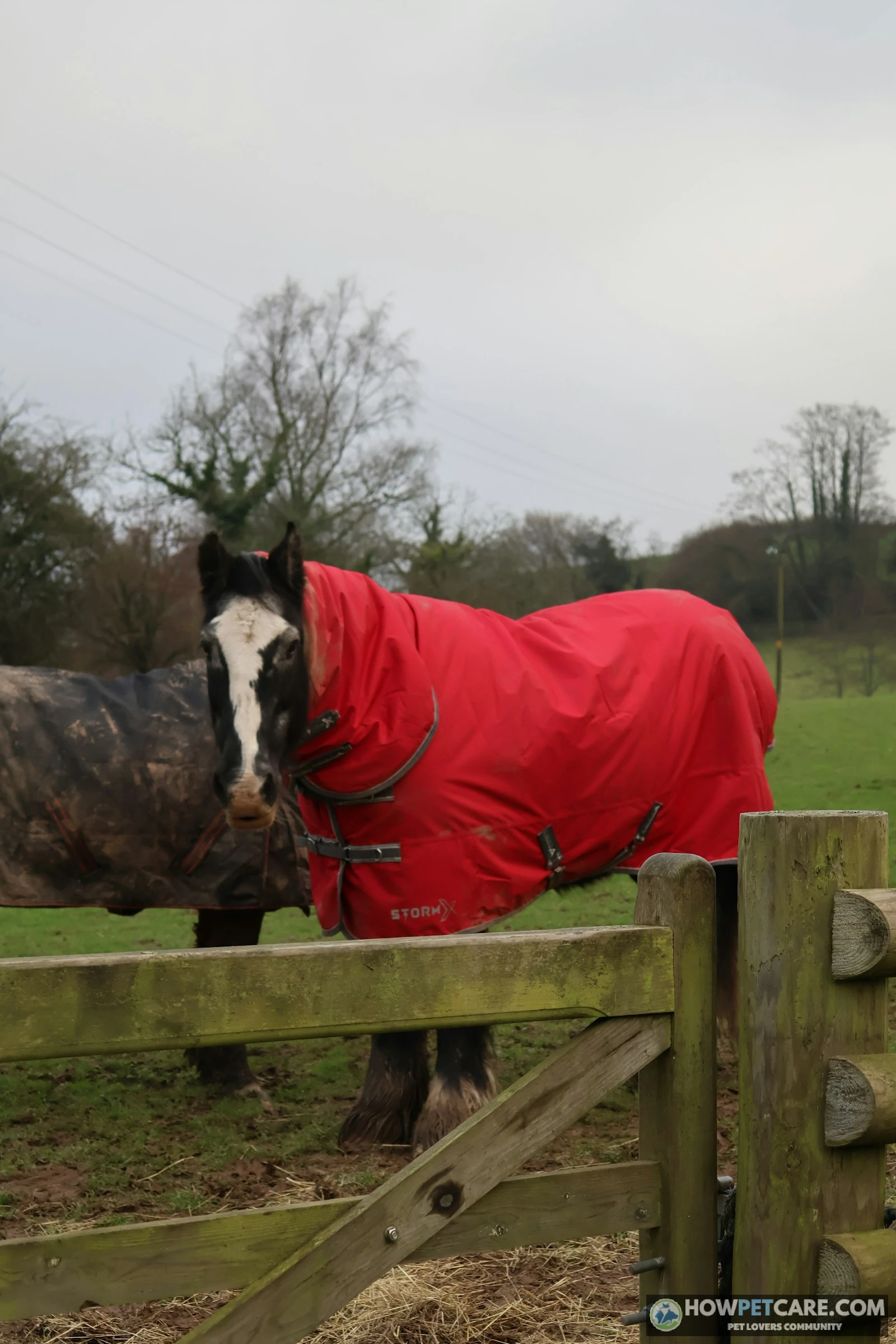

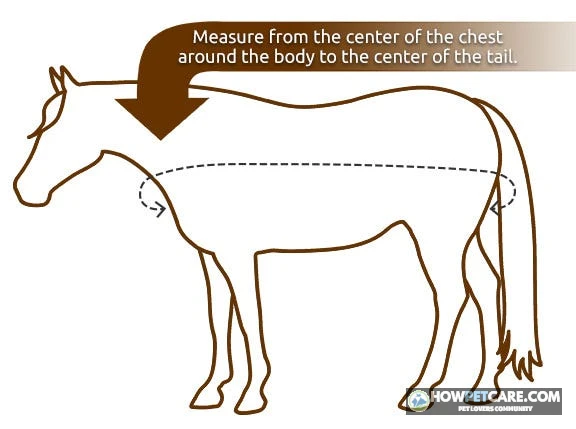
To find your horse’s blanket size, measure from the center of the chest, around one side of the body, to the point of the buttock. That number in inches is your starting size. If you land between sizes, try the larger one first, and always confirm against the manufacturer’s own chart.
To find your horse’s blanket size, measure from the center of the chest, around one side of the body, to the point of the buttock. Use the measurement in inches as your starting point, then check the manufacturer’s chart. Brands use different size increments and may define the rear endpoint differently. If your measurement falls between available sizes, the larger size is usually the first to try, but the fit and the brand’s instructions may point you toward the smaller one.
How to Measure a Horse for a Blanket, Step by Step
What you need before you start
Gather a flexible measuring tape and a helper, and find a safe, level place for your horse to stand. Remove any blanket, then ask the horse to stand square, with weight on all four legs and its head in a natural position. Standing square on level ground helps you get a consistent reading.
If you don’t have a long flexible tape, use a piece of string or a lead rope. Mark the endpoint, then lay it straight against a yardstick or ruler. Keep the string level and don’t stretch it when transferring the measurement.
The three landmarks: chest center, side of the barrel, point of buttock
- Start at the center of the chest. Find the midline at the front of the breastbone, just above where the front legs meet. Ask your helper to hold the beginning of the tape there.
- Take the tape around one side. Run it across the widest part of the shoulder and along the side of the barrel. Keep it approximately level and snug against the horse’s contours, without pulling it tightly into the coat. Don’t follow the dip of the back or the curve of the belly.
- Finish at the point of the buttock. Read the tape at the rearward prominence of the hindquarter. Record the measurement in inches and centimeters. Some guides instead specify where the tail meets the buttocks, so use the endpoint in the product’s instructions if it differs.
- Repeat the measurement. Measure twice and average the readings if they differ slightly. If your horse is noticeably asymmetrical, check the other side too and record both results.
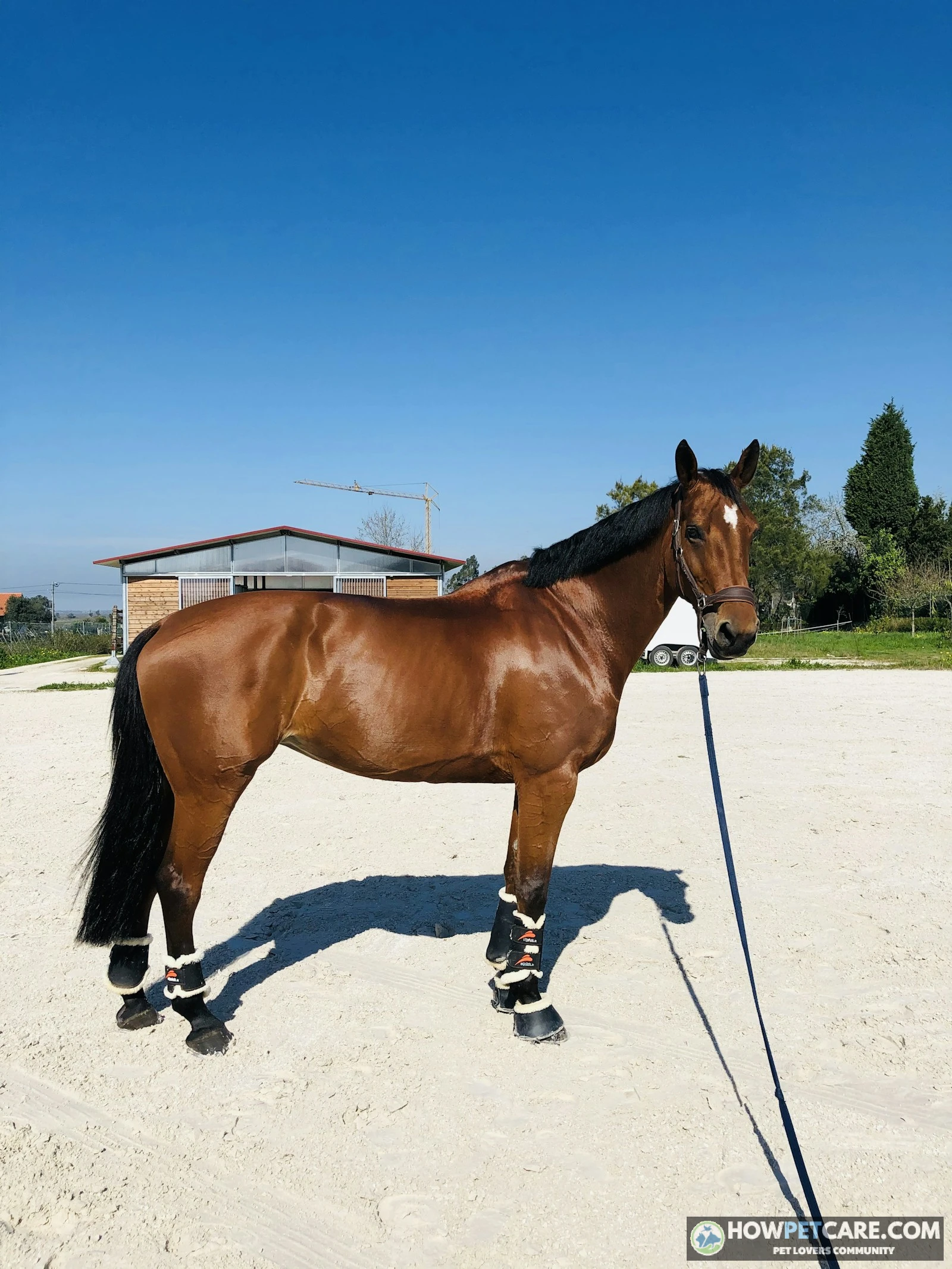
On a generic two-inch ladder, a horse measuring 73 inches would ordinarily start with a 74-inch blanket. That’s a starting size, not a promise that every 74-inch blanket will fit.
Measuring mistakes that cost a whole size
Starting at the point of the shoulder instead of the center of the chest makes the measurement too short. So does stopping at the hip rather than the rear of the hindquarter. Other common mistakes include letting the tape sag, pulling it tight, or measuring while the horse is stretched out to graze.
Body length and back length are different measurements. Chest-to-buttock body length is commonly used for US labels. Back length, measured along the topline from the withers or base of the neck toward the tail, appears on many European labels. As the conversion section explains, you can’t simply change the units and expect the two numbers to match.
Horse Blanket Size Chart: Full 36–90 Inch Range (Printable)
Find your size by body length
This printable horse blanket size chart shows a generic two-inch body-length ladder, not the sizes stocked by every manufacturer. Find your measured length in the first column. If it falls between rows, start with the next available size up, subject to the fit exceptions below. The centimeter column converts the same chest-to-buttock length; it isn’t a European back-seam label.
The horse types are broad illustrations, not sizing guarantees. Some horses may need blankets smaller than 36 inches or larger than 90 inches, and some makers use different increments. Print or screenshot the table to keep at the barn.
| US body length (inches) | UK equivalent | Body length (cm), approx. | Broad type guide |
|---|---|---|---|
| 36 | 3 ft 0 in | 91 | Miniature |
| 38 | 3 ft 2 in | 97 | Miniature |
| 40 | 3 ft 4 in | 102 | Miniature |
| 42 | 3 ft 6 in | 107 | Miniature or small pony |
| 44 | 3 ft 8 in | 112 | Miniature or small pony |
| 46 | 3 ft 10 in | 117 | Miniature or small pony |
| 48 | 4 ft 0 in | 122 | Miniature or small pony |
| 50 | 4 ft 2 in | 127 | Pony |
| 52 | 4 ft 4 in | 132 | Pony |
| 54 | 4 ft 6 in | 137 | Pony |
| 56 | 4 ft 8 in | 142 | Pony |
| 58 | 4 ft 10 in | 147 | Pony |
| 60 | 5 ft 0 in | 152 | Pony or small horse |
| 62 | 5 ft 2 in | 157 | Pony or small horse |
| 64 | 5 ft 4 in | 163 | Pony or small horse |
| 66 | 5 ft 6 in | 168 | Cob or small horse |
| 68 | 5 ft 8 in | 173 | Cob or horse |
| 70 | 5 ft 10 in | 178 | Cob or horse |
| 72 | 6 ft 0 in | 183 | Horse |
| 74 | 6 ft 2 in | 188 | Horse |
| 76 | 6 ft 4 in | 193 | Horse |
| 78 | 6 ft 6 in | 198 | Horse or large horse |
| 80 | 6 ft 8 in | 203 | Horse or large horse |
| 82 | 6 ft 10 in | 208 | Large horse or draft cross |
| 84 | 7 ft 0 in | 213 | Large horse or draft |
| 86 | 7 ft 2 in | 218 | Large horse or draft |
| 88 | 7 ft 4 in | 224 | Large horse or draft |
| 90 | 7 ft 6 in | 229 | Large horse or draft |
Estimating by height in hands—and why it’s only an estimate
A hand measurement describes height at the withers, not length around the body. One hand equals four inches, and the digit after the decimal represents additional inches: 15.2 hands means 15 hands plus two inches, not 15.2 multiplied by four.
There’s no dependable single blanket size for a 15-hand horse. A range around 72–76 inches can be a starting point for some horses, but a shorter-bodied or longer-bodied 15-hand horse may fall outside it. Measure before ordering rather than relying on height alone.
Miniatures, ponies, and drafts on the same chart
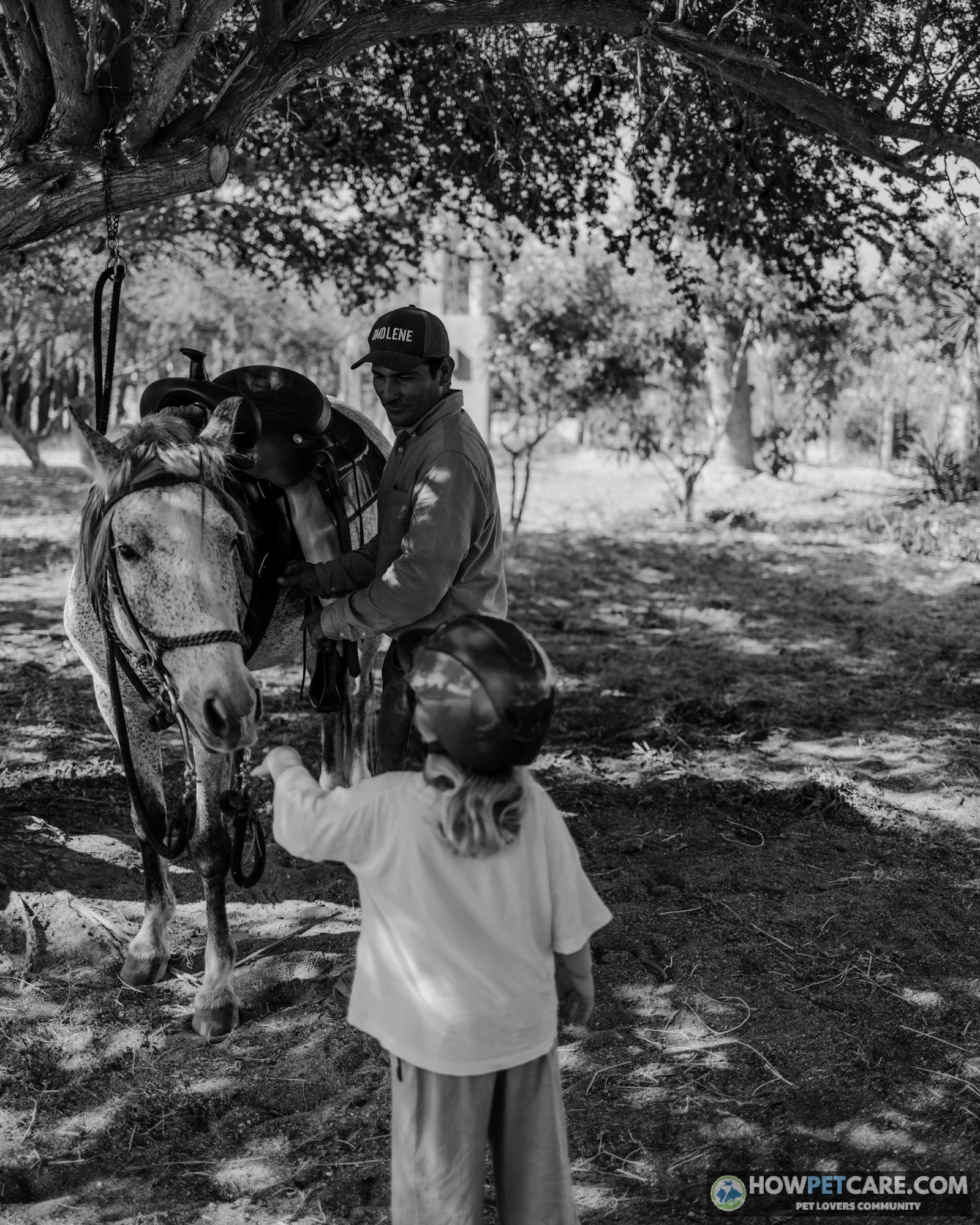
The chart’s type labels overlap deliberately. One published sizing guide places minis under 38 inches tall in an approximate 36–48-inch blanket range and ponies in a 52–64-inch range, but those categories don’t determine an individual’s fit.
A horse blanket size chart by breed has similar limitations. Welsh ponies, Arabians, Quarter Horses, Thoroughbreds, warmbloods, and draft crosses can vary considerably within their breeds. Use a breed or height estimate only as a reasonableness check; choose the starting size from your horse’s measurement and the manufacturer’s chart.
Converting Horse Blanket Sizes: US Inches, UK Feet, and European Centimeters
Body length vs. back seam: what each measures
US inch sizes commonly represent a chest-to-rear body measurement. UK horse rug sizes often express a similar nominal body length in feet and inches. Many European labels instead use a shorter topline or back-seam measurement in centimeters. Check the label or chart: a centimeter number alone does not tell you which measurement convention it represents.
Back-seam length doesn’t include the same route around the chest and hindquarters as body length. That means you can’t convert a back-seam label to a chest-to-buttock label by dividing by 2.54 alone.
The conversion formulas with worked examples
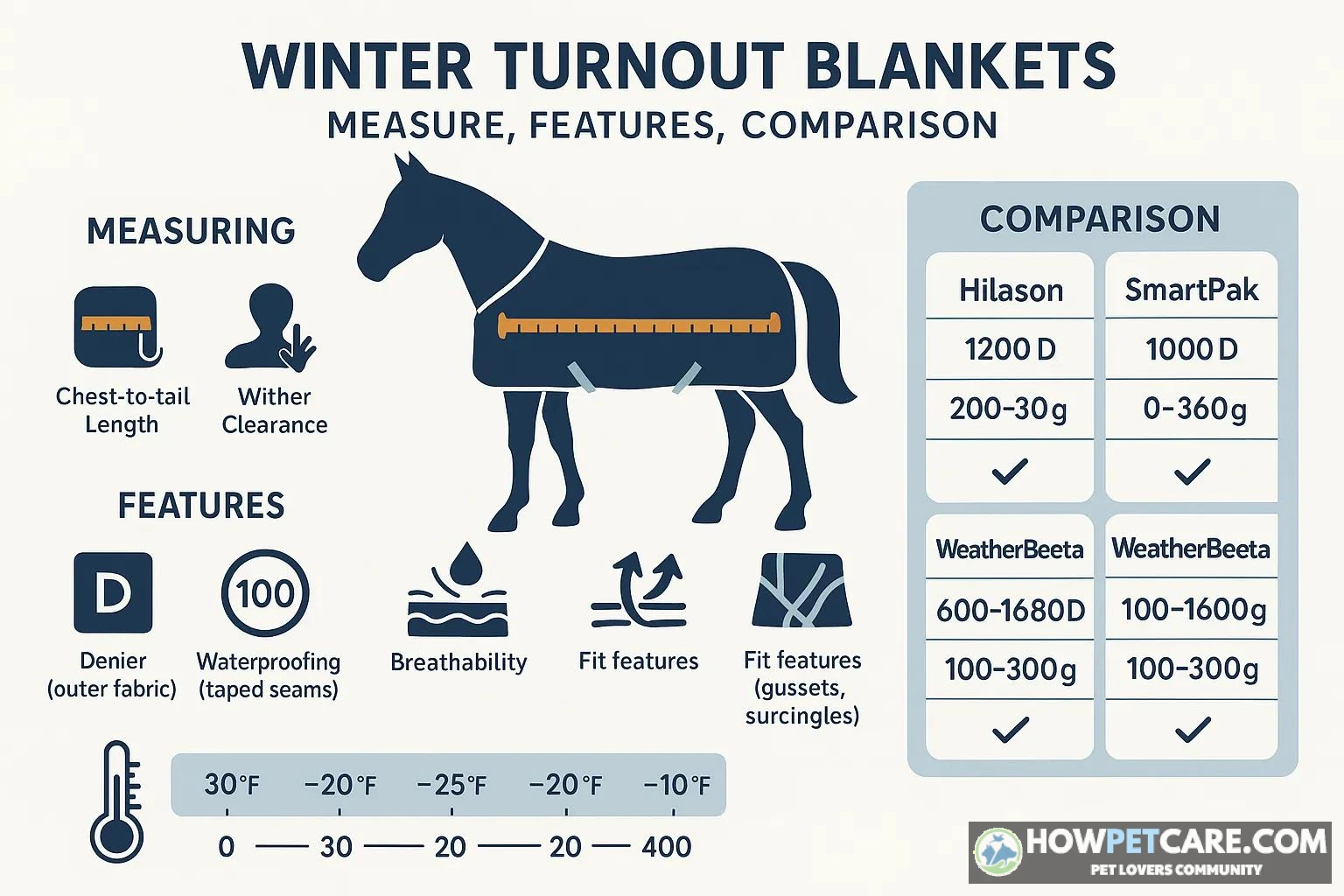
These unit conversions are exact when they refer to the same measurement:
- Inches to centimeters: inches × 2.54. For example, 78 inches = 198.12 cm of body length.
- Centimeters to inches: centimeters ÷ 2.54. For example, 198.12 cm of body length = 78 inches.
- US inches to UK feet and inches: divide by 12 and express the remainder in inches. For example, 78 inches = 6 ft 6 in.
- UK feet and inches to total inches: feet × 12 + remaining inches. For example, 6 ft 3 in = 75 inches.
Converting a back-seam measurement to body length requires an additional assumption. In arithmetic terms:
Estimated body length in inches = (back-seam cm + assumed difference in cm) ÷ 2.54.
There’s no universal, verified difference to insert in that formula. The measurements follow different paths, and the relationship varies with the horse and the manufacturer’s nominal size mapping. You can calculate a difference from a particular brand’s paired chart by subtracting its back-seam label in centimeters from the converted body-length label in centimeters. The result describes that chart pairing; it isn’t an anatomical constant.
For illustration only, suppose a particular chart pairs a 135 cm back label with a 72-inch body label. The calculation is 72 × 2.54 − 135 = 47.88 cm. Applying that assumed difference back to 135 cm gives (135 + 47.88) ÷ 2.54 = 72 inches. In the other direction, 72 × 2.54 − 47.88 = 135 cm. This example shows the arithmetic, not a verified conversion for any brand or horse.
The lookup below uses that same illustrative 47.88 cm difference throughout and rounds to the nearest inch. It can help you understand the calculation, but it’s not for choosing a blanket without the maker’s chart or a direct back measurement. No dependable universal tolerance can be assigned to these estimates.
| Back-seam label (cm) | Illustrative body length (inches) | Same estimate in UK feet/inches | Limitation |
|---|---|---|---|
| 105 | 60 | 5 ft 0 in | Assumed difference; verify |
| 115 | 64 | 5 ft 4 in | Assumed difference; verify |
| 125 | 68 | 5 ft 8 in | Assumed difference; verify |
| 135 | 72 | 6 ft 0 in | Assumed difference; verify |
| 145 | 76 | 6 ft 4 in | Assumed difference; verify |
| 155 | 80 | 6 ft 8 in | Assumed difference; verify |
| 165 | 84 | 7 ft 0 in | Assumed difference; verify |
| 175 | 88 | 7 ft 4 in | Assumed difference; verify |
For a label based on back length, measure the horse along the topline using that manufacturer’s stated start and end points. Use its chart to select the label; don’t treat an illustrative offset as a universal conversion.
Decoding a secondhand blanket’s label
The label identifies the size the previous owner bought, not necessarily that horse’s actual measurements or yours. First, identify the manufacturer and determine whether the number refers to body length, back length, or a category such as pony, cob, or full.
Lay the fastened blanket flat and measure the back seam, then its front-to-rear extent along the side. These garment dimensions can help you compare it with a blanket that already fits, but they are not automatically equal to the horse’s body measurements. Closures, overlap, shape, and measuring points all affect the result. Ask for the product’s chart and try the blanket on safely whenever possible.
Horseware vs WeatherBeeta vs Schneiders: How Brand Sizing Differs
The same horse may need different labels when manufacturers offer different size ladders or use different conventions. The specific product’s chart takes precedence over the generic chart above. Published instructions and ranges can change, so check the current chart for the exact model and market before ordering.
Side-by-side comparison of measuring methods and size ladders
| Brand | Measuring method to check | Units and size ladder | Cut and product considerations | What to verify |
|---|---|---|---|---|
| Horseware | Check the product’s instructions for chest-to-rear measurement and its stated endpoint. | Labels and increments depend on the range and market; charts may also show a back-length equivalent. | Front design, neck height, and shoulder construction vary by line. | Use the specific range’s chart and between-size instructions rather than assuming every model fits alike. |
| WeatherBeeta | Check the brand’s instructions for the relevant chest-to-rear measurement and any additional measurement it requests. | US, UK, and centimeter labels may appear together; available increments vary by product. | Neck shape, shoulder room, and drop depend on the model. | Identify whether a centimeter figure refers to body length or back length. |
| Schneiders | Follow the measuring instructions attached to the blanket’s manufacturer. | US inch labels are common, but available sizes depend on the maker and product. | House and third-party lines can have different proportions. | Schneiders is also a retailer; identify the actual manufacturer before using a chart. |
Cut differences that a number won’t show
The size number doesn’t tell you everything about a blanket. A high-neck cut, a different front closure, a shoulder gusset, or a deeper drop can change how the same nominal length sits. A turnout blanket, stable blanket, and fly sheet may use the same brand’s size ladder but still fit differently because of their cuts.
What to do when two brand charts disagree
Keep your original measurements and follow each manufacturer’s instructions separately. If one asks for a different endpoint or a back measurement, take that measurement rather than forcing your original number into its chart. Then compare the recommended size and cut with your horse’s actual shape.
How a Correctly Fitted Blanket Sits, and How to Fix Fit Failures
Fit check at the chest, shoulders, withers, and tail
Try the blanket over a clean horse and follow the seller’s conditions for returns. Fasten it as instructed, then check:
- Chest: The front should close without straining or gaping. A couple of flat fingers of clearance can be a useful initial check, but watch what happens when the horse lowers its head: the front shouldn’t pull tight or slide excessively.
- Shoulders: The horse should be able to step forward without the fabric binding. A shoulder gusset, if present, should allow movement rather than sit twisted or pull against the shoulder.
- Withers: Check for pressure or pinching over the bony ridge at the base of the neck. A blanket can be the right length but still press on prominent withers.
- Belly and straps: Adjust the belly band or surcingles according to the manufacturer’s instructions. They shouldn’t cut in or hang so loosely that a leg can become caught. A flat hand’s width is a common starting check; the design and instructions matter. Attach leg straps only as directed for that blanket—not all systems use the same arrangement.
- Rear and tail: The blanket should cover the hindquarters as intended by its design without pulling tight across the rump or trapping the tail. Check that the skirt isn’t so long that it interferes with the legs.
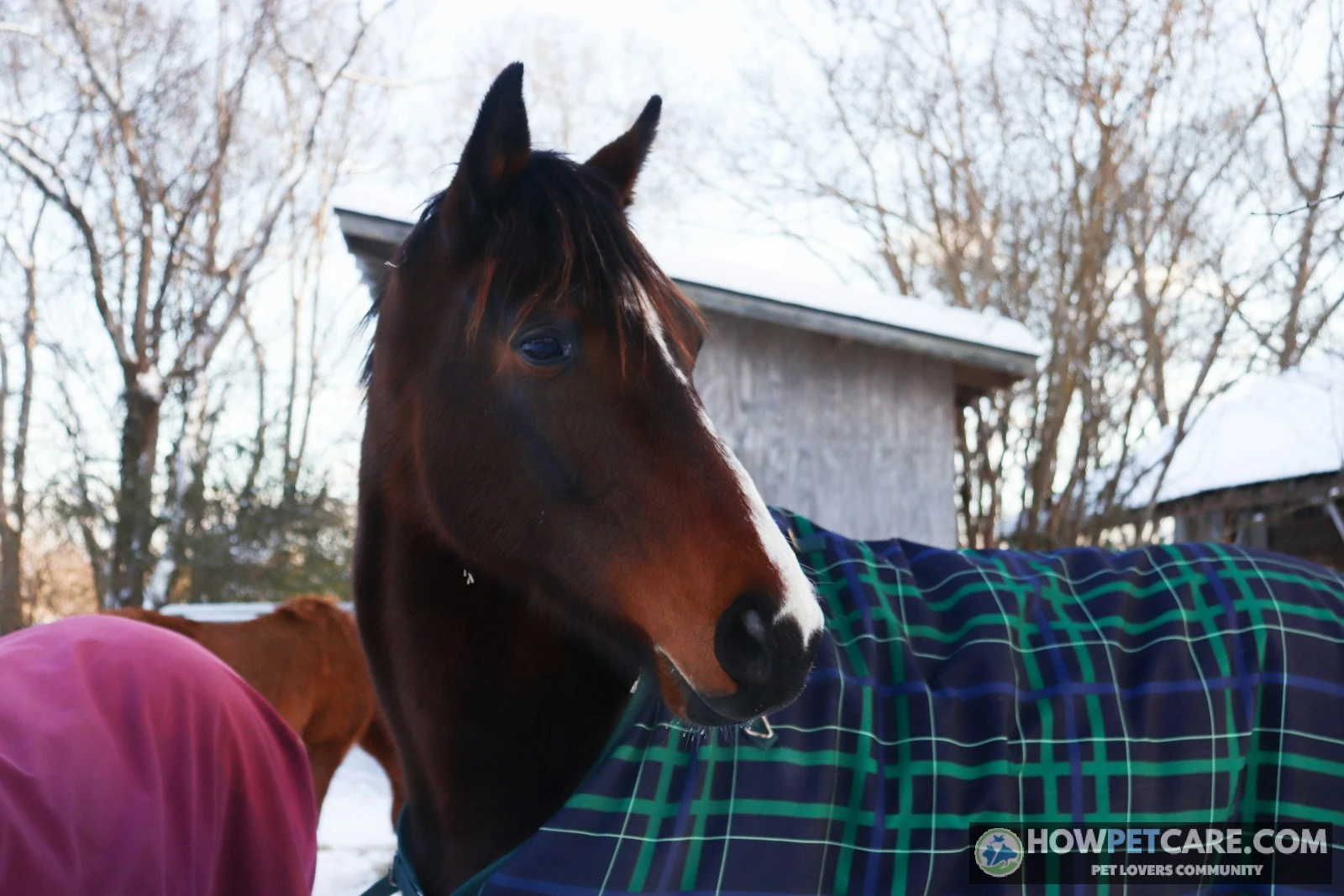
Walk the horse and let it lower its head. If safe and practical, observe it moving more freely as well. After wear, check again for shifted fabric, rubs, or hair loss. Remove a blanket that’s causing injury.
Neck opening too wide or too tight
A wide opening can let the blanket slip back and place pressure elsewhere. First check that the front is fastened and adjusted as the maker intends. If it still gapes, try a narrower neck or different front design rather than simply shortening the whole blanket. A compatible neck cover isn’t a reliable fix for an incorrectly fitting opening.
If the opening is tight, don’t force the closures. A different neck or chest cut may provide room without adding unwanted length.
Right length but wrong cut
A horse with high withers, a narrow chest, broad shoulders, or a deep barrel may need a different shape at the same labeled size. Longer isn’t always wider in the right places, and a shorter blanket isn’t necessarily a safe solution for excess drop. Look for a cut that resolves the particular pressure or gap, then repeat the movement check.
Does a blanket shrink after washing?
Some materials or components can change dimensions with washing, drying, wear, or damage, but there’s no reliable universal shrinkage allowance to add when sizing. Don’t buy an oversized blanket on the assumption that it will shrink to fit.
Follow the care label, including its drying and heat instructions. If a previously comfortable blanket seems shorter or tighter after cleaning, compare its flat measurements with your earlier notes and try it on again. Check for damaged seams or distorted straps as well as changes in the horse’s body.
Between Sizes? When to Size Up and When to Size Down
The size-up rule and why it usually works
If the tape reads 73 inches and the manufacturer offers 72 and 74, 74 is usually the first size to try. The larger option can reduce the risk of a too-short blanket restricting the shoulders or leaving the rear insufficiently covered. First confirm the measurement and check the manufacturer’s own rounding instructions; its ladder may not use two-inch steps.
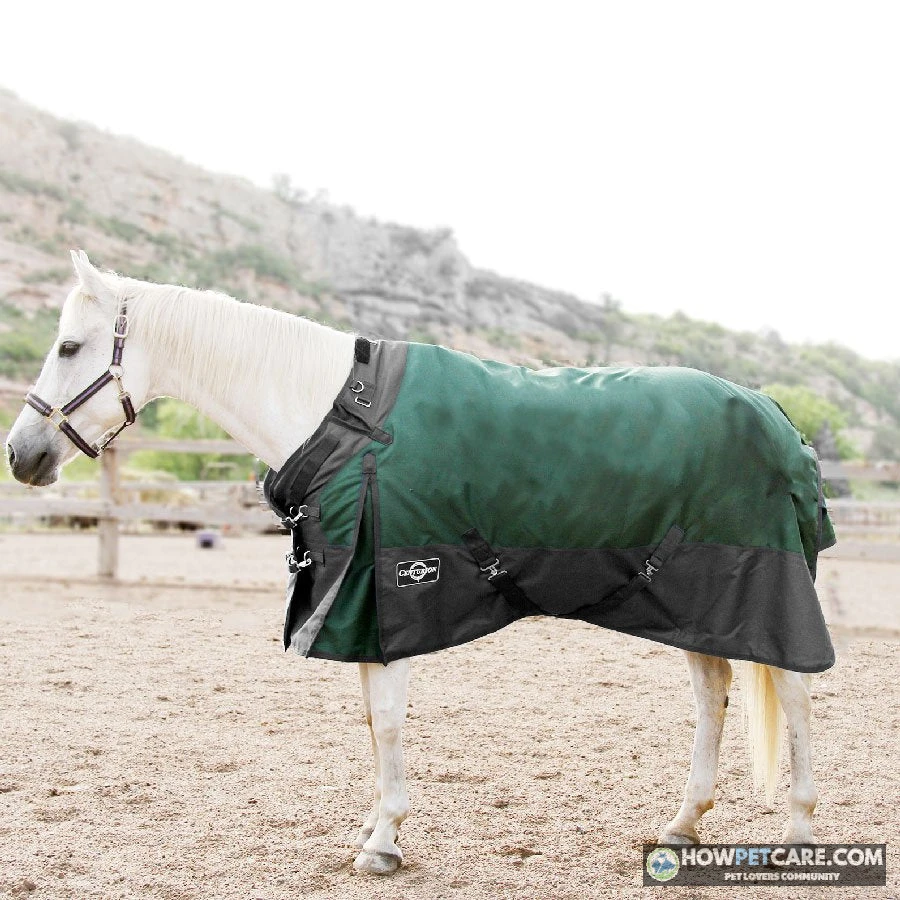
When sizing down is the better call
Try the lower size when the manufacturer’s guidance supports it or a fitting shows that the larger blanket gaps at the neck, slides back, or has excessive drop. The lower size must still cover the hindquarters and allow free shoulder movement.
A fine-boned or narrow-chested horse may need a different cut rather than a different length. Adjustable chest closures can help fine-tune a fit, but they can’t make a blanket that’s too short safe. Being within an inch of the lower rung is a reason to consider trying it, not a guarantee that it will fit. Confirm the return policy before testing.
Between sizes and wide-chested: length or girth?
For a wide-chested, short-backed horse, measure body length first, then look for a cut with enough chest and shoulder room at that length. Don’t assume that adding length will solve a girth problem: an oversized blanket can shift or hang too far back. If the correct-length option binds and the wider cut still doesn’t fit, seek another design or help from an experienced fitter.
Use this order: remeasure; check the brand’s ladder; compare the cut; then try the most promising size with the intended layers. If no option clears the shoulders and covers the rear without shifting, neither size is right in that design.
The same restraint applies to layering: if a liner or a stable blanket will go under a turnout, don’t size up automatically—fit the outer blanket over the actual combination, as the layering section below explains.
Layering and Liners: Do You Size Up for a Blanket Liner or Stable Blanket Under a Turnout?
Liners and sheets under a turnout
Start with the horse’s own measurement, not the size printed on an existing layer. A compatible, relatively thin blanket liner may fit under the normal outer size, but there’s no automatic rule. Test the actual combination. Check that the outer blanket still clears the withers, closes comfortably at the chest, and moves freely over the shoulders.
A sheet and a blanket often use the same measuring approach within a brand, but their cuts can differ. Follow the maker’s instructions for compatibility and attachment rather than assuming that any fly sheet or liner will sit safely under any turnout.
Stable blanket under a turnout
A bulkier stable blanket can use up the room available under a turnout. Fit the outer blanket over the exact inner layer you plan to use. If it binds, first consider whether an outer cut designed for that combination provides the needed room. A larger outer size may help only if it doesn’t create excessive length, drop, or shifting.
Don’t automatically size up every layer. Each piece needs to fit the horse and remain secure in the complete arrangement. Check the combined fit after movement and again during use.
Hoods and neck covers: do they change the size?
A hood or neck cover doesn’t change the horse’s body-length measurement, but its attachment and bulk can affect comfort around the neck and shoulders. Use the relevant accessory chart and test the combination. One published guide maps neck-cover categories to ranges of blanket sizes, but don’t assume those mappings apply to another product.
Sizing for Drafts, Minis, Pregnant Mares, and Horses That Change Shape
Wide-chested, short-backed builds
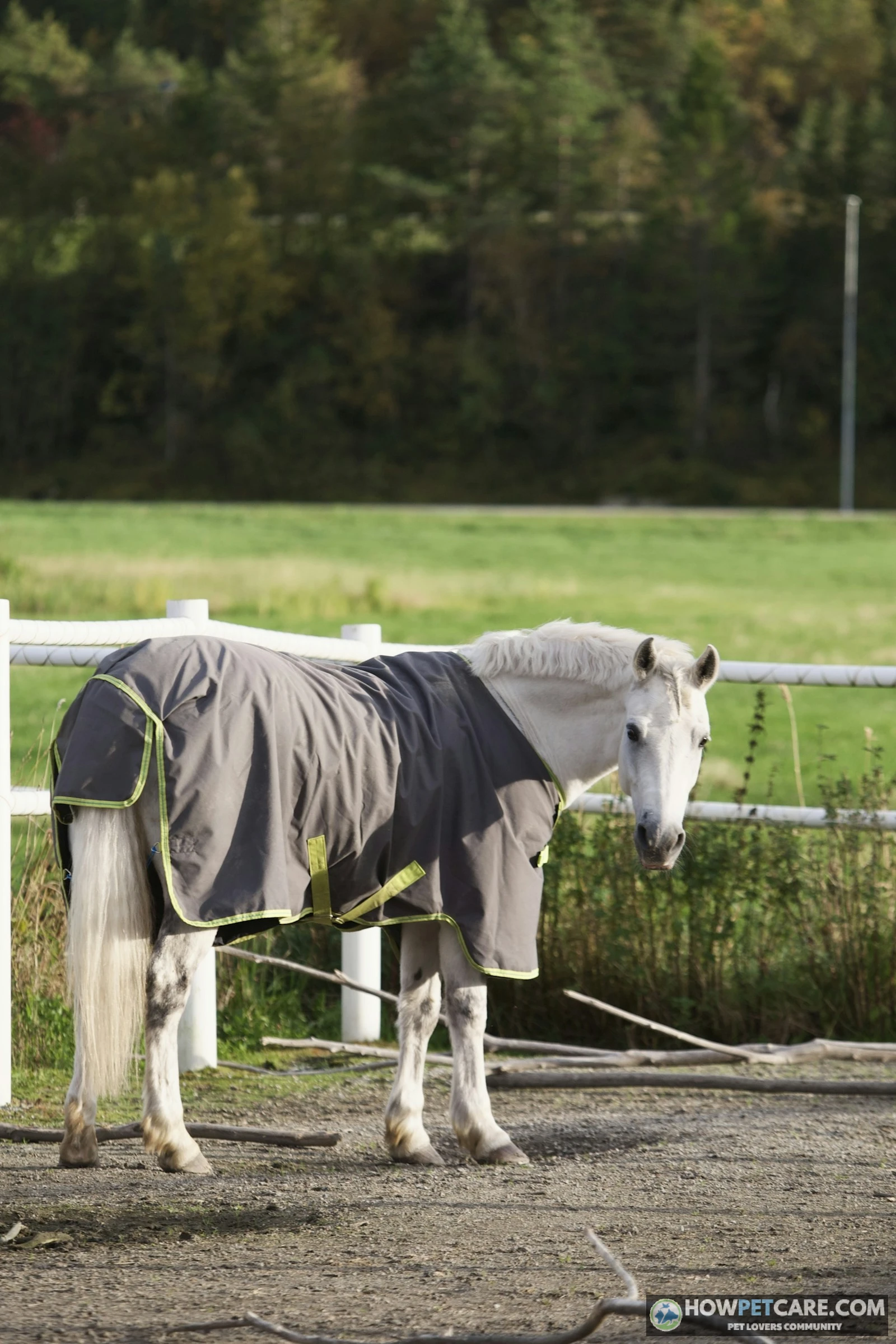
Drafts, Friesians, Baroque types, and some draft crosses can need more room at the chest or shoulder than a standard cut provides at their measured length. Compare wide or draft-cut options in the appropriate length and check shoulder movement, wither clearance, and belly adjustment. Some horses need sizes beyond the 90-inch end of the chart; others need a wider cut rather than a longer blanket.
Miniatures and ponies
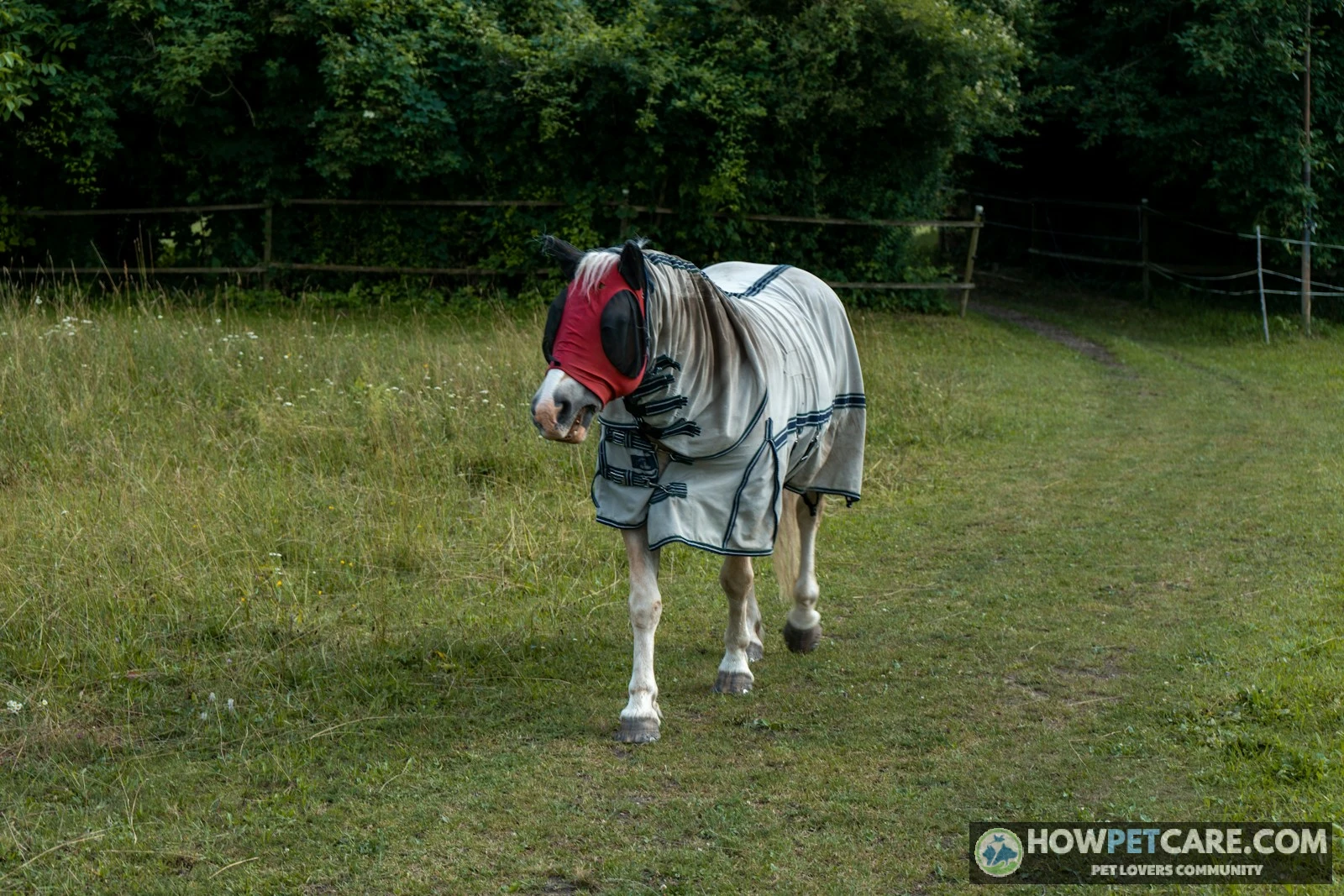
Measure a miniature or pony with the same care as a larger horse. A small error takes up a greater proportion of a small blanket, and miniature-specific shapes may differ from scaled-down horse designs. Check the front, straps, and drop on the individual animal rather than selecting solely by a pony or miniature label.
Pregnant mares
A mare’s changing abdomen can alter how a blanket hangs and how the belly straps fit. If the blanket will be worn later in pregnancy, check that the design and adjustment range can accommodate her changing shape without tightening against the belly. Recheck fit frequently, including every few weeks as her shape changes, and remove the blanket if it becomes restrictive or unstable. Ask your veterinarian about individual blanketing concerns; avoid guessing how much larger she’ll become or buying an excessively long blanket in advance.
Horses that gain, lose, or are still growing
Remeasure at the start of the blanketing season and after noticeable weight or body-condition changes. Check growing horses more frequently; a young horse may outgrow a blanket before the next season. For a senior or thin horse, pay particular attention to pressure over prominent withers and other bony areas. A thicker seasonal coat can also change how a close-fitting blanket feels.
Your Pre-Purchase Sizing Checklist: Measure, Convert, Verify
Before ordering, save or screenshot this list:
- ☐ Measure from chest center to the manufacturer’s specified rear endpoint twice; record inches and centimeters.
- ☐ If the label uses back length, take that separate measurement using the maker’s landmarks.
- ☐ Find the starting size on the relevant chart and convert units only when they describe the same measurement.
- ☐ Check the exact manufacturer, model, size ladder, cut notes, and return conditions.
- ☐ Consider build, current body condition, expected changes, and the actual layers to be worn.
- ☐ On arrival, check the chest, shoulders, withers, belly straps, rear, and movement before committing to the fit.
- ☐ Remeasure next season or sooner if the horse grows, changes condition, or the blanket starts to rub or shift.
1When measuring a horse for a standard US body-length blanket, where should the measuring tape start and end?
Standard US body length measures around the widest part of the barrel from the center of the breastbone to the rearward prominence of the hindquarter.
2Which body position should the horse maintain during measurement to ensure a consistent reading?
A balanced, square stance on flat ground ensures the body contours remain neutral and reproducible.
3If a horse's measured body length falls exactly between two sizes on a standard two-inch size ladder, what is generally the recommended starting step?
Trying the larger size first helps prevent shoulder tightness and ensures full hindquarter coverage.
4Why is a horse's height in hands insufficient for choosing an accurate blanket size?
Height at the withers does not account for differences in barrel length, chest width, or overall body proportion.
5Why can't a European back-seam measurement in centimeters be converted to a US body-length measurement by dividing by 2.54 alone?
Back-seam length traces the topline, whereas US body length curves from chest center around the shoulder to the buttock.
6What is the primary risk of selecting an excessively large blanket to resolve tightness around a wide chest?
Increasing length to fix width issues often leads to unstable alignment, gaping neck openings, and leg interference.
7When fitting a turnout blanket over a heavy stable blanket, how should the correct sizing be determined?
Evaluating the complete combination ensures the shoulders move freely and the chest fasteners close without pressure.
8What check indicates that a blanket fits correctly around the chest and shoulder area when the horse moves?
Proper fit allows comfortable shoulder rotation and head extension without excessive looseness or pressure.
9How should blanket sizing be managed for a pregnant mare as her body shape changes?
Regular fit checks ensure the belly band accommodates abdomen growth without introducing excess length.
10Why might flat measurements taken from a secondhand blanket differ from a horse's measured body length?
Flat measurements do not account for three-dimensional body shape, closure construction, or shoulder darting.
| US Body Length (Inches) | UK Equivalent | Body Length (cm) | Back-Seam Label (cm) | Broad Type Guide |
|---|---|---|---|---|
| 36 | 3 ft 0 in | 91 | Not in source | Miniature |
| 38 | 3 ft 2 in | 97 | Not in source | Miniature |
| 40 | 3 ft 4 in | 102 | Not in source | Miniature |
| 42 | 3 ft 6 in | 107 | Not in source | Miniature or small pony |
| 44 | 3 ft 8 in | 112 | Not in source | Miniature or small pony |
| 46 | 3 ft 10 in | 117 | Not in source | Miniature or small pony |
| 48 | 4 ft 0 in | 122 | Not in source | Miniature or small pony |
| 50 | 4 ft 2 in | 127 | Not in source | Pony |
| 52 | 4 ft 4 in | 132 | Not in source | Pony |
| 54 | 4 ft 6 in | 137 | Not in source | Pony |
| 56 | 4 ft 8 in | 142 | Not in source | Pony |
| 58 | 4 ft 10 in | 147 | Not in source | Pony |
| 60 | 5 ft 0 in | 152 | 105 | Pony or small horse |
| 62 | 5 ft 2 in | 157 | Not in source | Pony or small horse |
| 64 | 5 ft 4 in | 163 | 115 | Pony or small horse |
| 66 | 5 ft 6 in | 168 | Not in source | Cob or small horse |
| 68 | 5 ft 8 in | 173 | 125 | Cob or horse |
| 70 | 5 ft 10 in | 178 | Not in source | Cob or horse |
| 72 | 6 ft 0 in | 183 | 135 | Horse |
| 74 | 6 ft 2 in | 188 | Not in source | Horse |
| 76 | 6 ft 4 in | 193 | 145 | Horse |
| 78 | 6 ft 6 in | 198 | Not in source | Horse or large horse |
| 80 | 6 ft 8 in | 203 | 155 | Horse or large horse |
| 82 | 6 ft 10 in | 208 | Not in source | Large horse or draft cross |
| 84 | 7 ft 0 in | 213 | 165 | Large horse or draft |
| 86 | 7 ft 2 in | 218 | Not in source | Large horse or draft |
| 88 | 7 ft 4 in | 224 | 175 | Large horse or draft |
| 90 | 7 ft 6 in | 229 | Not in source | Large horse or draft |
FAQ
What size blanket does a pony or miniature horse wear?
Miniatures typically wear sizes from about 36 to 54 inches and ponies from about 54 to 66 inches, but the right size comes from the body-length measurement (center of chest to point of buttock), not the breed label. Measure carefully, because a one-inch error matters more on small horses.
Is a horse sheet sized differently from a horse blanket?
Generally no. Sheets, turnout blankets, and stable blankets from the same brand use the same measuring method and size ladder. Cut and drop can differ between product lines, so check each product’s notes.
How often should I re-measure my horse for a blanket?
Re-measure at the start of each blanketing season and after any noticeable gain or loss of weight. Growing horses and pregnant mares need more frequent checks.
Can I measure a horse for a blanket without a tape measure?
Yes, as a fallback. Use a piece of string or a lead rope from chest center to the point of the buttock, mark the end, then lay it flat against a ruler or yardstick. A soft tape is more accurate and easier to use.
Does horse height in hands tell me what blanket size to buy?
Only roughly. Height is a rough starting estimate, because horses of the same height can differ by several inches in body length and girth. Always confirm with a tape measurement.