
The American Quarter Horse is the most common horse breed in the US, with the largest breed registry. Other widely kept and recognized breeds include:
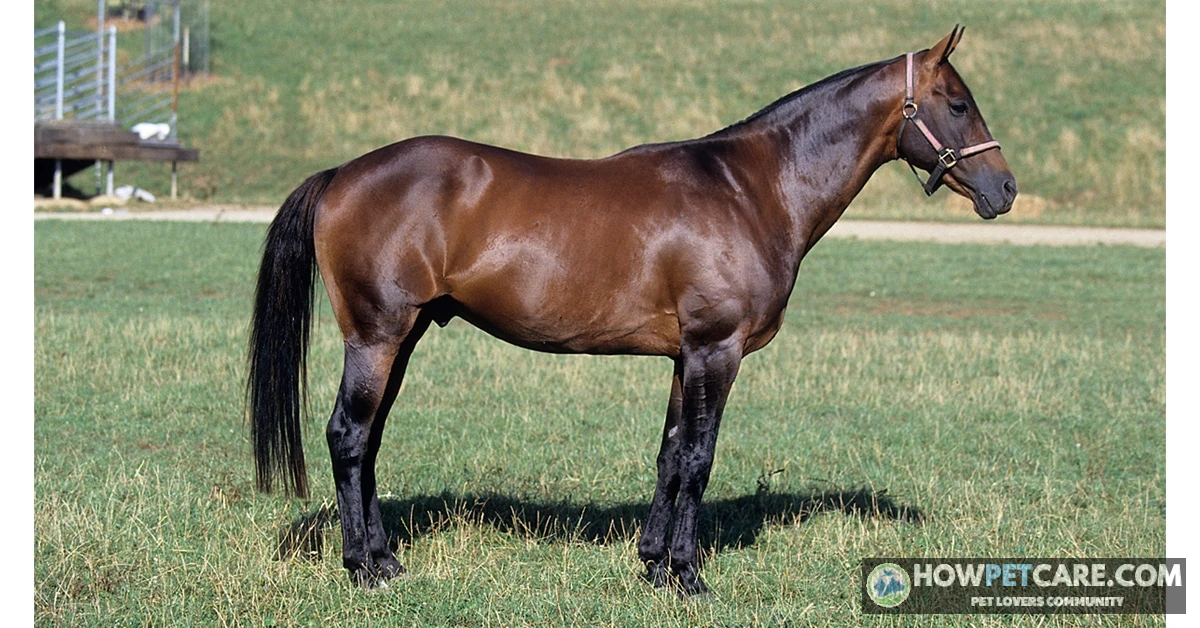
- Thoroughbred — racing and sport
- American Paint Horse — Western riding and trail
- Arabian — endurance and showing
- Appaloosa — trail and ranch work
- Morgan — riding and driving
- Tennessee Walking Horse — gaited pleasure riding
The Most Common Horse Breed in America Is the American Quarter Horse
The American Quarter Horse is widely recognized as the most common horse breed in the United States. The American Quarter Horse Association (AQHA) maintains an exceptionally large breed registry, which speaks to the breed’s reach. But a registry’s historical total isn’t the same as a count of living horses. Because verified, comparable current population figures aren’t publicly available, the profiles below offer a practical guide to familiar breeds and types—not a definitive population ranking.
Other widely recognized American riding breeds include the Thoroughbred, American Paint Horse, Arabian, Appaloosa, Morgan and Tennessee Walking Horse. The guide also covers draft, warmblood and pony examples to show how horses of different kinds serve different purposes.
How ‘Most Common’ Is Measured: Registry vs. Census vs. Usage
A breed registry records horses that meet its rules. It might report the total registered over its history, registrations in a particular year or another measure. Each figure answers a different question.
A census or industry survey may estimate how many horses were alive at a given time, but its coverage matters. A count of equines on agricultural operations, for instance, may not include every horse kept at a private home or riding stable. Visibility matters to prospective riders, too: a horse commonly seen at a racing barn may be less familiar at a ranch.
Where the Numbers Come From and How Current They Are
AQHA is the source for American Quarter Horse registration figures. The American Horse Council has commissioned estimates of the U.S. horse population, while the USDA Census of Agriculture reports animals on qualifying agricultural operations. Neither a historical registry total nor a farm count should be treated as a current, all-inclusive count of living horses by breed.
Before using a population figure, check its reporting year, geographic coverage and whether it counts living horses, new registrations or registrations accumulated over time.
Types of Horse Breeds: Light, Draft, Warmblood, Gaited, and Pony
Horse categories describe a general build, purpose or way of moving. They aren’t interchangeable with breed names, and a horse can fit more than one category.
- Light horses generally have builds suited to riding or light driving. Quarter Horses and Arabians are examples. Stock horses are a muscular riding type associated with livestock work.
- Draft horses are large, powerful horses historically bred for pulling and farm work. The Percheron is one example.
- Warmbloods are sport-horse populations often selected for disciplines such as dressage and jumping. Hanoverians are an example.
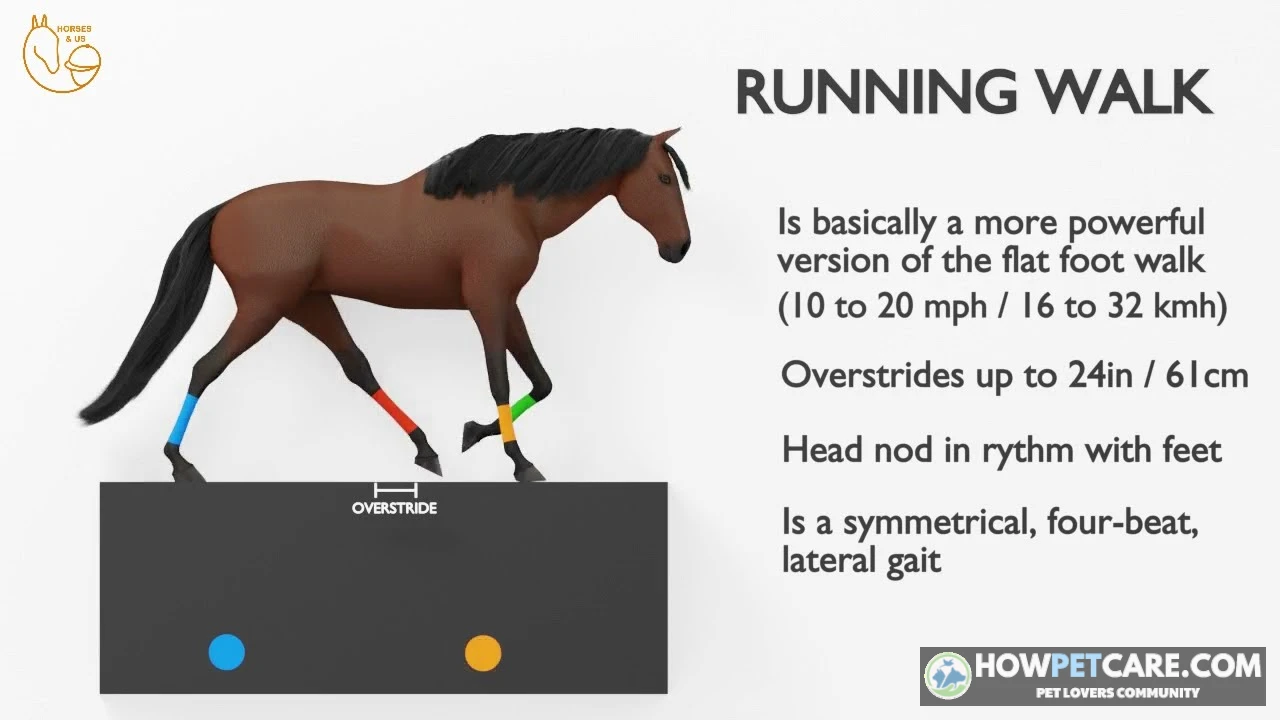
- Gaited horses can perform an intermediate gait beyond the usual walk, trot and canter. The Tennessee Walking Horse is known for its running walk.
- Pony breeds include the Welsh Pony and Shetland Pony. They often have compact builds and are used for riding, driving or both.
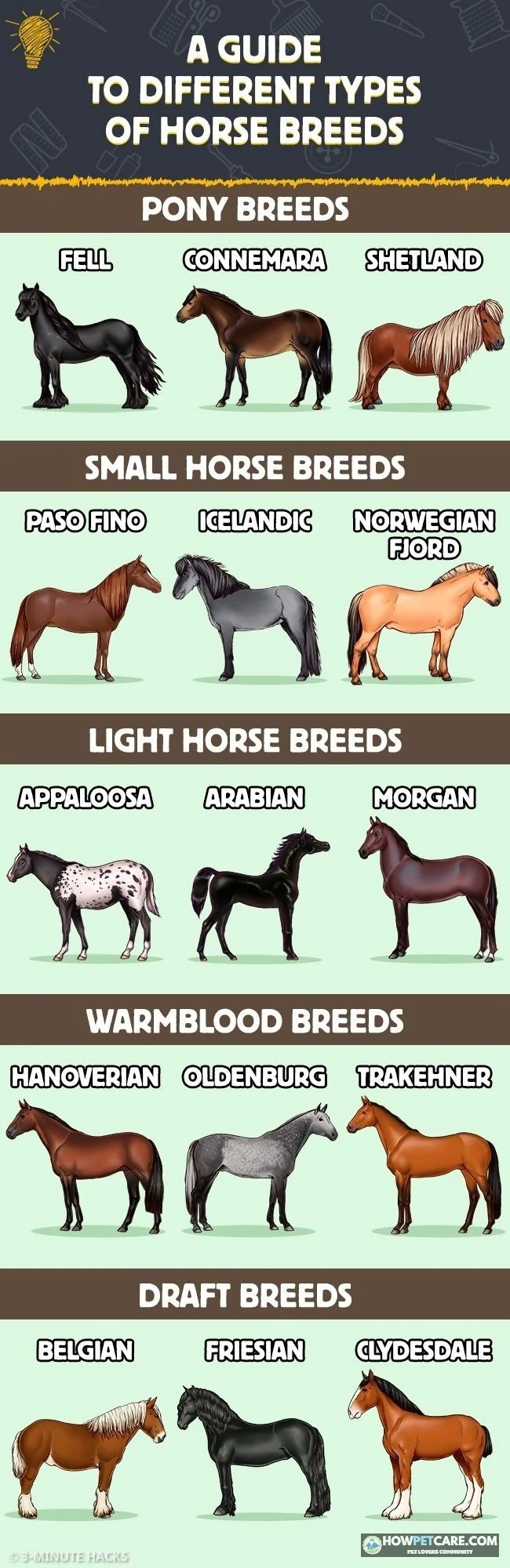
People also use hot-blooded, warmblood and cold-blooded as broad historical labels for riding, sport and heavy-horse types. These terms don’t describe actual body temperature, and none reliably predicts an individual horse’s behavior.
Horse vs. Pony: Where the Line Falls
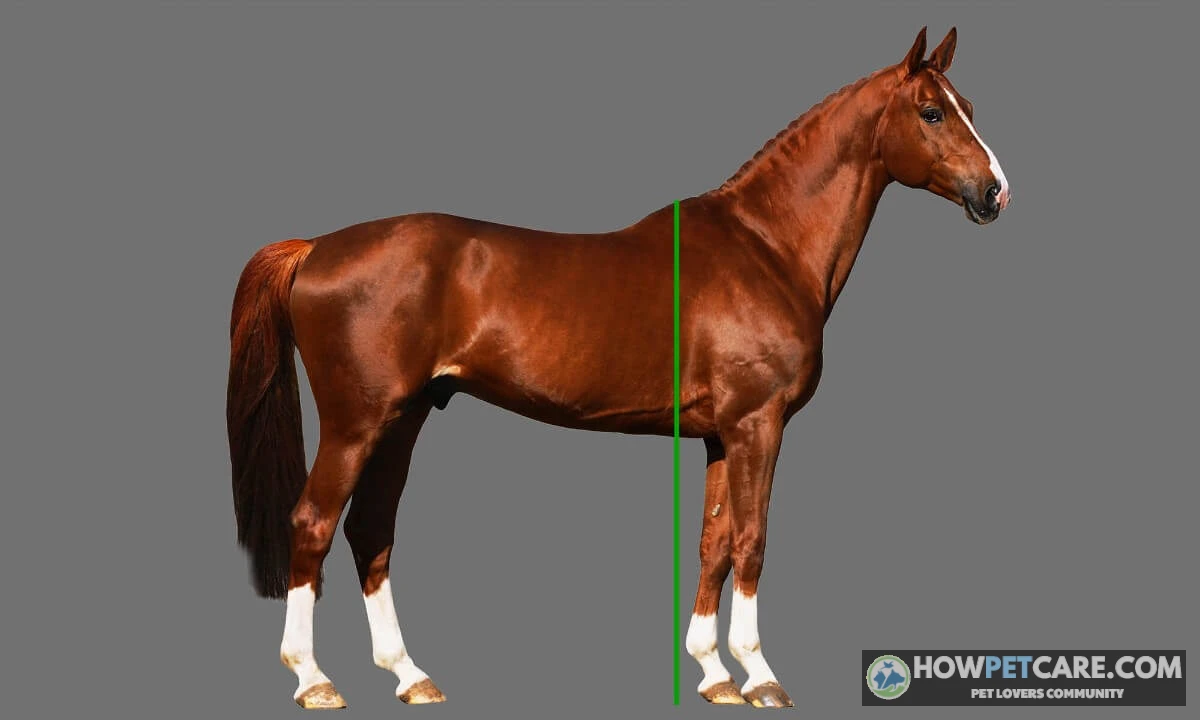
The usual height boundary is 14.2 hands, or 58 inches, measured at the withers. Animals below that height are generally called ponies, though breed tradition can override the height rule: an Arabian may be called a horse even if it measures below the cutoff. Ponies also often have shorter legs in proportion to their bodies, substantial bone and thick manes, but there are exceptions.
One hand equals four inches. The notation after the decimal gives extra inches, not a fraction of a hand: 14.2 hands means 14 hands plus 2 inches.
Breed, Type, and Registry: What the Terms Mean
A breed is a population recognized through shared ancestry and a registry’s rules. A type describes qualities such as build or intended work. A horse can have a recognizable type without papers, and registration rules vary among organizations.
Two other useful terms appear throughout this guide:
- Withers: the raised area at the base of the neck, between the shoulder blades, where height is measured.
- Conformation: a horse’s physical structure and proportions. It can affect how comfortably and efficiently a horse performs a particular job.
- Gait: a pattern of movement, such as a walk, trot or running walk.
 You might be wonderingHorse colorsHorse Colors Chart: Markings, Genetics & Rare ColorsRead the answer
12 Common Horse Breeds and Their Characteristics
These twelve examples cover familiar U.S. riding breeds along with representative warmblood, draft and pony breeds. They are not ranked from first to twelfth by population. The comparison table gives approximate adult sizes; individual horses may fall outside those ranges.
Stock and Western Breeds: Quarter Horse, Paint Horse, Appaloosa, Mustang
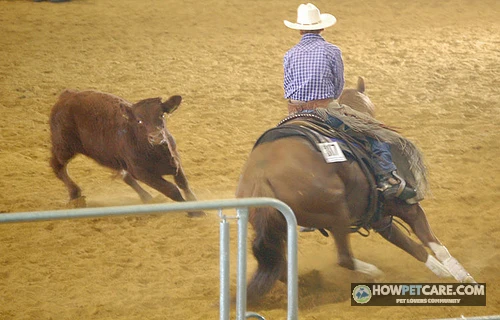
American Quarter Horse. Developed in the United States, this stock horse is often compact and muscular, particularly through the hindquarters. It’s common in Western riding, ranch work, trail riding and lessons. Many are willing, steady partners, but breeding and training matter. Visual cue: a broad chest and powerful hindquarters; many solid colors occur. Beginner flag: Yes, when the individual is well trained and suited to the rider. Registry: AQHA.
American Paint Horse. This American breed often has stock-horse conformation and is used for Western disciplines, trail riding and pleasure riding. Temperament depends on the individual and its background. Visual cue: white combined with another coat color in patterns such as tobiano or overo; some registered Paints have less conspicuous white. Color alone doesn’t prove registration. Beginner flag: Yes, for a suitable, trained horse. Registry: American Paint Horse Association (APHA).
Appaloosa. Recognized for its distinctive coat patterns and history connected to the Nez Perce, the Appaloosa is used for trail, ranch and pleasure riding. Individuals may be attentive and independent. Visual cue: a spotted blanket or other leopard-complex pattern, sometimes with mottled skin and striped hooves; not every Appaloosa has an obvious spotted coat. Beginner flag: With guidance. Registry: Appaloosa Horse Club (ApHC).
Mustang. Mustang is a broad name for free-roaming horses of varied ancestry and type, not a promise of uniform build or temperament. A gentled, trained Mustang can become a trail or riding partner; an unhandled one takes substantial skill. Visual cue: variable colors and builds, often with a compact frame. Beginner flag: Experienced handler for an unstarted horse; a trained individual may suit a novice with guidance. Registry or program: The Bureau of Land Management (BLM) offers eligible wild horses for adoption; adoption isn’t the same as breed registration.
Racing and Endurance Breeds: Thoroughbred, Arabian
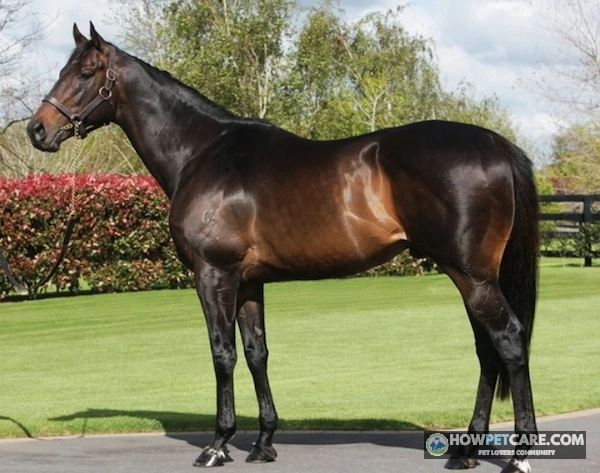
Thoroughbred. Developed for racing in Britain, the Thoroughbred is generally long-legged and athletic. It features in racing, eventing, jumping and other riding sports. Some are sensitive or forward, but a well-retrained retired racehorse can suit the right rider. Visual cue: a lean silhouette, long legs and often a deep chest; bay, brown and chestnut are familiar colors. Beginner flag: With guidance, especially for a horse recently retired from racing. Registry: The Jockey Club maintains the principal Thoroughbred registry in the United States.
Arabian. Originating on the Arabian Peninsula, the Arabian horse is known for endurance riding, trail work and showing. They’re often responsive and people-oriented, though sensitivity varies. Visual cue: a refined head, sometimes with a dished profile, and a high-carried tail. Beginner flag: With guidance; a calm, trained individual is more useful to a novice than a breed stereotype. Registry: Arabian Horse Association.
Versatile Riding and Gaited Breeds: Morgan, Tennessee Walking Horse
Morgan. An American breed used for both riding and driving, the Morgan often has a compact body, arched neck and expressive carriage. Morgans can be willing and responsive; some are energetic. Visual cue: a compact, substantial frame and a well-defined neck, often in bay, black or chestnut. Beginner flag: Yes, if the horse’s training and energy suit the rider. Registry: American Morgan Horse Association.
Tennessee Walking Horse. Developed in the United States, this gaited breed is associated with pleasure and trail riding. Its running walk may feel smoother to some riders than a sitting trot, though gait quality and temperament vary. Visual cue: a comparatively long neck and an overstriding walk in a horse that performs the breed’s characteristic gait. Beginner flag: Yes or with guidance, depending on the individual and the rider’s familiarity with gaited horses. Registry: Tennessee Walking Horse Breeders’ and Exhibitors’ Association.
Ask how any gaited horse was trained and shown. Avoid horses subjected to soring: the deliberate use of pain to produce an exaggerated gait.
Warmblood and Draft Representatives: Hanoverian, Percheron
Hanoverian. Originating in Germany, the Hanoverian warmblood horse is associated with dressage, show jumping and eventing. Breeding programs emphasize sport-horse qualities, though power and responsiveness vary. Visual cue: a tall, athletic frame and long legs; solid colors are common. Beginner flag: With guidance; an experienced, quiet individual may suit a novice, while a powerful young prospect may not. Registry: American Hanoverian Society in the United States.
Percheron. This French draft breed is known for pulling, driving and farm work; some individuals are ridden as well. Percherons are often described as willing, but their size and strength call for competent handling. Visual cue: a broad, deep body and substantial bone; gray and black are common colors. Beginner flag: With experienced handling support. Registry: Percheron Horse Association of America.
Common Pony Breeds: Welsh Pony, Shetland Pony
Welsh Pony. Welsh breeds originated in Wales and include several sections, each with different sizes and characteristics. They’re used for riding and driving and are often athletic and alert. Visual cue: a refined head and compact frame, with size and substance varying by section. Beginner flag: With guidance; a well-schooled pony can be a good child’s mount, but some are forward or strong-willed. Registry: Welsh Pony and Cob Society of America.
Shetland Pony. Originating in Scotland’s Shetland Islands, the Shetland is small and sturdy, and is used for driving and children’s activities. American and British registration standards differ. Visual cue: a short, sturdy body, short legs and often a thick mane and coat. Beginner flag: With guidance; small size doesn’t guarantee easy behavior. Registry: American Shetland Pony Club.
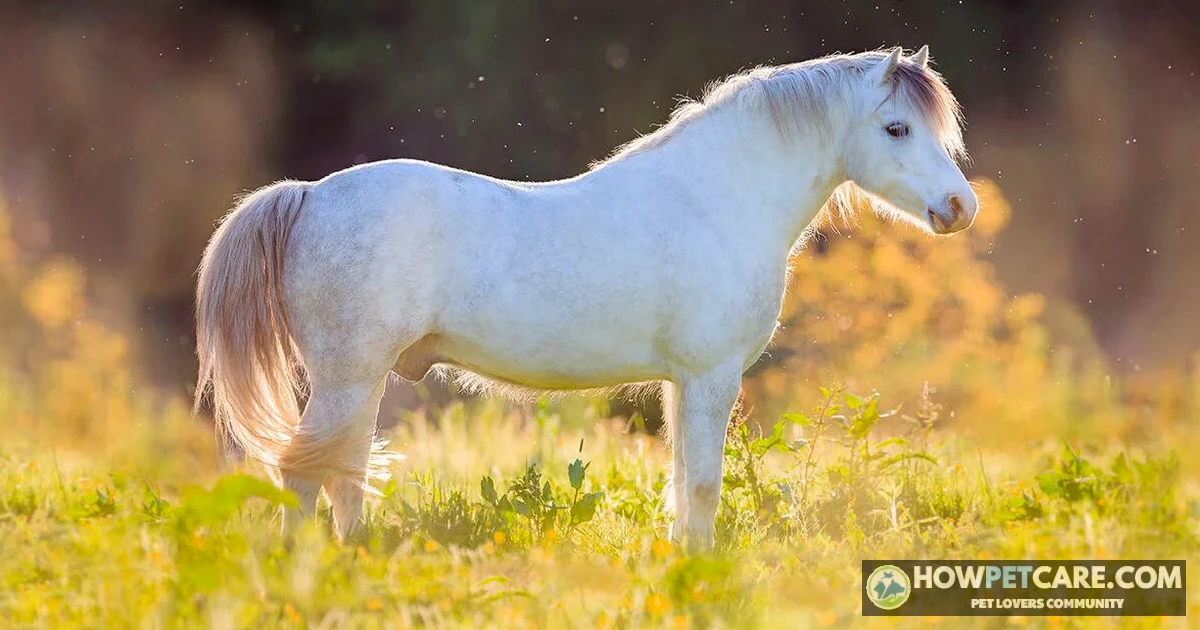
Common Horse Breeds Compared Side by Side
The heights and weights below are approximate orientation ranges, not verified registry standards or a substitute for measuring an individual. Pony sections and registry rules differ, and a horse outside a range isn’t necessarily misidentified. Consistently sourced height and weight estimates aren’t available for every entry.
No consistent public source establishes comparable, dated purchase-price ranges by breed. Rather than give unsupported dollar figures, the cost column points to the main factors to investigate locally.
| Breed | Type | Approximate height, hands | Approximate weight, pounds | Temperament tendency | Common uses | Beginner flag | Purchase cost context |
|---|---|---|---|---|---|---|---|
| American Quarter Horse | Light; stock | 14–16 | 950–1,200 | Often willing and steady | Ranch, trail, lessons | Yes, if trained | Training and ranch or show record matter |
| American Paint Horse | Light; stock | 14.2–16 | 900–1,200 | Variable; often willing | Western, trail, pleasure | Yes, if trained | Training, pedigree and competition record matter |
| Appaloosa | Light; stock | 14–15.2 | 950–1,200 | Alert; sometimes independent | Trail, ranch, pleasure | With guidance | Training and suitability matter more than pattern alone |
| Mustang | Feral-origin type | 13.2–15 | 700–1,000 | Highly variable | Trail, riding after training | With guidance if trained; experienced handler if unstarted | Adoption fees differ from the cost of a trained horse |
| Thoroughbred | Light; racing-bred | 15.2–17 | 1,000–1,200 | Often sensitive and athletic | Racing, jumping, eventing | With guidance | Retraining, soundness and competition record matter |
| Arabian | Light; endurance | 14.1–15.1 | 800–1,000 | Often responsive | Endurance, trail, showing | With guidance | Training, pedigree and discipline matter |
| Morgan | Light; riding and driving | 14.1–15.2 | 900–1,100 | Often willing and alert | Riding, driving, family use | Yes, if suitable | Training and driving or riding experience matter |
| Tennessee Walking Horse | Gaited | 14.3–17 | 900–1,200 | Variable; often willing | Trail, pleasure | Yes or with guidance | Gait, training and show record matter |
| Hanoverian | Warmblood | 16–17.2 | 1,100–1,400 | Athletic; variable | Dressage, jumping, eventing | With guidance | Sport training, pedigree and competition results matter |
| Percheron | Draft | 16–17.3 or more | 1,800–2,600 | Often willing; powerful | Driving, farm work | With experienced handling support | Size, training and driving experience matter |
| Welsh Pony | Pony; varies by section | Up to about 14.2, depending on section | 400–800 | Alert; variable | Children’s riding, driving | With guidance | Section, training and child-suitable experience matter |
| Shetland Pony | Pony | Varies by registry | Varies by type | Intelligent; variable | Driving, lead-line riding | With guidance | Training and safe handling experience matter |
How to use the table: Start with a horse’s demonstrated behavior and training, then consider how its size, typical build and intended use fit your needs. A calm individual from a more responsive breed may suit a beginner better than an untrained horse from a breed often described as quiet.

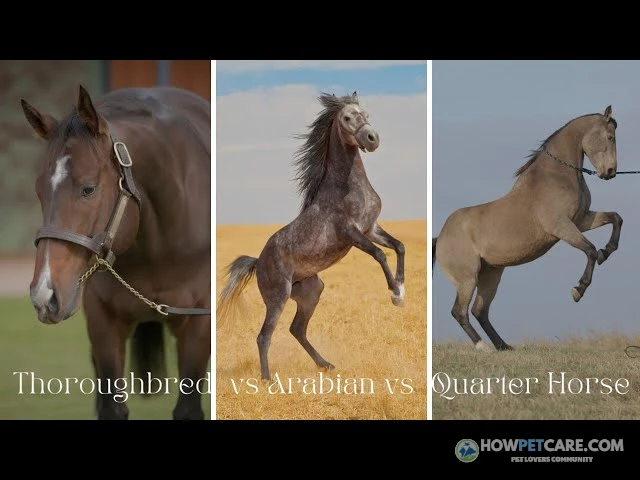
Quarter Horse vs. Thoroughbred vs. Arabian
A Quarter Horse often has a muscular stock-horse build suited to quick changes of direction. Thoroughbreds are generally taller and longer-legged, with a build associated with racing and athletic sport. Arabians are often smaller and refined, and are strongly associated with endurance riding. All three can go on trails; the individual horse’s fitness, training and behavior matter more than its breed label.
Which is fastest? Quarter Horses are associated with short-distance sprinting, while Thoroughbreds dominate many longer flat-racing contests. Results depend on distance, conditions and individual horses. Without comparable, verified record sources, a single speed figure would be misleading. Arabians are particularly associated with endurance rather than short-distance top speed.
What Common Horse Breeds Cost to Buy and Keep
The purchase price is only the beginning. A lower-priced horse may need more training or medical attention, and even a healthy horse needs routine care for years. Set a total care budget before deciding how much you can spend on the horse itself.
Purchase Price Ranges by Breed Group
Reliable, like-for-like price ranges aren’t published consistently, so assigning a typical dollar band to each breed would be misleading. Local asking prices may differ from final sale prices, too. Use recent local listings and advice from an experienced professional to understand the market for the horse you’re looking for.
Across groups, these factors can affect price:
- Stock and gaited horses: reliable trail, lesson or ranch experience can matter more than color or papers alone.
- Ponies: a pony with a proven record of safely carrying novice children may be harder to find than an untrained pony.
- Warmblood sport horses: schooling, competition results, soundness and pedigree can substantially change the price.
- Retired racehorses: the purchase price is only one part of the picture; allow for assessment, retraining and any needed rehabilitation.
- Mustangs and rescues: an adoption fee isn’t equivalent to the cost of a fully trained riding horse. Review the organization’s eligibility rules, agreements and horse-care requirements.
Annual Care Costs That Apply to Every Breed
Get local estimates for boarding or pasture, hay and feed, farrier visits, routine veterinary care, dental work and insurance, if you choose it. Budget for tack, transport, training and emergency veterinary care, too, plus pasture maintenance or manure management where relevant. No single verified annual dollar range applies nationwide, and costs vary too much by location and arrangement to give a reliable universal figure here.
A horse that maintains weight easily may need careful pasture and feed management rather than extra calories. Ponies in particular can be vulnerable to laminitis, a painful hoof condition, if their nutritional needs are mismanaged. Some Thoroughbreds may need more calories to maintain weight, while large draft horses may need more feed and equipment sized for them. These are tendencies, not a replacement for an individual feeding plan.
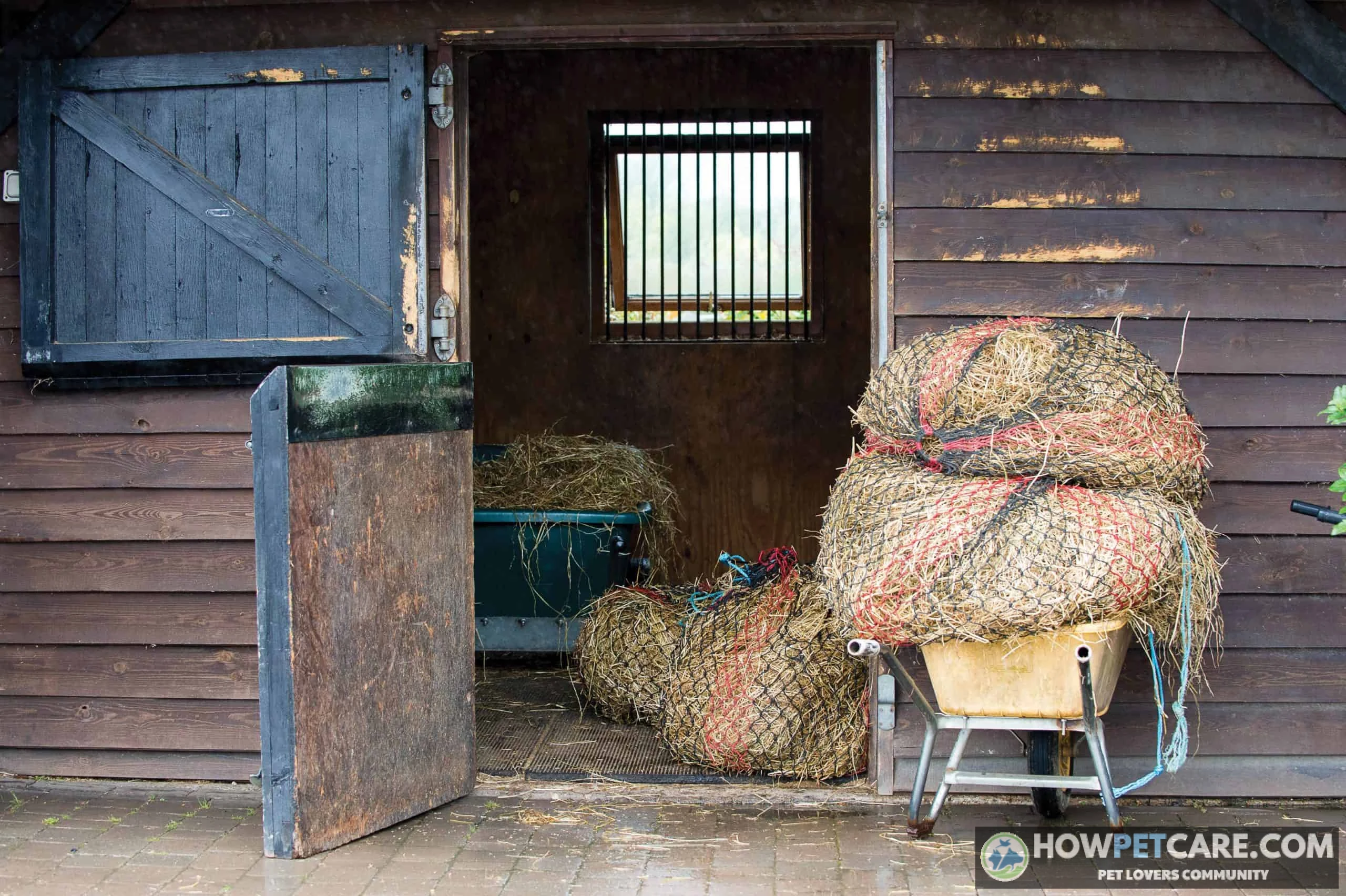
Ask a veterinarian or qualified equine nutrition professional about the individual horse’s body condition, feed needs and health history before relying on a breed-based estimate.
Best Horse Breeds for Beginners: Adult First-Time Owners vs. Children
For a first horse, look for a calm, sound individual of appropriate size, with the training to do the job you have in mind. Breed can help you build a shortlist, but it can’t guarantee safe behavior. An established adult horse with a consistent history is often easier to assess than a young, green horse; age alone doesn’t establish suitability.
First Horses for Adult Beginners
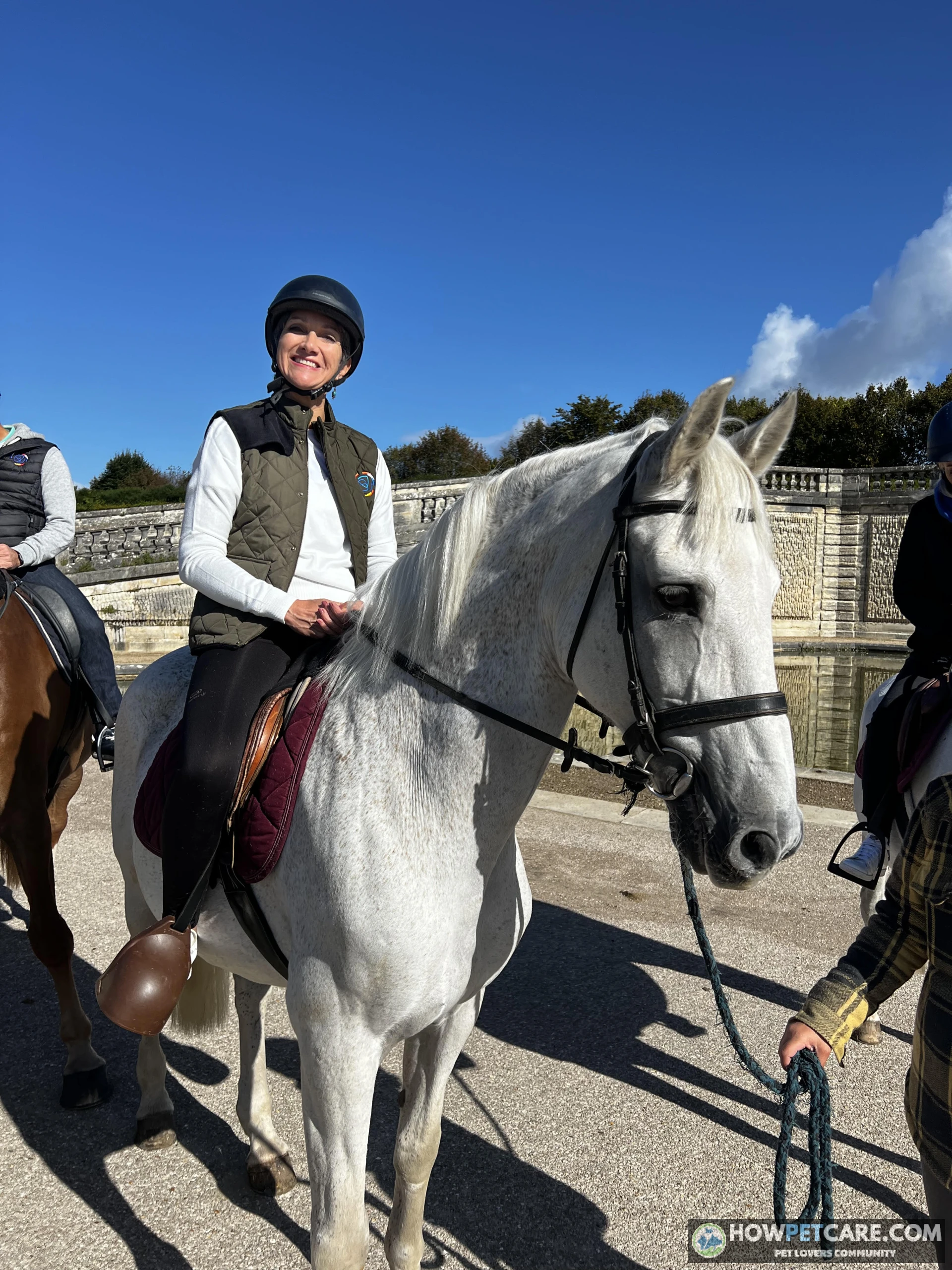
A well-trained Quarter Horse, Paint Horse or Morgan can be a sensible starting point for an adult interested in general riding. Many horses of these breeds are used for lessons, pleasure riding and driving. A suitable Tennessee Walking Horse may appeal to a rider who prefers an intermediate gait and has instruction in riding one.
Look for a horse that stands quietly for mounting, responds to basic aids, tolerates routine grooming and hoof care, and remains manageable in the settings where you plan to ride. A horse that behaves well only with its experienced owner may not be the right match yet.
Ponies and Horses for Children
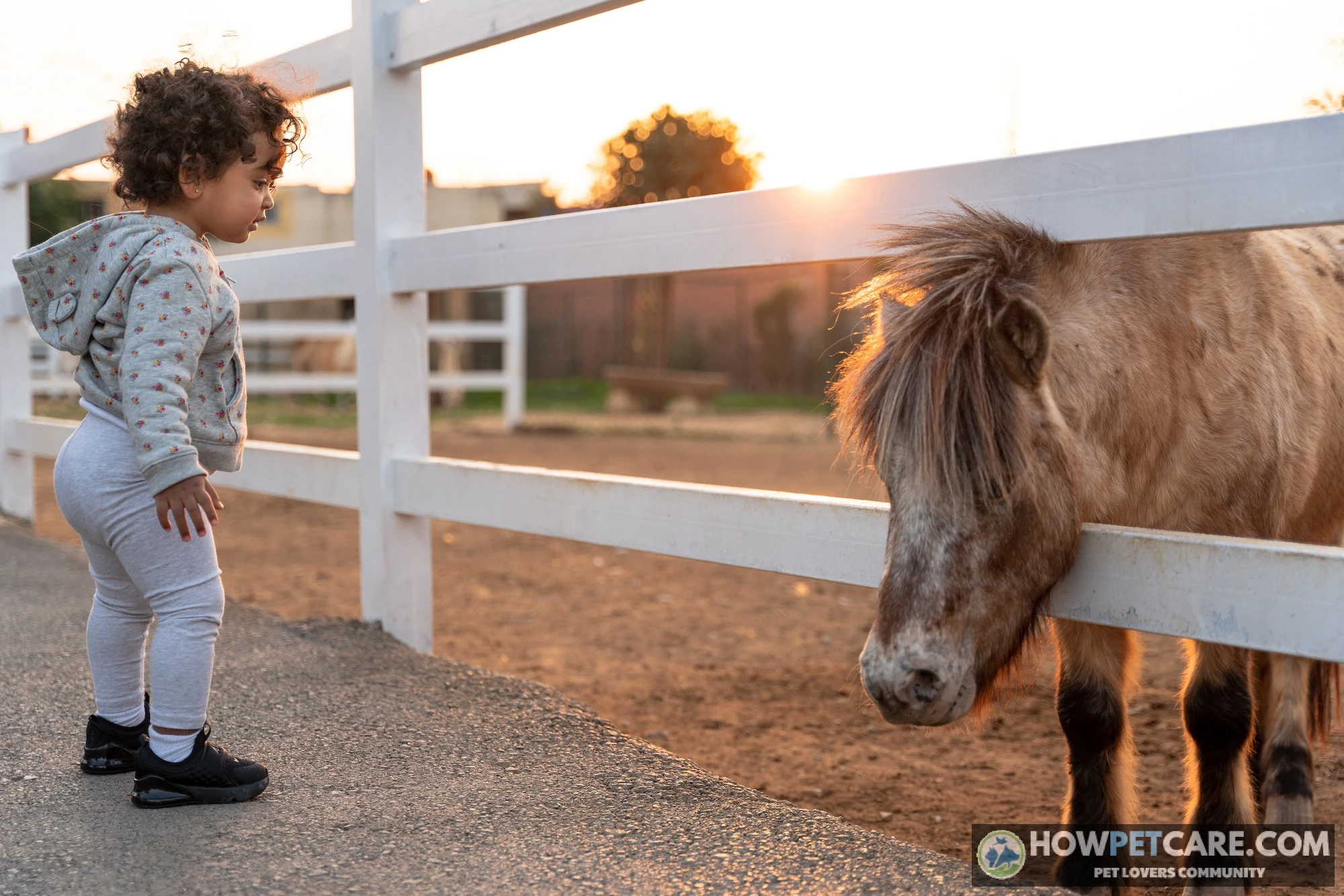
A well-schooled Welsh Pony or Shetland Pony may suit a child, depending on the child’s size, ability and intended activity. Some children are better matched with a small, steady horse; a very small pony isn’t automatically the safest option. Ask an instructor to assess the rider’s fit and the animal’s training, and supervise handling as well as riding.
Breeds That Usually Need a More Experienced Handler
An unstarted Mustang horse needs a knowledgeable handler. A young Arabian, recently retired Thoroughbred or powerful sport horse may also need more training or a more practiced rider than a novice can provide alone. That doesn’t rule out these horses: after an individual assessment, a patient, well-schooled horse of any of these backgrounds may be appropriate.
Before committing, watch the horse being caught, groomed, handled and ridden. Have your instructor ride first, try the horse in the conditions you expect to encounter, and arrange an independent pre-purchase veterinary examination. Ask about its health, behavior and training history. A trial period can help, provided the agreement clearly spells out responsibilities.
How to Choose a Horse Breed for Trail Riding, Ranch Work, Dressage, or Family Use
Match by Purpose
| Goal | Breeds or types to consider | Traits to look for | Experience considerations |
|---|---|---|---|
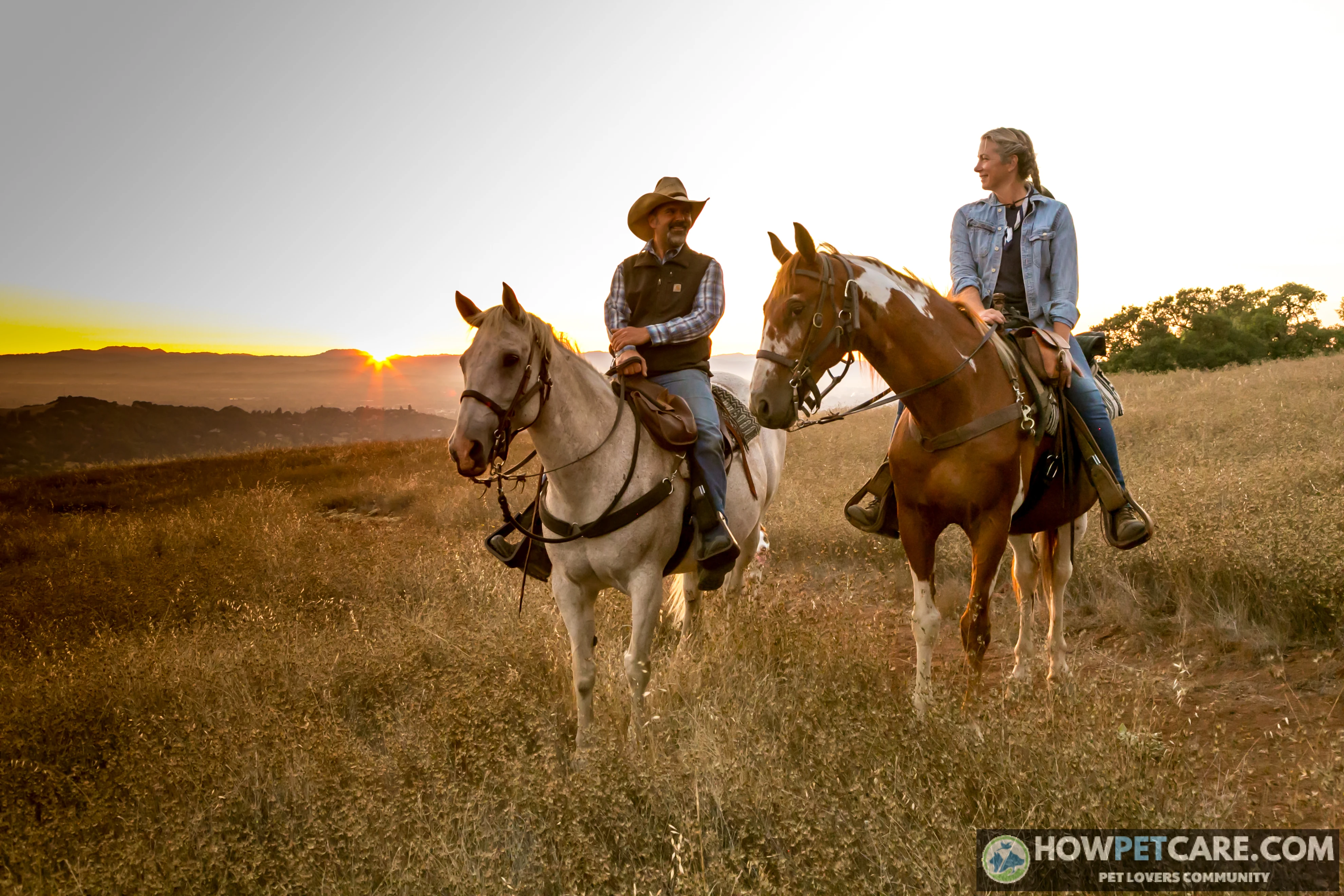
| Trail riding | Quarter Horse, Morgan, Tennessee Walking Horse, trained Mustang | Steady responses, suitable fitness, comfortable movement, reliable footing | Novices benefit from an experienced trail horse and instruction |
| Ranch and Western work | Quarter Horse, Paint Horse, Appaloosa | Balanced stock-horse build, responsiveness, relevant cattle experience | Match training to the specific work; cattle skills are learned and developed |
| Dressage or jumping | Hanoverian and other warmbloods; suitable individuals of many breeds | Balanced movement, soundness, trainability and appropriate athletic ability | A trained schoolmaster may suit a novice better than a young prospect |
| Kids and family | Welsh Pony, Shetland Pony, suitable Quarter Horse, Paint or Morgan | Appropriate size, patient behavior and a verified lesson or family history | Adult supervision and professional matching remain important |
| Endurance | Arabian; suitable conditioned Morgans or Mustangs | Fitness, soundness, recovery and efficient movement | Build distance gradually with knowledgeable support |
| Driving or farm work | Percheron, Morgan, Welsh Pony or Shetland, depending on the job | Suitable size, harness training and calm responses | Driving requires instruction and equipment fitted to the individual |
No breed has a monopoly on a discipline. For trail riding, a quiet horse accustomed to water crossings and group rides may be more useful to a beginner than a prospect with the ideal breed label but no experience outside an arena.
Match by Rider Experience, Size, and Budget
Consider four questions: What can I handle today? Does the horse fit the rider and task? What will we do most often? Can I afford care and training over the long term? Use your answers to narrow the table to two or three options, then assess individual horses.
A mixed-breed or grade horse—one without documented registration—can be an excellent choice. Papers can establish recorded ancestry and eligibility for breed events, but they don’t prove that a horse is healthy, trained or right for a particular rider.
Most Common Horse Breeds Outside the US: UK, Ireland, Australia, and Beyond
Horse populations reflect local working traditions, native breeds, racing and sport. The examples below are established regional breeds or types, not verified rankings of the most numerous living horses. Breed societies and industry bodies can confirm their own registration or activity data, but those figures aren’t necessarily comparable across countries.
United Kingdom and Ireland
- United Kingdom: Welsh Ponies and Cobs and Shetland Ponies are native breeds with active breed societies. Thoroughbreds are associated with British racing, while cob and sport-horse types appear in riding and competition. “Cob” can describe a type rather than a single breed. Relevant breed societies and British racing organizations can provide their own records; this guide doesn’t establish a single comparable all-breed ranking.
- Ireland: The Irish Sport Horse, Irish Draught and Connemara Pony have established Irish breeding organizations, and Thoroughbreds are central to the country’s racing and breeding industry. Horse Sport Ireland, the Connemara Pony Breeders’ Society and Irish racing authorities cover different populations. Passport, studbook and racing records aren’t interchangeable counts.
Australia and New Zealand
- Australia: The Australian Stock Horse is associated with stock work, and Thoroughbreds and American Quarter Horses also have established racing or breed organizations. The Australian Stock Horse Society, Racing Australia and the Australian Quarter Horse Association are starting points for their respective figures, but their records don’t establish a nationwide ranking across all horses.
- New Zealand: Thoroughbreds have an established racing and breeding sector, alongside sport-horse and pony communities. New Zealand racing and breed organizations can provide information on the populations they administer. This guide doesn’t establish a comparable all-breed count.
Mexico, Texas, and Other High-Interest Regions
In Texas and the U.S. South, Quarter Horses are strongly associated with Western riding and ranch work. AQHA records and local equine organizations are more useful than guessing at a state-by-state ranking. In Mexico, the Azteca is a recognized Mexican breed, alongside horses used in ranching, sport and recreation. Consult the relevant Mexican breed organizations for registry data.
For the Philippines, no reliable national breed ranking is publicly established. Local racing and equestrian organizations may describe horses in their sectors, but those records shouldn’t be generalized to the whole country. Thoroughbreds and Arabians have international breed communities, but their presence doesn’t show which breed is most common in a particular region.
Your Next Steps: Narrow Your Breed Shortlist and Verify Before You Buy
-
Define the job
Write down the rider’s experience and size, where the horse will live, and the activity you expect to do most often.
-
Build a shortlist
Choose two or three breeds or types from the comparison table, while leaving room for a suitable mixed-breed horse.
-
Price the whole commitment
Get local estimates for board, feed, farrier and veterinary care, then add training and an emergency reserve before setting an acquisition budget.
-
Get experienced help
Take lessons or consider a lease, visit local barns, and ask an instructor to help evaluate individual horses in the settings where you intend to ride.
-
Verify the match
Review the horse’s history and any registration documents, observe its handling and riding, and arrange an independent pre-purchase veterinary examination.
For breed-specific rules and registration information, consult AQHA, The Jockey Club, APHA, ApHC or the relevant breed organization. Use those records to verify what they document, not as a substitute for assessing the horse itself.
 You might be wonderingDraft horse breedsDraft Horse Breeds: Compare 18 Types by Size, Cost and UseRead the answer
FAQ
Which horse breed is the fastest?
Over short distances of about a quarter mile, the American Quarter Horse is the fastest breed. Over longer distances, the Thoroughbred is the fastest, which is why it dominates flat racing.
How many horse breeds are there?
The total depends on which registries and breed lists are counted, but most estimates put it above 300 breeds worldwide. Only a small number of them are common in any one country.
What is the best age for a first horse?
Many trainers suggest a well-trained horse aged roughly 8 to 15 for first-time owners, because it has the experience to compensate for a rider who is still learning. Young horses need an experienced handler.
Do registry numbers show how many horses of a breed are alive today?
No. Most registries count horses registered over time, so the figure can include horses that have died and may leave out unregistered horses of the same breed. For current populations, check a registry’s own annual reporting or a national census.
Is a Mustang a good first horse?
Usually not without help. Mustangs are often hardy and sure-footed, but adopted horses may be untrained and need an experienced handler, so beginners are better off with a trained horse or with professional guidance.