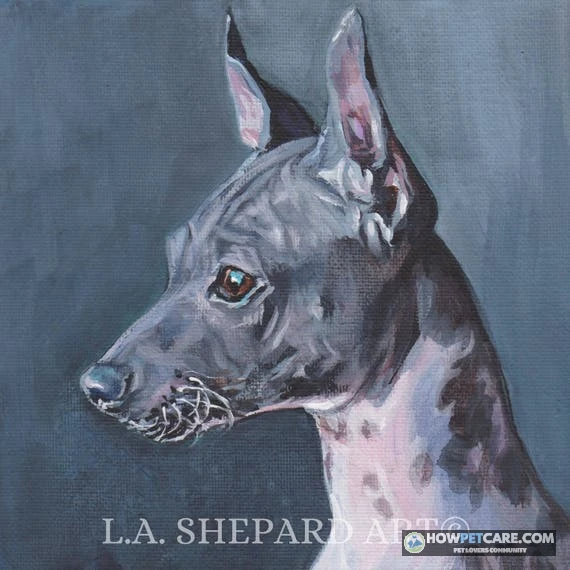

| Quick fact | American Hairless Terrier (AHT) |
|---|---|
| Size | 12–16 in at the withers; roughly 12–16 lb |
| Lifespan | About 14–16 years |
| Coats | Hairless and coated, born in the same litters |
| Allergies | Lower-allergen for some households, not allergen-free |
| AKC status | Fully recognized, Terrier Group, since 2016 |
AHT stands for American Hairless Terrier, a small, hairless terrier descended from the Rat Terrier and fully recognized by the American Kennel Club since 2016. Adults stand about 12 to 16 inches at the withers, typically weigh 12 to 16 pounds, and commonly live 14 to 16 years. The breed has two coat varieties, hairless and coated, and both can appear in the same litter.
If you’ve found conflicting size charts and registry statuses while researching the American Hairless Terrier, you’re not misreading. Older pages still describe the AHT as Foundation Stock Service only, quote Rat Terrier size classes, or present the historical Toy and Miniature split as current. This guide explains the differences, clarifies the registry record, and covers allergy considerations, skin care, health tests, and what a puppy costs in 2026.
In short, the AHT suits an active household that wants a small, people-oriented terrier and is willing to make skin care a daily habit. It’s a poor fit for anyone who wants a dog that can live outdoors or expects a guaranteed allergy-free pet.
AHT Dog Breed at a Glance: What the American Hairless Terrier Is
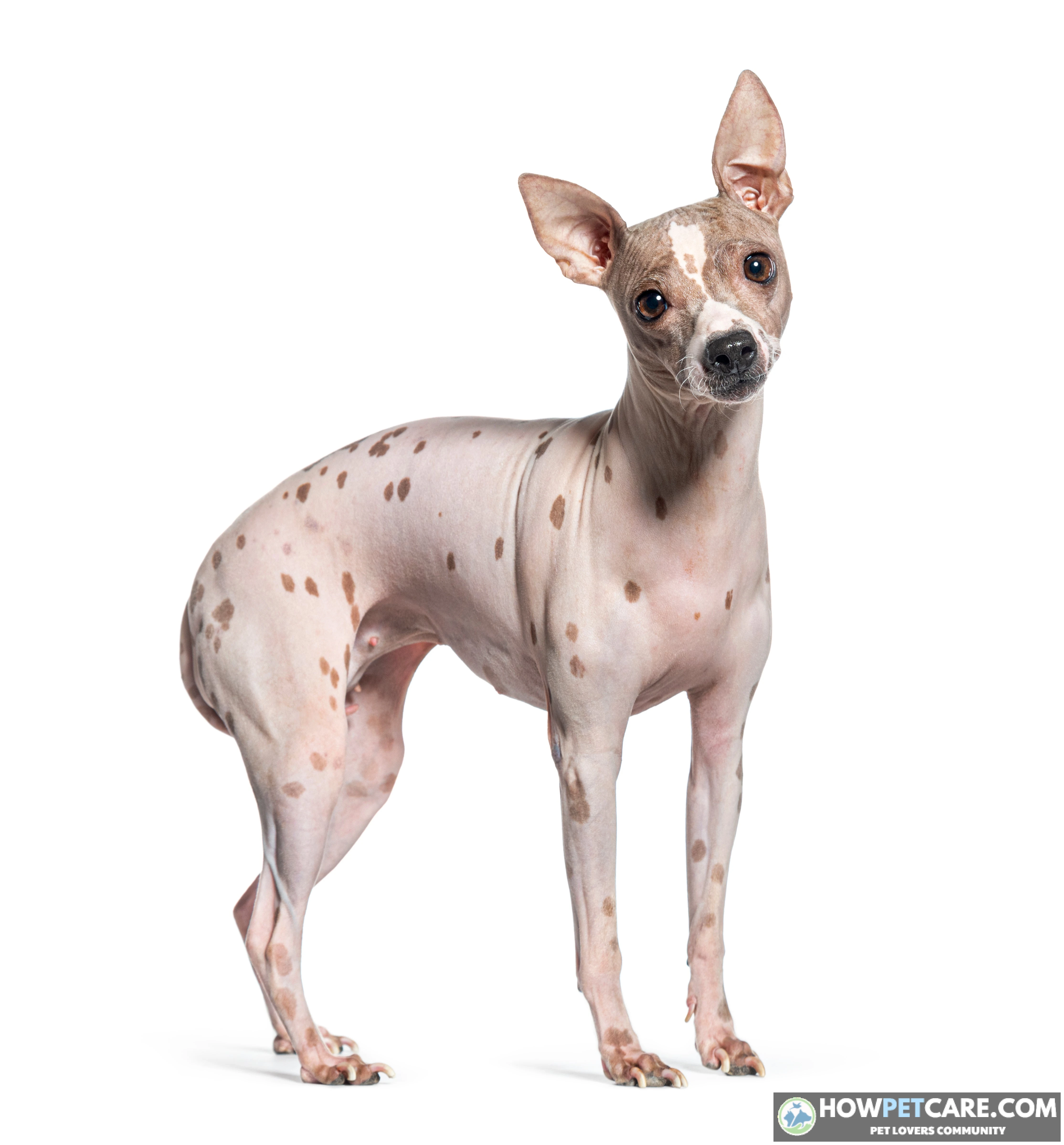
| Attribute | Details |
|---|---|
| Full name | American Hairless Terrier (AHT) |
| Group | Terrier Group (AKC) |
| Origin | Louisiana, United States; descended from the Rat Terrier |
| Height | 12–16 in at the withers under the current AKC standard (see the size section for the other figures in circulation) |
| Weight | Roughly 12–16 lb, proportionate to height |
| Coat varieties | Hairless and coated, born in the same litters |
| Typical lifespan | About 14–16 years |
| Energy level | Moderate-to-high terrier energy; daily exercise and mental work required |
| Allergy-friendly status | Lower-allergen for some households, not allergen-free (see the allergy section) |
| Registry status | Full AKC recognition since 2016; UKC recognition since 2004 |
Any breed profile listing the AHT as “AKC Foundation Stock Service only” is out of date. The breed received full AKC recognition in 2016 and competes in the Terrier Group. Recognition provides a published breed standard, show and sport eligibility, and a registration paper trail you can verify. It doesn’t certify that a puppy is healthy.
Names such as AHT terrier, hairless terrier dog, and American Hairless Terrier breed refer to the same animal. There’s no separate “AHT terrier” and no recognized teacup variety, a distinction worth keeping in mind when comparing size listings.
Where the American Hairless Terrier Came From: Rat Terrier Ancestry and AKC Recognition
The breed began in 1972, when a hairless puppy later named Josephine was born in a Louisiana Rat Terrier litter. Her owners, Edwin and Willie Scott, kept and bred from her, establishing foundation stock by 1981. The parent breed descends from European Feist terriers; Rat Terrier stock was later refined with Beagle, Italian Greyhound, and Miniature Pinscher bloodlines.
For years, the AHT was treated as a hairless variety of the Rat Terrier. The United Kennel Club recognized it as a separate breed on January 1, 2004. Earlier milestones include recognition by the American Rare Breeds Association and the National Rat Terrier Club in 1998 and by Canadian Rarities in 1999. The AKC listed the breed in its Foundation Stock Service before granting full recognition in 2016.
The recessive hairless gene and the coated variety
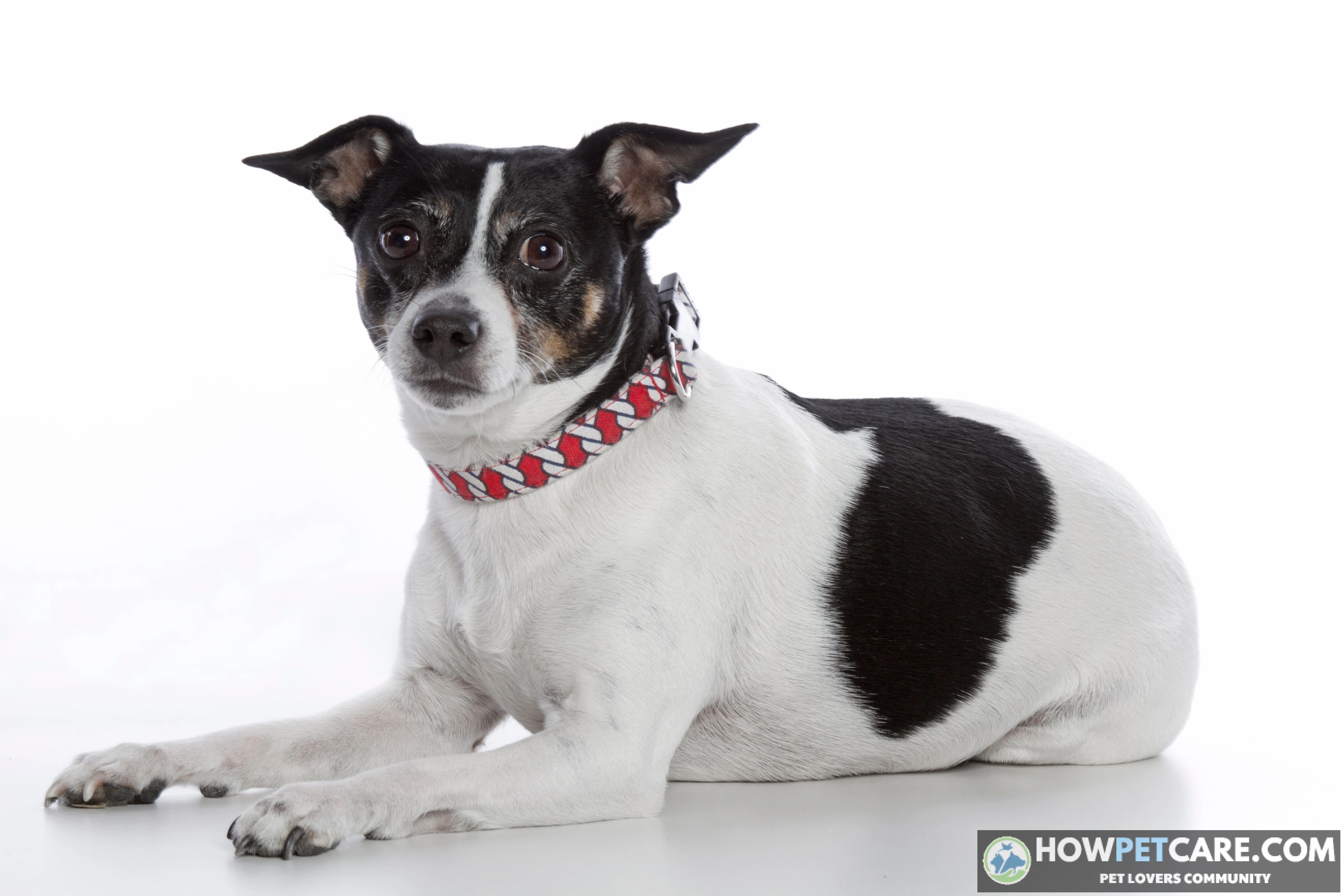
The AHT’s hairlessness comes from a recessive mutation. A puppy is hairless only if it inherits the mutation from both parents. A puppy that inherits it from one parent looks like an ordinary coated terrier but carries the gene. The coated variety isn’t a separate breed; coated and hairless puppies can be siblings. Two coated carriers bred together can produce both varieties in the same litter.
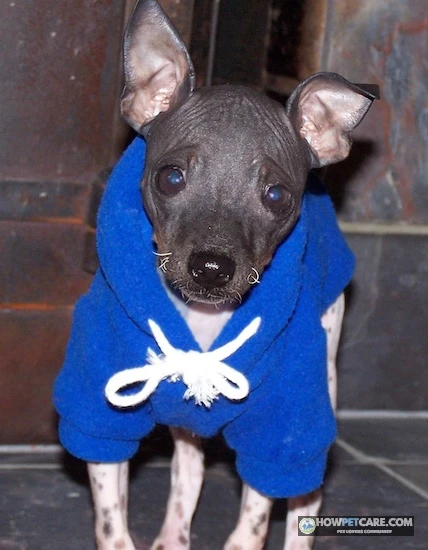
Hairless puppies aren’t born bare. They arrive with a soft, fuzzy coat that sheds out at roughly 8 to 12 weeks, leaving the skin exposed. Coated AHTs keep a short, fine single coat for life and shed lightly.
From Foundation Stock Service to full AKC recognition
Full recognition means the breed has an approved standard, judges can award championship credits, and owners can enter AKC shows and many sports. Buyers can also check registration paperwork independently. Recognition doesn’t mean every puppy is healthy or every breeder orders health tests. Buyers still need to check, which is why the health section below includes a documentation checklist.
Placement in the Terrier Group also tells you something about temperament. Terriers are alert, quick, and driven by prey. Those traits can be a pleasure in the right household and a nuisance in the wrong one.
 You might be wonderingRottweiler dogRottweiler Dog: US Cost, Laws, and Is It Right for You?Read the answer
How Big Does an American Hairless Terrier Get? Reconciling Conflicting Size Standards
Search for the AHT’s size and you’ll find at least three answers: a broad 7–18 inches and 5–25 pounds on aggregator sites, a tighter 12–16 inches and 12–16 pounds in current breed profiles, and a Toy-versus-Miniature split that assigns the smallest dogs to Toy. All three describe real animals, but they don’t describe the same system. That distinction explains much of the apparent contradiction.
| Source | Height | Weight | Variety or standard it applies to | Status or reliability note |
|---|---|---|---|---|
| AKC breed standard (in effect since full recognition in 2016) | 12–16 in at the withers | Proportionate to height; roughly 12–16 lb is typical | One size class — the AKC standard does not split Toy versus Miniature | The governing reference for AKC shows and registration paperwork |
| Early breed-club and UKC-era descriptions | Toy: about 7.5–11 in; Miniature: about 11.5–16 in | Toy: about 4–8 lb; Miniature: about 8.5–16 lb | The historical two-size system | Legacy terms — explains why breeder sites still advertise “toy” and “miniature” |
| Later published splits on club and breeder pages | Toy: about 7–10 in; Miniature: about 10–16 in | Toy: about 5–12 lb; Miniature: about 10–18 lb | The same two-size system, re-quoted with different cutoffs | Useful for context, not for verifying a dog against the current standard |
| Aggregator and pet-site profiles | 7–18 in | 5–25 lb (one profile also states 7–25 lb in its body text) | Merges both size varieties plus Rat Terrier ranges | Widely copied and inflated; describes the loose pet population, not the standard |
| Rat Terrier (parent breed, for comparison) | Miniature 10–13 in; Standard 13–18 in | Roughly 10–25 lb | The Rat Terrier’s own size classes | A different breed — its figures routinely bleed into AHT listings |
Three issues account for the confusion. The historical two-size system is still quoted as current. Aggregator sites have also merged the Toy and Miniature figures into one wide range and added the Rat Terrier’s weights. Finally, at least one widely copied profile contradicts itself: it lists Toy at 7.5–11 inches and 4–8 pounds and Miniature at 11.5–16 inches and 8.5–16 pounds, while its body text claims a 7–18 inch, 7–25 pound spread. Repeated often enough, an error can start to look like fact.
Toy vs. Miniature vs. standard-size listings
Treat “Toy” and “Miniature” as historical vocabulary, not regulated categories. If a listing uses either word, ask the seller which standard they’re using and the actual measured height of both parents. Adult dogs marketed as a rare “teacup,” or as anything well outside 12–16 inches, fall outside the current AKC standard even when they’re real, healthy AHTs.
Which standard applies today
For an AKC-registered dog, the applicable standard has a single size class: 12–16 inches at the withers, with weight proportionate to height. Registry standards can change, so check the exact current wording on the AKC breed page before relying on any figure, including this one. The two-size description appears in UKC-era documentation and is best read as history.

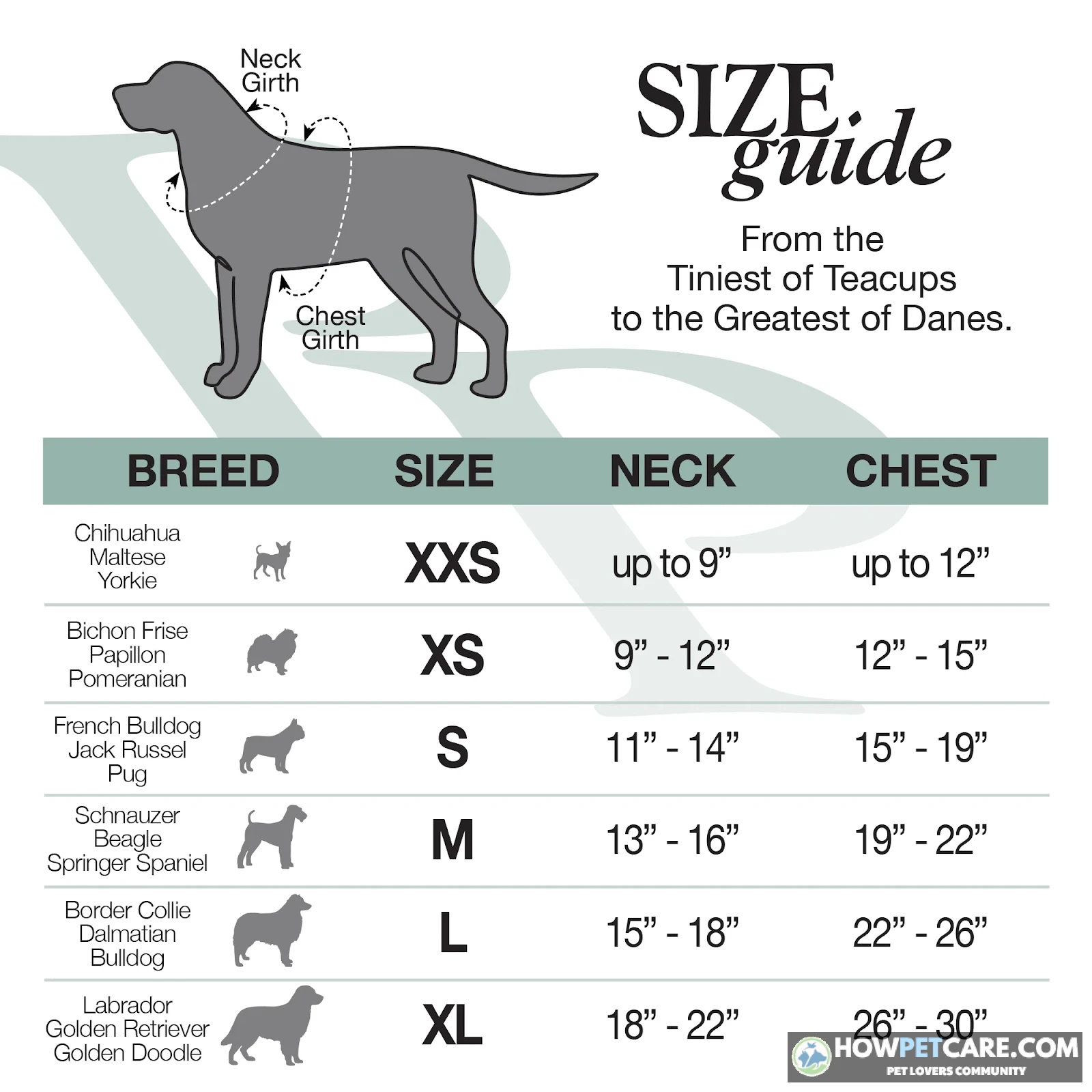
When a breeder quotes a size, ask three questions: which variety, which standard, and what did both parents measure? The parents of a litter are a stronger predictor than any website range. Also consider what a 12–16 pound dog means at home: an extra-small crate, real sweaters rather than costume pieces, a carrier for air travel, and a dog that fits comfortably on a lap but can squeeze under furniture.
Are American Hairless Terriers Hypoallergenic? An Honest Answer for Allergy Sufferers
No dog is allergen-free. A page that calls the AHT hypoallergenic without that caveat is selling rather than informing. Dog allergies are reactions to proteins, including Can f 1 and its relatives, found in dander (dead skin flakes), saliva, and urine. Hair carries those proteins into the air, onto upholstery, and into your lungs.
A hairless AHT can still be easier for some allergic households. With almost no coat to trap and redistribute allergen, less of it travels around the home. The hairless variety doesn’t shed fur, but it does shed skin cells. The source is still there, even if it’s less mobile.
The coated variety isn’t equivalent for an allergic owner. Its short, fine coat sheds lightly and moves allergen through the house like any other coated dog’s. Of the two, the hairless variety is the lower-allergen option, but that’s a relative statement.

Myth 1: “A hairless dog can’t trigger allergies.”
Fact: allergies are caused by proteins in dander, saliva, and urine, not by hair itself. A hairless coat removes the carrier, not the source. Bare AHT skin still sheds dander, and the dog still licks itself.
Myth 2: “The coated variety works the same for allergic owners.”
Fact: coated AHTs have a short, fine coat that sheds lightly and distributes allergen. The hairless variety is the lower-allergen option of the two, but even it isn’t allergen-free.
Myth 3: “If a low-shedding breed is called hypoallergenic, any individual dog will suit me.”
Fact: allergen output varies from dog to dog, and reactions vary from person to person. No breed label is a guarantee.
Before committing, schedule at least two extended visits of 30 to 60 minutes each with the specific puppy or adult you plan to bring home. Handle the dog, let it lick your hands, and spend time in the room where it lives. Review what happens with an allergist. Not reacting to a breeder’s other dogs is weaker evidence than not reacting to your dog.
What actually triggers dog allergies
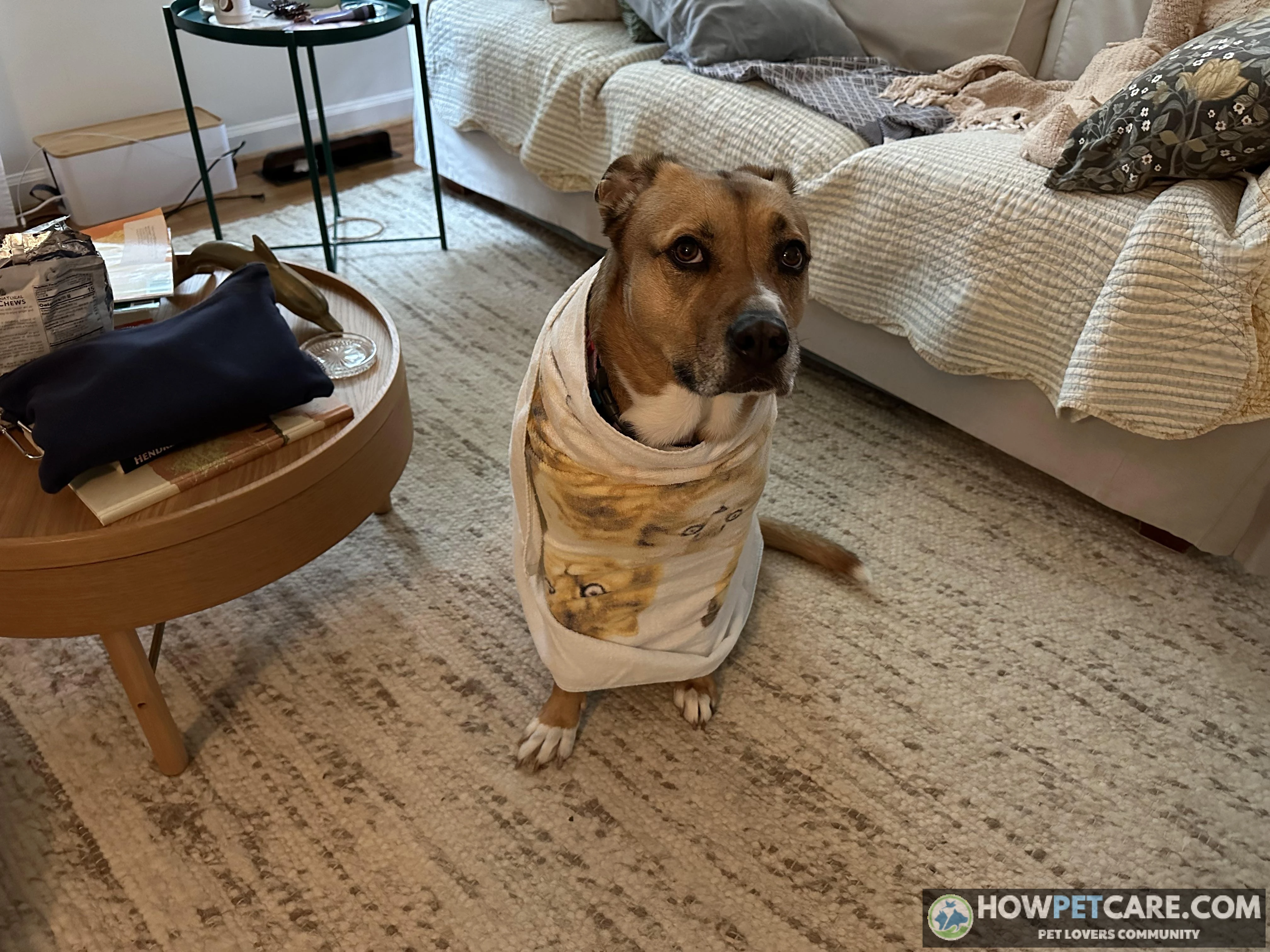
Exposure usually comes from three places: airborne dander settling on soft surfaces, direct contact with saliva from licking, and occasionally urine in bedding or crates. Practical measures focus on reducing that exposure rather than finding a magic breed. They include regular bathing on a schedule; frequent washing of bedding, blankets, and sweaters; keeping the dog out of the bedroom if your reactions are respiratory; and filtering the air in the rooms where you spend the most time.
How to test your reaction before you commit
If the breeder is far away, ask for a video visit first, then arrange an in-person meeting before paying any deposit. A second visit rarely reverses a reaction on the first. If you don’t react, still plan for the first month at home as a trial period and get the breeder’s return policy in writing. Allergy-friendly pets sit on a spectrum, and the meaningful test is how you respond to a specific dog.
American Hairless Terrier Temperament, Energy Level, and Family Fit
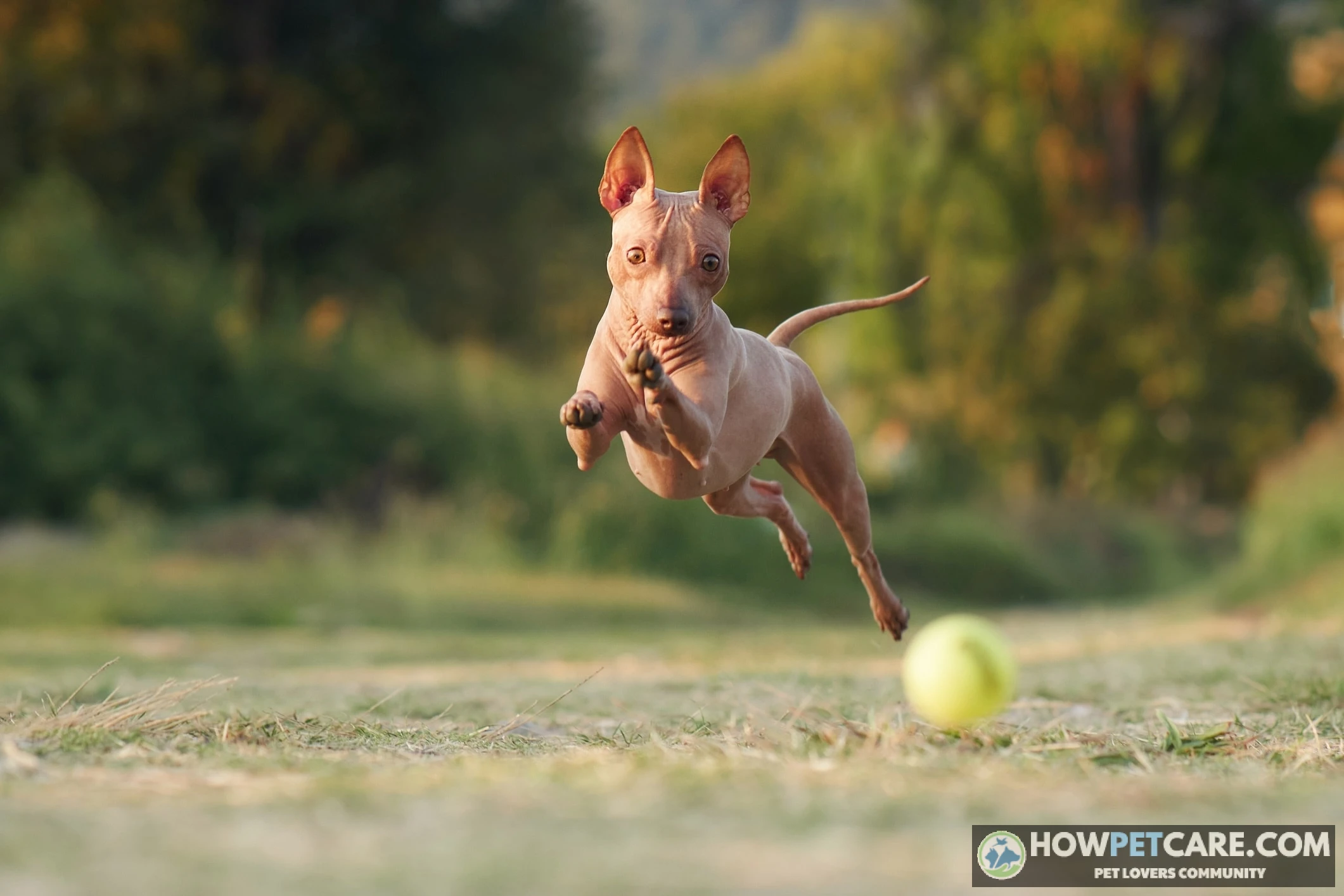
The breed’s reputation is broadly accurate: AHTs are energetic, curious, feisty, and playful. They generally get along with children, cats, and other dogs, and make alert, bark-prone watchdogs. A short description doesn’t quite convey the terrier drive behind that behavior. The same instinct that makes the dog fun to train also makes it notice a squirrel three lawns away.
Is the American Hairless Terrier a good family dog?
Often yes, though there’s a condition that’s easy to underestimate. Exposed skin means a well-meaning toddler hug can leave a scratch that a coated dog would shrug off. The breed tends to do best with children old enough to handle it gently and adults who supervise rather than leave dog and child alone together. Older kids usually enjoy the breed’s playfulness and willingness to join in games.
Exercise and enrichment needs for a terrier
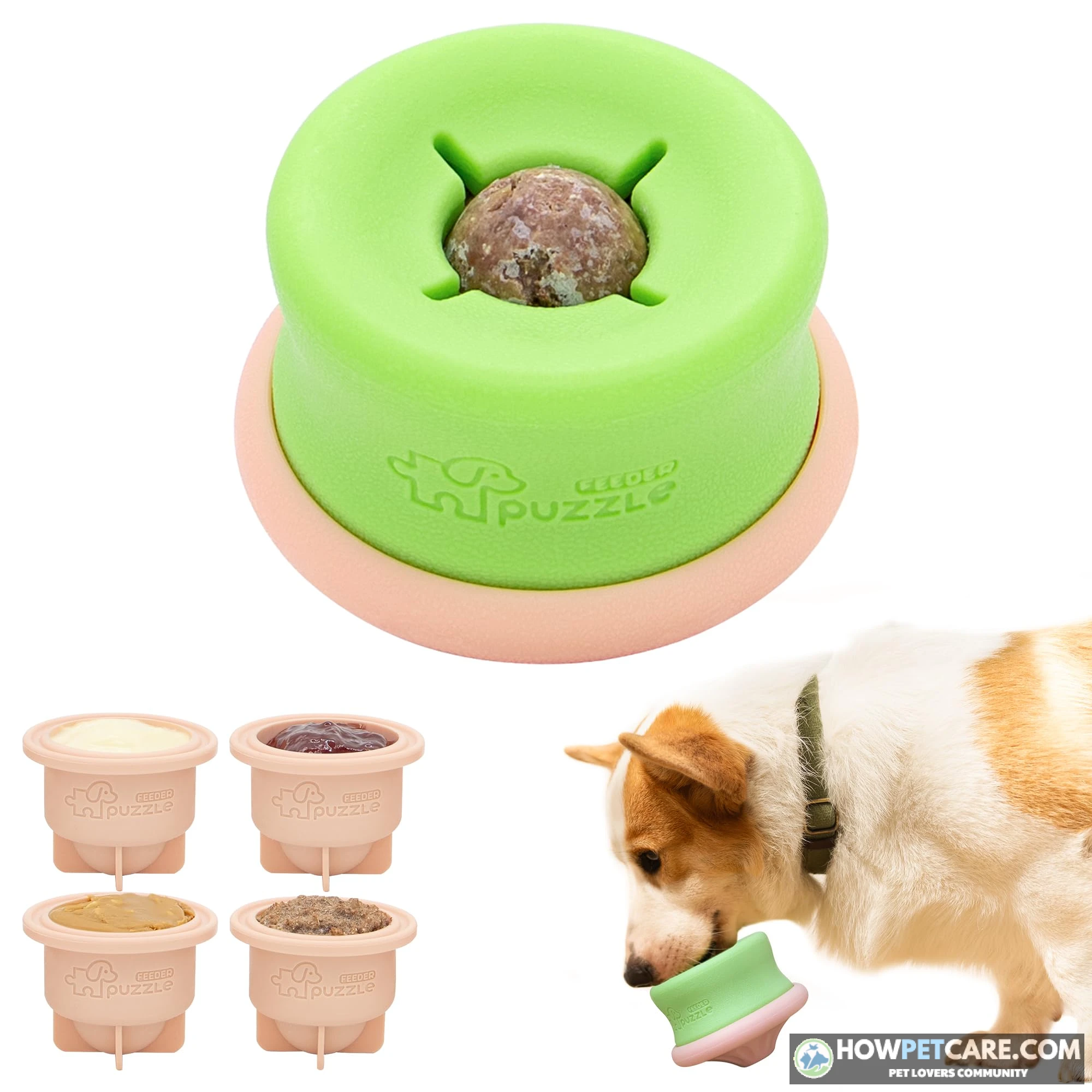
Plan on a daily walk plus several short play or training sessions, adjusting for the individual dog. Mental work matters as much as mileage. Puzzle feeders, simple scent games, and short obedience sessions tire a terrier more efficiently than a longer walk. An under-stimulated AHT tends to redirect its energy into barking, digging, or chewing, behavior owners often mistake for stubbornness.
AHTs respond best to positive reinforcement and short, frequent training sessions. Early socialization with people, dogs, and household sounds is worth the effort. Housetraining a small breed takes patience and a consistent schedule rather than firmness. Around small pets such as rodents, rabbits, and birds, assume prey drive is present and manage introductions carefully. Cats and other dogs are usually workable with slow, supervised introductions.
The breed’s small size makes apartment living plausible, but barking is the usual complaint. Alert barking is part of the job description, so plan to train quiet on cue rather than expect silence. Build up time alone gradually; this people-oriented dog doesn’t relish being left for long stretches.
AHT vs. Rat Terrier, Xoloitzcuintli, Chinese Crested, and Peruvian Inca Orchid
The AHT is one option among several hairless dog breeds. The most useful differences to consider are size, the genetics behind the missing coat, and what those genetics mean for teeth.
| Breed | Typical size | Hairless gene type | Coat varieties | Dental profile | Skin-care burden | AKC status |
|---|---|---|---|---|---|---|
| American Hairless Terrier | 12–16 in; roughly 12–16 lb | Recessive — not linked to tooth defects | Hairless and coated, from the same litters | Full, normal dentition typical | High: sunscreen, moisturizing, cold protection | Fully recognized, Terrier Group (2016) |
| Rat Terrier | 10–13 in (miniature) or 13–18 in (standard); roughly 10–25 lb | None — fully coated | Short single coat only | Normal | Low: basic grooming | Fully recognized, Terrier Group |
| Xoloitzcuintli | Three sizes, roughly 10–23 in | Dominant — linked to missing teeth | Hairless and coated | Hairless dogs often missing premolars | High: same sun and skin needs | Fully recognized, Non-Sporting Group |
| Chinese Crested | 11–13 in; roughly 8–12 lb | Dominant | Hairless and long-haired “powderpuff” | Hairless variety prone to missing, crowded teeth and early tooth loss | High | Fully recognized, Toy Group |
| Peruvian Inca Orchid | Three sizes, roughly 10–26 in | Dominant | Hairless and coated | Missing teeth common in hairless dogs | High | Foundation Stock Service — not yet fully recognized |
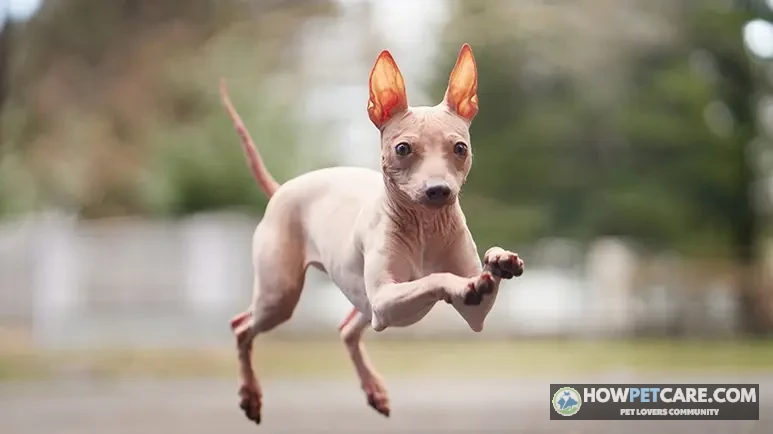
Recessive vs. dominant hairless genes
The dominant mutation carried by the Xoloitzcuintli, Chinese Crested, and Peruvian Inca Orchid affects the same developmental pathway that builds teeth. Hairless adults of those breeds are therefore frequently born without premolars or with crowded, fragile teeth that need early attention. The AHT’s hairlessness comes from a different, recessive mutation. AHTs typically keep a full set of teeth, and two coated carriers can still produce hairless puppies.
AHT vs. Xoloitzcuintli: which suits your home?
The Xoloitzcuintli comes in three sizes and spans a much wider height range, giving households an option for a larger hairless dog. It also carries the dominant-gene dental risk and is generally less available in the US than coated terrier breeds. The AHT is smaller and has a busy terrier temperament; its dental care is more routine than corrective. Both need sun and skin protection, so neither has an advantage on care burden.
For a compact, active terrier with a typical dental profile, consider the AHT if you’re prepared for daily skin care. For a coated dog with a much lower grooming bill, the Rat Terrier is the ancestor without the sunscreen. The Xolo offers a larger hairless dog if you accept the dental trade-off. None is the “best” hairless breed for every home. Consider the size you can accommodate, your patience for dental care, your climate, and how long you’re willing to wait for a puppy.
American Hairless Terrier Health Problems and the Health Tests Breeders Should Provide
The AHT is generally regarded as a healthy small breed, but that doesn’t mean it’s free of health concerns. Orthopedic and cardiac issues common to small dogs still apply, while exposed skin brings a separate set of everyday risks.
Conditions to know by name:
- Patellar luxation — the kneecap slips out of place, a common small-breed issue that ranges from occasional skipping to lameness.
- Legg-Calvé-Perthes disease — a hip condition in which the blood supply to the femoral head fails, typically appearing in young, small dogs as stiffness or a limp.
- Cardiac conditions — heart murmurs and valve disease are worth screening for because early detection changes management.
- Dental disease — less characteristic here than in dominant-gene hairless breeds, but still common and preventable.
- Skin problems — sunburn, blackheads and acne, dryness, and contact irritation, all covered in the routine below.

Health-test checklist for breeders
Ask for documentation, not adjectives. “Vet checked” is not a health test.
- ☐ OFA or equivalent results for both parents: patellar luxation evaluation, cardiac exam, and Legg-Calvé-Perthes or hip screening — confirm the current recommended panel on the parent club or OFA/CHIC listing rather than trusting a website
- ☐ Certificates you can read, not summaries — test name, date, and result
- ☐ Verifiable AKC registration for the litter or puppy
- ☐ A written contract with a health guarantee and a take-back clause
- ☐ A first-week veterinary exam on your end covering knees, heart, teeth, and skin
If results are missing, ask whether the tests were done but not shared. If the answer is vague or the breeder dismisses testing as unnecessary for a “healthy breed,” keep looking.
Skin and dental concerns specific to hairless dogs
Skin issues are the most predictable health cost of owning this breed: sunburn on pale or lightly pigmented areas, blackheads along the chin and belly, dryness in heated homes, and irritation where a harness or sweater rubs. Dental care is still necessary. Brush, use dental chews, and arrange professional cleanings as your vet advises. The catastrophic early tooth loss seen in dominant-gene hairless breeds, however, isn’t the typical AHT pattern.
A 14–16 year lifespan is a realistic target, not a promise. Health-tested parents, routine dental care, consistent skin protection, and regular preventive vet visits are factors an owner can control.
Hairless Dog Skin Care: Sunscreen, Bathing, Moisturizing, and Seasonal and Life-Stage Routines
Bare skin is exposed to everyday risks. The routine below addresses sunburn, blackheads from oil and grime, dryness from over-bathing, and chilling in cold weather. The frequencies are starting points for a healthy adult; your vet can adjust them for your dog’s skin.
-
Daily: 60-second skin check
Run your hands over the dog and look for new blackheads on the chin, chest, and belly, as well as red patches, flaking, or scratches. Problems show up early on bare skin, so use this check to catch them.
-
Before outdoor time: sunscreen
Apply a product labeled for dogs to exposed areas. Reapply every 1–2 hours of direct sun and after swimming. On bright days, favor shade, a UV-protective shirt, and walks outside the 10 a.m.–4 p.m. peak.
-
After dirty outings: wipe-down
Use a damp cloth or dog-safe wipe to remove grime and oil buildup that feeds blackheads. A full bath isn’t needed.
-
Once a week: bath day
Use lukewarm water and a gentle, dog-formulated cleanser that’s hypoallergenic or oatmeal-based. Don’t over-bathe; bathing more than weekly can strip skin and worsen dryness. Pat dry rather than rub.
-
After the bath: moisturize
While the skin is slightly damp, apply a light, dog-safe, non-greasy moisturizer. Skip heavy human lotions and straight oils, which clog pores and feed acne.
-
Bath-day extras: nails, ears, laundry
Trim nails and check ears during the same session. Launder bedding, sweaters, and blankets too, since dirty fabric re-deposits oil onto clean skin.
-
Seasonal layers
Below about 45 °F (7 °C), use a sweater indoors and a coat outside, and shorten trips. In heat and high-sun climates, put shade first, keep water available, and watch pink or lightly pigmented skin for early sunburn.
-
Life-stage note
Expect the soft, fuzzy puppy coat to shed out around 8–12 weeks. That’s normal, not a skin problem. Start the adult routine once skin is bare. For seniors, shorten cold-weather outings and ask your vet about joint-friendly adjustments.
Skip human sunscreens containing zinc oxide or salicylates, which are risky if licked. Also avoid heavy human moisturizers and essential-oil blends. Ask your vet for a brand they trust for canine skin. See a vet for persistent pustules, spreading rash, or thickened dark patches; acne that doesn’t clear with cleaning may need prescription treatment.
Sunscreen and sunburn protection for hairless dogs
The highest-risk areas are the ears, muzzle, belly, and any patch with pale or pink pigmentation. Reapplication matters more than SPF numbers: a single morning application won’t survive a long afternoon outdoors. Build the habit around your walk schedule. Apply sunscreen before the midday walk, use shade and a shirt during yard time, and wipe the dog down afterward.

Cold-weather and hot-weather plan
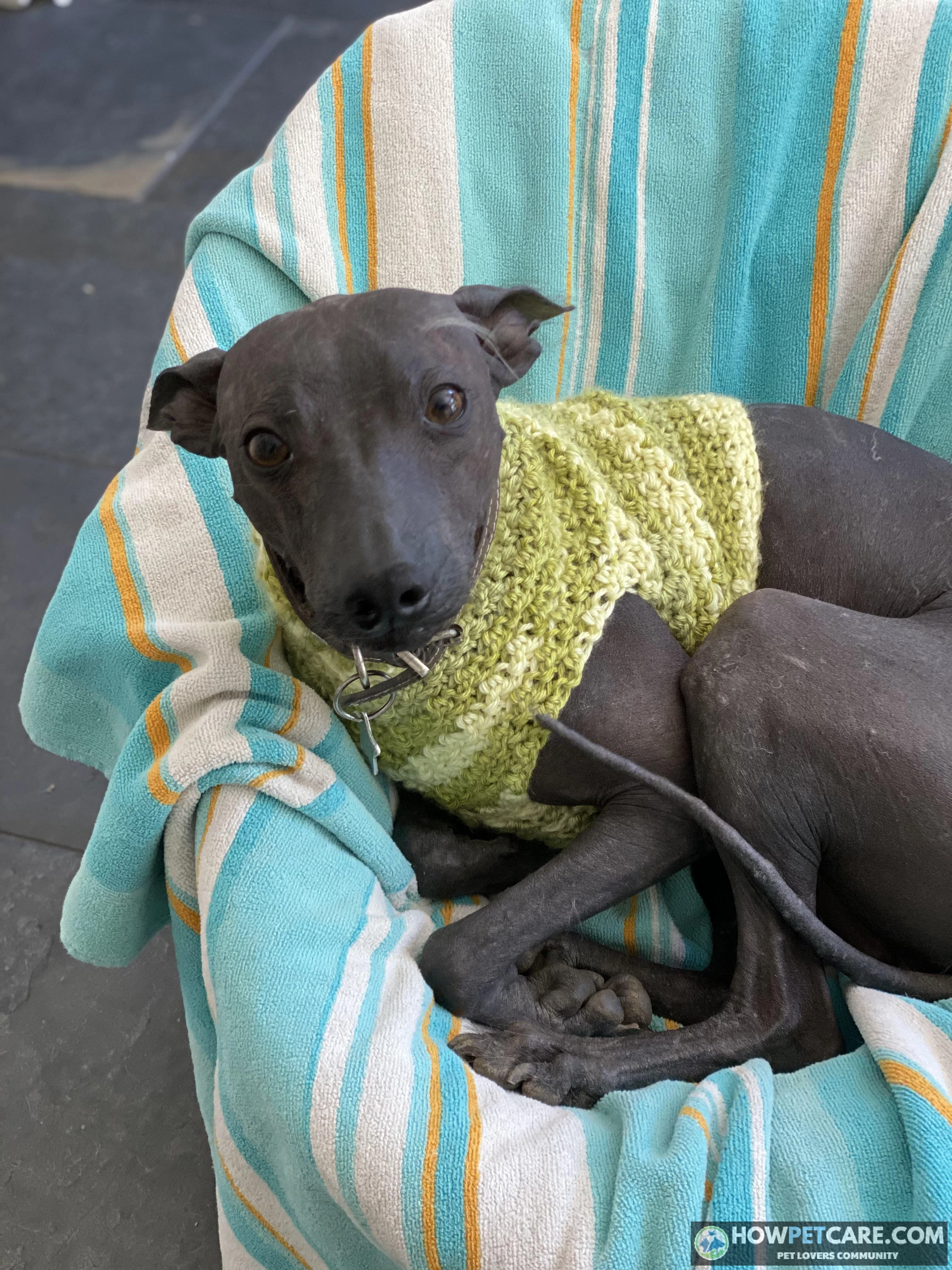
The hairless variety has almost no insulation, so it needs a sweater outdoors in cold weather. Keep walks short in low temperatures, check paws for grit and salt, and provide a warm, draft-free place to sleep indoors. In hot climates, reverse the schedule: go out in the early morning and evening, use shade in between, and test hot pavement before a walk to protect paws.
Puppy, adult, and senior care differences
Puppies arrive fuzzy and lose that coat around 8–12 weeks, when the adult routine begins. Until then, keep baths gentle and avoid harsh products on young skin. Adults settle into the weekly rhythm above. Seniors need the same skin care, along with attention to thinner, more fragile skin, shorter cold-weather outings, and routine checks for lumps or slow-healing spots. Get feeding guidance from your vet or the breeder’s chart rather than relying on an invented amount. Body condition is a better measure than cup counts on a website.
How Much Does an American Hairless Terrier Cost? Vetting Breeders, Rescues, and Your Final Checklist
Expect roughly $900–$1,200 for a puppy from a US breeder. That’s the range cited by the few breed profiles that quote a price, and it’s an estimate rather than a quote. The AHT is a rare breed, breeders are few, and waitlists are normal. Acquiring one can cost time as well as money.
Realistic price range and why waitlists happen
A rare breed with a small gene pool has limited litters, and good breeders interview buyers rather than advertise continuously. Deposits are standard. Get the amount and refund terms in writing before you pay anything.
Ongoing costs fall into predictable categories, though totals vary: routine veterinary care and preventive visits; dog-labeled sunscreen, cleanser, and moisturizer; cold-weather clothing that fits; training classes; professional dental cleanings; and pet insurance if you choose it. Budget for skin products as a monthly line item rather than an occasional purchase. They’re a recurring cost specific to this breed.
-
Inquire
Contact several breeders and the parent club at once. Ask about upcoming litters, current waitlist length, and the health tests they run on their breeding dogs.
-
Apply
Expect an application and a conversation about your home, climate, work schedule, and allergy situation. A breeder who asks nothing isn’t being efficient.
-
Join the waitlist
Ask where you sit, how often you’ll get updates, and whether the deposit is refundable if the timing doesn’t work out.
-
Review documentation before paying
Request the parents’ test results, the litter’s registration details, and the contract. Read the health guarantee and return clause in full.
-
Meet the dog
Visit in person or do a live video walk-through of the setup. Meet the dam if possible, and handle the puppy you’re actually buying.
-
Go home at 8–10+ weeks
Puppies shouldn’t leave before roughly 8–10 weeks. Book your first veterinary exam for the first few days after pickup.
Breeder vetting steps and red flags
Work through the checklist below. If a breeder fails two or more items, that’s a reason to walk away, not a project to fix.
Documentation to demand before any deposit
- ☐ OFA or equivalent results for both parents: patellar luxation evaluation, cardiac exam, and Legg-Calvé-Perthes or hip screening — confirm the current recommended panel on the parent club or OFA/CHIC site
- ☐ Verifiable AKC registration for the litter or puppy
- ☐ A written contract covering a health guarantee and a take-back or return clause
Questions to ask
- ☐ “Can I meet the dam — or do a live video visit if I am remote?”
- ☐ “How tall are both parents, and what size did your previous litters finish at?” — cross-check against the size table above
- ☐ “What happens if my vet finds a problem in the first week?”
- ☐ “Can I see the actual test certificates, not just a vet-check note?”
What is normal for a rare breed
- ☐ A waitlist and an application — a good breeder interviews you
- ☐ A deposit with the amount and refund terms in writing
- ☐ Puppies going home at roughly 8–10+ weeks, not earlier
Red flags — walk away
- ☐ No health testing, or “vet checked” offered as a substitute
- ☐ Puppies always available, or several litters running year-round
- ☐ Pressure to pay quickly, cash or wire only, or shipping offered to anyone who asks
- ☐ Refusal to show where puppies are raised or to introduce the mother
- ☐ Zero questions about your home, climate, or allergy situation
Rescue options for a rare breed
Rare-breed adults do become available for rehoming. Contact the parent breed club’s rescue coordinator, search for AHT-specific rescue groups, and set alerts on general shelter and adoption platforms. Ask about the dog’s skin history, dental records, and any known allergy notes from its previous household. Adoption fees are typically lower than breeder prices, but the vetting work is the same: meet the dog, review veterinary records, and confirm the rehoming terms in writing. The wait can run months, as can a good breeder’s list.
Is an AHT right for you? A decision checklist
- ☐ You have spent extended time with a specific AHT and/or consulted an allergist about your reaction
- ☐ You accept that no dog is allergen-free, and you have a plan for bathing, laundry, and air filtering
- ☐ Your budget covers both acquisition and recurring skin products, dental care, and routine vet visits
- ☐ You can commit to a daily skin check and a weekly bath-and-moisturize session
- ☐ Your climate plan is real: sweaters and short winter walks, or shade and midday avoidance in hot, sunny regions
- ☐ Your household can supervise interactions with young children and manage small pets safely
- ☐ You have verified health-test documentation and AKC registration for the specific puppy, or veterinary records for a rescue
- ☐ You have read the contract, including the return clause, before paying a deposit
If most boxes are checked, your household may be a good fit for the breed. If skin care gives you pause, take that seriously: it’s a regular commitment that can make the difference between a happy owner and a frustrated one. Start with the parent club’s breeder referral list and rescue contact, ask your size and health questions in writing, and book the allergy visit before the deposit, not after.
 You might be wonderingTeacup dogTeacup Dogs: Breed Reality, Health Risks, and Real CostsRead the answer
FAQ
How long do American Hairless Terriers live?
They are commonly reported to live about 14 to 16 years, although the figure varies by source and by individual dog. Health-tested parents, dental care, and good skin care all help.
Do American Hairless Terriers shed?
The hairless variety has little to no hair to shed, but it still sheds dead skin cells, which is dander. The coated variety has a short coat and sheds lightly.
Do American Hairless Terriers need sweaters in cold weather?
Yes, the hairless variety usually does, because it has little insulation. Provide a coat or sweater for outdoor time in cold weather, keep walks short, and keep the home warm.
Can an American Hairless Terrier live in an apartment?
Often yes, because it is a small breed. It still needs daily walks, play, and mental stimulation to stay content, and a bored terrier may bark or become destructive.
Are there American Hairless Terrier puppies for sale in the US?
Yes, but breeders are few and many keep waitlists. Ask for health-test results, check AKC registration, and consider breed-specific rescues and the parent club as alternatives.